KYIV : Ukraine and Sweden have entered advanced discussions on one of Stockholm’s most substantial security assistance packages to date, combining immediate battlefield requirements with longer-term air combat decisions that could reshape Ukraine’s ability to contest Russian air operations.
Ukraine’s Ministry of Defense confirmed on February 1, 2026, that Mykhailo Fedorov met in Kyiv with Pål Jonson to finalize the framework of a wide-ranging military support package. Ukrainian officials described the talks as both a political signal of long-term commitment and a step toward deeper defense-industrial cooperation between the two countries.
Integrated Focus On Air Defense And Electronic Warfare
According to official Ukrainian statements, the discussions centered on Saab-produced air defense systems and radar technologies, expanded electronic warfare support, and multiple categories of unmanned aerial systems. These elements are intended to strengthen Ukraine’s detection, tracking, and engagement cycle at a time when Russian forces continue to rely heavily on air-delivered stand-off weapons.
Saab radars and air defense components would enhance early warning and targeting capacity, while electronic warfare assets are designed to disrupt Russian strike chains, including guidance links and navigation systems. Drone support, ranging from reconnaissance to strike platforms, is expected to complement these systems by extending surveillance reach and applying pressure on Russian rear areas.
Ukrainian officials indicated that the package reflects a shift toward a more integrated air defense and air denial concept, rather than isolated system deliveries. The approach aligns with Ukraine’s current operational needs, where layered defenses and networked sensors are increasingly critical against glide bombs and missile attacks.
Aviation Track Opens Discussion On Gripen And Meteor
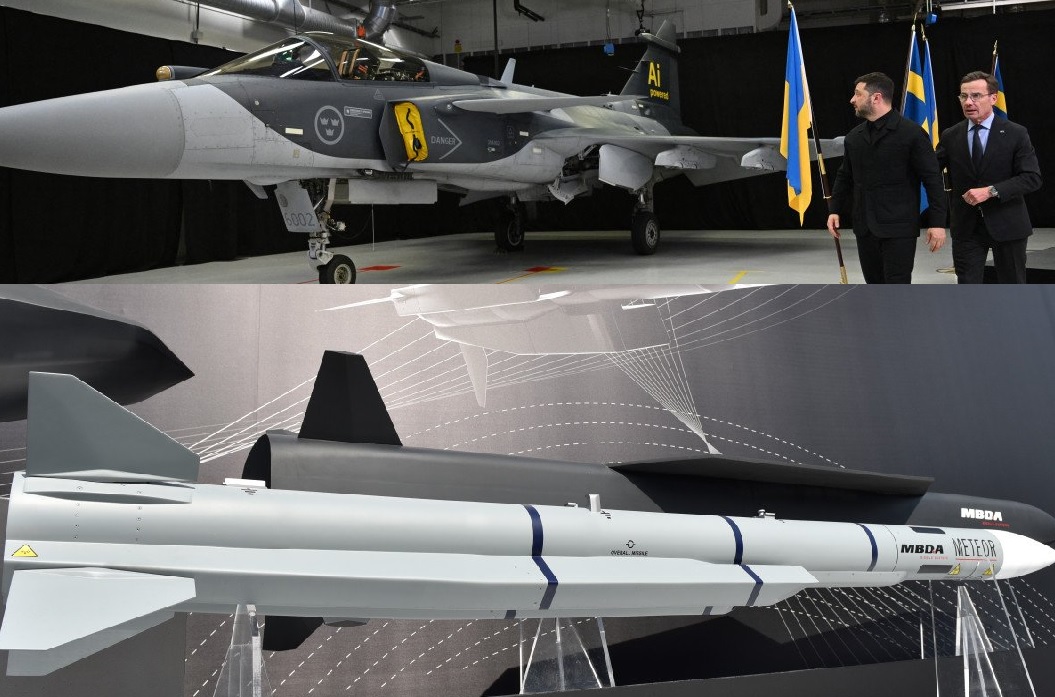
Beyond near-term defensive systems, the talks opened a parallel aviation dialogue covering the possible transfer of Saab’s JAS 39 Gripen fighters and the Meteor beyond-visual-range air-to-air missile. Ukrainian officials emphasized that this aviation track represents a qualitative discussion rather than a finalized decision, but acknowledged its strategic importance.
The Gripen discussion is significant because the aircraft is designed for operations from dispersed and austere bases, a factor that aligns with Ukraine’s need to reduce vulnerability to missile strikes on major airfields. Gripen’s compatibility with NATO-standard weapons and sensors also makes it a candidate for deeper integration with Western-supplied systems already in Ukrainian service.
However, Ukrainian officials privately noted that the Meteor missile is the most consequential element under consideration, as it directly targets the operational patterns of Russian tactical aviation.
Meteor’s Technical And Operational Characteristics
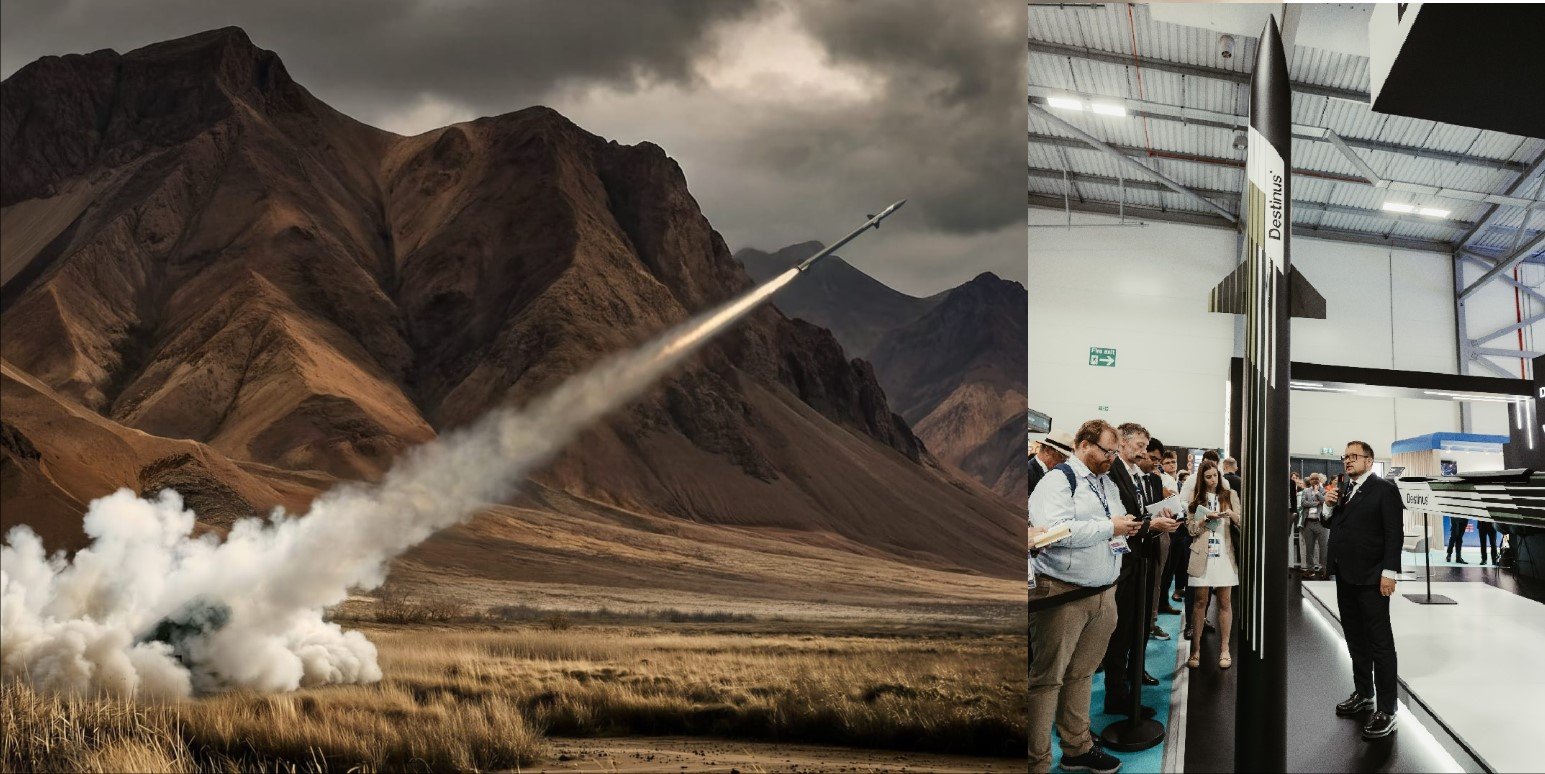
Meteor is a European-developed beyond-visual-range air-to-air missile produced by MBDA through a multinational program involving the United Kingdom, Germany, Italy, France, Sweden, and Spain. It is designed to maintain high lethality at extended ranges and against maneuvering targets.
A defining feature of Meteor is its solid-fuel variable-flow ducted rocket propulsion, often described as a ramjet-type engine. Unlike conventional missiles that rely on a short boost phase, Meteor sustains thrust throughout much of its flight, allowing it to retain high speed deep into the engagement. Open-source technical data commonly attributes Meteor with speeds exceeding Mach 4 and a maximum range of 200 kilometers or more, depending on launch conditions. Its “no-escape zone”, the distance within which a target aircraft cannot reliably evade, is frequently cited at 60 kilometers or beyond.
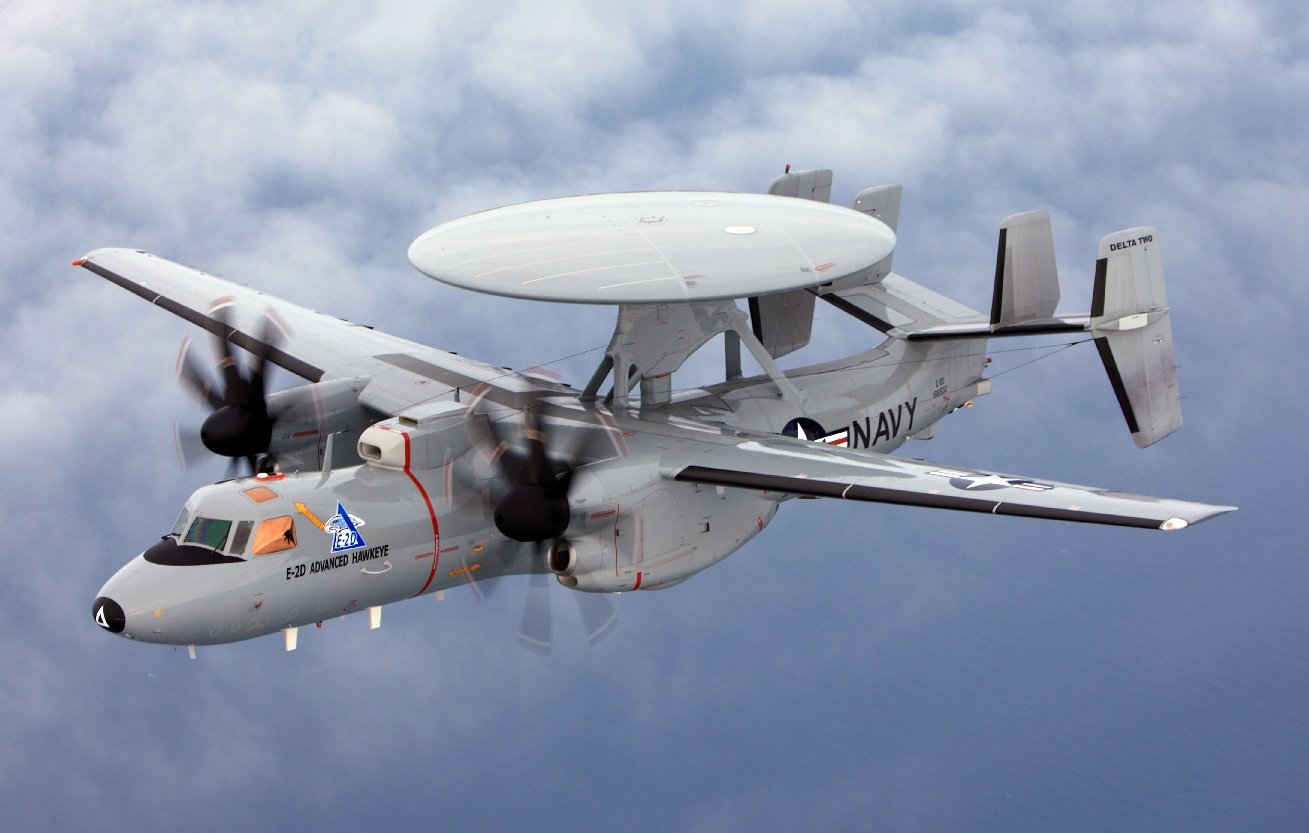
Meteor employs inertial navigation during the mid-course phase, supported by a two-way datalink that allows in-flight updates. In the terminal phase, an active radar seeker enables autonomous homing. This guidance architecture allows the missile to engage targets that maneuver, turn away, or attempt to evade using terrain or electronic countermeasures. It also supports networked tactics, where targeting data can be provided by the launching aircraft or, in some concepts, by third-party sensors such as ground-based radars or airborne early warning platforms.
Physically, Meteor measures approximately 3.7 meters in length, with a diameter of 178 millimeters and a launch weight of around 190 kilograms. It carries a blast-fragmentation warhead and uses both impact and radio-frequency proximity fuzes to ensure effectiveness against fast-moving aircraft. The missile is already operational on the Eurofighter Typhoon, Dassault Rafale, and Gripen, and is undergoing integration on the F-35 and South Korea’s KF-21.
Relevance To Ukraine’s Current Air War
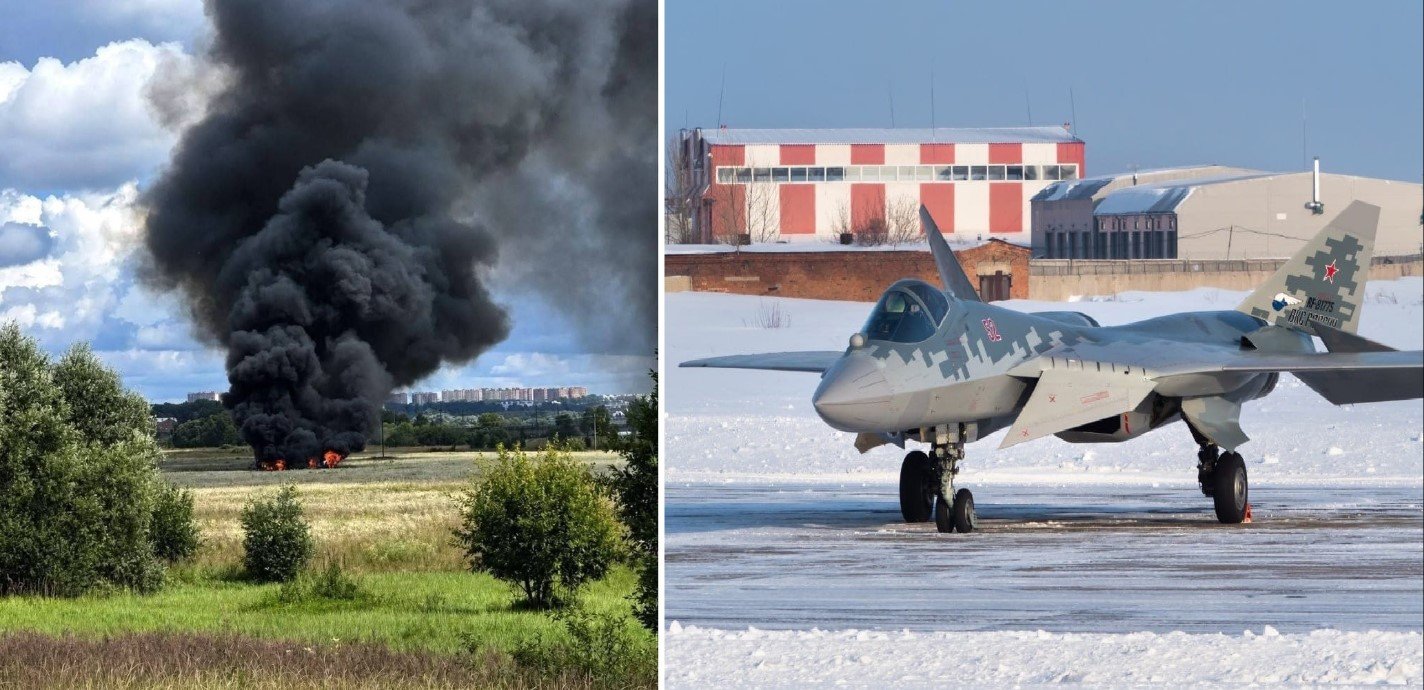
For Ukraine, Meteor addresses a specific operational challenge. Russian aircraft such as the Su-34 and Su-35 increasingly employ stand-off tactics, launching guided glide bombs from distances intended to remain outside Ukrainian surface-to-air missile engagement zones. This approach has reduced Russian aircraft losses while enabling sustained pressure on Ukrainian defensive positions and infrastructure.
A Ukrainian fighter force equipped with Meteor, particularly if paired with Gripen, would introduce a longer-range interception threat. Russian strike aircraft would face a higher risk of engagement earlier in their mission profile, potentially before releasing stand-off munitions. Meteor’s retained energy at long range limits the effectiveness of traditional evasive maneuvers, increasing uncertainty for Russian planners.
Ukrainian defense officials cautioned that such a capability would not by itself deliver air superiority. Constraints would remain in pilot training timelines, sortie generation rates, basing survivability, and operations under heavy electronic warfare. Nevertheless, they assessed that even a limited Meteor inventory could enable selective air denial, support ambush-style engagements, and force Russia to allocate additional escorts, jamming assets, or decoys, increasing the cost and complexity of each sortie.
Broader Implications For European Security Cooperation
The Swedish package under discussion reflects a broader evolution in European military assistance to Ukraine, moving beyond replenishment toward deliberate capability shaping. For Sweden, it would underscore an emerging role as a high-value defense partner combining industrial capacity, advanced technology, and long-term planning. For Ukraine, it would deepen integration with European defense industries and concepts of networked air defense.
Ukrainian officials framed the talks as part of a longer-term effort to adapt to a protracted conflict environment, where air and missile threats remain central. While no final decisions were announced, both sides signaled that the dialogue would continue, with further technical and political consultations expected in the coming months.
——— End of Article ———