KYIV — March 8, 2026 : A sharp increase in global fiber-optic cable prices has significantly altered the cost structure of manufacturing long-range strike drones, making satellite communication terminals such as those produced by Starlink more economical than fiber-optic control links in certain applications.
The shift was outlined by Oleksiy Babenko, director of the Ukrainian drone manufacturer Vyriy, during a livestream broadcast on the Ukrainian defense outlet Militarnyi. According to Babenko, recent price increases for optical fiber—largely driven by supply conditions in China—have made fiber-optic guidance systems significantly more expensive for drones designed to operate over distances of several dozen kilometers.
Cost Comparison Between Fiber Links and Satellite Terminals
During the broadcast, Babenko presented a cost comparison illustrating the shift in economic viability between the two communication methods.
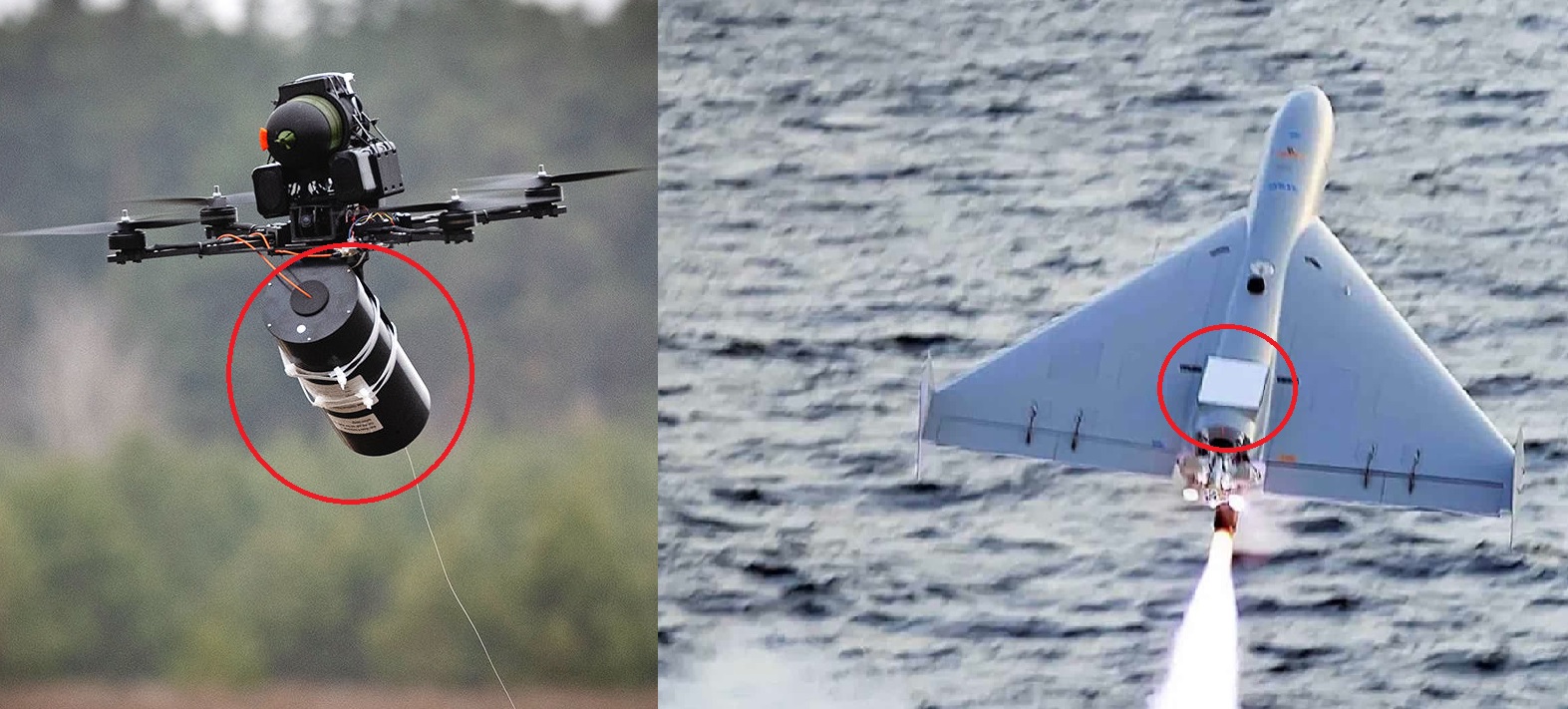
A Starlink satellite terminal currently costs approximately UAH 18,000. By comparison, a 35-kilometer spool of fiber-optic cable purchased at current market prices costs about $700, equivalent to roughly UAH 30,000, for the raw cable alone. This figure does not include additional costs such as connectors, protective housing, labor, or integration into the drone platform.
Based on these figures, Babenko noted that integrating a satellite terminal into a drone platform has become the lower-cost option. Satellite connectivity also allows operators to control drones from distant locations rather than relying on a physical fiber-optic link trailing behind the aircraft.
hinese Production Dominance and Price Increases
The increase in fiber prices is closely linked to supply conditions in China, which accounts for more than 60 percent of global optical fiber production. Price increases from Chinese suppliers began in early 2026 and have affected both civilian technology sectors and defense-related manufacturing.
Prior to the surge, optical fiber typically cost $4 to $5 per kilometer. Prices have since increased to around $20 per kilometer, with some suppliers charging up to $30 per kilometer depending on specifications and delivery conditions.
Manufacturers in both Ukraine and Russia that signed fixed-price supply contracts earlier are now facing higher material costs than originally anticipated. In some cases, companies are fulfilling previously agreed orders at a loss.
Suppliers have also changed payment terms due to limited availability of raw materials, with many now requiring 100 percent prepayment before production begins.
Demand Pressures From Military and AI Infrastructure
Industry analysts attribute the supply shortage to two major sources of demand that intensified during 2025.
The first factor is the increased battlefield use of fiber-optic controlled First-Person View (FPV) drones. These systems use a physical optical cable to transmit video and control signals between the drone and the operator. Because the signal travels through the cable rather than radio frequencies, such drones are largely immune to electronic-warfare jamming.
In recent combat operations, fiber-optic FPV drones with operational ranges of up to 50 kilometers have been deployed. Each system requires long spools of fiber-optic cable that unwind behind the drone during flight, contributing to large-scale consumption of optical fiber.
The second factor is the rapid global expansion of artificial intelligence computing infrastructure. Large AI data centers rely heavily on optical connections between servers that contain high-performance graphics processing units (GPUs). Large computing clusters may require tens of thousands to millions of kilometers of optical fiber for internal data transmission.
The simultaneous growth of these two sectors has significantly increased global demand for fiber-optic materials.
Russia’s Rapid Increase in Fiber Consumption
Global consumption patterns shifted noticeably in 2025, particularly due to wartime demand. Russia alone consumed approximately 10.5 percent of total global fiber-optic production, equivalent to nearly 60 million kilometers of cable. Prior to the escalation of drone usage, Russia’s share of global consumption was typically below one percent.
The increase was linked to the large-scale deployment of fiber-optic FPV drones and related communication infrastructure.
Loss of Russian Domestic Fiber Production
Russia’s reliance on imported fiber has also been intensified by the loss of its only domestic production facility.
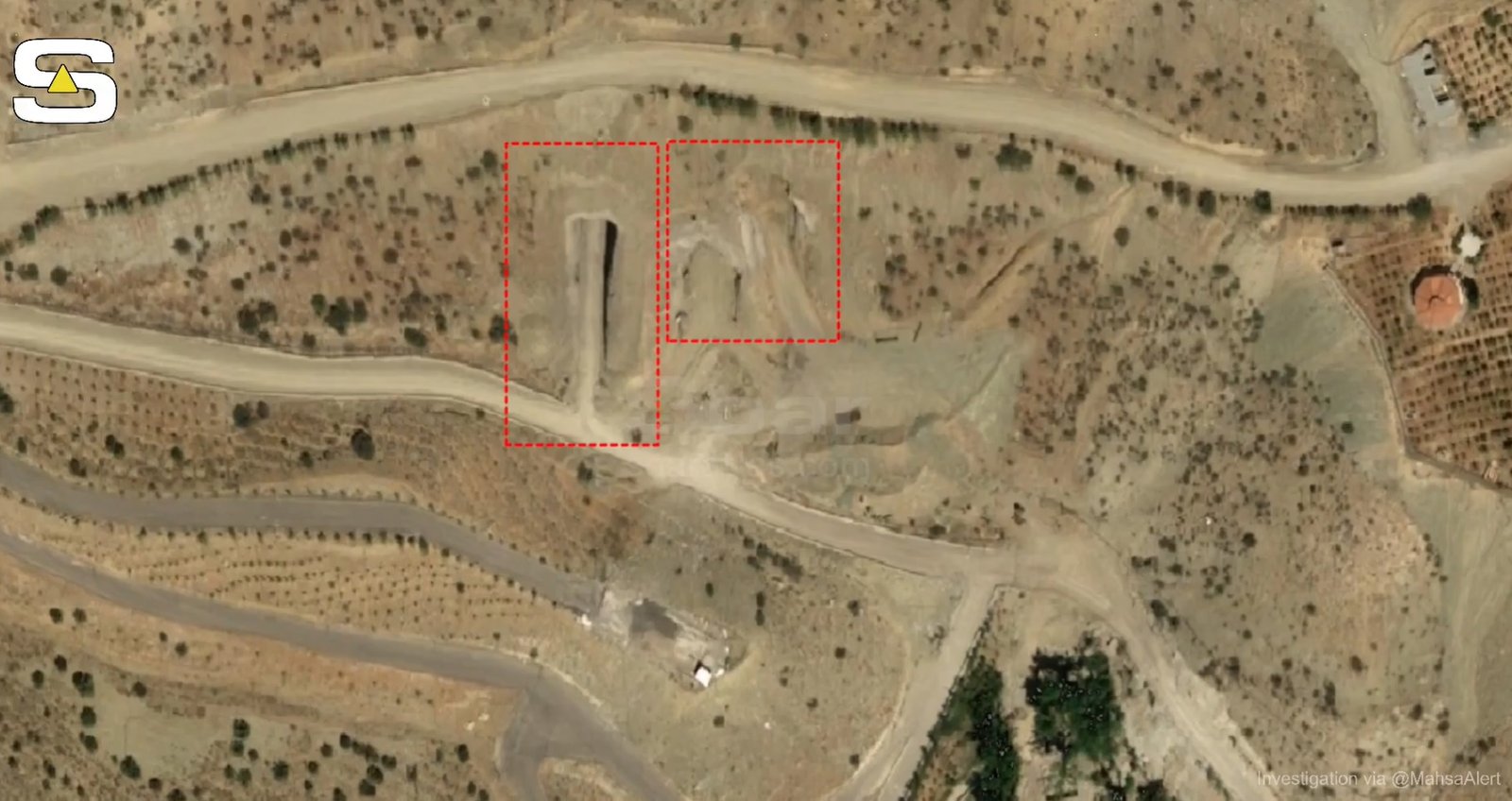
The plant operated by Optic Fiber Systems in the city of Saransk was damaged during Ukrainian drone strikes in April and May 2025. The facility has remained offline since those attacks.
Before the disruption, the Saransk plant produced approximately 4 million kilometers of optical fiber annually. Its output supplied roughly 20 to 24 Russian cable manufacturing factories, which processed the fiber into finished communication cables.
With domestic production halted, Russian manufacturers now rely almost entirely on imported fiber, primarily from Chinese suppliers.
Ongoing Use of Fiber-Optic Drone Systems
Despite rising costs, fiber-optic drone control systems continue to be used by both Ukrainian and Russian forces due to their resistance to electronic warfare interference.
Among Ukrainian systems currently deployed is the General Chereshnya OPTIX line of FPV drones, which has been officially adopted for use by Ukrainian defense units and fielded across more than 20 combat formations.
At the same time, wreckage recovered from some Russian drones has shown the integration of Starlink satellite terminals, indicating that satellite-based control links are also being tested or used in certain long-range drone applications.
Outlook for the Fiber-Optic Market
Industry estimates indicate that pressure on the fiber-optic market is likely to continue for several years. Analysts expect supply shortages and elevated prices to persist until at least 2027, driven by sustained demand from both military systems and expanding AI computing infrastructure.
As a result, drone developers are increasingly evaluating alternative communication methods—including satellite connectivity—for beyond-line-of-sight operations, while fiber-optic systems remain relevant in environments where electronic warfare can disrupt traditional radio communication links.
——— End of Article ———