KYIV : Elon Musk’s SpaceX has taken targeted technical steps to prevent the Russian military from using Starlink satellite terminals for drone operations in Ukraine, Ukrainian officials confirmed this week, saying the measures have produced measurable battlefield effects without disrupting Ukrainian military communications.
Ukrainian Defence Minister Mykhailo Fedorov said the actions followed sustained coordination between Kyiv and SpaceX after evidence emerged that Russian forces were operating suicide drones using unauthorized Starlink connections acquired through black-market channels.
Elon Musk confirmed the intervention in a public statement, saying the company had acted after being notified of the misuse and that additional steps could be taken if required. Ukrainian officials said the response was implemented rapidly and focused specifically on aerial threats rather than ground communications.
Drone Threat and Operational Impact
The measures were introduced after a series of attacks attributed to Russian drones equipped with Starlink terminals. Among the incidents cited by Ukrainian authorities was a strike on a moving passenger train that killed six civilians. Ukrainian officials said the ability to guide drones in real time over satellite internet significantly increased their range, precision, and resistance to electronic warfare countermeasures.
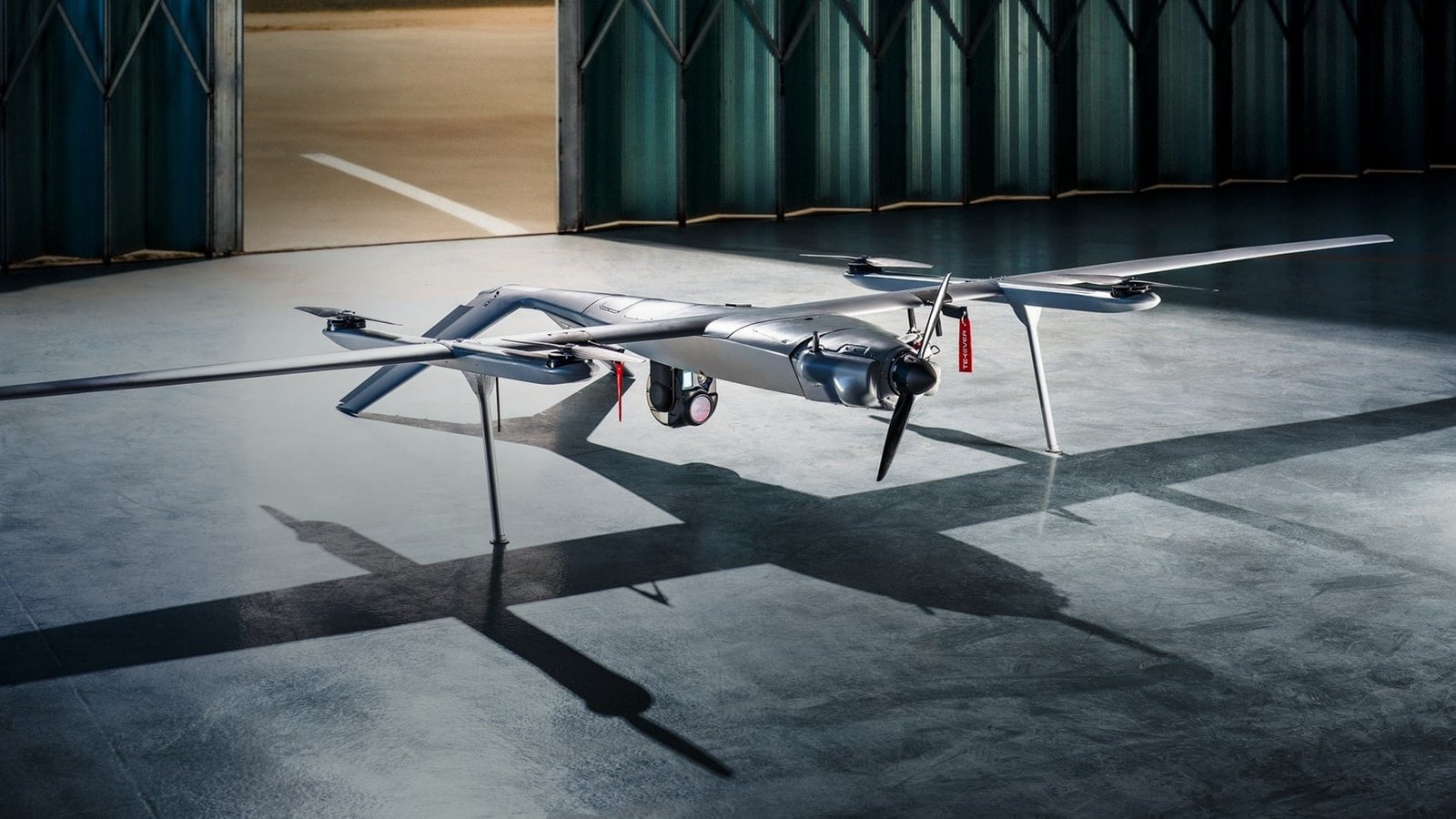
In mid-January, the Institute for the Study of War assessed that the integration of Starlink terminals into low-cost kamikaze drones, including the Molniya-2 and BM-35, had markedly improved Russian strike capabilities. The think tank noted that satellite connectivity allowed operators to fly drones at low altitudes while maintaining stable command links from significant distances.
Ukrainian officials said this capability reduced the effectiveness of traditional radio-frequency jamming systems, which are designed to disrupt line-of-sight or short-range control signals.
Technical Measures Introduced by SpaceX
According to Ukraine’s Defence Ministry information outlet ArmiyaInform, SpaceX introduced a geofenced speed limit for Starlink terminals operating over Ukrainian territory. The cap, set at approximately 75 kilometers per hour, is designed to interrupt connectivity for fast-moving aerial platforms while preserving service for slower ground vehicles and stationary users.
Ukrainian officials said most Russian attack drones exceed this speed during flight, preventing operators from maintaining continuous real-time control once the restriction is triggered. The policy effectively blocks airborne misuse without degrading Ukrainian military or civilian Starlink operations.
In parallel, the Ukrainian government is implementing a registration and authorization system for Starlink terminals. Fedorov said Kyiv is working directly with SpaceX to establish a “white list” of approved devices. Terminals not registered to Ukrainian authorities or verified users will be progressively disconnected within the operational zone.
Effects on Russian Military Communications
Russian military commentators and pro-war bloggers have reacted publicly to the disruption, warning that the loss of unauthorized Starlink access affects not only drone operations but also frontline communications more broadly. Russian forces have relied on smuggled terminals to provide internet connectivity for command coordination in areas where domestic military communications systems are unreliable.
Some Russian commentators have called on Vladimir Putin to seek external assistance to compensate for the loss of Starlink access. Attention has focused on Belarus, whose leadership has promoted a domestically developed satellite communications system as a potential alternative.
Belarusian System Faces Scrutiny
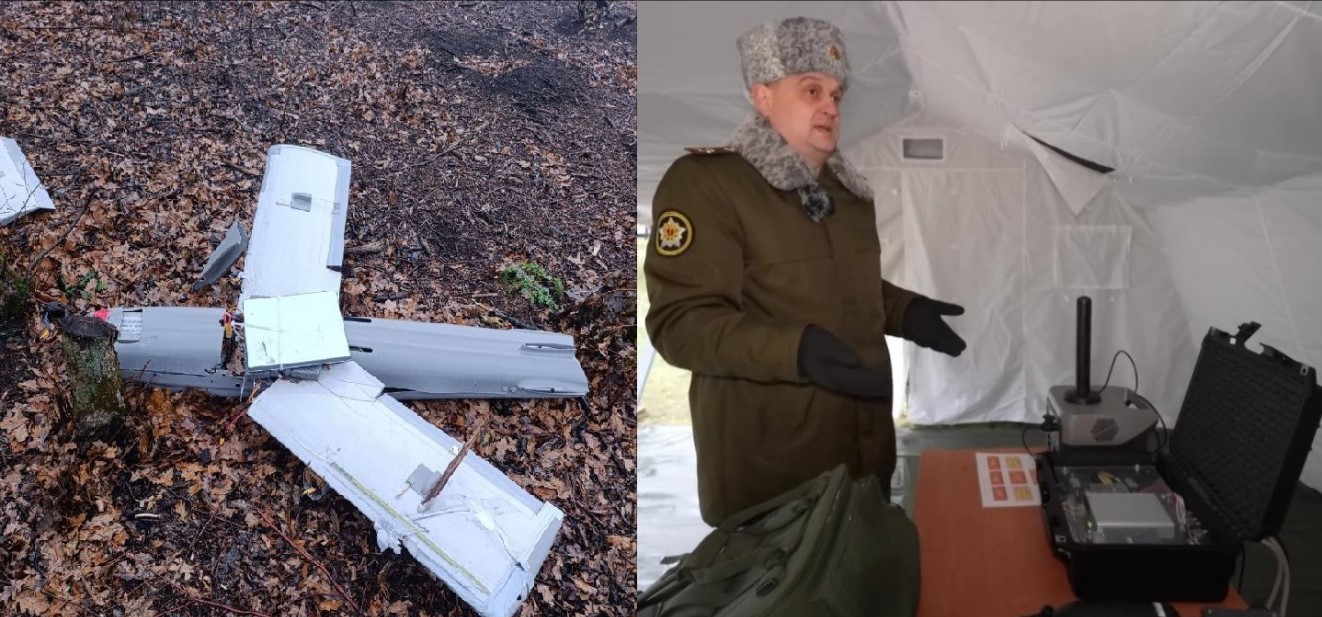
In December 2024, Belarusian officials announced a system known as Kulisa, described by Minsk as a national equivalent to Starlink. The announcement was made by Belarusian military communications officials and promoted by state media as a strategic breakthrough.
However, defense analysts remain skeptical. Footage broadcast by the Belarusian television channel CTVBY showed that Kulisa appears to rely on commercially available civilian hardware assembled into a basic enclosure. Analysts said the only identifiable military-grade element was an IP encryption module, known as Prytok-SH.
Unlike Starlink’s low-Earth orbit satellite network of more than 6,000 satellites, Kulisa is believed to rely on conventional geostationary or legacy telecommunications satellites. Analysts say this architecture lacks the low latency and high bandwidth required for real-time drone piloting or mobile battlefield operations.
Background of SpaceX–Ukraine Cooperation
The latest coordination reflects a renewed phase of cooperation between Kyiv and Musk after previous periods of tension. Starlink was activated in Ukraine within days of Russia’s full-scale invasion in February 2022, following a direct request from Fedorov, who at the time served as minister for digital transformation.
Ukrainian officials have repeatedly described Starlink as essential to military command, logistics, and civilian infrastructure, particularly during attacks on terrestrial communications networks.
Relations were strained in late 2022 when Musk declined a Ukrainian request to extend Starlink coverage to Sevastopol, citing concerns that such an expansion could enable an attack on Russia’s Black Sea Fleet and draw SpaceX into direct involvement in hostilities.
Musk has also criticized the scale and oversight of Western financial assistance to Ukraine, questioning the long-term strategy behind continued funding. At the same time, he has consistently said that Starlink would not be shut down entirely, arguing that a complete cutoff would cause immediate operational collapse along Ukraine’s front lines.
Current Status
Ukrainian officials said the new restrictions are narrowly targeted, reversible if necessary, and focused solely on preventing unauthorized military use by Russian forces. Kyiv maintains that Ukrainian military and humanitarian communications remain unaffected.
SpaceX has not disclosed further technical details, citing security considerations, but Ukrainian authorities say the existing measures are already limiting Russia’s ability to conduct satellite-guided drone strikes using Starlink infrastructure.
——— End of Article ———