PARIS — French aerospace and defence company Safran plans to double its defence sales between 2025 and 2030 by expanding production of guided bombs, missile engines, aircraft engines, navigation systems and land-based weapons.
According to French financial publication La Tribune, Safran invested approximately €850 million in production facilities between 2022 and 2026 and plans to invest around €1 billion in seven industrial expansion projects between 2025 and 2028. The projects include new factories and expansions of existing facilities in Europe and the United States. CEO Olivier Andriès expects defence sales to grow by around 20% annually during this period.
AASM Hammer Bomb Production Increases
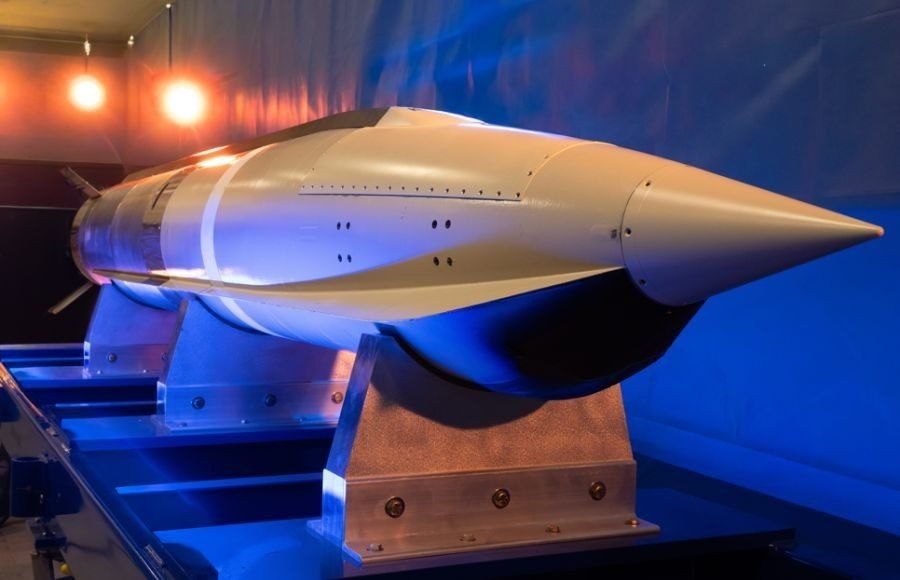
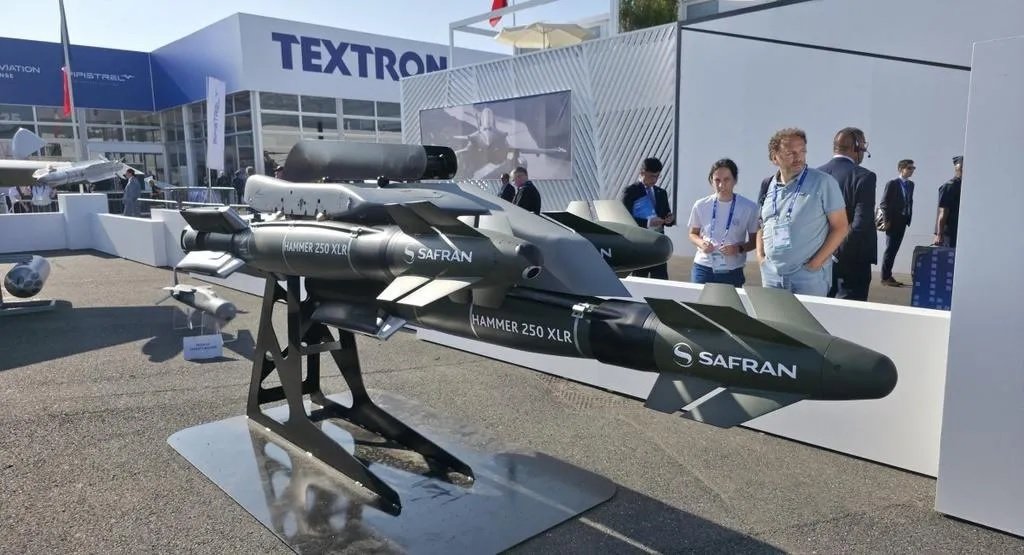
A key priority is the AASM (Armement Air-Sol Modulaire) guided bomb, marketed internationally as Hammer. Production increased from approximately 200 units in 2022 to 500 in 2023 and 830 in 2024, exceeding 1,000 in 2025. Safran expects to produce around 1,400 in 2026 and aims to reach 2,000 bombs annually from 2027. This represents roughly a tenfold increase from 2022 levels, while production cycles have been halved in recent years.
The AASM family includes 250 kg, 500 kg and 1,000 kg versions, with a reported range of more than 70 kilometres. The weapons equip French Rafale and Mirage 2000 aircraft, as well as Ukrainian combat aircraft. France ordered nearly €210 million worth of AASM weapons in 2026, with further funding planned.
Missile Engines and Aircraft Propulsion
Safran's rocket and missile engine production tripled between 2022 and 2026. The company aims to increase output to seven times its 2022 level by 2030, with broader reports describing a target of seven to ten times current output.
These engines support SCALP/Storm Shadow cruise missiles, Exocet MM40, Naval Strike Missile (NSM), RBS-15 anti-ship missiles and BQM jet-powered target drones.
Safran also plans to double M88 turbofan engine production between 2025 and 2029. The M88 powers the Dassault Rafale fighter. Production is also increasing for engines used in the NH90, Tiger, H225M and H145M military helicopters.
Over the past four years, production of optoelectronic missile seekers has increased sixfold, while output of Geonix inertial navigation systems has risen sevenfold.
Thundart Rocket System Development
Safran and European missile manufacturer MBDA have been selected to develop the Thundart multiple-launch rocket system (MLRS) under France's long-range land-strike programme. Designed to engage targets at ranges of up to 150 kilometres, the system is intended to replace France's existing Unitary Rocket Launcher and provide a sovereign long-range precision-strike capability.
The initial programme includes 26 launchers and 300 munitions for French forces. A demonstration firing took place in April 2026. The partners plan to establish a 50/50 joint venture for development, production and support, with operational systems targeted around 2030. They also anticipate export demand from allied countries.
New Factories in Germany and the United States
In Ludwigsburg, Germany, Safran is investing nearly €50 million in a new factory expected to become operational in early 2028. It will manufacture optoelectronic equipment, navigation systems—including fibre-optic gyroscopes and positioning, navigation and timing equipment—and portable optronic systems for soldiers. The facility is expected to create approximately 200 jobs, transferring and expanding activities from the existing Murr site.
In the United States, Safran plans to double production capacity for small turbojet engines. A new assembly line for TR40 engines is scheduled to open at its Grand Prairie, Texas, facility by 2028. These engines power Norway's Naval Strike Missile, and demand for the TR40 family has quadrupled in recent years.
Safran's seven planned industrial projects and wider production expansion are intended to meet growing defence demand and support its target of doubling defence sales between 2025 and 2030.
——— End of Article ———