SEOUL : South Korea has intensified development of an air-launched hypersonic anti-ship cruise missile following the successful flight validation of its land-based Hycore hypersonic cruise vehicle. The new air-delivered variant, introduced conceptually by Hyundai Rotem, is widely understood to be designated as the K-HCM (Korean Hypersonic Cruise Missile), and represents the next phase in Seoul’s expanding scramjet-powered strike capabilities.
The program builds directly on performance data gathered from the Hycore ground-launch testbed, which validated sustained hypersonic flight and integrated scramjet propulsion. Development is being coordinated under the leadership of the Agency for Defense Development (ADD), with major industrial participation from Hyundai Rotem and Hanwha Aerospace.
Air-Launched K-HCM Configuration
The air-launched K-HCM is being engineered with aerodynamic and structural modifications tailored for aerial deployment and maritime strike missions. Compared to the ground-launched Hycore configuration, the air-delivered version incorporates several key design differences.
The missile omits the interstage section required for ballistic trajectory management in ground-launched systems, resulting in a more streamlined external profile suited to release from an aircraft platform. It adopts a single solid-fuel booster configuration for initial acceleration, replacing the two-stage booster arrangement used in the land-based version.
The air-launched variant also features expanded wings and larger control surfaces. These structural adjustments are designed to support extended long-range cruising and controlled supersonic glide during the terminal phase of flight.
Hyundai Rotem publicly highlighted the anti-ship mission profile of the K-HCM during a promotional video shown at the Seoul International Aerospace and Defense Exhibition (ADEX) last year. The simulation depicted an air-launched hypersonic missile striking an Aegis-equipped surface combatant, indicating the system’s intended role against high-value naval assets protected by advanced air-defense networks.
Hycore Baseline Technical Data
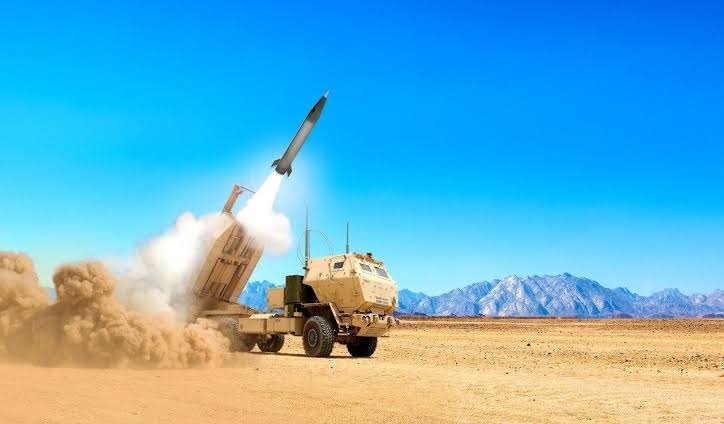
The accelerated development of the K-HCM follows the successful testing of the Hycore ground-based hypersonic cruise vehicle. South Korean defense contractors have released detailed operational parameters for the baseline system.
The Hycore missile measures 8.7 meters in length and weighs approximately 2,400 kilograms. It is designed to achieve a maximum speed of Mach 6.2. Flight testing conducted in 2024 validated sustained flight at Mach 6, confirming the performance of the propulsion and thermal management systems under hypersonic conditions.
The system has an estimated total strike range of approximately 800 kilometers. Its flight profile consists of a 500-kilometer high-altitude cruise phase at an altitude ceiling of around 30 kilometers, followed by a 300-kilometer supersonic glide phase toward the target.
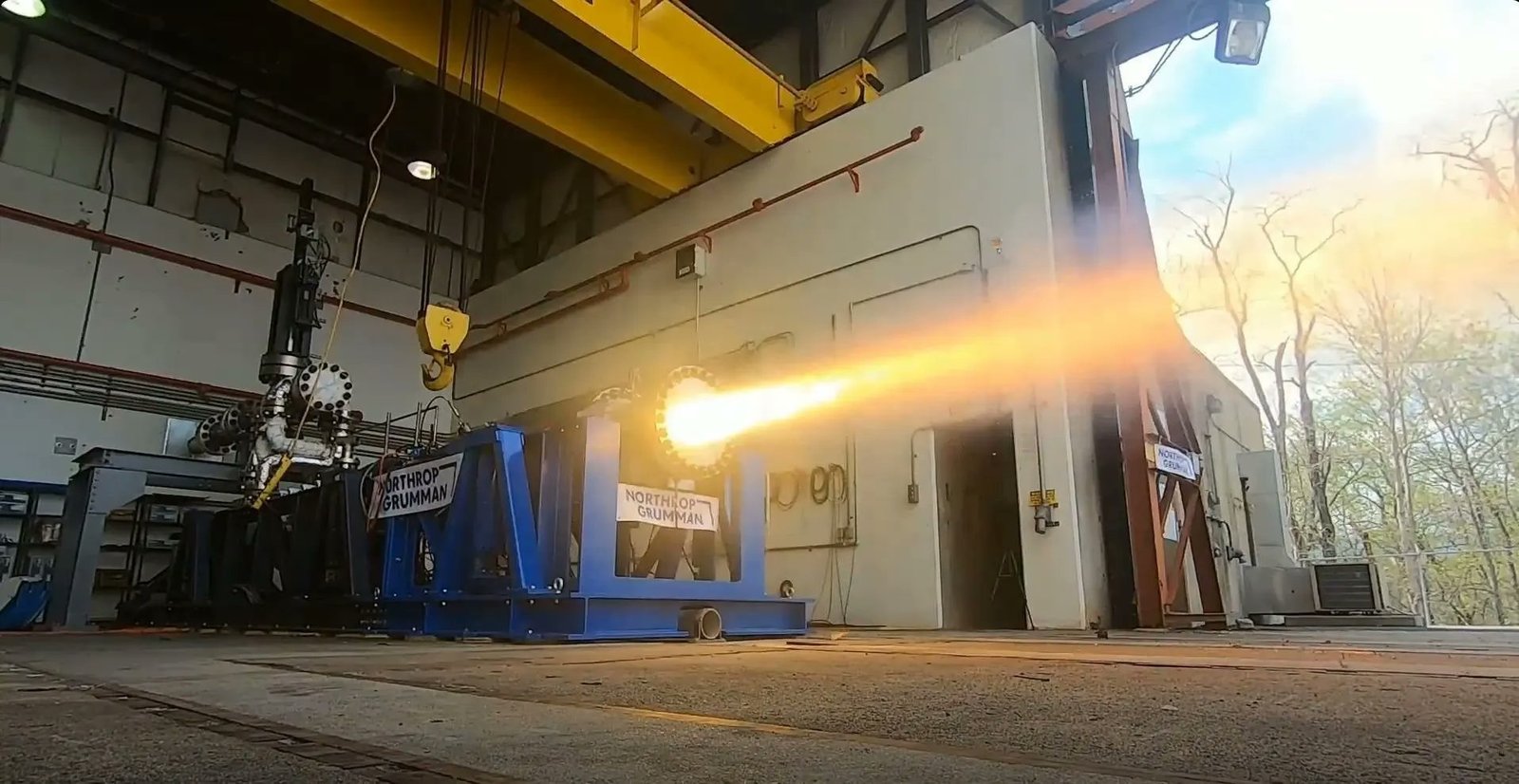
The propulsion architecture integrates a solid-fuel rocket booster derived from South Korea’s Tactical Surface-to-Surface Missile (KTSSM) program. The booster accelerates the vehicle beyond Mach 3. Once this threshold is reached, a dual-mode scramjet (supersonic combustion ramjet) engine activates to sustain controlled hypersonic flight at speeds approaching Mach 6.
Propulsion and Industrial Roles
Hyundai Rotem has taken primary responsibility for advanced air-breathing propulsion systems within the hypersonic portfolio. The company has showcased dual-mode hypersonic ramjets and ducted ramjet engines designed to maintain stable combustion and thrust at extreme velocities.
Hanwha Aerospace contributes its expertise in solid rocket booster production and precision-guided munition integration, including the adaptation of booster technologies derived from existing missile programs.
The ADD oversees system integration, research validation, and performance evaluation across the program. The collaboration reflects a coordinated national approach to developing scramjet-powered long-range strike systems.
Transition from Ground to Air Launch
The conversion of the Hycore testbed into an operational air-launched anti-ship platform represents a technical adaptation rather than a wholly new design. The core propulsion concept remains unchanged: a booster-driven acceleration phase to exceed Mach 3, followed by sustained hypersonic cruise powered by a dual-mode scramjet.
By translating the validated ground-launch configuration into an air-deployable format, South Korea aims to field a long-range standoff weapon capable of engaging maritime targets while reducing exposure of launch platforms to adversary air-defense systems.
The K-HCM, once operational, is expected to provide extended reach, high-speed terminal approach, and survivability against modern naval air-defense architectures. Development continues as South Korea expands its portfolio of domestically engineered hypersonic systems based on the Hycore foundation.
——— End of Article ———