ANKARA / RIYADH : Saudi Arabia and Türkiye have advanced negotiations over the potential procurement and joint production of the KAAN fifth-generation fighter aircraft, with Turkish aerospace officials indicating that a formal agreement could be concluded before the end of 2026. The discussions reflect expanding bilateral defense cooperation and align with Riyadh’s broader industrial localization strategy under Vision 2030.
Senior representatives from Turkish Aerospace Industries (TAI) confirmed during the World Defense Show (WDS) 2026 in Riyadh that talks are in the final stages of internal evaluation and decision-making. Mehmet Demiroğlu, General Manager of TAI, stated that multiple frameworks remain under consideration, depending on Saudi Arabia’s operational requirements and industrial participation objectives.
Procurement Scope and Industrial Conditions
Current proposals center on an initial acquisition of approximately 20 KAAN aircraft, representing the size of a standard operational squadron. However, discussions have expanded to include a significantly larger fleet of up to 100 aircraft.
According to feasibility assessments conducted by TAI, the establishment of a final assembly line in Saudi Arabia would require a minimum order of 50 aircraft to justify the necessary industrial investment and infrastructure. Such a structure would include local assembly, subsystem integration, and phased technology transfer arrangements.
The potential agreement is therefore structured around both direct procurement and long-term co-production, with final terms dependent on Riyadh’s preferred balance between operational delivery timelines and domestic industrial participation.
Integration With Vision 2030 Objectives
The negotiations are closely aligned with Saudi Arabia’s Vision 2030 framework, which sets a target of localizing 50 percent of the Kingdom’s defense spending by the end of the decade. Riyadh has increasingly prioritized defense contracts that incorporate onshore production, workforce development, and transfer of industrial know-how.
In this context, the KAAN program discussions include provisions for localized manufacturing of systems and subsystems, along with structured technology transfer. The talks also follow a recently signed memorandum of understanding for the co-production of TAI’s T625 Gökbey utility helicopter within the Kingdom, indicating broader aerospace collaboration beyond fighter aircraft.
Saudi defense planners have emphasized the importance of building domestic aerospace capacity, including long-term maintenance, repair, and overhaul (MRO) capabilities for advanced combat aircraft.
KAAN Program and Operational Capabilities
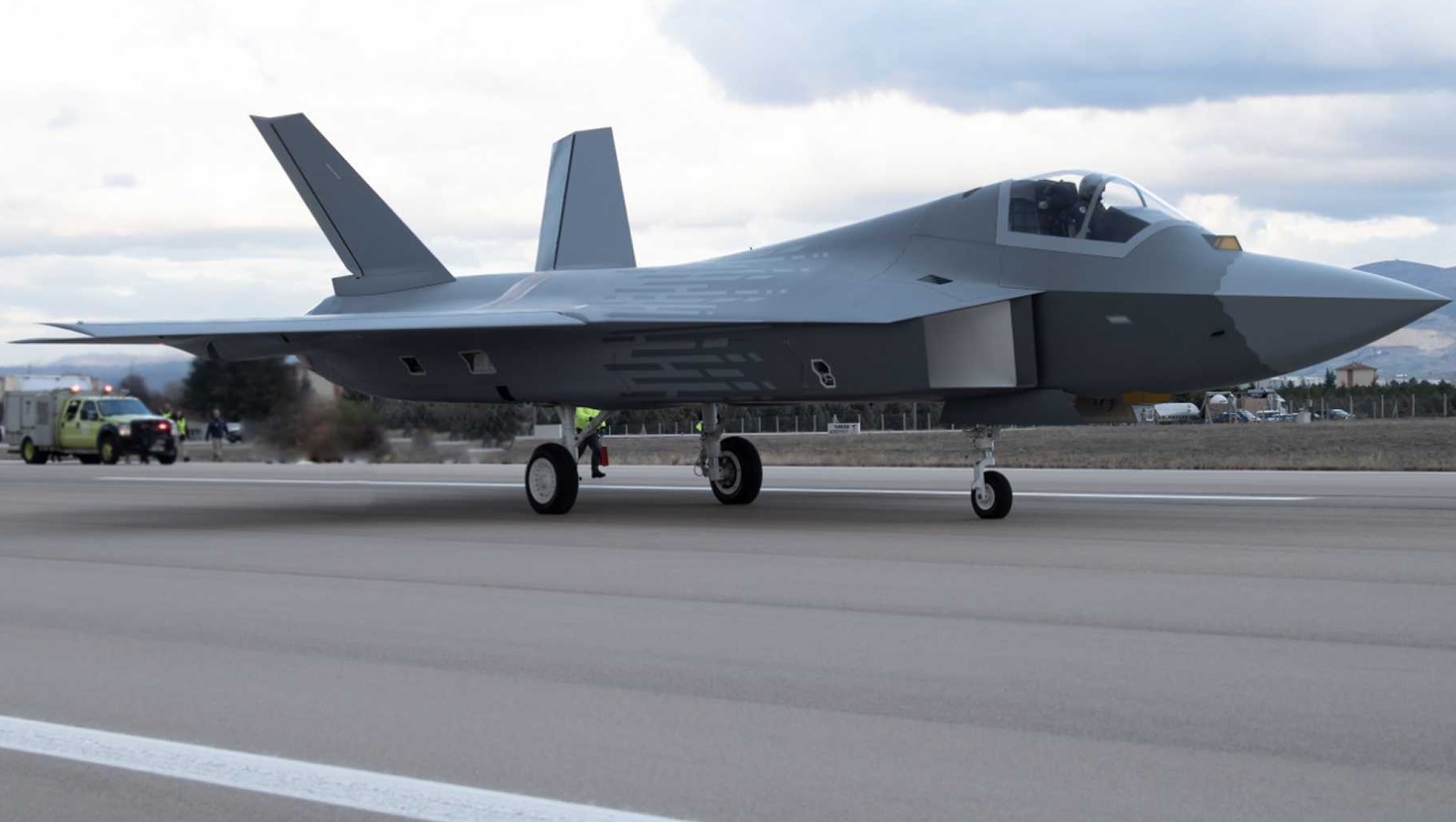
KAAN is Türkiye’s indigenous fifth-generation fighter program, designed to deliver stealth characteristics, advanced avionics, network-centric warfare capability, and high maneuverability. The aircraft is being developed to replace older-generation platforms in the Turkish Air Force while also targeting export markets.
At WDS 2026, TAI displayed a full-scale mock-up of the KAAN aircraft featuring both the Saudi Arabian and Turkish flags on its vertical stabilizer, highlighting the depth of bilateral engagement.
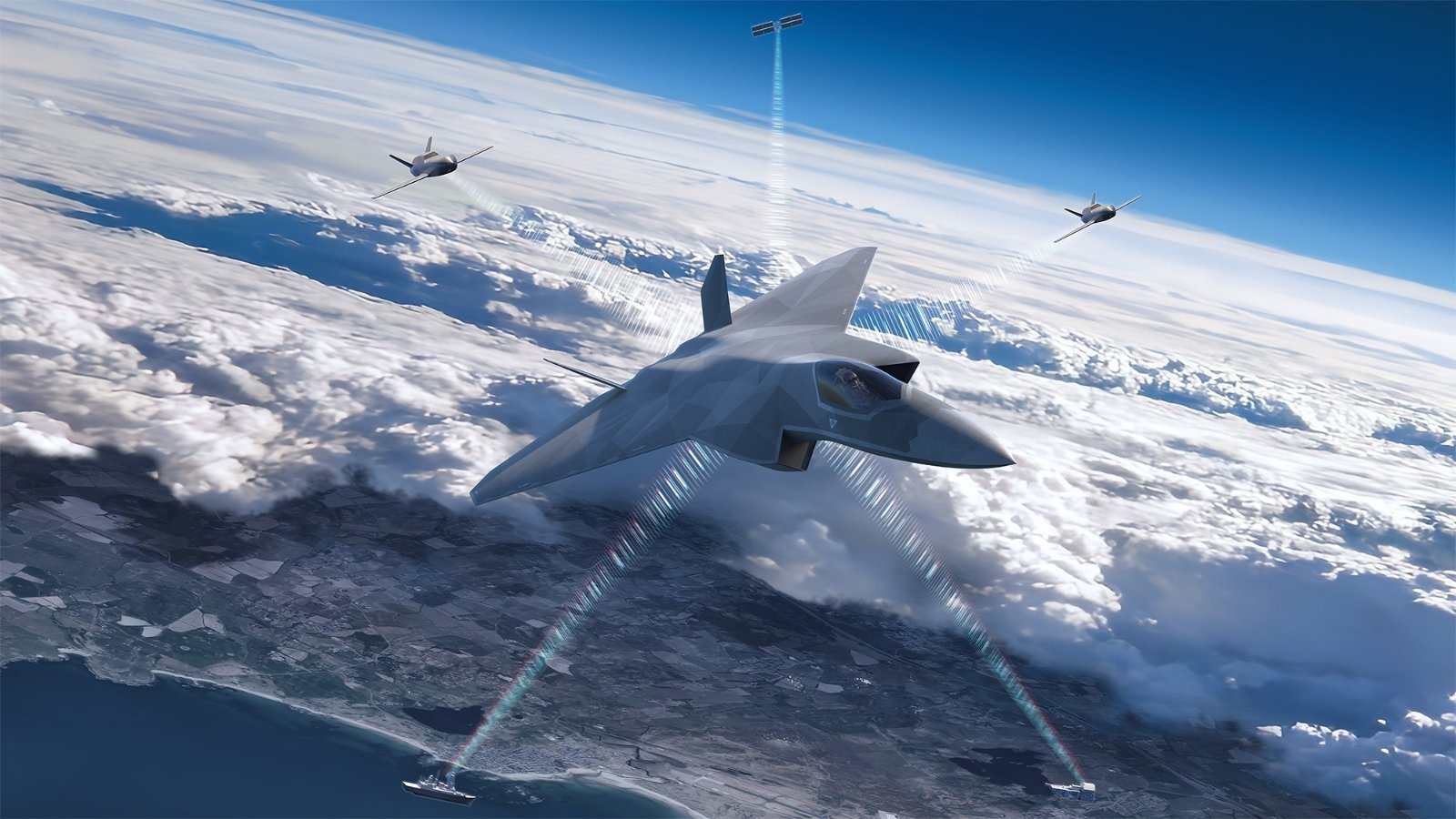
The exhibition also included an interactive simulator demonstrating Manned-Unmanned Teaming (MUM-T) capability. The concept envisions KAAN functioning as an airborne command platform coordinating with ANKA-3 stealth unmanned combat aerial vehicles. In this configuration, the fighter would manage unmanned assets in missions such as deep strike operations and suppression of enemy air defenses.
Engine Development and Regulatory Considerations
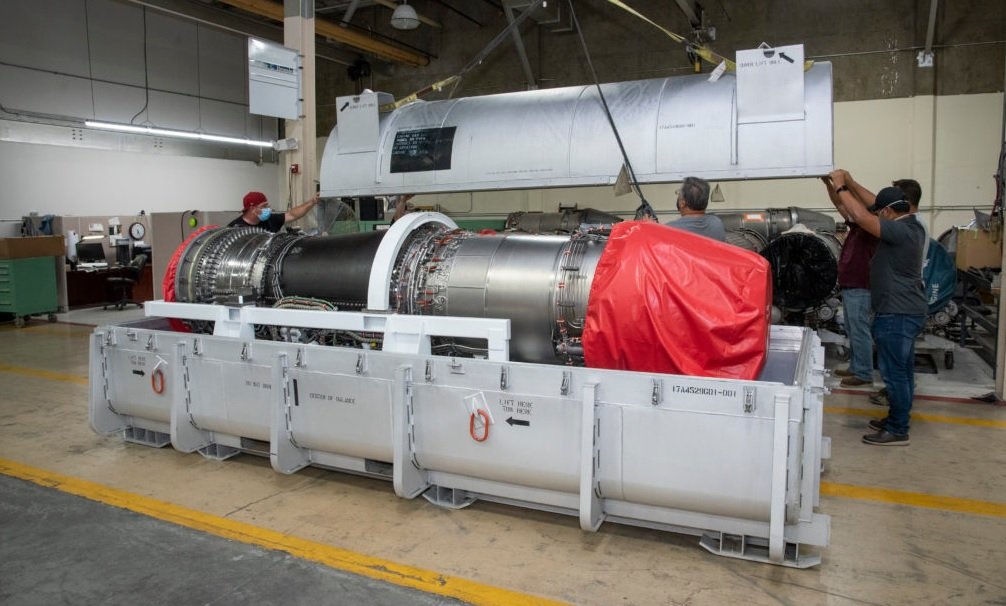
Early KAAN prototypes are powered by General Electric F110 engines. However, Türkiye is simultaneously developing an indigenous TF35000 turbofan engine, intended to power future production blocks of the aircraft in the 2030s.
Transitioning to a fully domestic engine would reduce reliance on foreign propulsion systems and potentially remove the aircraft from U.S. International Traffic in Arms Regulations (ITAR) constraints. This is considered relevant for export flexibility and long-term supply chain autonomy.
Strategic and Diplomatic Context
If finalized in 2026, the agreement would represent a significant export development for Türkiye’s aerospace sector and a diversification step for Saudi Arabia’s air power structure.
Saudi Arabia has historically relied on Western defense suppliers for advanced combat aircraft. While the current U.S. administration recently approved a potential sale of F-35 fighter jets to the Kingdom, U.S. officials have expressed concern regarding Riyadh’s parallel negotiations with Ankara.
American policymakers have traditionally preferred to remain the primary provider of fifth-generation air capabilities to Saudi Arabia. However, Saudi defense authorities continue to pursue multiple procurement channels as part of a broader strategy aimed at ensuring technological access, supply resilience, and sustained industrial development.
The outcome of the KAAN negotiations is expected to influence both countries’ aerospace industries and regional defense procurement patterns in the coming decade.
——— End of Article ———