WASHINGTON — March 6, 2026 : Satellite imagery captured in early March indicates that a key radar component of the United States’ missile defense network in the Middle East may have been damaged during Iranian missile and drone strikes carried out in retaliation for joint U.S.–Israeli attacks on Iran.
Images provided by Airbus Defence and Space and reviewed by CNN show what appears to be damage to an AN/TPY-2 X-band radar associated with the U.S. Army’s Terminal High Altitude Area Defense (THAAD) system at Muwaffaq Salti Air Base in Jordan. Additional satellite analysis also shows structural damage at facilities believed to house similar radar-related infrastructure at two locations in the United Arab Emirates.
The imagery forms part of a broader assessment of strikes targeting U.S. military assets across the region following the escalation of hostilities that began on February 28, 2026, when U.S. and Israeli forces launched coordinated attacks on Iranian military infrastructure.
Damage Observed at Muwaffaq Salti Air Base
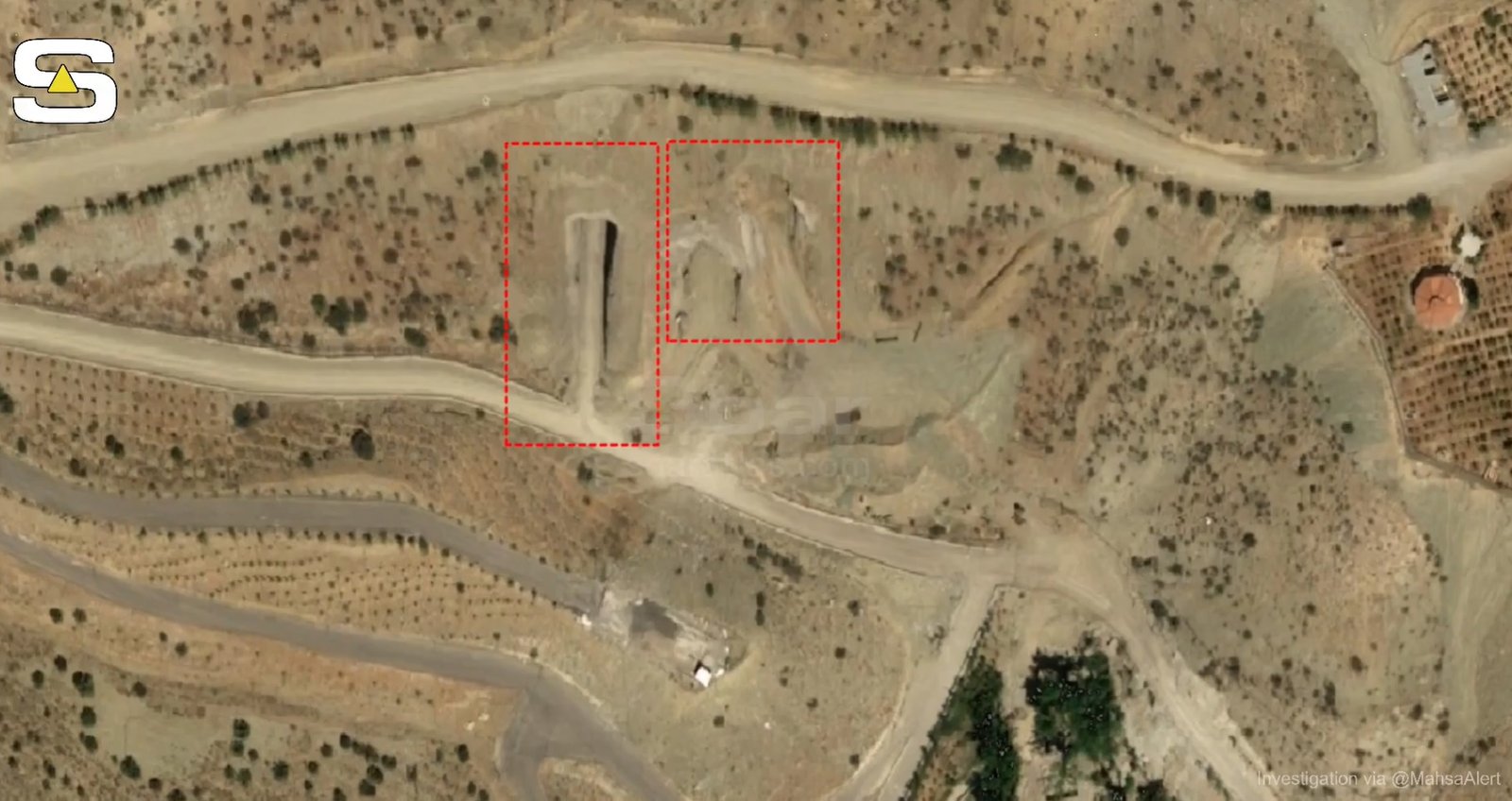
Satellite images taken on March 2, 2026, show a large blackened area and debris field at the position where the THAAD radar was previously deployed at Muwaffaq Salti Air Base, located near Azraq, Jordan. Analysts reviewing the imagery identified two impact craters near the installation, each measuring approximately 13 feet in diameter, along with burn marks consistent with missile or drone strikes.
The base serves as a major operational hub for U.S. Central Command (CENTCOM) in Jordan and is located roughly 800 kilometers (about 500 miles) from Iran’s western border. The site hosts U.S. forces and supports regional operations across the Levant.
Imagery suggests the radar may have been struck during Iranian attacks carried out on March 1 or March 2, during the initial phase of Tehran’s retaliatory campaign. Jordanian authorities previously reported intercepting multiple incoming projectiles targeting the base during those attacks.
The AN/TPY-2 radar functions as the primary sensor for the THAAD missile defense system. The radar detects, tracks, and discriminates ballistic missile threats at long range and provides targeting data for interceptor missiles. While the interceptor launchers themselves may remain operational if undamaged, the loss or degradation of the radar significantly reduces the system’s ability to detect incoming threats and calculate intercept solutions.
Strikes on Radar-Related Structures in the United Arab Emirates
Satellite imagery analysis also identified damage at two military installations in the United Arab Emirates, known as the Al Sader and Al Ruwais sites. At both locations, structures commonly used to store radar equipment and support vehicles—including pull-through vehicle sheds and storage buildings—show visible structural damage.
The available imagery indicates that these facilities were directly struck during the Iranian attack campaign. However, analysts reviewing the satellite data noted that it remains unclear whether radar systems were present inside the targeted buildings at the time of the strikes.
Despite that uncertainty, the pattern of strikes on these structures corresponds with the targeting profile observed at Muwaffaq Salti Air Base, where the radar installation itself appears to have been hit.
Role and Capabilities of the AN/TPY-2 Radar
The AN/TPY-2 radar is a transportable, high-resolution X-band radar system designed for ballistic missile detection and tracking. It is manufactured by Raytheon, now part of the defense company RTX.
Operating in the X-band frequency range, the radar provides precise tracking data that enables THAAD interceptors to engage ballistic missiles during their terminal phase of flight. The radar can operate in both forward-based mode, providing early warning and tracking data for broader missile defense networks, and terminal mode, where it directly supports a THAAD battery’s interceptor launches.
According to Missile Defense Agency budget estimates for 2025, a single AN/TPY-2 radar unit has an estimated cost of approximately $500 million.
Regional Deployment of THAAD Systems
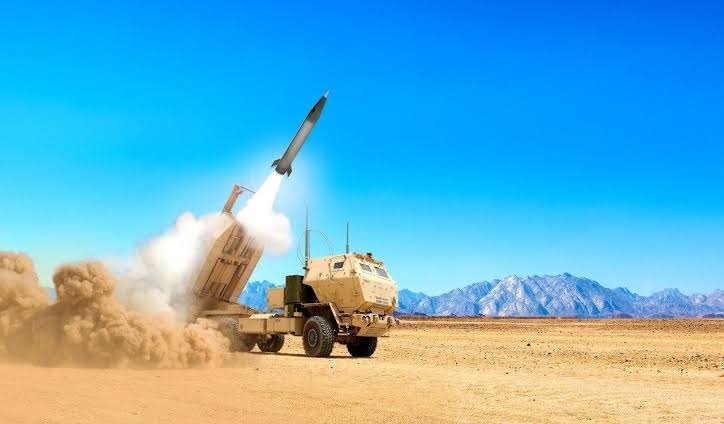
The United States currently operates eight THAAD batteries worldwide, several of which are deployed in the Middle East to protect U.S. forces and allied infrastructure from ballistic missile threats.
In addition to U.S. deployments, regional partners have also acquired the system. The United Arab Emirates operates two THAAD batteries, while Saudi Arabia operates one.
These systems form part of a layered missile defense architecture that includes radar networks, interceptor missiles, and integrated command systems designed to detect and engage ballistic missile threats across the region.
Strategic Implications of the Strikes
Analysts reviewing the satellite imagery noted that the apparent targeting of radar installations and associated infrastructure could indicate an effort to disrupt early-warning and tracking capabilities used by U.S. and allied missile defense systems.
Damage to forward-deployed radar sensors can reduce the warning time available to intercept incoming ballistic missiles or drones and may limit the effectiveness of integrated missile defense networks operating across multiple countries.
The strikes occurred during a wave of Iranian missile and drone attacks directed at countries hosting U.S. military assets, including Jordan, the United Arab Emirates, Bahrain, Kuwait, Qatar, and Saudi Arabia.
Official Response
The U.S. Department of Defense has not publicly confirmed the status of the radar installation at Muwaffaq Salti Air Base or the facilities in the United Arab Emirates. Officials have declined to comment on the specific systems targeted, citing operational security protocols.
However, the satellite imagery released on March 5, 2026, by Airbus Defence and Space and reviewed by independent analysts provides visual evidence indicating that at least one radar installation in Jordan sustained significant damage during the Iranian strike campaign.
Further assessments of the affected sites are ongoing as analysts continue to review updated satellite imagery and related intelligence.
——— End of Article ———