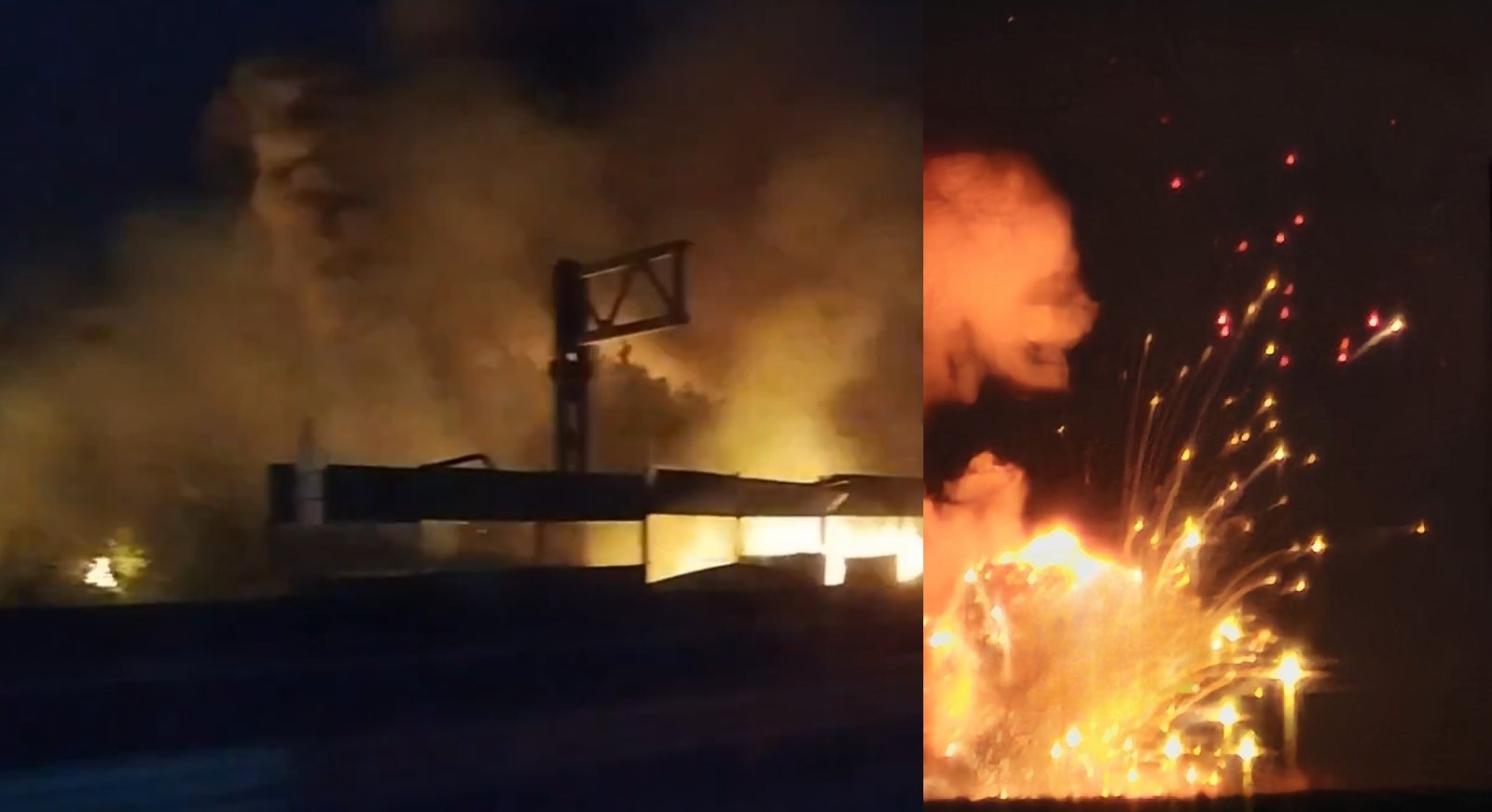
KYIV, Ukraine — At least 37 people were killed and 42 others injured after a Russian drone strike hit a warehouse in the village of Myla in Kyiv region on the evening of August 28, triggering a large fire and a series of secondary explosions that continued for hours, Ukrainian authorities said.
The facility is located in the Bucha district, west of Kyiv. The explosions damaged around 50 nearby residential buildings and affected a care facility for elderly people and people with disabilities. More than 380 people were evacuated from the area as emergency crews continued firefighting, rescue and debris-removal operations.
🇷🇺🇺🇦 Huge explosions in Kiev. 3 mushroom clouds can be seen. pic.twitter.com/HgUoaAwzsd
— ConflictX (@ConflictXtweets) August 28, 2026
Ammunition storage under investigation
Ukrainian President Volodymyr Zelenskyy said the initial strike hit a Defense Forces storage facility containing shells, mines, other ammunition and drones. He said the ammunition should not have been stored close to residential areas and confirmed that a criminal investigation into official negligence had been opened.
The Office of the Prosecutor General is examining the legality of storing explosive materials at the site, including the actions of officials responsible for the facility and whether the necessary permits and safety requirements were followed.
The investigation comes after the secondary explosions caused extensive damage outside the facility. Ukrainian authorities are continuing to assess the site as rescue workers search damaged areas.
Local official among those killed
Among those killed was Taras Didych, head of the Dmytrivka community, which includes Myla. Officials said Didych was among the first people to arrive at the scene to help residents after the strike. He was killed during the response to the incident.
Traffic was also temporarily restricted on a section of the M-06 Kyiv–Chop highway between the 15th and 32nd kilometer markers because of the continuing fire and explosions.
More than 300 emergency personnel were involved in the response, according to Zelenskyy's office.
Russia says ammunition depot was targeted
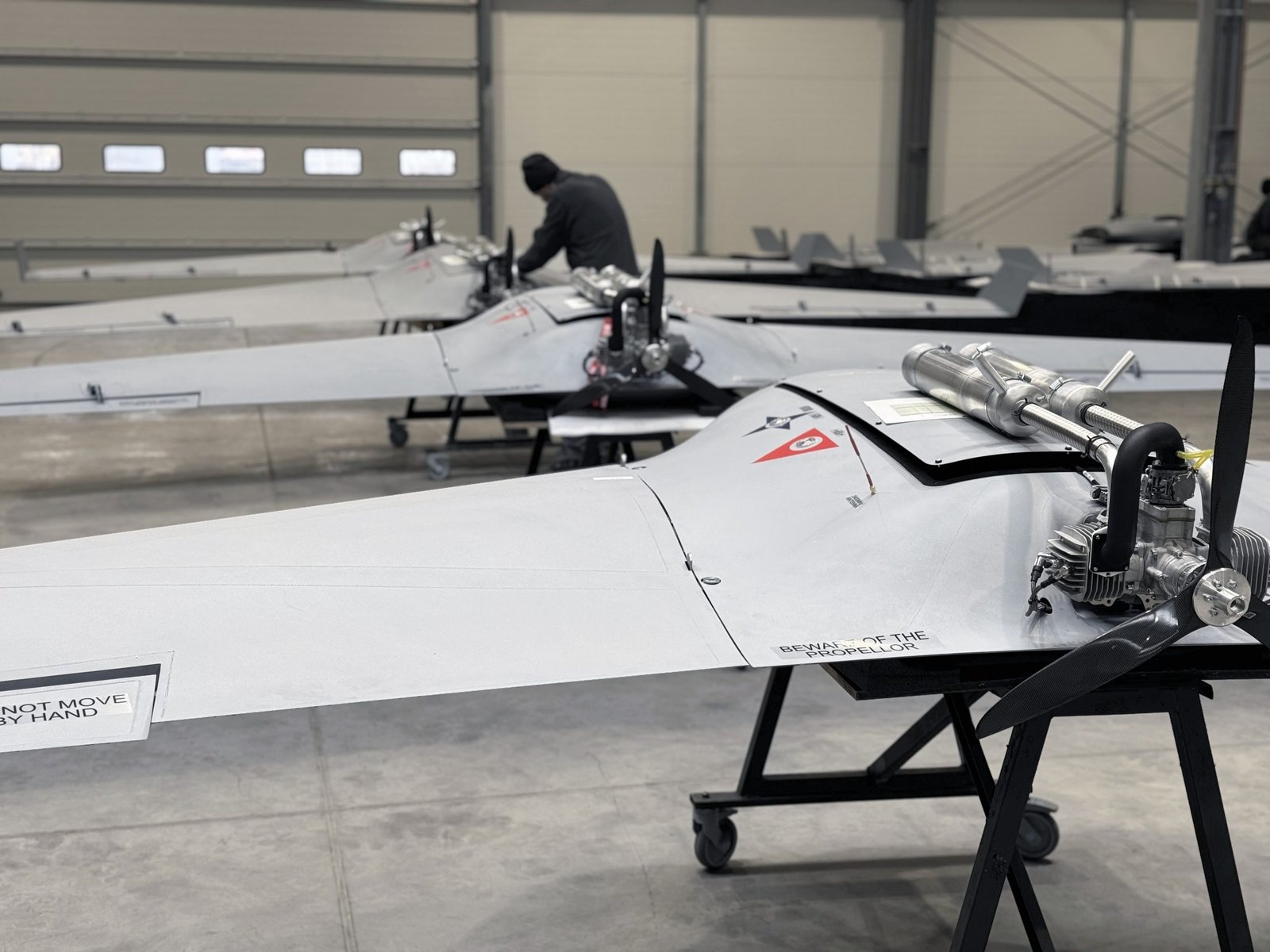
Russia's Defense Ministry said the strike targeted an ammunition depot in Myla. According to the Russian statement, the facility stored components and launch boosters associated with FP-1/FP-2 long-range unmanned aerial vehicles. Ukrainian officials, meanwhile, described the site as a Defense Forces ammunition storage facility.
The attack has therefore raised two separate issues in Ukraine: the direct impact of the Russian strike and questions over how explosive materials were stored near populated areas.
Similar incident in Vyshneve
The Myla explosion follows another Russian strike on an ammunition storage facility in Vyshneve, near Kyiv, in July.
Ukrainian authorities said the July 6 strike caused ammunition stored at the site to detonate. The Security Service of Ukraine later said the warehouses were not intended for ammunition storage and that the facility was located close to residential areas. Investigators subsequently detained senior executives of the defense enterprise involved over alleged official negligence.
Ukrainian Prime Minister Serhii Koretskyi criticized the failure to prevent another similar incident, saying the previous case should have provided a lesson for authorities.
Myla strike part of wider Russian aerial attacks
The strike on Myla occurred during a broader series of Russian drone attacks across Ukraine. Ukrainian authorities reported attacks affecting Kyiv and several other regions, including Odesa, Dnipro, Zaporizhzhia, Sumy, Kherson, Kharkiv, Mykolaiv, Donetsk and Chernihiv.
Ukrainian officials have also reported increased use of jet-powered drones in recent attacks. These systems fly at substantially higher speeds than conventional propeller-driven attack drones, creating additional challenges for Ukraine's existing air-defense network. Ukrainian officials have said interceptor drones intended to counter such threats have not yet demonstrated the expected effectiveness.
The Myla site remains under emergency operations, with authorities continuing to clear debris, search affected areas and assist residents whose homes were damaged. The death toll could still change as rescue and inspection work continues.
——— End of Article ———