In early 2026, Russia quietly marked another step in the evolution of its long-range strike capabilities with the first known flight of the Geran-5, a jet-powered unmanned aerial vehicle (UAV) designed to blur the line between drone and cruise missile. The flight, revealed through defense-watching sources and imagery analysis, signals Moscow’s continued investment in fast, aircraft-launched attack drones as it adapts its aerial warfare doctrine.
A Larger, Faster Geran Variant
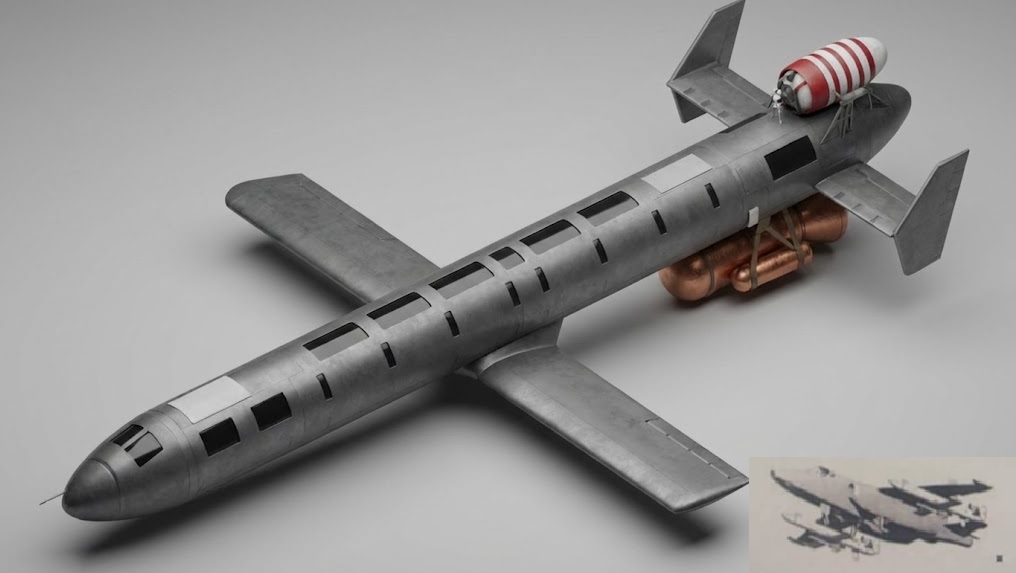
The Geran-5 represents the most substantial airframe yet in Russia’s Geran series. Measuring roughly six meters in length with a 5.5-meter wingspan, the UAV is powered by a compact jet engine rather than the propeller systems seen on earlier models. Its reported warhead weight of approximately 90 kilograms places it closer to a light cruise missile than a traditional loitering munition, suggesting a role focused on hardened or high-value targets.
Analysts note that the adoption of jet propulsion is intended to significantly increase terminal speed and reduce vulnerability to short-range air defenses. While official performance figures remain undisclosed, the design points to higher dash speeds and improved penetration compared with the slower, propeller-driven Geran-2 family.
Air-Launched Capability from Tactical Aircraft
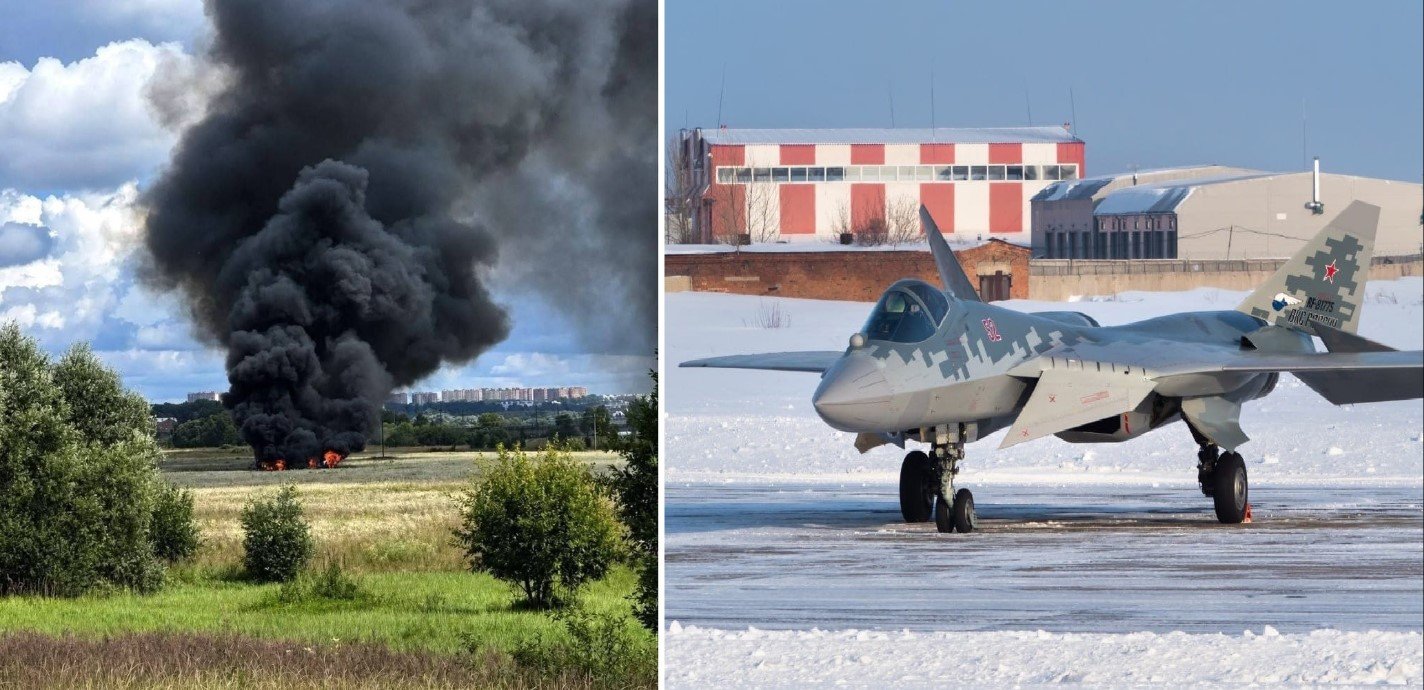
One of the most notable features of the Geran-5 program is the development of an airborne launch configuration. Russian sources indicate that the UAV is being adapted for carriage and release from Su-25 ground-attack aircraft. In this configuration, the launching aircraft can remain outside the densest air-defense zones while extending the drone’s effective reach deep into contested airspace.
The Su-25 itself is expected to retain self-defense capability during such missions, with aircraft reportedly configured to carry R-73 short-range air-to-air missiles alongside the drone payload. This suggests Russian planners anticipate potential interception attempts during launch operations and are designing the concept around survivability as well as strike reach.
The Broader Geran Drone Family
The Geran-5 does not exist in isolation. It is the latest development in a broader, rapidly diversifying Geran drone program that reflects Moscow’s emphasis on scalable, relatively low-cost strike systems.
The Geran-3 is understood to be a jet-powered evolution of the earlier Geran-2 kamikaze drone, trading endurance for speed and reduced exposure to air defenses. Building on this, the Geran-4 reportedly offers even higher speed and extended range than the Geran-3, though at the cost of a smaller warhead. Unlike its predecessors, the Geran-4 has been specifically associated with air-launch trials from Su-25 aircraft, indicating a gradual shift toward mixed ground- and air-based deployment concepts.
The Geran-5 sits at the top of this progression, combining air-launch capability with a significantly heavier payload. Some analysts have described it as a “drone missile,” reflecting its hybrid nature and its apparent role as a fast, one-way strike weapon rather than a loitering surveillance platform.
Strategic Implications
Defense observers see the expansion of the Geran series as part of a wider Russian effort to complicate enemy air-defense planning. By fielding multiple UAV variants with differing speeds, ranges, and launch methods, Moscow can force defenders to expend costly interceptor missiles against relatively inexpensive drones or risk allowing high-speed weapons through.
The move toward jet-powered and aircraft-launched systems also mirrors broader global trends, as militaries seek to integrate unmanned strike assets more tightly with manned platforms. If the Geran-5 enters serial production, it could represent a significant enhancement of Russia’s ability to conduct standoff precision strikes while limiting risk to pilots and high-value aircraft.
For now, much about the Geran-5 remains opaque, including its guidance systems, operational range, and production status. What is clear, however, is that the early-2026 flight marks another milestone in Russia’s accelerating drone program, one that continues to reshape the balance between offense and defense in modern aerial warfare.
——— End of Article ———