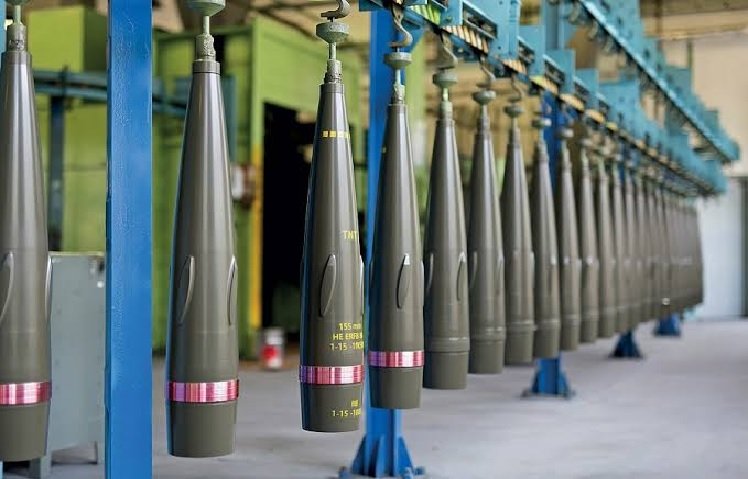
KYIV, Ukraine — Russia has reduced its use of ballistic missiles against Ukraine since August while increasing attacks with jet-powered drones, according to a Bloomberg report published on September 21, 2026. The shift has raised concerns that Moscow may be conserving ballistic missiles for possible attacks on Ukraine’s energy and heating infrastructure during the coming winter.
Ballistic missiles have caused some of the most severe damage to Ukraine’s power and heating facilities. Bloomberg reported that the lower use of ballistic missiles could indicate that Russia is building up reserves for the colder months, when Ukraine’s winter season typically begins in late October or early November.
More Jet-Powered Drone Attacks
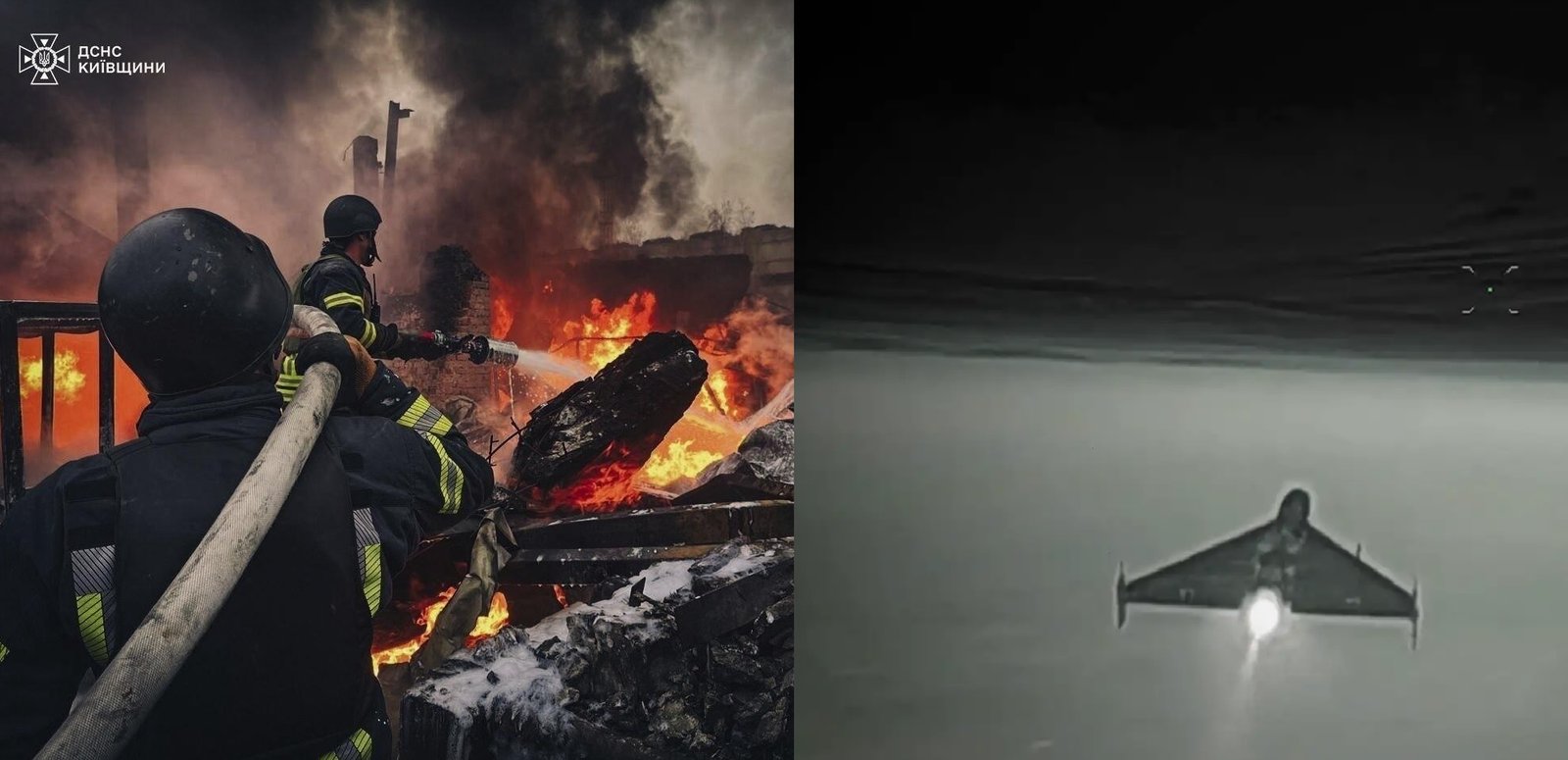
Jet-powered drones of the Geran family, which are faster than earlier propeller-driven versions, have become more prominent in recent Russian attacks. Ukrainian officials and analysts have described their use as a way to place additional pressure on Ukraine’s air defenses.
Ukraine continues to face a shortage of interceptor missiles for its U.S.-made Patriot systems, which are used against ballistic missile threats. President Volodymyr Zelensky has said Ukraine needs at least 300 Patriot interceptors for the winter, or about 100 missiles per month during the main winter period.
Ukraine has signed agreements for larger long-term Patriot missile deliveries with support from partners and European financing, but most are not expected to arrive before the coming winter. Kyiv has therefore asked allies to transfer interceptors from their existing stocks.
Ukraine Prepares for Winter
Prime Minister Serhii Koretskyi has said the government is preparing for the worst-case scenario and has multiple contingency plans for the winter. Ukraine is repairing generating capacity, strengthening protection around key energy facilities, expanding decentralized power generation and stockpiling critical equipment such as transformers. European partners have also supplied generators and spare parts.
Ukraine is expanding its network of “Points of Invincibility,” which have operated since late 2022. These facilities provide warmth, electricity for charging devices, mobile communications and hot meals during prolonged power or heating disruptions.
Russia has conducted thousands of attacks against Ukraine’s energy system since the full-scale invasion. Ukrainian officials previously reported more than 5,700 attacks and more than 60 large-scale strikes against the energy sector. Last winter, major Ukrainian cities experienced prolonged power, heating and water outages during periods of severe cold.
Civilians Prepare
Ukrainians are also preparing for possible disruptions by buying firewood, generators, battery stations, warm clothing and other emergency supplies. Firewood prices have risen by roughly 70–80% over the past year amid increased demand.
Some residents are considering relocating within Ukraine or abroad if conditions deteriorate significantly. A recent poll indicated that about 40% of Ukrainians would be prepared to relocate temporarily if living conditions worsen sharply.
Russia has also continued to use combinations of drones, cruise missiles and ballistic missiles, which can place pressure on different layers of Ukraine’s air-defense network.
As winter approaches, Ukraine is therefore increasing energy and civilian preparations while seeking additional Patriot interceptors. The reduction in Russian ballistic missile use since August has raised concerns that Moscow could be preserving some of its missile inventory for renewed attacks on Ukraine’s energy infrastructure during the colder months, although the reported shift does not by itself confirm that such stockpiling is taking place.
——— End of Article ———