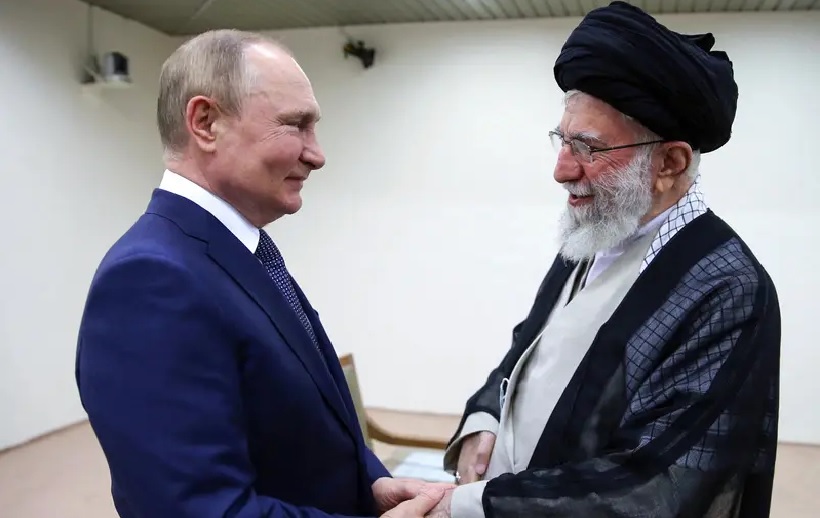
GENEVA / MOSCOW : Russia has formally confirmed its willingness to accept and store enriched uranium from Iran if a comprehensive agreement is reached between Tehran and Washington, as indirect nuclear negotiations between the United States and Iran continue in February 2026.
The proposal emerges amid renewed diplomatic engagement following the breakdown in relations and U.S. military strikes on Iranian nuclear facilities in June 2025. Discussions are currently being conducted indirectly through Omani intermediaries, with recent rounds held in Oman and Switzerland.
Russia’s Position and Official Statements
Russia’s state atomic energy corporation, Rosatom, confirmed this week that it is prepared to facilitate the transfer and storage of Iranian enriched uranium under a potential agreement. Rosatom Director General Alexey Likhachev stated that the agency stands ready to manage the material if such provisions are included in a finalized deal.
Kremlin spokesman Dmitry Peskov reiterated on February 18, 2026, that Moscow has maintained readiness to accept the enriched material as part of efforts to resolve the nuclear dispute.
On February 19, Russian Foreign Minister Sergey Lavrov stated that requiring Iran to completely renounce its right to peaceful uranium enrichment would contradict the Nuclear Non-Proliferation Treaty (NPT). Moscow has consistently argued that enrichment for civilian purposes is permitted under the treaty, provided it remains under international safeguards.
Structure of the February 2026 Negotiations
The current diplomatic track follows the collapse of earlier negotiations and heightened tensions in 2025. Talks are being mediated indirectly through Oman, which has served as an intermediary between Washington and Tehran.
Round One – February 6, 2026 (Oman)
According to reporting by The Wall Street Journal, the Iranian delegation proposed transferring a portion of its stockpile of uranium enriched to 60% purity to Russia. Iran also indicated it could suspend domestic uranium enrichment activities for up to three years. No formal agreement was reached during this round, and discussions remained exploratory.
Round Two – February 17, 2026 (Geneva)
Negotiators reconvened in Geneva, Switzerland. Iranian Foreign Minister Abbas Araghchi stated that the meeting lasted approximately three and a half hours and described the discussions as constructive. He confirmed that the two sides agreed on “general guiding principles” for continued negotiations. However, he noted that substantial differences remain and that a rapid conclusion is unlikely.
A key focus during the Geneva session was the verification of Iran’s nuclear activities and the framework governing inspections by the International Atomic Energy Agency (IAEA). Discussions addressed inspection protocols, oversight mechanisms, and compliance procedures.
Both sides are expected to consult with their respective governments over the following two weeks before exchanging draft texts and scheduling a third round of talks.
Central Dispute: Domestic Uranium Enrichment
The primary unresolved issue remains Iran’s right to enrich uranium domestically.
The U.S. administration is reportedly demanding a “zero enrichment” policy, which would require Iran to permanently dismantle its enrichment infrastructure. Washington’s position reflects concerns over Iran’s technical capacity to produce weapons-grade material if enrichment continues at high levels.
Iranian officials have rejected this demand. Foreign Minister Abbas Araghchi and the head of the Atomic Energy Organization of Iran (AEOI) have publicly stated that uranium enrichment for peaceful civilian purposes is a sovereign right under international law.
Iran maintains that it does not pursue nuclear weapons and asserts that its nuclear program is intended for civilian energy production. Tehran has indicated openness to temporary limits or confidence-building measures, but has stated that it will not permanently surrender enrichment rights.
Stockpile and Technical Context
Iran’s current stockpile includes uranium enriched to 60% purity, a level significantly above that required for civilian nuclear power generation but below weapons-grade enrichment, which typically exceeds 90% purity.
Under the proposal reported from the February 6 meeting, a portion of the 60% enriched uranium would be transferred to Russia. Iran’s suggestion to suspend domestic enrichment for up to three years would represent a temporary measure, not permanent dismantlement.
Verification mechanisms and the role of the IAEA remain central to determining how any suspension, transfer, or limitation would be monitored and enforced.
Military and Strategic Environment
The diplomatic engagement is occurring alongside continued military deployments in the Middle East.
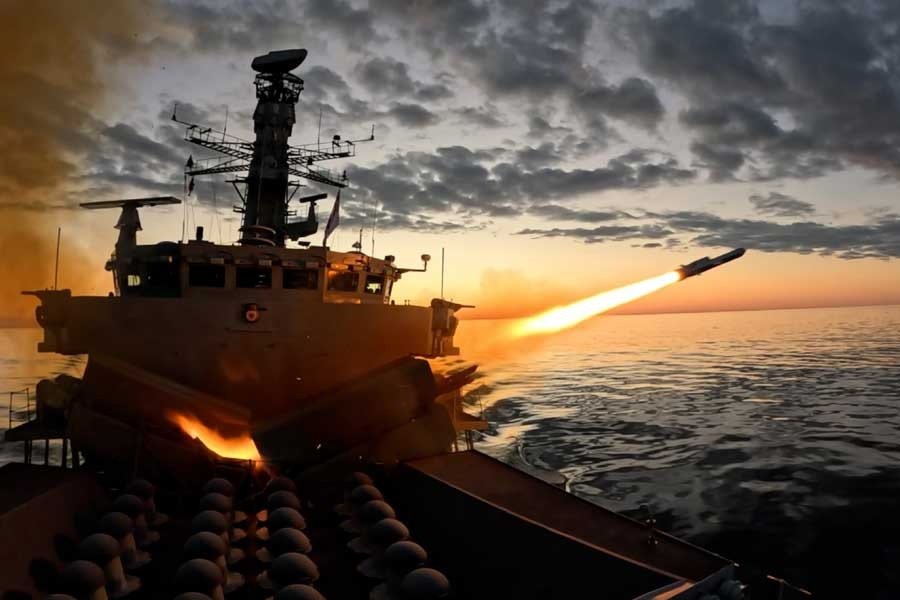
The United States is deploying additional naval assets to the region, including the USS Gerald R. Ford aircraft carrier strike group, currently en route to the Gulf region. These movements follow the June 2025 strikes on Iranian nuclear facilities and ongoing regional security concerns.
There have been no official statements directly linking the military deployments to the ongoing negotiations, though the broader strategic environment continues to shape the diplomatic context.
——— End of Article ———