UCHAREST — March 11, 2026 : Romania has approved a United States request to temporarily utilize the Mihail Kogălniceanu Air Base to support ongoing military operations connected to the conflict in the Middle East. The authorization was granted following a meeting of Romania’s Supreme Council of National Defence (CSAT) on Wednesday and was announced by Romanian President Nicușor Dan.
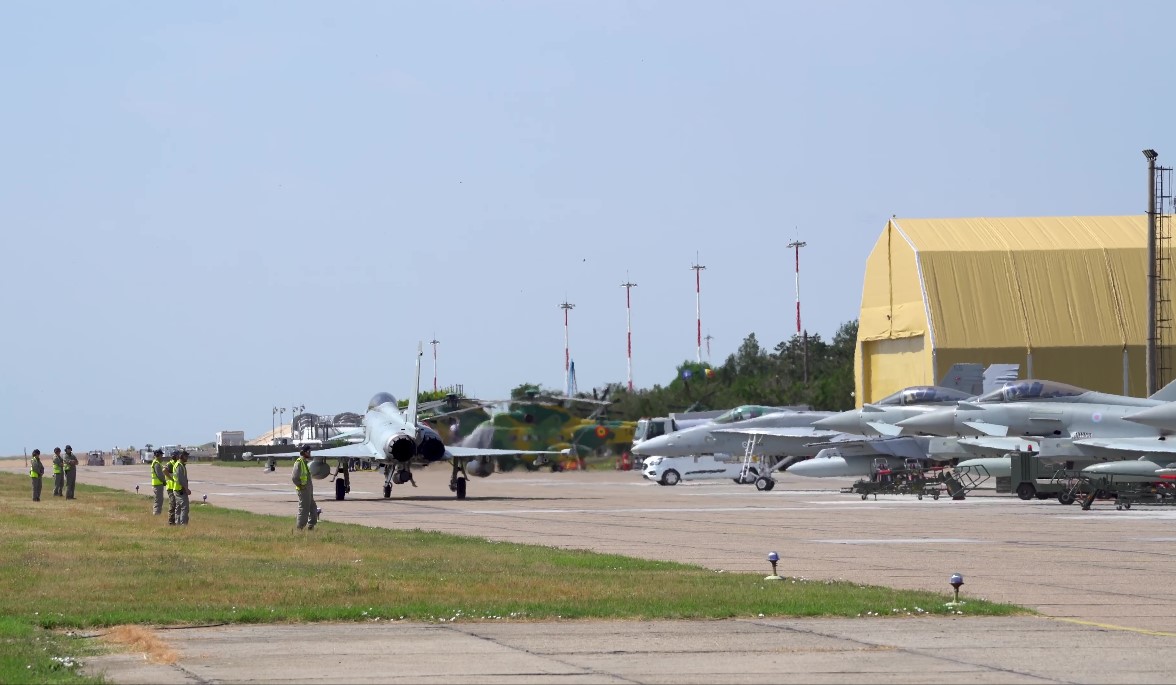
The decision allows the United States to deploy up to 500 military personnel along with logistical and communications equipment at the Black Sea coastal installation, located in Constanța County. The Mihail Kogălniceanu facility is currently the largest NATO military base in Europe and serves as a key operational hub for alliance activities in the Black Sea region.
Deployment Framework and Duration
According to the Romanian Presidential Administration, the approved deployment will initially remain in place for a period of 90 days. Any extension beyond this timeframe will require additional authorization from the Romanian government.
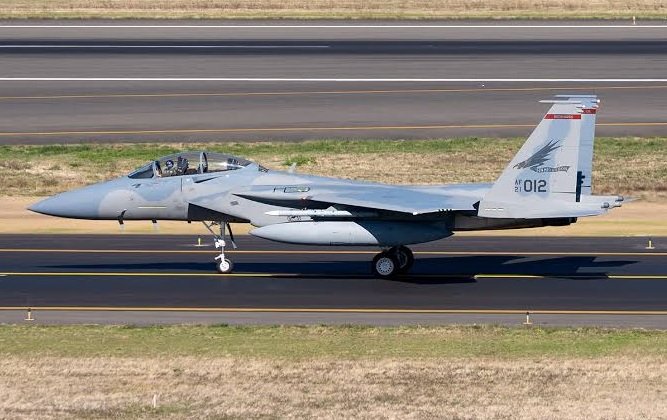
Under the approved arrangement, the United States is permitted to station several categories of support assets at the base. These include aerial refueling aircraft, satellite communications infrastructure, and monitoring systems designed for intelligence collection and observation activities. The aerial refueling platforms are expected to support U.S. and allied fighter aircraft conducting long-range missions related to operations in the Middle East by extending their operational range and endurance.
The satellite communications equipment will be integrated into broader regional command and communications networks. Romanian officials indicated that the systems are compatible with NATO infrastructure, including the Aegis Ashore ballistic missile defense installation located at the Deveselu Military Base in southern Romania.
Up to 500 American service members will be deployed to operate, maintain, and secure the equipment during the approved deployment period.
Additional Support Locations
While Mihail Kogălniceanu Air Base will serve as the primary location for the deployment, Romanian defense sources indicated that the Câmpia Turzii Air Base in central Romania may also be utilized. This facility could host additional observation drones and refueling aircraft that cannot be accommodated at the main Black Sea installation due to space or operational constraints.
Both bases have previously supported U.S. and NATO aircraft during alliance exercises and rotational deployments.
Parliamentary Authorization and Government Position
Although the Supreme Council of National Defence (CSAT) has approved the request, Romania’s Constitution requires final legislative approval by a joint plenary session of the Romanian Parliament before the deployment can proceed. Once parliamentary authorization is granted, the arrival of U.S. personnel and equipment is expected to take place gradually over the coming weeks.
President Nicușor Dan emphasized during a press briefing following the CSAT meeting that the deployed equipment does not include weapons systems.
“I emphasize that these are defensive systems and that they are not equipped with weaponry; in technical terms, they are referred to as non-kinetic equipment,” Dan stated.
Romanian officials said the arrangement falls within the framework of the longstanding strategic partnership between Romania and the United States as well as the country’s commitments as a NATO member.
The president also stated that the temporary deployment does not present any security risks to Romania and reaffirmed that the country remains stable and secure.
Background: U.S. Force Posture Changes
The request to utilize the Romanian base represents a shift from the U.S. military posture announced in Eastern Europe in late 2025. In October 2025, the United States reduced its troop presence at Mihail Kogălniceanu by withdrawing approximately 1,000 soldiers from a combat brigade previously stationed at the facility.
At the time, the reduction was part of a broader repositioning of U.S. military resources that prioritized domestic border operations and the Indo-Pacific region.
However, the escalation of military operations in the Middle East—particularly those involving Iran—has led the Pentagon to seek additional logistical hubs capable of supporting long-range air operations and command infrastructure from Europe.
Romanian defense officials said the country’s geographic position and existing NATO infrastructure make Mihail Kogălniceanu a suitable location for such support activities.
Role of the Mihail Kogălniceanu Base
The Mihail Kogălniceanu Air Base has undergone significant expansion in recent years through joint U.S. and NATO infrastructure projects. The facility supports rotational deployments of allied aircraft and ground forces and serves as a transit and logistics hub for NATO operations in Eastern Europe and the Black Sea region.
The base currently hosts around 1,000 U.S. military personnel as part of ongoing NATO rotational deployments following the partial troop reduction in 2025.
Its location near the Black Sea allows for rapid access to operational areas in Eastern Europe, the Mediterranean, and the Middle East, making it an important support node for alliance military planning.
Diplomatic and Regional Context
The U.S. request for temporary access to the Romanian base also comes amid reports that Spain declined authorization for American forces to use Spanish military bases for launching or supporting operations targeting Iran. The Romanian facility therefore provides an alternative logistical location within NATO territory for supporting air operations and communications networks linked to Middle East missions.
During Wednesday’s CSAT meeting, Romanian officials also discussed the wider implications of the Middle East conflict for the country. Government leaders reviewed the economic impact of rising global oil prices and assessed the broader security situation.
Authorities also reported progress in evacuation efforts for Romanian nationals in the region. According to government figures, approximately 5,700 Romanian citizens have been safely returned from conflict-affected areas.
Romanian officials described the decision to grant temporary access to the base as a response to a formal request from the United States aimed at strengthening operational support capabilities for ongoing military activities in the Middle East while remaining consistent with Romania’s obligations within NATO.
——— End of Article ———