WARSAW : Kongsberg Defence & Aerospace, in partnership with Poland’s state-owned defence group Polska Grupa Zbrojeniowa (PGZ), has signed a major contract with the Polish Armaments Agency for the delivery of a nationwide Counter-Unmanned Aerial Systems (CUAS) capability, marking one of Poland’s largest recent investments in counter-drone defence.
Under the agreement, Kongsberg will receive contracts valued at approximately NOK 16 billion, equivalent to about €1.36 billion at current exchange rates. The programme, designated SAN CUAS, is intended to strengthen Poland’s ability to detect, track and neutralise unmanned aerial threats.
Scope of the SAN CUAS Programme
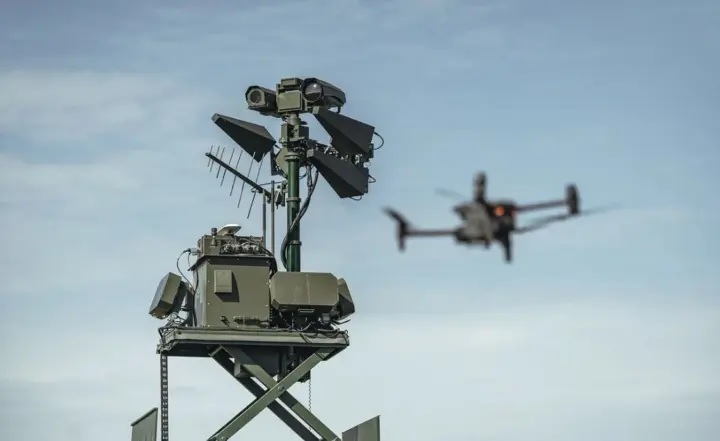
The SAN CUAS programme covers the delivery of 18 complete CUAS batteries to the Polish Armed Forces. Each battery will combine sensors, command systems and layered effectors designed to counter drones operating across different altitudes, speeds and threat profiles.
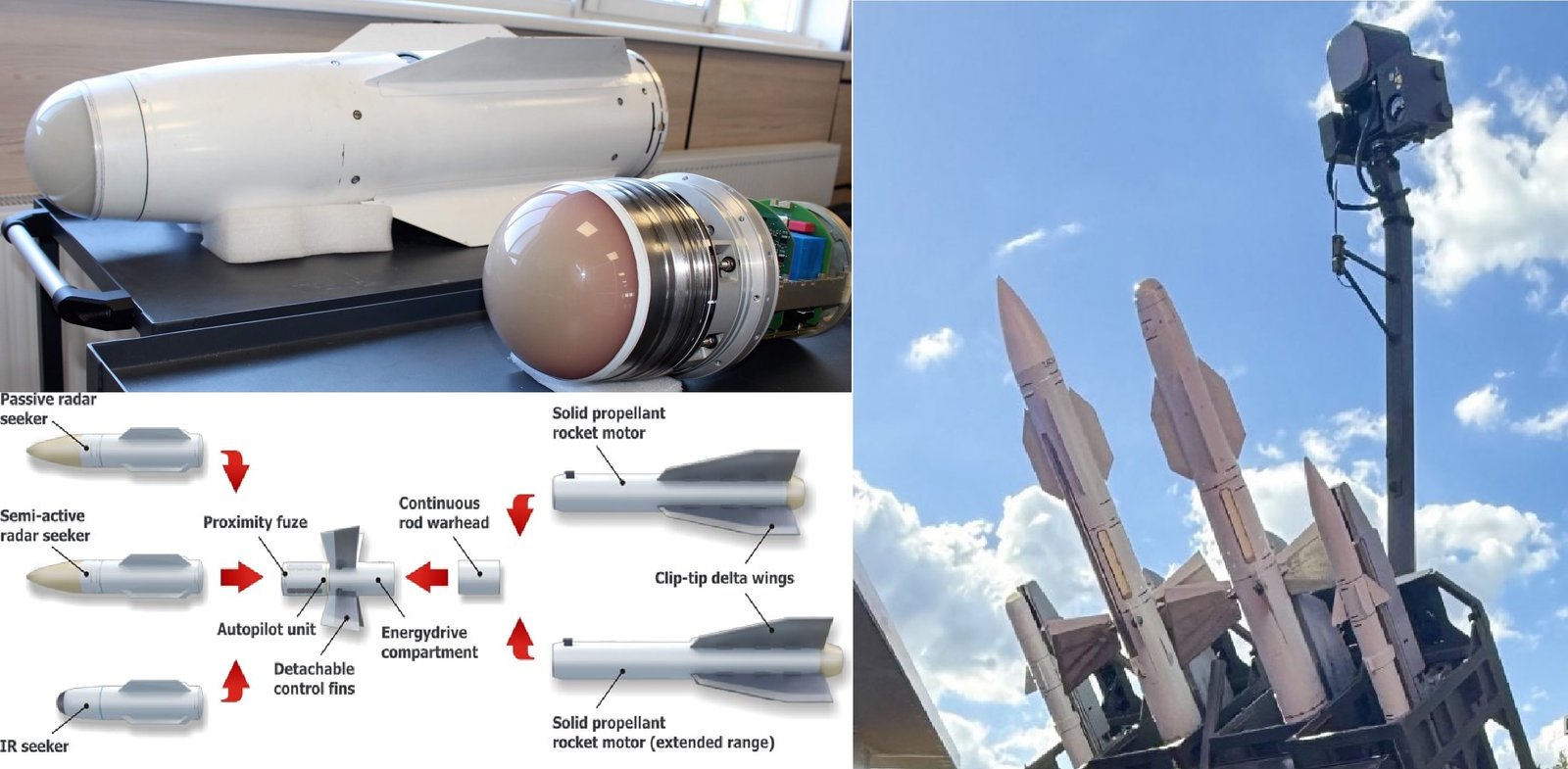
The effectors included in the system architecture comprise 35 mm, 30 mm and 12.7 mm gun systems, missile-based interceptors, interceptor drones and other counter-UAS measures. This layered approach is intended to address both small commercial-type drones and more advanced military unmanned platforms.
Industrial Structure and System Integration
Kongsberg and PGZ will jointly deliver the programme, drawing on their respective industrial and technological capabilities. Advanced Protection Systems, a PGZ subcontractor, will provide a tailored command-and-control (C2) architecture to integrate sensors and effectors into a unified operational framework.
The SAN CUAS architecture will be interoperable with Poland’s national air defence network, enabling CUAS batteries to exchange data with higher-level command structures and other air and missile defence assets.
Technology Base and Operational Background
The CUAS solution is based on Kongsberg’s Protector family of Remote Weapon Stations (RWS). According to the company, all Protector systems are counter-UAS capable when integrated with suitable sensors and effectors.
Kongsberg has delivered more than 20,000 Protector systems to over 30 countries, with operational use across land, naval and fixed-site defence applications. The SAN CUAS programme builds on this established product line while incorporating Poland-specific operational requirements.
Industrial Investment in Poland
As part of the contract, Kongsberg plans to expand its manufacturing capacity in Poland, strengthening local production and technical capabilities. These investments are intended to support higher delivery volumes, industrial participation, and long-term system sustainment.
The expansion is expected to reinforce Poland’s role within Kongsberg’s European industrial network and contribute to technology transfer, local manufacturing and workforce development.
Strategic Context
Commenting on the agreement, Eirik Lie, President of Kongsberg Defence & Aerospace, said the programme underlines Poland’s growing role in counter-drone capability development and reflects NATO-aligned industrial cooperation. He noted that the collaboration with PGZ supports broader European efforts to enhance air defence resilience against unmanned threats.
The SAN CUAS contract aligns with Poland’s ongoing efforts to modernise its armed forces and expand layered air defence capabilities amid the increasing use of unmanned aerial systems in modern military operations.
——— End of Article ———