LIMA : Peru is moving toward a major overhaul of its air combat capabilities as the government finalizes plans to acquire 24 F-16V Block 70 fighter aircraft from the United States, according to defense and government sources familiar with the process. The program, valued at an estimated $7 billion, would represent the largest defense procurement in the country’s modern history and the most extensive modernization of the Peruvian Air Force in roughly four decades.
The agreement is expected to be formally signed after Peru’s general elections in April 2026, a timing intended to ensure political continuity and budgetary approval across administrations. Once concluded, the deal would replace aging combat aircraft that have been in service since the Cold War era and significantly alter the balance of air power along South America’s Pacific coast.
Procurement Background and Decision Process
Peru’s fighter replacement program has been under evaluation for several years, driven by the declining availability and rising maintenance costs of its current fleet, which includes Russian-built MiG-29s and French Mirage 2000s. These aircraft have faced increasing operational limitations due to spare-parts constraints, avionics obsolescence, and airframe fatigue.
During much of the tender process, Sweden’s Saab Gripen E/F was widely viewed as the leading contender. The Swedish proposal emphasized lower acquisition and lifecycle costs, flexible basing requirements, and technology transfer arrangements designed to support local maintenance and training.
However, officials involved in the evaluation say the Peruvian government ultimately prioritized long-term sustainment, financing, and external security partnerships. These considerations led Lima to select the U.S.-built F-16V Block 70 despite its higher upfront cost.
Strategic and Political Context
The decision aligns closely with Peru’s deepening defense relationship with the United States following Washington’s designation of Peru as a Major Non-NATO Ally on January 14, 2026. The status provides access to a range of defense cooperation mechanisms, including eligibility for Foreign Military Financing, priority consideration for excess defense articles, and expanded participation in joint training and operational activities.
Peruvian officials view these mechanisms as essential to managing the financial and logistical demands of a large-scale fighter acquisition. U.S. financing tools are expected to spread payments over an extended period, reducing near-term pressure on the national budget while ensuring long-term supply chain support.
Aircraft Configuration and Capabilities
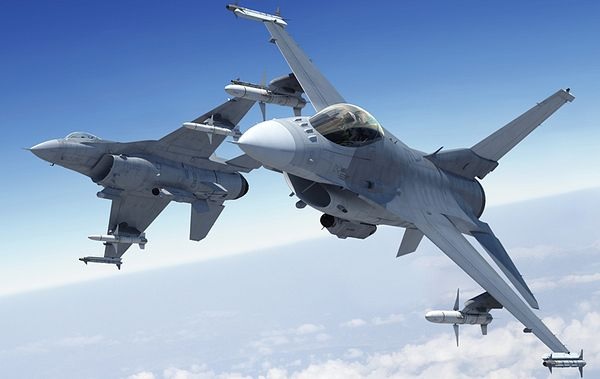
The F-16V Block 70/72 is the latest production variant of the F-16 platform and incorporates significant upgrades over earlier models. Key features expected in Peru’s configuration include:
-
AN/APG-83 AESA radar, offering improved detection range, target tracking, and resistance to electronic interference.
-
Advanced mission computers and cockpit systems, compatible with precision-guided munitions and secure data-link networks.
-
Extended airframe life, rated at approximately 12,000 flight hours.
-
Interoperability with U.S. and regional forces, particularly in multinational exercises and counter-narcotics operations.
The aircraft are expected to be delivered as new-build units, not refurbished airframes.
Regional Implications
The acquisition would bring Peru’s air combat capabilities closer to those of neighboring Chile, which operates a substantial fleet of F-16s within the Chilean Air Force. Defense analysts note that the move does not significantly alter regional force balances but restores capability parity and enhances interoperability among U.S.-aligned air forces in the region.
Brazil, which operates the Gripen E through a separate program, remains on a different technological and logistical path, reflecting varied national defense strategies across South America.
Impact on Competing Bidders
For Saab, the outcome represents a setback in its efforts to expand Gripen sales beyond Brazil in South America. The company’s proposal focused on cost efficiency, industrial cooperation, and reduced dependence on U.S. export controls. While these factors were considered, they were outweighed by the broader security, financing, and logistics framework offered by Washington.
Timeline and Implementation
Pending post-election approval, contract signing is anticipated in mid-2026. Production slots and training schedules would follow, with initial pilot and ground-crew instruction likely conducted in the United States. Delivery of the first aircraft is projected for 2029, with full operational capability expected several years later.
Once the F-16Vs enter service, Peru plans to progressively retire its remaining MiG-29 and Mirage 2000 aircraft, consolidating its fighter force around a single modern platform supported by long-term logistics and training agreements.
If completed as planned, the program will mark a structural shift in Peru’s defense posture, anchoring the country more firmly within U.S.-led security frameworks while providing the Peruvian Air Force with a standardized, modern combat fleet for the coming decades.
——— End of Article ———