PUGLIA, Italy — March 9, 2026 : European robotics startup Mirai Robotics has secured $4.2 million in pre-seed funding as it formally launches operations focused on developing autonomous vehicles and control systems for complex maritime environments. The company, established in 2025, is positioning itself as a dual-use robotics laboratory building technologies designed for both civil and institutional maritime operations.
The investment round is among the largest early-stage funding rounds in Italy’s robotics and deep-technology sector. It was led by Primo Capital, Techshop, and 40Jemz Ventures, with participation from several Italian and international angel investors. According to the company, the newly raised capital will support accelerated technology development, expansion of its engineering workforce across Europe, and the launch of pilot programs with industrial partners.
Maritime Infrastructure and Economic Significance
The maritime domain remains one of the most important components of global infrastructure. More than 80 percent of global trade moves through maritime shipping routes, while over 90 percent of Europe’s foreign trade depends on sea transport. In addition to goods transportation, the oceans host critical digital infrastructure, including subsea cable networks that carry approximately 95 percent of international internet traffic.
The economic value of ocean-related industries—often referred to as the blue economy—currently exceeds $2.5 trillion globally and is projected by international estimates to grow beyond $4 trillion by 2030. Despite its scale and strategic importance, large segments of maritime operations remain dependent on traditional, labor-intensive systems with limited digital integration.
Industry operators face persistent structural challenges, including high operational costs, limited continuous monitoring capabilities, physical risks associated with maritime environments, and an increasing shortage of qualified personnel. Many maritime sectors are experiencing an aging workforce among captains and vessel operators, while thousands of positions remain unfilled across global shipping and offshore industries.
Autonomous Systems for Maritime Operations
Mirai Robotics is developing autonomous maritime technologies intended to address these operational gaps through automation, robotics, and artificial intelligence. The company approaches maritime autonomy primarily as an engineering and industrial systems problem rather than a purely software-based solution.
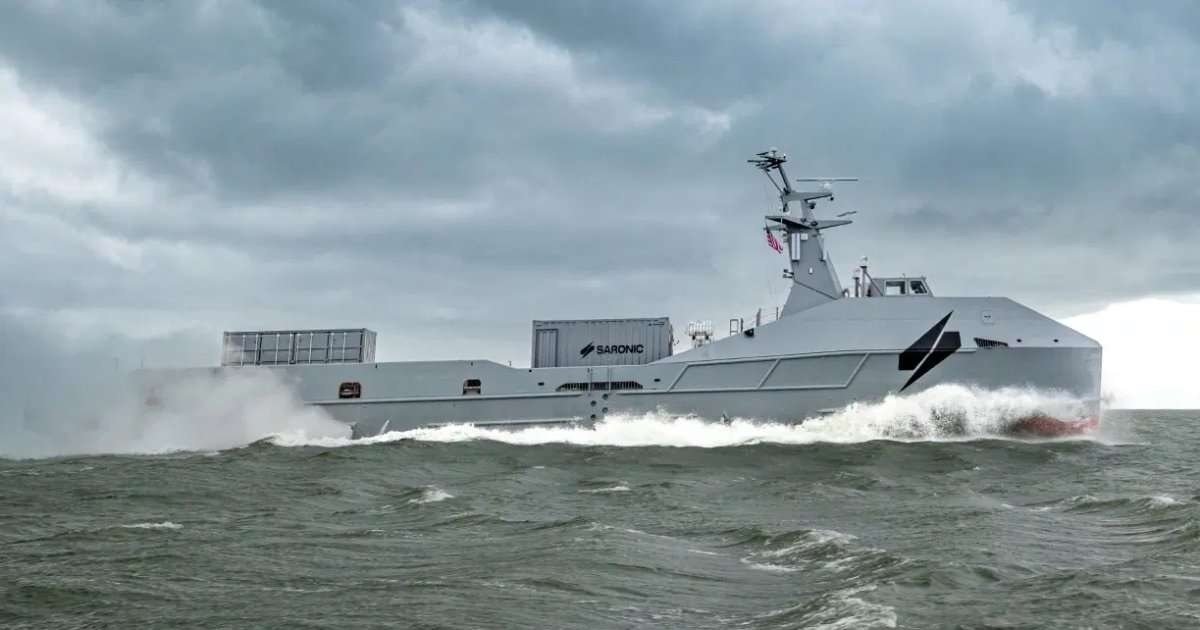
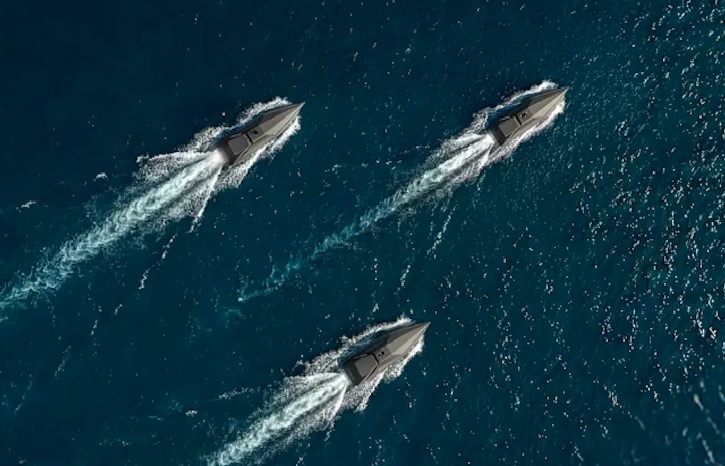
The startup has already developed two autonomous vehicles designed for Intelligence, Surveillance, and Reconnaissance (ISR), patrolling, and monitoring missions across both coastal and offshore maritime environments. These robotic platforms incorporate several integrated capabilities, including:
-
Advanced perception and sensing systems
-
Autonomous navigation and route management
-
Remote control and supervisory operation functions
-
Embedded safety and reliability protocols
The vehicles are designed to operate either independently or as part of distributed maritime monitoring networks, enabling persistent surveillance and operational coverage in environments where human deployment may be costly or hazardous.
In addition to its proprietary platforms, Mirai Robotics is also developing modular autonomy, navigation, and control systems that can be integrated into third-party vessels. This retrofit approach allows commercial operators, infrastructure managers, and institutional organizations to upgrade existing fleets with autonomous capabilities without the need to design entirely new vessels.
The company describes its technology strategy as “dual-use by design,” meaning its systems are intended for a wide range of maritime applications across civil infrastructure management, offshore industry operations, and government or institutional maritime monitoring missions.
Founding Team and Leadership
Mirai Robotics was founded by a group of Italian technology and industrial entrepreneurs with backgrounds in aerospace manufacturing, digital product development, and technology investment.
The leadership team includes:
Luciano Belviso, Chief Executive Officer, previously led Blackshape, an aircraft design and manufacturing company that was later acquired by Angel Holding. His experience includes managing complex industrial engineering operations in the aerospace sector.
Luca Mascaro, Chief Product and Technology Officer, founded Sketchin, a digital product design firm later acquired by BIP Group, where he served as Chief Innovation Officer. His work has focused on digital platforms, product design, and innovation strategies.
Davide Dattoli, board member, is the founder of Talent Garden, a European network of digital innovation campuses, and an investor in several technology and education companies across Europe.
Strategic Location and European Engineering Development
Mirai Robotics has established its headquarters in Puglia, a region in southern Italy located along the Adriatic coast. The company states that the location provides strategic proximity to Mediterranean maritime routes, regional industrial partners, and research institutions.
Italy’s longstanding expertise in shipbuilding, maritime engineering, offshore infrastructure, defense technologies, and yachting industries was a key factor in the company’s decision to base its primary operations there. Mirai Robotics is also developing a pan-European engineering team specializing in robotics, artificial intelligence, complex systems engineering, and mission-critical operations.
The company has begun forming collaborations with universities and research centers to support the development of maritime autonomy technologies.
Industry Context and Long-Term Objectives
Mirai Robotics aims to contribute to the modernization of maritime infrastructure by introducing software-defined robotics systems capable of operating reliably in extreme and remote ocean environments.
According to CEO Luciano Belviso, maritime operations remain one of the last major global infrastructures not yet fully governed by software-based systems. He noted that autonomous robotics can improve safety, operational efficiency, and resource accessibility while supporting security and monitoring functions in challenging maritime conditions.
Lead investor Gianluca Dettori, partner at Primo Capital, stated that the maritime sector is approaching a structural transition point due to outdated operational models, increasing risks, and growing shortages of skilled personnel. Automation technologies, he said, could become a foundational layer enabling the long-term expansion of the global blue economy.
With its first funding round completed, Mirai Robotics plans to advance prototype development, expand engineering capabilities, and initiate operational pilot programs designed to demonstrate autonomous maritime technologies in real-world environments.
——— End of Article ———