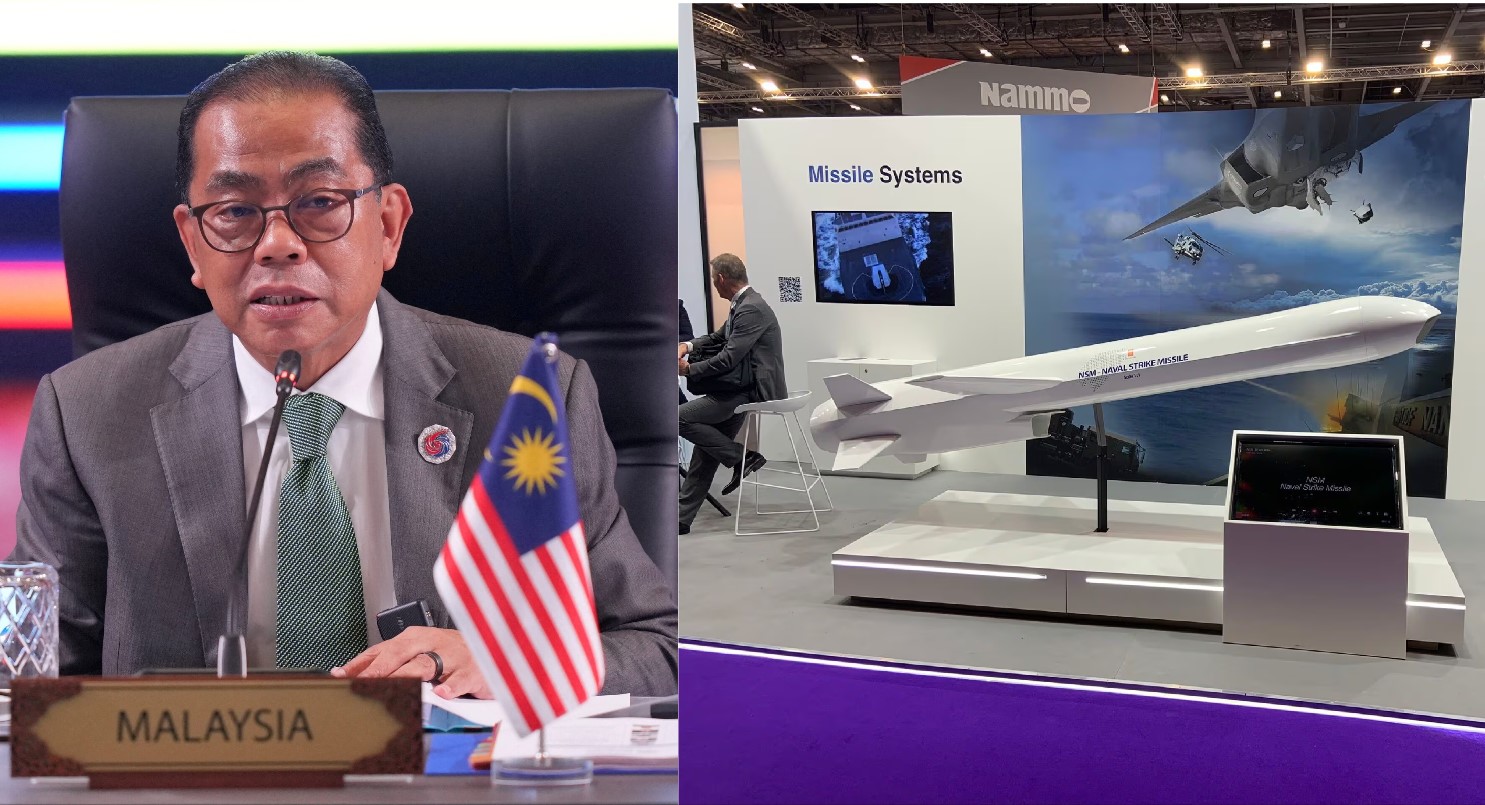
KUALA LUMPUR — May 31, 2026 : Malaysia has formally demanded approximately $251 million (RM1 billion) in compensation from Norwegian defense company Kongsberg Defence & Aerospace after Norway revoked export approvals for the Naval Strike Missile (NSM) system intended for the Royal Malaysian Navy, a decision that has triggered diplomatic concerns and disrupted a key naval modernization effort.
Malaysian officials said the cancellation has damaged trust in international defense cooperation and raised concerns about the reliability of long-term procurement agreements after major payments and integration work had already been completed.
Contract Cancellation Disrupts Naval Modernization Program
The dispute stems from a 2018 agreement between the Royal Malaysian Navy and Kongsberg Defence & Aerospace for the delivery of NSM anti-ship missile systems to arm Malaysia’s Littoral Combat Ships (LCS) under the country’s long-term maritime modernization strategy.
The missile package was intended for six Littoral Combat Ships, with additional systems reportedly planned for two future vessels. The NSM was selected to strengthen Malaysia’s maritime strike capability and improve operational readiness in coastal waters.
The contract was valued at approximately €124 million to €145 million ($145 million to $147 million). According to Malaysian Defence Minister Mohamed Khaled Nordin, Kuala Lumpur had already paid around €126 million, equivalent to nearly 95 percent of the contract value, before Norway revoked export licenses in March 2026, days before scheduled deliveries.
Malaysia Demands Compensation for Direct and Indirect Losses
Following the cancellation, Malaysia issued a formal notice of demand to Kongsberg Defence & Aerospace, seeking compensation exceeding RM1 billion ($251 million).
The claim covers both direct and indirect financial losses resulting from the failed procurement.
A major portion of the claim includes reimbursement of nearly $146 million already paid for missile systems and launcher components that were never delivered. Malaysian officials said additional costs stem from work already carried out to integrate the missile system into naval platforms.
These expenses include dismantling missile mounting equipment installed aboard Littoral Combat Ships, replacing infrastructure designed around the NSM system, retraining naval personnel, and integrating an alternative weapons platform into the navy’s operational structure.
The cancellation has also affected integration timelines for Malaysia’s Littoral Combat Ship program, which had been configured around the Norwegian missile system to improve naval strike capabilities.
Norway Cites Export Control Restrictions
Norwegian authorities defended the decision by citing revised export control regulations and national security considerations.
Under updated restrictions, Norway reportedly limits exports of certain advanced defense technologies to NATO members and its closest strategic partners.
Norway’s foreign ministry declined to discuss specific details of the case, citing confidentiality obligations under the country’s Export Control Act.
During a bilateral meeting on the sidelines of the Shangri-La Dialogue security forum in Singapore on May 31, 2026, Norwegian Defence Minister Tore O. Sandvik formally apologized to Malaysian Defence Minister Mohamed Khaled Nordin for the disruption.
While expressing regret, Sandvik confirmed that Norway’s decision to revoke export approval would remain permanent.
Malaysia Raises Concerns Over Trust and Consistency
Malaysia’s leadership criticized the decision, arguing that unilateral policy changes after years of contractual compliance undermine confidence in international defense partnerships.
Prime Minister Anwar Ibrahim described Norway’s action as unilateral and unacceptable, stating that Malaysia had fulfilled its contractual obligations since 2018 and expected the same commitment from its defense partners.
Speaking during the Shangri-La Dialogue, Defence Minister Khaled Nordin said the incident raised wider concerns regarding confidence in long-term strategic agreements. He warned that withdrawing from legally binding commitments after payments and preparations have been completed risks weakening trust in rules-based international cooperation.
Khaled also questioned what he described as unequal standards in global defense arrangements, arguing that smaller developing nations often bear financial and operational burdens when export restrictions are introduced after agreements have already been finalized.
Why the Naval Strike Missile Was Important to Malaysia
The Naval Strike Missile (NSM) had been chosen for Malaysia’s Littoral Combat Ship fleet because of its suitability for maritime and coastal operations.
The missile is a stealthy, sea-skimming anti-ship system with a range exceeding 185 kilometers. It uses inertial navigation, GPS guidance, terrain contour matching, and an imaging infrared seeker for terminal targeting.
Defense analysts suggested the cancellation may involve concerns linked to foreign-supplied components, including U.S.-origin technologies such as gyroscopes used in missile guidance systems. However, the United States denied direct involvement in the cancellation and said it had supported Malaysia’s acquisition efforts.
Malaysia Reviews Replacement Missile Options
With the NSM deal cancelled, Malaysia has begun evaluating alternative missile systems to maintain operational readiness and avoid delays to its naval modernization plans.
Defence Minister Khaled Nordin confirmed that the United States has offered an alternative missile system to replace the cancelled Norwegian platform. Malaysian officials are also reviewing proposals from South Korea.
At the same time, Kuala Lumpur continues to examine possible legal options related to the cancelled contract and potential breaches.
No resolution has been reached regarding the compensation claim, while Malaysia continues efforts to secure replacement systems for its Littoral Combat Ship fleet.
The case highlights challenges in international defense procurement, particularly when export policies change after contracts are signed, payments completed, and integration work has already taken place.
——— End of Article ———