Washington : L3Harris Technologies says the rapid evolution of air and missile threats is reshaping how air forces think about airborne early warning and control (AEW&C), warning that many existing fleets are increasingly mismatched to today’s operational demands.
In an assessment released by the company, L3Harris argued that persistent airborne awareness, seamless multi-domain coordination across air, land, sea, space and cyber, and real-time connectivity with fifth-generation combat aircraft have become essential requirements for deterrence and coalition warfare. According to the firm, these demands are exposing structural weaknesses in legacy AEW&C programs originally designed for a less contested and slower-moving battlespace.
Aging Fleets, Rising Costs
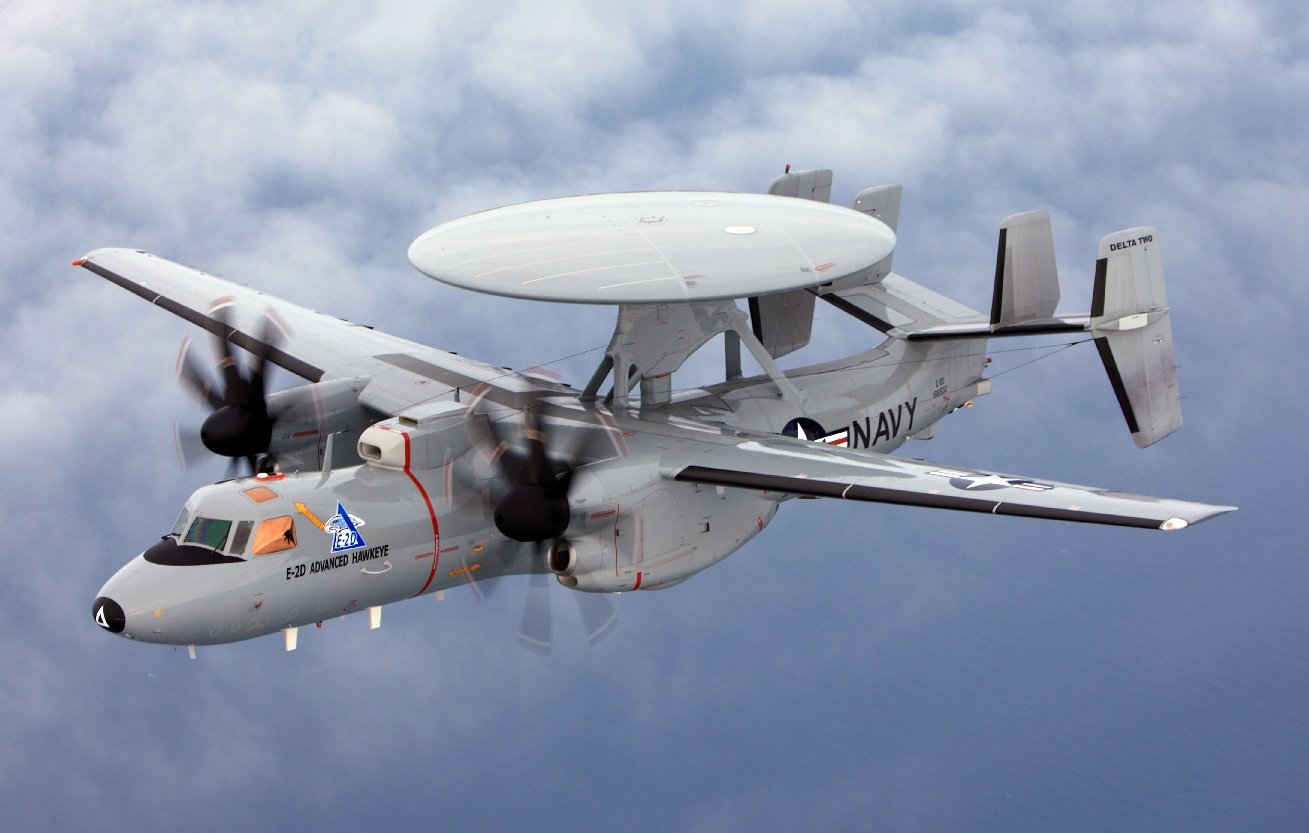
L3Harris noted that many AEW&C platforms currently in service rely on aging system architectures that are costly to sustain and slow to modernize. Long production timelines, complex upgrade roadmaps, and rising lifecycle costs are limiting how quickly governments can field credible surveillance and battle-management capabilities at scale.
Recent delays and cancellations of major AEW&C programs have further underscored what the company described as a widening gap between operational demand and available solutions. As air and missile threats become faster, lower-observable and more networked, air forces are reassessing how to modernize their fleets while maintaining readiness in increasingly contested electromagnetic environments.
The AERIS Concept
L3Harris says this capability gap is driving interest in AERIS, its next-generation AEW&C family built on missionized business jet platforms. Unlike traditional large AEW&C aircraft, AERIS is designed around commercially proven airframes adapted for military missions—an approach the company says enables faster delivery timelines and lower sustainment costs.
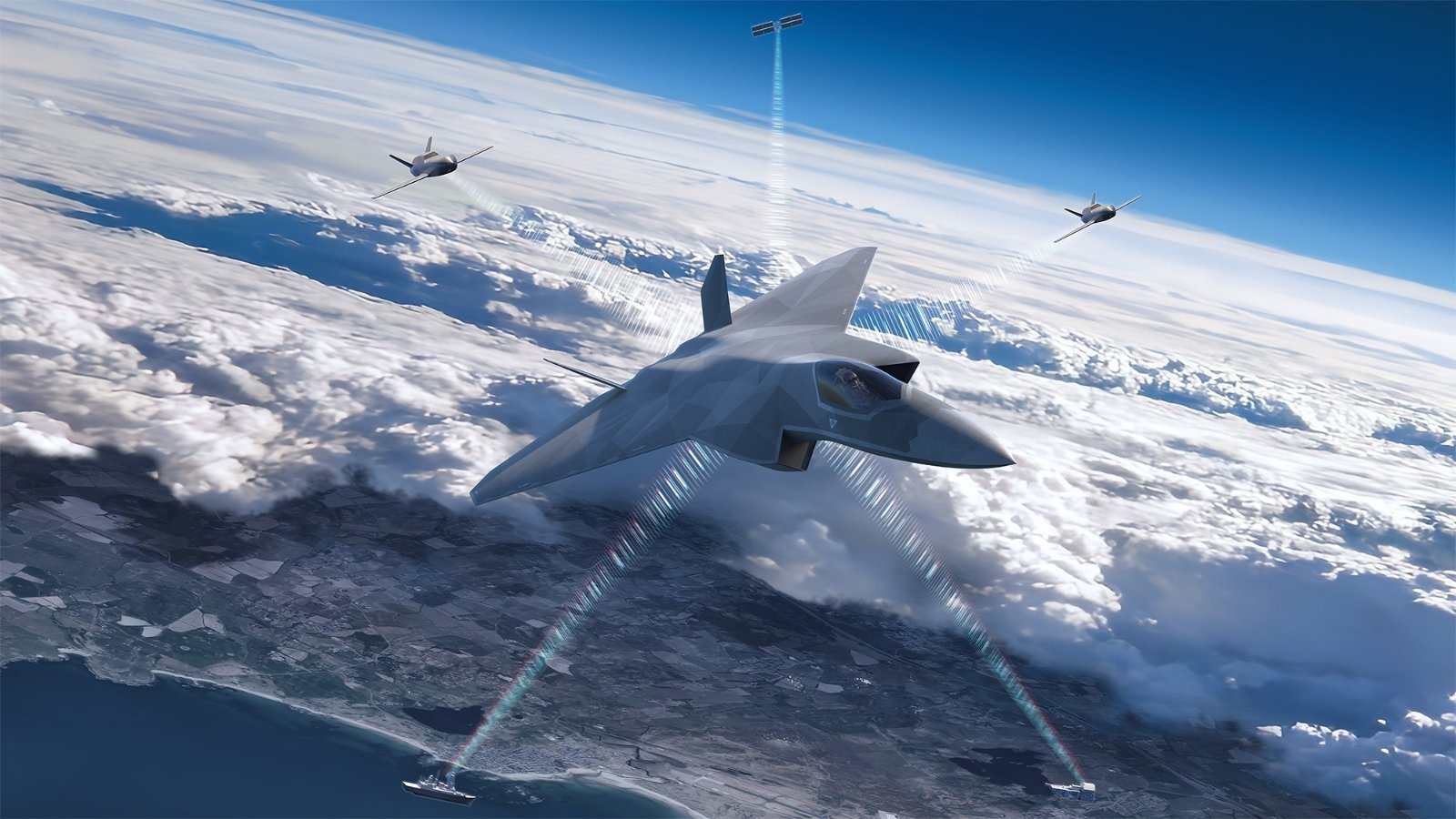
According to L3Harris, AERIS was designed from inception for fifth-generation interoperability, allowing real-time data sharing across allied aircraft, sensors, and command-and-control networks. The system is intended to support faster, more coordinated decision-making across coalition forces.
Performance and Survivability
The company said AERIS aircraft operate at higher altitudes and faster cruise speeds than many legacy AEW&C platforms that do not require aerial refueling. Combined with greater unrefueled range, these characteristics are intended to extend radar horizons, enhance survivability, and provide persistent coverage with fewer aircraft.
At the core of the platform is an advanced Active Electronically Scanned Array (AESA) radar offering true 360-degree coverage. L3Harris said the radar delivers increased detection range, improved tracking accuracy, and enhanced resistance to jamming, enabling effective operation in contested electromagnetic environments.
Networked Command and Control
L3Harris emphasized AERIS’ communications architecture as a central element of the design. The aircraft integrates satellite communications, line-of-sight, and beyond-line-of-sight connectivity to maintain continuous links with allied aircraft, ground forces, and command centers.
The company said this architecture enables real-time information sharing, even in degraded or denied environments, allowing commanders to preserve situational awareness and battle management control under contested conditions.
AERIS also incorporates an AI-enabled mission management system designed to reduce operator workload and accelerate threat assessment. By automating data fusion, prioritization, and cueing, the system is intended to shorten decision cycles and deliver actionable intelligence during time-sensitive operations.
Two Configurations, Common Architecture
The AERIS family is available in two configurations sharing a common mission system architecture. AERIS X is based on the Bombardier Global 6500, while AERIS A is built on the Gulfstream G550 platform. L3Harris said both variants provide full air surveillance and battle-management capability, allowing air forces to select an airframe aligned with national requirements while preserving fleet commonality.
Readiness and Cost Focus
L3Harris positioned readiness and sustainment as key differentiators, stating that AERIS is a mature, production-ready solution rather than a developmental platform dependent on future upgrades. The company said it has delivered more than 100 missionized business jets across multiple roles and has additional aircraft modifications currently on order.
According to L3Harris, AERIS offers lower acquisition and lifecycle costs compared with legacy AEW&C platforms. Maintenance and sustainment are designed to be performed by national air forces with support from local industry, an approach the company says can accelerate modernization timelines and strengthen domestic defense ecosystems.
International Validation
The company cited the Republic of Korea’s selection of its next-generation AEW&C solution as validation of AERIS’ performance, interoperability, and readiness. L3Harris said the decision reflects a broader shift among air forces toward rapidly fieldable systems capable of meeting modern operational requirements without prolonged development cycles.
As air and missile threats continue to increase in speed, range, and sophistication, L3Harris argues that the future of AEW&C lies in agile, networked platforms capable of seamless integration with advanced fighters and coalition command structures. Whether AERIS emerges as a new benchmark for airborne battle management will depend on how quickly governments move to close what the company describes as a critical and growing capability gap.
——— End of Article ———