Ankara — March 5, 2026 : The United States has incurred an estimated $1.9 billion in military equipment losses during the first phase of ongoing operations against Iran across the Middle East, according to compiled data and estimates reported by Anadolu Agency as of March 4, 2026. The losses stem from Iranian missile and drone strikes targeting U.S. military installations, high-value radar systems, aircraft, and diplomatic facilities across several Gulf states since the campaign began.
The military operations, launched on March 1, 2026, are part of a broader U.S.–Israeli campaign targeting Iranian military infrastructure, including missile bases, Islamic Revolutionary Guard Corps (IRGC) facilities, and naval assets. According to U.S. Central Command (CENTCOM), the campaign has involved more than 50,000 U.S. troops, approximately 200 fighter aircraft, and two aircraft carriers, while over 2,000 Iranian targets have been struck since the start of the operation.
Iran has responded with missile and drone attacks against U.S. military facilities and diplomatic compounds across the Gulf region, resulting in the documented equipment losses and damage to installations.
High-Value Radar Systems Account for Largest Losses
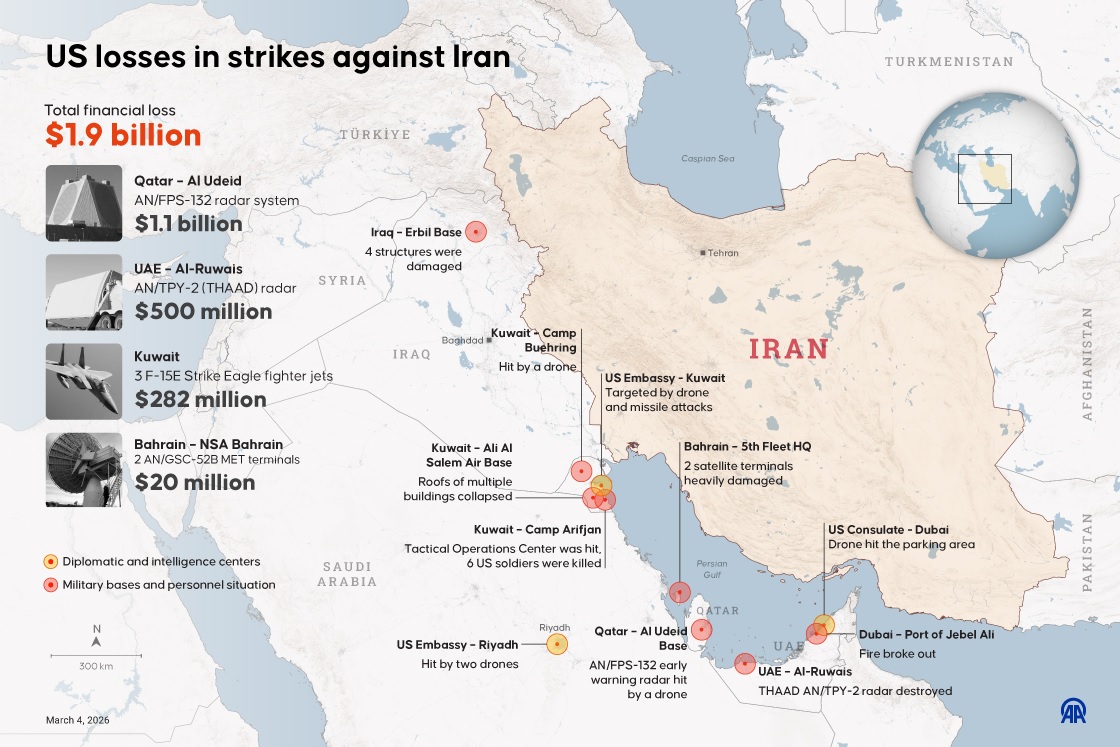
The most significant financial loss involves an AN/FPS-132 early warning radar system located at Al Udeid Air Base in Qatar, which sustained heavy damage following an Iranian ballistic missile strike on March 1. The system, valued at approximately $1.1 billion, serves as a long-range phased-array radar used for missile detection and air surveillance across the Gulf region.
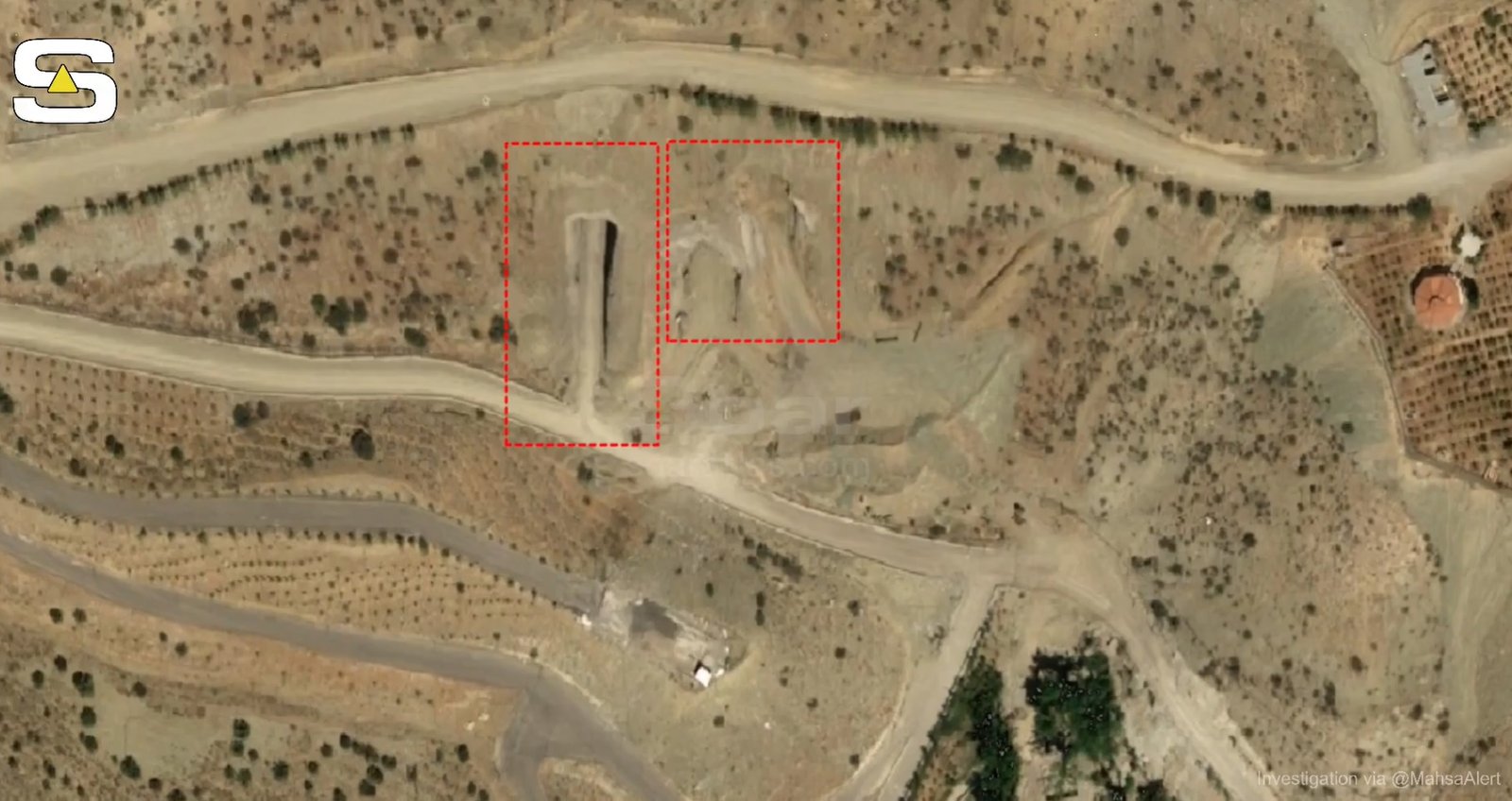
Qatari authorities confirmed the strike on the radar installation. Satellite imagery analyzed on March 3 showed damage in the area surrounding the radar, including destruction of a tent facility and nearby satellite communication structures. Iranian state media claimed the radar was fully destroyed, while U.S. assessments indicate that the system was severely compromised but may retain partial functionality.
Another major loss occurred in the United Arab Emirates, where an AN/TPY-2 radar associated with a Terminal High Altitude Area Defense (THAAD) battery was struck at Al-Ruwais. The radar, valued at approximately $500 million, was reportedly destroyed following an Iranian missile strike. Satellite imagery and regional reporting indicated fires at the location following the attack. UAE authorities confirmed that the site had been targeted but did not release further operational details.
Additional communications infrastructure losses were reported in Bahrain, where two AN/GSC-52B Mobile Equipment Terminals (MET) at the U.S. Navy’s Fifth Fleet headquarters were heavily damaged in a drone strike on March 3. The satellite communication terminals, used to support naval command operations, represent approximately $20 million in equipment losses based on open-source intelligence assessments.
Aircraft Losses in Kuwait
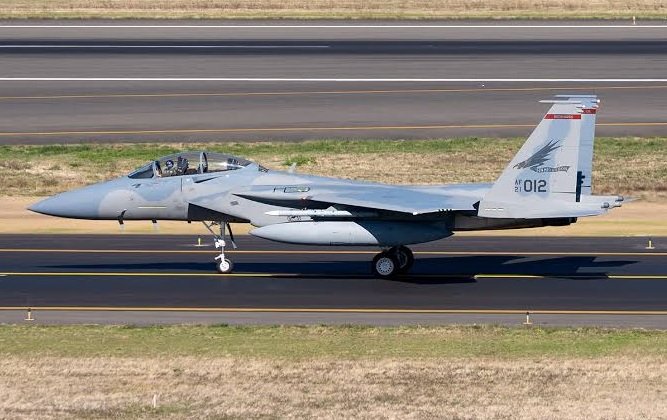
The United States also lost three F-15E Strike Eagle fighter jets stationed at Ali Al Salem Air Base in Kuwait, with a combined replacement value estimated at $282 million. Each aircraft is valued at approximately $94 million.
Initial reports indicated that the aircraft were destroyed in a friendly-fire incident involving Kuwaiti air defense systems, though later statements from CENTCOM attributed the destruction to Iranian drone or missile munitions. The aircraft were reportedly undergoing maintenance when the strike occurred.
All six U.S. aircrew members associated with the aircraft survived, according to regional defense sources.
Strikes on U.S. Military Installations
Several U.S. military bases across the Gulf region have also sustained structural damage during Iranian retaliatory strikes.
At Camp Arifjan in Kuwait, an Iranian drone strike hit a Tactical Operations Center on March 2, resulting in the deaths of six U.S. soldiers. Additional damage occurred at Ali Al Salem Air Base, where multiple building roofs collapsed following the strike.
Camp Buehring in Kuwait was also struck by a drone, though limited information on the extent of damage has been released.
In Iraq, missile fragments damaged four structures at the U.S. base in Erbil on March 1. No casualties were reported at the site.
In the United Arab Emirates, a fire broke out at the Port of Jebel Ali in Dubai following debris from an intercepted missile strike. The port is one of the most frequently used logistics hubs for the U.S. Navy in the region.
Diplomatic Facilities Targeted
Iranian drone and missile attacks also targeted several U.S. diplomatic compounds across the Gulf.
In Saudi Arabia, two drones struck the U.S. Embassy compound in Riyadh on March 2, causing minor structural damage but no reported casualties.
In Kuwait, the U.S. Embassy was targeted by a combination of drone and missile attacks, though defensive systems intercepted most incoming threats.
In Dubai, a drone strike hit the parking area of the U.S. Consulate, causing damage to vehicles but no injuries were reported.
Personnel Casualties and Operational Context
CENTCOM reported that eight U.S. service members have been killed in incidents connected to Iranian strikes as of March 4, while 18 additional personnel were seriously wounded. U.S. forces also recovered remains from two additional fatalities linked to early Iranian attacks during the initial phase of the conflict.
Iran’s Health Ministry stated on March 5 that 926 people were killed inside Iran during U.S. and Israeli strikes conducted since February 28, including Supreme Leader Ali Khamenei and several senior officials. Iranian officials have claimed more than 500 U.S. military deaths, though these figures have not been confirmed by U.S. authorities.
The White House reiterated on March 5 that ground combat operations are not currently planned, emphasizing that the campaign relies primarily on air and naval operations. U.S. officials estimate that the first day of operations cost approximately $779 million, representing roughly 0.1 percent of the U.S. defense budget for 2026.
CENTCOM also reported that all Iranian naval vessels previously operating in the Gulf of Oman—estimated at 11 ships—have been destroyed, leaving no operational Iranian naval presence in that area. Assessments of further damage and ongoing Iranian responses continue as U.S. forces maintain heightened operational readiness across the region.
——— End of Article ———