LONDON, February 24, 2026 : Iran is close to finalising an agreement with China for the purchase of CM-302 supersonic anti-ship cruise missiles, according to six people familiar with the negotiations. The discussions are taking place amid a significant United States naval deployment near Iran’s coastline and follow the reimposition of United Nations arms sanctions on Tehran in September 2025.
The proposed acquisition centres on the CM-302, the export version of the YJ-12 missile developed by the China Aerospace Science and Industry Corporation (CASIC). While the deal is reported to be in its final stages, the number of missiles involved, financial arrangements and delivery timelines have not been disclosed. No delivery date has been agreed.
Negotiations and Diplomatic Engagement
Sources said negotiations between Tehran and Beijing began at least two years ago and accelerated after the 12-day conflict between Israel and Iran in June 2025. As talks progressed into their final phase last summer, senior Iranian military and government officials travelled to China. The delegation included Iran’s Deputy Defence Minister Massoud Oraei. The visit had not previously been reported.
An Iranian foreign ministry official told Reuters that Iran maintains military and security agreements with its partners and that the present period is appropriate to utilise those arrangements.
China’s Ministry of Foreign Affairs stated after publication of the report that it was not aware of the talks. China’s defence ministry did not respond to a request for comment.
The White House did not directly address the missile negotiations. A White House official referred to remarks by US President Donald Trump stating that “either we will make a deal or we will have to do something very tough like last time,” in reference to ongoing nuclear-related tensions.
Missile Specifications and Operational Role
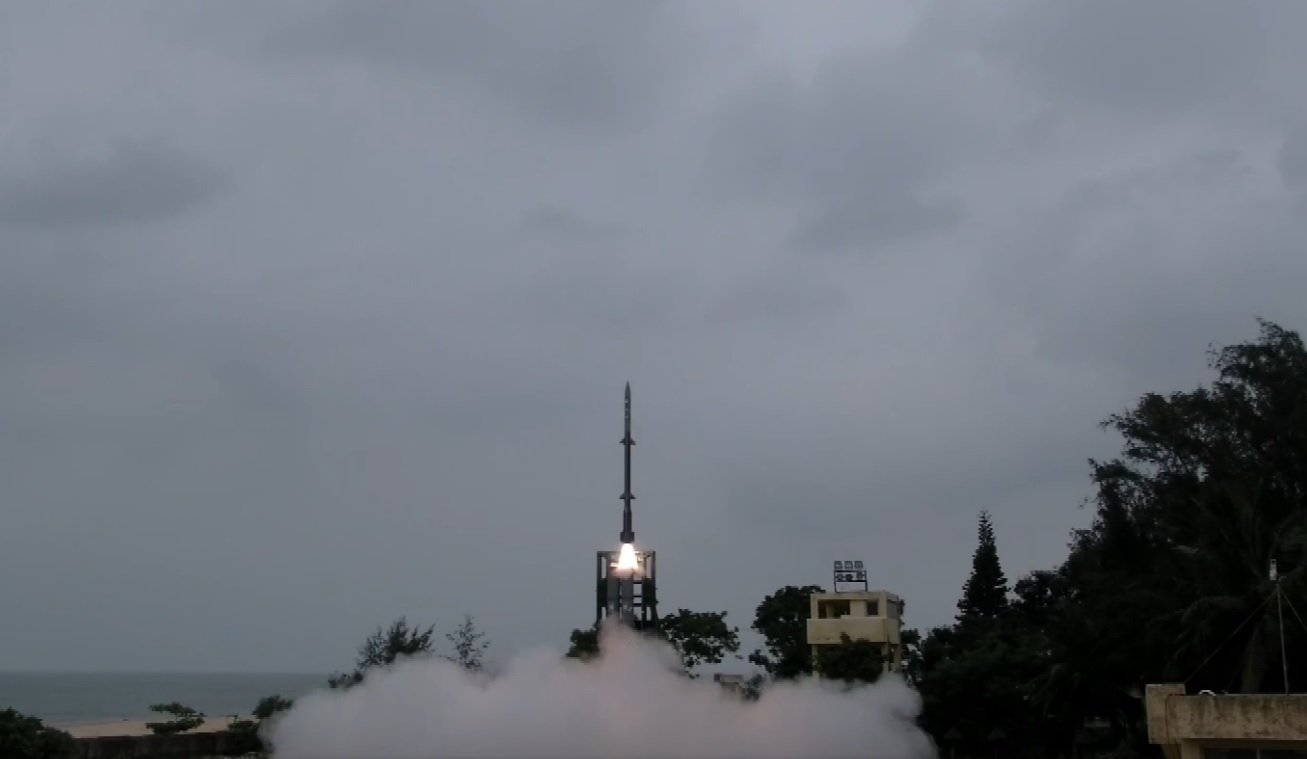
The CM-302 is marketed by CASIC as a multipurpose supersonic missile capable of engaging both large surface vessels and land-based targets. The system is designed to evade shipborne air defences by flying at low altitude and high speed during its terminal phase.
According to publicly available specifications published by CASIC and defence analysis organisations, the missile has an approximate range of 290 kilometres. It uses a solid rocket booster for initial acceleration and a liquid-fuelled ramjet engine for sustained supersonic flight.
The missile can reach speeds of up to Mach 3 at high altitude and approximately Mach 2 at low altitude. It carries a warhead of around 250 kilograms and employs inertial navigation and GPS guidance, combined with active radar homing in the terminal stage. Launch platforms include naval vessels, aircraft and mobile ground-based systems.
The acquisition would enhance Iran’s anti-ship strike capability in coastal and near-sea environments, particularly in strategically sensitive waterways.
Pieter Wezeman, senior researcher at the Stockholm International Peace Research Institute (SIPRI), stated that the purchase would represent a significant improvement for Iran’s arsenal, which was reduced during the 2025 conflict.
Danny Citrinowicz, a former Israeli intelligence officer and senior Iran researcher at the Institute for National Security Studies, said that supersonic anti-ship capability would alter operational calculations in the region and noted that such missiles are difficult to intercept.
Broader Defence Discussions
In addition to the CM-302, Iran is reported to be in discussions with China regarding other defence systems. These include surface-to-air missile systems, man-portable air-defence systems (MANPADS), anti-ballistic weapons and anti-satellite weapons. No agreements related to these systems have been publicly confirmed.
China and Iran maintain ongoing military ties, including annual joint naval exercises conducted with Russia. In 2025, the US Treasury sanctioned Chinese entities for allegedly supplying chemical precursors used in Iran’s ballistic missile programme. China rejected the allegations and stated that it enforces export controls on dual-use materials.
In September 2025, during a military parade in Beijing, Chinese President Xi Jinping told Iranian President Masoud Pezeshkian that China supports Iran in safeguarding its sovereignty, territorial integrity and national dignity. On October 18, 2025, China, Russia and Iran issued a joint letter stating that the reimposition of UN sanctions was flawed.
Sanctions and Legal Context
The potential transfer of the CM-302 would constitute one of the most advanced military systems supplied by China to Iran in recent years. It would contravene the United Nations arms embargo first imposed in 2006. The embargo was suspended in 2015 under the nuclear agreement but was reimposed in September 2025.
The reported deal coincides with heightened military positioning by the United States in the region.
US Naval Deployment
The United States has assembled substantial naval forces within operational range of Iran. The aircraft carrier USS Abraham Lincoln and its strike group are currently deployed in the region. The USS Gerald R. Ford and its escorts are en route. Together, the two carrier strike groups can carry more than 5,000 personnel and approximately 150 aircraft.
The US naval presence forms part of broader preparations linked to nuclear negotiations and contingency military planning.
All information in this report is based on the Reuters report dated February 24, 2026, along with publicly available technical specifications of the CM-302 missile published by CASIC and defence analysis sources.
——— End of Article ———