DUBAI, February 24, 2026 : Iran’s Islamic Revolutionary Guard Corps Navy (IRGCN) has deployed a large number of fast attack craft across the Persian Gulf as United States carrier strike groups operate in and move toward the region, according to open-source defence assessments published between February 23 and 24.
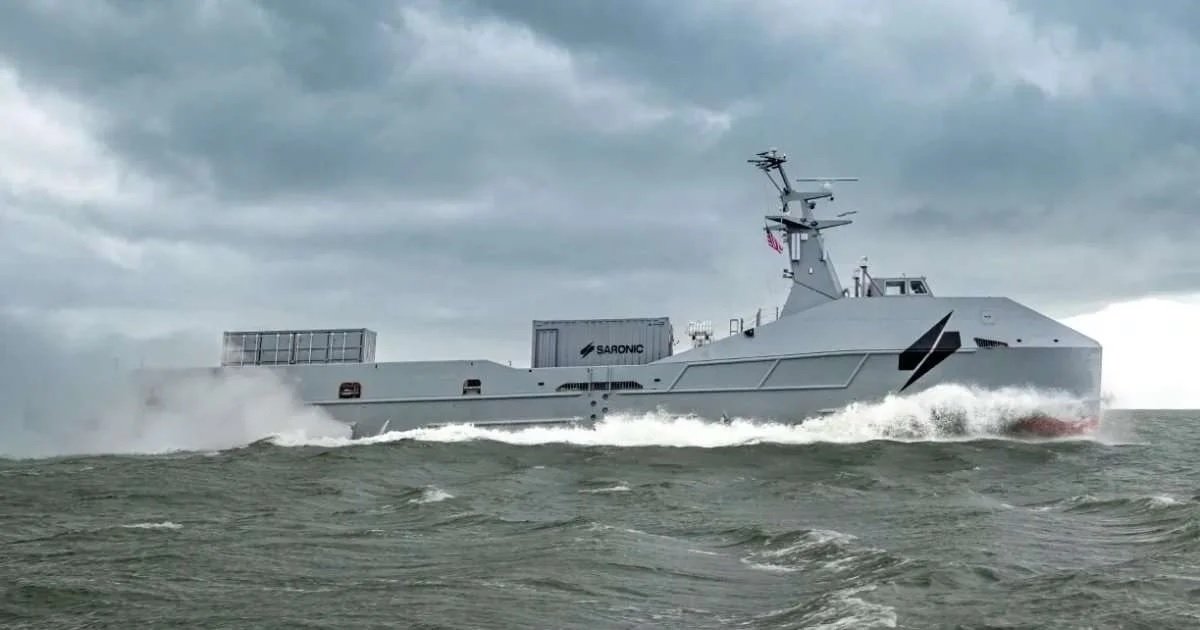
The deployment centers on Iran’s extensive fleet of small, high-speed vessels designed for shallow-water operations. Defence tracking data indicates that more than 1,500 fast attack boats are currently positioned across key sectors of the Gulf. Of these, over 250 vessels are equipped with anti-ship cruise missiles, forming the primary strike component of the force.
Fleet Composition and Armament
The missile systems identified aboard the armed fast attack craft include the Nasr, Kowsar, Ghader, and Zafar anti-ship cruise missile variants. In addition, select vessels are fitted with the longer-range Abu Mahdi cruise missile, a turbojet-powered, sea-skimming system with a reported range exceeding 1,000 kilometres.
Many of the fast attack craft displace less than 10 tons and are capable of speeds ranging between 50 and 110 knots. The vessels are configured for rapid maneuvering and coordinated swarm formations in confined maritime environments.
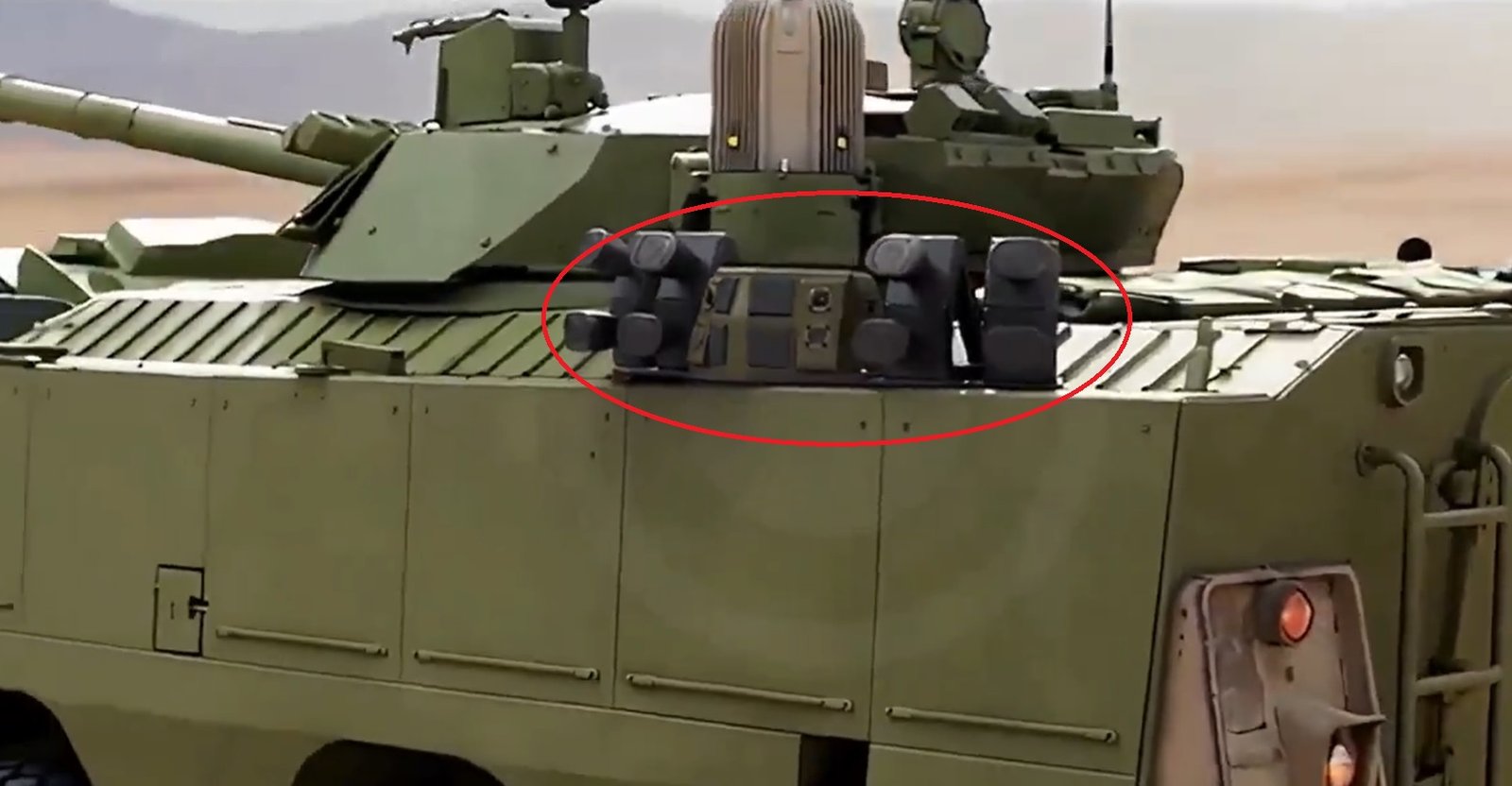
Intelligence assessments further indicate that some boats have been equipped with anti-air missile launchers with reported engagement ranges exceeding 100 kilometres. These systems are intended to provide localized air defence coverage against reconnaissance aircraft and strike assets operating over the Gulf.
Asymmetric Maritime Strategy
The fast attack fleet forms a central component of Iran’s asymmetric naval doctrine tailored to littoral environments such as the Strait of Hormuz and the wider Persian Gulf. The IRGCN emphasizes rapid “hit-and-run” tactics and swarm operations designed to complicate targeting solutions for larger conventional warships.
Operations by the surface fleet are supported by coastal infrastructure and concealed launch facilities along the Iranian shoreline. The vessels operate in coordination with Ghadir-class diesel-electric midget submarines, which are specifically designed for shallow-water missions. The integration of small surface combatants, mini-submarines, and shore-based assets provides layered coverage across key maritime corridors.
International Naval Exercises
Over the past year, Iran has conducted joint naval drills with the Russian Federation and the People’s Republic of China in the Gulf of Oman and the northern Indian Ocean. Defence analysts assess that these trilateral exercises have focused on improving coordination, communication procedures, and tactical interoperability among participating naval units.
The recent deployment in the Persian Gulf follows these exercises and reflects sustained operational readiness activities within the IRGCN.
U.S. Naval Presence
The Iranian fleet activity coincides with the deployment of U.S. naval assets to the region. The USS Abraham Lincoln carrier strike group is operating in the area, while the USS Gerald R. Ford and its escorts are reported to be operating in or heading toward regional waters.
No official statement regarding the current operational posture has been issued by Iranian authorities. All details cited are based on open-source defence reporting and monitoring assessments dated February 23–24, 2026.
——— End of Article ———