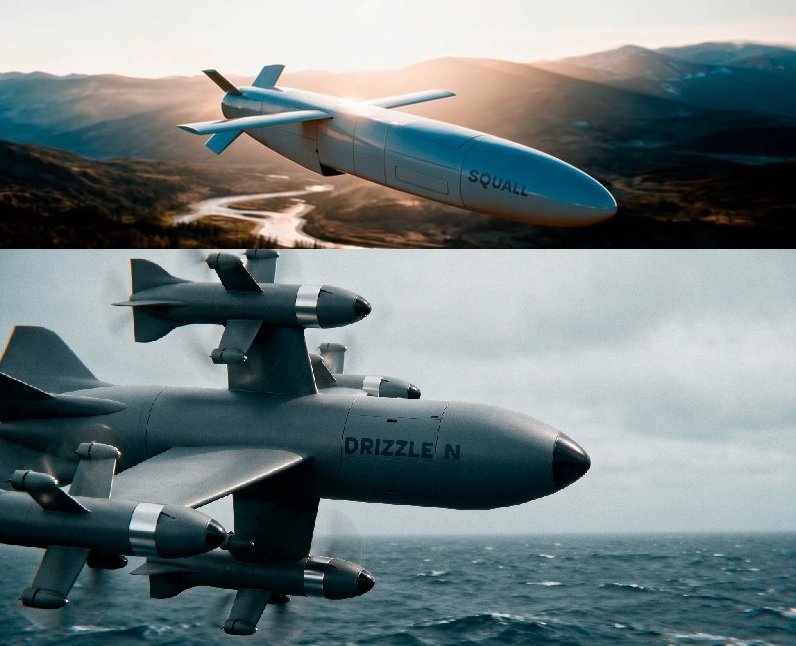
TOLEDO, Spain — Spanish defence technology company Indra has showcased its SQUALL cruise missile and DRIZZLE interceptor at the ninth 2E+I Army 35 Forum in Toledo. The systems are designed to provide the Spanish Armed Forces with cost-effective, scalable capabilities for long-range precision strikes and counter-drone operations.
SQUALL Cruise Missile
Indra describes SQUALL as Spain's first domestically developed cruise missile. It is designed to strike targets at distances exceeding 300 kilometres. The missile measures 3.4 metres in length, has a maximum take-off weight of 150 kilograms and can carry a 60-kilogram warhead.
Earlier presentations indicated that SQUALL is intended for integration with land and naval platforms. Its reported design features include low-altitude flight to reduce radar detection and guidance systems designed to resist jamming and spoofing.
The system is intended to provide a relatively low-cost precision-strike capability that can be produced and deployed in numbers.
DRIZZLE Counter-Drone Interceptor
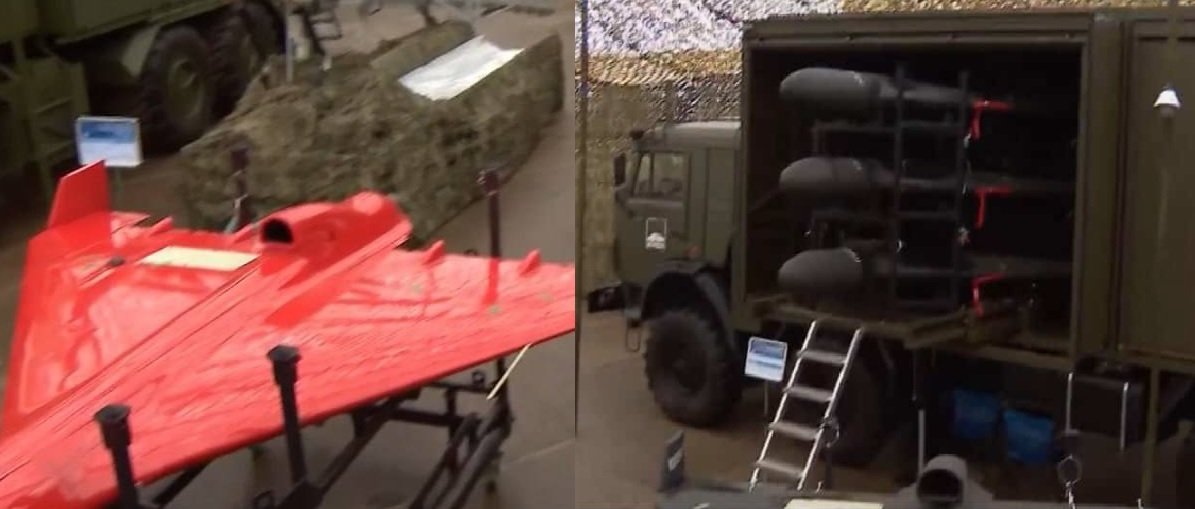
DRIZZLE is an approximately 80-centimetre interceptor capable of reaching speeds of up to 400 kilometres per hour. It is designed to engage drones, light vehicles and communication antennas.
The interceptor has a stated range of 80 kilometres, which can be extended to 130 kilometres with support from a carrier drone. The expendable carrier has its own explosive warhead and can also operate as an independent strike platform.
DRIZZLE can be launched from the ground, integrated as a hard-kill component within a wider counter-drone system, or mounted on helicopters and larger drones.
Both systems were first publicly presented at the UNVEX unmanned systems fair in September 2026 before being showcased at the Army 35 Forum.
Lessons from Ukraine and NATO Requirements
Indra has linked the development of the systems to lessons from the war in Ukraine and Spain's participation in NATO's Eastern Flank Deterrence Initiative (EFDI).
The widespread use of relatively inexpensive reconnaissance and attack drones has increased demand for affordable weapons that can be deployed in large numbers. Indra has accelerated its development and manufacturing processes to meet NATO's requirements for shorter development cycles and faster delivery of capabilities across multiple operational domains.
Other Spanish Defence Modernisation Programmes
Indra also highlighted its involvement in several Spanish defence programmes:
-
SANTAM: Supply of 147 Tarsis tactical drones in fixed-wing and vertical take-off and landing (VTOL) configurations.
-
ARACNE: A counter-drone system developed with EM&E, connecting sensors, control systems and kinetic effectors to manage aerial threats.
-
COAAAS: The Anti-Aircraft Artillery Operations system, incorporating Indra's active electronically scanned array (AESA) MTR radars to support an integrated air defence architecture.
These programmes follow a system-of-systems approach, allowing different sensors, command systems and weapons to work together.
Ángel Torrijo, programme manager in Indra's Weapons & Ammunition division, is participating in a forum panel on counter-drone warfare, moderated by Brigadier General Manuel César Arienza, commander of Spain's Anti-Aircraft Artillery Command (MAAA).
100th Dragón Armoured Vehicle Delivered
Indra has also reported progress on the VCR 8x8 Dragón programme, a central part of the Spanish Army's Force 35 transformation plan. The company has led the TESS Defence consortium for the past 18 months.
The consortium delivered the programme's 100th vehicle to Spain's Ministry of Defence around the time of the forum. Production rates have more than doubled during 2026, according to the supplied information.
The programme aims to deliver all 348 planned vehicles by the end of 2028, with initial operational capability targeted for the end of 2026.
The SQUALL and DRIZZLE developments, alongside the drone, air defence and armoured vehicle programmes, form part of Indra's broader contribution to Spain's military modernisation and its focus on integrated, scalable capabilities.
——— End of Article ———