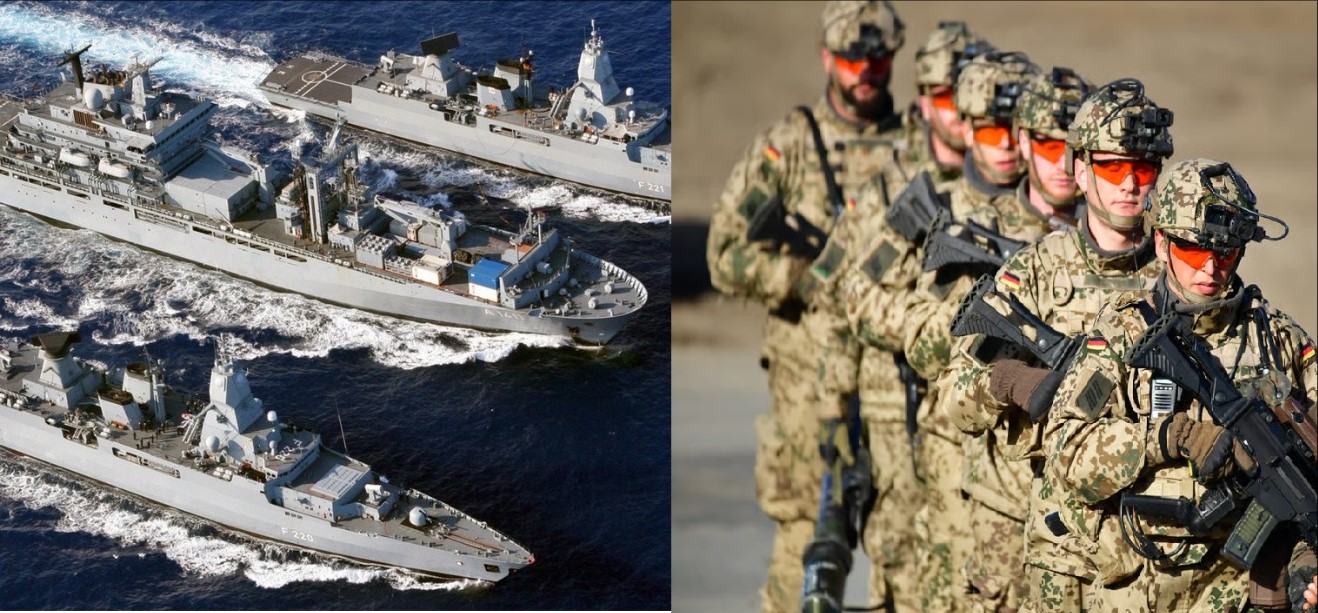
BERLIN / NUUK : In one of the most consequential shifts in its post–Cold War defense posture, Germany has confirmed that it is preparing for the possible deployment of air and naval forces to Greenland, marking Berlin’s clearest signal yet that it intends to play a permanent role in Arctic security alongside its NATO allies.
The announcement, made by the German Ministry of Defense on Friday, January 16, 2026, follows the arrival earlier this week of a Bundeswehr reconnaissance and logistics assessment team in Nuuk. The team’s mandate is to evaluate infrastructure, basing options, and supply chains needed to support the sustained presence of heavy military assets in the High North — a move that would have been politically unthinkable in Germany little more than a decade ago.
German officials stressed that the initiative is being coordinated closely with NATO and at the direct invitation of Copenhagen, underlining that the effort is designed to reinforce collective defense rather than establish a unilateral military footprint.
Frigates, Fighters, and a Permanent Arctic Role
Speaking in Berlin, a Defense Ministry spokesperson made clear that Germany’s plans go well beyond symbolic participation or short-term exercises.
“This is about assessing the security environment in the Arctic and determining how Germany can contribute meaningfully to its protection alongside our partners,” the spokesperson said. “That includes planning regular exercises, deploying maritime patrol aircraft, naval surface combatants, and potentially fighter aircraft for airspace security.”
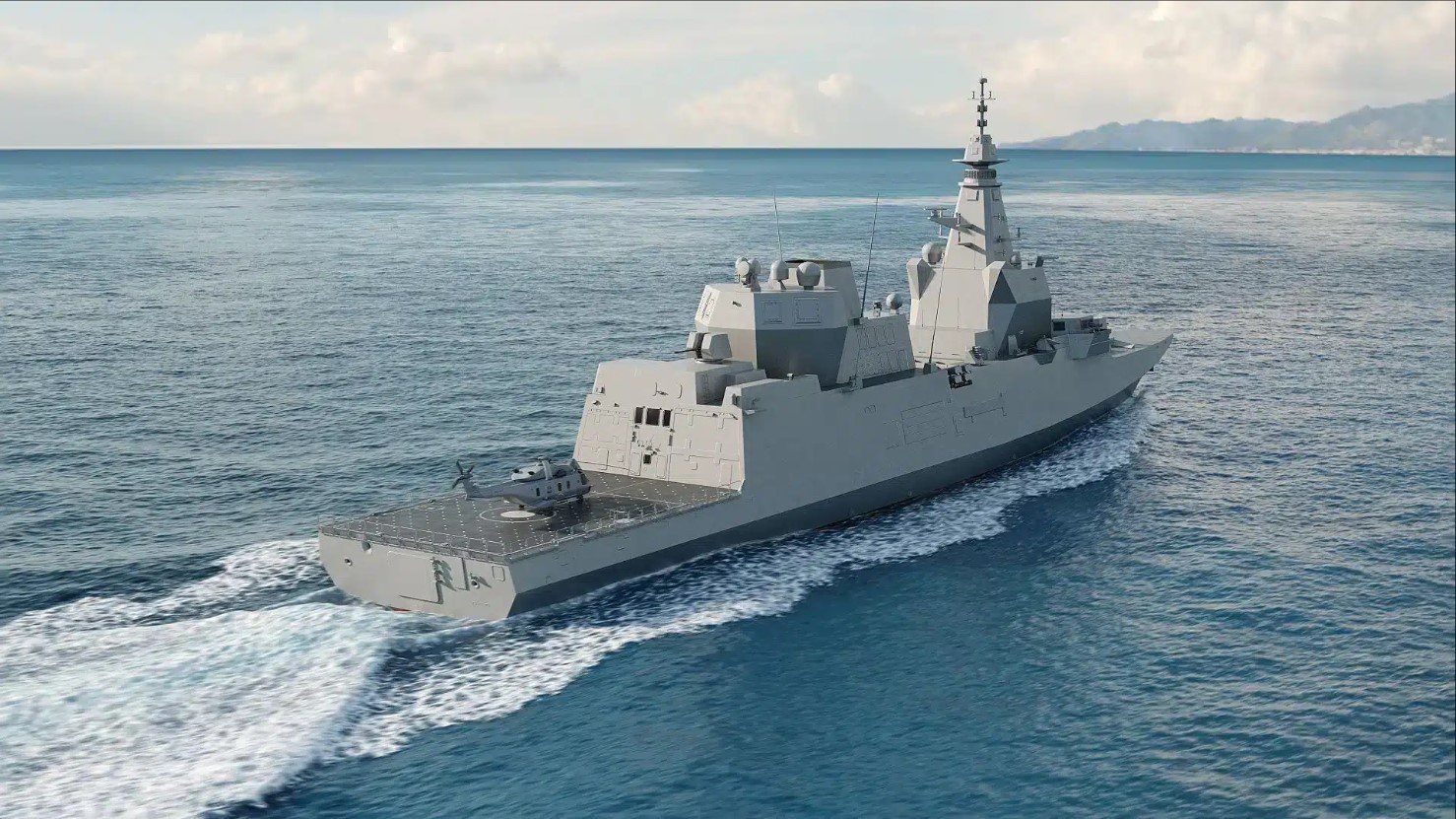
Defense officials confirmed that the assets under consideration include Eurofighter Typhoon jets from the Luftwaffe, as well as advanced frigates such as the F125 class or the forthcoming F126, which are optimized for long-duration deployments and sustained maritime surveillance.
If approved, the forward deployment of German fighter aircraft to Greenland would represent the Bundeswehr’s most significant northern stationing since the Cold War, placing German pilots and sailors at the center of an increasingly contested strategic theater.
The GIUK Gap and Germany’s New Eyes Under the Sea
Berlin’s Arctic recalibration is centered on its newly operational fleet of Boeing P-8A Poseidon aircraft. Designed for long-range anti-submarine warfare and maritime surveillance missions, the Poseidons give Germany a capability long dominated by the United States and the United Kingdom.
These aircraft are central to monitoring the so-called GIUK Gap — the strategic stretch of ocean between Greenland, Iceland, and the UK that serves as the primary gateway for Russian submarines moving from the Arctic into the North Atlantic.
With Russia steadily expanding submarine patrols and undersea infrastructure in the region, NATO planners have warned that control of the GIUK Gap is once again becoming decisive for the defense of Europe’s Atlantic sea lanes. German officials privately acknowledge that without greater European contributions, the burden of monitoring the area would fall almost entirely on American forces.
The Arctic’s strategic value has also been complicated by China, which has declared itself a “near-Arctic state” and expanded its scientific, commercial, and dual-use presence across the polar region — a development increasingly viewed with suspicion in European defense circles.
Diplomacy, Denmark, and a European Answer
The timing of Germany’s announcement is notable. Just days earlier, a Luftwaffe Airbus A400M transport landed in Nuuk carrying a 13-member Arctic assessment team. The deployment was conducted in close coordination with Denmark, which retains responsibility for Greenland’s defense despite the island’s extensive autonomy.
While Berlin has framed the initiative as a response to Russian and Chinese activity, officials acknowledge that it also reflects a broader desire among European allies to ensure that Greenland’s security remains firmly anchored in multilateral NATO structures. Recent debates in Washington over U.S. strategic interests in Greenland have reinforced European determination to demonstrate that the defense of the island is a shared transatlantic responsibility.
A Growing European Arctic Coalition
Germany’s move is part of a wider European push northward. Denmark has sharply increased funding for its Arctic Command, while Sweden and Norway have deployed personnel to Greenland this week in support of Danish-led operations aimed at improving surveillance and rapid response capabilities. France has also confirmed its participation in upcoming Arctic exercises, emphasizing EU and NATO solidarity in the polar region.
In a written statement, the German Defense Ministry said the objective is to “examine the framework conditions for potential military contributions” and to “support Denmark in ensuring security and freedom of navigation in the region.”
A Strategic Line in the Ice
While no final decision has yet been taken, defense analysts agree that the direction of travel is clear. Germany, long cautious about deploying combat forces far from home, is now positioning itself as a central European pillar of Arctic defense.
Should Berlin proceed with the deployment of frigates, maritime patrol aircraft, and fighter jets to Greenland, it would signal not only a transformation of German military policy, but also the arrival of a more assertive European role in what is rapidly becoming one of the defining strategic frontiers of the 21st century.
——— End of Article ———