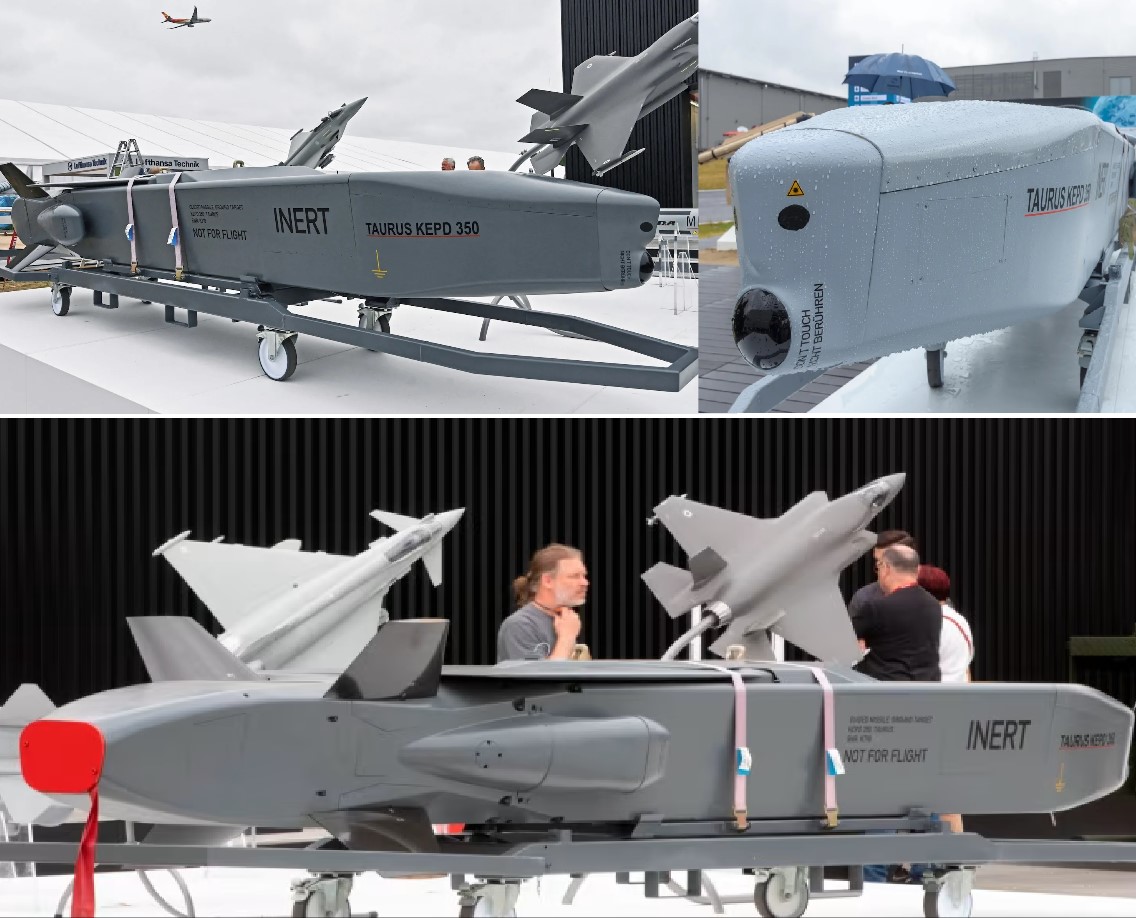
In one of the most significant shifts in German military policy since the start of the Ukraine war, the German government has confirmed that preparations have begun to supply Taurus KEPD-350 long-range cruise missiles to Ukraine. The announcement came from Chancellor Friedrich Merz, who said that months-long technical consultations between German and Ukrainian military experts are now “nearing completion.”
While Merz made clear that Ukraine will be equipped with the system, he declined to reveal how many missiles will be supplied or when deliveries will begin. German officials say the details have been deliberately classified as part of a broader strategy to prevent Russia from accurately assessing Ukraine’s future strike capability.
A Deliberate Air of Secrecy
Berlin’s unusually tight information control marks a notable shift from earlier phases of the war, when Germany was more transparent about major arms transfers. Government advisers say that keeping delivery numbers and timelines secret is intended to complicate Russian intelligence assessments.
“The aim is to narrow Russia’s ability to predict Ukraine’s operational reach,” a senior German official familiar with the consultations said. This approach mirrors policies adopted by the United States and the United Kingdom regarding the transfer of long-range systems earlier in the war.
What the Taurus Missile Brings to the Battlefield
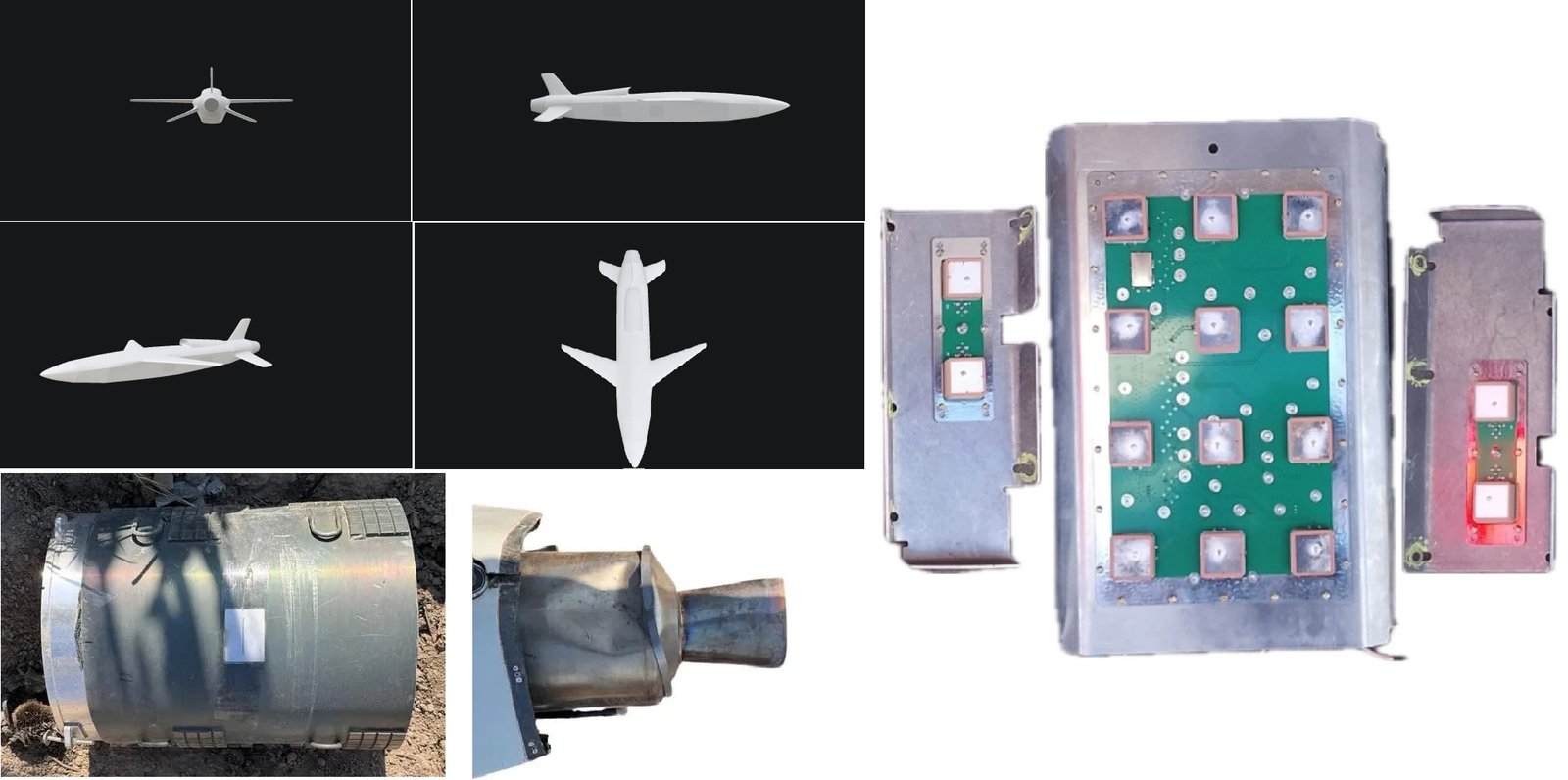
The Taurus KEPD-350 is one of Europe’s most advanced air-launched cruise missiles — a precision, deep-strike weapon designed to defeat hardened targets at long distances.
Key Specifications:
-
Range: Over 500 km, allowing strikes deep behind enemy lines
-
Warhead: ~480 kg MEPHISTO penetrator warhead capable of destroying bunkers and fortified structures
-
Guidance: Multi-mode navigation — INS, GPS, terrain-reference navigation, and image-based terminal guidance
-
Speed: Subsonic (Mach 0.6–0.95)
-
Weight: Approx. 1,400 kg
-
Length: ~5 meters
Unlike simpler long-range weapons, the Taurus is built specifically for deep, precise, and low-detectability strikes, giving Ukraine a capability similar to — and in some aspects more advanced than — the British Storm Shadow or French SCALP missiles already in use.
Why the Taurus Matters So Much for Ukraine
For Ukraine, receiving the Taurus missile would be nothing short of a transformative leap in its ability to conduct deep-strike operations. With its extended range, Kyiv would finally gain the capability to hit vital Russian infrastructure far beyond the front lines — from logistics hubs and command centers to supply corridors stretching deep into occupied territories, including Crimea. Targets that once seemed unreachable would suddenly fall within striking distance.
What makes Taurus especially valuable is its ability to demolish fortified and underground structures. Its powerful tandem penetrator warhead is designed for exactly the kinds of hardened Russian bunkers and command posts that Ukraine has long struggled to neutralize with its existing arsenal. This makes it a uniquely potent tool for undermining Moscow’s most protected military assets.
Survivability is another key factor. Taurus flies extremely low, hugging the terrain to stay hidden from radar — a serious challenge for Russian air-defense systems already stretched across vast front lines. Its low-observable profile gives Ukraine a weapon that can slip past layered defenses and strike with precision where it hurts most.
And unlike many systems that depend heavily on GPS, Taurus uses advanced multi-layered navigation that remains accurate even in areas saturated with Russian electronic warfare. For Ukraine, which constantly faces GPS jamming, this independence from satellite guidance is a crucial advantage.
Military analysts believe that if Ukraine successfully integrates the Taurus into its operations, it could reshape the strategic landscape entirely. Russia would be forced to pull back key assets, reinforce air defenses over wide territories, and reassess the safety of positions it once considered untouchable. In essence, Taurus could give Kyiv the ability to expand the battlefield in ways that dramatically alter Moscow’s calculations.
A Policy Reversal in Berlin
Germany resisted supplying Taurus missiles throughout 2023–2024 due to fears of escalation and concerns over how Ukraine might use the weapon. The debate became one of the most contentious defence issues in German domestic politics, with critics accusing Berlin of hesitation that limited Ukraine’s battlefield potential.
Under Chancellor Merz, Germany has taken a more assertive stance, lifting previous reservations and stressing that Ukraine must receive the capabilities needed to defend its territory. Officials say that earlier concerns about direct German personnel involvement — particularly regarding missile programming and targeting — have now been resolved through technical solutions.
Next Steps and Remaining Challenges
While Germany has confirmed the start of preparations, several key questions remain:
-
What aircraft will Ukraine use to launch the Taurus?
-
How many missiles will ultimately be delivered?
-
How quickly can Ukrainian crews be trained?
Despite these uncertainties, the political signal is clear: Germany is moving toward providing Ukraine with one of the most advanced strike systems in Europe.
Germany’s confirmation that preparations are underway to deliver Taurus cruise missiles marks a major upgrade in Ukraine’s long-range strike capabilities — and a significant shift in Berlin’s role within the Western coalition supporting Kyiv. With a range exceeding 500 kilometers, a powerful bunker-busting warhead, and world-class navigation systems, the Taurus stands to become one of the most consequential weapons Ukraine may field in the coming months.
The secrecy surrounding the delivery underscores both the sensitivity and the potential impact of this decision — one that could reshape the battlefield far beyond the front lines.
——— End of Article ———