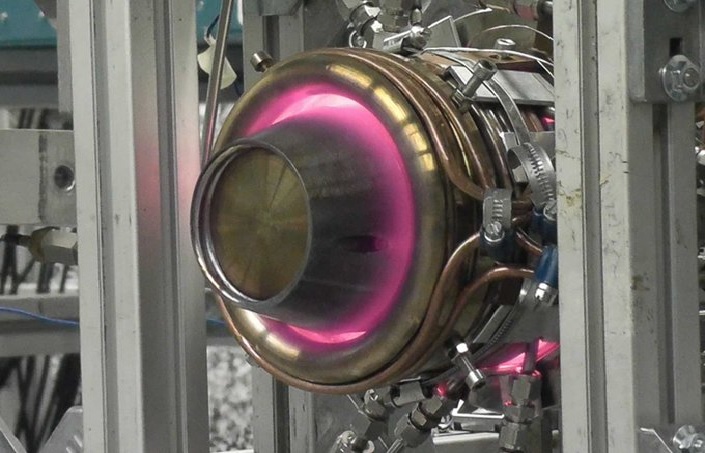
KARLSRUHE, Germany : Researchers at the Karlsruhe Institute of Technology (KIT) have achieved a new operational milestone in hydrogen-based turbine technology, running a compressorless hydrogen gas turbine continuously for 303 seconds and generating electricity in the process. The test, completed in mid-February 2026, exceeds the previous 250-second runtime record established by NASA for comparable experimental systems.
The experiment marks the first confirmed instance of electricity production from a hydrogen gas turbine operating without a mechanical air compressor, demonstrating sustained performance and energy transfer under load.
Pressure-Gain Combustion Replaces Mechanical Compression
Traditional gas turbines, widely used in power generation facilities and aircraft engines, rely on mechanical compressors to increase air pressure before combustion. This compression stage typically consumes close to 50 percent of total power output, significantly affecting overall efficiency.
The KIT prototype eliminates the compressor entirely by employing pressure-gain combustion. Instead of compressing incoming air mechanically, the system generates high pressure directly inside the combustion chamber through controlled detonation waves and fluid-mechanical instabilities. This approach allows the pressure rise required for turbine operation to occur during combustion itself.
By removing the compressor stage, the design reduces internal energy losses, decreases the number of moving components, and improves thermodynamic efficiency. The simplified mechanical configuration also lowers system mass and reduces structural complexity.
Hydrogen was selected as the fuel due to its rapid reaction kinetics. Its combustion characteristics enable the fast and stable pressure increases necessary for maintaining controlled detonation-based operation within the chamber.
Extended Operation Confirms Structural Stability
Prior experimental demonstrations of compressorless turbine concepts typically operated only for fractions of a second because extreme thermal loads caused rapid material degradation in the combustion chamber. Sustained operation under continuous load had not previously been achieved at this scale.
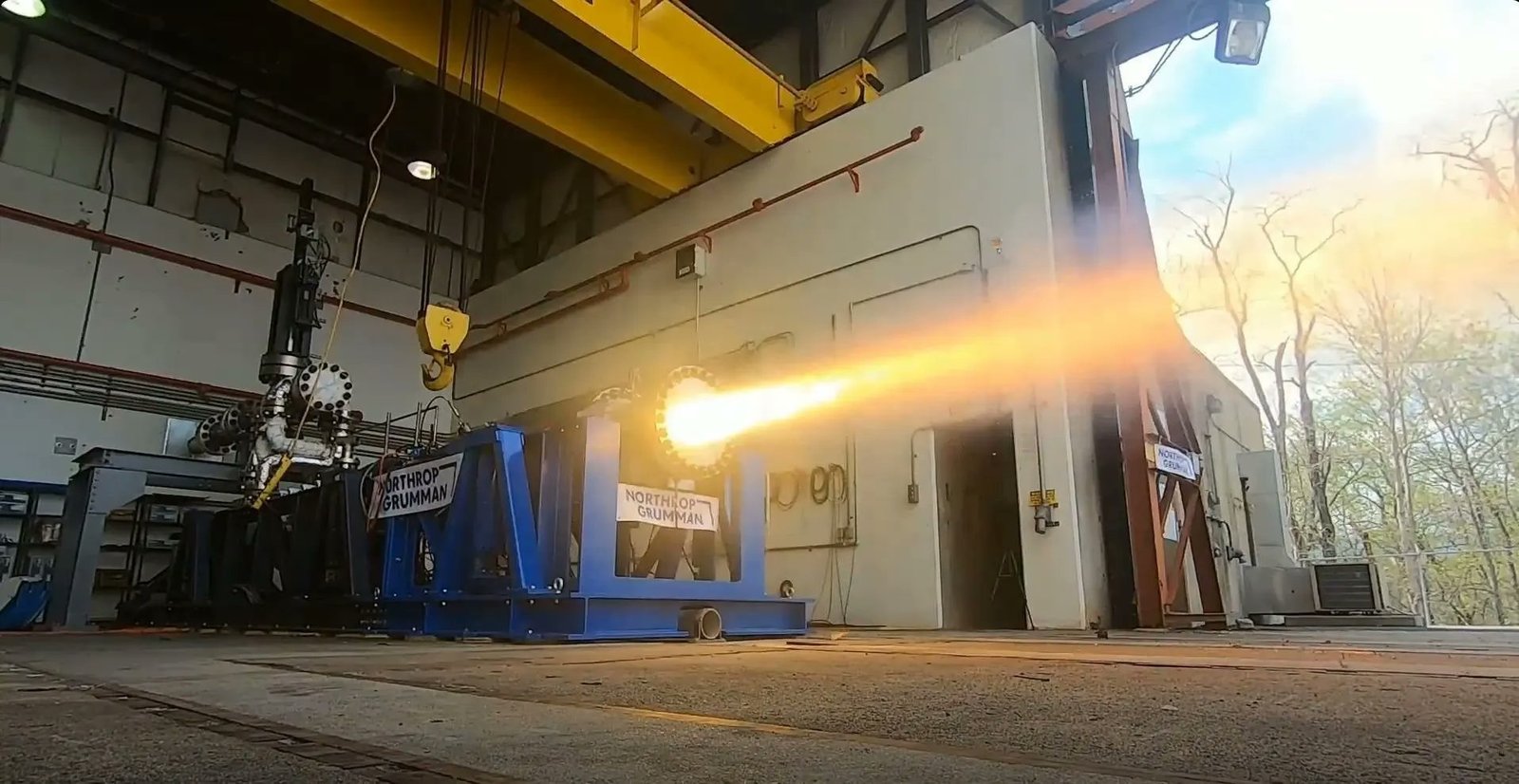
In the 303-second test, the turbine was successfully coupled to the combustion chamber, allowing mechanical energy transfer and electricity generation. According to Professor Daniel Banuti, Director of the Institute of Thermal Energy Technology and Safety (ITES) at KIT, integrating the turbine with the high-velocity combustion process represented a major engineering challenge. The intense heat flux and rapid pressure oscillations required advanced thermal management and structural reinforcement to prevent material failure.
The continuous runtime of just over five minutes demonstrates that the combustion chamber and turbine assembly can withstand sustained thermal and mechanical stresses while maintaining stable power output. Researchers indicated that validating structural durability under operational load was a key objective of the test.
Efficiency and System-Level Advantages
Eliminating the mechanical compressor reduces both parasitic energy consumption and total system mass. Because conventional turbines allocate a significant portion of output power to drive compression, bypassing this stage provides a direct improvement in net efficiency.
Fewer moving parts also translate to reduced mechanical wear and potentially lower maintenance requirements. The simplified architecture could enable more compact power systems suitable for decentralized electricity generation or specialized industrial applications.
Hydrogen operation further positions the system within low-emission energy strategies, as hydrogen combustion does not produce carbon dioxide at the point of use. The research aligns with broader European efforts to expand hydrogen infrastructure and develop next-generation power conversion technologies.
Potential Aerospace Applications
Beyond stationary electricity generation, the reduction in component count and overall weight makes the compressorless hydrogen turbine architecture relevant for aerospace applications. Removing the compressor stage decreases engine mass and mechanical complexity, factors that are critical in aircraft propulsion systems.
The pressure-gain combustion approach also offers a framework for future zero-emission propulsion concepts based on hydrogen fuel. While further development and certification would be required for aviation deployment, the extended runtime demonstrates progress toward practical implementation.
Upcoming Public Demonstration
KIT plans to present the turbine prototype at the Hannover Messe in April 2026. The demonstration will provide industry stakeholders with direct insight into the system’s operational characteristics and engineering design.
The 303-second runtime and successful electricity generation represent a measurable advancement in pressure-gain combustion research and hydrogen turbine development, establishing a new performance benchmark beyond the prior 250-second record set by NASA.
——— End of Article ———