BERLIN : German Chancellor Friedrich Merz has publicly questioned the long-term viability of the trinational Future Combat Air System (FCAS) program, citing unresolved structural, military and industrial differences between Germany and France. Speaking on the political podcast Machtwechsel, Merz stated that Berlin could reconsider its participation if fundamental requirement gaps cannot be resolved.
The FCAS program, launched in 2017 by France and Germany and later joined by Spain, is designed to deliver a next-generation air combat system by 2040. The initiative aims to replace France’s Rafale fighter jets and the Eurofighter Typhoons currently operated by Germany and Spain. The system is structured around a New Generation Fighter (NGF) supported by unmanned remote carrier drones and a digital Combat Cloud network linking aircraft, sensors and command systems.
Merz emphasized that the current friction does not stem from diplomatic disagreements but from differing operational requirements. “We have a real problem in the requirement profile,” he said, underlining that the divergence is rooted in objective military needs.
Diverging Military Requirements
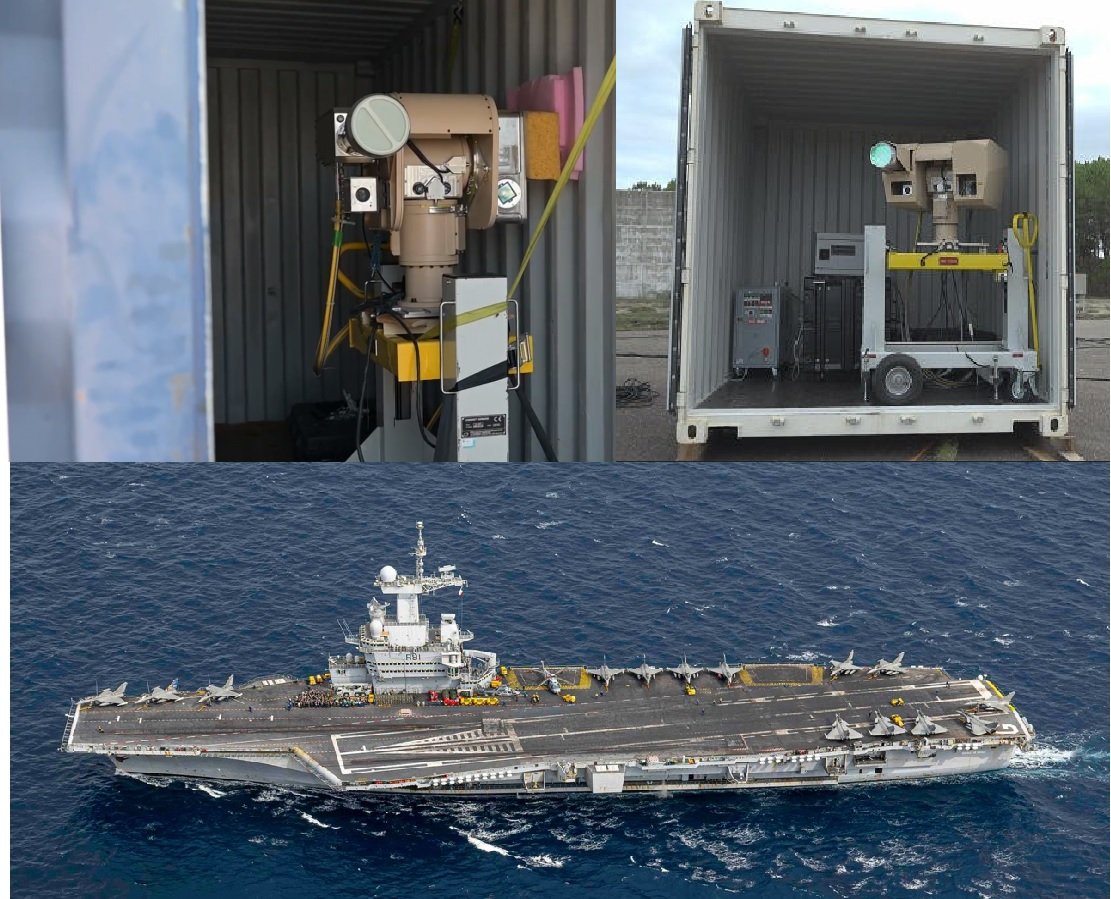
At the center of the debate are France’s specific operational requirements linked to its nuclear deterrence posture and naval aviation capabilities. France requires a nuclear-capable aircraft that can operate from aircraft carriers, replacing both land-based Rafale variants and the Rafale Marine fleet deployed aboard the Charles de Gaulle carrier and its planned successor.
Carrier-capable aircraft require reinforced landing gear, strengthened airframes, tailhook systems, and design modifications suited for catapult launches and arrested landings. Incorporating these capabilities into a single airframe intended to also serve the German Air Force presents engineering and financial complexity.
Germany’s Bundeswehr does not currently operate aircraft carriers and does not maintain an independent nuclear deterrent. While Germany participates in NATO’s nuclear sharing arrangement, its requirements differ structurally from France’s fully sovereign nuclear doctrine. According to Merz, the Bundeswehr does not presently require a carrier-capable platform, raising the question of whether a single design can realistically satisfy both national profiles without substantial compromise.
The Chancellor stated that if the structural requirement gap cannot be resolved, sustaining the joint program in its current form would be difficult.
Industrial Governance and Program Delays
The FCAS initiative has also faced prolonged industrial disputes between its primary contractors: Dassault Aviation of France and Airbus Defence and Space, representing German and Spanish interests.
Dassault Aviation has insisted on retaining primary design authority and intellectual property leadership over the New Generation Fighter component. Airbus has advocated for an equal partnership structure reflecting Germany and Spain’s financial and industrial contributions. The disagreement over workshare, governance, and intellectual property rights has delayed key program milestones.
The overall program cost is estimated at approximately €100 billion over its lifecycle. Analysts note that developing two distinct fighter variants to meet divergent national requirements would significantly increase development and production costs, potentially exceeding initial projections.
Merz has questioned whether the consortium has the financial and industrial capacity to sustain parallel aircraft development under a unified program structure.
Broader Strategic Assessment
In addition to industrial governance issues, the German Chancellor has raised broader strategic considerations about the role of manned sixth-generation fighter aircraft. Advances in unmanned aerial systems, artificial intelligence, and network-centric warfare have prompted discussion within Germany about whether investment priorities should shift toward remote carriers, autonomous platforms and digital combat networking rather than focusing primarily on a crewed aircraft.
The FCAS architecture was originally conceived as a “system of systems,” integrating the New Generation Fighter with unmanned drones and a Combat Cloud digital backbone. Merz indicated that Berlin must assess whether the manned fighter component remains the optimal allocation of defense resources within this framework.
Potential Alternative Pathways
If the manned fighter segment of FCAS proves unworkable under current conditions, Germany may consider alternative European partnerships. One potential pathway discussed by industry observers involves separating elements of the program. Under such a model, Germany and France could independently pursue their own next-generation fighter platforms while maintaining cooperation on shared technologies such as the Combat Cloud network and unmanned systems.
Another possibility is engagement with the Global Combat Air Programme (GCAP), a separate next-generation fighter initiative led by the United Kingdom, Italy and Japan. While no formal decision has been announced, Merz acknowledged that Germany could explore other European aerospace collaborations if negotiations with Paris do not produce a sustainable compromise.
France Reaffirms Commitment
In response to Merz’s remarks, French officials reiterated their commitment to the original structure of the FCAS agreement. The Élysée Palace stated that the participating states’ military requirements, including France’s nuclear deterrence and carrier operations, were defined at the outset of the program.
French authorities have emphasized the strategic importance of European defense sovereignty and technological autonomy, maintaining that industrial and technical differences can be resolved through continued negotiation.
Ongoing Discussions
Discussions between Berlin and Paris are continuing at both political and industrial levels. A joint decision regarding the structure and future direction of the aircraft component of FCAS is expected in the coming weeks.
The outcome will determine whether the trinational program proceeds as a unified sixth-generation fighter development effort or transitions into a revised cooperative framework reflecting national priorities.
——— End of Article ———