KYIV — May 30, 2026 : Ukraine’s Main Intelligence Directorate (GUR) of the Ministry of Defense has confirmed a major expansion in its long-range unmanned strike capability, announcing that its drone division is now operating systems capable of reaching distances of up to 3,500 kilometers.
The disclosure was made by the commander of the GUR’s long-range drone unit, known by the call sign “Vector,” who stated that the increased operational reach places all regions of European Russia and territories extending as far as the Krasnoyarsk region in Siberia within potential strike range. According to Vector, Ukrainian forces are now capable of reaching areas across Russia up to the Ural Mountains, marking a significant increase in operational depth.
The announcement reflects a substantial evolution in Ukraine’s long-range strike capability. Earlier in the conflict, Ukrainian unmanned systems primarily operated within a range of approximately 1,000 kilometers. Vector noted that long-range UAVs are now being launched in higher numbers as part of systematic strike operations intended to disrupt military-related infrastructure deep inside Russian territory.
Long-Range Drone Fleet Expands
According to military operators, one of the primary platforms used for deep-strike missions is the domestically developed Liutyi strike drone. The UAV is reported to routinely cover distances between 1,500 and 1,700 kilometers depending on operational and weather conditions while carrying payloads estimated at 50 to 70 kilograms.
Ukraine has also introduced a jet-powered strike platform known as Peklo, which operators describe as functioning similarly to a cruise missile. The system reportedly flies at speeds ranging between 700 and 1,000 kilometers per hour and has already been employed in precision strikes against selected infrastructure targets, including facilities in the Moscow region.
The reported 3,500-kilometer capability suggests continued expansion beyond previously disclosed systems. In March 2025, Ukrainian President Volodymyr Zelenskyy stated that a Ukrainian-developed long-range drone capable of flying 3,000 kilometers had successfully completed testing, describing it as an important milestone in the country’s indigenous defense-industrial program.
Operational Planning and Air Defense Penetration
Vector stated that deep-strike operations rely on a structured planning process designed to improve survivability against Russian air defense networks and electronic warfare systems.
According to the GUR commander, intelligence teams first identify the positioning of Russian air defense assets, including Pantsir and Tor surface-to-air missile systems, while simultaneously mapping areas affected by electronic warfare intended to disrupt UAV navigation. Flight routes are then programmed to exploit identified gaps in radar and missile coverage.
To increase strike effectiveness, Ukrainian operators also deploy unarmed decoy drones aimed at saturating enemy radar systems and occupying defensive resources. These decoys are intended to improve the likelihood that armed UAVs successfully reach their assigned targets. Vector stated that repeated strike operations have gradually reduced the effectiveness of some layered Russian air defense sectors, creating operational corridors for drone formations.
Advances in Navigation and Drone Production
The expansion of long-range strike capabilities coincides with rapid growth in Ukraine’s domestic drone industry. Since the start of Russia’s full-scale invasion in 2022, Ukraine has transitioned from relying largely on commercial drone components to producing increasingly sophisticated military-grade systems domestically.
Recent defense assessments estimate Ukraine’s total annual drone production capacity has expanded to approximately 10 million UAVs across multiple operational classes, ranging from frontline tactical systems to long-range strike platforms.
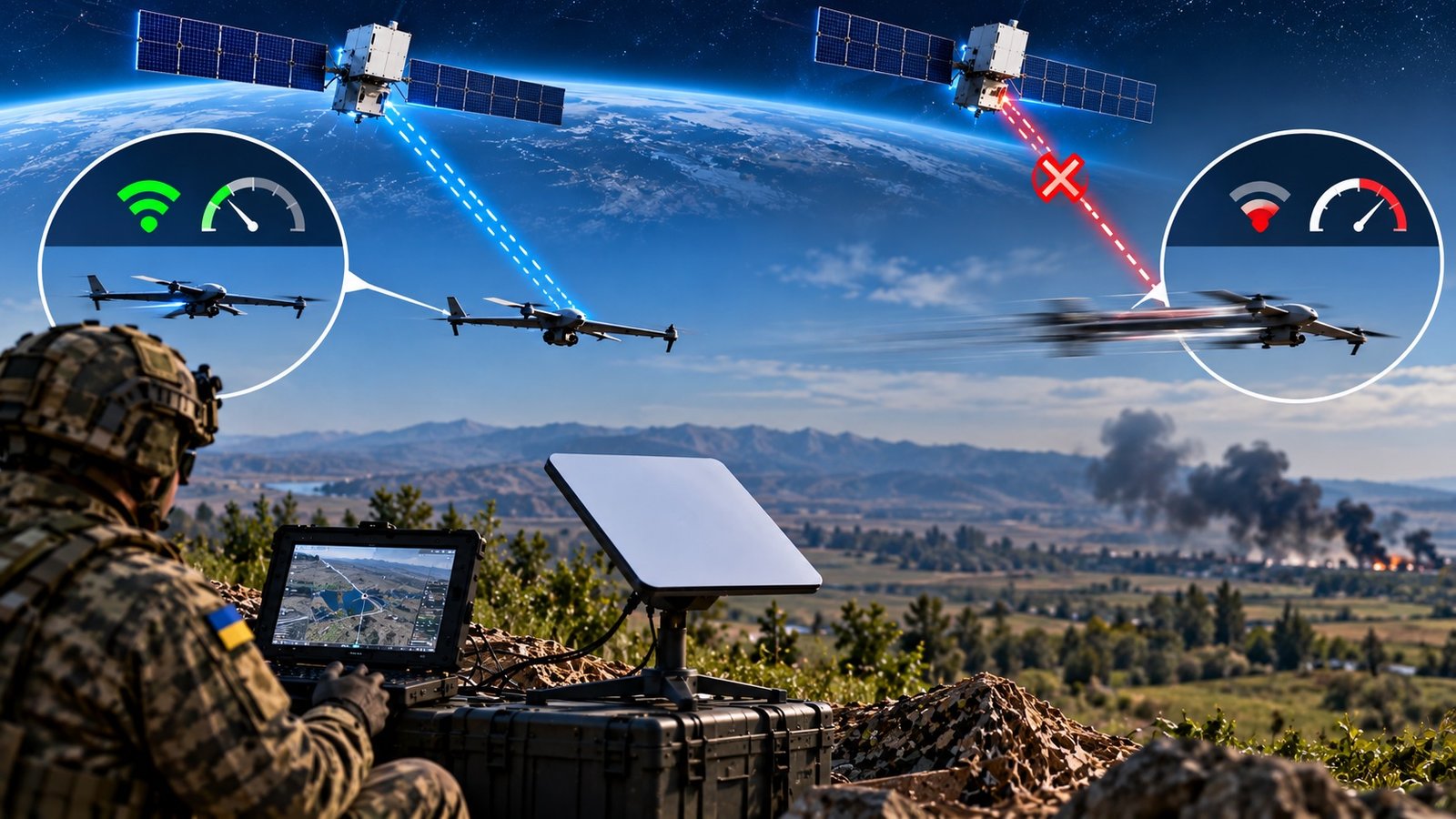
Newer generations of Ukrainian drones have also received upgrades intended to improve resistance against electronic warfare and GPS jamming. Military operators report that long-range UAVs increasingly rely on inertial navigation systems, ground triangulation, and visual navigation technologies to maintain route accuracy in electronically contested environments.
Drones Become Central to Ukraine’s Military Strategy
Unmanned aerial systems have become a central component of Ukraine’s military planning, with operational estimates indicating drones are currently used to engage approximately 80 to 85 percent of frontline targets.
Officials argue that long-range UAV operations are intended to disrupt logistics networks, reduce pressure on frontline units, target military-industrial facilities, and force Russia to distribute air defense assets across a wider geographic area.
The newly confirmed 3,500-kilometer operational range is expected to significantly expand Ukraine’s ability to target logistics hubs, air bases, ammunition depots, transport infrastructure, defense manufacturing facilities, and military support sites located deep inside Russian territory as Kyiv continues to prioritize domestically produced long-range strike systems.
——— End of Article ———