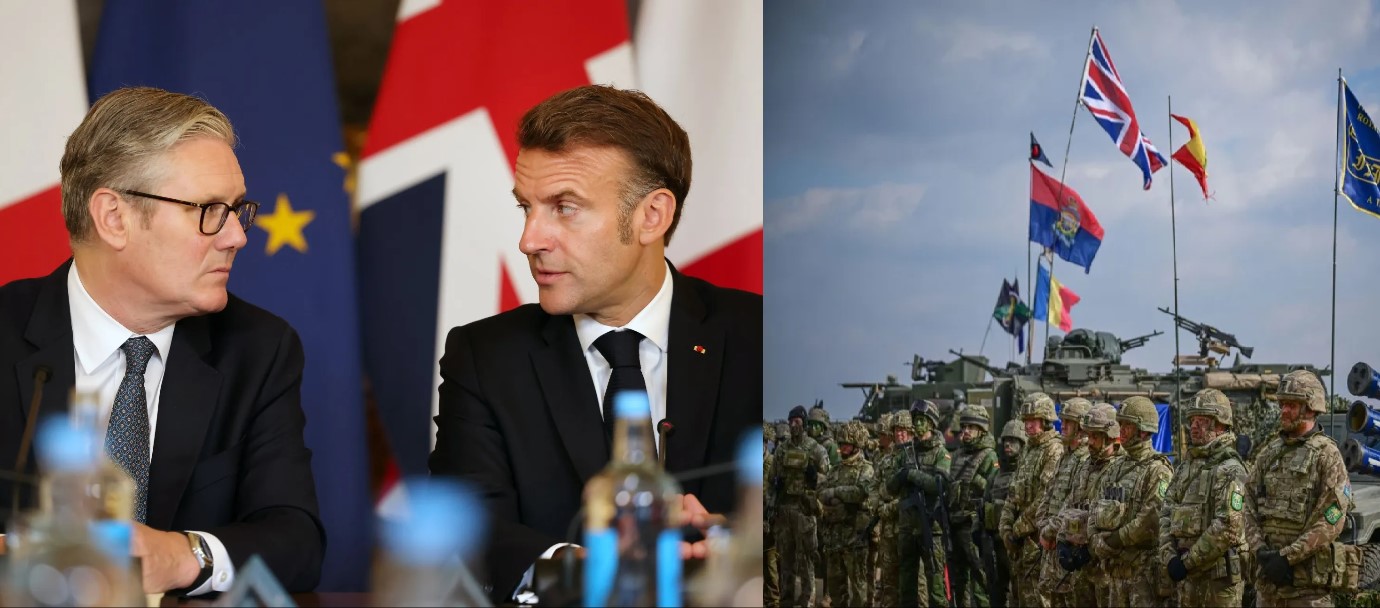
COPENHAGEN / LONDON / BERLIN : In a dramatic escalation of 21st-century great-power politics, Europe’s major capitals are reportedly holding discussions about deploying military forces to Greenland — a vast Arctic territory of the Kingdom of Denmark — amid soaring tensions sparked by renewed U.S. ambitions and heated rhetoric from Donald Trump. The development reflects deepening strategic anxieties among NATO allies as the Arctic’s importance grows in global security and resource competition.
European Talks on Troop Deployment Amid U.S. Pressure
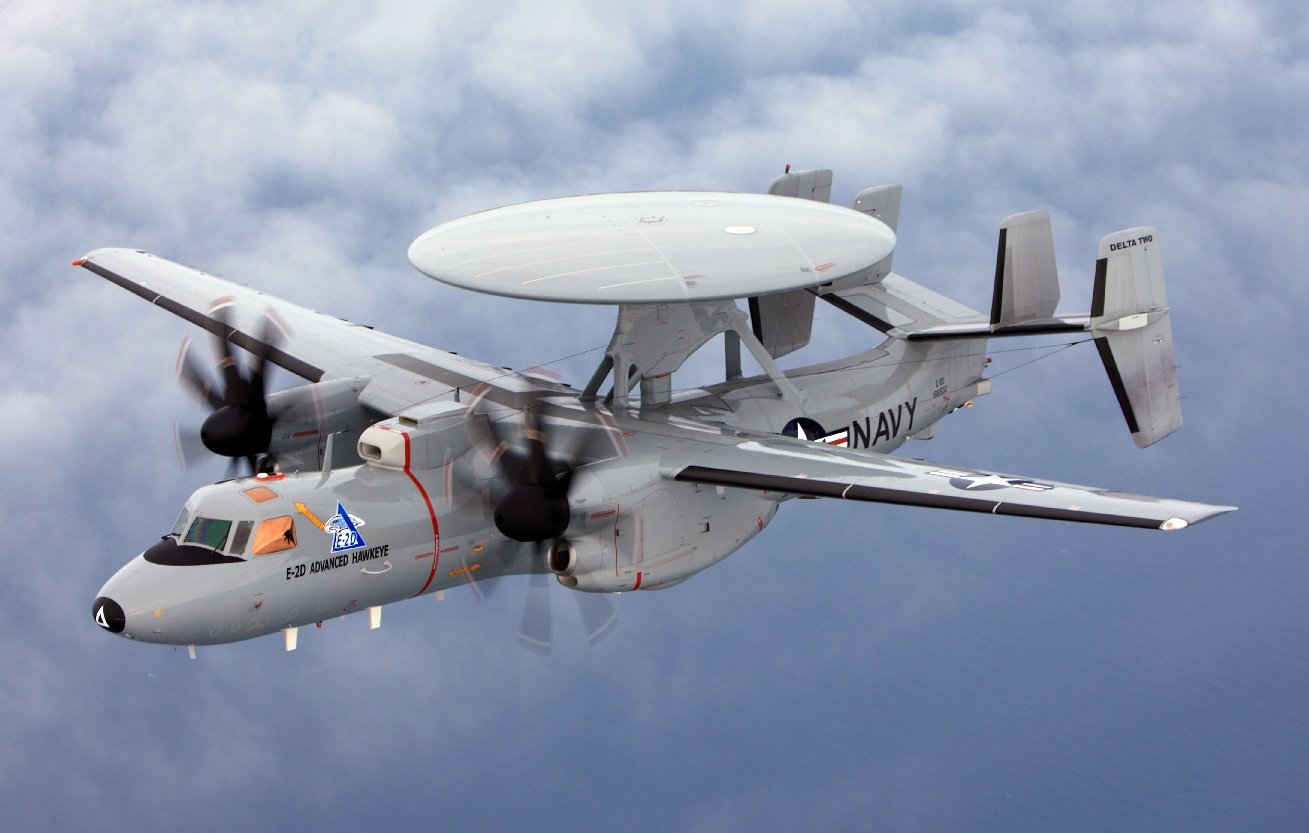
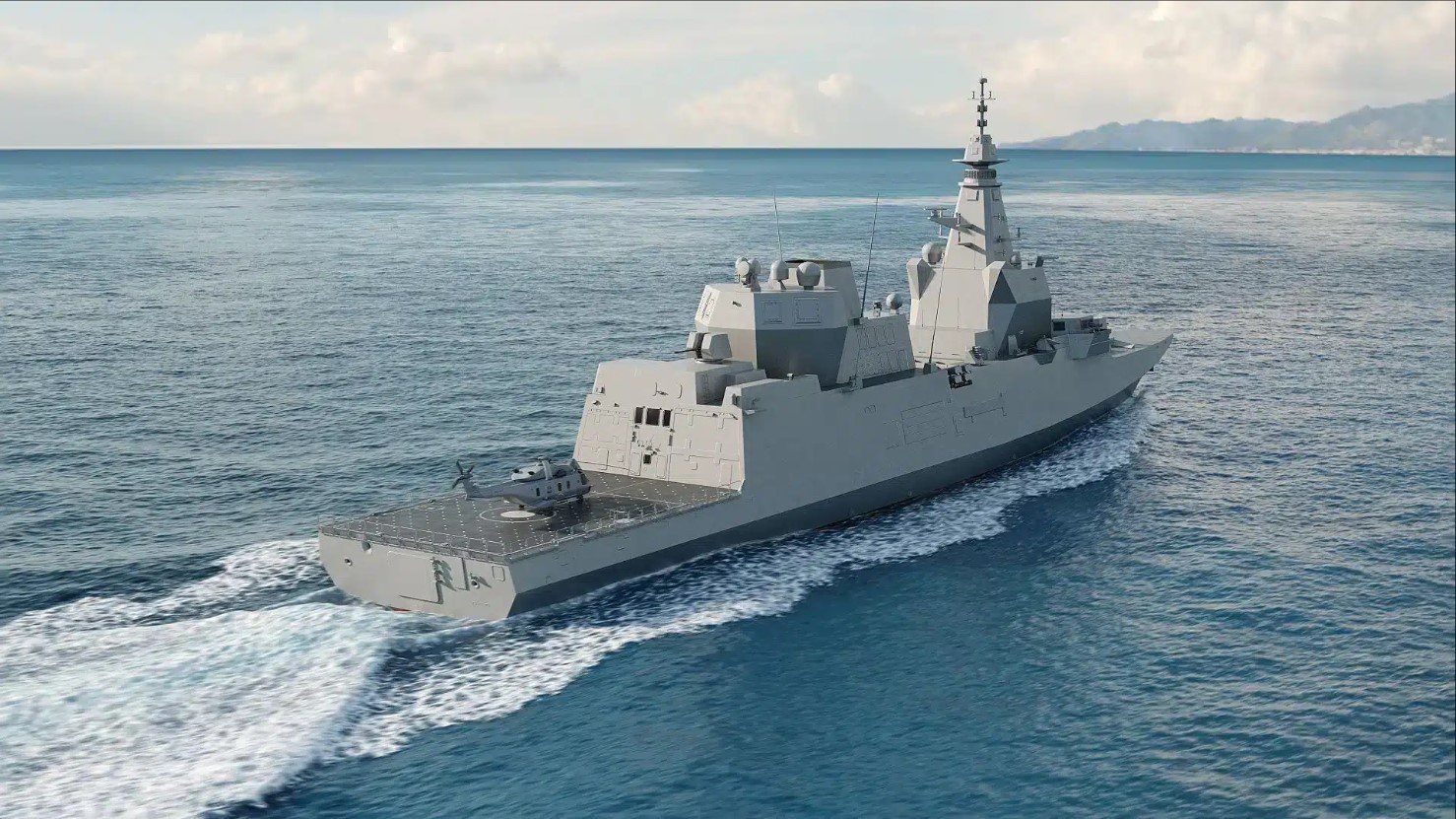
Officials in Britain, Germany, and France have begun talks on plans for a potential NATO force to be stationed in Greenland, with the aim of deterring external adversaries and discouraging any unilateral moves by the United States. British discussions include the possible deployment of troops, warships, and aircraft under NATO auspices to guard the strategically vital territory against perceived threats from Russia and China, while also reassuring European allies unsettled by Washington’s rhetoric.
German leaders have emphasized that international law must govern Arctic security, stressing that decisions over Greenland’s future rest solely with Denmark and Greenland, and warning that any unilateral U.S. action could seriously damage NATO cohesion.
Trump’s Statements Ignite Diplomatic Storm
The current tensions were ignited by President Trump’s renewed public statements suggesting that the United States “needs Greenland” as a national-security asset, while pointedly refusing to rule out unconventional options. Those remarks triggered urgent meetings between Danish, Greenlandic, and U.S. officials, as Copenhagen moved to reaffirm sovereignty and pre-empt any coercive pressure from Washington.
Danish Prime Minister Mette Frederiksen warned that any attempt by the United States to seize Greenland would “effectively end the NATO alliance,” underscoring the severe diplomatic risks such rhetoric poses even among close allies. Greenland’s leadership echoed this stance, firmly asserting the island’s right to self-determination and rejecting proposals that could undermine its autonomy.
Why Greenland Matters: Geography, Minerals and Security
The stakes behind these extraordinary geopolitical maneuvers are immense. Greenland’s location above the Arctic Circle and its proximity to emerging northern sea lanes make it a cornerstone of Arctic defense strategy for NATO, particularly for monitoring transatlantic maritime traffic and tracking missile trajectories.
The island is also home to the U.S. Pituffik Space Base, a critical early-warning and space-surveillance installation operated under long-standing U.S.–Danish defense agreements, forming a key part of North America’s missile-warning architecture.
Beyond military considerations, Greenland possesses vast but largely untapped natural resources, including rare-earth elements essential for artificial intelligence, advanced weapons systems, satellites, and renewable energy technologies. As climate change accelerates Arctic ice melt, access to these resources — along with new shipping routes — is increasingly reshaping global economic and strategic calculations.
NATO at a Strategic Crossroads
The reported European discussions reflect a mix of defensive planning and political signaling within NATO. European members are keen to assert the territorial integrity of a fellow member state while deterring external powers, all without triggering a direct confrontation with Washington. Any deployment, officials stress, would be framed as a collective-defense measure rather than an anti-U.S. move.
Analysts warn, however, that even rhetorical threats involving force against a NATO territory could have devastating consequences for transatlantic relations, potentially overshadowing other flashpoints such as the war in Ukraine and the expanding Russian and Chinese presence in the Arctic.
As diplomatic engagement intensifies from Copenhagen to Washington, the Greenland question has become emblematic of a broader struggle over 21st-century strategic space — where climate change, military power, critical minerals, and alliance politics converge. Whether European troop deployments ultimately materialize, and how the United States responds, will serve as a defining test of NATO unity and the future balance of power in the Arctic era.
——— End of Article ———