PARIS / MOSCOW : In a series of unusually blunt remarks that signal a shifting strategic mood in Europe, French President Emmanuel Macron has openly challenged long-standing U.S. military dominance while simultaneously opening rhetorical space for a future reset in relations between Europe and Russia. The comments, paired with conciliatory statements from Russian President Vladimir Putin, underscore a growing sense that Europe is reassessing its security dependencies in an increasingly fragmented global order.
Macron’s Call for Power and Speed
“To remain free, we must be feared. To be feared, we must be powerful,” Macron declared, arguing that Europe can no longer rely on slow consensus-building or external guarantees in what he described as a “brutal world.” His remarks marked one of the clearest articulations yet of his long-standing belief in European strategic autonomy — the idea that Europe must be able to defend itself, decide for itself, and act independently of Washington when necessary.
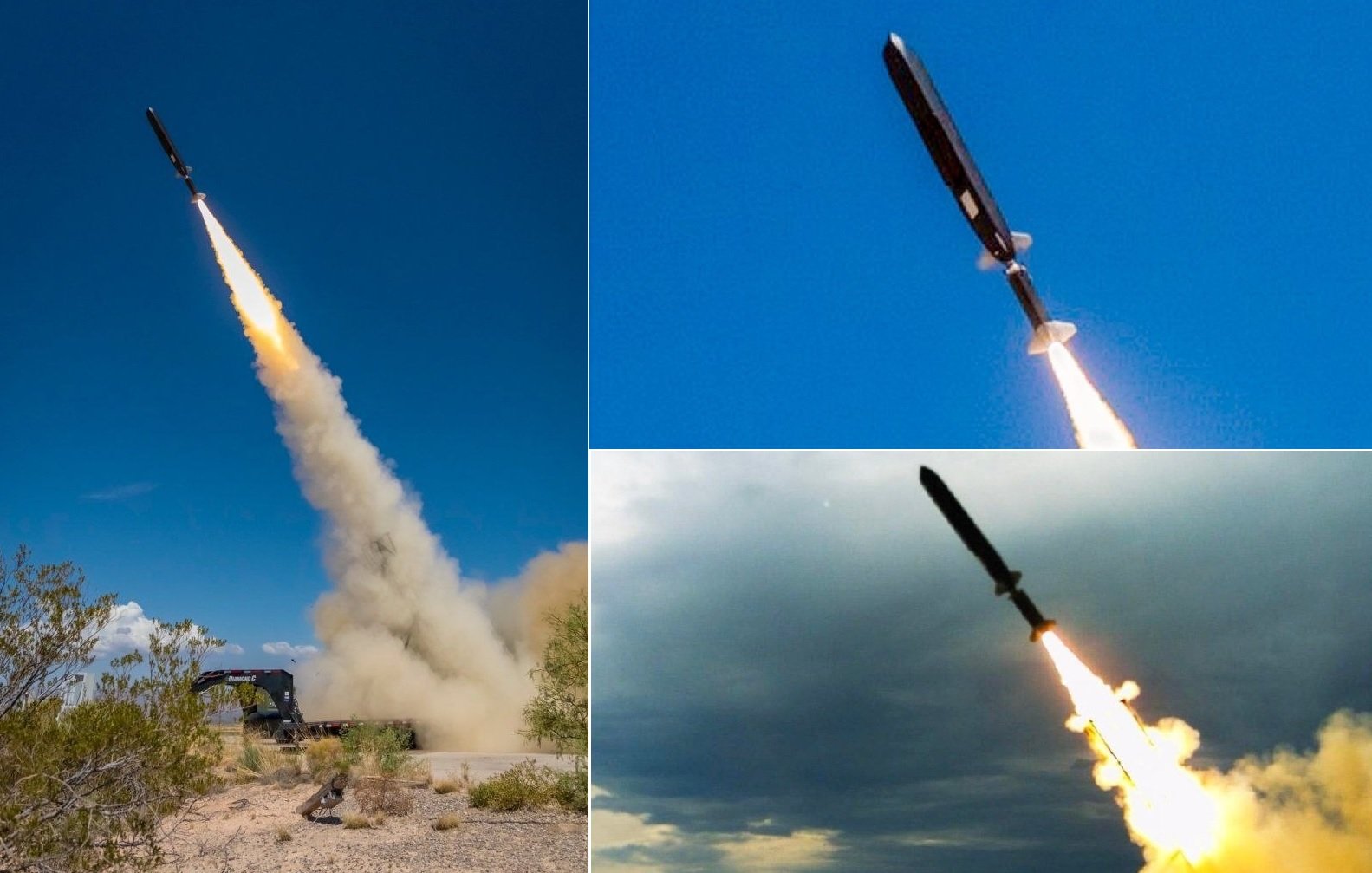
At the heart of Macron’s comments was a direct comparison between European and American military technology. He singled out the SAMP/T next-generation air defence system, calling it “the most effective air defence system in the world” and explicitly stating that it is “more effective than the American Patriot missile system.”
Such language is rare from a sitting European leader, particularly one whose country remains a core member of NATO. But officials close to the Élysée Palace suggest the message was deliberate: Europe has the industrial base, scientific expertise and operational experience to stand on its own — if it chooses to invest and act decisively.
Greenland, Air Defence and Strategic Signaling
Macron’s remarks also carried geopolitical weight beyond rhetoric. He hinted that Europe could supply advanced air defence systems to strategically sensitive territories, including Greenland — a location of growing importance amid Arctic militarization, climate change and renewed great-power competition.
By suggesting that the SAMP/T could be offered as an alternative to U.S. systems, Macron appeared to be signaling that European security solutions need not automatically default to American hardware. Analysts say this could resonate with countries seeking to diversify defence suppliers while avoiding overdependence on any single power bloc.
Putin’s Overture to Europe
As Macron pressed for a more assertive Europe, President Putin struck a notably conciliatory tone toward the continent. Speaking on broader security issues, Putin said Russia has “repeatedly put forward initiatives to build a new, reliable and just architecture for European and global security.”
“I’d like to believe that our countries — Russia and Europe — will return to normal, constructive conversation over time,” Putin said, adding that Moscow remains open to “mutually beneficial cooperation with all countries without exception.”
While Russian officials have made similar statements in the past, the timing is significant. With Europe reassessing its ties to Washington and searching for long-term stability, Moscow appears eager to position itself as a potential partner in resolving old security disputes — from arms control to regional stability.
Europe’s Slow Drift from Washington
Together, the statements from Paris and Moscow highlight a subtle but real shift in Europe’s strategic posture. While Europe remains firmly embedded in transatlantic institutions, frustration has been growing over U.S. policy unpredictability, defence export restrictions, and divergent priorities on trade, technology and global conflicts.
Macron’s critique of U.S. military supremacy is not simply about hardware; it reflects a broader desire to reduce Europe’s structural dependence on the United States. This does not mean a rupture with Washington, but rather a recalibration — one in which Europe seeks the capacity to choose cooperation, rather than rely on it by default.
Toward New Relationships, Solving Old Problems
The prospect of Europe cautiously re-engaging Russia remains controversial, particularly given unresolved conflicts and deep political mistrust. However, diplomats note that enduring security on the continent has always required some form of dialogue between European capitals and Moscow.
Macron’s emphasis on strength, speed and independence, combined with Putin’s call for renewed talks, suggests that Europe may be exploring a future in which it acts as a central power broker, rather than a junior partner in a U.S.-led system.
Whether this evolving posture leads to meaningful change — or merely sharper rhetoric — will depend on concrete actions: defence investment, diplomatic initiatives, and the willingness of European states to align behind a shared vision. For now, the message from Paris is clear: Europe no longer wants to be protected by power alone — it wants to wield it.
——— End of Article ———