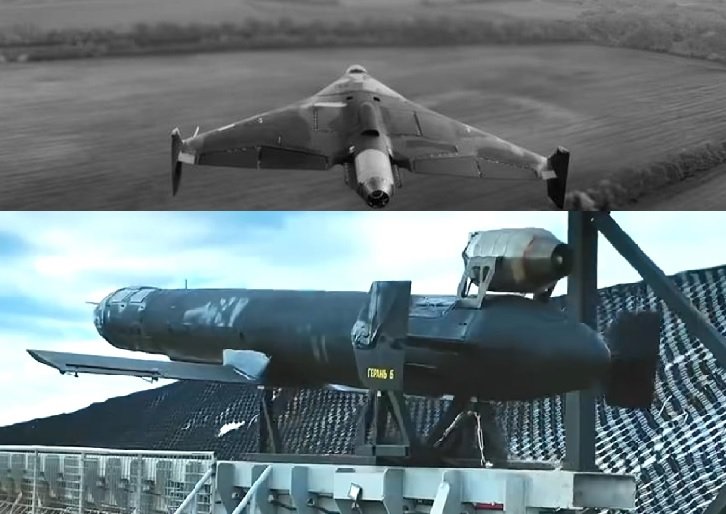
TEHRAN / BEIJING : China is expanding its defense cooperation with Iran through the provision of satellite-based intelligence, surveillance data, and integration of the BeiDou Navigation Satellite System into Iranian military infrastructure, according to defense analysts and intelligence assessments. The partnership is increasing Iran’s situational awareness across the Middle East and enhancing the precision of its missile and unmanned systems amid continued tensions between Tehran and Washington.
Recent assessments indicate that China is functioning as a surveillance and reconnaissance partner by supplying high-resolution satellite imagery, electronic intelligence (ELINT), and real-time data streams to Iranian command networks. Analysts describe the arrangement as a division of roles in which Chinese space-based assets support Iran’s regional strike capabilities.
Satellite Intelligence and Surveillance Support
China’s satellite fleet, which includes more than 500 operational military and dual-use satellites, forms the backbone of this intelligence-sharing structure. Data from these platforms is reportedly transmitted to Iranian command nodes, strengthening Tehran’s capacity to monitor U.S. military deployments and naval operations in the Indian Ocean, Gulf of Oman, and Persian Gulf.
Maritime tracking capabilities are supported by China’s Yaogan satellite clusters. These platforms specialize in maritime electronic intelligence (ELINT) and use time-difference-of-arrival (TDOA) calculations to geolocate signal emissions from naval vessels. Defense analysts note that this capability enables tracking of U.S. naval task forces, including aircraft carrier strike groups, in near real time.
In addition to electronic intelligence, China’s optical and infrared satellite constellations provide terrain mapping and persistent imaging. The Jilin-1 constellation, operated by Chang Guang Satellite Technology, delivers high-resolution imagery across varying weather conditions. This supplements Iran’s domestic satellite assets, including the Noor-3 satellite, which operates at comparatively lower resolution.
Commercial Satellite Imagery and Open-Source Exposure
A significant development in the intelligence-sharing framework involves the use of commercial Chinese satellite imagery to document U.S. military deployments in the region. High-resolution images published by the Chinese firm MizarVision have detailed the precise coordinates and layouts of U.S. defense assets at key regional bases.
In Jordan, satellite imagery revealed the configuration and operational positioning of a U.S. Army Terminal High Altitude Area Defense (THAAD) missile system at Muwaffaq al-Salti Air Base. In Bahrain, imagery showed the deployment of MIM-104F Patriot PAC-3 surface-to-air missile batteries alongside F-16 multirole fighter aircraft at Isa Air Base.
Defense analysts state that publication of such imagery reduces the operational secrecy of forward-deployed U.S. systems. By identifying radar arrays, missile launchers, and aircraft dispersal zones, these images provide targeting-relevant data that can assist in refining ballistic missile trajectories and unmanned aerial vehicle (UAV) flight paths.
Transition to the BeiDou Navigation System
A central element of the expanded cooperation is Iran’s transition from reliance on the U.S.-operated Global Positioning System (GPS) to China’s BeiDou-3 Navigation Satellite System for military applications. The shift followed reports of GPS jamming and signal spoofing incidents during recent regional conflicts.
Iran has integrated BeiDou’s encrypted signals into the guidance architecture of its ballistic and cruise missile systems. Analysts report that the system provides several operational benefits.
BeiDou is designed to operate in contested electronic environments and incorporates anti-jamming and anti-spoofing protections. These features increase the resilience of Iranian munitions against electronic warfare tactics. Authorized military users can access centimeter-level positioning accuracy, contributing to improved circular error probability (CEP) metrics for long-range strike systems.
The BeiDou system also includes a short-message communication capability that enables encrypted satellite-based text transmissions. This function allows command units to exchange operational data without depending solely on terrestrial communication networks.
Additional Defense Cooperation
Beyond satellite intelligence and navigation integration, China continues to provide Iran with defense-related equipment and materials. Among the systems referenced by analysts is the YLC-8B anti-stealth radar, designed to detect low-observable aircraft.
Reports also reference the supply of sodium perchlorate and other solid rocket fuel precursors used in the production of ballistic missile propellants. These materials are considered essential components of Iran’s missile development programs.
Strategic Implications
The integration of Chinese orbital surveillance assets with Iranian ground-based strike systems represents a structural development in regional security dynamics. By combining satellite-enabled maritime tracking, high-resolution terrain mapping, encrypted navigation, and open-source exposure of U.S. installations, the partnership expands Iran’s intelligence and targeting capabilities.
Defense planners assess that this level of cooperation increases the complexity of U.S. operational planning in the Middle East. Real-time tracking capabilities and hardened navigation systems reduce vulnerabilities traditionally associated with electronic denial measures and navigational disruption.
The continued alignment between Beijing and Tehran in space-based intelligence and defense technology cooperation marks a measurable shift in the balance of reconnaissance and precision-strike capabilities across the Persian Gulf region.
——— End of Article ———