Brussels / Washington : A recent dispute over Greenland’s sovereignty has triggered renewed debate inside the North Atlantic Treaty Organization (NATO) about a scenario once considered unthinkable: the alliance operating without the United States. While no formal withdrawal process has begun, the episode has intensified concerns among European governments about long-term American commitment to NATO and has prompted serious assessments of how the alliance would function if Washington stepped back or exited entirely.
NATO was established in 1949 by 12 founding members — 10 European states, alongside the United States and Canada — in response to the emerging Cold War and the perceived threat posed by the Soviet Union. The alliance’s first secretary general, Lord Hastings Ismay, summarized its strategic purpose as keeping the Soviet Union out of Western Europe, ensuring continued US engagement on the continent, and preventing the re-emergence of destabilizing German militarism. Over the subsequent decades, NATO adapted to major geopolitical shifts, including the end of the Cold War, German reunification, enlargement into Eastern Europe, and out-of-area operations following the September 11 attacks.
From its original membership, NATO has expanded to 32 countries and today plays an active security role across Europe, the Balkans, the Middle East, the Arctic, and surrounding maritime regions. The alliance has weathered repeated disputes over defense spending, strategic priorities, and burden sharing, yet has remained intact through sustained US leadership.
Greenland Dispute and Transatlantic Strain
The latest tensions stem from a dispute over Greenland, a Danish territory of growing strategic importance due to Arctic shipping routes, mineral resources, and proximity to Russia. Over the past two weeks, nearly 10 European NATO members deployed limited troop contingents to the island. While officially described as defensive surveys aimed at countering potential Russian and Chinese activity, European officials privately acknowledged that the deployments were also intended to deter a possible unilateral US military move following public statements by President Donald Trump questioning Greenland’s sovereignty arrangements.
Although diplomatic engagement has so far prevented escalation, European capitals view the episode as part of a broader pattern of uncertainty surrounding US foreign policy. Concerns have been amplified by rhetoric from the Trump administration that has repeatedly questioned the value of long-standing alliances and signaled a preference for a narrower strategic focus centered on the Western Hemisphere.
Defense Spending and Military Balance
The United States remains NATO’s largest military power by a wide margin. Washington’s annual defense budget stands at approximately $900 billion, with discussions underway about increasing it to as much as $1.5 trillion. By comparison, European NATO members collectively spend around $400 billion annually on defense, making Europe’s combined military budget the second largest in the world.
For context, Russia’s defense spending is estimated at roughly $140 billion, while China’s stands near $250 billion. European governments have recently committed to further increases, with several pledging to reach defense expenditures equivalent to 5% of GDP. Under these plans, about 3.5% would go toward direct military spending, with an additional 1.5% allocated to infrastructure, cyber defense, and related capabilities.
While European forces lack the scale and global reach of the US military, analysts note that the financial resources required to sustain a credible continental defense already exist within Europe, provided they are coordinated and efficiently deployed.
Industrial Capacity and Technology
A US withdrawal would significantly affect NATO’s defense industrial base. American firms such as Lockheed Martin, Northrop Grumman, Boeing, General Dynamics, and RTX dominate high-end weapons production, and US companies account for roughly half of the world’s top 25 defense contractors.
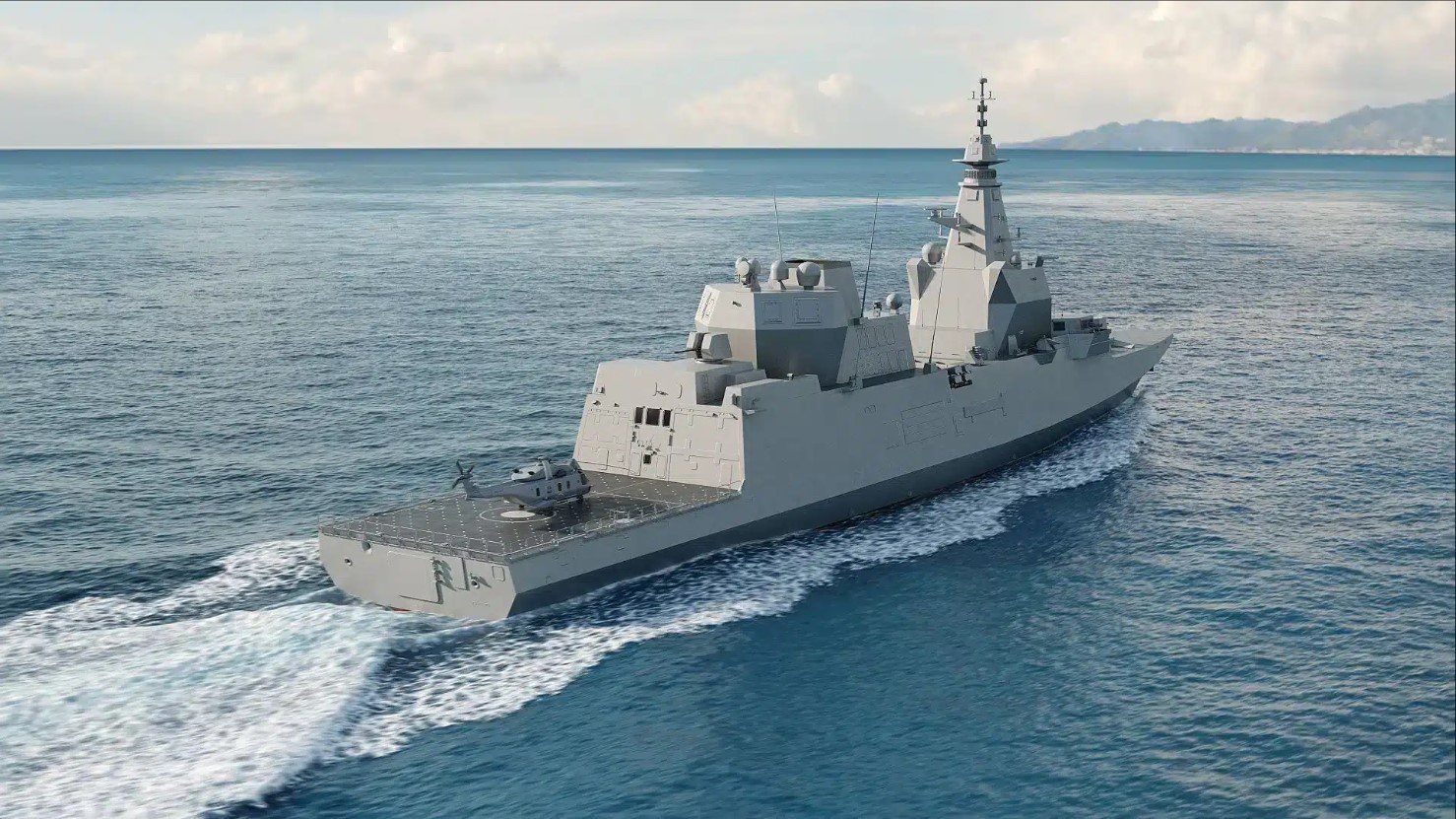
Europe, however, maintains a substantial industrial foundation of its own. Eight European firms rank among the global top 25, including BAE Systems, Leonardo, Airbus, Thales, Saab, and Rheinmetall. European shipyards are capable of producing advanced surface combatants and diesel-electric submarines at a pace comparable to US facilities, and recent support for Ukraine has driven rapid expansion in European production of tanks, artillery systems, and ammunition.
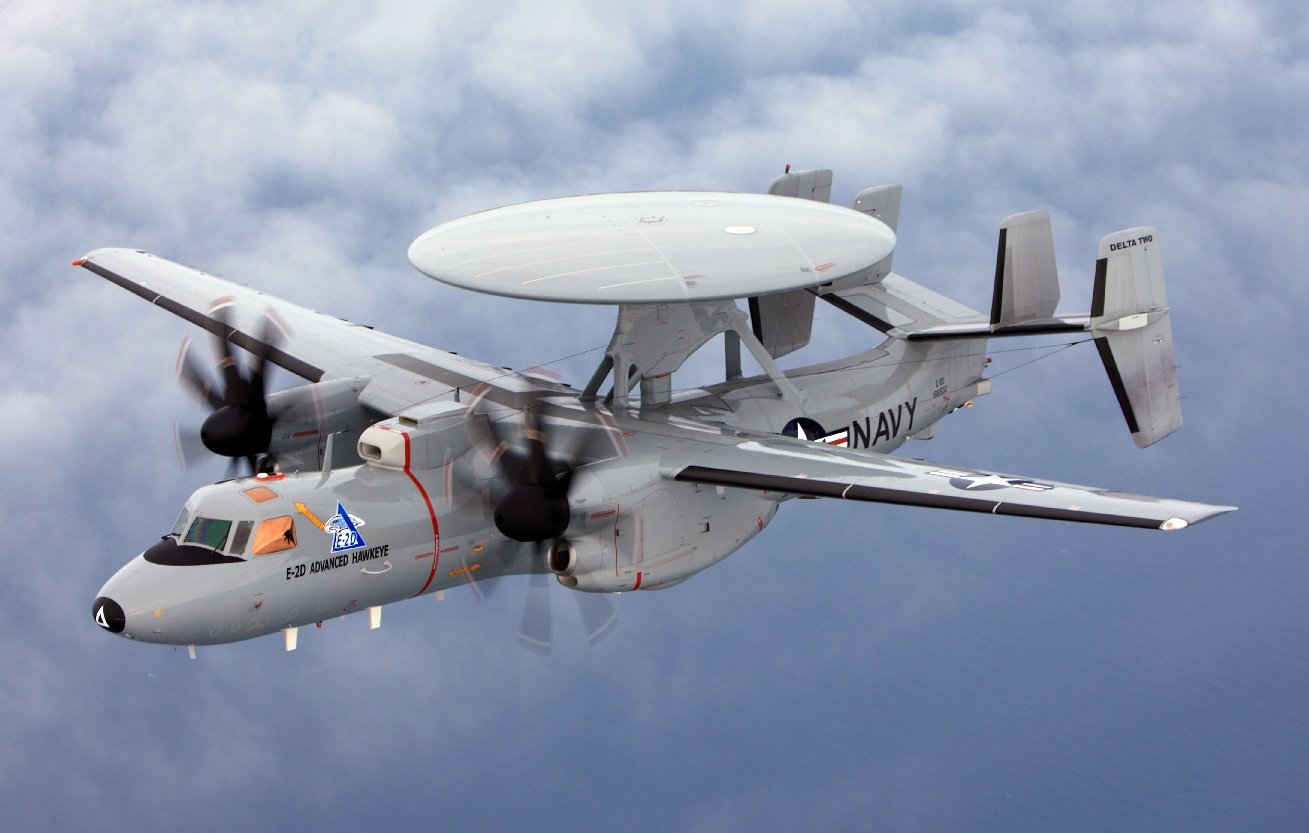
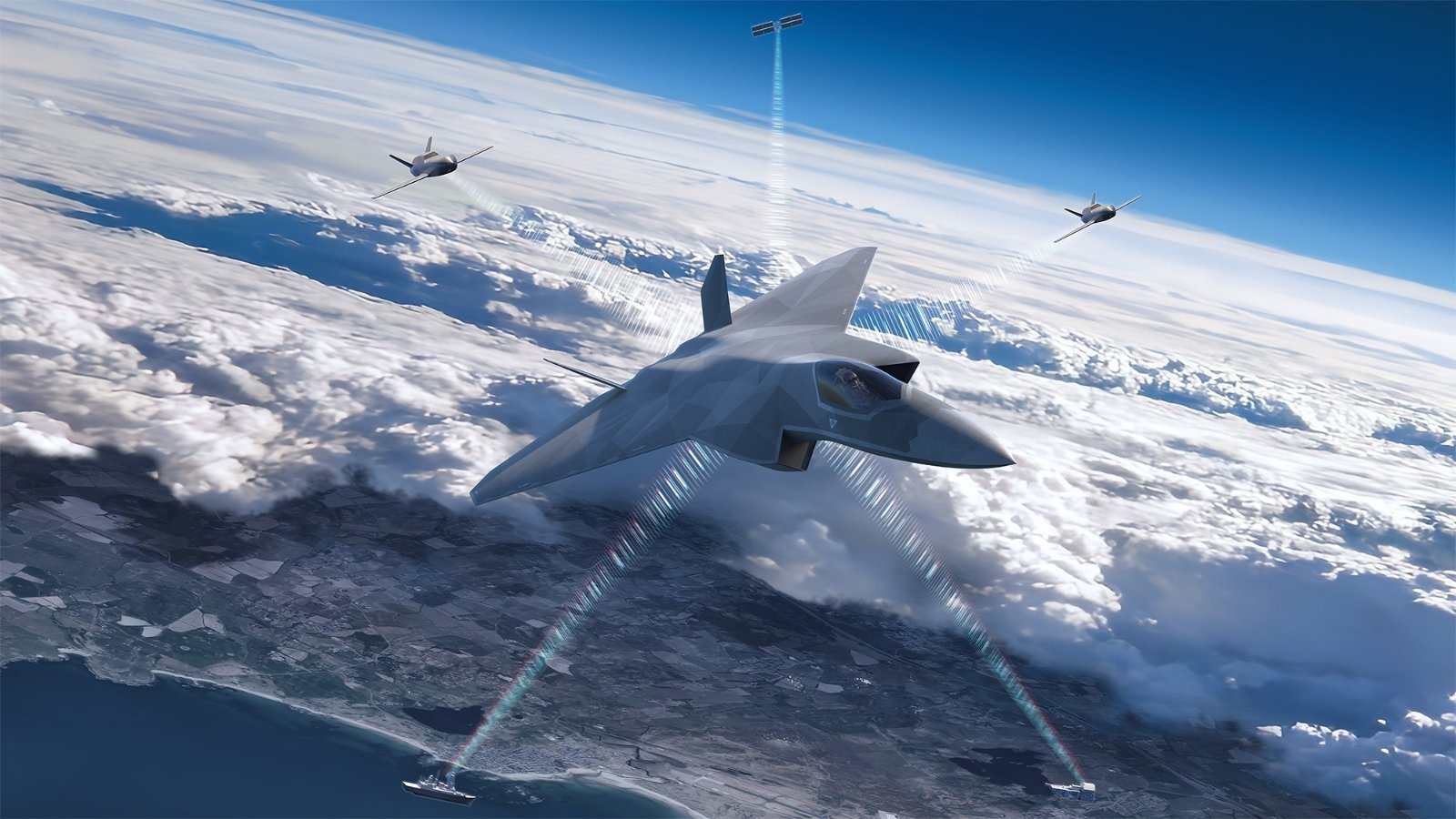
The principal technological gap lies in advanced systems. The United States leads in fifth-generation stealth aircraft such as the F-35, long-endurance reconnaissance and strike drones, missile defense systems like Patriot and THAAD, and space-based intelligence and surveillance assets. European officials estimate that replicating many of these capabilities would require approximately five years of focused investment and development, but regard them as achievable rather than unattainable.
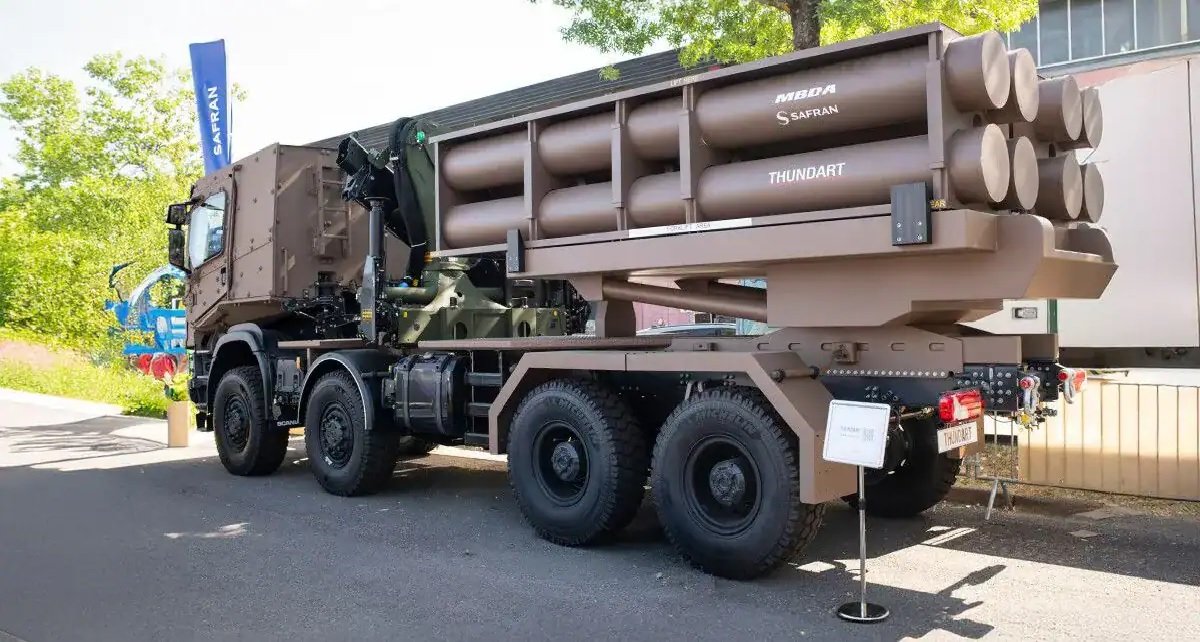
In lower-complexity areas — including short-range drones, small arms, transport aircraft, helicopters, and shorter-range air defenses — Europe already possesses sufficient industrial capacity to scale production rapidly.
Personnel and Force Structure
In terms of manpower, the United States relies entirely on an all-volunteer force, while many European countries retain or are reintroducing conscription. Nine NATO members currently maintain some form of compulsory military service, including several Nordic states. Germany has announced plans to reinstate conscription, reflecting growing concern about force readiness and sustainability.
These policies provide European militaries with a broader personnel base, though challenges remain in standardizing training, command structures, and interoperability across national forces.
Nuclear Deterrence and Strategic Autonomy
The most significant capability gap created by a US departure would be nuclear deterrence. NATO’s current nuclear umbrella depends heavily on US strategic forces, supplemented by the smaller but operationally credible arsenals of the United Kingdom and France.
Without US participation, European governments would face difficult choices. One option would involve expanding existing British and French capabilities to provide continent-wide coverage. Another would be the development of new national nuclear forces, with Germany and Poland often cited as potential candidates. A third possibility would be negotiating a transitional nuclear-sharing arrangement with Washington, even in the absence of full US NATO membership.
Each scenario would carry substantial political, legal, and security implications, both within Europe and globally.
Strategic Focus and Ukraine
A NATO without the United States would likely operate with a more geographically limited mission. European officials argue that many past alliance operations, including those in Afghanistan and Iraq, were driven largely by US strategic priorities. A post-US NATO could concentrate more narrowly on European and near-European security, including the defense of Ukraine.
Ukraine, with a population of approximately 40 million, a large combat-experienced military, and strong domestic support for defense integration, is widely viewed as a future NATO member under this scenario. Its inclusion would restore the alliance to 32 members and significantly enhance its conventional military strength, particularly along its eastern frontier.
Outlook
Current US strategic documents, including the National Security Strategy and National Defense Strategy, emphasize prioritizing the Western Hemisphere and competition with major powers. While this does not formally signal withdrawal from NATO, European governments are increasingly preparing contingency plans.
Most European leaders continue to hope that the United States remains fully engaged in the alliance. At the same time, recent events have accelerated efforts to strengthen Europe’s independent defense capabilities. Analysts note that, while a NATO without the United States would face serious challenges — particularly in advanced technology and nuclear deterrence — the remaining members possess the economic resources, industrial base, and manpower needed to sustain collective defense, provided political coordination can be achieved.
The debate has also reshaped perceptions of the war in Ukraine. While the immediate outcome remains uncertain, European officials increasingly argue that a stronger, more unified continental defense posture — whether alongside the United States or independently — could emerge as one of the conflict’s lasting strategic consequences.
——— End of Article ———