
World
KYIV — June 01, 2026 : Recent footage broadcast by CNN has provided a rare look inside a forward command post operated by Ukraine’s Main Directorate of Intelligence (GUR), revealing the use of an AI-powered air attack monitoring and mission-analysis system known as PRISMA. Developed in cooperation with US technology company Palantir Technologies, the software is being used to coordinate and monitor long-range drone operations targeting locations deep inside Russian territory. The footage marks the first visual confirmation of PRISMA’s operational deployment after Ukrainian officials announced the platform in early May following meetings between Ukrainian Deputy Prime Minister and Digital Transformation Minister Mykhailo Fedorov and Palantir CEO Alex Karp, where both sides discussed expanding artificial intelligence support for Ukraine’s defense operations. Inside Ukraine’s Decentralized Drone Command Network CNN journalists were granted access to a GUR deep-strike unit preparing unmanned aerial vehicles (UAVs) for a nighttime launch. Video from the command post showed operators monitoring real-time maps, drone flight paths, target locations, battlefield intelligence, and air-defense data processed through AI-assisted systems. The unit commander, identified by the call sign “Vector,” said the GUR operates through a decentralized command structure rather than centralized operational hubs. “We don't have any common centers and we use dozens of places,” Vector said. According to Vector, this structure allows operations to continue even if one command node is disrupted, as control can be transferred to other locations without interrupting active drone missions. How the PRISMA System Supports Drone Strike Planning According to CNN footage and related reports, PRISMA is designed to track and coordinate thousands of drones through a single interface by combining large volumes of battlefield data. The platform integrates real-time battlefield intelligence, drone telemetry, satellite imagery, reconnaissance reports, radar emissions, target coordinates, and previous mission data into one operational system. By analyzing thousands of variables, the software identifies vulnerabilities in Russian air-defense networks, evaluates interception points from previous drone waves, studies air-defense coverage, and calculates flight routes intended to reduce exposure to air defenses and electronic warfare systems. Defense analysts describe such platforms as part of a broader shift toward AI-assisted battlefield management, allowing commanders to process operational data more quickly and support mission planning. Use of Strike Drones and Decoy UAVs Vector said Ukrainian operations frequently combine armed strike drones with unarmed decoy UAVs to improve mission effectiveness. While some drones carry payloads to target anti-aircraft systems and strategic infrastructure, others are flown without weapons to map radar coverage, identify defensive patterns, and trigger enemy interception systems, helping reveal weaknesses and deplete missile inventories. During the night covered in the CNN report, the GUR unit reportedly prepared approximately 200 drones for coordinated launch from multiple locations. Integration Into Ukraine’s Broader Defense Strategy The deployment of PRISMA aligns with a broader strategy outlined by Mykhailo Fedorov, structured around air, land, and economic domains. Within the economic domain, Ukraine has prioritized long-range strikes targeting infrastructure linked to Russia’s military economy, including oil refineries, aviation facilities, logistics centers, and defense-related industrial sites. Ukrainian officials say AI-assisted systems are intended to improve operational coordination and help commanders process battlefield information more efficiently. Palantir’s Role in Ukraine’s Defense Technology Since 2022, Palantir Technologies has provided Ukraine with intelligence-fusion, battlefield decision-support, satellite imagery processing, and data-analysis tools. The PRISMA platform represents a specialized extension of this partnership, supporting battlefield intelligence analysis, route optimization, target assessment, mission planning, and coordination of large-scale drone operations.
Read More → Posted on 2026-06-01 18:20:09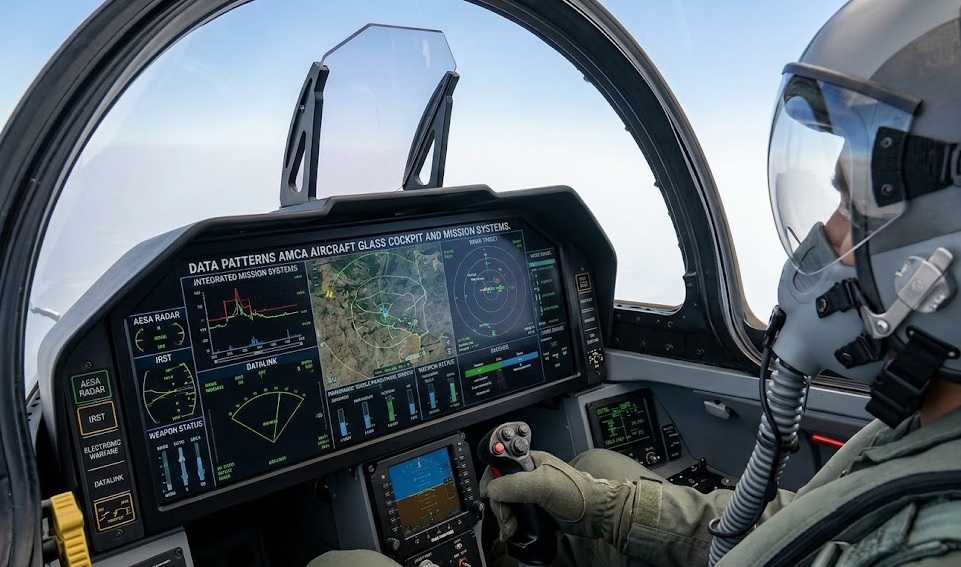
India
CHENNAI — June 01, 2026 : Data Patterns (India) Limited has confirmed that cockpit and mission-system technologies being developed for the Light Combat Aircraft (LCA) Tejas Mk2 programme will directly support India’s fifth-generation Advanced Medium Combat Aircraft (AMCA), creating a technological link between the two indigenous fighter programmes. The company is developing advanced avionics, smart cockpit systems, mission computers, display technologies, and sensor-fusion architecture for the Tejas Mk2. According to industry reports, several of these systems are being designed for future scalability, allowing them to be adapted for the AMCA as development progresses. For the Tejas Mk2 programme, Data Patterns is working on a next-generation glass cockpit architecture featuring high-brightness rugged multifunction displays (MFDs), digital mission-management systems, pilot-machine interfaces, and integrated sensor-fusion capabilities intended to improve pilot situational awareness during operations. The cockpit systems include custom LED backlights, compatibility with Night Vision Imaging Systems (NVIS), and compliance with military standards such as MIL-STD-810 and DO-178B. The company is also integrating digital flight-control infrastructure and multi-sensor data fusion technologies for the aircraft. The avionics and cockpit architecture developed for the Tejas Mk2 are expected to provide the foundation for the AMCA’s cockpit environment, mission-management systems, and sensor-processing framework. By adapting tested technologies from the Tejas Mk2, the Aeronautical Development Agency (ADA) and industry partners aim to reduce development risks, shorten integration timelines, and support the AMCA’s network-centric warfare and stealth requirements. The Tejas Mk2 is considered an important technology bridge toward the AMCA programme. The aircraft is a larger and more capable evolution of the Tejas Mk1A, featuring increased payload capacity, greater combat radius, enhanced electronic warfare systems, and more advanced sensors. The AMCA is being developed as a twin-engine, stealth-capable multirole fighter designed for air-superiority, deep-strike, suppression of enemy air-defence, and electronic warfare missions. The aircraft is expected to feature internal weapon bays, sensor fusion, indigenous mission avionics, advanced mission computers, and integrated data-link systems. The cockpit and mission-system development forms part of the broader ₹15,000 crore AMCA prototype programme. Data Patterns, along with other private-sector defence firms, will work with the Aeronautical Development Agency (ADA) and the Defence Research and Development Organisation (DRDO) to support the construction of five flying prototypes and one structural test aircraft. A new greenfield manufacturing facility is being established in Puttaparthi, Andhra Pradesh, to support integration and testing activities for the AMCA programme. The Defence Ministry has issued a Request for Proposal (RFP) for AMCA prototype development and manufacturing, with multiple Indian private defence firms participating under the programme managed by ADA within the DRDO framework. The Tejas Mk2 is expected to make its first flight in 2026, while the AMCA programme aims for prototype rollout by late 2026 or early 2027, followed by a maiden flight in 2028. Serial production of the aircraft is targeted for the mid-2030s. The use of common technologies across the Tejas Mk2 and AMCA programmes is expected to standardise key avionics systems, simplify testing and certification, and improve long-term maintenance and operational logistics for future Indian Air Force fighter fleets.
Read More → Posted on 2026-06-01 18:14:42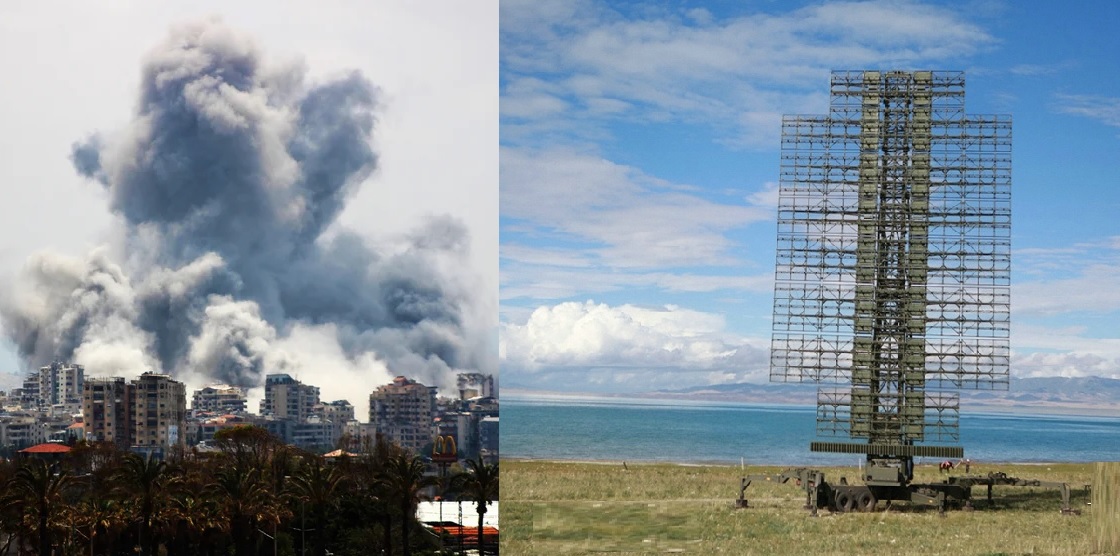
U.S. Destroys Iranian Radar and Air Defense Sites on Goruk and Qeshm Islands in Self-Defense Strikes
World
WASHINGTON — June 01, 2026 : The United States military carried out what it described as targeted “self-defense strikes” against Iranian radar, air defense, drone command-and-control, and military infrastructure on Goruk and Qeshm islands on May 31, following the reported downing of an American MQ-9 surveillance drone near the Strait of Hormuz. According to U.S. Central Command (CENTCOM), the operation was launched in response to what Washington said was Iran’s targeting of a U.S. drone operating in international airspace. CENTCOM stated that the strikes focused on facilities believed to be involved in threatening U.S. forces and maritime traffic in the region, including Iranian air-defense assets, drone control infrastructure, and radar systems. Defense reports indicate that among the primary targets on Goruk Island were Chinese-supplied military systems, including the JY-27A long-range radar and the HQ-9 surface-to-air missile defense system. Reports circulating after the operation claimed that both systems were destroyed during the strikes. However, neither the United States nor Iran has officially confirmed the destruction of these specific systems. The JY-27A is a Chinese-made Very High Frequency (VHF) radar system designed for long-range surveillance and marketed as capable of detecting stealth aircraft. Defense analysts said the radar was supplied to Iran to strengthen monitoring capabilities around the Strait of Hormuz and improve detection of advanced military aircraft operating in the region. Several defense reports and intelligence assessments have suggested that the U.S. operation involved F-35 Lightning II stealth fighter jets, although the Pentagon has not officially disclosed the aircraft used in the mission. According to reports circulating among defense analysts, the JY-27A radar did not detect the approaching aircraft during the strike. The reports further stated that the aircraft involved in the operation were able to bypass Iranian radar coverage and target military infrastructure on Goruk Island, including air-defense systems, a drone ground control station, and two one-way attack drones before a coordinated response could be initiated. Independent verification of these claims remains pending. Goruk Island and Qeshm Island hold strategic importance due to their location near the Strait of Hormuz, a critical maritime route through which a significant portion of global energy shipments passes. Iran has developed radar, missile, drone, and surveillance infrastructure across the area to monitor military and commercial activity and strengthen coastal defense capabilities. The reported destruction of the JY-27A radar and HQ-9 air-defense system has also drawn attention to the effectiveness of modern air-defense systems when operating against advanced stealth aircraft. Analysts noted that the incident may lead to closer examination of the operational performance of radar and missile defense systems supplied for counter-stealth roles, though official assessments have not yet been released. The strikes took place amid heightened tensions between Washington and Tehran in and around the Strait of Hormuz. Following the U.S. operation, Iran’s Islamic Revolutionary Guard Corps (IRGC) announced that it had launched a retaliatory strike targeting an undisclosed air base that it claimed had supported the U.S. mission. At the same time, Kuwait activated air-defense systems after reports of incoming drones and projectiles in regional airspace. Kuwaiti authorities also implemented precautionary flight diversions as a security measure. Despite the recent military exchanges, diplomatic discussions aimed at reducing tensions and ensuring maritime security in the Strait of Hormuz are continuing. No formal agreement or resolution has been announced so far, while independent verification of several battlefield claims from both sides remains ongoing.
Read More → Posted on 2026-06-01 18:07:28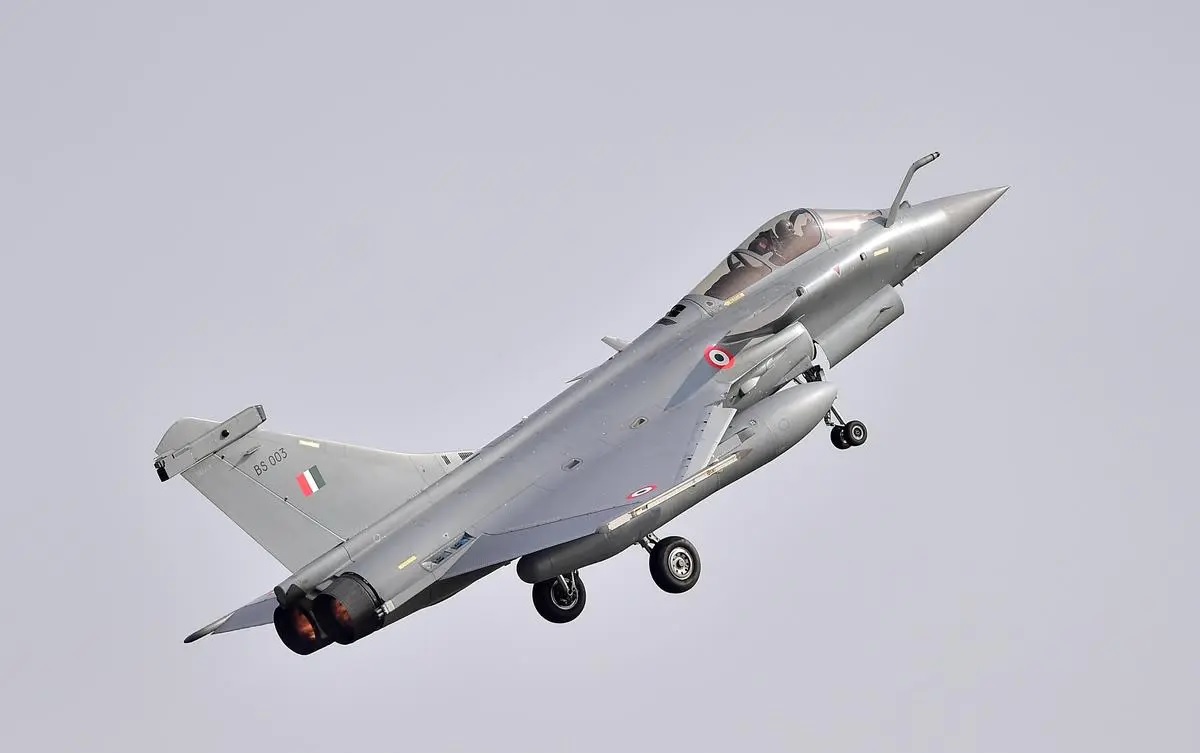
India
NEW DELHI, — June 01, 2026 : India has formally issued a Letter of Request (LoR) to France for the acquisition of 114 Rafale fighter aircraft for the Indian Air Force (IAF), advancing one of the country’s largest military aviation procurement programmes. According to Defence Ministry sources, the request was sent by the Ministry of Defence’s Acquisition Wing following clearance from the Defence Acquisition Council (DAC). The proposed government-to-government deal is estimated at approximately ₹3.25 lakh crore and is aimed at strengthening the Indian Air Force’s combat capabilities while addressing its fighter squadron shortage. France is expected to respond to India’s request within the next two to three months with details related to pricing, availability, logistics support, technology transfer, and manufacturing arrangements. Formal negotiations are expected to begin after the response, with officials anticipating completion within the next year. Under the proposed programme, 94 of the 114 Rafale jets are planned to be manufactured in India through a partnership between Dassault Aviation and an Indian defence company, while the remaining aircraft will be delivered directly from France in fly-away condition. The programme would mark the first time Rafale fighter jets are manufactured outside France. Defence Ministry sources said the project is expected to achieve nearly 50 percent localisation and support domestic aerospace manufacturing under the Make in India initiative. A key feature of the proposal is India receiving authority and technical access to integrate indigenous weapon systems onto the aircraft. This would allow future integration of Indian-made systems such as the Astra and BrahMos-NG missiles. The acquisition comes as the Indian Air Force continues to face a shortage of fighter squadrons. The IAF is currently operating around 29 fighter squadrons against a sanctioned requirement of 42.5 squadrons, making additional fighter inductions important for maintaining operational capability. The Indian Air Force currently operates 36 Rafale aircraft acquired under a 2016 agreement with France. India has also ordered 26 Rafale Marine aircraft for the Indian Navy, with deliveries expected to begin in 2028 for carrier operations. If the proposed acquisition is finalised, the total number of Rafale aircraft in Indian military service would increase to 176. Defence officials have also indicated that the Navy has expressed interest in acquiring an additional 31 Rafale Marine aircraft in the future, which could raise India’s Rafale fleet to more than 200 aircraft. Officials believe operating a larger standardised Rafale fleet across the armed forces could improve logistics, maintenance, training, and operational support efficiency over the long term. The Rafale is a 4.5-generation multirole fighter aircraft capable of conducting air superiority, strike, reconnaissance, and maritime missions. Indian Rafales currently operate with weapons including Meteor, SCALP, and MICA missile systems. Officials said deliveries under the new programme could begin around three-and-a-half years after the contract is finalised. The development comes during a period of high-level India-France defence engagement. Air Chief Marshal AP Singh is currently visiting France for discussions with French defence officials and visits to facilities operated by Dassault Aviation and missile manufacturer MBDA. The Rafale programme is also expected to feature prominently during Prime Minister Narendra Modi’s scheduled visit to France in mid-June as both countries continue to expand defence and industrial cooperation.
Read More → Posted on 2026-06-01 17:54:42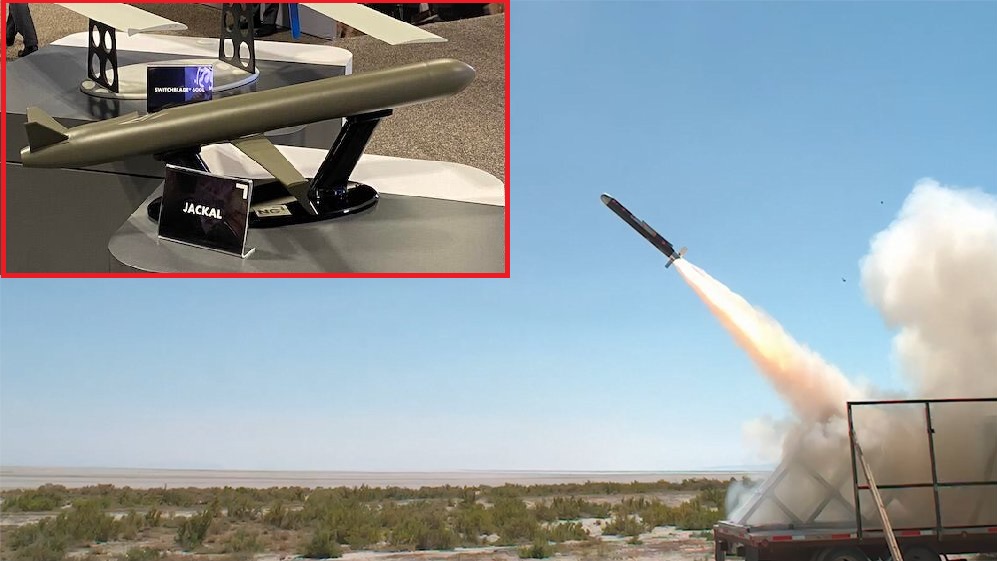
World
WASHINGTON — June 01, 2026 : Northrop Grumman has completed a successful flight test of its Jackal precision strike missile, validating key technologies intended to support the next stage of development for the long-range autonomous strike system. The June 1 test confirmed several critical capabilities, including automated turbojet engine startup, autonomous flight controls, navigation systems, autopilot-controlled flight, and high-speed maneuvering. According to the company, the test demonstrated that the missile’s propulsion, guidance, airframe, and control systems have reached an important level of maturity for continued testing and development toward operational use. The Jackal missile is being developed in partnership with AeroVironment and incorporates avionics and mission control systems refined through the Switchblade 600 program. Designed for operations in contested environments, the missile is intended to provide ground forces with a precision strike capability while reducing dependence on crewed aircraft operating inside heavily defended airspace. Northrop Grumman developed Jackal to bridge the gap between smaller loitering munitions and larger cruise missiles. The system is designed to conduct long-range precision strikes while allowing military units to engage targets from stand-off distances beyond many air defense threat zones. Powered by a fuel-efficient turbojet engine, Jackal can sustain speeds exceeding 300 mph (approximately 600 km/h), enabling rapid engagement of time-sensitive targets. The ground-launched version has a range of up to 100 kilometers, while an air-launched variant extends the range to approximately 125 kilometers. At maximum ground range, the missile can reach targets in roughly 12 to 15 minutes depending on mission conditions. The missile also includes a loiter capability of up to 15 minutes, allowing it to gather intelligence or observe targets before engagement. Its open-architecture design supports modular payloads of up to 10 pounds (4.5 kilograms), enabling configurations for lethal strike missions, electronic warfare, intelligence, surveillance and reconnaissance operations, and non-lethal effects. A key feature of the Jackal system is its autonomous targeting capability. Unlike traditional precision-guided weapons that rely mainly on fixed GPS coordinates, Jackal incorporates artificial intelligence-based algorithms capable of recognizing target characteristics during the final stage of flight. This enables the missile to adapt to changing battlefield conditions, track mobile targets, and select optimal impact points. The system is also designed to operate in GPS-denied and electronically contested environments, reducing vulnerability to jamming and spoofing techniques increasingly used in modern warfare. Another major feature of the missile is its rapid launch capability. The automated turbojet startup system removes the need for complex manual preparation, allowing operators to launch the weapon quickly after a strike order is issued and improving responsiveness against emerging targets. Northrop Grumman states that Jackal can be integrated onto standard light tactical vehicles, with a single platform capable of carrying up to eight launch canisters. This setup allows ground forces to conduct precision strikes across an area of more than 31,000 square kilometers while maintaining mobility and a relatively small logistical footprint. The company confirmed that the Jackal program remains in active development. Future testing will focus on guidance accuracy, target recognition performance, mission effectiveness, and operational integration as the missile moves closer to operational readiness.
Read More → Posted on 2026-06-01 17:43:09
World
WASHINGTON — June 01, 2026 : The United States Army is seeking funding for 2,798 Patriot PAC-3 Missile Segment Enhancement (MSE) interceptor missiles under its Fiscal Year 2027 budget proposal, a procurement effort valued at approximately $12.2 billion that would rank among the largest missile defense acquisitions in the service’s history. The proposal reflects a major shift in US military planning as Pentagon officials seek to strengthen missile defense inventories for prolonged, high-intensity conflicts in which advanced munitions could be consumed at far higher rates than previously anticipated. According to details reported by Army Recognition on June 1, the procurement represents a substantial increase in Patriot interceptor purchases and highlights a growing focus on sustaining air defense operations during extended missile and drone campaigns. Budget Structure and Scale of Procurement The interceptor acquisition forms part of the Army’s broader FY2027 budget request of approximately $252.8 billion, which prioritizes force expansion, modernization programs, industrial base development, and military readiness. Funding for the proposed 2,798 Patriot PAC-3 MSE interceptors would be divided across two budget streams. Approximately $1.3 billion would come through standard discretionary funding, while $10.9 billion would be allocated through mandatory funding, covering 2,554 missiles and requiring separate congressional approval. The scale of the proposal marks a significant increase from previous procurement levels. In comparison, the Army’s FY2026 budget funded 357 PAC-3 MSE interceptors, meaning the FY2027 request would increase purchases by nearly eight times. At an estimated unit cost of approximately $5.3 million per interceptor, the proposal illustrates a broader Pentagon shift toward ensuring sufficient missile inventories for sustained operations rather than preparing primarily for limited engagements or isolated attacks. Military planners increasingly assess that future conflicts may involve repeated and coordinated missile barrages over prolonged periods, making stockpile size as important as interceptor capability. Under such conditions, even advanced missile defense systems could face operational limitations if inventories cannot be replenished rapidly enough. PAC-3 MSE Capabilities and Technology Manufactured by Lockheed Martin, the PAC-3 Missile Segment Enhancement interceptor is the most advanced missile currently deployed within the Patriot air and missile defense system. Unlike older air defense interceptors that rely primarily on blast fragmentation to destroy incoming threats near a target, the PAC-3 MSE uses hit-to-kill technology, neutralizing threats through direct kinetic impact. The interceptor incorporates a larger dual-pulse rocket motor designed to improve range and altitude performance, enhanced maneuverability, and upgraded guidance electronics. While optimized to defeat tactical ballistic missiles, the system also retains the capability to intercept cruise missiles, advanced aircraft, and other airborne threats. Within the Patriot defense architecture, PAC-3 MSE interceptors operate as part of a networked system linking launchers, sensors, radars, and command-and-control systems. The interceptor currently receives targeting information through legacy Patriot radar systems but is expected to benefit from integration with the Lower Tier Air and Missile Defense Sensor (LTAMDS), a next-generation radar developed to improve tracking and targeting performance against complex aerial threats. Lessons from Ukraine and the Middle East Recent combat experience in Europe and the Middle East has played a significant role in shaping the Army’s procurement strategy. Patriot batteries continue to operate as critical elements of United States and allied missile defense networks, protecting military airbases, logistics centers, ammunition depots, command infrastructure, and civilian facilities against missile and drone attacks. In Ukraine, officials have reported successful Patriot interceptions of advanced Russian missile systems, including the Kh-47M2 Kinzhal, demonstrating the system’s ability to engage high-speed aerial threats under combat conditions. At the same time, the conflict has highlighted how quickly advanced interceptor stockpiles can be depleted during sustained operations involving repeated drone and missile strikes. Military assessments have similarly noted operational pressures in the Middle East, where US and allied forces continue to maintain readiness against ballistic missiles, cruise missiles, drones, and other aerial threats requiring constant defensive preparedness. These operational experiences have reinforced Pentagon concerns that advanced capability alone may prove insufficient if interceptor inventories are exhausted during prolonged combat. Focus on Missile Stockpile Sustainability US defense planners increasingly emphasize what military officials describe as “magazine depth” — the ability to maintain sufficient interceptor inventories throughout a conflict. The concept reflects a broader conclusion emerging from recent military operations: effective air defense depends not only on advanced systems but also on the capacity to sustain long-duration operations through adequate stockpiles and industrial production. Ukrainian President Volodymyr Zelenskyy recently highlighted this challenge while urging Washington to authorize licensed domestic production of Patriot interceptors in Ukraine. Zelenskyy stated that monthly production of approximately 60 to 65 anti-ballistic missiles per month remains inadequate given battlefield conditions and called on both previous and current US administrations to expand manufacturing arrangements. Wider Army Air Defense Modernization The Patriot procurement proposal forms part of a broader Army modernization effort aimed at building a layered air and missile defense architecture. Key modernization programs include the Indirect Fire Protection Capability (IFPC), Maneuver-Short Range Air Defense (M-SHORAD), the Terminal High Altitude Area Defense (THAAD), and LTAMDS radar integration. Alongside the Patriot request, the Army’s FY2027 draft budget also includes plans to procure 857 THAAD interceptors as part of efforts to improve layered protection against increasingly sophisticated regional missile arsenals. US military planning has increasingly focused on strengthening defenses for forward operating bases and allied facilities, particularly in regions such as the Indo-Pacific, where officials continue to monitor expanding missile capabilities, including those of the People's Liberation Army Rocket Force. Congressional Approval Ahead The proposed acquisition still requires congressional approval, particularly for the mandatory funding component supporting most of the interceptor purchase. If approved, the $12.2 billion request would provide a major production boost for Lockheed Martin and represent one of the most significant missile defense procurement efforts undertaken by the US Army in decades. The proposal reflects a broader Pentagon assessment that future conflicts are likely to involve sustained missile and drone attacks, requiring not only advanced defensive systems but also sufficient production capacity and large operational inventories to maintain readiness over extended periods.
Read More → Posted on 2026-06-01 17:33:57
World
TEHRAN / JERUSALEM, — June 1, 2026 : Indirect diplomatic communications between Iran and the United States have stalled after Tehran announced the suspension of message exchanges with Washington, citing Israel’s military operations in Lebanon as a violation of a ceasefire framework established earlier this year. The decision, reported by Tasnim News Agency, comes amid renewed fighting in southern Lebanon and increased Israeli military activity targeting Hezbollah positions. Iranian officials stated that no further diplomatic engagement with the United States would take place until specific conditions are met, including the cessation of Israeli operations and withdrawal from areas Tehran considers occupied. The latest development marks a setback in efforts to reduce tensions after months of regional conflict. According to reports, U.S. and Iranian representatives had continued exchanging proposals through intermediaries regarding a broader ceasefire arrangement and maritime security, although progress remained limited. Israel Expands Military Operations in Lebanon Tensions escalated after the Israel Defense Forces (IDF) launched their deepest ground advance into southern Lebanon in more than two decades, capturing the historic Beaufort Castle and the surrounding strategic ridge. The site, approximately 900 years old, overlooks key areas in southern Lebanon and holds military significance due to its elevated position. Following the advance, the IDF reissued evacuation warnings covering southern Lebanon on Sunday, urging residents to move away from areas expected to face military activity. On Monday, Israeli Prime Minister Benjamin Netanyahu and Defense Minister Israel Katz directed the military to expand strikes into Beirut’s Dahiyeh district, a southern suburb regarded as a Hezbollah stronghold. In a joint statement, Israeli authorities said the decision followed repeated violations of the Lebanon ceasefire by Hezbollah and continued missile and drone attacks targeting Israeli soldiers and northern communities. “Following the repeated violations of the ceasefire in Lebanon by the Hezbollah terror organization and the attacks against our cities and citizens, Prime Minister Benjamin Netanyahu and Defense Minister Israel Katz instructed the IDF to strike terror targets in the Dahiyeh quarter of Beirut,” the statement said. Israeli operations in Beirut had previously remained limited after pressure from the administration of former U.S. President Donald Trump, which sought to maintain conditions favorable for a broader diplomatic understanding involving Iran. However, Israeli officials said a rise in Hezbollah drone and missile attacks prompted renewed military action. Hezbollah Rejects U.S. De-escalation Proposal Diplomatic efforts to reduce hostilities in Lebanon encountered difficulties after Hezbollah reportedly rejected a recent U.S.-backed de-escalation proposal on Monday. According to reports, the proposal required Hezbollah to halt attacks before Israel implemented reciprocal measures. Hezbollah began attacks against Israel on March 2, shortly after the United States and Israel launched a joint air campaign against Iran. Since then, cross-border exchanges between Hezbollah and Israeli forces have continued despite ceasefire efforts. Lebanese Parliament Speaker Nabih Berri, who has acted as an intermediary in negotiations, reportedly conveyed Hezbollah’s position to U.S. officials, emphasizing that any sustainable ceasefire arrangement would require Israel to stop military activity first. Iran Suspends Talks and Raises Ceasefire Concerns Iranian officials maintain that the ceasefire reached between Tehran and Washington on April 8 extended beyond direct U.S.-Iran tensions and included military activity across regional fronts, including Lebanon. While Israeli strikes briefly slowed after the agreement took effect, military confrontations resumed as Israel maintained that operations against Hezbollah were not covered by the U.S.-Iran agreement. Iranian Foreign Minister Abbas Araghchi said on Monday that Tehran views the ceasefire as applicable to all regional fronts. “The ceasefire between Iran and the US is unequivocally a ceasefire on all fronts, including in Lebanon. Its violation on one front is a violation of the ceasefire on all fronts,” Araghchi said in a post on X. Tasnim reported that Iran would not resume diplomatic exchanges with the United States until Israeli military operations stop and forces withdraw from areas in Lebanon and Gaza. Iran’s chief negotiator and Parliament Speaker Mohammad Bagher Ghalibaf accused Washington of failing to uphold commitments related to the ceasefire, citing a U.S. naval blockade of Iranian ports that Tehran says began on April 13. Ghalibaf described the blockade and Israeli escalation in Lebanon as evidence of “US non-compliance with the ceasefire,” adding in a post on X that “every choice has a price and the bill comes due.” Threat of Maritime Disruption Alongside the suspension of diplomatic contacts, Iranian officials and allied groups within the “Resistance Front”, including partners in Yemen, Lebanon, and Iraq, have reportedly discussed plans to increase pressure through maritime chokepoints. The proposed measures include a potential blockade of the Strait of Hormuz and the Bab el-Mandeb Strait, two globally significant maritime routes used for energy exports and international trade. The Strait of Hormuz, located between Iran and Oman, serves as one of the world’s most important oil transit corridors. The Bab el-Mandeb Strait, near Yemen and linking the Red Sea to the Gulf of Aden, is a major commercial route connecting shipping through the Suez Canal. A disruption in either route could affect global energy transportation, shipping schedules, and trade flows, particularly for cargo moving between Asia, Europe, and the Middle East. Separately, U.S. military officials confirmed that American forces intercepted two Iranian ballistic missiles targeting military bases in Kuwait late Sunday night. According to U.S. Central Command, no casualties or damage to personnel were reported. International Response and Humanitarian Concerns The growing regional tensions have prompted an international response. The United Nations Security Council is scheduled to hold an emergency meeting on Monday following requests from international leaders seeking discussions on the expanding conflict in Lebanon and Israel’s continued military operations. Meanwhile, renewed evacuation warnings in southern Lebanon and anticipated strikes near Beirut’s southern suburbs have contributed to additional civilian displacement. Humanitarian agencies estimate that more than one million people have already been displaced in Lebanon since the broader conflict began. Diplomatic uncertainty now surrounds the future of U.S.-Iran engagement, with regional stability increasingly tied to developments in Lebanon, military exchanges involving Hezbollah, and the potential impact of threats to international shipping routes.
Read More → Posted on 2026-06-01 17:21:25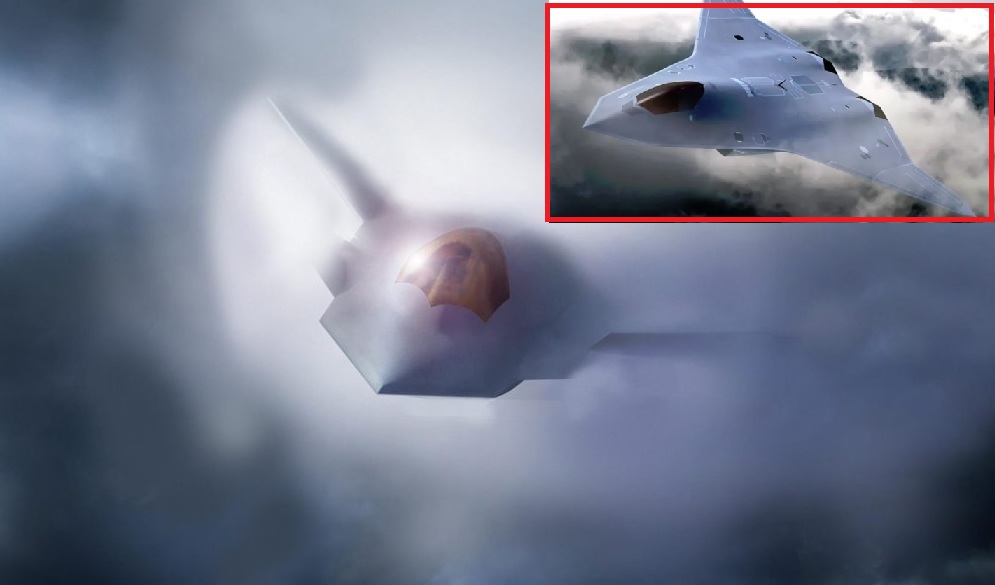
World
WASHINGTON, D.C. — June 01, 2026 : The U.S. Air Force has requested $5.03 billion in Fiscal Year 2027 funding for the Boeing F-47, the country’s first sixth-generation fighter aircraft, marking a major increase in investment as the Next Generation Air Dominance (NGAD) program moves deeper into development. According to budget documents released this week, the funding request represents a 65% increase compared with approximately $3.05 billion allocated to the program in Fiscal Year 2026. The increase reflects the Air Force’s effort to accelerate development of a future replacement for the aging F-22 Raptor and expand long-term air superiority capabilities. F-47 Program Enters Key Development Phase The F-47 program officially entered the Engineering and Manufacturing Development (EMD) phase after Boeing secured the NGAD contract in March 2025 under an agreement valued at more than $20 billion. The contract award marked Boeing’s first clean-sheet fighter aircraft program in decades and established the company as the lead developer of the Air Force’s next-generation combat jet. The EMD phase represents one of the most resource-intensive periods of development and includes system integration, prototype construction, digital engineering, testing, and preparation for operational capability. Of the total $5.03 billion requested for FY2027, approximately $4.92 billion is allocated specifically for direct aircraft development. This includes funding for prototype production, advanced digital design systems, flight testing, and engineering activities required to mature the aircraft before operational deployment. Budget projections indicate annual F-47 spending will remain above $3.2 billion through 2030, with program expenditures expected to peak at around $5.3 billion in FY2028. By the end of FY2027, cumulative spending on the F-47 is projected to reach nearly $8.5 billion, while the broader five-year NGAD development budget stands at approximately $19.6 billion, separate from Boeing’s EMD contract value. Defense analysts note that the annual development cost of the F-47 program alone is comparable to the procurement cost of nearly 60 F-35A fighter aircraft. Development Timeline Extends Into Next Decade Although experimental NGAD-related X-plane demonstrators have reportedly been flying in classified testing since 2020, the operational version of the F-47 remains several years from entering service. The Air Force expects the EMD phase to continue through late 2031, requiring further investment before the aircraft becomes ready for combat deployment. Current planning places the first flight of the finalized F-47 prototype in 2028 or 2029. Air Force Chief of Staff Gen. David Allvin stated in late 2025 that the aircraft remained on track for a first flight target in 2028. At the same time, development of the aircraft’s propulsion system has encountered delays. The Next Generation Adaptive Propulsion (NGAP) program, responsible for producing advanced variable-cycle engines for the F-47, has reportedly accumulated around three years of delays. Engine contractors GE Aerospace and Pratt & Whitney are now expected to complete prototyping work in 2031, raising the possibility that early production aircraft may initially operate using interim propulsion systems before the final NGAP engines become available. Long-Range Capability and Networked Combat Role The F-47 is being designed for long-range operations, particularly in large operational areas such as the Indo-Pacific theater. Program details indicate the aircraft is expected to feature a combat radius exceeding 1,000 nautical miles, significantly greater than the F-22 Raptor’s estimated combat radius of approximately 590 nautical miles and the F-35A’s roughly 670 nautical miles. The aircraft is also expected to sustain speeds exceeding Mach 2 while incorporating advanced stealth characteristics, broadband signature reduction, improved thermal management, and survivability features intended to counter future integrated air-defense systems. Reports further indicate the aircraft may be compatible with the B61 family of nuclear gravity bombs, expanding its mission flexibility. A central feature of the F-47 concept is its integration into a broader “family of systems” operating environment. Rather than functioning independently, the fighter is designed to coordinate with satellites, other aircraft, and highly autonomous Collaborative Combat Aircraft (CCA), commonly described as drone wingmen. The Air Force plans to procure at least two CCA systems for every F-47 fighter, enabling crewed-uncrewed teaming during future combat operations. These autonomous aircraft are expected to support missions ranging from surveillance and electronic warfare to strike operations and force protection. Strategic Pressure From Global Competition The accelerated investment in the F-47 program comes amid growing international competition in advanced military aviation. U.S. defense officials and analysts have increasingly focused on developments in China’s next-generation fighter efforts, including the Chengdu J-36 and Shenyang J-50 programs, which reportedly entered the prototype flight stage in late 2024. Some defense analysts estimate that the F-47 could enter operational service several years behind competing foreign sixth-generation fighter projects, increasing pressure on the Pentagon to maintain development schedules and industrial production capacity. The Air Force internally refers to the F-47 system as “Phoenix,” reflecting its role in maintaining future air dominance against technologically advanced competitors. Procurement Plans and Long-Term Costs The Air Force has outlined plans to acquire at least 185 F-47 fighters over the long term, though some projections place the potential fleet size between 185 and 250 aircraft. When the fighter enters production, the projected unit cost is expected to exceed $300 million per aircraft, roughly three times the procurement cost of an F-35 fighter. Program spending is also expected to rise substantially over time. While development spending alone is projected in the tens of billions of dollars, total program costs, including procurement and long-term sustainment, are expected to reach into the hundreds of billions over the aircraft’s service life. Congressional Review Ahead The FY2027 budget request now moves to Congress for review, where lawmakers will determine final funding levels for the program. The proposal highlights the Pentagon’s growing emphasis on sixth-generation combat aviation as it seeks to modernize the Air Force fleet and sustain operational advantages in future high-intensity conflicts.
Read More → Posted on 2026-06-01 16:51:43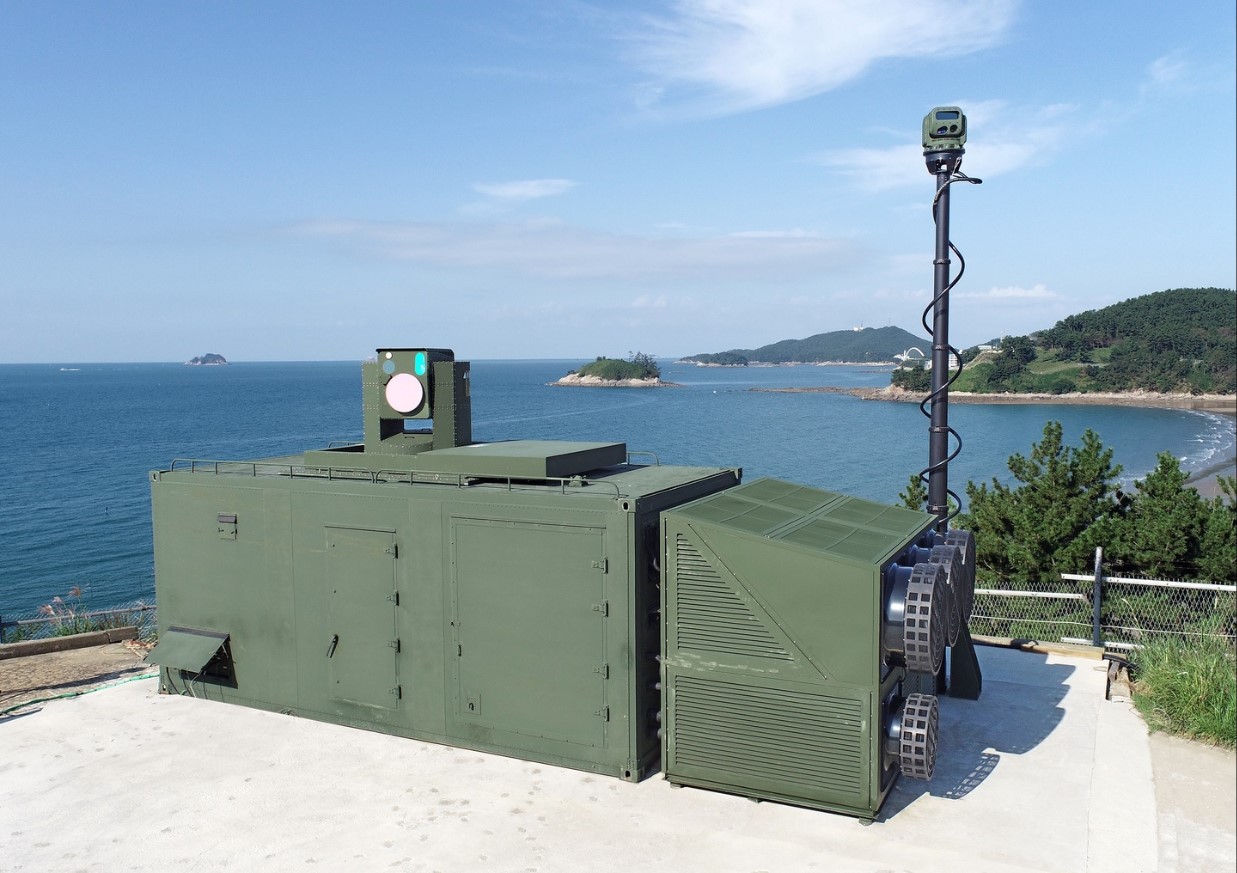
World
SEOUL, — June 01, 2026 : South Korea’s Defense Acquisition Program Administration (DAPA) announced on Monday the successful domestic production of the laser oscillator used in the country’s Cheongwang (Sky Light) Block-I directed energy air defense system, marking a major step in strengthening local defense manufacturing and counter-drone capabilities. The development, finalized in late May, increases the domestic component rate of the Cheongwang system from 76 percent to 90 percent by value. With the achievement, South Korea joins the United States, Israel, China, and Germany as one of the few countries capable of independently manufacturing high-performance laser oscillators, a technology subject to strict export controls. The laser oscillator is the central component of a high-energy laser weapon system. It generates the coherent laser beam and directly affects output power, beam quality, precision, and operational efficiency. Until now, South Korea relied on imported German-made oscillators for the system. To reduce supply dependency and shorten procurement timelines, South Korea pursued a parallel localization strategy during system development. The Agency for Defense Development (ADD) led the project, while Hanwha Systems served as the prototype manufacturer for the domestically developed oscillator. The Cheongwang weapon system itself was jointly developed by ADD and Hanwha Aerospace. According to DAPA, testing showed that the new domestic oscillator improved key performance indicators, including output power, by more than 50 percent compared with the imported system it replaces. Performance testing conducted on the Cheongwang Block-I prototype demonstrated shorter engagement times against aerial threats. Rotary-wing drones, including first-person-view (FPV) systems, saw interception times reduced from 2–4 seconds to 1–2 seconds. For fixed-wing unmanned aerial vehicles (UAVs), interception time decreased from more than 10 seconds to within a few seconds. Cheongwang is a 20-kilowatt-class fiber-optic laser system designed to neutralize small drones and multicopter-type aerial threats at distances of approximately 2 to 3 kilometers (1.2 to 1.9 miles). The system destroys targets by concentrating heat on vulnerable sections and operates silently and invisibly. Unlike missile-based air defense systems, the laser weapon does not require traditional ammunition and can maintain continuous operation as long as electrical power is available, effectively providing an unlimited magazine capacity. DAPA estimates the cost of a single interception at around 2,000 won (approximately $1.33 to $1.50), making it a lower-cost option compared with conventional missile interceptors, which can cost tens of thousands of dollars per engagement. South Korea became the first country to operationally deploy a military high-energy laser weapon after the Cheongwang system entered service in December 2024. Hanwha Aerospace-built units are currently deployed at frontline military positions and key government facilities in central Seoul, including locations near the Ministry of National Defense and the Presidential Office in Yongsan. Following the standardization of defense specifications completed in May 2026, all future mass-produced Cheongwang Block-I systems will incorporate the domestically manufactured laser oscillator. The effort to accelerate deployment and modernization of the system was influenced by growing concerns over aerial incursions from North Korea. In December 2022, five North Korean drones crossed into South Korean airspace, with one briefly entering the no-fly zone in central Seoul near the Presidential Office. The incident highlighted vulnerabilities in defending against low-cost and small unmanned aerial systems and contributed to a faster development and deployment timeline for Cheongwang. In June 2024, South Korea signed a production contract worth approximately 100 billion won (about $72 million) with Hanwha Aerospace, enabling the initial deployment of the system later that year. Jeong Gi-yeong, head of DAPA’s Future Forces Bureau, said the application of more capable domestically produced laser oscillators to the Cheongwang system is expected to strengthen the military’s independent response capabilities against hostile drones and unmanned aircraft threats. Building on the successful localization effort, DAPA has also outlined plans for the next-generation Cheongwang Block-II system. The future program will focus on increasing output power and precision while reducing size and weight to improve mobility. A more compact design is expected to support vehicle-mounted versions, allowing laser-based counter-drone capabilities to expand beyond fixed installations and frontline positions to mobile field units. The localization of the laser oscillator forms part of South Korea’s wider effort to improve self-reliance in critical defense technologies while developing cost-effective responses to evolving aerial threats.
Read More → Posted on 2026-06-01 16:27:49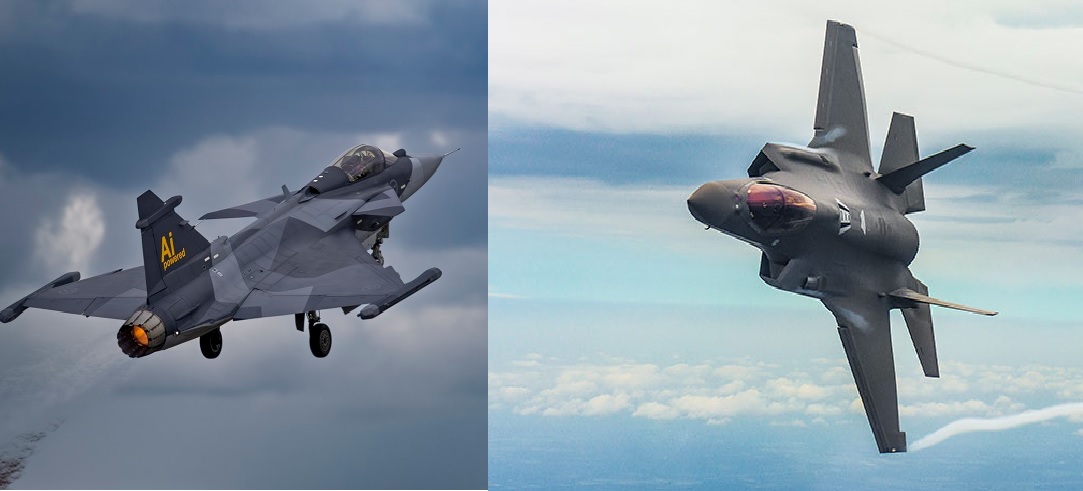
World
OTTAWA — June 01, 2026 : The Canadian government is advancing a revised fighter aircraft procurement strategy for the Royal Canadian Air Force (RCAF), moving toward a mixed fleet of approximately 30 Lockheed Martin F-35 Lightning II stealth fighters and around 60 Saab JAS 39 Gripen aircraft as part of efforts to modernize Canada’s air force while reducing dependence on a single defence supplier. The proposal, led by Prime Minister Mark Carney’s government, marks a significant change from Canada’s previous plan to acquire a sole fleet of 88 F-35 fighter jets. The revised approach is intended to diversify military procurement, strengthen domestic industrial participation, and balance operational requirements with long-term economic considerations. Review of Canada’s Fighter Procurement Strategy Canada originally selected the F-35 programme in 2022 to replace the aging CF-18 Hornet fleet. In early 2023, Ottawa signed a contract valued at approximately C$19 billion for the acquisition of 88 F-35 aircraft. Canada remains committed to the first 16 aircraft already in production, with deliveries scheduled to begin in 2026. However, Prime Minister Carney initiated a procurement review in March 2025 to examine alternatives to exclusive reliance on United States defence suppliers. The reassessment follows broader discussions surrounding defence diversification and trade-related tensions with Washington. The review includes options to reduce the size of the planned F-35 purchase while supplementing the fleet with European-made aircraft, particularly the Swedish Saab Gripen. Proposed Mixed Fleet Structure Under the proposed procurement model, Canada would retain approximately 30 F-35 aircraft to preserve fifth-generation stealth capabilities and maintain interoperability with the United States and NATO allies. Defence planners view the F-35 as essential for fulfilling North American Aerospace Defense Command (NORAD) responsibilities and participating in joint operations requiring advanced stealth, intelligence gathering, and strike capabilities. At the same time, Ottawa is considering the purchase of around 60 Saab Gripen fighters, which are regarded as a lower-cost multirole platform with simplified maintenance requirements and lower operating expenses compared to the F-35. The Gripen is designed to operate from shorter and dispersed runways, including improvised airstrips, giving it flexibility in remote and harsh operating environments such as northern Canada and Arctic regions. Saab’s Manufacturing Proposal in Canada A central part of Saab’s proposal is a commitment to establish a manufacturing and assembly facility in Canada if the Gripen programme is approved. The facility would assemble all Gripen aircraft intended for the RCAF while also supporting long-term maintenance, lifecycle upgrades, and sustainment operations. Saab has proposed technology transfer and intellectual property sharing to strengthen Canada’s domestic aerospace capabilities and allow greater sovereign control over fleet maintenance. Economic projections linked to the proposal estimate that the programme could create up to 9,000 direct and indirect jobs across Canada’s aerospace and defence industries during the life of the programme. Earlier Saab submissions suggested total employment benefits could exceed 12,600 positions when including related programmes such as production support for GlobalEye airborne surveillance aircraft. Potential Support for Ukraine Saab’s proposal also includes using Canadian production facilities to manufacture additional Gripen aircraft intended for Ukraine under future European defence support arrangements. Sweden has committed to supporting future Gripen transfers to Ukraine, with plans involving up to 20 Gripen E/F aircraft through European Union-backed financing mechanisms. Saab Deputy Chief Executive Officer Anders Carp has stated that Canada could serve as a production and export hub for Gripen aircraft designated for Ukraine if Ottawa proceeds with the programme. The Gripen is considered particularly valuable by Ukrainian defence officials due to its ability to operate from dispersed, short, or improvised runways, an operational requirement shaped by continued attacks on conventional airbases during the ongoing conflict. Saab has previously implemented similar domestic production and technology transfer arrangements in Brazil, where local assembly facilities were established for the country’s Gripen fleet. Strategic and Operational Considerations The proposed mixed-fleet structure reflects a broader strategic adjustment by the Carney government aimed at balancing operational effectiveness, industrial benefits, and defence independence. By maintaining a smaller F-35 fleet, Canada would preserve advanced stealth capabilities required for high-end combat operations while ensuring compatibility with NORAD and NATO systems. Meanwhile, a larger fleet of domestically assembled Gripens could reduce operating costs and provide Canada with greater control over aircraft maintenance, spare parts, upgrades, and supply chains. Supporters of the proposal argue that domestic manufacturing would strengthen industrial sovereignty and expand long-term aerospace employment opportunities within Canada. However, some defence analysts have raised concerns regarding the operational complexity of maintaining two separate fighter platforms. Critics argue that a mixed fleet may create additional logistical demands, training requirements, and sustainment costs because of separate maintenance systems and supply chains. Questions have also been raised about the potential impact of reducing Canada’s F-35 fleet on defence integration within NORAD and broader continental defence planning. Decision Timeline Defence Minister David McGuinty confirmed in April 2026 that the government’s procurement review remains active, though no final timeline has been announced for a decision. Government officials and defence stakeholders are expected to assess cost projections, production schedules, industrial benefits, and operational requirements in the coming weeks before any formal contracts are finalized. Prime Minister Carney has stated that Canada’s defence procurement policy must support both national security requirements and domestic economic interests. The final decision is expected to shape the Royal Canadian Air Force’s modernization programme and Canada’s defence partnerships for decades.
Read More → Posted on 2026-06-01 16:11:08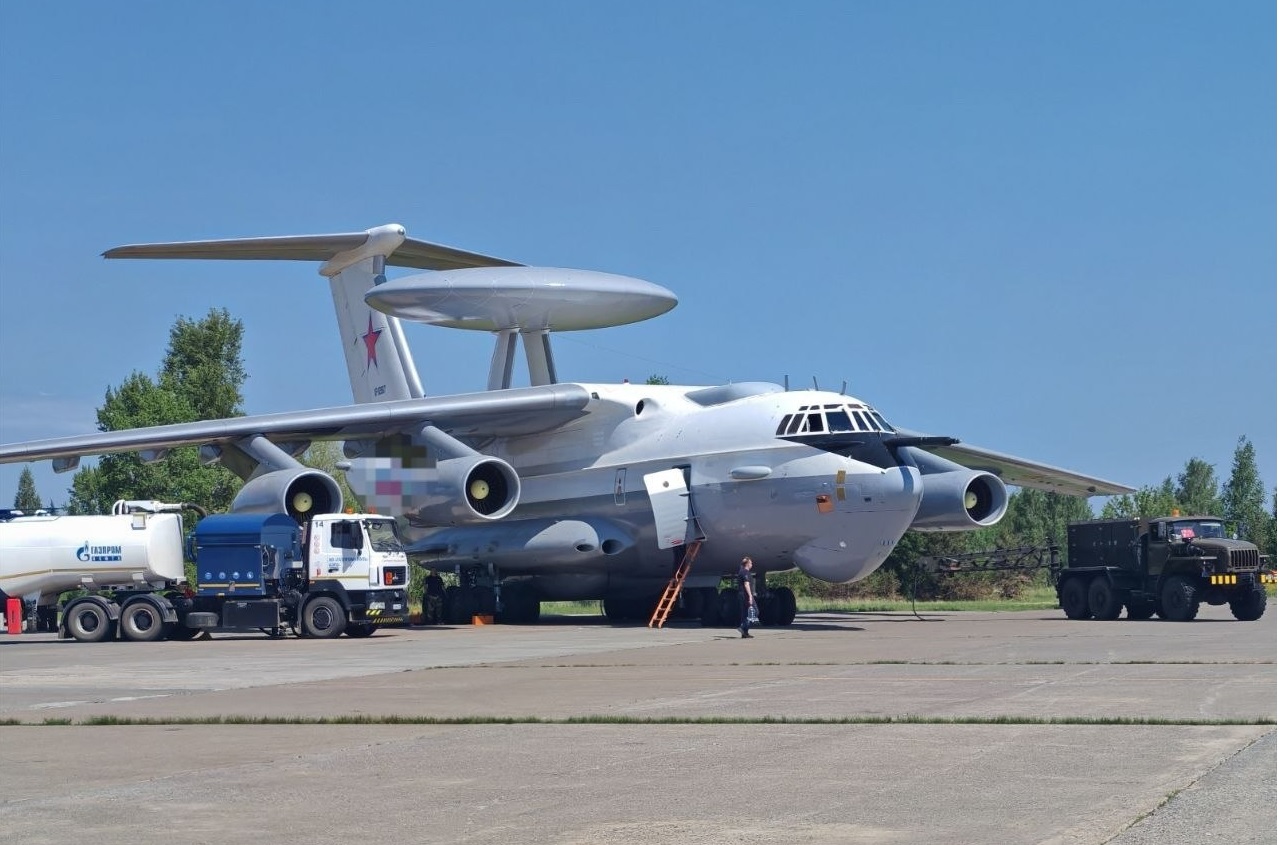
World
MOSCOW, — June 01, 2026 : The Russian Aerospace Forces (RuAF) have taken delivery of another upgraded A-50U Airborne Early Warning and Control (AEW&C) aircraft, marking a continued effort to restore airborne radar and surveillance capabilities following fleet attrition and production delays linked to industrial constraints and sanctions. Images of the aircraft handover surfaced on May 31 through the Fighter-Bomber Telegram channel, a platform known for connections to Russian frontline aviation units. The post stated that “another upgraded and modernized A-50U has been handed over to the military.” In the released images, the aircraft’s registration and tactical “Bort” number were blurred, preventing open-source verification of the specific airframe. The Russian aerospace manufacturer United Aircraft Corporation (UAC) had not released official photographs or issued a public statement regarding the delivery at the time of reporting. However, military analysts believe the aircraft has likely been assigned to the 2457th Aviation Base for Combat Operation of Airborne Early Warning Aircraft at Ivanovo Severny, the primary operating location for Russia’s A-50 fleet. A-50U Modernization and Operational Capabilities The A-50U, designated “Mainstay” by NATO, is an upgraded version of the Soviet-era A-50 airborne early warning aircraft that entered service in 1984. The aircraft is built on the Ilyushin Il-76MD strategic airlifter platform and forms part of a modernization program launched in 2003 to improve Russia’s airborne surveillance and command capabilities. The upgrade program, led by Beriev and supported by radar systems produced by JSC Vega, introduced major improvements in radar performance, avionics, and mission systems. At the center of the modernization is the Vega-M radar, which significantly expands target detection and tracking capacity compared to the original A-50 platform. According to available specifications, the A-50U can simultaneously track up to 150 aerial targets at distances of up to 595 kilometers. By comparison, the original A-50 was capable of tracking approximately 45 targets at around 225 kilometers. The aircraft is also capable of guiding up to 12 fighter aircraft during interception missions. Its radar can detect low-flying fighter-sized targets amid ground clutter at distances ranging from 200 to 400 kilometers, while maritime targets can reportedly be identified at ranges of up to 400 kilometers. Modernization work has replaced legacy analog systems with digital signal processing equipment, updated mission computers, modern liquid-crystal displays, and improved communication and navigation systems. The use of lighter onboard electronics has also improved computing efficiency and reduced crew fatigue during extended patrol operations. Fleet Losses and Operational Challenges The latest delivery comes as Russia continues efforts to rebuild a fleet that has experienced significant losses during the war in Ukraine. Prior to this addition, estimates suggested that between five and seven operational A-50U aircraft remained in Russian service. Ukraine destroyed at least three A-50 aircraft between early 2024 and mid-2025. The first confirmed loss occurred on January 14, 2024, when an A-50 and an Il-22 radio relay aircraft were lost over the Sea of Azov. A second A-50 was destroyed on February 23, 2024, in the same region. The U.S. Army later stated that the aircraft had been targeted in a “SAMbush” operation involving a Patriot surface-to-air missile system. Another setback followed on June 1, 2025, during Ukraine’s Operation Spiderweb, when First-Person View (FPV) drones struck at least one A-50 aircraft at an airfield. The operation also targeted several long-range aviation assets, including seven Tu-95 bombers, four Tu-22M aircraft, and an An-12 transport aircraft. Russia’s airborne radar production and modernization process has historically progressed slowly, with aircraft often completed at intervals of one to two years. Analysts have linked the limited number of operational airborne warning aircraft to reduced radar coverage and challenges in detecting long-range drone and missile attacks inside Russian territory. In response, Moscow has accelerated domestic production of electronic components and reinforced ground-based air defense systems around key cities and strategic infrastructure. A-100 Premier Program Russia’s long-term replacement for the A-50U is the A-100 Premier airborne early warning aircraft, which is based on the newer Il-76MD-90A platform. The A-100 is designed to incorporate an Active Electronically Scanned Array (AESA) radar system with improved tracking and surveillance capabilities. According to reported specifications, the aircraft can monitor up to 300 targets at distances of approximately 643 kilometers and remain airborne for around 10 hours without refueling. Radar testing of an A-100 prototype reportedly took place in June 2024, and at least two aircraft are believed to have been constructed. However, serial production has yet to begin as testing schedules and component availability continue to affect program timelines. Broader Russian Aviation Capability Despite limitations in airborne radar coverage, Russia continues to maintain a substantial combat aviation inventory. By the end of 2025, Russian frontline forces reportedly operated 142 Su-34 interdiction bombers, including the upgraded Su-34M variant developed using operational lessons from Ukraine. The fleet also included approximately 384 multirole fighters across the Su-27, Su-30, and Su-35 series. Russia’s long-range aviation force reportedly consisted of 57 Tu-22M bombers, 47 Tu-95 strategic bombers, and 15 Tu-160 aircraft. Production of specialized aviation systems has also continued, including reported work on a two-seat Su-57D variant of Russia’s fifth-generation fighter aircraft. The delivery of the latest A-50U reflects Russia’s ongoing effort to maintain and gradually rebuild airborne early warning capacity while the A-100 Premier remains under development. The aircraft is expected to support surveillance, air coordination, and command functions as part of Russia’s wider air defense and aviation network.
Read More → Posted on 2026-06-01 15:59:35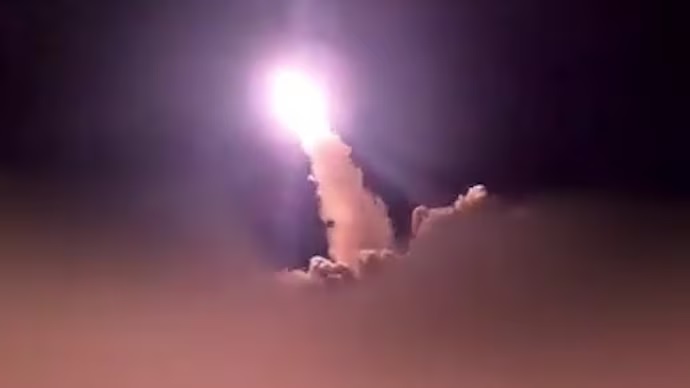
World
KUWAIT CITY/TEHRAN, — June 01, 2026 : Iran’s Islamic Revolutionary Guard Corps (IRGC) launched retaliatory missile and drone strikes against a Gulf airbase used by United States forces on Monday, prompting Kuwait to activate air defense systems and intercept incoming threats as tensions increased despite an ongoing ceasefire between Washington and Tehran. The IRGC said the operation was carried out in response to a recent U.S. military strike targeting an Iranian communications and telecommunications tower on Sirik Island in Hormozgan Province. According to the IRGC, its Aerospace Force targeted the airbase from which the U.S. operation allegedly originated, stating that the “predicted targets were destroyed.” Although the IRGC did not initially identify the location of the targeted installation, the U.S. Central Command (CENTCOM) later confirmed that American personnel stationed in Kuwait were the intended target. CENTCOM stated that U.S. forces intercepted two Iranian ballistic missiles at approximately 11 p.m. Eastern Time on Sunday, adding that no American personnel were harmed during the attack. The command said the missiles were “immediately defeated” and noted that U.S. forces remain prepared to protect personnel and facilities in the region while continuing to support the ceasefire agreement currently in effect between the two countries. Regional reports indicated that the attack was directed toward Ali Al Salem Air Base in Kuwait, with debris from intercepted projectiles reportedly damaging MQ-9 Reaper drones stationed at the facility. However, U.S. officials maintained that there were no personnel casualties. Kuwait’s air defense systems were activated after warning sirens sounded across Kuwait City during the incident. Kuwaiti authorities reported that missiles and drones approaching the country’s airspace were intercepted before reaching their intended targets. In a statement issued Monday, Kuwait’s Foreign Ministry condemned the attack and reiterated the country’s right to take all necessary measures to safeguard its sovereignty, territorial integrity, and civilian safety. Kuwaiti officials emphasized that national security measures would continue amid rising regional tensions. The exchange followed a series of U.S. military operations conducted over the weekend, which American officials described as “self-defense” strikes. According to CENTCOM, U.S. forces targeted Iranian radar systems and drone command-and-control facilities located in the city of Goruk and on Qeshm Island after what Washington described as aggressive Iranian actions in the Gulf region. Among the developments preceding the escalation was the destruction of a U.S. MQ-1 Predator drone. The United States stated that the drone had been operating over international waters in the Persian Gulf when it was downed by Iranian air defense systems. Iran, however, disputed the claim and stated that the drone had entered Iranian territorial waters, leading to its interception. Iranian officials have argued that countries hosting U.S. military facilities used in operations against Iranian territory cannot avoid responsibility for the consequences of such actions. The IRGC also warned that any repetition of similar strikes against Iranian assets could prompt further responses. Despite the recent military exchanges, an April 8 ceasefire agreement between Iran and the United States officially remains in place. The truce, which largely halted a three-month period of hostilities, continues to be tested by repeated incidents and competing security claims by both sides. Diplomatic efforts aimed at preventing further escalation remain ongoing. Delegations from both countries are reviewing a potential memorandum of understanding intended to establish a longer-term framework for ending hostilities. However, reports indicate that negotiations have recently slowed amid disagreements over proposed conditions and differing interpretations of security commitments. U.S. officials have described recent military actions as measured responses intended to protect forces and maintain regional stability, while Iranian authorities maintain that retaliatory measures are necessary to respond to attacks on their territory. The latest exchange highlights continuing tensions in and around the Strait of Hormuz, a strategically important waterway for regional security and global energy shipments, even as diplomatic discussions continue.
Read More → Posted on 2026-06-01 15:47:18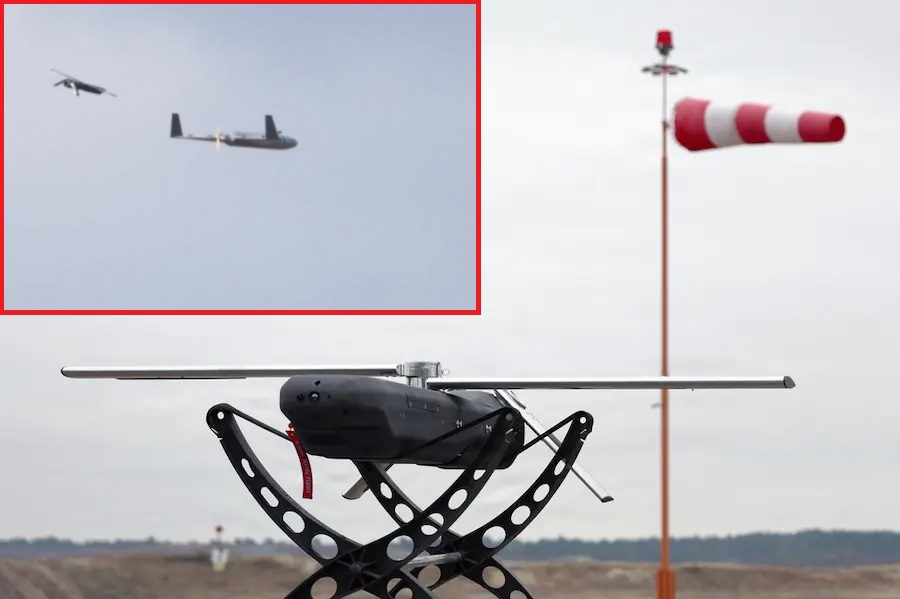
U.S. Army Tests Low-Cost Skyhammer Interceptor in Europe to Counter Drone and Cruise Missile Threats
World
SEMBACH, Germany — June 01, 2026 : The U.S. Army’s 52nd Air Defense Artillery Brigade (52d ADA BDE) has conducted developmental testing of the Skyhammer interceptor during the Project Bullfrog exercise series in Europe, evaluating the system’s role in strengthening layered air and missile defense against drones and low-speed cruise missile threats. The testing forms part of the brigade’s broader effort to identify cost-effective air defense capabilities for forward-deployed forces across the European and African theaters. Brigade personnel worked alongside engineers and operational planners to assess Skyhammer’s flight control, performance, and integration potential within existing air defense networks. Developed by UK-based Cambridge Aerospace, Skyhammer is designed as a lower-cost interceptor intended to address growing operational concerns over the use of expensive missile systems against low-cost aerial threats such as one-way attack drones. Modern air defense systems often rely on high-value interceptors to destroy targets that are significantly cheaper to produce, creating operational and budgetary challenges. Founded in late 2024 by aerospace specialist Steven Barrett and former UK Defence Secretary Grant Shapps, Cambridge Aerospace developed Skyhammer to support layered air defense at lower cost. The jet-powered, tube-launched interceptor weighs approximately 18 kilograms, has a range exceeding 30 kilometers, and can reach speeds of around 700 kilometers per hour, or approximately Mach 0.58. During Project Bullfrog, soldiers and technical teams evaluated how Skyhammer could improve defensive depth, increase magazine capacity, and expand engagement options against aerial threats within an integrated defense architecture. The testing is linked to the Eastern Flank Deterrence Initiative (EFDI), a NATO-supported operational concept led by U.S. Army Europe and Africa (USAREUR-AF) and NATO Allied Land Command. The initiative focuses on the use of unmanned and minimally manned systems supported by integrated mission command networks that process live operational data to improve battlefield decision-making and force coordination. Capt. Kurt Blumeyer, Weapons Evaluation Test Cell Officer for the 52nd Air Defense Artillery Brigade, said the testing enabled soldiers and developers to assess operational requirements and evaluate emerging technologies against identified defense gaps. “The threat is adapting quickly, and our formations must move with the same urgency,” Blumeyer said. “These tests allowed Soldiers and developers to work side by side, identify operational requirements, and evaluate whether emerging technology can help close real gaps in the current defense design.” Cambridge Aerospace officials said the exercise provided operational feedback to support refinement of the interceptor for military use. Chris Sylvan, Chief Commercial Officer and co-founder of Cambridge Aerospace, said feedback from brigade personnel contributed to understanding how the system could be adapted to operational requirements. “This partnership with the 52nd Air Defense Artillery Brigade allowed us to put Skyhammer in front of Soldiers who understand the threat and the mission,” Sylvan said. “Their feedback was direct, operationally grounded, and invaluable as we continue refining the system for real-world use.” Alongside Skyhammer, the brigade is also working with Cambridge Aerospace on Starhammer, a higher-speed interceptor intended for counter-cruise missile operations. Starhammer is described as a solid-rocket-powered interceptor capable of speeds up to Mach 2 with a range of approximately 10 kilometers. Maj. Cody Davis, Operations Officer for the 52nd ADA Brigade, said the Army is seeking to expand magazine depth for both counter-drone and counter-cruise missile operations while reducing overall costs. “Along with increasing magazine depth amongst c-UAS capabilities, we are looking to do the same in the counter cruise missile space, at a low cost, to augment our exquisite interceptors,” Davis said. “Currently, we are planning to integrate Starhammer into existing joint-force and European multinational exercises.” Brigade officials emphasized that the developmental testing does not represent a procurement or fielding decision. Following the recent tests, the U.S. Army’s Global Tactical Edge Acquisition Directorate (G-TEAD) is expected to invite Cambridge Aerospace to participate in a formal operational assessment scheduled for this summer. The assessment will evaluate Skyhammer under operational conditions relevant to current and future ground-based air defense requirements and provide additional data on potential integration and future employment. Through Project Bullfrog, the 52nd Air Defense Artillery Brigade continues to evaluate emerging technologies intended to strengthen air defense capabilities and improve protection of critical assets across Europe and Africa.
Read More → Posted on 2026-06-01 14:54:09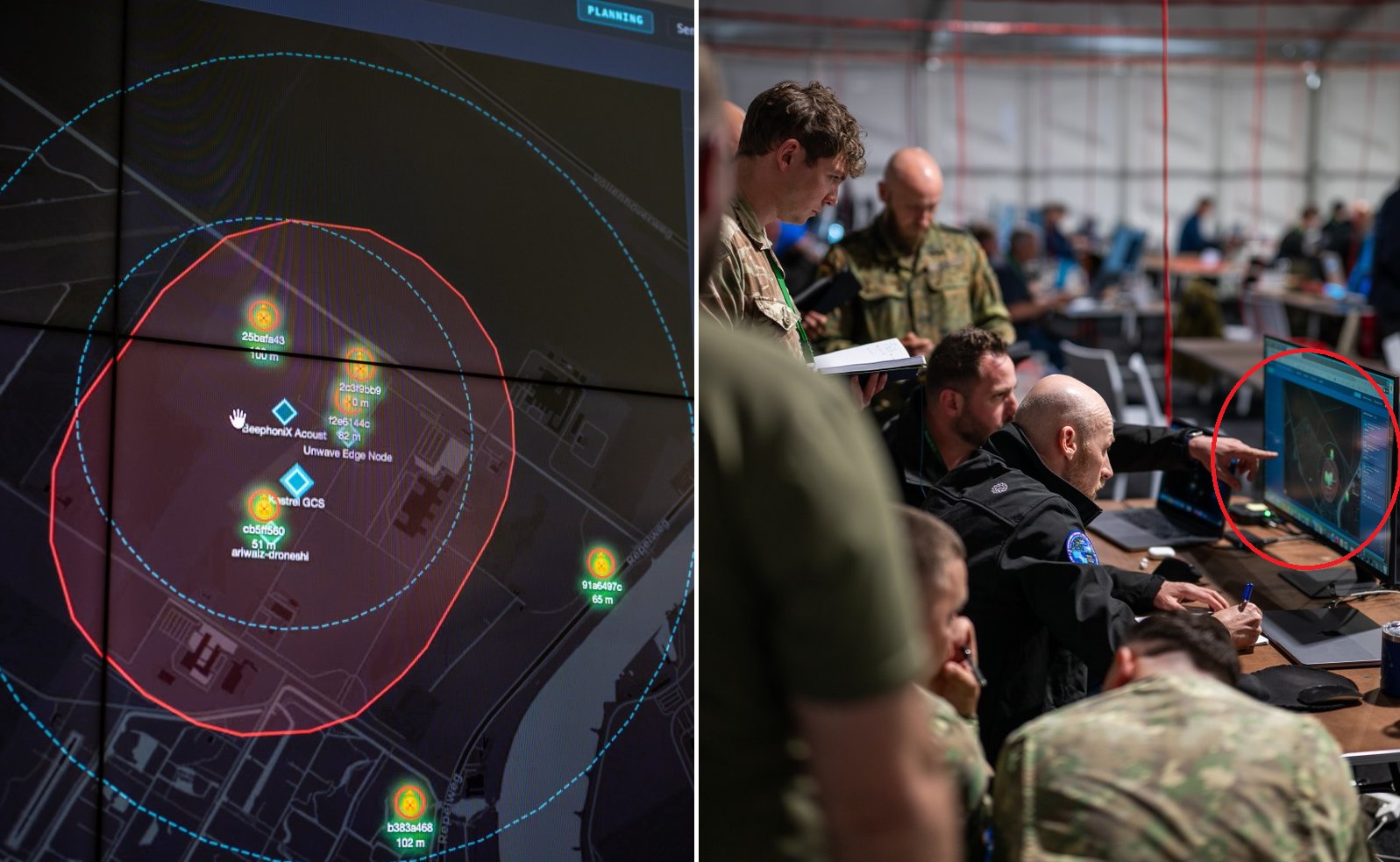
World
THE HAGUE, Netherlands — June 01, 2026 : Airwayz’s OVERWATCH airspace governance platform has received official interoperability certification from NATO’s Communications and Information Agency (NCIA) after successfully participating in NATO’s Technical Interoperability Exercise (TIE 26), a major multinational counter-drone exercise held in the Netherlands. The certification follows the platform’s role as the primary command and control (C2) system for “Team BRAVO,” where it integrated sensor and response systems from 13 countries into a single operational picture during live testing against simulated drone threats. Held from May 11 to 22, 2026, at the Royal Netherlands Aerospace Centre (NLR) in Marknesse, TIE 26 is NATO’s principal exercise for evaluating interoperability among counter-unmanned aircraft systems (C-UAS). Organized by the NCIA, this year’s event brought together nearly 300 military personnel, technical specialists, and industry participants from 11 allied nations, alongside partner countries Australia and Ukraine. The exercise focused on testing how military and commercial counter-drone systems can operate together in realistic operational conditions. More than 60 counter-drone systems and 40 command-and-control software applications from around 40 companies were evaluated during the 11-day event. The testing process reflected lessons from recent conflicts, particularly the growing role of small drones and the increasing complexity of countering unmanned threats in contested environments. OVERWATCH Demonstrates Multi-Nation Integration During the live performance challenge, OVERWATCH served as Team BRAVO’s central command-and-control platform and connected with 46 counter-drone nodes under NATO’s STANREC 4869 framework, a standardized recommendation for countering Class I unmanned aircraft systems, which include small tactical drones widely used in modern conflicts. The integrated network included 31 Fusion Nodes, designed to combine information from multiple sensors, and 15 Edge Nodes, consisting of individual sensors and effectors operating at the tactical level. Through this structure, OVERWATCH combined data from systems that had not previously been integrated and generated a single Recognised Air Picture for operators. According to Airwayz, the platform managed information from a wide range of technologies contributed by participating countries, including acoustic detection systems, passive radio-frequency sensing, radar systems, jammers, kinetic interceptors, and remote identification tools. The company said the level of interoperability achieved during the exercise demonstrated the platform’s ability to connect multiple systems rapidly under operational conditions. SAPIENT Architecture and Command Capability An important element of the certification process involved the platform’s performance within the SAPIENT architecture, short for Sensing for Asset Protection with Integrated Electronic Networked Technology. SAPIENT provides a common data language that allows sensors, effectors, and command systems developed by different manufacturers to exchange information without requiring custom software integration. Beyond data sharing, OVERWATCH demonstrated direct SAPIENT Tasking capability during the exercise. This enabled the platform not only to receive and process sensor information but also to issue commands to response systems, allowing operators to coordinate mitigation measures through a single command layer. Brigadier General (Res.) Yaron Rosen, Executive Chairman of Airwayz, said the results of TIE 26 demonstrated the operational importance of systems capable of processing large-scale drone activity and integrating multiple technologies under a unified command framework. Operational Use Beyond Testing The NATO certification builds on OVERWATCH’s operational deployment in civilian and security environments. The platform has been operating at the Port of Rotterdam for approximately three and a half years, where it supports the management of complex civilian airspace and coordinates more than 80 drone operations each day without interruption. Airwayz said the platform has also been used in operational environments linked to security and conflict-related applications. In addition, OVERWATCH has supported live security exercises at large public events, including FIFA World Cup fan zones, where authorities require coordinated airspace monitoring and response capabilities. Next Phase: Baltic Trust 2026 Successful validation at TIE 26 qualifies OVERWATCH for Baltic Trust 2026 (BATT26), a NATO operational field exercise scheduled for August 2026 in Latvia. The exercise is expected to focus on counter-drone preparedness and interoperability in NATO’s eastern region, where member states continue to strengthen defenses against unmanned aerial threats. Participation in BATT26 will allow Airwayz to further demonstrate the platform’s capabilities to military commanders and operational planners seeking scalable systems capable of integrating technologies from multiple allied countries. The certification achieved during TIE 26 highlights NATO’s broader emphasis on interoperable counter-drone systems that can connect sensors, command networks, and response tools within a common operational framework. As drone technologies continue to expand across civilian and military environments, alliance members are increasingly focusing on systems that support coordinated and standardized responses across different operational settings.
Read More → Posted on 2026-06-01 14:43:44
World
TEHRAN — June 1, 2026: Iranian President Masoud Pezeshkian has reportedly submitted a resignation letter to the office of Supreme Leader Mojtaba Khamenei, according to multiple international media reports citing unnamed sources. The reports claim the president raised concerns over his administration’s exclusion from major state decision-making and the growing role of hardline factions within the Islamic Revolutionary Guard Corps (IRGC). Iranian officials, however, have firmly rejected the reports and described them as false. According to a report by Fox News citing sources from the London-based media outlet Iran International, Pezeshkian allegedly submitted a letter requesting to step down from office immediately. The reported letter stated that his administration had become increasingly sidelined from important government decisions, preventing him from effectively carrying out his constitutional and executive responsibilities. The reported resignation letter allegedly claimed that hardline elements within the IRGC had assumed control over key national affairs, leaving the elected administration unable to function independently. Pezeshkian reportedly wrote that under such conditions he could no longer govern effectively or fulfill his legal obligations as president. Iran International reported that the letter was sent to the office of Supreme Leader Mojtaba Khamenei on May 31, though there has been no confirmation from Iranian authorities regarding its existence or authenticity. The outlet claimed that Pezeshkian warned in the letter that the structure of government had deviated from official processes and that key parts of the administration were under the control of a particular political spectrum. The reported development comes amid ongoing concerns regarding tensions between Iran’s civilian leadership and the IRGC, which holds significant authority in national security, military affairs, and regional policy. Independent reports have pointed to differences between civilian institutions and military commanders over the management of recent conflicts and their economic impact on Iranian citizens. One reported area of disagreement concerns the management of shipping through the Strait of Hormuz, a strategically important maritime route. According to reports, Iran’s foreign ministry and civilian government have sought to maintain commercial shipping access for selected partner countries, including India, while IRGC units have at times acted independently in maritime operations involving commercial vessels. Reports have also suggested communication challenges between the civilian administration and the country’s highest leadership. Following his succession earlier this year, Supreme Leader Mojtaba Khamenei is reportedly operating from a secure undisclosed location, with communication allegedly taking place through intermediary channels. According to these accounts, IRGC officials have reportedly acted as intermediaries between the president’s office and the Supreme Leader, contributing to reported institutional difficulties within the government structure. Iranian authorities moved quickly to reject the resignation claims. Seyed Mehdi Tabatabaei, Deputy for Communications and Information Dissemination in the President’s Office, described the reports as baseless and rejected suggestions that President Pezeshkian intended to leave office. Tabatabaei stated that statements regarding the president’s position should not be taken seriously and characterized the reports as “childish behaviors of a few misguided elements.” He also said that Iran has many capable young people who are prepared to contribute to governance and leadership responsibilities. He further described the reports as “rumor-mongering by a disreputable foreign network” and said they represented a continuation of what he called previous media campaigns aimed at promoting inaccurate narratives about Iran’s political system. Separately, an informed government source cited by Tasnim News Agency dismissed Iran International’s report and denied that President Pezeshkian had submitted a resignation letter to Supreme Leader Mojtaba Khamenei. The source described Iran International as a “factory of fabrications” and claimed the outlet was affiliated with Mossad. “The president has not resigned. He worked today and his future plans will proceed as usual,” the source said. According to the source, the spread of such reports is intended to collect intelligence for Mossad and the CIA and to create division and weaken social cohesion inside Iran. Tabatabaei emphasized that President Pezeshkian remains committed to his responsibilities and will continue serving the country. He also rejected claims of political deadlock between the civilian government and military institutions, stating that the administration continues to carry out its daily executive operations without interruption. Masoud Pezeshkian, considered a reformist-leaning political figure, assumed office as president in 2024. His administration has overseen a period marked by regional tensions, economic challenges, and continuing debate over the balance of authority between elected institutions and influential security organizations such as the IRGC. As of June 1, there has been no official confirmation from the office of the Supreme Leader regarding the reported resignation letter, and President Pezeshkian continues to perform his official duties.
Read More → Posted on 2026-06-01 14:30:49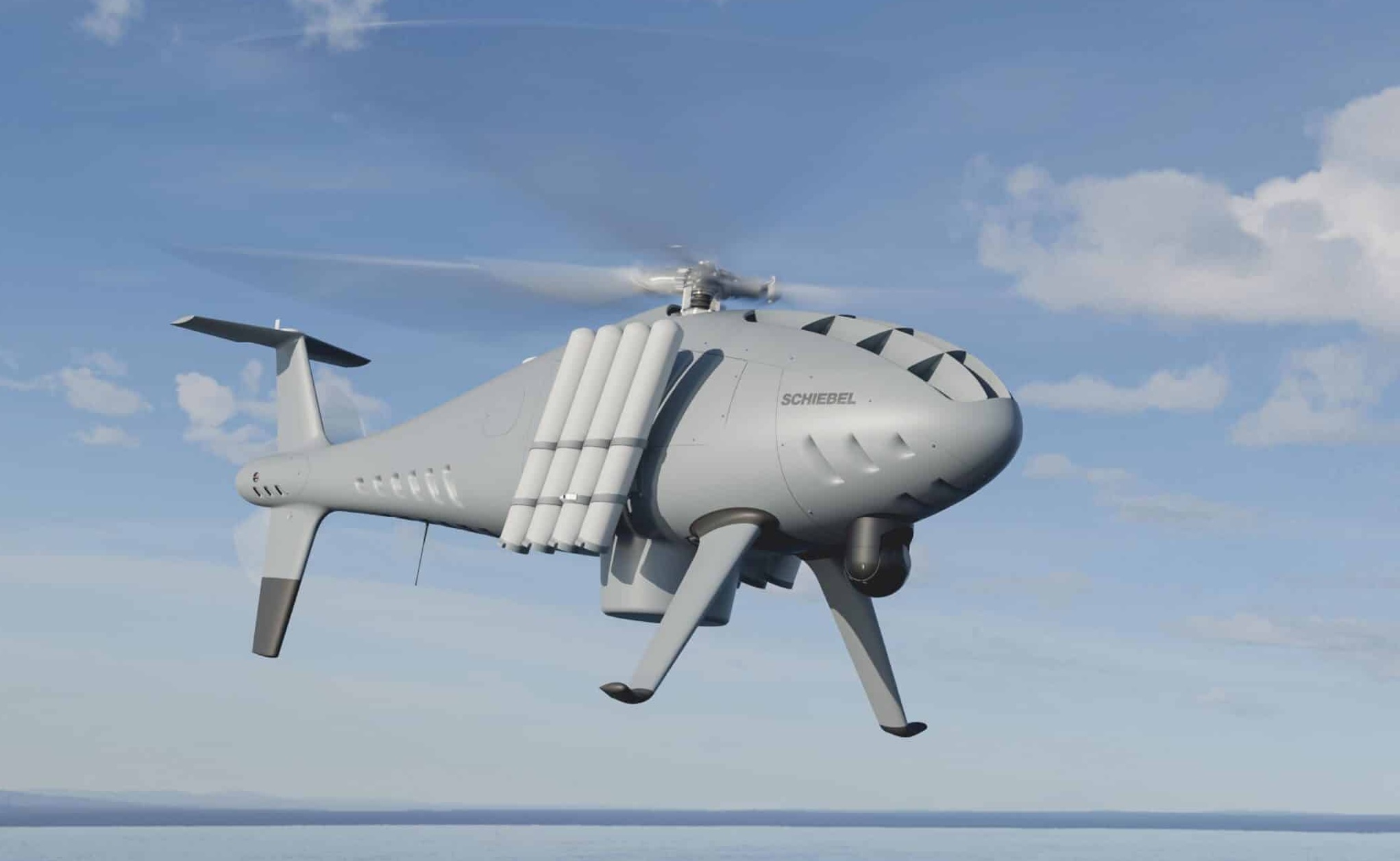
World
VIENNA/NEW DELHI, — June 01, 2026 : Austrian unmanned systems manufacturer Schiebel Group has announced that its CAMCOPTER S-300 unmanned aerial system (UAS) has been selected as the airborne platform for the European Union-funded SWORD program, a major defence initiative focused on developing next-generation stand-off anti-submarine warfare (ASW) capabilities for European naval forces. The project, formally titled Stand-off Anti-Submarine Warfare Operations by Remote Deployment (SWORD), is a 36-month research effort operating under the European Defence Fund (EDF) with a budget of approximately €20 million. Led by German naval systems manufacturer TKMS ATLAS ELEKTRONIK, the multinational initiative seeks to build an integrated “sensor-to-shooter” operational chain capable of detecting, tracking, classifying, and neutralizing underwater threats while reducing risks to crewed naval platforms. At the centre of the project is a shift in how anti-submarine operations are conducted. Traditionally, naval vessels hunting submarines must move close to suspected underwater contacts to deploy sonar systems and confirm detections. This process often places surface ships within the potential engagement range of hostile submarines. SWORD aims to reduce this risk by using remotely deployed sensors carried by unmanned platforms, enabling naval forces to monitor and respond to submarine threats from safer distances of at least 40 nautical miles. Growing Focus on Undersea Security The program comes amid increasing attention to undersea security in Europe. Over the past decade, Russia and China have modernized and expanded their submarine fleets, introducing quieter and more capable platforms designed for intelligence gathering, surveillance, and strategic operations across maritime regions including the North Atlantic, Arctic, and Mediterranean. As submarines become harder to detect, naval planners are placing greater emphasis on stand-off anti-submarine concepts that combine manned and unmanned systems to improve surveillance coverage and operational response times. SWORD is intended to create a system-of-systems architecture that allows remote deployment of sensors while maintaining continuous situational awareness over large maritime areas. Why the CAMCOPTER S-300 Was Selected Schiebel’s CAMCOPTER S-300 was selected due to a combination of payload capacity, endurance, and shipborne operational flexibility that aligns closely with SWORD’s requirements. The heavy-lift vertical take-off and landing (VTOL) drone can operate from the flight decks of standard naval vessels without requiring a runway. Its three-bladed foldable rotor system allows it to be stored within existing ship hangars, making it suitable for deployment aboard ships with limited onboard space. The platform is capable of carrying substantial mission payloads required for anti-submarine warfare. According to Schiebel, the S-300 has a maximum takeoff weight of approximately 700 kilograms (1,545 pounds), an empty weight of around 320 kilograms (705 pounds), and payload capacity of up to 350 kilograms (772 pounds), including fuel. This capacity enables the aircraft to transport sonar equipment, multiple sonobuoys—including NATO-standard A-size and G-size variants—and additional surveillance systems used to establish acoustic detection fields over wide maritime zones. These systems can help naval operators search for submerged contacts without moving crewed ships directly into potentially contested areas. Another key advantage is endurance. The S-300 can reportedly remain airborne for up to 24 hours with lighter payload configurations of around 50 kilograms, while missions involving heavier payloads of roughly 250 kilograms generally allow flight durations of around six hours. Such endurance supports persistent monitoring, an important requirement in anti-submarine warfare where maintaining continuous contact with a suspected submarine can be operationally significant. In terms of performance, the platform measures approximately 4.85 meters in length, stands 1.89 meters high, and uses a main rotor diameter of 5.3 meters. It offers a dash speed of up to 120 knots, a cruise speed of around 55 knots optimized for endurance, a service ceiling reaching 21,000 feet, and a data-link range of up to 200 kilometers. Building on an Existing Naval Ecosystem The S-300 also benefits from compatibility with Schiebel’s smaller and widely operated CAMCOPTER S-100 platform. Both systems use the same ground control station, allowing military operators already familiar with the S-100 to transition to the larger aircraft without major retraining or new operational infrastructure. The S-100 platform has accumulated extensive operational experience with naval and defence users in countries including Germany, France, Italy, and the United Arab Emirates. According to Schiebel, the S-300 builds upon this operational foundation while expanding payload and endurance capabilities for more demanding missions. The aircraft has undergone testing campaigns in France and surpassed 100 flight hours during evaluation programs, supporting its maturation for operational use. European Defence Cooperation The SWORD initiative reflects broader European efforts to strengthen defence cooperation and reduce duplication across national military research programs. Supported through the European Defence Fund, the project brings together companies, research institutions, and universities from several countries including Germany, Denmark, Greece, Cyprus, Italy, the Netherlands, and Poland. Among the contributors is Poland’s Military University of Technology (WAT), which is involved in work related to multi-platform effectors and rapid-response operational networks. Additional partners include defence and research organizations such as MBDA Deutschland, Fraunhofer-Gesellschaft, and TNO in the Netherlands. TKMS ATLAS ELEKTRONIK, which leads the project, contributes expertise in naval combat systems, underwater detection technologies, and submarine-related operations. As part of thyssenkrupp Marine Systems, one of Europe’s principal submarine builders, the company brings technical understanding of submarine operating behaviour, tracking requirements, and underwater detection challenges. “We are proud that the CAMCOPTER S-300 has been selected for this important European Defence initiative,” Hans Georg Schiebel, Chairman of the Schiebel Group, said in a statement. He described SWORD as an example of European cooperation in a strategically relevant maritime defence area and said the selection highlights the S-300’s ability to support future unmanned anti-submarine warfare concepts. With operational facilities in Austria, France, the United States, Australia, and the UAE, Schiebel said participation in SWORD represents an important step in advancing heavy-lift unmanned systems for maritime defence missions. Development under the SWORD program will continue over the next three years, with participating organizations expected to focus on technology integration, operational testing, and demonstrations as Europe advances stand-off anti-submarine warfare capabilities for future naval operations.
Read More → Posted on 2026-06-01 14:14:00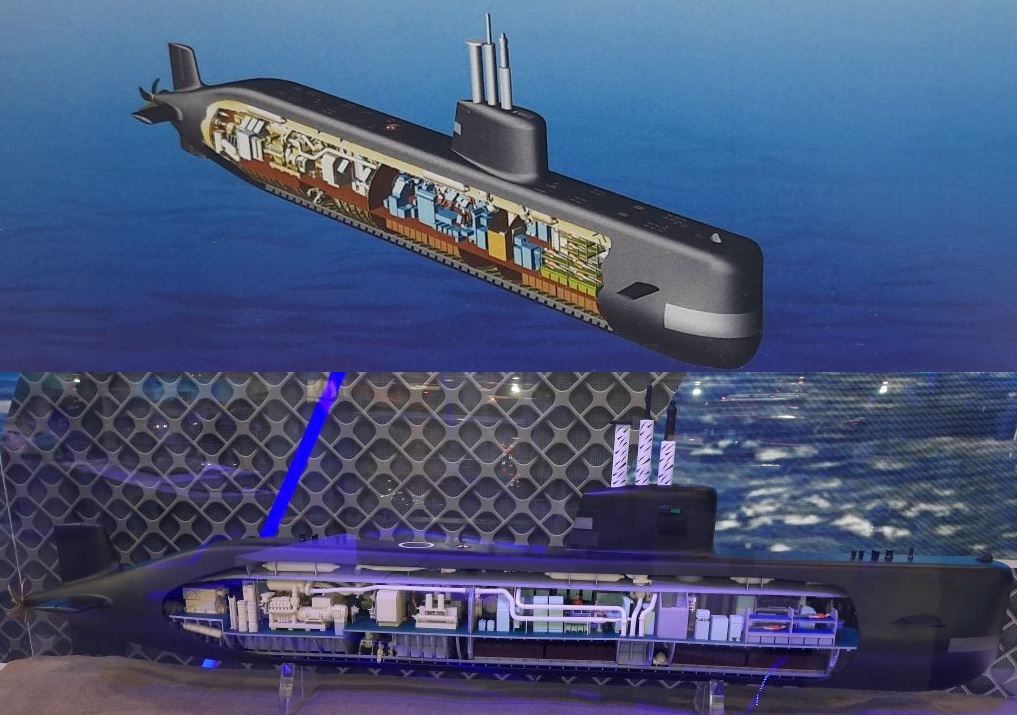
India
NEW DELHI — 01 June 2026 : The Indian Navy is advancing plans to acquire Special Operations Vessels (SOVs) and Swimmer Delivery Vehicles (SDVs) to strengthen the covert underwater operational capabilities of its elite Marine Commandos (MARCOS), reviving a long-pending requirement for specialised platforms designed for stealth missions in coastal and littoral waters. Commonly referred to as midget submarines, these specialised vessels are intended to support covert operations including reconnaissance, underwater infiltration, and the insertion and extraction of MARCOS personnel in areas where larger submarines and surface ships may face operational constraints. As part of the procurement process, the Navy has initiated discussions with Indian shipbuilders Mazagon Dock Shipbuilders Limited (MDL) and Larsen & Toubro (L&T), alongside two European manufacturers. The requirement outlines a platform of approximately 500 tonnes displacement capable of carrying around 20 personnel, including crew members and special forces operators. The programme reflects a distinct operational requirement within the Indian Navy. While India’s conventional and nuclear submarine fleets are designed for long-range maritime operations and strategic deterrence, midget submarines are intended for stealth-focused missions closer to shore, particularly in shallow and confined waters where covert access and rapid deployment of special forces are essential. In addition to SOVs, the Navy plans to acquire Swimmer Delivery Vehicles, smaller underwater platforms designed specifically to transport combat divers and MARCOS teams during covert missions. Together, the systems are expected to improve the Navy’s ability to conduct underwater special operations, intelligence gathering, and maritime reconnaissance in contested coastal environments. A Requirement Shaped by Operational Needs Unlike larger submarine platforms used for blue-water missions, midget submarines are optimised for shallow-water operations, coastal defence, and stealthy deployment of special operations forces. Their smaller size and lower acoustic signature make them suitable for missions requiring secrecy and flexibility near hostile coastlines. Globally, these platforms occupy a specialised niche. Countries including Iran, North Korea, and Pakistan have relied on midget submarines for asymmetric maritime operations and covert coastal defence roles. Iran, for instance, operates the domestically built Ghadir-class midget submarines, which are designed for operations in the shallow waters of the Persian Gulf. Major conventional submarine manufacturers such as Germany’s TKMS, France’s Naval Group, South Korea’s Hanwha Ocean, and Spain’s Navantia largely focus on full-sized conventional or nuclear submarine programmes and do not currently offer dedicated midget submarine platforms for special operations. A Programme Nearly Two Decades in Development The Indian Navy’s interest in midget submarines dates back almost 20 years. The original programme began in 2006 and led to a formal tender in 2009, attracting participation from several Indian shipyards working with foreign partners. During that process, Larsen & Toubro partnered with Russia’s Rubin Design Bureau, while Mazagon Dock Shipbuilders Limited and Hindustan Shipyard Limited (HSL) worked with Italy’s Fincantieri. Other participants included ABG Shipyard and Pipavav Shipyard in collaboration with overseas firms. Despite early momentum, the programme was eventually scrapped. A second effort to revive the project emerged during 2016–17 when Hindustan Shipyard Limited (HSL) was nominated for the programme. However, progress slowed as the shipyard struggled to finalise either an indigenous design or a suitable foreign partner. South Korea’s Hyundai Heavy Industries showed interest in the project, but its proposed all-electric platform reportedly failed to meet operational requirements laid down by the Navy. Attempts to transfer the programme to other shipyards also did not move forward, causing the project to lose momentum once again. The requirement resurfaced in late 2022, when the Navy issued a fresh Request for Information (RFI) for Special Operations Vessels. Responses were received from MDL, L&T, and HSL, reopening the competition for a capability that has remained under consideration for years. Indian Shipyards Present Indigenous Designs Among domestic contenders, Larsen & Toubro and Mazagon Dock Shipbuilders Limited are positioning themselves as key candidates for the programme. L&T has developed an indigenous mini-submarine concept drawing on industrial expertise gained through the Arihant-class nuclear submarine programme. The company has showcased various designs at defence exhibitions and is promoting its proposal under the Defence Acquisition Procedure’s Buy (Indian-IDDM — Indigenously Designed, Developed, and Manufactured) category. Its concept has evolved toward the 500-tonne category sought by the Navy and is expected to incorporate systems such as torpedo tubes, sonar arrays, and accommodation for both crew and MARCOS operators during extended covert operations. Mazagon Dock Shipbuilders Limited publicly unveiled a scaled model of its ‘Arowana’ midget submarine in May 2024. Although the display model generated online criticism regarding its appearance, officials associated with the programme maintain that the submarine remains under active development and that the final design continues to evolve. The Arowana concept is expected to incorporate indigenous systems including sonar, inertial navigation, GPS, and secure communication equipment to support stealthy underwater missions. Foreign Designs Also Under Evaluation Alongside indigenous proposals, the Navy is examining European platforms, particularly from Italian defence firms Fincantieri and Drass, both of which are established players in the small submarine segment. Fincantieri’s S800A is based on concepts derived from the larger U212 submarine programme. The platform measures approximately 51 metres and has a displacement of around 750 to 850 tonnes. Equipped with Air Independent Propulsion (AIP), the submarine is designed to remain submerged for extended durations and accommodate a crew of 18 in addition to eight special operations personnel. Drass is offering its DGK-class submarine, a modular platform designed for covert operations and operational flexibility. The submarine can reportedly be transported discreetly by road without compromising structural integrity, deploy swimmer delivery vehicles, and carry up to four heavyweight torpedoes. The company has previously supplied midget submarines to Pakistan and countries in West Asia and signed a framework agreement in February to provide DGK-class submarines and SDVs to the Indonesian Navy. However, despite their detailed designs and projected capabilities, the latest Italian platforms remain conceptual at present and have not yet entered operational service with any navy in their current form. Procurement Decision Ahead The final direction of the programme will depend on decisions taken by the Ministry of Defence regarding procurement priorities, timelines, and budget allocations. If the government chooses an indigenous route, Indian shipyards such as L&T and MDL are expected to lead development under domestic manufacturing categories. Alternatively, the Navy could proceed with a direct foreign acquisition if operational timelines favour an off-the-shelf solution. Given the limited number of vessels planned and the specialised nature of the requirement, local production through a transfer of technology arrangement is generally viewed as economically less practical. For the Indian Navy, the programme represents an effort to strengthen underwater special operations capability and provide MARCOS with dedicated platforms suited for covert maritime missions in shallow and contested waters.
Read More → Posted on 2026-06-01 14:05:45
India
NEW DELHI — May 31, 2026 : New technical details have emerged regarding the indigenous Active Electronically Scanned Array (AESA) radar being developed for India’s Advanced Medium Combat Aircraft (AMCA), indicating that the system will feature a 10.5 kW cooling capacity and approximately 1,540 Gallium Nitride (GaN)-based Transmit/Receive Modules (TRMs) designed to support the stealth fighter’s performance, thermal management, and operational efficiency requirements. The radar is being developed by the Defence Research and Development Organisation (DRDO)’s Electronics and Radar Development Establishment (LRDE) as part of India’s wider effort to equip the AMCA with domestically developed mission systems and sensors. During Aero India 2025, LRDE displayed a 1:2 scale model of the radar, highlighting a GaN-based AESA configuration integrated with DRDO’s newly developed Vivaldi antenna technology. Cooling Capacity and TRM Configuration According to technical details now in circulation, the AMCA radar will incorporate a cooling capacity of 10.5 kW, equivalent to the Vapour Compression Machine developed for the Virupaksha AESA radar currently being designed for the Indian Air Force’s Su-30MKI upgrade programme. However, while the Virupaksha radar is reported to feature around 2,400 TRMs, the AMCA radar is expected to integrate approximately 1,540 modules. The reduced TRM count is understood to reflect the stealth fighter’s design requirements, where compactness, thermal efficiency, and optimized integration within a fifth-generation airframe are prioritized. The radar is expected to maintain high operational efficiency within the same thermal envelope due to the use of GaN semiconductor technology. Compared to older Gallium Arsenide (GaAs)-based systems, GaN TRMs provide higher power density and improved efficiency per module, enabling stronger performance with a comparatively smaller module count. Vapour Compression Cooling System Thermal management for the AMCA radar will rely on a closed-loop Vapour Compression System engineered to absorb and dissipate up to 10.5 kW of continuous heat load. The cooling system is intended to maintain stable thermal conditions for radar electronics, power supplies, and signal-processing units, particularly during prolonged missions and sustained high-power radar operation. Maintaining thermal efficiency is considered particularly important for stealth aircraft because excessive localized heating can affect system performance and increase infrared detectability. By regulating temperatures across radar components, the system is intended to support both operational reliability and sustained mission effectiveness. Tile-Based Radar Architecture For the AMCA platform, LRDE is developing a tile-based radar array architecture in which GaN TRMs are arranged in a circular layout compatible with the aircraft’s stealth-oriented nose cone design. Unlike conventional approaches focused primarily on maximizing TRM numbers, the AMCA radar emphasizes efficiency, compactness, bandwidth, and integration within a limited internal volume. The tile-based configuration is also modular in design. Individual tiles can be replaced independently in the event of failure, reducing maintenance complexity without requiring the complete radar array to be dismantled. In parallel, LRDE is also developing phased-array and tile-array configurations for different aircraft categories. Available details indicate a tiered radar architecture strategy in which plank-based radar designs are intended for lighter fighter aircraft such as the Tejas family, while tile-based systems are being developed for larger and more advanced platforms, including the upgraded Su-30MKI and the AMCA, where bandwidth, range, and electronic resilience are operational priorities. Vivaldi Antenna for Wideband Performance A key feature of the AMCA radar is the incorporation of DRDO’s Vivaldi antenna, also known as a Tapered Slot Antenna (TSA). The antenna was selected to meet operational requirements involving bandwidth greater than 50 percent of the centre frequency and dual-polarisation capability. According to available technical information, commonly used antenna types such as microstrip patches and printed dipoles were not suitable for these requirements. The Vivaldi antenna provides a symmetrical radiation pattern, high gain, and broad bandwidth, enabling transmission across a wide frequency range. Its low-profile design and wideband characteristics are expected to support efficient signal transmission while improving resistance to interference and electronic countermeasures. Combined with GaN-based TRMs, the radar is expected to deliver a higher power beam than the Uttam AESA radar for Tejas Mk1A platform. L-Band Antenna for Identification Friend or Foe The AMCA radar suite will also incorporate a dedicated L-band TRM antenna for Identification Friend or Foe (IFF) functions. L-band frequencies operate at longer wavelengths, making them suitable for reliable identification and communication tasks in contested environments. The dedicated IFF antenna is intended to complement the radar’s primary fire-control functions by supporting secure and efficient identification of friendly airborne and ground assets during operations. Parallel Development with Virupaksha Radar The AMCA AESA radar programme is progressing simultaneously with the development of the Virupaksha radar for the Su-30MKI upgrade programme. Both systems are being undertaken by DRDO’s LRDE and reflect a broader effort to establish an indigenous airborne radar ecosystem for India’s present and future combat aircraft fleet. By advancing technologies such as GaN-based TRMs, tile-array radar architectures, Vivaldi antennas, L-band IFF integration, and high-efficiency thermal management systems, India is working toward a domestically developed radar capability tailored to both current-generation and fifth-generation combat platforms.
Read More → Posted on 2026-05-31 17:51:57
World
Moscow - May 31, 2026 : New footage circulating online appears to show Russian forces deploying the handheld “Yolka” interceptor drone system in combat, indicating a wider operational rollout of the low-cost anti-drone platform designed to counter reconnaissance and first-person view (FPV) drones on the battlefield. The videos show Russian soldiers launching the compact interceptor using a pistol-style handheld launcher. After launch, the drone autonomously tracks and intercepts aerial targets, reflecting expanded battlefield use across frontline and border areas. The Yolka, meaning “fir tree” in Russian, was first publicly noticed during Russia’s Victory Day military parade in May 2025. Since then, the interceptor has entered mass production in Moscow and is reported to be actively deployed in the special military operation zone and border regions. Russian military-linked sources describe it as a portable “fire-and-forget” anti-drone system for frontline and point-defense missions. Designed as a kinetic interceptor, the Yolka destroys hostile unmanned aerial vehicles (UAVs) through direct collision instead of an explosive warhead. The absence of explosives reduces the risk of collateral damage, allowing use near roads, infrastructure, and populated areas. The interceptor features a cylindrical body, two sets of X-shaped wings, and four electric motors mounted at the rear. The drone weighs approximately 1.3 kilograms, while the complete launcher system weighs around 6 kilograms, making it portable for operation by a single soldier. The Yolka can reportedly reach speeds of up to 230 km/h with an operational range of 3 to 4 kilometres and an operating altitude of up to 800 metres. The system uses a bi-spectral guidance system combining thermal and optical tracking with an onboard artificial intelligence (AI) module. After target lock, the interceptor transitions to autonomous flight, allowing pursuit without continuous operator control. Its AI-assisted guidance is intended to improve resistance to electronic warfare (EW) interference and jamming. According to reported specifications, the Yolka is designed to engage FPV drones, bomber UAVs ranging from 30 centimetres to two metres, and fixed-wing drones with wingspans between two and five metres. Russian operators identified heavy Ukrainian hexacopters known as “Baba Yaga”, along with strike UAVs such as Lyuty and Bober, among its targets. Russian frontline air-defense teams are reportedly integrating the interceptor into mobile anti-drone operations. A commander from a Russian anti-aircraft battery under the “Center” grouping, identified by the callsign “Tiger34”, stated the system has shown effectiveness against reconnaissance platforms and fixed-wing strike drones. Air observation posts also deploy the Yolka alongside thermal-imaging-equipped small arms to counter increased nighttime drone activity. Russian military-linked reporting has claimed the interceptor is achieving hit rates of up to 90 percent and is in regular use among mobile fire teams. Recent footage has also shown the Yolka operating with a dedicated launcher and radar system, indicating expansion toward semi-automated point-defense missions. The increasing deployment of the Yolka appears to be affecting battlefield drone tactics. According to a Ukrainian UAV countermeasures commander using the callsign “Kot”, Ukrainian drone operators have altered flight profiles due to the threat posed by kinetic interceptors. Ukrainian drones that reportedly operated at 150 to 200 metres in 2023 are now said to fly between 900 and 1,200 metres in some sectors to reduce interception risks. At the same time, Ukrainian defense advisor Serhii Beskrestnov stated that the system has operational limitations, including daylight-only operation, restrictions during rainfall, and reduced effectiveness in wind conditions above eight metres per second. With an estimated cost of approximately $500 per interceptor, the Yolka provides a lower-cost method of countering commercially available drones and reconnaissance UAVs, reducing the need to use more expensive Man-Portable Air-Defense Systems (MANPADS) against low-cost aerial threats. The system has also been observed with Vladimir Putin’s security detail during Victory Day events, indicating its use may extend beyond battlefield operations to high-priority protection roles.
Read More → Posted on 2026-05-31 17:34:53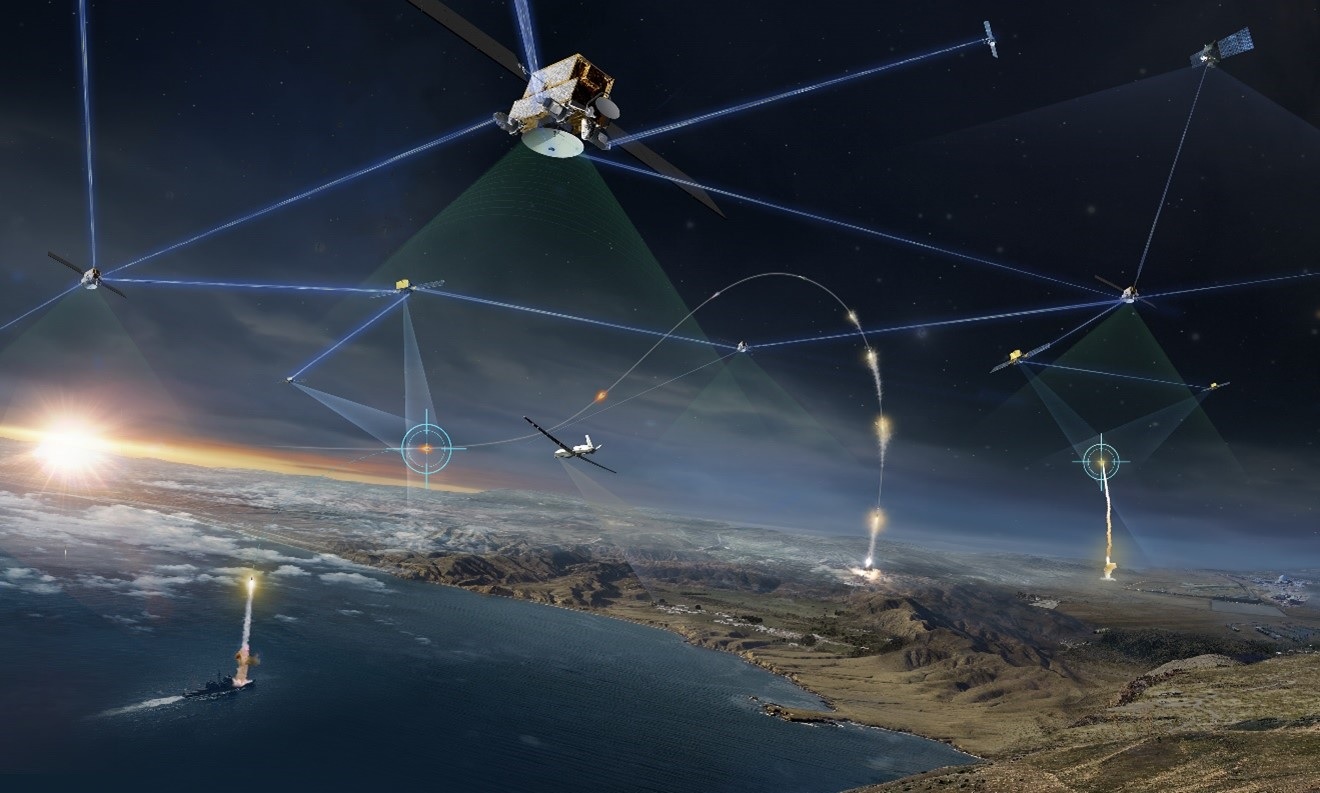
World
WASHINGTON / EL SEGUNDO, Calif., — May 31, 2026 : The U.S. Space Force has awarded SpaceX a $4.16 billion contract to develop a satellite-based system designed to detect and track airborne threats from orbit under the Space-Based Airborne Moving Target Indicator (SB-AMTI) program. The contract, announced by Space Systems Command on May 29, is intended to accelerate deployment of an initial satellite constellation by 2028. The program aims to establish a persistent airborne target tracking capability from space and improve surveillance across large geographic areas. For decades, the U.S. military has relied on aircraft such as the E-3 Sentry Airborne Warning and Control System (AWACS) and the E-7 Wedgetail for airborne surveillance. However, operating such aircraft in regions protected by advanced anti-access and area-denial (A2/AD) systems has become increasingly difficult due to long-range air defenses, electronic warfare, and other threats. The SB-AMTI program is designed to complement existing airborne surveillance systems by moving initial detection and tracking missions into orbit. The architecture combines advanced space-based sensors, secure communication links, and AI-enabled ground processing to provide persistent awareness of contested airspace. According to the Space Force, traditional airborne early warning aircraft will continue to support command, control, battle management, and tactical coordination roles, while space-based tracking is expected to improve monitoring of aircraft, cruise missiles, and drones and reduce surveillance gaps. The system is expected to support operations across regions including the Indo-Pacific, Europe, the Arctic, and the Middle East by improving tracking over large areas where airborne monitoring is operationally challenging. Before awarding the contract, the Space Force and the National Reconnaissance Office (NRO) tested prototype systems to demonstrate that airborne moving target tracking from orbit is technically viable. The agreement was awarded through a competitive Other Transaction Authority (OTA) process overseen by Col. Ryan Frazier, acting U.S. Space Force Portfolio Acquisition Executive for Space-Based Sensing and Targeting. Space Systems Command said the program will follow a layered acquisition strategy that combines commercial technologies from traditional and non-traditional defense firms. Although SpaceX received the largest contract under SB-AMTI, the Space Force said additional awards are expected over the coming year to maintain competition and avoid reliance on a single provider. The SB-AMTI program is part of the broader Golden Dome missile defense initiative, whose estimated cost has increased to approximately $185 billion as investments in space-based sensing and tracking systems expand. In its fiscal year 2027 budget request, the Space Force is seeking $7.06 billion for the program to expand coverage. The contract follows another recent Space Force award to SpaceX worth $2.29 billion for the Space Data Network Backbone, a secure military communications system. Combined, the two contracts total approximately $6.45 billion. Development work on SB-AMTI is expected to begin immediately, with the initial satellite constellation scheduled for deployment by 2028. Traditional airborne surveillance aircraft are expected to remain in service alongside the new space-based tracking architecture.
Read More → Posted on 2026-05-31 17:25:28Search
Top Trending in 24 Hours
-
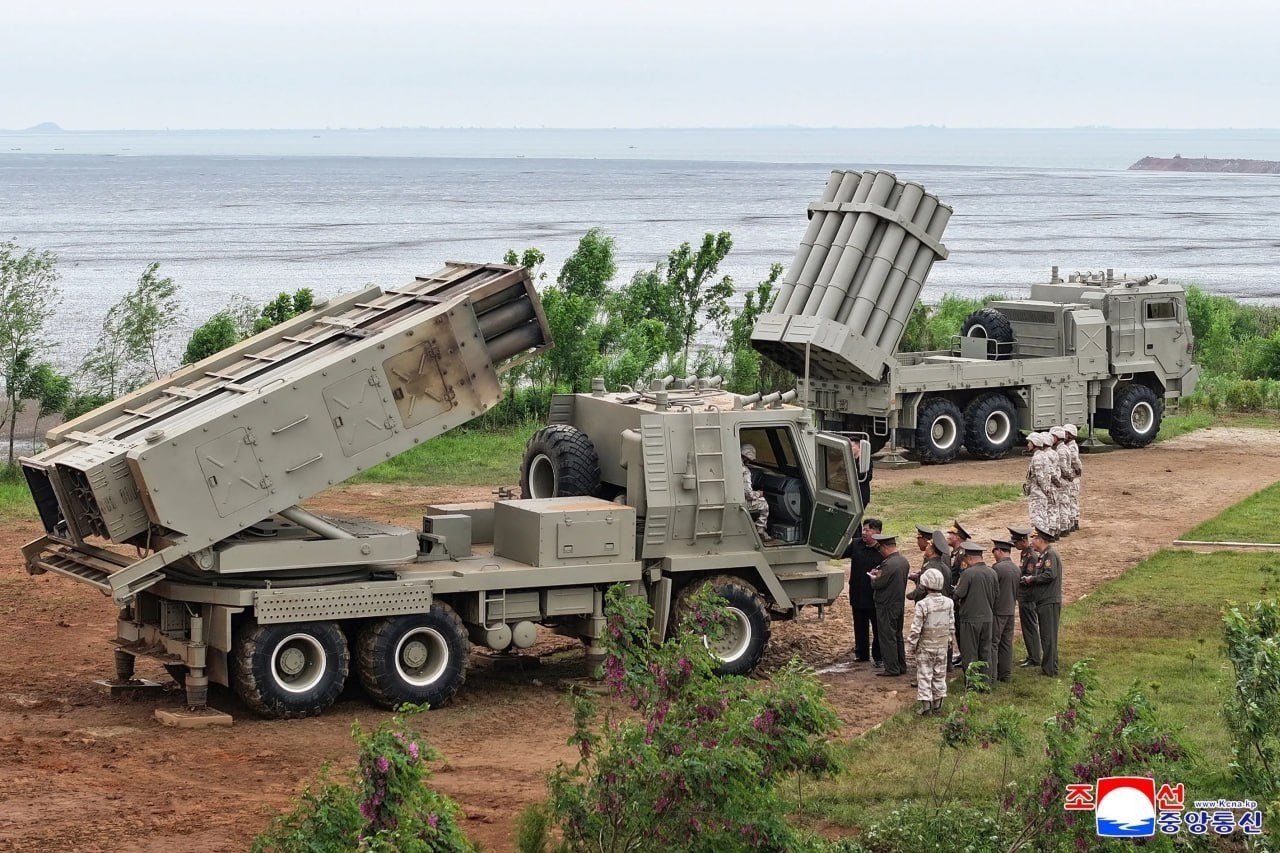 North Korea Tests AI-Powered Missile Capable of Changing Flight Path
-
 NASA Develops Humanoid Robots for Future Moon and Mars Missions
-
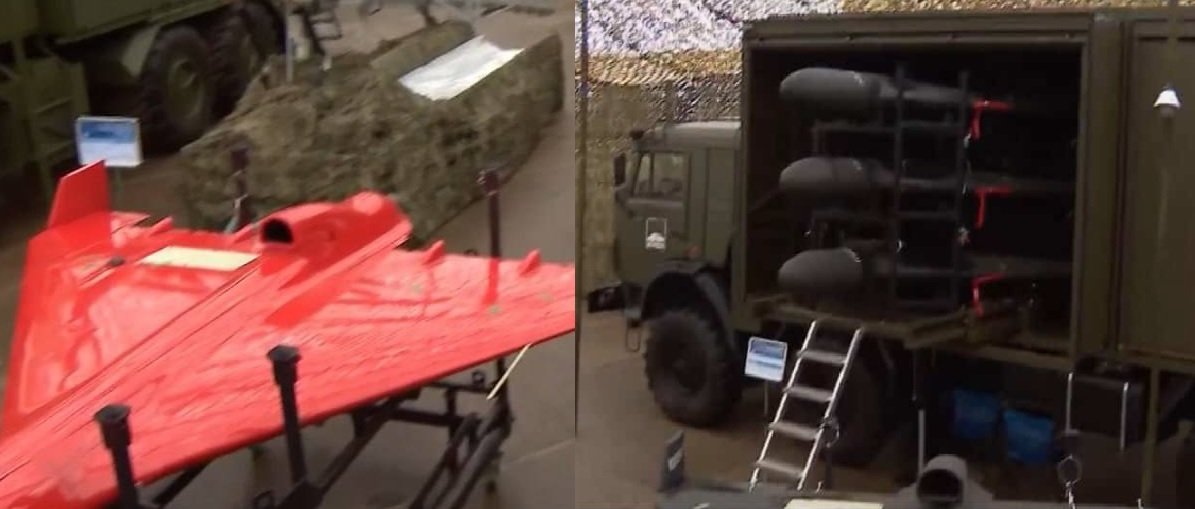 Russia Reveals Jet-Powered Harpy Attack Drones and Mobile Launchers
-
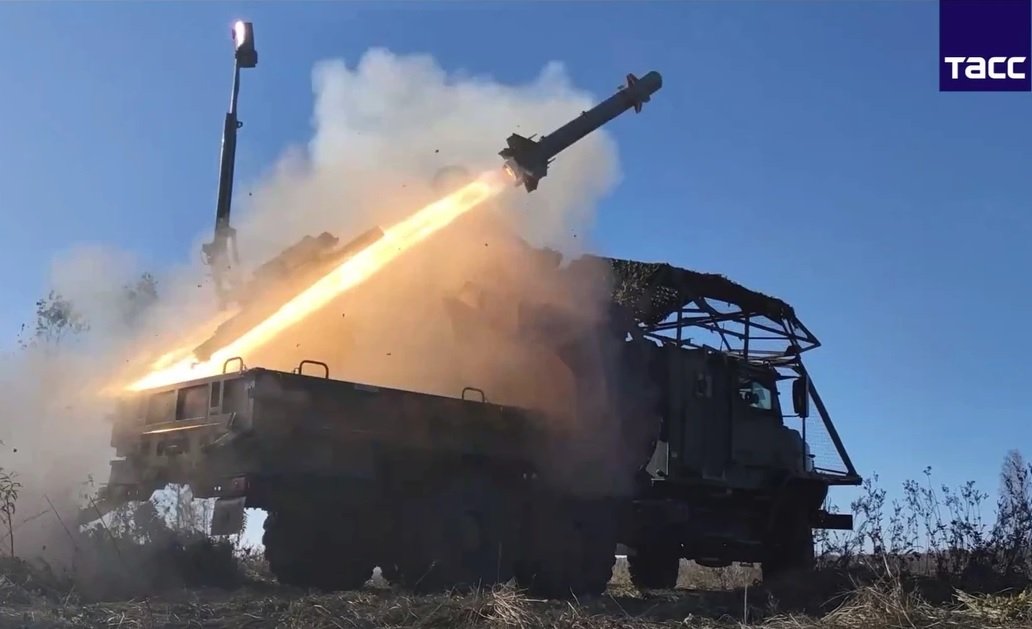 Russia Demonstrates Truck-Mounted LMUR Missile System During Tsentr-2026
-
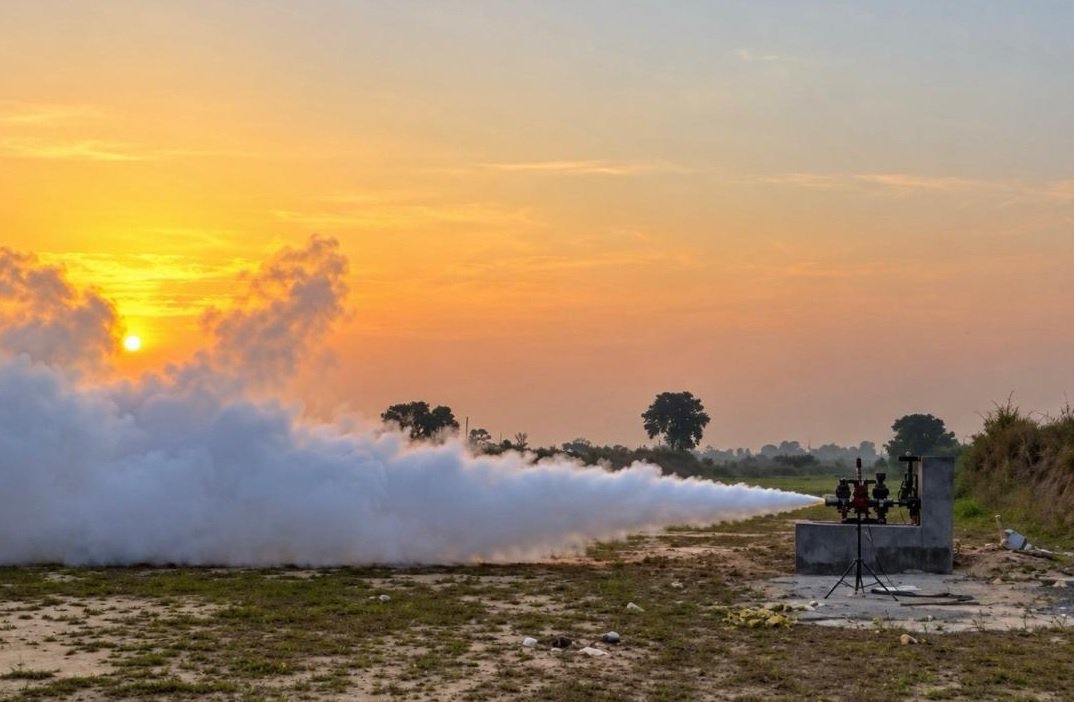 IG Defence Successfully Tests Two Solid Rocket Motors for JWALA Micro-Missile
-
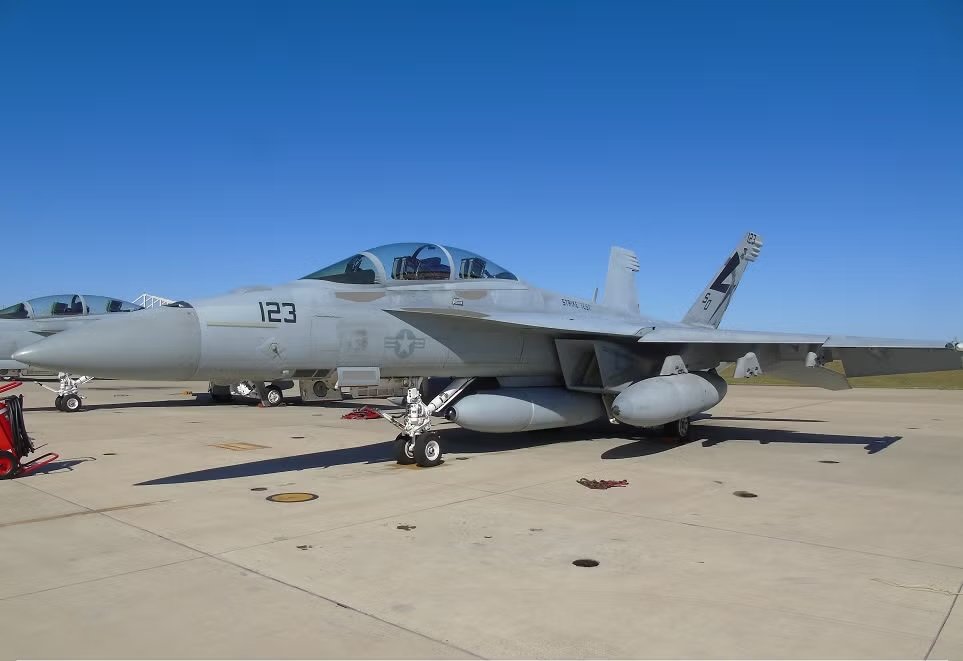 Lockheed Martin Secures $245 Million Contract for F/A-18 Super Hornet IRST Systems
-
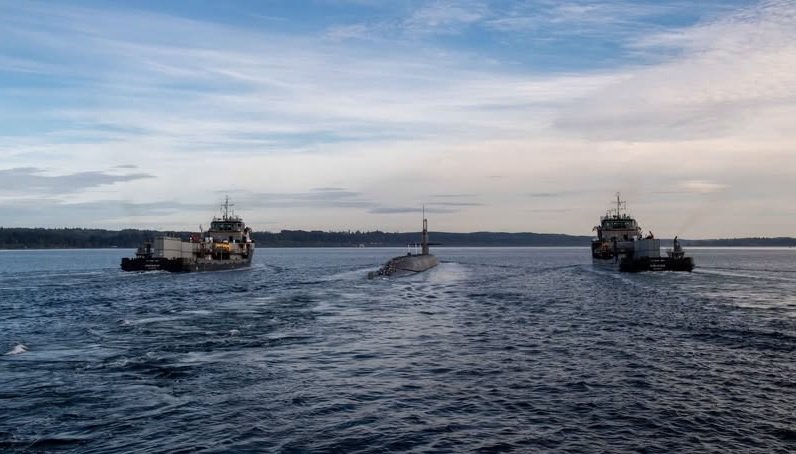 U.S. Navy Swaps Homeports of USS Wyoming and USS Pennsylvania Ahead of Columbia-Class Transition
-
 U.S. Navy F/A-18 Super Hornet Returns from 'Operation Epic Fury' Sporting 'Sub Buster' Kill Mark
Top Trending in 4 Days
-
 Northrop Grumman Delivers First 21 Satellites for Pentagon’s Next-Generation Military Network
-
 NASA Adds Blue Origin’s Upgraded New Glenn 9×4 to Launch Services Contract
-
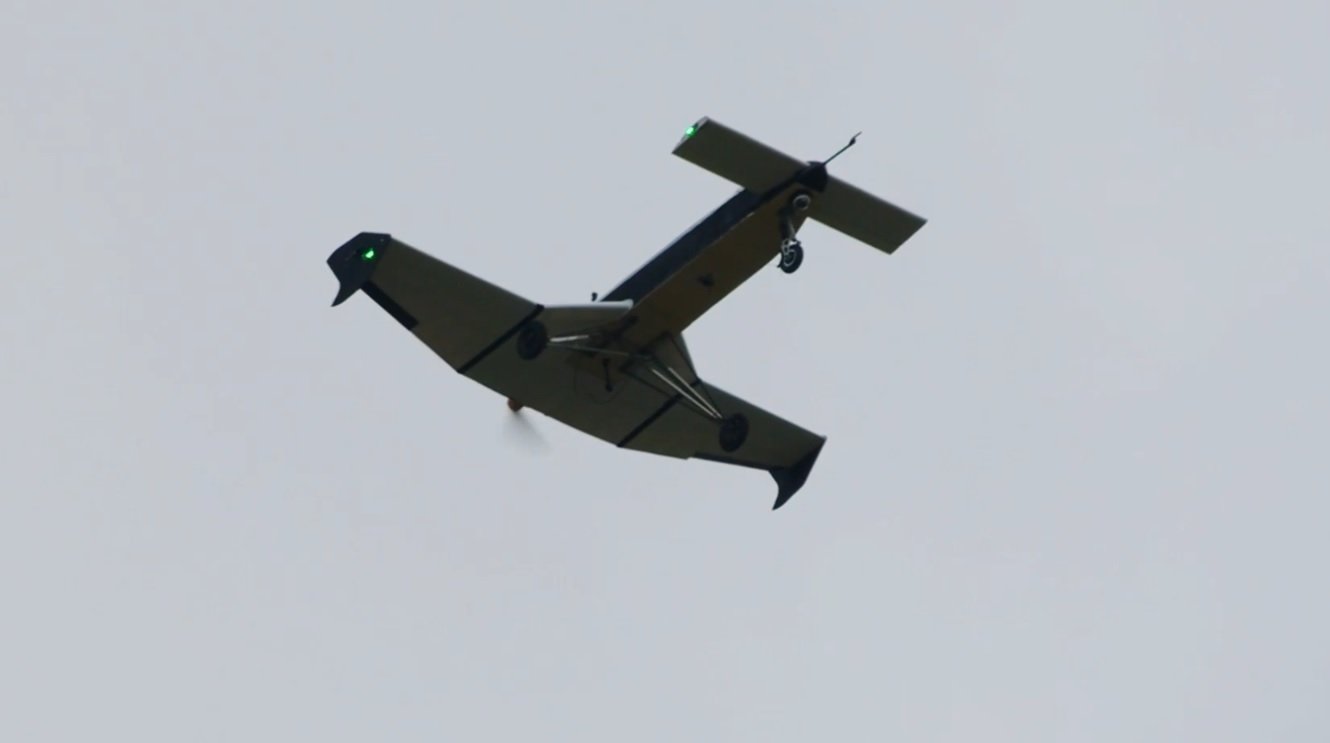 Ukraine’s SkyFall Unveils Thor Hammer Strike UAV With Up to 600-Km Range
-
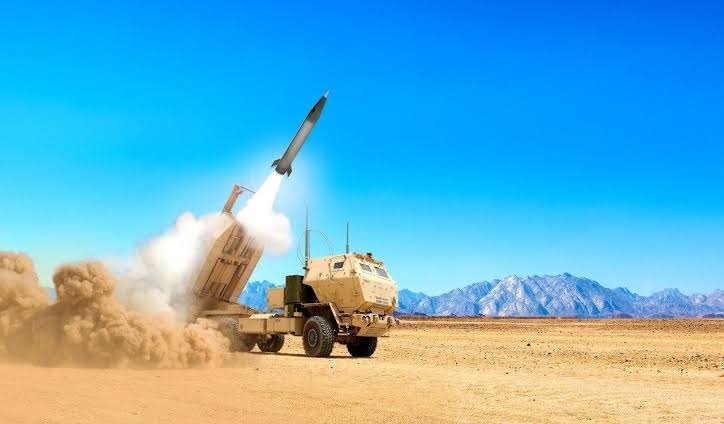 U.S. Army Selects Five Companies to Develop 1,000-Km Precision Strike Missile Prototypes
-
 Boeing Wins $20 Billion U.S. Navy Contract for F/A-XX Sixth-Generation Fighter
-
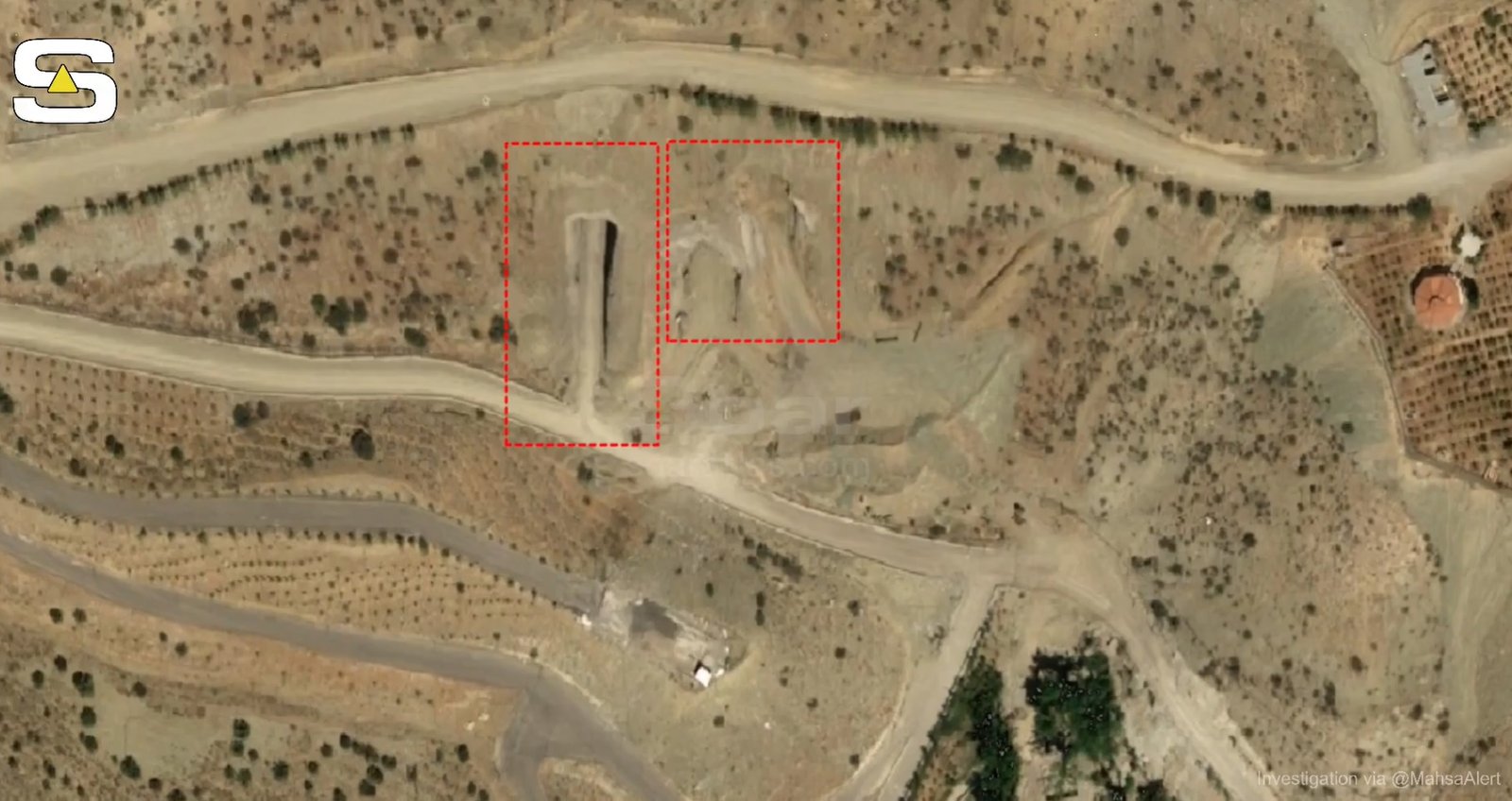 Satellite Imagery Shows Construction Changes at Hillside Site Linked to Iran’s Supreme National Security Council
-
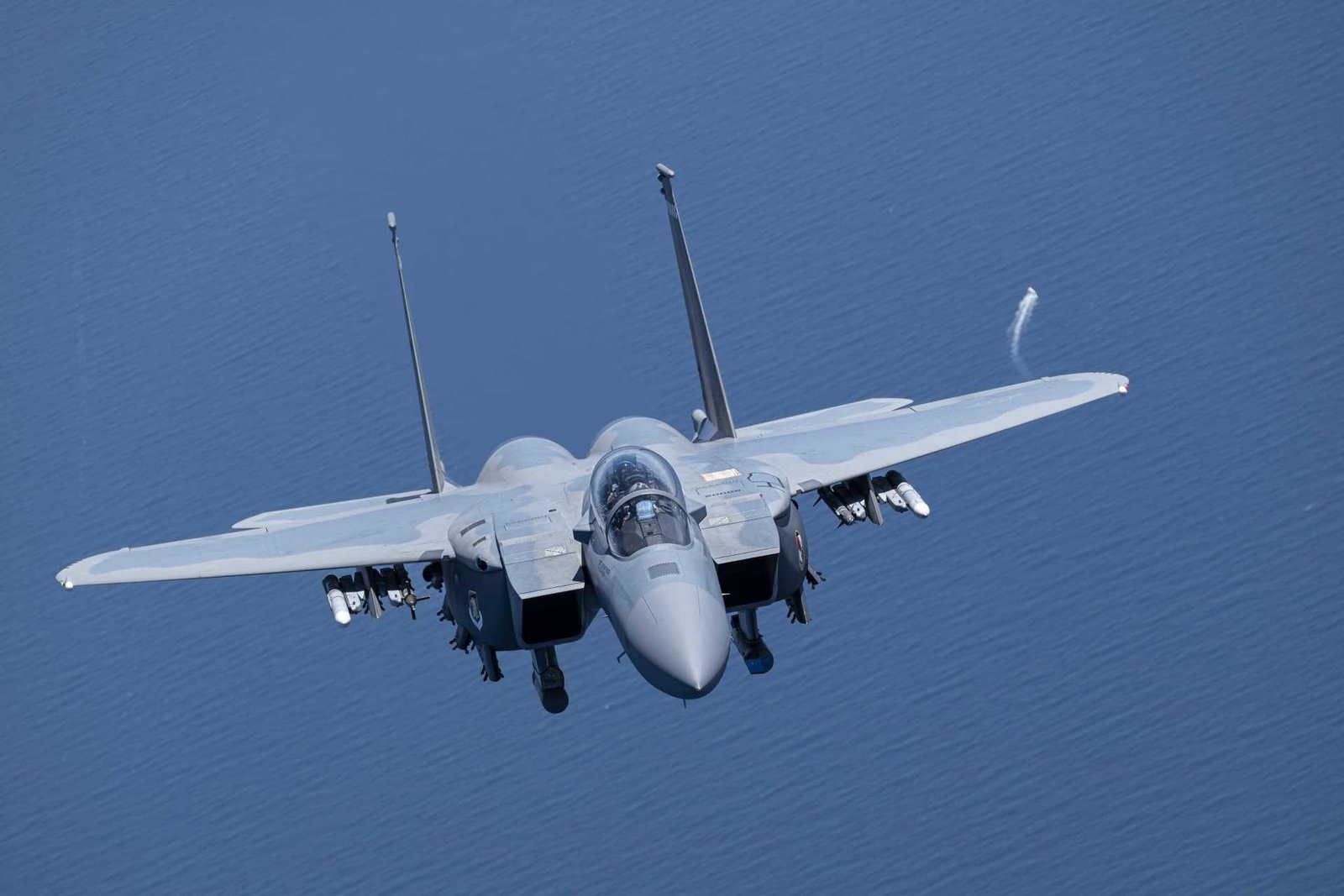 U.S. Air Force Seeks Missile Warning System for F-15EX Fleet
-
 NASA Awards Modulate Space $38 Million Contract to Develop Lunar 5G and Wi-Fi Network
