World
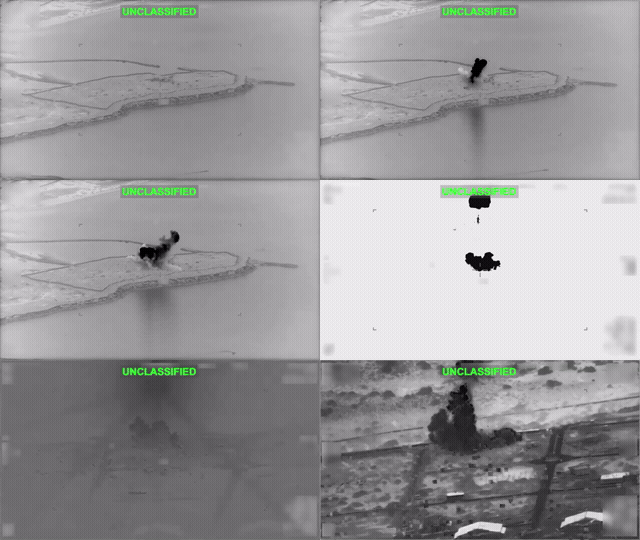
WASHINGTON / TEHRAN, — June 6, 2026 : The United States has released footage showing recent military strikes against Iranian facilities on Sirik and Qeshm Island, as tensions between Washington and Tehran continue to test a fragile ceasefire that has been in place since April. According to U.S. Central Command (CENTCOM), the operations were conducted on June 5 and 6 following a series of security incidents in and around the Strait of Hormuz. The newly released footage shows strikes targeting Iranian surveillance and communications infrastructure, which U.S. officials described as defensive actions intended to prevent further attacks on regional maritime traffic. In Sirik, located on Iran’s southern coast, a surveillance building was struck. U.S. officials stated that one person inside the facility was killed. On Qeshm Island, a telecommunications tower was targeted, with no casualties reported. CENTCOM said the strikes followed the interception of four Iranian one-way attack drones that were allegedly heading toward the Strait of Hormuz and posed an immediate threat to shipping in the area. The U.S. military also reported that an Iranian surface-to-air missile had previously shot down an American MQ-1 drone operating over what Washington described as international waters. The U.S. military stated that the strikes on Sirik, Qeshm Island, and nearby coastal surveillance sites around Goruk were intended to degrade Iran’s ability to conduct further attacks against maritime targets. Iran rejected the U.S. account of events. The Islamic Revolutionary Guard Corps (IRGC) said the MQ-1 drone had entered Iranian airspace and defended the actions taken against it. Iranian officials also claimed that regional military facilities connected to earlier U.S. operations had been targeted in retaliation. Following the U.S. strikes, Iran launched ballistic missiles toward U.S. military facilities in Kuwait and Bahrain. Iranian state media reported that the attacks were carried out in response to American operations against Iranian infrastructure. CENTCOM reported that seven ballistic missiles were fired toward Gulf targets. According to the U.S. military, six missiles were intercepted by air defense systems while the seventh failed to reach its intended target. No U.S. casualties were reported. The missile launches followed a separate incident earlier in the week involving Kuwait International Airport. Kuwaiti authorities said a drone strike killed one person and injured more than 60 others. The IRGC denied responsibility, claiming the damage resulted from a malfunctioning U.S. interceptor missile. CENTCOM rejected that explanation, describing the airport strike as a deliberate attack. Kuwait’s Foreign Ministry condemned the incident as a violation of the country's sovereignty. Military analysts have generally assessed the recent strikes on Sirik and Qeshm Island as having limited operational significance. The targeted facilities were not considered major strategic assets, and the attacks are widely viewed as symbolic actions intended to signal resolve while avoiding a broader escalation. Analysts noted that the exchanges appear to be testing the limits of restraint under the existing ceasefire framework. The latest developments come as diplomatic efforts to extend and formalize the ceasefire remain stalled. The wider conflict began on February 28, when the United States and Israel launched large-scale strikes against Iranian military infrastructure. Iran subsequently carried out attacks against Israel and U.S.-aligned targets in the region and effectively closed the Strait of Hormuz. The strategic waterway handles approximately 20 percent of global seaborne oil and liquefied natural gas shipments, making any disruption a major concern for international energy markets. Restrictions on traffic through the strait contributed to higher global oil prices and significant disruptions to commercial shipping. Following the April ceasefire, the United States established a naval blockade around Iranian ports. U.S. media reports indicate that President Donald Trump has sought revisions to the terms of a proposed permanent agreement and has stated that the blockade will remain in effect until a final deal is reached and formally certified. Iran has criticized the pace and direction of negotiations. On Monday, the Iranian Foreign Ministry said the United States was introducing new and sometimes contradictory demands during discussions aimed at securing a longer-term settlement. The geographic importance of the Strait of Hormuz continues to place islands such as Qeshm, Hormuz, Larak, and Hengam at the center of regional security concerns. The area also includes disputed territories such as Greater Tunb, Lesser Tunb, and Abu Musa, while overlapping maritime boundaries and Exclusive Economic Zones (EEZs) add to the region's strategic complexity. Despite ongoing tensions, limited diplomatic engagement continues in other areas. The United States has granted visas to Iran’s national football team for the 2026 FIFA World Cup. Iran is scheduled to play its opening match in Los Angeles on June 15, marking the first known instance of a World Cup host nation receiving the team of a country with which it is engaged in an active military conflict. While the recent military exchanges have remained limited in scale, they underscore the continuing tensions between the United States and Iran and the challenges facing efforts to transform the current ceasefire into a lasting agreement.
Read More → Posted on 2026-06-06 13:26:52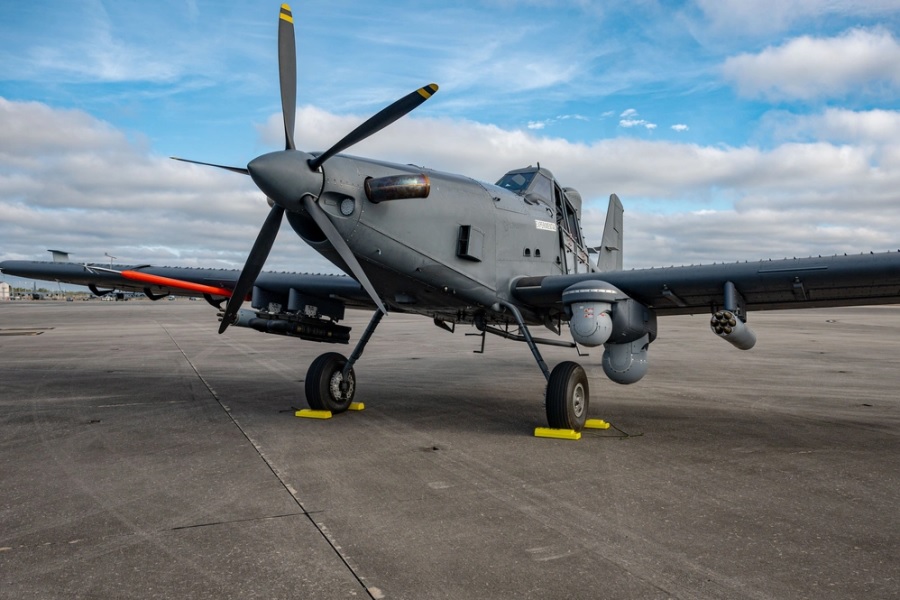
World
OKLAHOMA CITY — June 05, 2026 : The U.S. Air Force is seeking external storage pods for its new OA-1K Skyraider II aircraft to address a practical limitation that currently prevents crews from carrying mission equipment and personal gear during training deployments without additional ground transportation support. The requirement was outlined in a sources sought notice issued by the 137th Special Operations Wing of the Oklahoma Air National Guard on behalf of the 17th Special Operations Squadron, the Air Force's formal training unit and currently the only squadron operating the OA-1K. The OA-1K Skyraider II was developed under U.S. Special Operations Command's Armed Overwatch program and was formally designated by Air Force Special Operations Command (AFSOC) in February 2025. The aircraft replaces the U-28A Draco in the intelligence, surveillance, and reconnaissance (ISR) role while also providing precision strike capabilities. Based on the Air Tractor AT-802 agricultural aircraft and militarized by L3Harris Technologies, the two-seat turboprop is designed to operate from austere locations, including dirt runways and unimproved airstrips. The aircraft can carry up to 6,000 pounds of munitions and stores across eight underwing pylons and can remain on station for up to six hours while operating approximately 200 miles from its target area. The first missionized OA-1K was delivered to AFSOC at Hurlburt Field, Florida, in April 2025. Additional aircraft were later assigned to the 17th Special Operations Squadron at Will Rogers Air National Guard Base, Oklahoma, for pilot and aircrew training. Storage Pod Requirement According to the June 2026 notice, the Air Force is seeking a commercially available external carriage mobility pod that can be mounted directly to the aircraft's existing underwing pylons without requiring modifications to the aircraft or its support equipment. The pod must be compatible with BRU-71/A ejector release units using 14-inch lug spacing and must not interfere with flight controls or landing gear operations. The Air Force requires a pod measuring no more than 130 inches (330 cm) in length, 22.5 inches (57 cm) in width, and 28.8 inches (73 cm) in depth. It must provide at least 9 cubic feet (0.25 cubic meters) of usable storage volume and include a minimum internal length of 75 inches (190 cm) for mission equipment. The structure must be made from corrosion-resistant materials, including composites, aluminum, or hybrid designs. Required features include adjustable tie-down straps, center-of-gravity markings, external handling handles, and a keyed locking mechanism. The notice references proven commercial products such as the MXU-648 cargo pod and Kihomac ACE pod, indicating a preference for existing solutions rather than a new development program. Procurement Plans The selected contractor will be required to deliver three storage pods within 60 days of contract award and provide 12 months of maintenance and support. The contract also requires a complete technical data package, including structural and aerodynamic analyses, ground vibration test results, and weight and balance data to support airworthiness certification. Program Outlook The OA-1K Skyraider II is expected to reach initial operational capability (IOC) in 2026, with full fleet deliveries planned by 2029. Current budget plans have reduced the fleet from 75 aircraft to 53 aircraft, although AFSOC Commander Lt. Gen. Michael Conley has publicly supported acquiring the originally planned 75-aircraft fleet. The planned acquisition of external storage pods is intended to improve the aircraft's operational flexibility by allowing crews to transport essential equipment without additional logistics support, supporting the Armed Overwatch program's goal of enabling small teams to operate independently in remote environments with a minimal logistical footprint.
Read More → Posted on 2026-06-05 18:25:06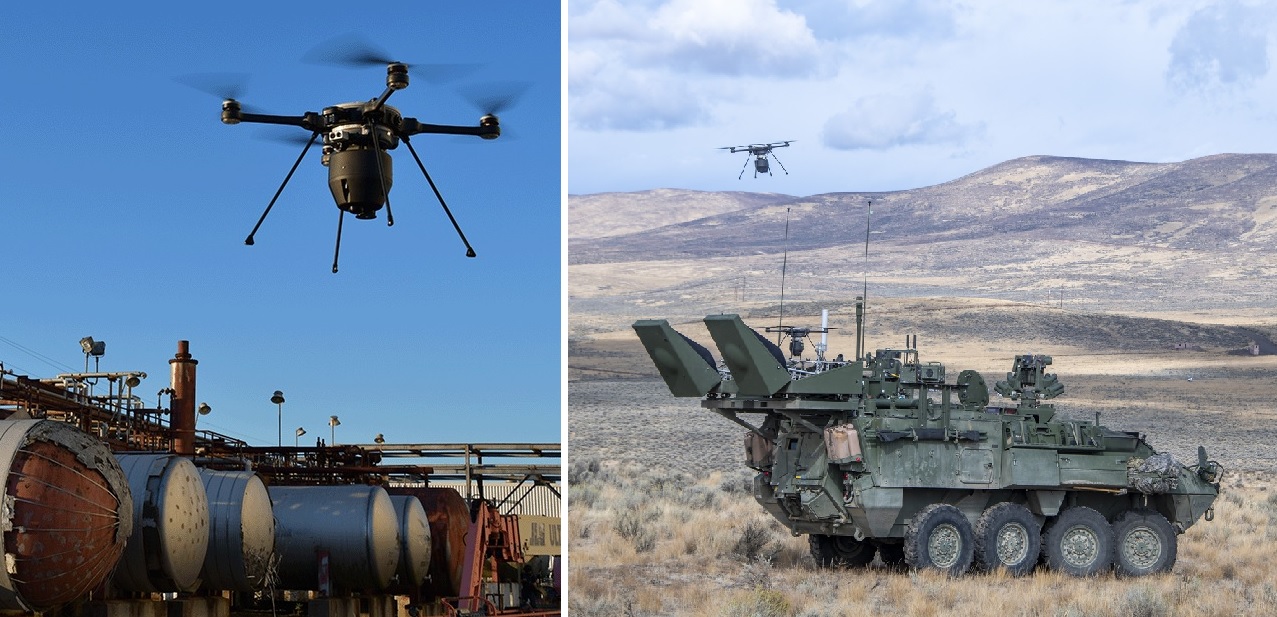
World
WASHINGTON — June 05, 2026 : The U.S. Army has awarded Teledyne FLIR Defense an $11.2 million contract to supply more than 45 advanced unmanned aerial system (UAS) kits designed to detect, identify, and map chemical, biological, radiological, and nuclear (CBRN) hazards while keeping soldiers outside contaminated areas. The contract, announced on June 4, 2026, is being managed through the Army’s Capability Program Executive Office for Chemical, Biological, Radiological and Nuclear Defense (CPE CBRND). Initial deliveries are scheduled to begin during the second quarter of 2026. The new systems were developed under the Army’s Chemical, Biological, Radiological, and Nuclear Sensor Integration on Robotic Platforms (CSIRP) program, which focuses on rapidly fielding advanced sensor technologies on robotic ground and aerial platforms. The initiative integrates artificial intelligence (AI), machine learning, autonomy, advanced sensing capabilities, and resilient communications to improve battlefield awareness and force protection. Production of the drone kits will take place at Teledyne FLIR Defense facilities in Elkridge, Maryland, and West Lafayette, Indiana. Engineering, software development, and integration support will be provided from the company’s facility in Stillwater, Oklahoma. Each kit is built around the Teledyne FLIR R80D SkyRaider, a multi-rotor drone already used by U.S. military forces for reconnaissance, surveillance, and targeting missions. Under the CSIRP configuration, the platform has been adapted for CBRN reconnaissance and survey operations through the integration of specialized modular sensor payloads. The kits include chemical and radiological detection systems as well as the Teledyne FLIR MUVE B330 biological sensor. The modular design allows operators to configure the drone with specific sensor packages based on mission requirements and the type of hazard suspected in a particular area. The R80D SkyRaider is capable of carrying payloads weighing up to 7.7 pounds and incorporates embedded AI processing to support autonomous and semi-autonomous operations. During missions, the drone can follow pre-programmed flight paths and conduct systematic searches of potentially contaminated areas without requiring continuous manual piloting. As the aircraft surveys an area, it collects and transmits real-time hazard data, including contamination levels, hazard boundaries, and concentration gradients, directly to operators through mapping, targeting, and communications systems. This enables commanders and response teams to assess threats from a safe distance and make informed decisions regarding troop movements, protective measures, and response actions. The system represents a significant shift from traditional CBRN reconnaissance methods, which often require personnel wearing full Mission-Oriented Protective Posture (MOPP) gear to physically enter hazardous environments and collect samples or readings. Such operations can be time-consuming, physically demanding, and potentially dangerous even when protective equipment is used. By using unmanned aerial systems for reconnaissance, military units can rapidly survey contaminated zones while reducing the risk of exposure to hazardous agents. The capability is designed to support operations involving chemical and biological weapons, radiological incidents, industrial accidents, and complex urban environments where multiple hazards may be present. The contract also expands Teledyne FLIR Defense’s role in the Army’s broader CBRN modernization efforts. The company is currently leading work on the Nuclear Biological Chemical Reconnaissance Vehicle (NBCRV) Sensor Suite Upgrade program, a separate $74.2 million initiative aimed at modernizing the sensor systems installed on the Army’s dedicated CBRN Stryker reconnaissance vehicles. Army officials view the new drone kits as a complementary capability to those vehicle-based systems. While upgraded NBCRV platforms provide extensive reconnaissance and survey capabilities for mechanized formations, the SkyRaider-based kits will give dismounted squads and platoons a rapidly deployable means of detecting and assessing CBRN threats at the tactical level. Dr. JihFen Lei, President of Teledyne Defense and Aerospace Group and Senior Vice President of Teledyne Technologies, said the company’s focus remains on protecting military personnel from weapons of mass destruction and hazardous environments. “Safeguarding soldiers from weapons of mass destruction is at the core of our mission. These SkyRaider-based sensor kits dramatically improve how units can detect and map CBRN hazards without exposing warfighters to dangerous environments.” The award reflects the Army’s continued investment in autonomous systems, unmanned technologies, and advanced CBRN defense capabilities designed to improve battlefield awareness, accelerate hazard assessment, and enhance force protection. As deliveries begin later this year, the new SkyRaider CBRN drone kits are expected to provide frontline units with faster and safer reconnaissance capabilities across a range of operational scenarios.
Read More → Posted on 2026-06-05 18:11:54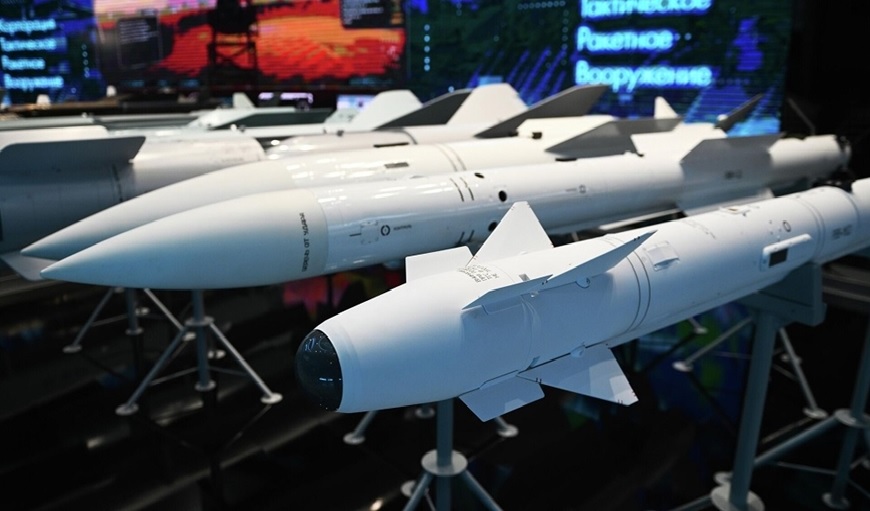
World
KYIV — June 05, 2026 : Leaked Russian military contracts obtained and analyzed by Ukrainian media outlet UNITED24 Media have revealed the scale of ongoing military-technical cooperation between Russia and Iran, including the supply of air-to-air and air-to-ground missiles intended for Iran’s future fleet of Su-35 fighter jets. The documents indicate that missile deliveries and related production activities are scheduled to continue through at least 2027 as part of a broader fighter aircraft procurement program. According to the leaked contracts, Iran is identified throughout the documentation under the internal codename “K10.” The files show that multiple Russian defense enterprises are involved in manufacturing and supplying weapons and components linked to Iran’s acquisition of advanced combat aircraft. Missile Deliveries Linked to Su-35 Program The contracts indicate that the missile orders are directly connected to a broader agreement covering the production of Su-35 multirole fighter aircraft and associated combat systems. The documents show that Russia is supplying a range of weapons designed to provide the aircraft with air superiority, precision strike, anti-radar, and maritime attack capabilities. The reported missile acquisitions include: Missile Type Classification Quantity Kh-38 (X-38) Laser-guided air-to-ground missile 120 R-73 (K-73) Short-range air-to-air missile 123 R-77 (K-77) Medium-range air-to-air missile 42 Kh-31 (X-31) Anti-radar / Anti-ship missile 42 The Kh-38 is a precision-guided medium-range air-to-surface weapon designed to engage ground targets. The missile is compatible with the Su-35 and can be employed against fixed and mobile targets. The R-73 is a short-range infrared-guided air-to-air missile widely used by Russian combat aircraft. Known for its high maneuverability and off-boresight targeting capability, it is designed for close-range aerial engagements. The leaked documents show that contracts signed in 2023 included the procurement of 123 Sh-295 “Variant” warheads used in the missile, with the order valued at approximately $675,000. The R-77 is a medium-range active radar-guided air-to-air missile intended for beyond-visual-range combat. Contract records indicate that between 2025 and 2027, Russia is expected to supply 42 component kits and assembly services related to the missile’s engine production. The Kh-31 is a supersonic missile available in anti-radar and anti-ship variants. The weapon is designed to suppress enemy air-defense systems and engage naval targets, expanding the operational flexibility of the Su-35 platform. Additional documentation outlines the delivery of 164 KV-1-72.001 propellant charges used in solid-fuel rocket engines and missile control systems. The contract specifies completion of these deliveries by September 30, 2025. Su-35 Fighter Jet Production Underway The leaked files identify the central framework of the aircraft program under contract number R/19K1011141768. Following an agreement finalized in November 2023, the documents confirm that 16 Su-35 fighter jets are currently being manufactured for Iran. The records further indicate that the aircraft order has been fully prepaid by Tehran. Payments connected to the program were reportedly made on several occasions during 2024, including March 7, July 22, and December 26. The Su-35 is considered one of Russia’s most capable fourth-generation-plus multirole fighters. Equipped with advanced radar systems, long-range weapons integration, and high maneuverability, the aircraft is intended to significantly modernize Iran’s aging fighter fleet. The platform can simultaneously carry combinations of R-73 and R-77 air-to-air missiles alongside Kh-38 and Kh-31 strike weapons. Separate documents reviewed by UNITED24 Media suggest that production and support activities associated with the broader Su-35 program may continue through 2026–2028. Some reports linked to the contracts indicate that Iran could eventually acquire a larger number of Su-35 aircraft under agreements valued in the billions of dollars. Russian Defense Industry Involvement Several major Russian defense enterprises are participating in the program. The Yuri Gagarin Komsomolsk-on-Amur Aviation Plant is responsible for manufacturing the Su-35 aircraft. The Zvezda Research and Production Enterprise has been tasked with supplying ejection seats and associated pyrotechnic systems. Missile warheads, propellant charges, and engine-related components are being produced by the Machine-Building Design Bureau Iskra and the Perm Powder Plant. The leaked records also indicate that units of the Russian Ministry of Defense are conducting quality-control inspections throughout the manufacturing process to verify compliance with military requirements. Expanding Military Cooperation The documents provide additional insight into the growing defense relationship between Moscow and Tehran. Before the Su-35 program, Russia supplied Iran with Yak-130 trainer aircraft, which are widely viewed as preparation platforms for pilots transitioning to more advanced fighters such as the Su-35. Military cooperation between the two countries has expanded significantly in recent years. Iran has supplied Russia with Shahed-series attack drones and other military equipment used during the war in Ukraine, while Russia has continued to provide advanced aviation technology and training support. Regional Security Implications The leaked contracts offer a detailed view of the scale and timeline of Russian military exports to Iran. Beyond complete missiles, the agreements cover critical supporting equipment, propulsion systems, warheads, pyrotechnic devices, and aircraft integration components required to make the fighter fleet fully operational. With missile deliveries and aircraft production expected to continue through 2027, the program is set to strengthen Iran’s air combat, strike, anti-radar, and maritime attack capabilities. Defense analysts note that the combination of Su-35 fighters and their associated missile inventory would represent one of the most significant modernization efforts undertaken by the Iranian Air Force in recent decades. The disclosures also underscore the increasing strategic cooperation between Russia and Iran as both countries continue to face international sanctions and evolving regional security challenges.
Read More → Posted on 2026-06-05 17:58:27
World
KYIV, Ukraine — June 05, 2026 : Ukrainian President Volodymyr Zelenskyy has renewed his call for direct negotiations with Russian President Vladimir Putin, describing a leader-to-leader meeting as the most effective way to end the war that has continued for more than three and a half years. His remarks came during Ukraine’s 34th Independence Day celebrations on Sunday, which were held amid ongoing drone attacks, frontline fighting, and a large prisoner exchange between the two countries. Speaking at a ceremony in Kyiv marking Ukraine’s independence from the Soviet Union in 1991, Zelenskyy emphasized that direct engagement between national leaders remains the most practical path toward a potential settlement. “The format of talks between leaders is the most effective way forward,” Zelenskyy said. He also highlighted Ukraine’s continued resistance throughout the conflict. “Today, both the US and Europe agree: Ukraine has not yet fully won, but it will certainly not lose. Ukraine has secured its independence. Ukraine is not a victim; it is a fighter,” he said. The appeal comes amid efforts by US President Donald Trump to encourage direct negotiations between Kyiv and Moscow. However, Russian officials have rejected the idea of an immediate summit. Russian Foreign Minister Sergei Lavrov criticized the proposal, accusing Western countries of creating obstacles to broader negotiations and criticizing Zelenskyy for pushing for a direct meeting. During the Independence Day ceremony, Zelenskyy presented the Order of Merit of Ukraine to US Special Envoy Keith Kellogg and reiterated his commitment to pursuing peace while maintaining pressure on Russia to engage in negotiations. Security Guarantees and Foreign Military Presence Zelenskyy also discussed Ukraine’s position on future security arrangements, stressing that international security guarantees would be necessary after the war. “The issue of on the ground presence, as they say, boots on the ground, is important to us,” Zelenskyy said. Canadian Prime Minister Mark Carney, who attended events in Kyiv, supported the need for strong security guarantees and indicated that Canada would not rule out participating in a future multinational security mission. “In Canada's judgment, it is not realistic that the only security guarantee could be the strength of the Ukrainian armed forces. That needs to be buttressed and reinforced,” Carney said. Drone Strikes and Military Operations The diplomatic developments occurred as military activity intensified on both sides. According to Russian authorities, Ukrainian drone attacks targeted several strategic facilities inside Russia. One strike caused a fire at the Kursk Nuclear Power Plant, though officials said the blaze was extinguished without casualties or radiation leaks. Additional Ukrainian drone strikes targeted fuel infrastructure, including the Novatek terminal in Ust-Luga on the Gulf of Finland. Commenting on the attacks, Zelenskyy stated: “This is how Ukraine strikes when its calls for peace are ignored.” In response, Russian forces launched missiles and drones against Ukrainian territory. Ukrainian officials reported that Russia launched 72 Shahed attack drones, with air defenses intercepting 48 of them. Frontline Fighting Continues Heavy combat continued in the Donetsk and Dnipropetrovsk regions. Russia’s Defense Ministry claimed the capture of two additional settlements, including the village of Filia in the Dnipropetrovsk region. Meanwhile, Ukraine’s Commander-in-Chief Gen. Oleksandr Syrskyi said Ukrainian forces had retaken the Donetsk villages of Mykhailivka, Zelenyi Hai, and Volodymyrivka. Prisoner Exchange Despite continued fighting and stalled peace efforts, Ukraine and Russia carried out a prisoner exchange on Sunday. Officials confirmed that 146 prisoners of war and civilians were returned by each side, making it one of the largest recent exchanges between the two countries. War Enters Its Fourth Year More than three and a half years after Russia’s full-scale invasion, the conflict continues to impose significant humanitarian and territorial costs. Tens of thousands of military personnel and civilians have been killed, while millions have been displaced. Russia currently controls approximately one-fifth of Ukraine’s internationally recognized territory, including Crimea. Although Zelenskyy has renewed his call for direct talks with Putin, major disagreements remain over territory, security guarantees, and ceasefire conditions, leaving prospects for a comprehensive peace agreement uncertain.
Read More → Posted on 2026-06-05 17:44:24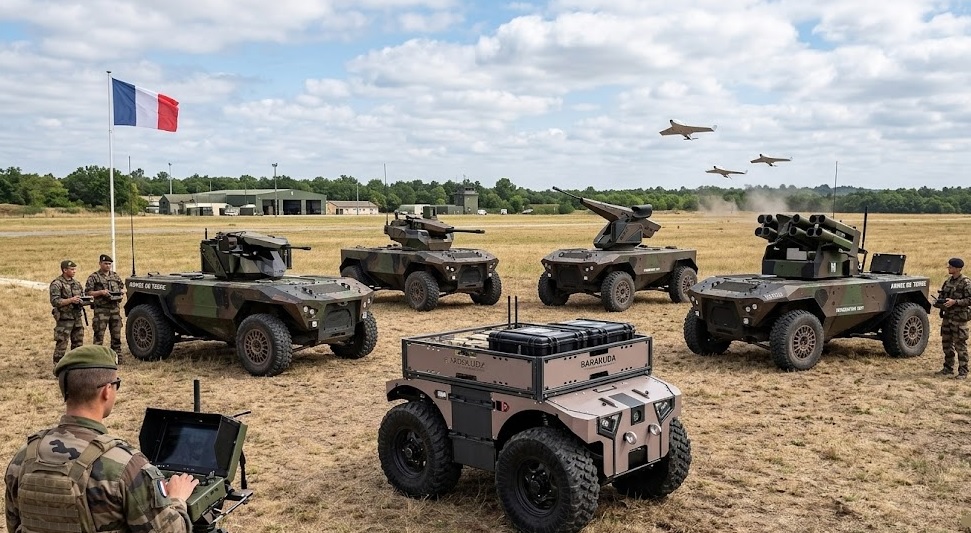
World
PARIS — June 05, 2026 : The French Army is advancing its use of unmanned systems through the integration of a new family of robotic platforms designed to support logistics, reconnaissance, fire support, and precision strike missions. The newly detailed configuration combines the BARAKUDA autonomous mule robot developed by Shark Robotics, four CENTURIO heavy tactical unmanned ground vehicles from KNDS France, and a specialized MATARIS box-kit capable of launching ten MT-10 loitering munitions. The combination reflects France’s continued investment in manned-unmanned teaming concepts, where robotic systems operate alongside military personnel to improve operational effectiveness while reducing risks to troops in contested environments. The integrated system provides capabilities ranging from battlefield logistics and casualty evacuation to armed reconnaissance and precision engagement. BARAKUDA Designed for Battlefield Logistics Support The BARAKUDA is an all-terrain unmanned ground vehicle developed jointly with the French Army to assist troops operating in demanding conditions. Designed primarily as a robotic mule, the platform reduces the physical burden on personnel by transporting equipment, supplies, and injured soldiers across difficult terrain. The vehicle measures approximately 185 cm by 120 cm and weighs around 590 kilograms. It is powered by four 2,200-watt electric motors using Shark Energy lithium-ion battery packs, providing up to 10 hours of operational endurance. The battery system can be recharged in approximately 3.5 hours. BARAKUDA can carry payloads of up to 500 kilograms and tow loads reaching 1,100 kilograms. The vehicle is capable of overcoming obstacles up to 30 centimeters high, traversing slopes of up to 40 degrees, and reaching speeds of 20 kilometers per hour. Its IP65 protection rating allows operation in challenging weather and environmental conditions. Operators control the system through a dual-frequency 2.4 GHz remote-control system offering a line-of-sight range of 500 meters. An optional mesh relay system extends this range to approximately 1,000 meters. The platform is intended for logistics transport, casualty evacuation, towing mission-critical equipment, and supporting infantry units operating away from vehicle access routes. Its modular design also allows adaptation for security and reconnaissance tasks. CENTURIO Provides Heavy Tactical Support Complementing the BARAKUDA is the CENTURIO family of heavy tactical unmanned ground vehicles developed by KNDS France. Based on the PHOBOS rolling platform previously tested by SERA Engineering and developed in partnership with Sogeclair, CENTURIO belongs to the 2- to 3-ton class of robotic combat vehicles. The platform is powered by a 60 kW diesel engine operating on JP8 fuel and can achieve speeds of up to 45 kilometers per hour. Measuring approximately 350 cm in length and 190 cm in width, the vehicle features four-wheel drive, four-wheel steering, and independent suspension, enabling it to operate effectively across varied terrain and alongside armored formations. CENTURIO supports secure teleoperation at speeds of up to 35 kilometers per hour while incorporating advanced robotic functions including autonomous route recovery, trajectory replay, vehicle-following capability, and autonomous navigation. A 360-degree camera suite equipped with night-vision capability provides operators with continuous situational awareness. The platform’s modular architecture allows it to be rapidly configured for different mission requirements. Depending on the variant, CENTURIO can carry reconnaissance sensors, explosive ordnance investigation equipment, CBRN detection systems, logistics modules, or weapon stations. One of the most heavily armed configurations, the CENTURIO-X30, integrates the ARX30 remotely operated turret armed with a 30 mm autocannon capable of firing up to 225 rounds per minute. The system is designed to engage light armored vehicles, fortified positions, and other battlefield threats at ranges of up to 1,500 meters. By combining autonomous navigation with leader-follower functionality, the vehicle can accompany manned units while maintaining heavy fire support and reconnaissance capabilities without exposing operators directly to hostile fire. MATARIS Box-Kit Expands Precision Strike Capability To provide organic strike capability, KNDS has integrated its MATARIS loitering munition family into a dedicated deployment system featuring a pneumatic launch box-kit capable of carrying and launching ten MT-10 munitions. The MT-10 is a short-range loitering munition employing a folding counter-rotating bi-rotor design. Each munition weighs approximately 3.8 kilograms, has a wingspan of 70 centimeters, and is powered by an electric propulsion system. The drone carries a 550-gram MW-FRAG explosive-incendiary warhead intended for engagements against infantry positions and light vehicles. It offers a maximum operational range of 10 kilometers and an endurance of approximately 30 minutes. Designed for low acoustic detectability, the MT-10 can operate in environments where satellite navigation signals are degraded or unavailable. The munition can be launched from tubes using pneumatic ejection or deployed through vertical takeoff and landing configurations. The dedicated box-kit allows rapid consecutive launches from either vehicle-mounted or stationary positions, enabling operators to deploy multiple loitering munitions in a short period of time. Onboard sensors and cameras support target identification and precision engagement in both urban and open-terrain environments. A notable feature of the system is its new-generation safety arming mechanism. If mission conditions change after launch, operators can abort an attack and return the drone to a loitering state until a new target is assigned, improving operational flexibility and reducing the risk of unintended damage. Integrated Robotic Force Structure The combination of BARAKUDA logistics vehicles, CENTURIO tactical UGVs, and MT-10 loitering munitions creates a layered robotic force structure capable of supporting multiple battlefield functions simultaneously. BARAKUDA reduces soldier workload and enhances mobility, CENTURIO provides reconnaissance and heavy fire support, while MATARIS-equipped MT-10 drones deliver precision strike capability. French defense planners view such integrated robotic formations as an important element of future operations, allowing military units to conduct logistics, surveillance, combat support, and precision engagement missions while limiting personnel exposure to battlefield threats. Further testing and operational integration are expected to refine tactics and procedures as the French Army continues expanding its use of unmanned systems across a range of mission profiles.
Read More → Posted on 2026-06-05 17:34:26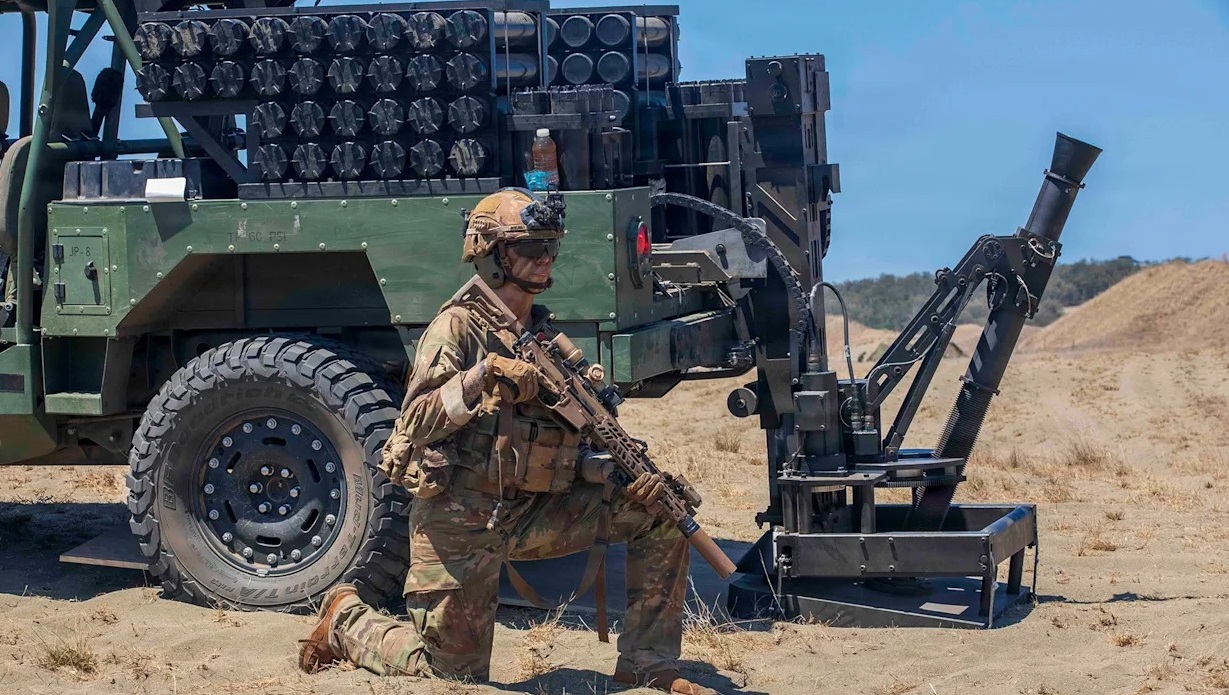
World
PICATINNY ARSENAL, N.J. — June 05, 2026 : The U.S. Army has fully released and standardized the new Mortars App for all mortar units, completing a modernization effort that replaces two legacy fire control systems with a single application running on commercial Android devices. Developed by engineers at the U.S. Army Combat Capabilities Development Command (DEVCOM) Armaments Center at Picatinny Arsenal, the app became the standard fire control software for the M32A2 mortar fire control system in March 2026. Replacing Legacy Fire Control Systems For more than two decades, Army mortar crews relied on two separate systems for fire control operations. The Mortar Fire Control Software (MFCS), introduced in 2003, was primarily used by heavy and mounted mortar units, while the Lightweight Handheld Mortar Ballistics Computer (LHMBC), fielded in 2004, supported light and dismounted crews through a dedicated handheld device. While both systems provided reliable ballistic calculations, maintaining separate software architectures created increasing challenges. Updates and bug fixes had to be applied to both systems independently, while the software remained tied to aging hardware platforms that were becoming more difficult to sustain. Development of a New Fire Control Framework The effort to modernize mortar fire control began in 2015 after the U.S. Marine Corps requested an Android-based version of the LHMBC. Attempts to adapt the legacy software proved inadequate, leading engineers at the Weapons and Software Engineering Center (WSEC) to develop the Common Fire Control Framework, a modular and device-agnostic architecture designed to support current and future fire control applications. Active development of the Mortars App began in 2020. Version 3.0 was completed ahead of schedule in 2023 and made available for download, while Version 4.0 completed formal testing in January 2024. The MFCS received its final update later that year before being phased out. By March 2026, the app had achieved full release and clearance for Army-wide standardization. Consolidating Capabilities on Android Devices The Mortars App combines the functions of both MFCS and LHMBC into a single software package operating on commercial Samsung Android phones and tablets. The transition reduces the amount of hardware soldiers must carry, lowers replacement costs, and simplifies logistics and training requirements across mortar units. The application performs the ballistic calculations required for mortar operations, including factors such as range, azimuth, charge, ammunition type, meteorological data, and ballistic characteristics. Mortars remain a key indirect fire support asset for infantry units. The M120 120 mm mortar, the heaviest mortar in the Army’s dismounted inventory, can deliver a 13.6-kilogram (30-pound) projectile to ranges of approximately 7.2 kilometers (4.5 miles), providing commanders with immediate fire support capability. Fielding and Soldier Feedback The 82nd Airborne Division, which had extensive experience with the legacy MFCS, adopted the new application with minimal training and provided feedback during implementation. According to Army officials, soldiers have responded positively to the software, citing its modern interface and familiar workflow. “We created the solution that had such an impact on the Directorate and Soldiers, and were able to provide something modern, user friendly and responsive,” said Julia Gustafson, software project lead for the Mortars App at the DEVCOM Armaments Center. Supporting Future Modernization Army officials said the Common Fire Control Framework eliminates many of the limitations associated with earlier systems. Because the architecture is not tied to a specific device or operating system, the software can be adapted to future platforms without requiring a complete redevelopment effort. The development team is already working on additional enhancements, with the modernized architecture expected to support faster updates and future fire control capabilities across the force.
Read More → Posted on 2026-06-05 16:21:59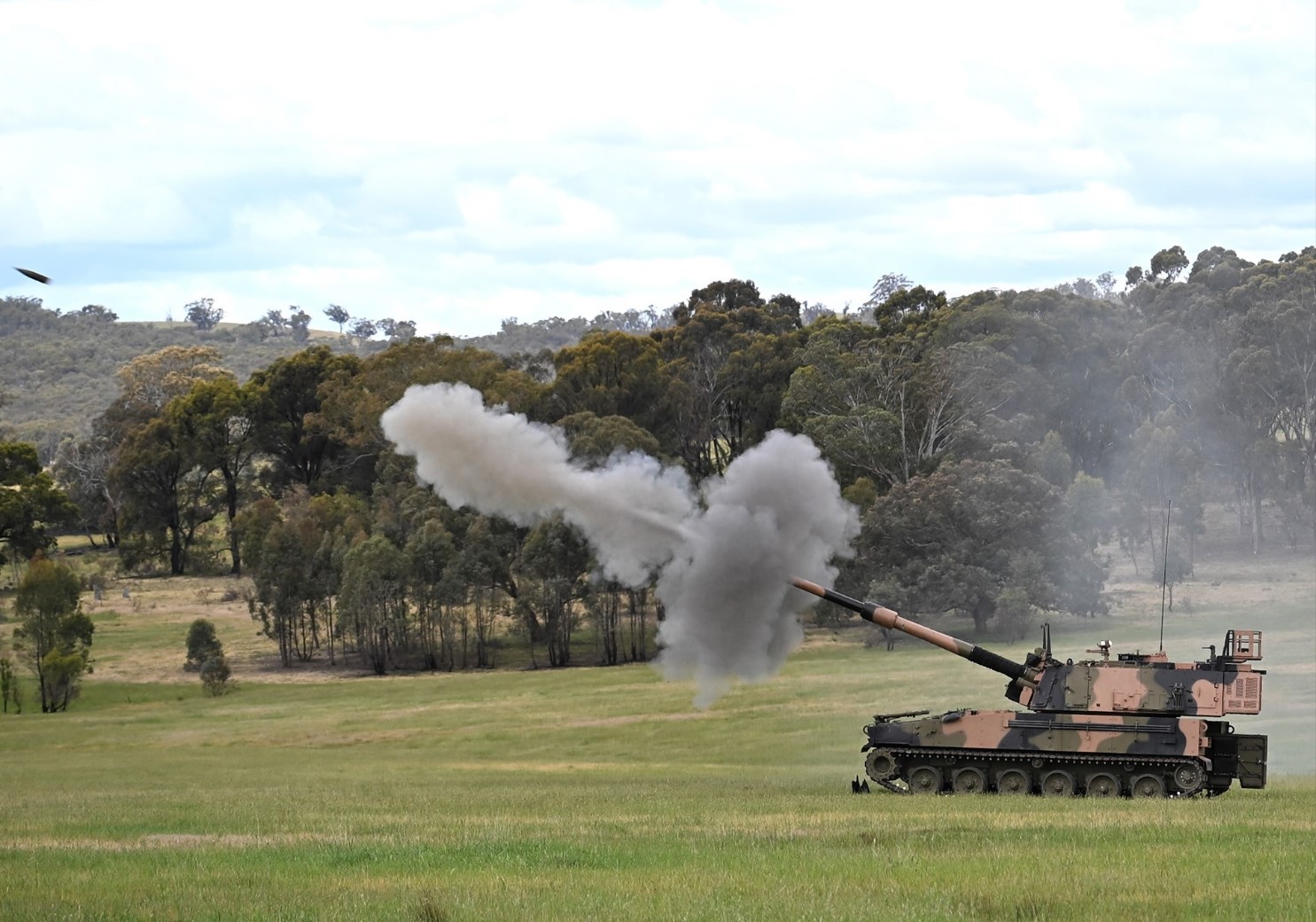
World
PUCKAPUNYAL, VICTORIA — June 05, 2026 : The Australian Army has completed its first live-fire training exercise using domestically produced AS9 Huntsman self-propelled howitzers, marking a major milestone in the introduction of the Army’s new artillery capability. Thirty soldiers from the 4th Regiment, Royal Australian Artillery conducted the inaugural live-fire activity after completing a six-week operator training course at the School of Artillery in Puckapunyal, Victoria. The training was the first time Australian Army crews operated and fired the Australian-built AS9 Huntsman as fully qualified crews. The milestone comes only months after the first AS9 systems rolled off the production line at Hanwha Defence Australia’s facility in Geelong, highlighting the rapid transition from domestic manufacturing to operational service. Director General Systems and Integration Brigadier James Davis said the achievement demonstrated effective cooperation between the Australian Army, the Capability Acquisition and Sustainment Group (CASG), and industry partners. “This live-fire shows how effectively we’re working with our industry and acquisition partners to bring new capability into service,” Brigadier Davis said. “To move from an Australian production line to trained crews conducting live-fire in a short timeframe is a significant achievement.” The AS9 Huntsman is a 155mm/52-caliber self-propelled howitzer based on South Korea’s K9 Thunder platform. The system is designed to provide protected and highly mobile fire support, allowing crews to rapidly move, fire, and relocate to reduce exposure to enemy counter-battery fire. Australia is acquiring 30 AS9 Huntsman howitzers and 15 AS10 Armoured Ammunition Resupply Vehicles under the LAND 8116 Phase 1 program. The AS10 can carry approximately 100 rounds of 155mm ammunition and automatically transfer them to the AS9 during operations. The howitzer can engage targets at standard ranges of around 30 kilometers, with ranges extending up to 60 kilometers using specialized ammunition. The six-week training course introduced soldiers to all major aspects of operating the new artillery system. Many participants were transitioning from the Army’s M777 towed howitzers, which require significantly more manual setup before firing. Soldiers qualified across multiple five-person crew positions, including commander, gunner, assistant gunner, driver, and loader. Training included live-fire operations, vehicle handling, night driving, and tactical maneuvering. Each participant completed at least 17 hours of tracked vehicle driving. Commanding Officer of the School of Artillery Lieutenant Colonel Chris D’Aquino described the training as an important step in introducing the new capability. “This capability enhances how we deliver firepower. It’s protected, mobile and far more responsive than what it replaces,” Lieutenant Colonel D’Aquino said. “For our gunners, this is about building confidence in a new system and learning how to employ it under realistic conditions.” For soldiers transitioning from towed artillery, the AS9 Huntsman represents a significant technological upgrade. Gunner Maxwell Cleal, who previously operated the M777, said the system simplifies the firing process. “The gunner puts all the information into the system, presses a button and it lays the gun,” Cleal said. Unlike the M777, the AS9 can begin engaging targets almost immediately after reaching a firing position. Bombardier Nick Burrough also highlighted the advanced technology integrated into the platform and the increased responsibilities for commanders during live-fire operations. “It’s top-class technology. No one’s at the level this vehicle’s at,” Burrough said. Following the course, the soldiers will return to their units to further develop operating procedures and expand expertise as additional AS9 Huntsman and AS10 vehicles enter service, supporting the Australian Army’s modernization and the expansion of Australia’s domestic defense manufacturing capability.
Read More → Posted on 2026-06-05 16:11:50
World
TEHRAN — June 05, 2026 : The Islamic Republic of Iran Navy has released video footage showing the launch of a Qader anti-ship cruise missile and a newly unveiled Shahid Danaye loitering munition toward two U.S. Navy Arleigh Burke-class destroyers, USS Truxtun (DDG-103) and USS Mason (DDG-87), during a confrontation near the Strait of Hormuz. According to Iranian military statements, the two U.S. warships attempted to enter the Persian Gulf without authorization. Iranian officials said the missile and drone launches were conducted as warning actions, leading the destroyers to alter course and return toward the Sea of Oman. The footage provides one of the first operational views of the Shahid Danaye loitering munition, a newly introduced Iranian unmanned strike system. Defense analysts have noted that the drone shares several design characteristics with the IAI Harop loitering munition, including its overall airframe configuration and intended mission profile. Shahid Danaye Loitering Munition The released video highlights the Shahid Danaye alongside the Qader anti-ship missile during the reported encounter. The loitering munition is designed to remain airborne over a target area before conducting a precision strike against designated targets. While Iranian authorities have not disclosed detailed technical specifications, the system appears intended for both maritime and ground-attack missions, adding to Iran's growing inventory of unmanned strike platforms. Qader Anti-Ship Missile The Qader is an Iranian-developed medium-range anti-ship cruise missile and an upgraded version of the Noor missile system. It reportedly has a range of 120 to 300 kilometers and carries a 200-kilogram high-explosive warhead. Powered by a turbojet engine, the missile flies at low altitude over water to reduce radar detection and is designed to engage surface vessels from coastal launch positions. Conflicting Accounts of the Incident Iranian state media reported that the warning launches compelled USS Truxtun and USS Mason to withdraw from the area. Iranian authorities also claimed that the amphibious assault ship USS Tripoli was forced to leave the region during the confrontation. The U.S. military has disputed those claims. According to U.S. Central Command (CENTCOM), USS Truxtun and USS Mason successfully transited the Strait of Hormuz and entered the Persian Gulf as planned. U.S. officials stated that the destroyers encountered missiles, drones, and fast-attack boats operated by Iranian forces. CENTCOM said the warships employed layered defensive measures, including five-inch naval guns, Close-In Weapon Systems (CIWS), and support from AH-64 Apache helicopters armed with Hellfire missiles and .50-caliber machine guns. The Pentagon stated that all incoming threats were intercepted or deterred and that no U.S. vessels sustained damage or casualties during the operation. The incident occurred in the vicinity of the Strait of Hormuz, one of the world's most important maritime chokepoints and a critical route for global energy shipments.
Read More → Posted on 2026-06-05 15:54:56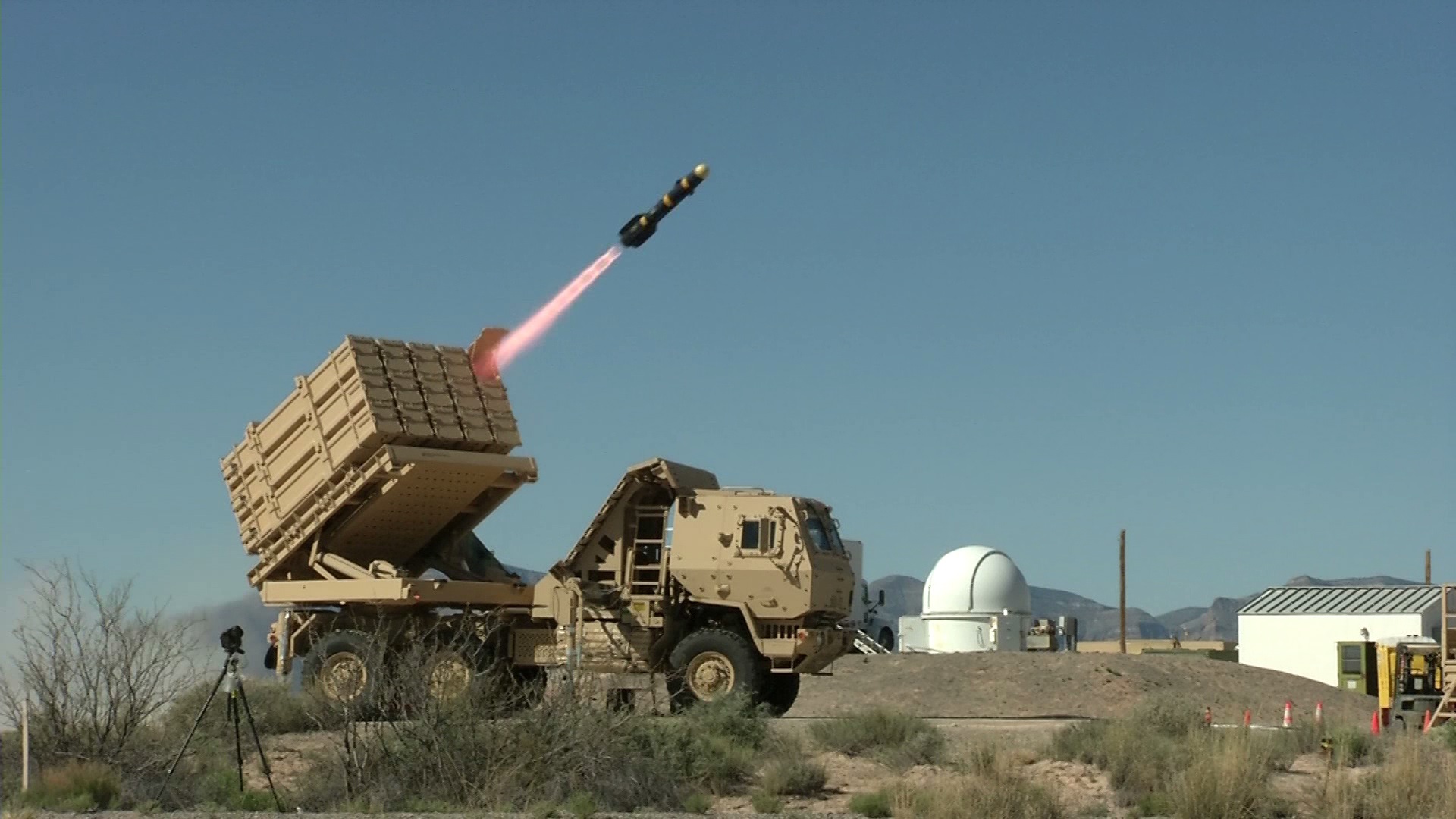
World
WASHINGTON, — June 5, 2026 : The United States Army has initiated an accelerated effort to develop and field a new generation of low-cost missile interceptors designed to counter growing numbers of drones, cruise missiles, and ballistic missile threats on modern battlefields. Through a Request for Information (RFI) designated MOSAIC-26-03, the Army is seeking industry solutions capable of demonstrating operational hardware by the fourth quarter of fiscal year 2026. The initiative is being led by the Army Capability Program Executive (CPE) for Defensive Fires at Redstone Arsenal, Alabama, in coordination with the Rapid Capabilities and Critical Technologies Office (RCCTO). The effort is aimed at addressing the increasing cost imbalance between expensive air defense interceptors and low-cost aerial threats. Addressing the Cost Challenge The Army's search for a new interceptor comes as military planners seek more sustainable solutions for defending against large-scale drone and missile attacks. According to the Army’s proposed Fiscal Year 2027 budget, a single Patriot PAC-3 Missile Segment Enhancement (MSE) interceptor costs approximately $5.3 million. Recent conflicts have demonstrated how adversaries can launch large numbers of inexpensive drones and missiles, forcing defenders to use costly interceptors against relatively cheap targets. To address this issue, the Army is seeking a supplemental interceptor that can be employed in larger quantities without creating an unfavorable cost-exchange ratio. Strict Cost Requirements Under MOSAIC-26-03, the Army has established specific cost targets for the new interceptor system. The complete ready-to-fire All-Up Round (AUR) interceptor must cost less than $1 million per unit. Major subsystems, including the solid rocket motor, seeker, and fire control system, must each remain below $250,000. A separate requirement seeks a systems integrator capable of combining the most effective components into a fully operational weapon. Operational Requirements The Army requires the interceptor to engage a broad range of threats, including Air Breathing Threats (ABTs), cruise missiles, Close-Range Ballistic Missiles (CRBMs), and Short-Range Ballistic Missiles (SRBMs). To enable rapid deployment, the interceptor must integrate with the existing M903 Patriot launcher and operate within the Integrated Battle Command System (IBCS), which connects radars, launchers, and command centers across the battlefield. The interceptor’s seeker must remain effective in contested environments, maintaining target acquisition and terminal guidance capabilities despite electronic warfare, GPS jamming, adverse weather conditions, and terrain clutter. The Army is also requiring compliance with the Modular Open Systems Approach (MOSA) to ensure interoperability, simplify upgrades, and avoid proprietary system lock-ins. Industry Day and Demonstration Schedule The Army has scheduled an Industry Day for June 23, 2026, at the Hyatt Regency Crystal City in Arlington, Virginia. Hardware demonstrations for complete interceptor systems and individual components are planned for the fourth quarter of fiscal year 2026 (July–September 2026). Complete interceptor solutions must achieve Technology Readiness Level (TRL) 6 or higher, while component-level offerings must reach at least TRL 4. Following Industry Day, the Army plans to conduct prize competitions for the first four problem statements. This approach allows the government to reward successful demonstrations with cash prizes rather than traditional contracts, encouraging participation from both established defense companies and non-traditional suppliers. Strengthening Future Air Defense The MOSAIC initiative is part of the Army’s broader effort to strengthen layered air and missile defense while improving affordability and production capacity. By combining low-cost components, open-system architecture, and a modular integration strategy, the Army aims to field interceptors capable of countering mass drone and missile attacks without relying solely on high-cost defensive weapons. Additional details regarding participants and demonstration results are expected following the June 23 Industry Day event.
Read More → Posted on 2026-06-05 15:38:49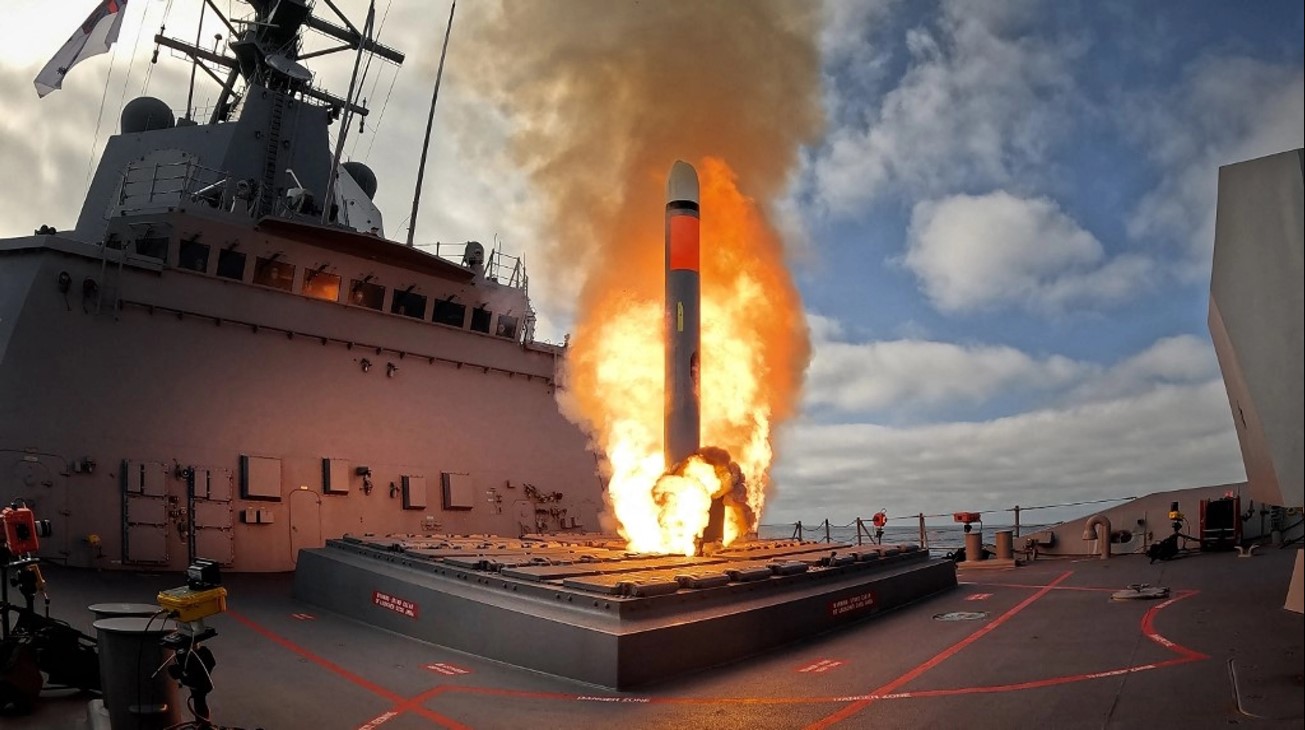
World
WASHINGTON, — June 5, 2026 : The Pentagon is expected to cancel plans to deploy Tomahawk cruise missiles to Germany, according to a report by Politico. The move would reverse a Biden administration agreement aimed at strengthening NATO's long-range strike capabilities in Europe. The reported decision is driven by concerns that deploying long-range missiles in Central Europe could be viewed by Russia as an escalation of tensions. In addition, the United States is facing growing pressure on its missile inventories following recent military operations. Missile Shortages Influence Decision According to the report, the United States expended thousands of Tomahawk and Patriot missiles during the initial weeks of the recent conflict with Iran, placing significant strain on U.S. stockpiles. U.S. Defense Secretary Pete Hegseth recently told Congress that replacing the expended munitions would take "months and years," with shortages of Patriot and Tomahawk systems expected to continue until 2031. German Chancellor Friedrich Merz has acknowledged that the United States currently lacks sufficient cruise missile inventories to fully meet its own defense requirements. Meanwhile, German Defense Minister Boris Pistorius confirmed that Berlin has yet to receive a clear response to its request to purchase the Typhon missile system, which is capable of launching Tomahawk missiles. Background of the Deployment Plan In July 2024, the United States and Germany announced a joint initiative to deploy advanced long-range conventional missile systems in Germany beginning in 2026. The plan included Tomahawk land-attack cruise missiles, SM-6 missiles, and the Long-Range Hypersonic Weapon (LRHW), also known as Dark Eagle. The systems were to be operated by U.S. forces using Typhon launchers on a rotational basis. The deployment was intended to strengthen NATO deterrence and address concerns over Russia's deployment of intermediate-range missile systems. Germany currently lacks comparable land-based long-range precision-strike capabilities, making the planned deployment a key element of its defense strategy. Impact on Germany and NATO If the deployment is canceled, Germany will lose access to the planned long-range strike capability that officials have described as important for both national and alliance defense. The Tomahawk Block V missile has a range of approximately 1,600–1,800 kilometers, advanced precision-strike capabilities, and the ability to be retargeted during flight. The reported cancellation also comes amid a broader reassessment of U.S. military commitments in Europe. The Pentagon has recently canceled plans to deploy 5,000 additional troops to Germany and has signaled possible reductions in naval, drone, and fighter aircraft deployments across the continent. NATO Supreme Allied Commander Europe Gen. Alexus Grynkewich has stated that European nations will need to assume greater responsibility for their conventional defense capabilities as the United States reallocates military resources elsewhere. Europe Seeks Alternatives The potential cancellation comes as Europe faces increasing security challenges. Russia has deployed Iskander missiles in Kaliningrad and Oreshnik missiles in Belarus, systems capable of reaching targets across much of Europe. In response, German defense planners are evaluating domestic and European alternatives to address the long-range strike capability gap. While advanced drone systems are being considered, defense experts note that they cannot fully replace the capabilities provided by Tomahawk-class cruise missiles. Efforts to expand defense production within Europe are also increasing. Recently, the U.S. State Department granted preliminary approval for Poland to domestically produce PAC-3 MSE missiles used in Patriot air defense systems, a move intended to strengthen NATO's eastern defenses while easing pressure on U.S. production lines. Awaiting Official Confirmation As of June 5, 2026, the Pentagon has not officially confirmed the cancellation of the deployment plan. Germany continues to seek clarification regarding its request for Typhon launchers and associated missile systems, while NATO allies closely monitor developments that could affect the alliance's future deterrence posture in Europe.
Read More → Posted on 2026-06-05 14:05:56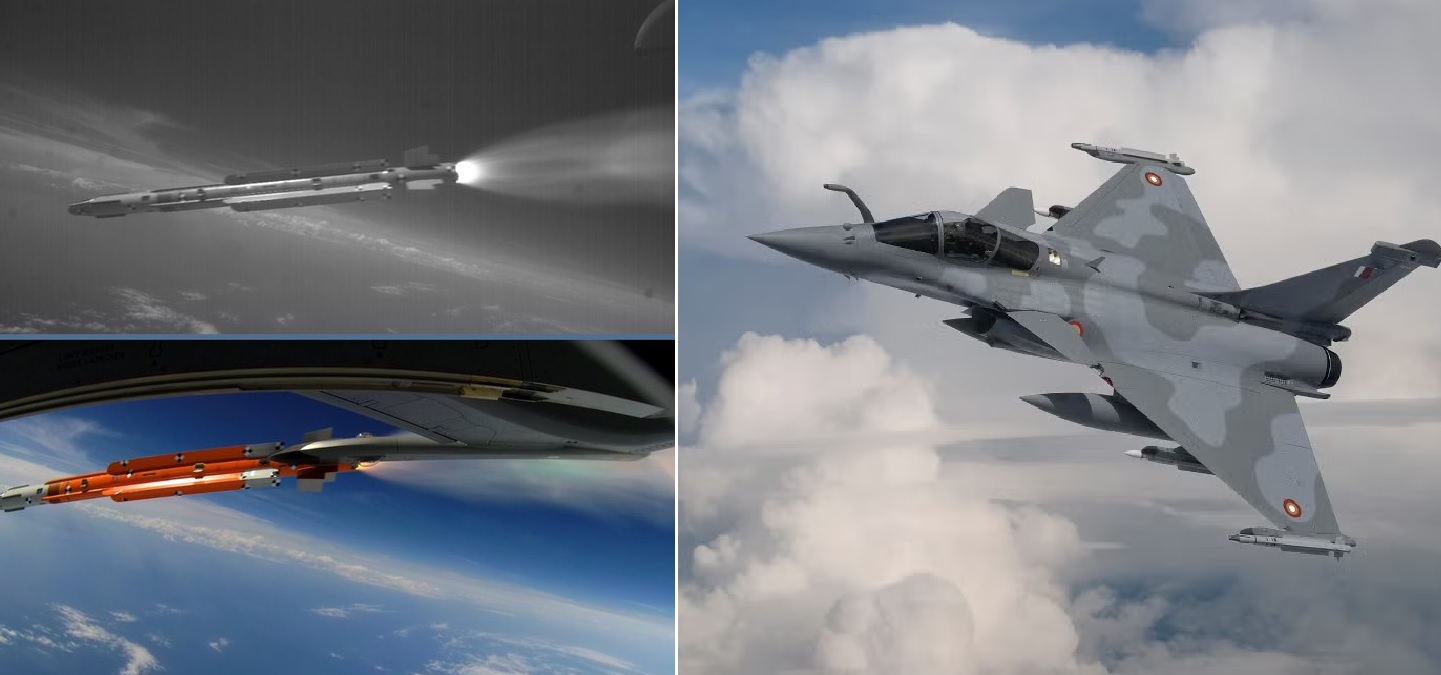
World
PARIS — June 05, 2026 : France has successfully completed the first supersonic launch of the MICA NG (New Generation) air-to-air missile from a Dassault Rafale fighter, marking a major step in the development of the country's next-generation air combat capabilities. The test was conducted on June 1, 2026, at the Directorate General of Armament (DGA) missile testing range in the Mediterranean. The trial involved cooperation between the DGA, MBDA, Dassault Aviation, and the French Air and Space Force. The launch was the second major development firing of the MICA NG from a Rafale aircraft. A previous guided firing conducted on June 19, 2025, validated the missile’s infrared guidance system against a target drone. The latest test focused on evaluating the performance of the missile’s imaging infrared seeker during flight at speeds above Mach 1. During supersonic flight, aerodynamic friction generates significant heat around the missile, particularly near the seeker window. These conditions can affect infrared sensors by reducing thermal contrast between a target and its background. The objective of the test was to determine whether the seeker could maintain effective target acquisition, tracking, discrimination, and guidance under such conditions. According to the DGA, the trial successfully validated the missile’s seeker performance, target tracking, guidance system, aircraft-weapon integration, and overall operation during a supersonic launch profile. The MICA NG is being developed to replace existing MICA missiles in French service and is designed to engage a wide range of threats, including stealth aircraft, drones, and low-signature cruise missiles. The missile is available in two versions that share the same airframe and dimensions: MICA IR NG – Equipped with a passive imaging infrared seeker for engagements without emitting radar signals. MICA EM NG – Equipped with an Active Electronically Scanned Array (AESA) radar seeker for active radar-guided targeting. Both variants feature a dual-pulse solid rocket motor, which improves range, energy management, and performance against maneuvering targets. The missile also incorporates network-enabled engagement capabilities and improved resistance to electronic warfare. The MICA NG is expected to reach speeds of more than Mach 4 and has a reported interception range of approximately 80 to 100 kilometers. The missile is a key element of France’s air defense modernization program. Under the 2019–2025 Military Programming Law, France ordered 567 operational MICA NG missiles, along with training rounds, through contracts awarded in 2018 and 2021. Deliveries are scheduled to begin in 2026, with the missiles gradually replacing existing MICA inventories. The weapon will be deployed across France’s Rafale, Mirage 2000-5, and upgraded Mirage 2000D fleets. Additional qualification tests are planned before the missile enters full operational service. The successful supersonic launch brings the MICA NG program closer to operational deployment with the French Armed Forces.
Read More → Posted on 2026-06-05 13:50:11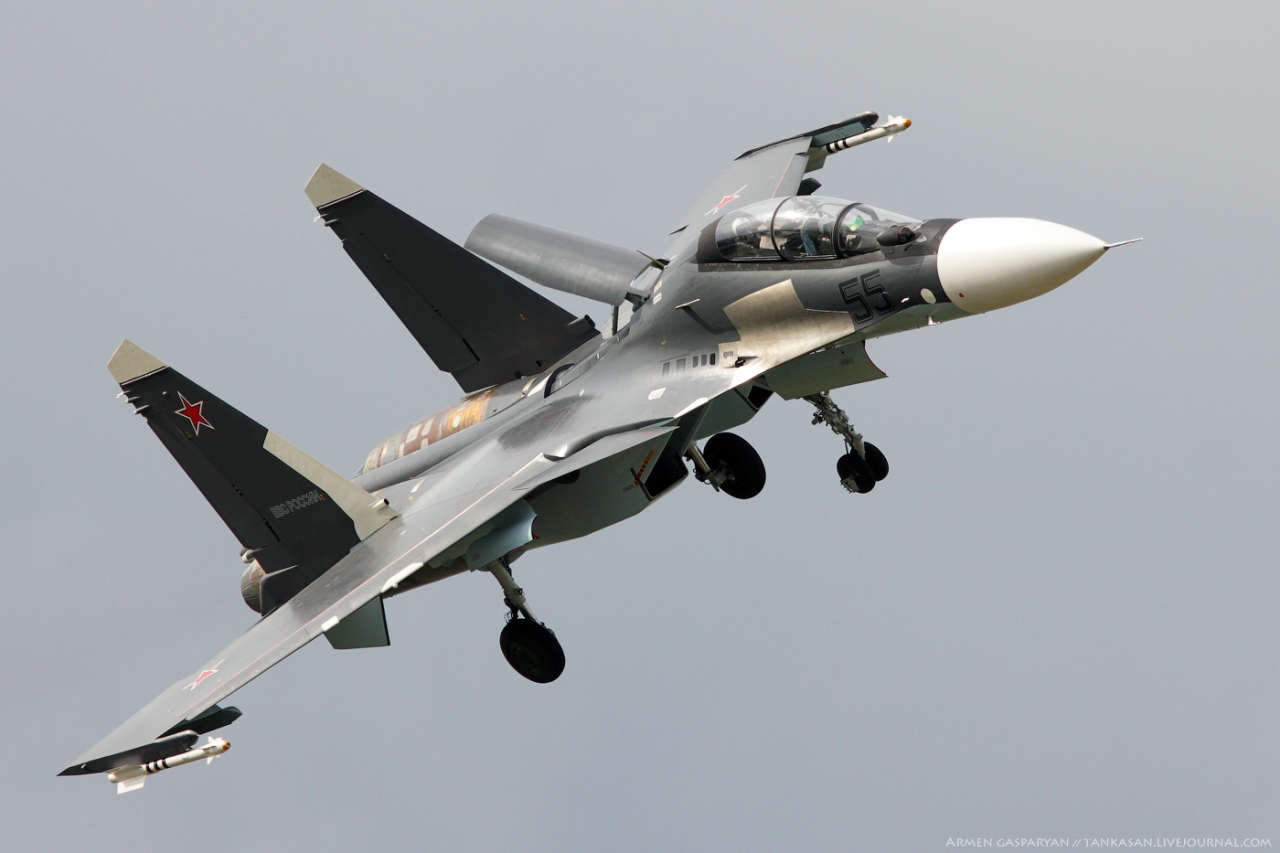
World
TEHRAN — June 05, 2026 : The Islamic Republic of Iran Air Force (IRIAF) has signed a contract with the Russian Ministry of Defense to acquire 12 Su-30SM2 multirole fighter aircraft, marking a significant step in Iran’s ongoing air force modernization program. Deliveries are scheduled to begin in mid-2027 and conclude by the end of the same year. The aircraft are described as second-hand but have accumulated very few flight hours, providing substantial remaining service life. The relatively quick delivery schedule reportedly played a key role in the agreement, allowing Iran to strengthen its air combat capabilities without waiting for new production aircraft. Preparations to establish the required maintenance, logistics, and operational infrastructure for the Su-30SM2 fleet are expected to begin in the near future to support the aircraft's integration into service. The Su-30SM2 is an upgraded variant of the Su-30SM and incorporates several technologies derived from the Su-35 program. The fighter is powered by AL-41F1S engines, which are also used on the Su-35, providing improved performance and commonality in maintenance and support. The aircraft can reach speeds of up to Mach 2, has a combat radius of approximately 1,500 kilometers, and is equipped with the Irbis-E radar, enabling improved detection and tracking of aerial and maritime targets. It can carry a wide range of air-to-air and air-to-ground weapons and perform missions including air superiority, strike operations, and reconnaissance. The Su-30SM2 is also equipped with advanced avionics, network-enabled warfare systems, and electronic warfare countermeasures, enhancing its effectiveness in modern combat environments. The acquisition forms part of Iran’s broader effort to modernize an air force that has long relied on aging platforms, including the F-4 Phantom II, F-5 Tiger, F-14 Tomcat, and MiG-29. The arrival of the Su-30SM2 will provide the IRIAF with a modern long-range multirole capability while supplementing its existing fighter fleet. Defense analysts suggest the aircraft could eventually operate alongside other Russian platforms that Iran has reportedly pursued, including the Su-35 and Yak-130. The fighter’s twin-seat configuration may also support pilot training for future advanced combat aircraft. The deal reflects expanding defense cooperation between Russia and Iran and represents a notable step in strengthening the IRIAF’s operational capabilities. Once deliveries are completed in 2027, the Su-30SM2 fleet is expected to enhance Iran’s air combat and long-range mission capabilities through the introduction of modern Russian fighter technology.
Read More → Posted on 2026-06-05 13:43:13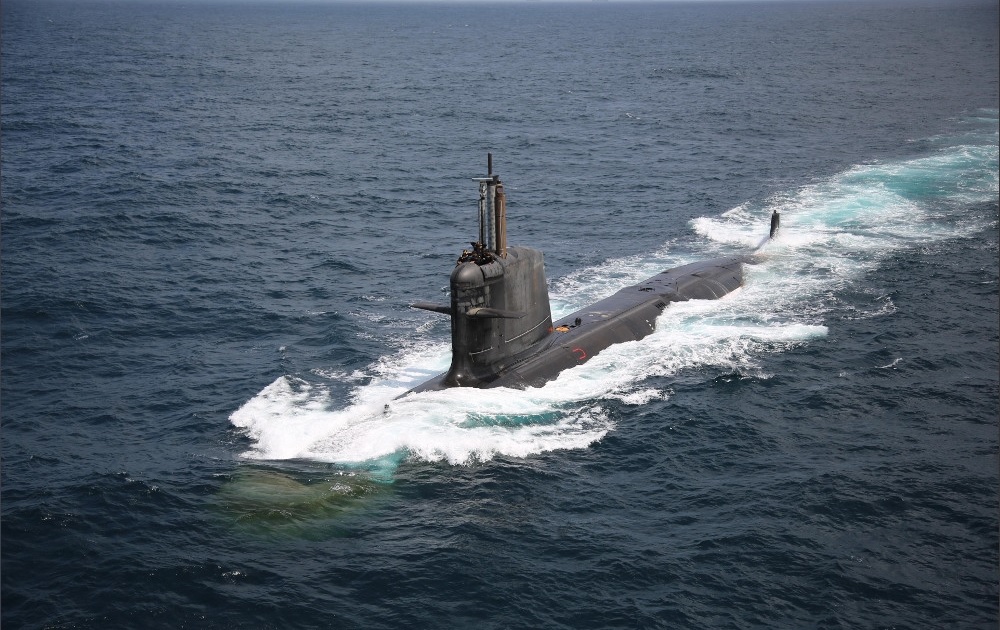
India
NEW DELHI — June 05, 2026 : The Government of India is moving ahead with plans to strengthen the Indian Navy’s underwater fleet by expanding Project 75(I) from the originally planned six submarines to a total of nine diesel-electric submarines. The move is aimed at addressing future fleet shortages, enhancing maritime security, and increasing indigenous defence production. The contract for the first six submarines under Project 75(I) is in the final stages and is expected to be signed later this year. MDL-TKMS Partnership for Project 75(I) Under the programme, Mazagon Dock Shipbuilders Limited (MDL) will build six advanced conventional submarines in partnership with Germany’s Thyssenkrupp Marine Systems (TKMS). The submarines will be equipped with hydrogen fuel cell-based Air Independent Propulsion (AIP) systems, enabling them to remain submerged and operate silently for up to 14 days without surfacing. The first submarine is expected to be delivered seven years after contract signing, with indigenous content beginning at 45 percent and increasing to 60 percent by the sixth submarine. Subsequent vessels are planned to be delivered annually. Following the signing of the main contract, the government intends to proceed with the acquisition of three additional submarines. A final decision has not yet been made on whether these will be follow-on TKMS submarines or upgraded Scorpene-class submarines built by the MDL-Naval Group partnership. Debate Over Additional Submarines The Indian Navy had earlier proposed acquiring three additional Scorpene-class submarines to address near-term force requirements. The proposal underwent lengthy negotiations, with the estimated cost reportedly reduced from over ₹50,000 crore to approximately ₹36,000 crore. France and Naval Group have argued that expanding the Scorpene fleet to nine boats would simplify logistics and maintenance. The proposed upgraded submarines would feature 60 percent indigenous content, increased endurance, larger fuel and sanitary reserves, and more than double the weapon-carrying capacity of the existing fleet. However, defence planners have raised concerns that the current six Scorpene submarines contain less than 20 percent indigenous content and continue to depend on France for critical spare parts. As a result, the TKMS-MDL partnership currently holds an advantage, as the technology transfer and industrial ecosystem created under Project 75(I) are expected to support India's future indigenous submarine programmes. Project 76 to Focus on Indigenous Design Following Project 75(I), India plans to launch Project 76, which will involve the construction of at least six next-generation conventional submarines designed entirely in India by the Indian Navy’s Warship Design Bureau and the Defence Research and Development Organisation (DRDO). The submarines, expected to displace around 3,000 tonnes, will incorporate indigenous weapon control systems, lithium-ion batteries, and an upgraded domestic AIP system. Indigenous content is projected to range between 70 and 90 percent, with imports limited to select specialised components. Driven by Regional Maritime Developments India’s submarine expansion plans come as regional naval competition continues to grow. The Indian Navy currently operates 19 conventional and nuclear submarines, but several ageing vessels are expected to begin retiring from the late 2030s. In comparison, China operates an estimated 65 submarines and continues to expand its fleet. Pakistan is also strengthening its underwater capabilities and is expected to induct eight Chinese-origin Hangor-class submarines in the coming years. To maintain operational capability in the Indian Ocean Region, the government plans to build nearly two dozen new submarines over the next two decades, including conventional attack submarines, nuclear-powered attack submarines (SSNs), and ballistic missile submarines (SSBNs). The expansion of Project 75(I) and the development of Project 76 are expected to play a central role in modernising the Indian Navy’s submarine force while advancing India's long-term goal of defence self-reliance.
Read More → Posted on 2026-06-05 13:27:14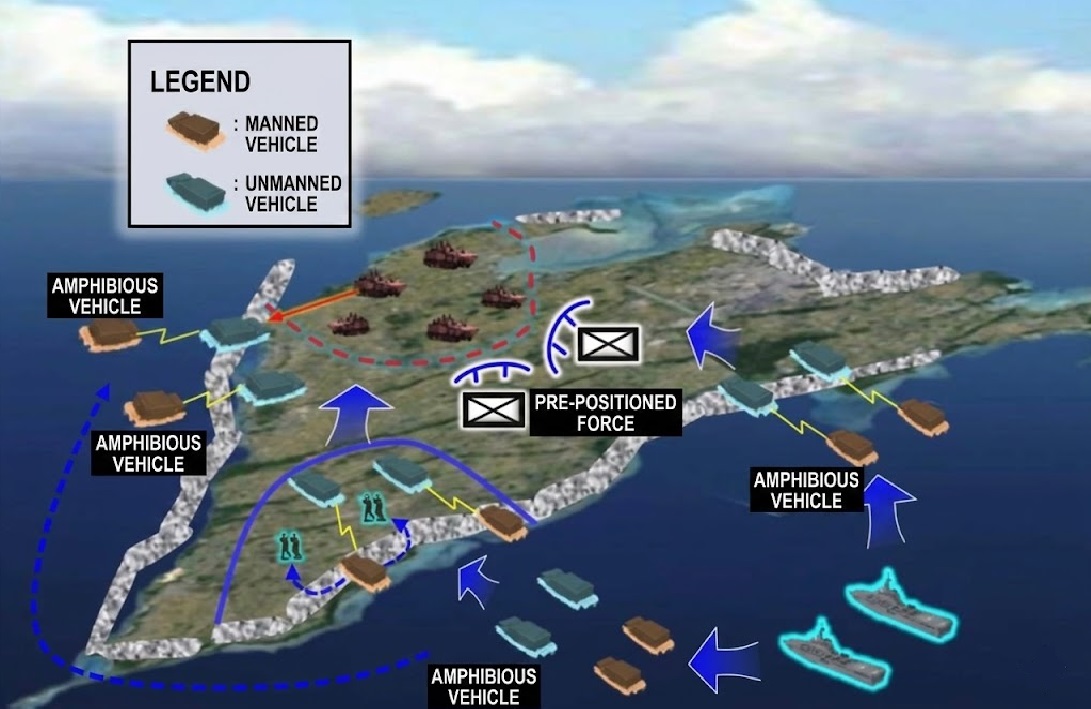
World
TOKYO — June 05, 2026 : Japan is advancing the development of a domestically produced Amphibious Assault Vehicle (AAV) designed to operate in both manned and unmanned modes, as part of a broader effort to strengthen the defense of its remote southwestern islands. Recent materials released by the Ministry of Defense and the Acquisition, Technology & Logistics Agency (ATLA) have revealed new details about the vehicle’s capabilities, highlighting its role in future amphibious operations and the growing emphasis on manned-unmanned teaming (MUM-T). The new platform is being developed to enhance the operational effectiveness of the Japan Ground Self-Defense Force (JGSDF) in challenging island environments while reducing risks to personnel during amphibious assaults. The project forms part of Japan’s long-term efforts to improve its ability to defend and, if necessary, recapture remote territories. Strengthening Defense of the Nansei Islands For more than a decade, Japan has steadily expanded its defense capabilities in response to the changing security environment in the region. Particular attention has been placed on the Nansei Islands, a chain stretching southwest from Kyushu to Okinawa and toward Taiwan. Japanese defense planners view these islands as strategically important due to their location along key maritime routes. In a potential regional contingency, including a scenario involving Taiwan, some of these islands could face threats from amphibious operations. As a result, Japan has invested heavily in developing specialized forces and equipment capable of operating across dispersed island chains. To support this mission, the JGSDF established the Amphibious Rapid Deployment Brigade (ARDB) in 2018 at Camp Ainoura in Nagasaki Prefecture. Often compared to marine infantry formations, the brigade became Japan’s first unit dedicated exclusively to amphibious warfare and island recapture operations. The ARDB currently consists of three Amphibious Rapid Deployment Regiments and a Combat Landing Battalion responsible for conducting amphibious landings and securing beachheads during operations. Limitations of the Existing AAV-7 Fleet The Combat Landing Battalion currently operates 52 U.S.-made AAV-7 amphibious assault vehicles. These vehicles are used to transport infantry forces from ships to shore and provide protection and fire support during landing operations. While the AAV-7 has served as the backbone of Japan’s amphibious capability, defense officials have identified several limitations when operating in the country’s remote island environment. One major challenge involves the geography of many islands in the Nansei chain. Numerous coastlines are surrounded by steep coral reefs that create significant obstacles for amphibious vehicles. The AAV-7 often struggles to cross these reefs, limiting potential landing sites to gently sloping sandy beaches and reducing tactical flexibility during operations. The vehicle’s armament has also been viewed as insufficient for modern combat scenarios. Equipped with a 12.7 mm machine gun and a 40 mm automatic grenade launcher, the AAV-7 has limited capability against armored vehicles or heavily defended coastal positions. These operational constraints prompted the Ministry of Defense to pursue a more capable domestic alternative. New Vehicle Designed for Difficult Coastal Terrain The new amphibious assault vehicle emerged from ATLA’s Future Amphibious Technology Research (FAT-R) program, which has focused on improving mobility, survivability, and amphibious performance for operations around Japan’s southwestern islands. Unlike the existing AAV-7, the new vehicle is designed specifically to overcome the challenges posed by coral reef coastlines. It utilizes a propulsion system that combines heavy-duty tracks with dual rear-mounted water jets, enabling the vehicle to generate both forward and upward thrust while approaching shore. According to the released specifications, the system will allow the vehicle to climb coral reefs with slopes of up to 50 degrees. This capability is expected to significantly increase the number of potential landing locations available to Japanese forces and reduce reliance on predictable beach approaches. The vehicle is also designed to provide greater firepower. It will be fitted with a Remote Weapon Station (RWS) capable of mounting a 30 mm automatic cannon alongside a 12.7 mm machine gun. The upgraded armament will enable the vehicle to engage lightly armored vehicles and fortified positions more effectively than the current AAV-7. Manned-Unmanned Teaming at the Core of the Program A defining feature of the new AAV is its integration of manned-unmanned teaming (MUM-T) technologies. The platform is being engineered to operate under direct crew control, remote control from another vehicle, or fully autonomous navigation. These capabilities are intended to support a range of operational scenarios while reducing risks to personnel during high-threat missions. Military planners consider the first wave of an amphibious assault to be one of the most dangerous phases of an operation, as forces must establish a foothold while facing concentrated enemy resistance. By deploying unmanned vehicles during the initial landing phase, the JGSDF aims to reduce potential casualties while maintaining operational momentum. To support remote and autonomous operations, the vehicle will incorporate a networked sensor suite featuring visible-light and infrared sensors. These systems will provide real-time battlefield and environmental data to operators and nearby units. The AAV will also be capable of autonomous movement using pre-programmed waypoints, allowing it to navigate independently across designated routes. Advanced Battlefield Networking In addition to its mobility and autonomous functions, the vehicle will feature an advanced command-and-control system derived from the JGSDF’s Type 10 main battle tank. The system will enable vehicles and units to share target location data, exchange tactical information, allocate targets, and transmit combat instructions across the battlefield in real time. This level of connectivity is intended to improve coordination between amphibious assault forces and support more efficient decision-making during operations. The networking capability is expected to play a central role in future amphibious missions involving both manned and unmanned platforms operating together. Prototype Production and Testing Schedule Further details of the program were revealed after Japanese military analyst Santaro Iwamoto obtained internal ATLA documents through a freedom-of-information request and later shared the information with Naval News. According to the documents, ATLA plans to manufacture four prototype vehicles for practical testing beginning in 2027. All four prototypes will incorporate the baseline remote-control and autonomous operating functions planned for the production vehicle. The fourth prototype will feature enhanced power-generation capacity designed to support future technological upgrades. The additional electrical power is intended to accommodate next-generation systems, including potential modular hybrid-propulsion technologies and other advanced capabilities that may be integrated in later versions of the vehicle. Deployment Planned From 2028 Following the completion of testing and evaluation in 2027, Japan’s Ministry of Defense plans to begin deploying the new amphibious assault vehicles in 2028. Current plans call for the procurement of approximately 97 domestically produced AAVs, which will equip the Amphibious Rapid Deployment Brigade and gradually supplement or replace the existing AAV-7 fleet. The program represents one of Japan’s most significant amphibious modernization efforts in recent years. By combining enhanced mobility, greater firepower, advanced networking, and manned-unmanned teaming capabilities, the new vehicle is expected to strengthen the JGSDF’s ability to conduct amphibious operations and defend remote islands across Japan’s southwestern region.
Read More → Posted on 2026-06-05 13:11:48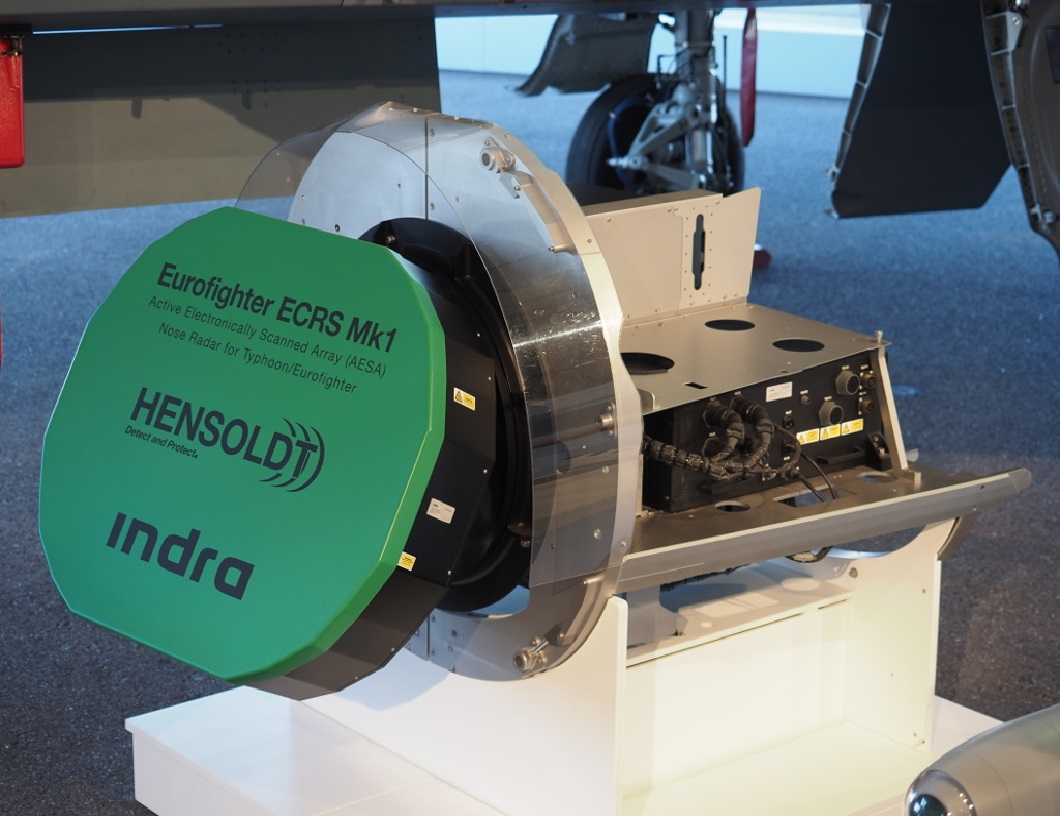
World
ULM, Germany / MADRID, Spain — June 05,2026 : Spanish defense technology company Indra and German sensor specialist HENSOLDT have commenced live operational testing of the Eurofighter Common Radar System Mark 1 (ECRS Mk1), a next-generation Active Electronically Scanned Array (AESA) radar developed for the German Luftwaffe and the Spanish Air and Space Force Eurofighter fleets. The milestone marks the programme’s transition from ground-based testing to operational evaluations using live targets, while comprehensive airborne flight trials are scheduled to continue throughout 2026. The programme remains on track for initial deliveries in 2027. Radar Enters Operational Testing Phase Developed jointly by HENSOLDT and Indra under a contract awarded in 2020, the ECRS Mk1 has now been fully integrated with its operational hardware and the most advanced software version currently available. During the current testing phase, engineers are evaluating the radar using live targets of opportunity and cooperative targets to replicate real-world operational scenarios. The objective is to further refine the radar’s software while validating system performance under realistic conditions. According to the industry partners, early testing results have demonstrated improvements in both the robustness of the hardware architecture and the performance of the software system. These results support the enhanced subsystem configuration selected by Germany and Spain in 2024. Advanced AESA Architecture The ECRS Mk1 incorporates a multi-channel AESA architecture, a high-performance processor, a new multi-channel receiver, and broadband transmit-receive modules (TRMs). These technologies are designed to improve: Target detection, tracking, and classification Operational agility and mission responsiveness Electronic protection measures Electronic Support Measures (ESM) Electronic Attack (EA) capabilities The radar is capable of supporting the full range of Eurofighter missions, enabling the aircraft to conduct multiple tasks simultaneously while maintaining high levels of situational awareness. Enhanced Air-to-Air, Air-to-Ground, and Electronic Warfare Capabilities The new radar has been designed to support both current and future operational requirements across the full mission spectrum. For air-to-air operations, the system provides enhanced target detection and tracking capabilities. In the air-to-ground role, it supports advanced functions including Synthetic Aperture Radar (SAR) imagery, Ground Moving Target Indication (GMTI), and Space-Time Adaptive Processing (STAP). The radar also delivers expanded electronic warfare capabilities, allowing Eurofighter aircraft to operate more effectively in complex and contested electromagnetic environments. Wider Field of View Than Conventional AESA Radars One of the distinguishing features of the ECRS Mk1 is its large antenna design, made possible by the Eurofighter's nose structure and mechanical repositioning capability. The radar offers a field of view of approximately ±90 degrees, providing significantly broader angular coverage than many conventional AESA radar systems. This wider coverage enhances pilot situational awareness and improves the aircraft's ability to monitor and engage threats across a larger area of the battlespace. Modernization Programmes Driving Integration The radar will be integrated across German and Spanish Eurofighter fleets, including Tranche 2 and Tranche 3 retrofit aircraft, as well as newly produced Tranche 4 and Tranche 5 fighters. The programme supports major modernization initiatives including: Germany’s Quadriga Programme Spain’s Halcón Programme Current plans call for the production of approximately 200 ECRS Mk1 radars for both nations. 2024 Upgrades Improve Processing Power In April 2024, Germany and Spain approved advanced upgrades to the radar’s processor and Antenna Power Supply & Control (APSC) systems under the Mk1 Step 1 configuration. The enhancements provide: Increased computational throughput Improved parallel processing capabilities Faster mode switching Greater real-time mission adaptability Support for future AI-assisted functions Enhanced sensor fusion capabilities Production of the first radars incorporating the upgraded hardware was completed in less than 13 months, demonstrating the programme’s accelerated development pace. Flight Testing and Deliveries The revised Mk1 Step 1 configuration is scheduled for flight evaluation aboard Germany’s Airbus A320 ATRA flying testbed. The radar will ultimately be installed on operational aircraft at Airbus Defence and Space's facilities in Manching, Germany. Initially, the Step 1 configuration will focus on delivering advanced air-to-air capabilities. Future software upgrades will expand functionality to include full multi-role operations, including air-to-ground missions and electronic warfare tasks, while also reducing pilot workload through greater automation and task-based operations. The programme remains on schedule for initial deliveries to German and Spanish Eurofighter fleets in 2027. Industry Partners Highlight Progress Commenting on the milestone, Falko Firl, Head of Eurofighter Radar at HENSOLDT, said the start of live operational testing reflects the continued commitment of the programme’s industrial partners and the strong support provided by German and Spanish customers. He noted that teams from Airbus Defence and Space, Indra, and HENSOLDT across Germany and Spain have worked closely to advance the programme toward planned deliveries in 2027. Mónica Pérez Fernández, Eurofighter Programme Director at Indra, described the start of testing as a major step in equipping the Eurofighter with an advanced AESA radar system capable of supporting the aircraft’s operational requirements in the years ahead. She added that the programme demonstrates the value of long-term cooperation between European defense companies in delivering advanced capabilities to allied armed forces. Strategic Importance for the Eurofighter Fleet The ECRS Mk1 forms a central part of broader Eurofighter modernization efforts aimed at ensuring the aircraft remains a highly capable combat platform for European air forces. By combining advanced sensor performance, electronic warfare capabilities, and multi-role mission flexibility, the radar is expected to significantly enhance the operational effectiveness of German and Spanish Eurofighter fleets. To support ongoing development and qualification activities, HENSOLDT received a contract extension worth approximately €350 million in early 2025. With live operational testing now underway and airborne evaluations continuing throughout 2026, the programme is progressing toward the planned introduction of the ECRS Mk1 AESA radar into operational service with German and Spanish Eurofighter aircraft beginning in 2027.
Read More → Posted on 2026-06-05 12:55:10
World
WASHINGTON — June 04, 2026 : Northrop Grumman is expanding production and international marketing efforts for its AN/TPS-80 Ground/Air Task-Oriented Radar (G/ATOR) as demand increases for mobile, multi-mission air defense sensors capable of countering drones, cruise missiles, aircraft, artillery projectiles, and other aerial threats. The company announced on June 4, 2026, that more than 40 G/ATOR systems have already been delivered and are operational with the U.S. Marine Corps and U.S. Air Force. Under existing contracts, Northrop Grumman is scheduled to deliver a total of 60 systems by 2029 and stated that its production lines are operating at full-rate production capacity, with the ability to support additional international orders. The G/ATOR program represents a major modernization effort for U.S. military ground-based radar capabilities, replacing multiple legacy radar systems with a single platform capable of performing several missions simultaneously while reducing logistical requirements for deployed forces. Multi-Mission Radar Replacing Legacy Systems A defining feature of the AN/TPS-80 G/ATOR is its ability to consolidate the functions of five separate radar systems into a single mobile platform operating in the S-band frequency range. The radar is capable of conducting air surveillance, air defense, target tracking, fire control support, counter-battery operations, and short-range threat detection at the same time. This allows military units to reduce the number of radar systems, operators, maintenance personnel, spare parts inventories, and communications infrastructure required in operational areas. For the U.S. Marine Corps, the system is replacing aging radar assets, including the AN/TPS-59 long-range surveillance radar and the AN/MPQ-62 Sentinel, providing a unified solution for multiple battlefield missions. By consolidating these capabilities into one platform, military forces can simplify deployments, reduce logistical burdens, and improve operational flexibility, particularly during expeditionary operations where mobility and rapid deployment are critical. Advanced AESA Radar Technology At the core of G/ATOR is an Active Electronically Scanned Array (AESA) radar architecture equipped with advanced Gallium Nitride (GaN) transmit and receive modules. Unlike conventional mechanically scanned radars that rely on rotating antennas, the AESA system electronically steers radar beams within milliseconds, enabling continuous 360-degree surveillance without interruption. This design allows the radar to conduct surveillance, target tracking, and fire control tasks simultaneously. Northrop Grumman states that the radar can track more than 500 targets simultaneously, including artillery rounds, drones, helicopters, cruise missiles, and fast-moving aircraft. The system can also perform immediate fire-control calculations for identified threats while maintaining broad-area surveillance. The radar offers a detection range exceeding 160 kilometers (100 miles) against aerial targets, providing commanders with early warning and engagement opportunities across a wide operational area. The GaN-based AESA architecture also enhances survivability in contested electromagnetic environments. Through rapid frequency changes and adaptive beam management, the system is designed to resist electronic jamming, suppression attempts, and other electronic warfare threats that can degrade older radar systems. Designed for Mobility and Rapid Deployment Mobility and survivability were key design priorities during the development of G/ATOR. The system is divided into three transportable components: the Radar Equipment Group (REG), Communications Equipment Group (CEG), and Power Equipment Group (PEG). This modular design allows the radar to be rapidly transported and deployed in expeditionary environments. The complete system can be airlifted by a single C-130 Hercules transport aircraft, three CH-53E Super Stallion helicopters, or MV-22B Osprey tilt-rotor aircraft. It can also be towed using standard Medium Tactical Vehicle Replacement (MTVR) trucks. According to Northrop Grumman, trained personnel can unpack, assemble, and begin operations in less than 45 minutes after arriving at a deployment site. The emphasis on mobility reflects lessons observed in recent conflicts, where stationary radar systems have become increasingly vulnerable to long-range precision weapons, cruise missiles, loitering munitions, and anti-radiation missiles. Modern military doctrine increasingly favors mobile air defense assets capable of relocating frequently to reduce the risk of detection and targeting. Expanding Role in Counter-Drone Operations The growing use of unmanned aerial systems (UAS) has increased the importance of radar systems capable of detecting small, low-flying targets. Northrop Grumman says G/ATOR incorporates advanced digital signal processing and filtering technologies that enable the radar to detect and track small drones operating in complex environments. The system is designed to distinguish legitimate aerial threats from terrain, buildings, vegetation, wildlife, and other sources of radar clutter that often generate false alarms for older radar systems. This capability allows operators to maintain awareness of both conventional air threats and emerging drone threats using a single sensor network. Recent conflicts have demonstrated the widespread use of small reconnaissance drones, first-person-view (FPV) attack drones, loitering munitions, and other unmanned systems, increasing demand for radar platforms capable of supporting both traditional air defense missions and counter-drone operations simultaneously. Integration with Air Defense Networks Both the U.S. Marine Corps and U.S. Air Force have integrated G/ATOR into broader air and missile defense architectures. The radar provides tracking and targeting data directly to interceptor networks, including the National Advanced Surface-to-Air Missile System (NASAMS), as well as other short-range and medium-range air defense systems. The system also supports integration with joint command-and-control networks, allowing military commanders to build a common operational picture by combining information from multiple sensors and weapons systems across the battlefield. This networked approach enables faster threat detection, improved target tracking, and more effective coordination between air defense units. International Expansion Efforts With more than 40 systems already fielded, 60 systems under contract through 2029, and production operating at full rate, Northrop Grumman is positioning G/ATOR as a mature and readily available solution for international customers. The company is actively pursuing export opportunities among countries seeking modern radar capabilities without the delays often associated with developmental programs. Potential customers include NATO members that have accelerated investments in air defense since 2022, as well as Indo-Pacific nations seeking improved surveillance and air defense capabilities amid evolving regional security challenges. Growing demand for integrated air and missile defense networks has increased interest in radar systems capable of detecting and tracking a wide range of threats from a single platform. The ability to counter drones, cruise missiles, aircraft, artillery projectiles, and other aerial threats while maintaining high mobility is expected to remain a key factor driving international interest in the AN/TPS-80 G/ATOR radar system.
Read More → Posted on 2026-06-04 18:15:34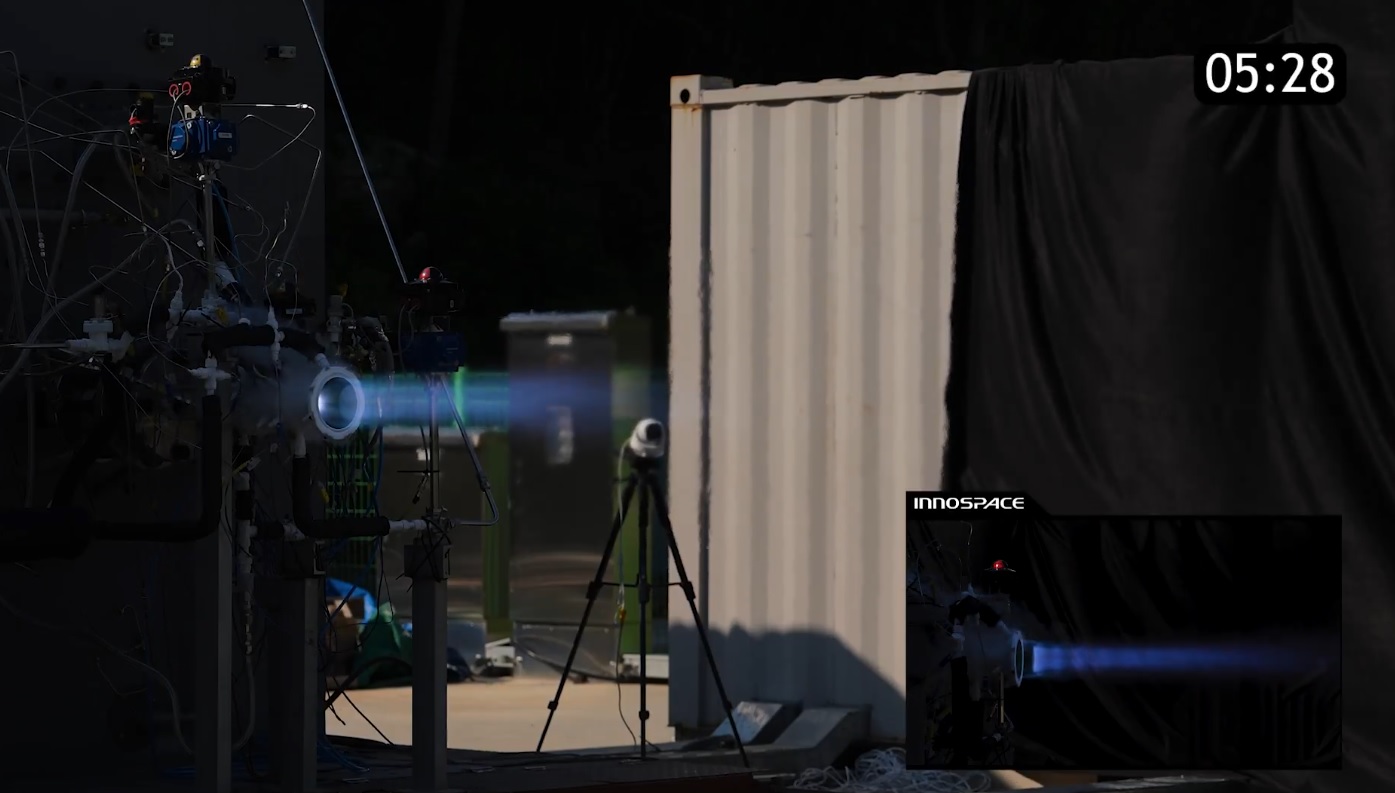
Space & Technology
SEOUL, South Korea — June 04, 2026 : South Korean commercial space launch company INNOSPACE has successfully completed a 420-second ground combustion test of its LiMEK-04 liquid methane rocket engine, setting a new national record for the longest continuous methane engine firing conducted in South Korea. The achievement marks a major milestone in the company's propulsion development efforts and validates a key dual-propellant regenerative cooling technology that will be used in the HANBIT-Micro launch vehicle, currently being developed for small satellite missions. LiMEK-04 Engine Designed for HANBIT-Micro Kick Stage The LiMEK-04 is a 0.4-ton-thrust (approximately 880 lbf) liquid methane engine specifically designed for the kick stage of the HANBIT-Micro rocket. A kick stage serves as the final propulsion system after the primary rocket stages complete their mission, enabling precise orbital insertion and accurate deployment of satellites into their designated orbits. The successful long-duration test demonstrated both the engine's operational stability and the effectiveness of several advanced propulsion technologies that are expected to enhance future launch vehicle performance. Dual-Propellant Cooling Technology Successfully Validated A key objective of the recent test was the validation of INNOSPACE's independently developed dual-propellant regenerative cooling system. Rocket engines operate under extremely high temperatures and require efficient cooling systems to protect the combustion chamber and nozzle. In regenerative cooling, propellants circulate through channels surrounding the engine before entering the combustion chamber, absorbing heat and preventing structural damage. While conventional methane engines typically use liquid methane alone as the coolant, INNOSPACE's system simultaneously utilizes both liquid methane (fuel) and liquid oxygen (oxidizer) as cooling agents. According to the company, this approach increases coolant flow rates by approximately 3.0 to 3.4 times compared with traditional single-propellant cooling methods. The technology offers several advantages: Reduced pressure requirements, allowing stable cooling performance under lower operating pressures. Lower structural mass, as reduced pressure requirements enable the use of lighter propellant tanks and feed systems. Improved payload capability, a critical factor for small launch vehicles where every kilogram of saved weight can be allocated to payload capacity. INNOSPACE stated that the technology could also support future applications involving reusable methane engines, orbital transfer vehicles, and space exploration propulsion systems. Commenting on the achievement, INNOSPACE CEO Kim Soo-jong said that structural lightweighting technologies play a significant role in improving payload performance and enhancing competitiveness within the small launch vehicle market. Methane Propulsion Gains Importance in Global Space Industry The successful test also highlights the growing importance of methane-fueled rocket engines across the global launch sector. Compared with traditional kerosene-based rocket fuels, methane offers several operational benefits. It burns more cleanly, produces fewer carbon deposits within engines, supports potential reusability, and provides higher performance while remaining easier to manage than liquid hydrogen. As a result, methane propulsion has become a key technology for many next-generation launch systems being developed worldwide. For emerging launch providers such as INNOSPACE, methane propulsion is viewed as an important pathway toward more efficient and commercially competitive launch services. LiMEK-04 Development Reaches New Milestone The latest record-setting test represents the culmination of a phased development program that has progressed over the past two years. Key milestones include: March 2024: Successful first ignition test under Technology Demonstration Model 1 (TDM#1). May 2024: Successful combustion test reaching 237 seconds under TDM#2. July 2025: First successful ignition using the newly integrated dual-propellant regenerative cooling system under Engineering Development Model 1 (EDM#1). May 2026: Successful 420-second long-duration combustion test under Engineering Development Model 3 (EDM#3), establishing a new South Korean record. The latest firing demonstrated sustained engine operation for approximately seven minutes, a duration considered important for propulsion systems intended for orbital insertion and upper-stage missions. Supporting the HANBIT-Micro Launch Vehicle INNOSPACE plans to integrate the LiMEK-04 engine into the kick stage of the HANBIT-Micro launch vehicle, which is being developed to serve the growing small satellite launch market. Reliable long-duration engine performance is essential for kick-stage operations, as these systems are responsible for final orbital adjustments, satellite deployment, and mission-specific maneuvers after separation from the main rocket stages. The company believes the successful validation of the methane engine will strengthen HANBIT-Micro's capabilities and improve its competitiveness in the expanding commercial small satellite launch sector. Preparations Continue for Next HANBIT-Nano Launch Alongside engine development activities, INNOSPACE is continuing preparations for its next launch mission following the early termination of its first commercial HANBIT-Nano launch in December 2025. The anomaly occurred approximately one minute after liftoff and was subsequently traced to a first-stage electric pump failure. Since then, the company has completed a comprehensive root-cause analysis, upgraded relevant hardware components, and implemented manufacturing process improvements aimed at increasing vehicle reliability. INNOSPACE is currently undergoing a launch license review with the Korea AeroSpace Administration (KASA). Subject to final approval, the company plans to conduct a follow-up HANBIT-Nano launch during the third quarter of 2026. The mission is scheduled to lift off from the Alcântara Space Center in Brazil and will carry InnoSat-0, INNOSPACE's first in-house test satellite. The flight will also utilize a 6U-class satellite deployment system developed by SpaceBey to validate key orbital separation and deployment technologies. Expanding South Korea's Commercial Space Capabilities The successful 420-second combustion test provides important technical validation for INNOSPACE's future launch vehicle roadmap while demonstrating progress in the development of advanced methane-fueled rocket propulsion systems. As the company advances both the HANBIT-Micro and HANBIT-Nano programs, the latest achievement further strengthens South Korea's growing capabilities in commercial launch services, small satellite transportation, and next-generation space propulsion technologies.
Read More → Posted on 2026-06-04 18:02:58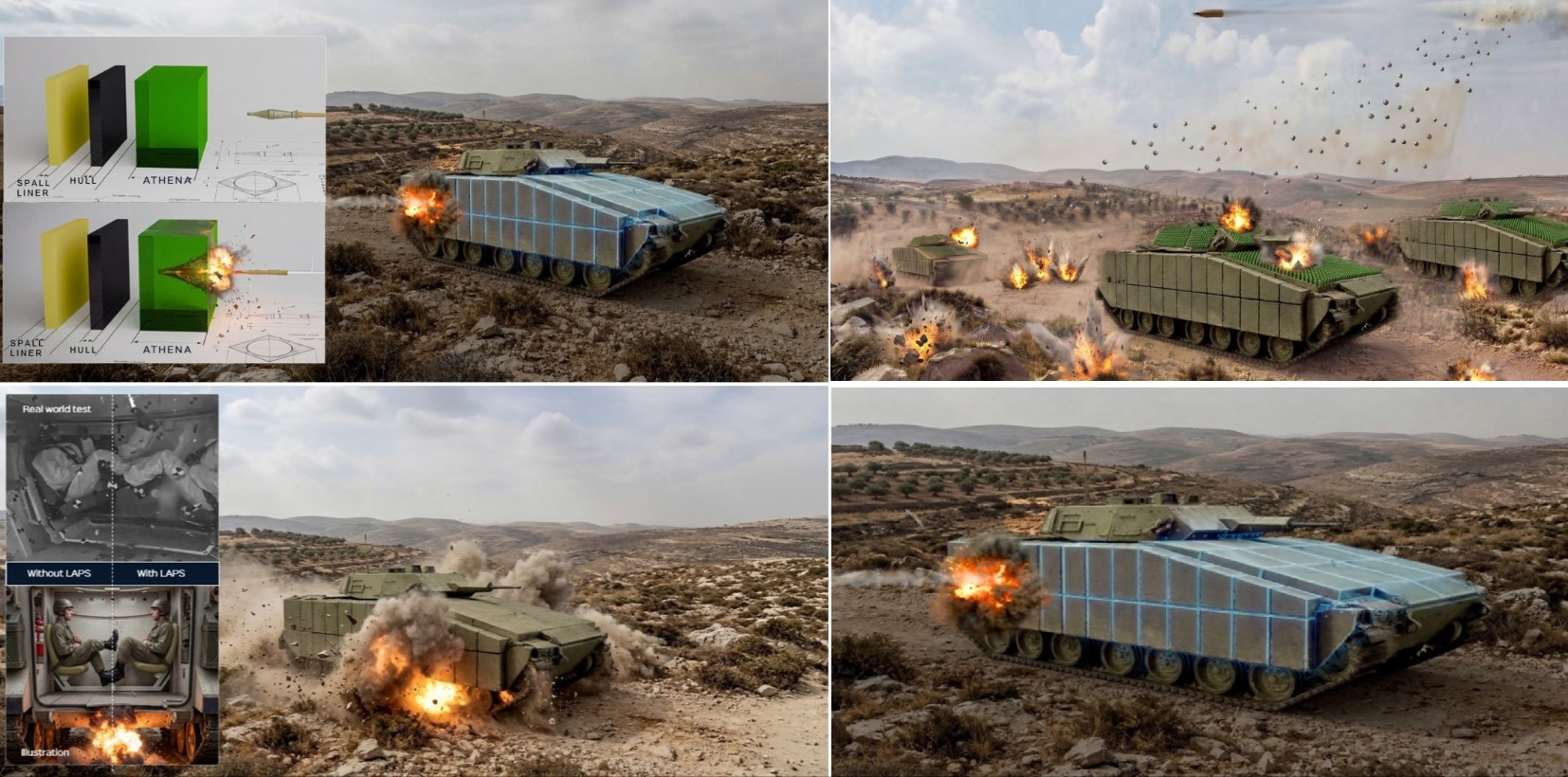
World
KIBBUTZ SASA, Israel — June 4, 2026 : Israeli survivability and armor specialist Plasan has announced the introduction of three new armored vehicle protection systems designed to address some of the most pressing threats facing military vehicles on modern battlefields. The systems—Leg Active Protection System (LAPS), Advanced Thickening Energetic Armour (ATHENA), and Top Attack Protection System (TAPS)—will make their public debut at the Eurosatory 2026 defense exhibition in Paris, scheduled to take place from June 15 to June 19, 2026. The announcement comes as armed forces worldwide place greater emphasis on armored vehicle survivability, driven by operational lessons from recent conflicts in Ukraine and Gaza, where mines, anti-tank weapons, drones, and top-attack munitions have posed significant challenges to armored formations. Founded in 1985, Plasan has more than four decades of experience in vehicle protection technologies and has supplied survivability solutions for widely used military platforms, including the Oshkosh JLTV and Navistar MaxxPro. According to the company, the three new systems were developed to address vulnerabilities that conventional armor solutions have struggled to mitigate effectively. LAPS Designed to Reduce Mine Blast Injuries The Leg Active Protection System (LAPS) is intended to reduce severe lower limb injuries caused by underbelly mine blasts and improvised explosive devices (IEDs). When a vehicle strikes a mine or encounters an underbody explosion, a powerful shockwave travels through the vehicle floor within milliseconds. Although modern armored vehicles employ blast-resistant hulls and reinforced flooring, residual energy can still cause serious injuries, including fractures, amputations, and soft-tissue damage to vehicle occupants. To address this threat, LAPS is integrated directly into the vehicle’s Energy Attenuating Seat structure and utilizes an active detection mechanism capable of identifying a blast event almost instantly. Once activated, the system rapidly lifts the occupant’s legs away from the floor before the primary blast wave reaches the seating area. Plasan stated that the technology achieves this protective response without requiring additional cabin space or significantly increasing vehicle weight. This allows manufacturers to maintain compact vehicle designs while improving crew survivability and reducing the physical effects of mine and IED attacks. ATHENA Introduces Non-Explosive Reactive Armor Technology The second system, ATHENA (Advanced Thickening Energetic Armour), has been developed to counter shaped-charge warheads commonly used in rocket-propelled grenades (RPGs), anti-tank guided missiles (ATGMs), and explosively formed penetrators (EFPs). Shaped-charge weapons defeat armor by creating a concentrated high-velocity metal jet capable of penetrating steel and composite protection systems. For decades, armed forces have relied on Explosive Reactive Armor (ERA) to disrupt these penetrators. However, ERA functions by detonating outward when struck, creating fragmentation and blast effects that can endanger nearby infantry and damage external vehicle equipment. Plasan said ATHENA provides a non-explosive reactive armor solution by combining advanced composite armor materials with a mechanically expanding interlayer. When a shaped-charge jet impacts the armor, the interlayer rapidly expands and disrupts the penetrator before it can effectively breach the vehicle's protection. Because ATHENA does not rely on an external explosive reaction, it eliminates the collateral risks associated with traditional reactive armor while maintaining protection against shaped-charge threats. The system is intended to improve vehicle survivability while enhancing safety for troops operating alongside armored platforms. TAPS Developed to Counter Top-Attack Threats The third system, Top Attack Protection System (TAPS), has been designed to protect armored vehicles from threats approaching from above, an area that has become increasingly vulnerable in modern warfare. Recent conflicts have demonstrated the growing effectiveness of drone-dropped munitions, loitering munitions, artillery submunitions, and top-attack anti-tank missiles against armored vehicles. While tanks and armored personnel carriers typically feature heavy frontal armor, their roof sections often remain comparatively less protected due to weight limitations. TAPS is a lightweight add-on protection system mounted above a vehicle’s roof structure. The system provides an additional layer of defense against kinetic threats, artillery-delivered submunitions, and munitions arriving from elevated attack angles. Plasan confirmed that TAPS has already undergone successful testing by multiple Western military forces and has received approval for field deployment. However, the company has not disclosed the identities of the participating nations or the specific vehicle programs involved. Reflecting Lessons from Modern Conflicts The introduction of LAPS, ATHENA, and TAPS reflects a broader shift in military procurement priorities as defense organizations adapt to evolving battlefield threats. Operations in Ukraine and the Middle East have highlighted the vulnerability of armored vehicles to a wide range of threats, including mines, IEDs, anti-tank guided weapons, FPV drones, loitering munitions, and precision-guided top-attack systems. As a result, military planners are increasingly seeking layered survivability solutions that combine passive armor, active protection technologies, blast mitigation systems, and modular protection packages. “These new solutions reflect the evolving requirements of modern battlefield survivability and the need to address increasingly complex threats targeting combat platforms,” said Gilad Ariav, Vice President of Marketing at Plasan. “Our focus is on developing advanced survivability technologies that enhance protection while supporting operational flexibility and platform efficiency,” he added. Expanding Global Industrial Presence Alongside the launch of its new protection systems, Plasan continues to expand its international industrial footprint through partnerships with defense manufacturers and Original Equipment Manufacturers (OEMs) worldwide. The company is increasing its manufacturing presence and industrial cooperation efforts across Europe and North America, with a focus on technology transfer, localized production, and collaboration with regional defense industry partners. The unveiling of LAPS, ATHENA, and TAPS at Eurosatory 2026 is expected to draw attention from military procurement agencies and defense manufacturers seeking advanced protection technologies for future armored vehicle fleets as battlefield threats continue to evolve.
Read More → Posted on 2026-06-04 17:49:27
World
LONDON — June 04, 2026 : The Five Eyes intelligence alliance has issued a joint security bulletin warning that Chinese military intelligence services are using professional networking websites and online recruitment platforms to target individuals with access to sensitive government, military, and defence-related information. The advisory, titled “Safeguarding Our Secrets,” was released on June 3, 2026, and was jointly prepared by the domestic security agencies of the five member nations: the Federal Bureau of Investigation (FBI) of the United States, the United Kingdom’s MI5, the Canadian Security Intelligence Service (CSIS), the Australian Security Intelligence Organisation (ASIO), and the New Zealand Security Intelligence Service (NZSIS). According to the bulletin, the operation forms part of a broader intelligence collection effort targeting current and former government officials, military personnel, defence contractors, policy advisers, researchers, academics, journalists, and think tank employees who may possess access to sensitive national security information. Online Recruitment Strategy The Five Eyes advisory states that Chinese intelligence services and affiliated recruitment networks are increasingly using professional networking platforms and job portals, including LinkedIn, Indeed, and Upwork, to identify and approach potential targets. Investigators say intelligence operatives frequently create fake professional profiles, presenting themselves as recruitment consultants, human resources specialists, think tank representatives, private-sector hiring managers, or employees of consulting and research organizations. Many of these entities are portrayed as being based outside China to increase credibility. Using publicly available resumes, employment histories, and professional profiles, recruiters identify individuals with experience in foreign policy, defence, cybersecurity, advanced technologies, and government advisory roles. Selected targets are then approached with offers for consulting assignments, research projects, policy analysis work, or advisory positions that appear to be legitimate employment opportunities. How the Recruitment Process Works According to the bulletin, the recruitment process often begins with seemingly routine freelance or consultancy work. Targets may initially be asked to prepare trial reports covering subjects such as international trade, foreign relations, defence policy, regional security developments, or geopolitical affairs. These assignments are intended to evaluate a candidate’s expertise, professional network, and potential access to valuable information. As the relationship develops, recruits may be encouraged to provide non-public information or insights related to government policies, military capabilities, defence procurement programs, strategic assessments, infrastructure details, and contacts within government institutions. The advisory notes that these requests are often presented as research requirements for unspecified clients or organizations that allegedly maintain links to Chinese government entities. Use of Encrypted Communications and Payments The intelligence agencies reported that once a working relationship is established, communications are frequently moved away from public job platforms to encrypted messaging applications in order to reduce visibility and avoid detection. The bulletin states that compensation is commonly offered for reports and consulting assignments, with payments ranging from hundreds to several thousand dollars per task. Payments are reportedly routed through third-party financial services such as PayPal, Payoneer, and Western Union, while some transactions are conducted using cryptocurrency. Intelligence Collection Objectives According to the Five Eyes alliance, the primary objective of these recruitment efforts is to obtain military, political, economic, and technological intelligence that could support China's strategic interests. The advisory emphasizes that intelligence collection is not limited to classified material. Security officials warn that even seemingly insignificant or unclassified information can become valuable when combined with data gathered from multiple sources. The bulletin notes that aggregated information can provide foreign intelligence services with a detailed understanding of government operations, defence structures, military activities, infrastructure networks, and national security decision-making processes. Security Risks and Consequences The Five Eyes agencies warned that individuals who knowingly or unknowingly participate in such activities may face significant legal and professional consequences. According to the bulletin, previous cases involving similar recruitment efforts have resulted in criminal investigations, prosecution, employment termination, and the revocation of security clearances. The advisory stresses that even informal conversations with unknown online contacts can expose information that may be useful to foreign intelligence services. UK Security Minister Dan Jarvis urged government employees, military personnel, and individuals working in sensitive sectors to remain vigilant and recognize signs of suspicious online recruitment efforts before sensitive information is compromised. Professional Platforms Increasingly Used for Espionage The Five Eyes alliance highlighted that professional networking websites have become attractive tools for intelligence collection because they provide access to verified professional identities, employment histories, organizational affiliations, and direct communication channels. Officials noted that these platforms allow intelligence operatives to blend into legitimate professional environments, making recruitment attempts more difficult to identify than traditional espionage methods. The advisory also points out that similar intelligence-gathering efforts have previously been conducted through academic conferences, consultancy offers, research collaborations, and professional networking events, but digital platforms now enable large-scale outreach across multiple countries and industries. China Rejects the Allegations The Chinese government strongly rejected the claims outlined in the Five Eyes bulletin. A spokesperson for the Chinese Embassy in the United Kingdom described the allegations as “purely false” and characterized the report as “malicious slander.” The spokesperson also criticized the Five Eyes partnership, referring to it as the world's largest intelligence organization and accusing its member states of posing a threat to international stability. Joint Warning From Five Eyes Partners While individual Five Eyes member countries have previously issued separate warnings regarding cyber threats, foreign intelligence activities, and digital espionage campaigns, the June 2026 bulletin represents a coordinated public warning from all five intelligence partners. The alliance stated that the advisory reflects growing concerns about the use of commercial hiring platforms and professional networking ecosystems as channels for intelligence collection. Authorities have advised individuals working in government, defence, research, and policy-related fields to carefully verify unsolicited job offers, consulting requests, and professional contacts before engaging in discussions that could involve sensitive information. The bulletin concludes that foreign intelligence services continue to adapt their recruitment and information-gathering methods to modern digital environments, making vigilance, verification, and security awareness increasingly important for protecting national security interests.
Read More → Posted on 2026-06-04 17:31:29Search
Top Trending in 24 Hours
-
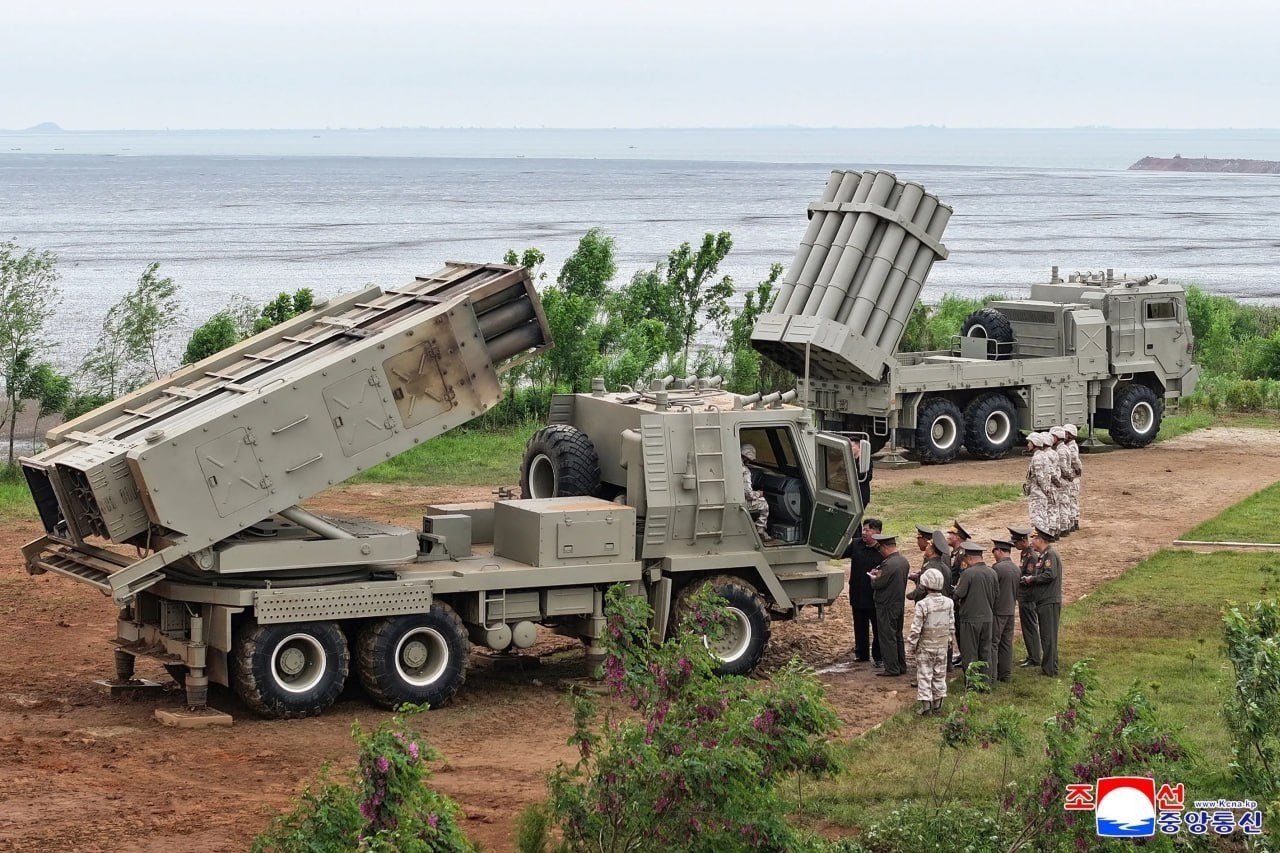 North Korea Tests AI-Powered Missile Capable of Changing Flight Path
-
 NASA Develops Humanoid Robots for Future Moon and Mars Missions
-
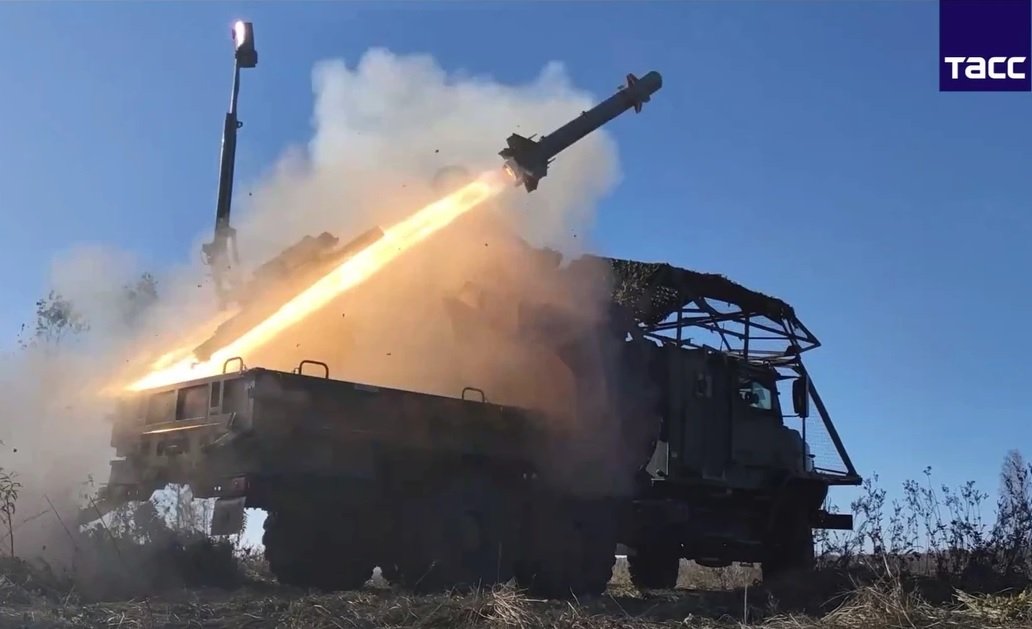 Russia Demonstrates Truck-Mounted LMUR Missile System During Tsentr-2026
-
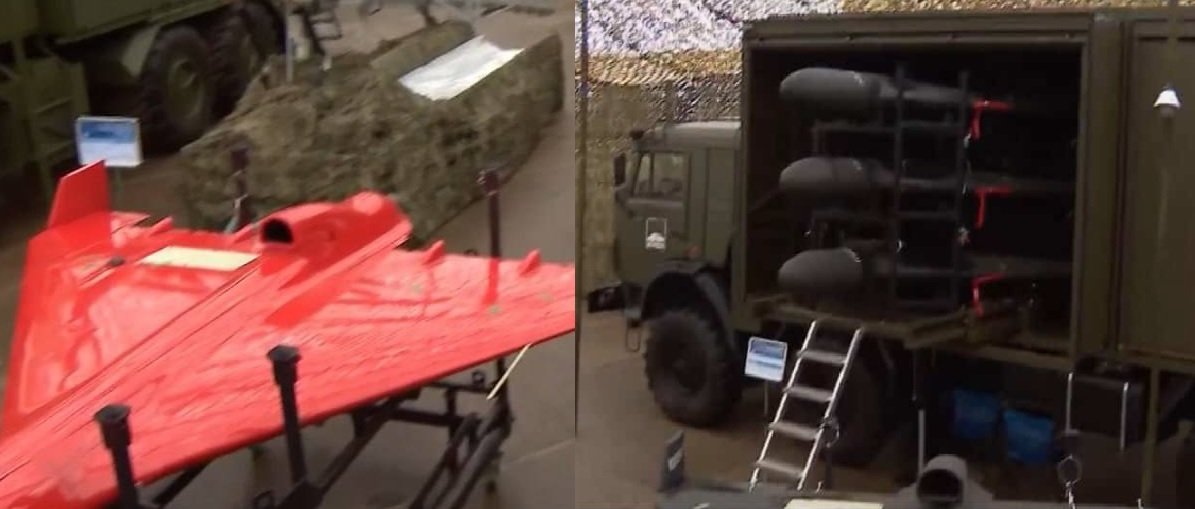 Russia Reveals Jet-Powered Harpy Attack Drones and Mobile Launchers
-
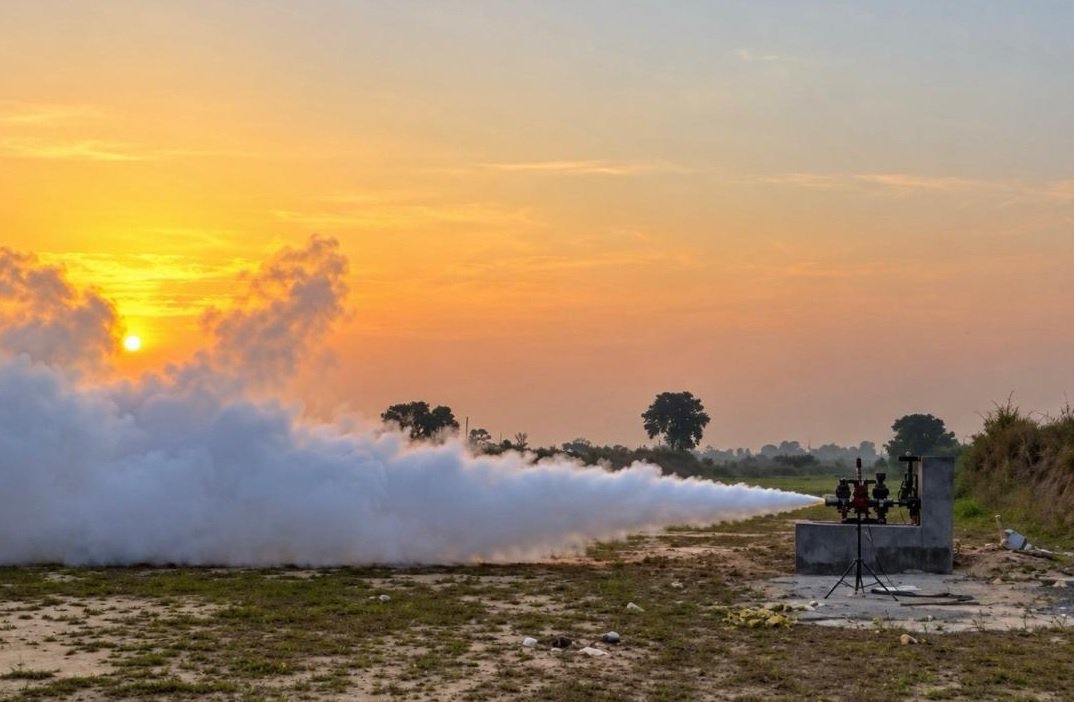 IG Defence Successfully Tests Two Solid Rocket Motors for JWALA Micro-Missile
-
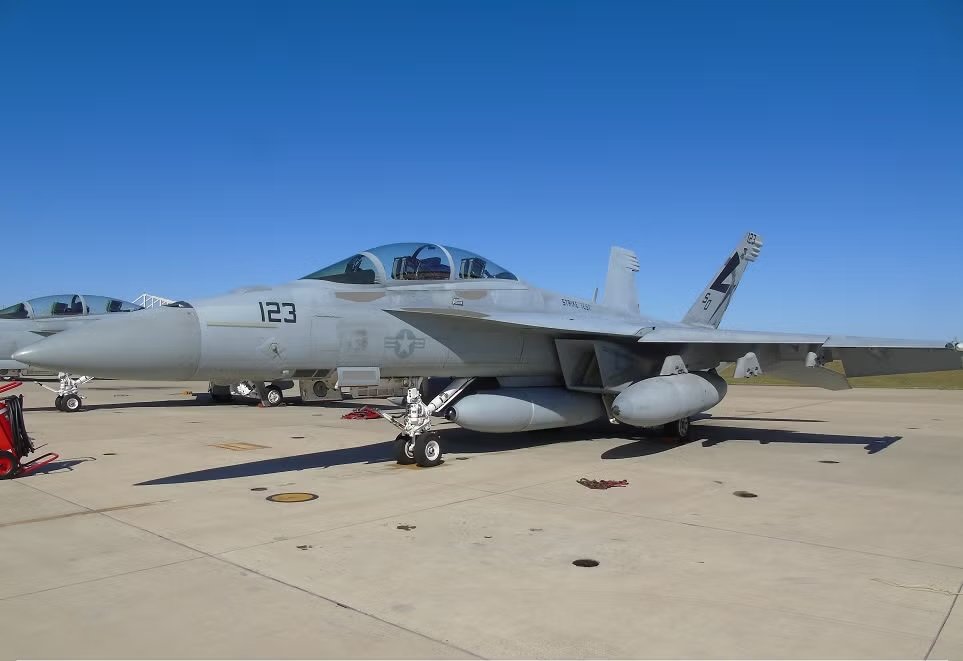 Lockheed Martin Secures $245 Million Contract for F/A-18 Super Hornet IRST Systems
-
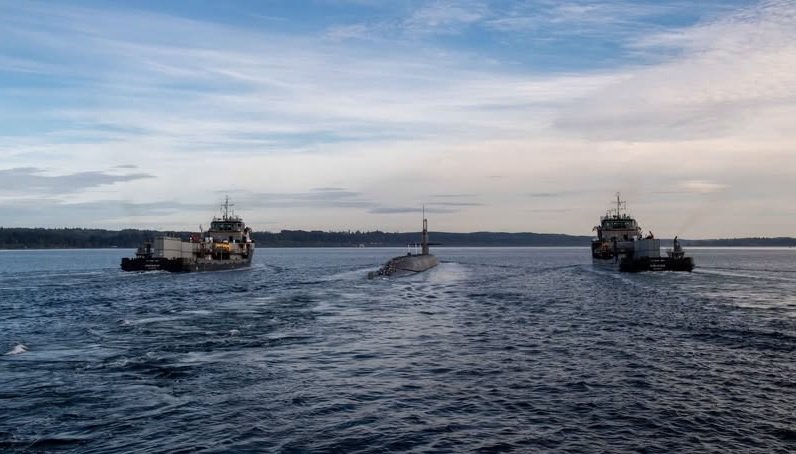 U.S. Navy Swaps Homeports of USS Wyoming and USS Pennsylvania Ahead of Columbia-Class Transition
-
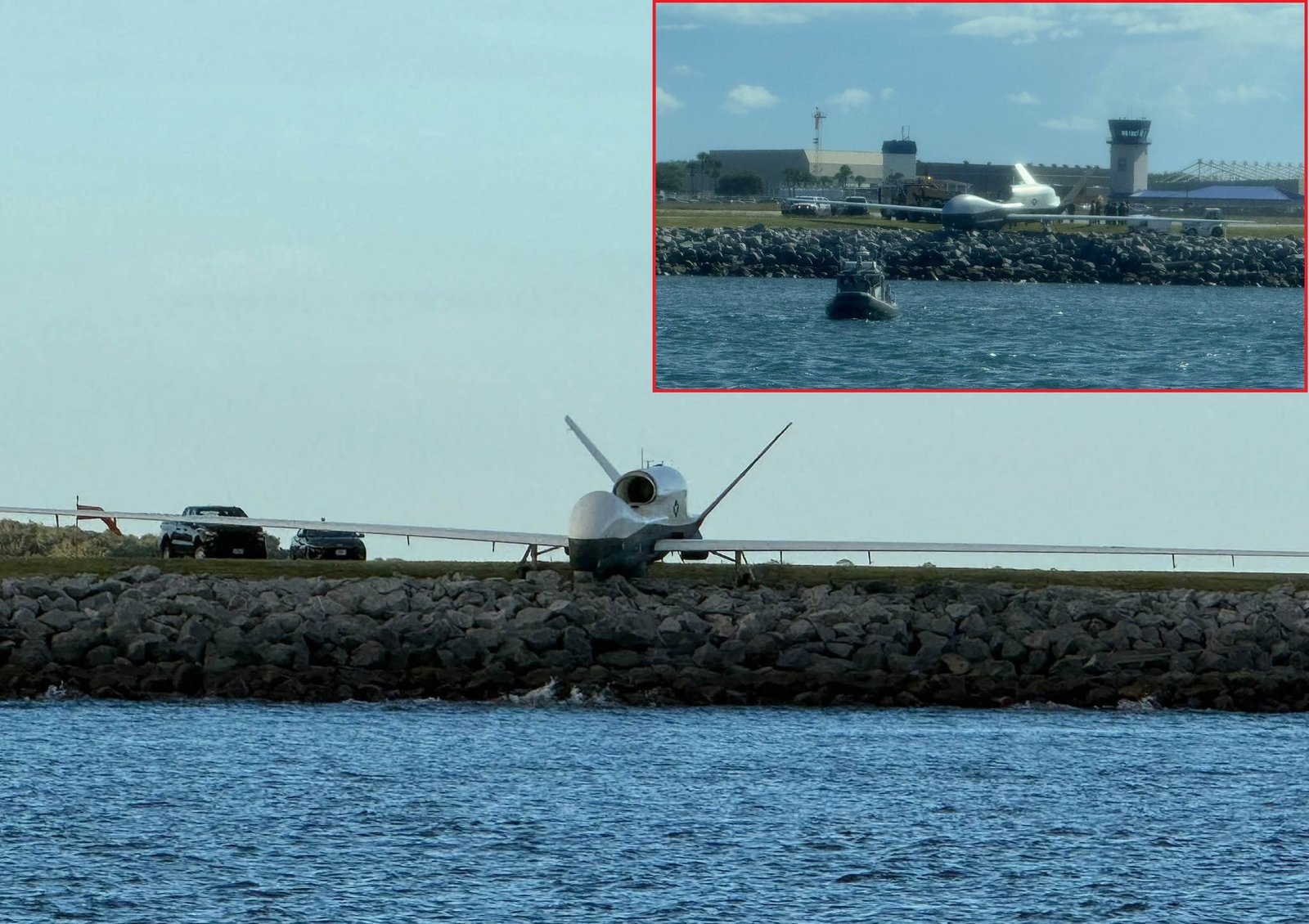 U.S. Navy MQ-4C Triton Drone Found Off Runway as Mayport Incident Remains Unexplained
Top Trending in 4 Days
-
 Northrop Grumman Delivers First 21 Satellites for Pentagon’s Next-Generation Military Network
-
 NASA Adds Blue Origin’s Upgraded New Glenn 9×4 to Launch Services Contract
-
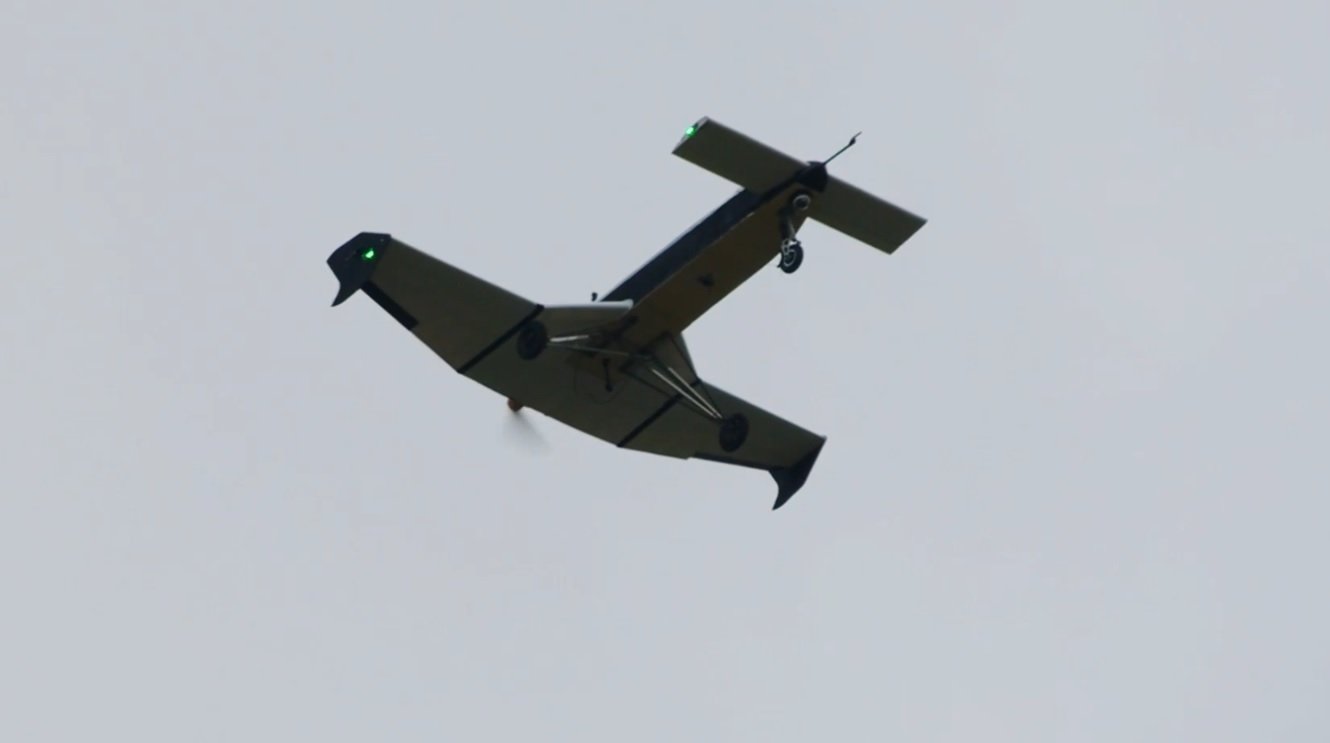 Ukraine’s SkyFall Unveils Thor Hammer Strike UAV With Up to 600-Km Range
-
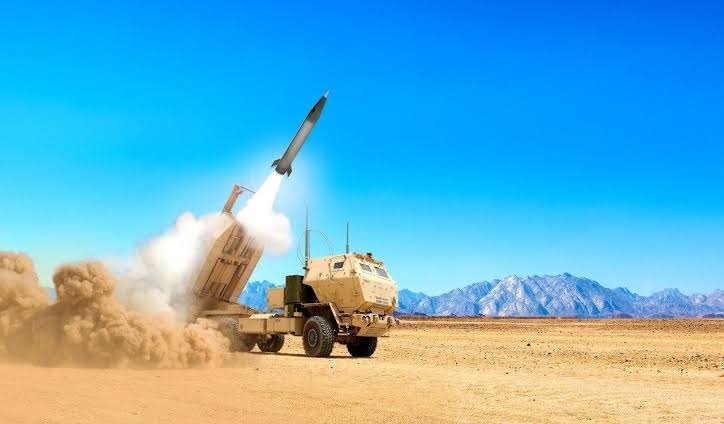 U.S. Army Selects Five Companies to Develop 1,000-Km Precision Strike Missile Prototypes
-
 Boeing Wins $20 Billion U.S. Navy Contract for F/A-XX Sixth-Generation Fighter
-
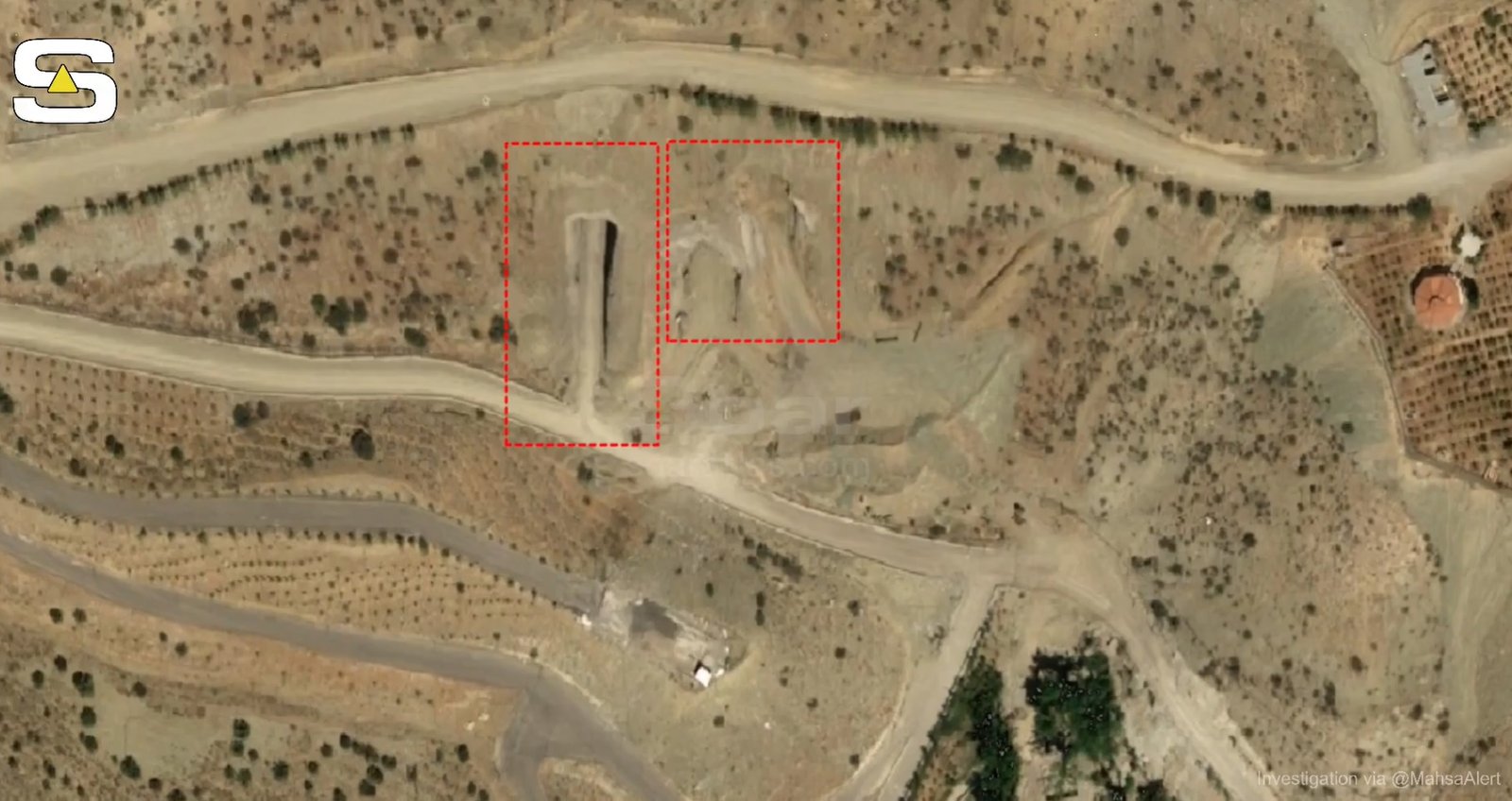 Satellite Imagery Shows Construction Changes at Hillside Site Linked to Iran’s Supreme National Security Council
-
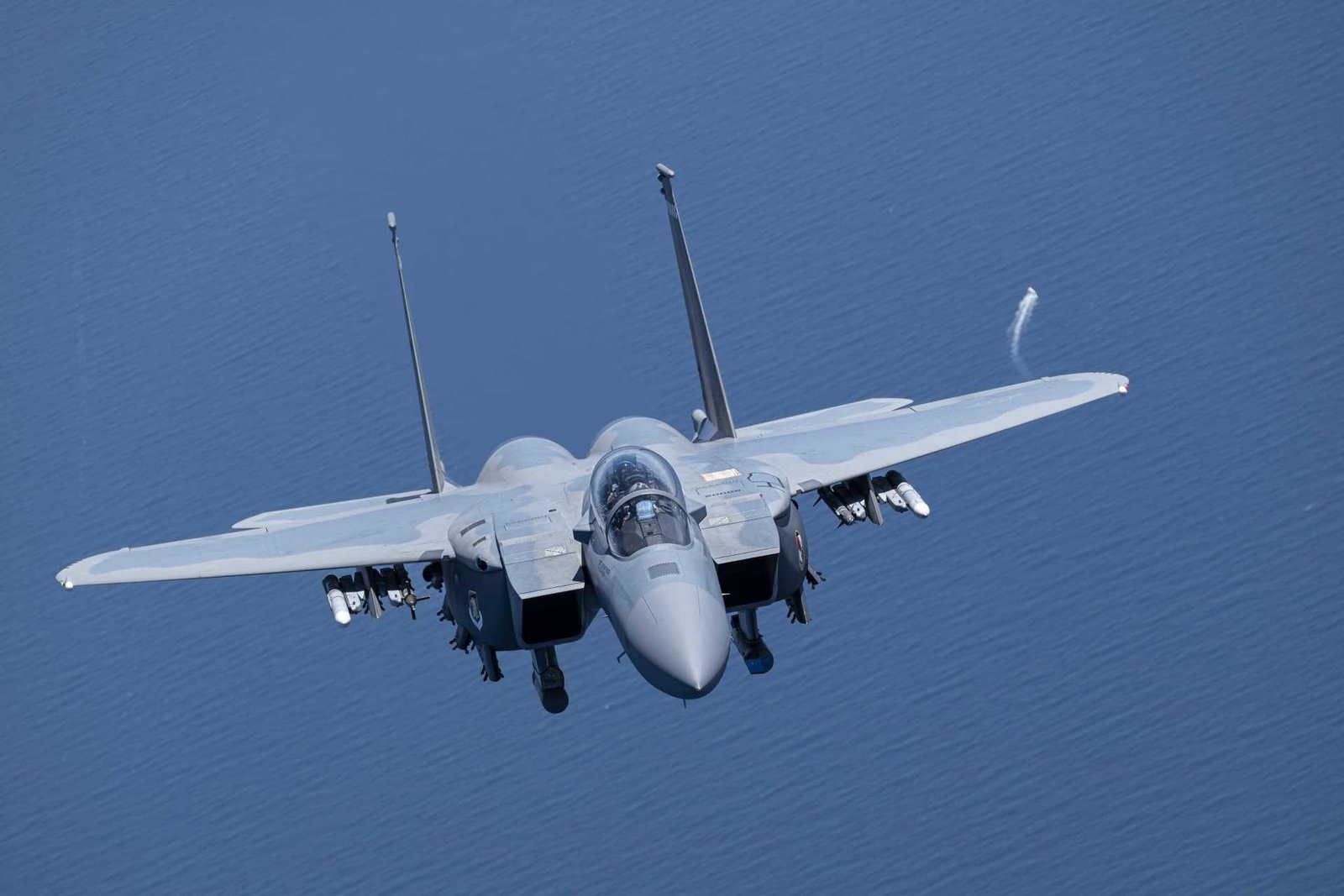 U.S. Air Force Seeks Missile Warning System for F-15EX Fleet
-
 NASA Awards Modulate Space $38 Million Contract to Develop Lunar 5G and Wi-Fi Network
