
World
LINKÖPING, SWEDEN — June 03, 2026 : Swedish aerospace company Saab has officially unveiled the first Gripen F two-seat fighter aircraft for the Brazilian Air Force during a rollout ceremony held at its facilities in Linköping on June 2, 2026. The aircraft, designated F-39F in Brazil and carrying serial number 4000, represents a significant milestone in the long-running defense and technology partnership between Sweden and Brazil. The Gripen F is the two-seat variant of the Gripen E fighter and has been developed to serve both as an advanced training platform and a fully operational combat aircraft. Following its public presentation, the aircraft will undergo a dedicated flight test campaign at Saab’s Flight Test Centre in Sweden before being delivered to the Brazilian Air Force. While sharing the same sensors, mission systems, combat avionics, thrust, maximum takeoff weight, and weapon hardpoints as the single-seat Gripen E, the Gripen F features a fully independent second cockpit. The aircraft is approximately 70 centimeters longer than the single-seat version to accommodate the additional crew member and does not carry the internal Mauser BK27 cannon found on the Gripen E. The second cockpit is designed to support pilot training and operational missions. It allows instructors to guide trainee pilots during live missions under realistic conditions, helping accelerate pilot conversion training. In combat operations, the additional crew member can assist with mission management, sensor operation, and tactical coordination, improving overall mission effectiveness in complex environments. Brazil is the launch customer for the Gripen F and played a central role in its co-development. The aircraft forms part of a 2014 agreement between Saab and the Brazilian government for the development and production of 36 Gripen fighters, including 28 single-seat Gripen E aircraft and eight Gripen F variants. The contract, valued at approximately $5.4 billion, also includes an extensive technology-transfer program aimed at strengthening Brazil’s aerospace industry. Under the program, hundreds of Brazilian engineers and technicians received specialized training in Sweden. Brazilian aerospace company Embraer, Saab’s main local partner, has been assembling Gripen aircraft at its facility in Gavião Peixoto and is responsible for producing 15 of the single-seat aircraft in Brazil. “The rollout of Gripen F represents a shared achievement between Saab, Brazilian industry, and the Brazilian Air Force, reflecting the deep trust we have built together over many years,” said Lars Tossman, head of Saab’s Aeronautics business area. Deliveries of Gripen aircraft to Brazil began in 2020, and 11 aircraft have been handed over to the Brazilian Air Force so far. Earlier this year, Saab and Embraer also presented the first Gripen E assembled in Brazil, marking the beginning of local production under the program. The cooperation between Saab and Brazil may expand further. Brazilian Defense Minister José Múcio Monteiro confirmed that discussions are ongoing regarding the establishment of a dedicated Gripen research and development center in São José dos Campos, a major aerospace hub and the location of Embraer’s headquarters. Saab also confirmed that the Gripen F has attracted international customers beyond Brazil, with orders received from Thailand and Colombia. The growing adoption of the two-seat variant is expected to expand its role in both advanced pilot training and frontline combat operations within multiple air forces.
Read More → Posted on 2026-06-03 15:08:12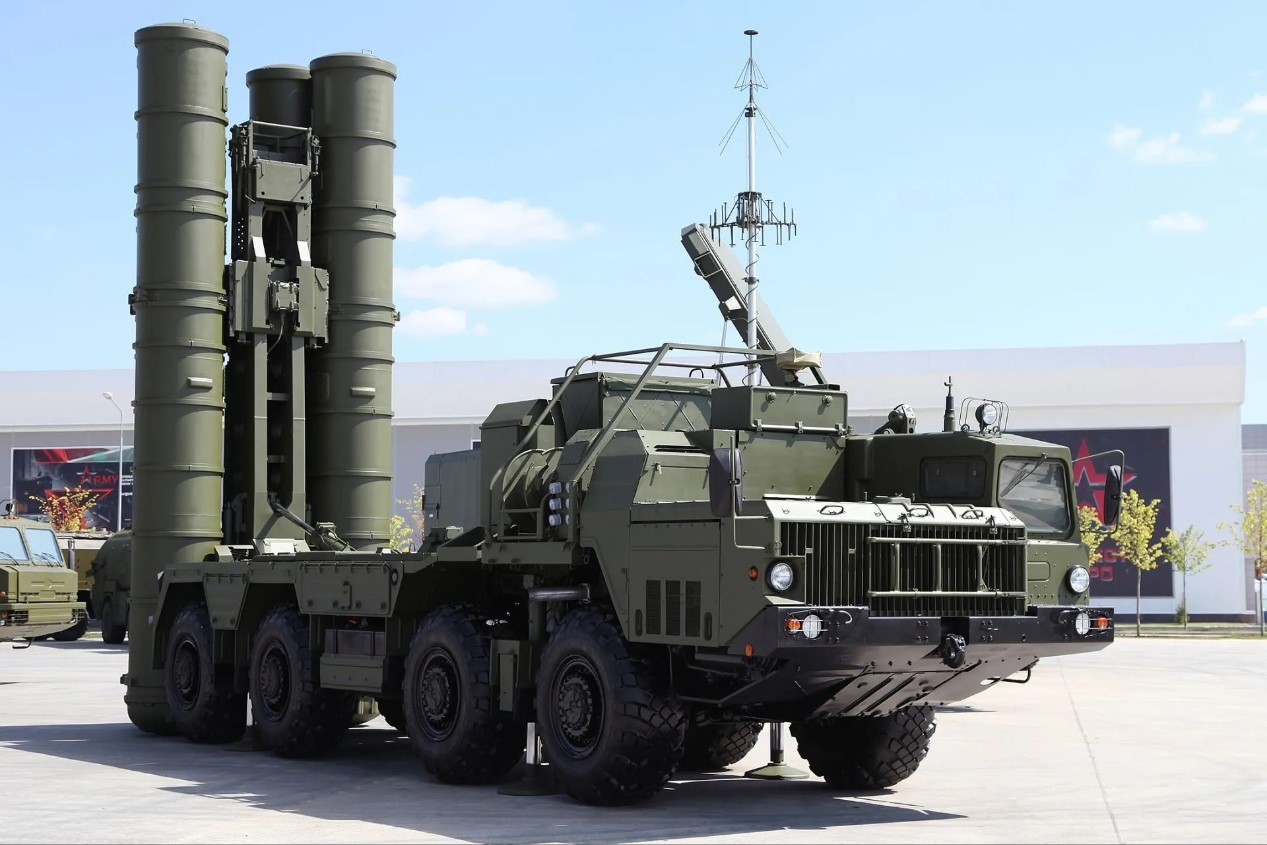
India
NEW DELHI — June 03, 2026 : India has received the fourth squadron of the Russian-made S-400 Triumf air defence system, known in Indian Air Force (IAF) service as Sudarshan, marking another significant step in enhancing the country's long-range air defence capabilities. The system arrived in India by ship recently and is expected to be deployed in an operational sector soon. The delivery is part of the $5.43 billion agreement signed between India and Russia in 2018 for the procurement of five S-400 squadrons. Three squadrons had already been inducted into service, while deliveries of the fourth and fifth units were delayed due to disruptions caused by the Russia-Ukraine conflict. Defence sources indicate that the fifth and final squadron under the contract is expected to arrive in the coming months. The S-400 is one of the world's most advanced long-range surface-to-air missile systems, capable of engaging aircraft, drones, cruise missiles, and ballistic missile threats at ranges of up to 400 kilometres, depending on the missile variant. Equipped with advanced radar systems and multiple launchers, it provides layered air defence coverage and strengthens India's ability to detect and respond to aerial threats. According to defence sources, the fourth squadron is likely to be deployed in the western sector, potentially covering areas in Rajasthan and Punjab, further enhancing air defence along the western frontier. The system integrates with India's existing air defence architecture and improves overall situational awareness and operational readiness. The S-400 system played an important role during Operation Sindoor, where it supported India's air defence operations. Defence officials stated that the system was involved in a long-range engagement against a Pakistani surveillance aircraft, highlighting its capability to engage aerial targets at extended distances. India is also pursuing the expansion of its air defence network. The Defence Acquisition Council (DAC) has cleared a proposal for the procurement of five additional S-400 squadrons, with discussions reportedly continuing with Russia. Alongside these acquisitions, India is developing an indigenous long-range air defence system under Project Kusha, also known as the Extended Range Air Defence System (ERADS). Led by the Defence Research and Development Organisation (DRDO), the programme aims to develop a domestic system with engagement ranges of up to 400 kilometres against aircraft, drones, cruise missiles, and other aerial threats. Defence manufacturer Solar Industries is participating as a development and production partner. Project Kusha is expected to enter service around 2028 and will form part of India's broader effort to establish a self-reliant and multi-layered air defence network. The combination of imported S-400 systems and indigenous programmes is expected to strengthen India's long-term air defence capabilities across multiple operational sectors.
Read More → Posted on 2026-06-03 14:59:41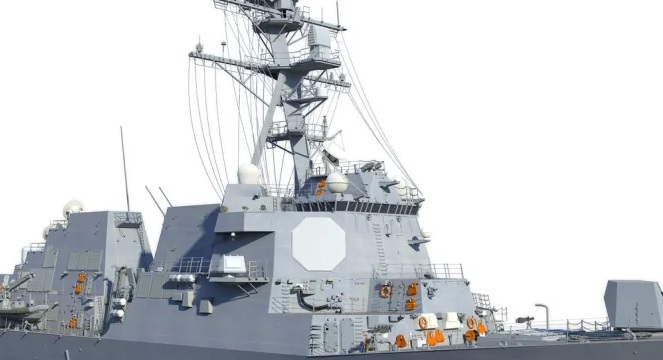
World
ANDOVER, Massachusetts — June 03, 2026 : The U.S. Navy has awarded Raytheon, an RTX business, a contract modification valued at approximately $515.8 million to continue integration, testing, production support, and modernization efforts for the AN/SPY-6(V) family of naval radars. The contract is a follow-on to a June 2025 agreement and will support the radar program through May 2027. The award ensures continued engineering, software development, testing, ship installation support, and technical improvements for the Navy’s next-generation radar system as it expands across the fleet. The contract also supports the ongoing installation of the SPY-6(V)4 variant aboard Flight IIA Arleigh Burke-class destroyers, extending advanced air and missile defense capabilities to existing warships. Key Sensor for Air and Missile Defense The AN/SPY-6(V) radar family has been developed to replace the legacy AN/SPY-1 radar system and serves as the primary sensor for integrated air and missile defense operations aboard modern U.S. Navy surface combatants. The radar is designed to detect, track, and discriminate a wide range of threats, including ballistic missiles, hypersonic weapons, cruise missiles, aircraft, unmanned systems, and surface targets. Built using gallium nitride (GaN) semiconductor technology, the radar delivers significantly greater sensitivity and efficiency compared with previous-generation systems. According to the Navy, the SPY-6 can detect smaller objects at greater distances while simultaneously tracking multiple threats in complex operational environments. The radar utilizes a modular architecture based on Radar Modular Assemblies (RMAs), self-contained radar units housed in 2-foot-by-2-foot-by-2-foot modules. These building blocks can be combined in different configurations to meet the requirements of various ship classes, making the SPY-6 the Navy’s first scalable radar system. Supporting Fleet Modernization The SPY-6(V)1 variant serves as the primary radar aboard Flight III Arleigh Burke-class destroyers, while the SPY-6(V)4 version is being integrated onto upgraded Flight IIA destroyers. Variants of the radar are also planned for additional naval platforms as part of the Navy’s broader modernization strategy. More than 15 SPY-6 radars have been delivered to date. The system is currently operational aboard commissioned U.S. Navy vessels, including the Flight III destroyer USS Jack H. Lucas, while additional ships equipped with the radar are undergoing testing and construction. Over the coming decade, the Department of Defense expects the SPY-6 family to be deployed on more than 50 U.S. Navy ships, with long-term plans covering at least 60 vessels across multiple ship classes. The radar is integrated with the Aegis Combat System, providing enhanced target detection and tracking capabilities that support long-range missile engagements and multi-domain operations. Production Expansion and Industrial Investment To support growing demand for the SPY-6 program, Raytheon recently completed an $800 million investment in its radar manufacturing infrastructure. The modernization effort includes upgrades to production facilities and the establishment of a 30,000-square-foot Radar Development Facility in Andover, Massachusetts, featuring an in-house gallium nitride semiconductor foundry. According to Raytheon, the expanded manufacturing capacity is expected to double SPY-6 production output by 2028. Barbara Borgonovi, president of Naval Power at Raytheon, stated that the radar has demonstrated operational success over more than a decade of development and testing, providing advanced sensing capabilities and multi-mission readiness for the U.S. Navy. International Participation Approximately 26 percent of the contract value is allocated to Foreign Military Sales (FMS) activities. Germany is identified as a participant under the agreement after selecting the SPY-6(V)1 radar for its future F127-class frigates. The selection marks the first international adoption of the SPY-6 system and is intended to enhance interoperability between German and NATO naval forces. The contract structure allows additional allied nations to participate in future procurements as demand for integrated air and missile defense systems continues to grow. Work Locations and Funding Contract work will be performed across multiple locations in the United States. The largest share, approximately 54 percent, will take place at Raytheon’s facilities in Marlborough, Massachusetts, which serves as the primary center for software development, systems engineering, and program management. Additional work will be conducted in Pascagoula, Mississippi (14 percent), near Huntington Ingalls Industries' shipyard where SPY-6-equipped destroyers are under construction, and Moorestown, New Jersey (9 percent), a key location for radar development and Aegis combat system integration. Other activities will be carried out in Newport News and Chesapeake, Virginia; Kauai, Hawaii; Wallops Island, Virginia; Bath, Maine; Portsmouth, Rhode Island; Aurora, Colorado; and San Diego, California. Funding for the contract comes from a combination of Navy appropriations spanning fiscal years 2017 through 2026, including shipbuilding and conversion accounts, research and development funding, operations and maintenance budgets, and other procurement programs. Of the total award, approximately $17.5 million in fiscal year 2026 operations and maintenance funding is required to be obligated before the end of the current fiscal year. The contract is managed by the Naval Sea Systems Command (NAVSEA) in Washington, D.C., which oversees the Navy’s shipbuilding, combat systems, and fleet modernization programs. Long-Term Strategic Role The SPY-6 radar is a central component of the Navy’s effort to enhance maritime air and missile defense capabilities against increasingly advanced threats. Its active electronically scanned array design and digital beamforming technology provide substantially greater sensitivity than earlier radar systems, enabling improved detection ranges and target discrimination. The latest contract ensures continued integration, testing, software upgrades, and sustainment support as the SPY-6 enters broader operational service across the U.S. fleet and among allied navies, supporting the long-term modernization of naval air and missile defense capabilities.
Read More → Posted on 2026-06-03 14:55:33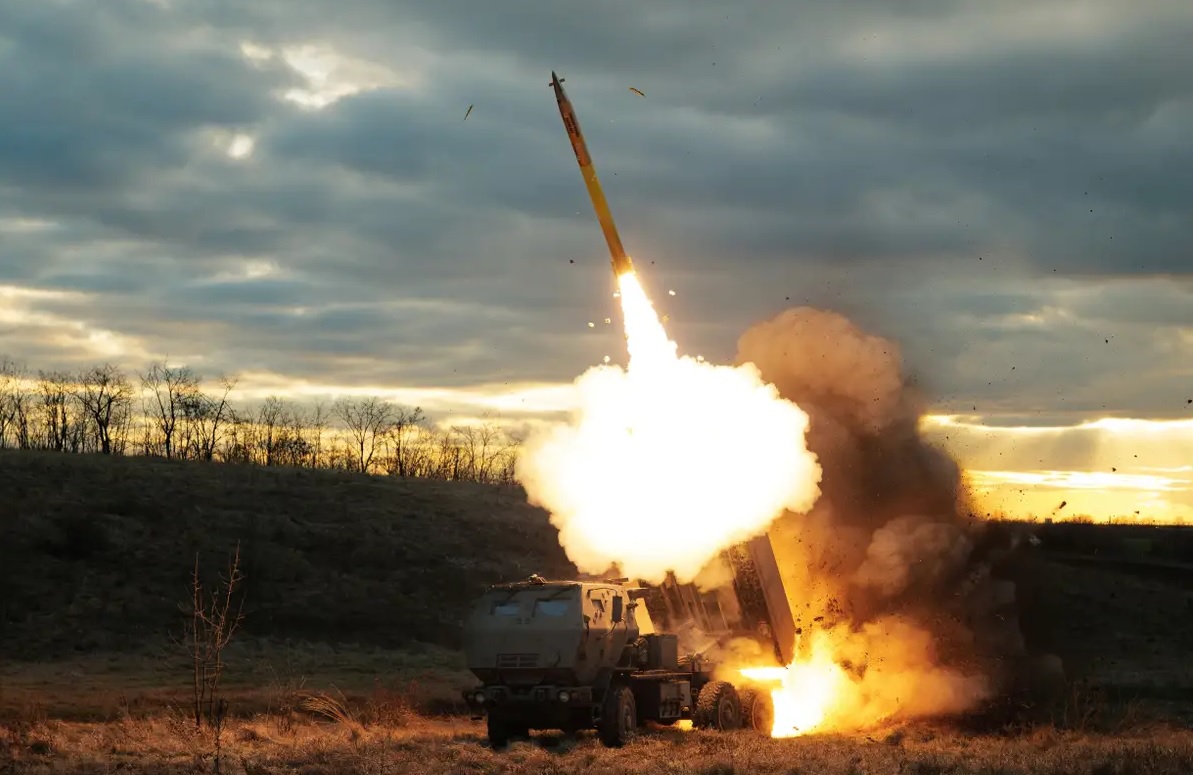
World
OTTAWA — June 03, 2026 : Canada has finalized a CAD $2.6 billion (USD $1.8 billion) agreement to acquire 26 M142 High Mobility Artillery Rocket System (HIMARS) launchers, significantly enhancing the Canadian Army’s long-range precision strike capabilities. The Government of Canada confirmed the deal on June 2, 2026, following an agreement negotiated with the United States in January through the Foreign Military Sales (FMS) program. The acquisition forms the core of the Canadian Army’s Long Range Precision Strike (Land) [LRPS(L)] project and includes launchers, an initial stock of munitions, spare parts, training, and support services. Deliveries are expected to begin in 2029. Expanding Long-Range Firepower The HIMARS acquisition will substantially increase the Canadian Army’s strike range. While current artillery systems generally reach around 40 kilometres, HIMARS can engage targets beyond 300 kilometres when equipped with precision-guided munitions. The system enables forces to strike command centres, logistics hubs, and other high-value targets from long distances. Its wheeled design allows rapid movement after firing, improving survivability against counter-battery systems, surveillance assets, and drone threats. The fleet of 26 launchers will provide Canada with a dedicated long-range fires capability, supporting both operational deployments and training requirements. Supporting Arctic and Coastal Defence The procurement aligns with Canada's 2024 defence policy, Our North, Strong and Free, which identified long-range missile capabilities as a key modernization priority. Because HIMARS can be transported by Royal Canadian Air Force C-130J and C-17 aircraft, it can be rapidly deployed across Canada's vast territory, including remote northern regions. Canadian Army Commander Lieutenant-General Michael Wright has highlighted the system’s value for deterrence, area-denial, and sovereignty missions in the Arctic. The Department of National Defence has also noted that HIMARS could support future land-based anti-ship missile capabilities, strengthening coastal defence across Canada's Atlantic, Pacific, and Arctic approaches. Enhancing NATO Interoperability The acquisition was conducted through the U.S. Foreign Military Sales framework because HIMARS is not commercially available and Canada does not produce the launcher or its associated long-range missile systems domestically. The system will provide Canada access to established U.S. logistics, training, and fire-control networks, improving interoperability with U.S. and NATO forces that already operate HIMARS. Economic Benefits Under Canada's Industrial and Technological Benefits (ITB) Policy, Lockheed Martin is required to generate business activity in Canada equal to the value of the contract. The company plans to integrate Canadian businesses into its global supply chain and support domestic research and development initiatives. Defence Minister David J. McGuinty described the acquisition as a critical step in ensuring the Canadian Armed Forces remain prepared to protect Canada and support allied operations. Other federal ministers emphasized that the project will strengthen both national defence capabilities and Canada's defence industrial base. The HIMARS purchase marks a major modernization effort for the Canadian Army, providing a long-range precision strike capability that will support Arctic sovereignty, coastal defence, and allied operations for decades to come.
Read More → Posted on 2026-06-03 14:43:51
World
BERLIN — June 03, 2026 : Israel Aerospace Industries (IAI) has unveiled OPAL Next Generation (OPAL-NG), an advanced airborne decentralized battle management system designed for sixth-generation combat platforms and multi-domain military operations. The system is making its public debut at the ILA Berlin Air Show. OPAL-NG is the latest evolution of IAI’s OPAL battle management architecture, building on the operational foundation of the original system introduced in 2019. The legacy OPAL network is currently deployed across fighter aircraft, helicopters, unmanned aerial vehicles (UAVs), airborne early warning aircraft, naval vessels, and ground command centers. Designed as a network-centric, software-defined avionics architecture, OPAL-NG enables real-time data sharing, multi-domain situational awareness, and interoperability across air, land, and maritime forces. The system creates a shared operational picture by allowing connected platforms to exchange voice communications, imagery, video, intelligence, and mission-level information in real time. A major enhancement in OPAL-NG is the integration of edge-based artificial intelligence, which enables real-time data processing, task prioritization, and decision support directly at the platform level. The AI capability is intended to support manned-unmanned teaming (MUM-T) and Collaborative Combat Aircraft (CCA) operations, allowing unmanned systems to operate as extensions of crewed platforms. Through continuous real-time collaboration, participating assets can dynamically share sensing and intelligence data, electronic warfare activities, target interception tracking, and strike functions. By processing large volumes of information from multiple sources and converting them into actionable insights within milliseconds, the system is designed to shorten the sensor-to-shooter cycle and support time-critical targeting and mission execution. OPAL-NG utilizes an open, standards-based architecture that enables military operators to integrate existing hardware, datalinks, and software-defined radios (SDRs) without extensive platform modifications. The system is interoperable with NATO communication standards, including Link-16, allowing integration with allied forces and coalition networks. The open architecture also enables users to develop indigenous operational applications and mission-specific software while retaining existing infrastructure. This flexibility supports both legacy and next-generation platforms and allows future capability upgrades without major hardware changes. Commenting on the launch, IAI Chairman of the Board Boaz Levy said future combat operations will depend on interoperability, speed, and the ability to operate as a unified multi-domain force. He noted that OPAL-NG combines AI-enabled processing with enhanced collaboration between manned and unmanned systems to support faster and more informed decision-making. Yaacov Berkovitz, Executive Vice President and General Manager of IAI Aviation, said the system provides a shared operational picture across platforms and domains while improving real-time coordination between distributed assets. He added that OPAL-NG’s open architecture enables operators to integrate existing systems while enhancing operational capabilities on both current and future platforms. With the introduction of OPAL-NG, IAI is expanding its battle management portfolio to address the growing demand for AI-enabled, networked, and distributed operations that are expected to define future combat environments.
Read More → Posted on 2026-06-03 14:38:36
World
COURTLAND, ALABAMA — June 02, 2026 : Lockheed Martin has inaugurated a new missile production facility in Courtland, Alabama, dedicated to manufacturing the Next Generation Interceptor (NGI), a system designed to strengthen the United States’ homeland missile defense network. The company officially opened the 88,000-square-foot Missile Assembly Building 5 (MAB-5) on June 1, 2026, marking a major step in transitioning the NGI program from development to production. The facility has been built specifically to manufacture the interceptor that will replace the aging Ground-Based Interceptors (GBIs) deployed under the Ground-Based Midcourse Defense (GMD) system at Fort Greely, Alaska, and Vandenberg Space Force Base, California. These systems have supported U.S. homeland ballistic missile defense since the early 2000s. The opening of MAB-5 is expected to support the Pentagon’s missile defense modernization plans under the “Golden Dome for America” initiative, aimed at integrating advanced missile defense systems into a layered national security framework. Next Generation Interceptor Program The NGI is being developed for the Missile Defense Agency’s Ground-Based Midcourse Defense system to counter increasingly advanced intercontinental ballistic missile (ICBM) threats. In 2024, the Missile Defense Agency awarded Lockheed Martin a contract worth approximately $17 billion to develop and deliver 20 NGIs. The interceptor is intended to counter evolving threats, including missiles equipped with multiple independently targetable reentry vehicles (MIRVs), advanced decoys, maneuverable warheads, and other countermeasures designed to complicate interception. According to Lockheed Martin, the NGI is designed to improve target discrimination, tracking, and engagement capabilities. It also features a modular open-system architecture, allowing upgrades to be integrated while the missile remains deployed, reducing the need for lengthy removal from operational silos. Christopher Jewell, vice president and program manager for NGI at Lockheed Martin, said the interceptor’s digital foundation is designed to support future technology integration without disrupting operational readiness. Initial deliveries are targeted for 2028, while flight testing is expected to begin in 2029. Courtland Facility and Digital Manufacturing Missile Assembly Building 5 (MAB-5) has been established at the site of the former Courtland Army Airfield, activated in 1942 to train pilots during the Second World War. The location has since developed into a defense manufacturing center supporting missile and aerospace production. Lockheed Martin said the facility introduces digitally enabled missile manufacturing through automation, advanced engineering systems, and virtual modeling tools. A key feature of the facility is “digital twin” technology, which creates a virtual replica of each interceptor during production. This system links design and engineering data directly to factory operations, helping engineers simulate performance and identify hardware issues before physical production is completed. The production line also integrates automated workflows, robotic assembly, and precision tooling to improve consistency and support scalable manufacturing. Investment in Alabama Defense Manufacturing The opening of MAB-5 forms part of Lockheed Martin’s broader $250 million investment in northern Alabama. Operations in Courtland will be supported by the company’s Troy, Alabama, facility, which will contribute hardware integration for the interceptor program. U.S. Representative Dale Strong said the investment reinforces Courtland’s role in supporting skilled industrial jobs and defense manufacturing linked to national security programs. Role in the Golden Dome for America Initiative The NGI program is closely linked to the Department of Defense’s “Golden Dome for America” initiative, which seeks to establish an integrated missile defense architecture capable of responding to modern ballistic missile threats. The initiative aims to combine advanced interceptors such as NGI with next-generation space-based tracking systems, ground-based radars, and command networks connected through artificial intelligence-enabled battle management systems. During the inauguration, Gen. Mike Guetlein, director of the Golden Dome program, described the Courtland facility as part of the nation’s “Arsenal of Freedom” and emphasized the importance of expanding manufacturing capacity for homeland missile defense. With Missile Assembly Building 5 now operational, Lockheed Martin has expanded production capacity for the Next Generation Interceptor program as the United States moves to modernize its homeland ballistic missile defense system.
Read More → Posted on 2026-06-02 18:33:52
World
Moscow — June 02, 2026 : The Russian Navy’s heavy nuclear-powered battlecruiser Admiral Nakhimov (Pennant Number 080), a modernized Project 11442M Kirov-class warship, officially entered the final phase of sea trials on June 1, 2026, marking a major milestone in one of Russia’s longest and most extensive naval modernization programs. The warship is currently undergoing final evaluations of its navigational, propulsion, combat, and defensive systems before its expected return to operational service with Russia’s Northern Fleet. The testing phase follows years of modernization work intended to transform the vessel into one of the Russian Navy’s most capable surface combatants. A Long Modernization Program Originally commissioned into the Soviet Navy in 1988 under the name Kalinin, the battlecruiser served for roughly a decade before being withdrawn from active operations following the collapse of the Soviet Union. In 1999, the vessel was docked at the Sevmash shipyard in Severodvinsk after funding shortages and maintenance limitations affected the Russian Navy’s ability to sustain large warships. The decision to modernize the cruiser was formally approved in 2006, although intensive reconstruction and modernization work began between 2013 and 2014. Over nearly 25 years of inactivity and refitting, the program has reportedly cost an estimated $5 billion. The vessel entered factory sea trials in the second half of 2025 after leaving Sevmash under its own power for the first time in more than two decades. Initial testing in the White Sea and Barents Sea focused on propulsion systems, navigational safety, and general operational performance. The current phase of sea trials is expected to concentrate on validating weapons integration, radar performance, defensive systems, combat readiness, propulsion reliability, and overall operational capability before final acceptance into naval service. Size and Propulsion Capabilities With a fully loaded displacement of approximately 28,000 tons and a length of 251.1 meters (823 feet 10 inches), Admiral Nakhimov remains among the world’s largest surface combatants excluding aircraft carriers. The Kirov-class warships continue to be regarded as the largest operational combat vessels of their category. To support operations of a vessel of this size, Admiral Nakhimov uses a combined nuclear and steam propulsion system (CONAS). During the modernization period, the ship’s two KN-3 nuclear reactors received new fuel elements, with reactor start-ups taking place between late 2024 and early 2025. The propulsion system generates approximately 300 megawatts of thermal power and 140,000 horsepower, allowing the cruiser to reach speeds of up to 32 knots (59 km/h) when operating with combined nuclear and steam power. On nuclear propulsion alone, the vessel can reportedly reach speeds of approximately 25 knots (46 km/h). Comprehensive Weapons Upgrade A central objective of the modernization effort involved replacing the ship’s Cold War-era launch systems with a modern modular Vertical Launch System (VLS) architecture. The upgraded battlecruiser now integrates a total of 176 vertical launch cells designed to improve offensive strike, fleet air defense, and anti-submarine warfare capabilities. Offensive Strike Systems The cruiser is equipped with 80 launch cells arranged in 10 octuple complexes for anti-ship and land-attack missions. These launchers are designed to fire several missile systems, including the 3M-55 Oniks supersonic anti-ship missile, the 3M14Y Kalibr-NK land-attack cruise missile, and the newer 3M-22 Tsirkon (Zircon) hypersonic missile. The Tsirkon missile is reported to be capable of carrying both conventional and nuclear warheads, increasing the vessel’s long-range strike flexibility. Air Defense Systems An additional 96 launch cells are reportedly reserved for surface-to-air missile systems intended to provide fleet-wide air defense. Reports indicate the ship may carry naval variants of the S-400 air-defense system or the S-300 Fort-M system. For close- and medium-range protection against missiles, aircraft, and drones, the vessel is equipped with Pantsir-M naval air-defense systems designed to intercept incoming aerial threats. Anti-Submarine Warfare Capability The ship has also received anti-submarine warfare upgrades through the integration of Paket-NK and Otvet systems, which are intended to improve defense against underwater threats and strengthen protection for naval formations. Fleet Integration and Operational Role Upon successful completion of sea trials, Admiral Nakhimov is expected to formally rejoin the Russian Navy and be assigned to the Northern Fleet. The vessel is widely expected to assume a flagship role, replacing its sister ship Pyotr Velikiy, which is not expected to undergo a similar modernization due to operational expenses and defense budget limitations. Russian reports suggest Pyotr Velikiy could face early retirement and possible scrapping. Once commissioned, Admiral Nakhimov will become a unique asset in global naval operations as the only nuclear-powered surface combatant of its class and size expected to remain in active blue-water service following an extensive modernization program.
Read More → Posted on 2026-06-02 18:02:18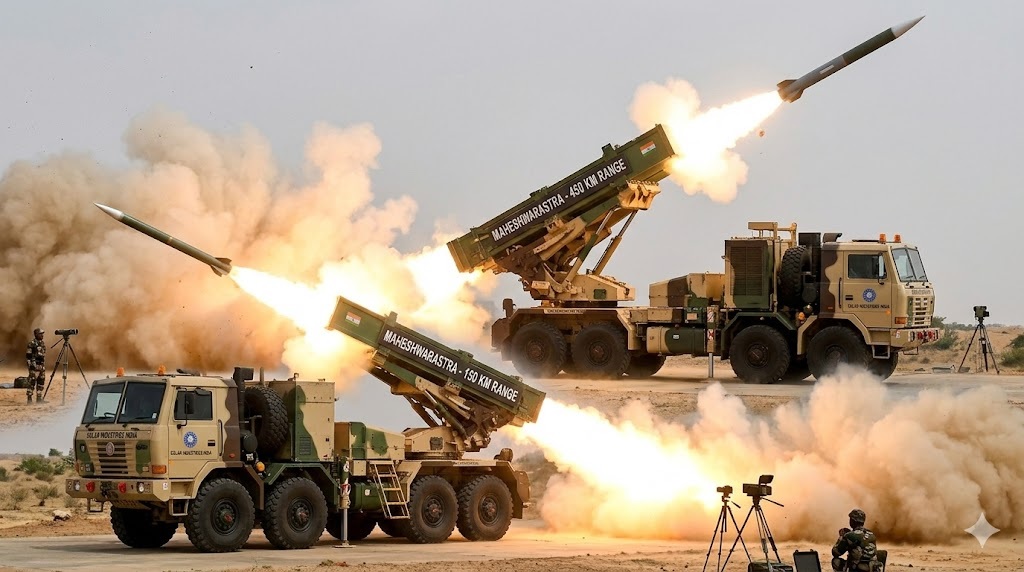
India
NAGPUR — Solar Industries India Limited is awaiting approval from the Indian Army for its proposed Maheshwarastra long-range precision-guided rocket programme, an indigenous initiative submitted under the Ministry of Defence’s Make-II acquisition framework. The programme is aimed at providing the Army with a cost-effective precision strike capability while supporting India’s ongoing push for self-reliance in advanced defence technologies. If approved, the Maheshwarastra programme would add a new category of indigenous long-range guided rocket systems to India’s expanding precision strike arsenal and strengthen the role of private sector firms in defence manufacturing. Maheshwarastra Programme and Proposed Capabilities Solar Industries has proposed the Maheshwarastra family as a high-mobility, precision-guided rocket system capable of conducting long-range strikes against battlefield and operational targets. The programme will initially include two variants. The Maheshwarastra-1 is proposed to deliver precision strikes at a range of approximately 150 kilometres, providing a medium-to-long-range engagement capability for tactical and operational missions. The Maheshwarastra-2 is being designed as a longer-range precision strike system with a planned baseline range of approximately 300 kilometres. According to Solar Industries, the system has been designed with future growth potential and can be adapted to meet evolving operational requirements. The company has indicated that if the Indian Army requires extended strike capability, the Maheshwarastra-2 platform could potentially achieve a range between 400 and 450 kilometres. Such an expansion would place it among the longest-range precision-guided rocket systems currently under development in India. Complementary Role Alongside BrahMos Solar Industries has positioned Maheshwarastra as a complementary capability rather than a replacement for existing strategic strike platforms. The system is expected to operate alongside the BrahMos supersonic cruise missile by offering a comparatively lower-cost precision strike option for a wider set of operational scenarios. While BrahMos is primarily intended for high-value strategic targets requiring high-speed engagement, Maheshwarastra is designed to provide precision strike capability against broader battlefield objectives at lower operational cost. This approach could provide the Indian military with greater flexibility in employing long-range precision strikes in larger numbers across multiple tactical environments. India’s Expanding Long-Range Strike Capability The proposal comes as India continues to expand indigenous long-range artillery and stand-off precision strike capabilities. Alongside the Guided Pinaka programme, the Defence Research and Development Organisation (DRDO) is also working on Extended Range Pinaka variants and other long-range indigenous systems aimed at increasing strike range, accuracy, and operational flexibility for the armed forces. Solar Industries has already established itself as an important contributor to these efforts through its role in the Pinaka Multi-Barrel Rocket Launching System. The company has developed composite propellants and manufactured rockets used for the Pinaka programme, supporting India’s domestic production of guided artillery systems. Further highlighting its growing role in defence manufacturing, Solar Industries recently flagged off its first tranche of Guided Pinaka rockets for export to Armenia, reflecting India’s expanding footprint in the global defence export market. Growing Role of the Private Sector in Defence The Maheshwarastra programme also reflects the increasing role of private companies in India’s defence research, development, and manufacturing ecosystem. Under the leadership of Chairman Satyanarayan Nuwal, Solar Industries has expanded from an industrial explosives manufacturer into a major defence company with capabilities across rockets, loitering munitions, and counter-drone technologies. The company’s Nagastra series of loitering munitions has completed user trials with the Indian Army and was recently used during Operation Sindoor, demonstrating Solar Industries’ growing participation in operational military systems. In parallel, the company is developing Bhargavastra, a counter-drone platform integrating missile and laser-based technologies intended to neutralise unmanned aerial vehicle (UAV) swarm threats. Government Push for Defence Self-Reliance The Indian government has continued to place emphasis on stronger public-private cooperation in defence production as part of the broader Atmanirbhar Bharat initiative. Defence Minister Rajnath Singh has recently reiterated the government’s objective of increasing private sector participation in defence manufacturing to 50 percent or more, with the long-term goal of reducing dependence on imports and positioning India as a major defence exporter. The Maheshwarastra programme currently remains under evaluation within the Make-II framework. A final approval from the Indian Army would allow the project to move forward and could further strengthen India’s indigenous long-range rocket and missile manufacturing capability.
Read More → Posted on 2026-06-02 17:53:25
World
WASHINGTON — June 02, 2026 : The U.S. Navy has awarded Northrop Grumman Systems a contract worth nearly $100 million to continue supporting the GQM-163A Coyote supersonic target missile program through May 2031. The contract, issued by the Naval Air Warfare Center Weapons Division at Point Mugu, California, will support missile-defense testing and training against advanced anti-ship cruise missile threats. The GQM-163A Coyote is a non-recoverable aerial target missile designed to simulate the flight characteristics and attack profiles of modern anti-ship cruise missiles. It remains the only supersonic sea-skimming target missile produced in the United States and serves as the Navy’s primary platform for high-speed threat simulation. Designed to Simulate Modern Missile Threats The GQM-163A is designed to replicate missile threats comparable to China’s YJ-12 and Russia’s P-800 Oniks anti-ship missiles, which are capable of high-speed maritime attacks. The P-800 Oniks has also been exported to countries including India and Vietnam, while Iran operates Russian-origin missile systems with similar attack profiles. The missile operates in two primary attack modes used by modern anti-ship weapons. Sea-Skimming Flight Profile In sea-skimming mode, the GQM-163A flies at speeds exceeding Mach 2.5 while maintaining an altitude as low as four meters (13 feet) above the ocean surface. This profile reduces radar detection time and tests a warship’s ability to detect and intercept incoming threats. High-Altitude Dive Profile The missile can also climb to approximately 15,850 meters (52,000 feet) before diving toward a target at speeds exceeding Mach 3.5, simulating high-speed terminal attacks. The GQM-163A uses a solid-fuel ducted rocket and ramjet propulsion system to maintain sustained supersonic flight during testing. Contract Covers Testing and Operational Support The contract includes flight trajectory planning, technical data support, launcher preparation, telemetry support, and operational services required for live-fire missile-defense exercises. Each exercise is planned to test specific naval defense systems, including radar tracking, missile interceptors, and close-range defensive weapons. The agreement also includes loading and preparation of Coyote targets onto launch systems before testing. Supporting U.S. and Allied Naval Forces The program supports not only the U.S. Navy but also allied countries including Japan, Israel, and France, which use the system to test shipboard missile-defense capabilities. Work under the contract will be carried out across seven U.S. locations and international facilities in Scotland and Israel. Point Mugu, California, accounts for 27 percent of work and serves as the primary Pacific missile test range. Facilities in Camden and Chandler, Arizona, handle manufacturing and assembly, while the Hebrides Range in Scotland supports NATO missile-defense exercises. Operations in Israel reflect continued use of the system for naval defense testing. Program History and Continued Demand The program began in 2000 when Orbital Sciences, later acquired by Northrop Grumman, received a Navy contract to develop a supersonic target missile. Following its first launch in 2003 and developmental testing, the GQM-163A entered operational service in 2005. Northrop Grumman delivered the 200th GQM-163A Coyote missile to the U.S. Navy in June 2025, reflecting continued demand for the system. Growing Importance for Naval Missile Defense The importance of the GQM-163A program has increased as anti-ship missile threats continue to expand, particularly in regions such as the South China Sea where naval forces operate within range of land-based missile systems, submarines, and surface combatants. The U.S. Navy uses the Coyote to test and validate defense systems including the Aegis Combat System, Standard Missile interceptors, the Evolved Sea Sparrow Missile, and close-in weapon systems under realistic operational conditions. By extending the program through 2031, the Navy will continue to support missile-defense testing and readiness for U.S. and allied naval forces.
Read More → Posted on 2026-06-02 17:41:47
Science
WASHINGTON — June 02, 2026 : Google’s life sciences division, Verily, has formally requested permission from the U.S. Environmental Protection Agency (EPA) to release up to 32 million specially treated male mosquitoes across California and Florida as part of a large-scale mosquito population control initiative aimed at reducing the spread of mosquito-borne diseases. The proposed project, known as the “Debug” program, seeks to reduce populations of disease-carrying mosquitoes without relying heavily on traditional chemical pesticides. The EPA is currently reviewing Verily’s application for an experimental use permit and accepting public comments on the proposed two-year program through June 5 before making a final decision. If approved, the initiative would become one of the largest mosquito population-control efforts conducted in the United States and may help assess whether biological and technology-driven mosquito suppression systems can be expanded on a larger scale. Wolbachia-Based Method Designed to Reduce Mosquito Populations At the center of the program is a naturally occurring bacterium called Wolbachia, which is already present in many insect species, including butterflies, beetles, and fruit flies. Scientists involved in the project state that the bacterium is harmless to humans, animals, and the environment. The program primarily targets Aedes aegypti mosquitoes, a species known for spreading diseases such as dengue fever, Zika virus, chikungunya, yellow fever, and, in some regions, West Nile virus. Under the proposed system, Verily scientists introduce Wolbachia into healthy male mosquitoes before releasing them into the wild. Once released, the males mate with wild female mosquitoes that do not carry the same Wolbachia strain. This biological incompatibility prevents fertilized eggs from hatching, reducing mosquito numbers over time through repeated release cycles. Importantly, only male mosquitoes are released under the program. Male mosquitoes do not bite humans or animals because they feed on flower nectar rather than blood and therefore do not transmit mosquito-borne diseases. Artificial Intelligence and Robotics Used for Large-Scale Operations Although insect-based pest control methods have been used in scientific programs for decades, managing mosquito releases at industrial scale presents logistical challenges. Verily’s Debug program addresses this issue using automation technologies, robotics, computer vision systems, and artificial intelligence (AI). The company has developed AI-powered mosquito sorting systems designed to distinguish male mosquitoes from females with high accuracy. Since female mosquitoes are responsible for biting humans and spreading disease, the sorting process is considered a key operational requirement. Following separation, automated systems and specially equipped vehicles are used to distribute the male mosquitoes across selected neighborhoods in target regions of California and Florida. Alternative to Chemical Mosquito Spraying Supporters of the program say the Wolbachia-based approach provides a more targeted method of mosquito control than conventional insecticide spraying. Traditional chemical pesticides can affect beneficial insect species, including bees and butterflies, while mosquito populations in several regions have also developed resistance to standard chemical treatments. Because the Wolbachia method targets one mosquito species through biological reproduction, researchers argue it may help avoid those limitations while reducing environmental impact. Public health experts note that lowering mosquito populations over time could help reduce the transmission risk of diseases linked to infected mosquitoes, particularly in regions vulnerable to seasonal outbreaks. Previous Trials Reported Significant Results Verily’s mosquito-control efforts have previously been tested in California. During field trials in Fresno, the company reported reductions of up to 95% in local biting female mosquito populations. Internationally, mosquito suppression programs using Wolbachia technology have also produced notable results. In Singapore, similar deployments reportedly reduced Aedes aegypti mosquito populations by between 80% and 90%, while treated areas recorded an estimated 70% decline in dengue fever cases. Researchers say such results suggest biological mosquito-control systems may become an increasingly important tool for managing disease risks in densely populated regions. EPA Review and Next Steps The EPA is evaluating the proposal under biological pest-control regulations because the project uses a biological mechanism to suppress pest populations rather than chemical insecticides. As part of the review process, the agency is collecting scientific analysis, expert feedback, and public comments before deciding whether to approve, reject, or impose conditions on the proposed two-year field deployment. If the project receives approval, Verily would begin gathering additional field data to evaluate whether AI-supported mosquito suppression programs can be scaled more broadly in the United States as part of long-term public health and pest-management efforts. The proposal also reflects increasing interest in biological pest-control technologies that rely on natural reproductive mechanisms instead of chemical treatments to manage disease-carrying insects while limiting environmental disruption.
Read More → Posted on 2026-06-02 17:29:38
India
NEW DELHI — June 02, 2026 : The Indian Air Force (IAF) is reportedly planning to equip its future fleet of Rafale fighter aircraft with advanced self-contained expendable Digital Radio Frequency Memory (DRFM) jammers, a next-generation electronic warfare capability designed to improve survivability against modern radar-guided missile threats. According to recent defence industry reports, the proposed system is expected to function in a manner similar to Leonardo’s BriteCloud expendable active decoy, providing Rafale fighters with an additional defensive layer against sophisticated surface-to-air and air-to-air missile systems operating in contested environments. The move reflects the IAF’s continuing focus on strengthening electronic warfare capabilities as modern air defence systems increasingly rely on advanced radar technologies capable of identifying, tracking, and engaging aircraft with greater accuracy than legacy systems. Advanced Countermeasure Against Radar-Guided Threats Traditional aircraft countermeasures such as chaff—small metallic strips dispersed in the air to confuse enemy radar—have long been used to counter radar-guided missiles. However, improvements in missile seeker technology and fire-control radars have reduced the effectiveness of conventional countermeasures against modern threats. To address this challenge, air forces worldwide are increasingly adopting expendable active decoys based on DRFM technology. These systems are designed to deceive enemy radars by generating realistic electronic signatures rather than relying solely on reflected radar energy. A DRFM jammer captures incoming radar signals, digitally stores and processes them, modifies their characteristics, and retransmits them back toward hostile radar systems with precise timing. Because the transmitted signal closely resembles the radar return from the actual aircraft, hostile systems may struggle to distinguish the false target from the fighter aircraft. Unlike traditional onboard electronic warfare systems, expendable DRFM jammers function as independent off-board decoys once deployed. Self-Contained and Expendable Design Expendable DRFM jammers, also known as Expendable Active Decoys (EADs), are compact, battery-powered systems contained within a small cartridge. The system integrates a receiver, processor, transmitter, antenna, and power source into a single expendable package. Typically designed to match standard flare cartridges, including 55mm countermeasure formats, these jammers can be launched through existing aircraft chaff and flare dispensers without requiring major structural modifications. Once ejected, the decoy physically separates from the aircraft and independently emits electronic signals intended to mislead enemy radar systems. The “active” nature of the system refers to its ability to transmit off-board jamming signals rather than passively reflecting radar energy. How the System Operates The functioning of a self-contained DRFM jammer involves automated electronic responses triggered by incoming threats. When the aircraft’s Radar Warning Receiver (RWR) detects an incoming radar-guided missile or hostile tracking radar, the onboard defensive suite can initiate deployment of the decoy. After ejection, the jammer activates and scans for radar emissions considered the highest operational priority. Using a pre-programmed digital threat library, the system identifies and classifies incoming radar signals before employing DRFM technology to generate deceptive responses. The jammer receives the enemy radar signal, digitizes and alters it in real time to imitate the aircraft’s radar cross-section and electronic signature, then retransmits a modified signal back toward the threat. As the decoy physically moves away from the aircraft, enemy radar systems and missile seekers may begin tracking the false electronic target instead of the fighter aircraft, increasing separation from the missile’s projected intercept point and improving survivability. Operational Benefits for Future Rafale Aircraft If integrated into future IAF Rafales, expendable DRFM jammers could provide multiple operational advantages. One key benefit is enhanced protection against modern radar-guided missile systems, particularly those capable of rejecting traditional chaff countermeasures. The system could also help counter missiles equipped with “home-on-jam” capability, which are designed to target the source of jamming emissions. Because expendable DRFM decoys separate physically from the aircraft, they may divert these missiles toward empty airspace instead of the fighter. Another advantage lies in simplified aircraft integration. Since these decoys can fit within standard countermeasure dispensers, they require minimal airframe modification and can complement existing defensive systems. The autonomous operation of the jammer may also reduce pilot workload during high-threat engagements. Once released, the system independently manages threat detection and electronic deception, allowing pilots to focus on aircraft maneuvering and mission execution. Integration With Rafale’s Existing SPECTRA Suite The Rafale already operates with the integrated SPECTRA (Self-Protection Equipment Countering Threats to Rafale Aircraft) electronic warfare suite, which combines radar warning receivers, missile warning systems, electronic support measures, and onboard jamming functions. Any future expendable DRFM jammer would likely complement rather than replace the existing system. In a combat environment, SPECTRA could detect, classify, and assess an incoming threat while the expendable decoy acts as a separate off-board electronic target intended to draw radar-guided missiles away from the aircraft. Broader Evolution of IAF Electronic Decoys The reported interest in expendable DRFM jammers comes as the IAF continues efforts to strengthen its electronic warfare capabilities against increasingly sophisticated surface-to-air and air-to-air missile threats. The IAF has also been linked with plans to acquire advanced decoy systems such as the X-Guard Fibre-Optic Towed Decoy (FOTD), intended to improve aircraft survivability against radar-guided threats. Unlike expendable decoys, a fibre-optic towed decoy remains connected to the aircraft through a retractable cable and is designed to replicate the aircraft’s electronic and Doppler signature to mislead hostile radars and missile seekers. If introduced in the future alongside self-contained expendable DRFM jammers, such systems could contribute to a multi-layered electronic warfare architecture aimed at improving the survivability of frontline combat aircraft operating in contested environments and against advanced air defence networks.
Read More → Posted on 2026-06-02 16:31:24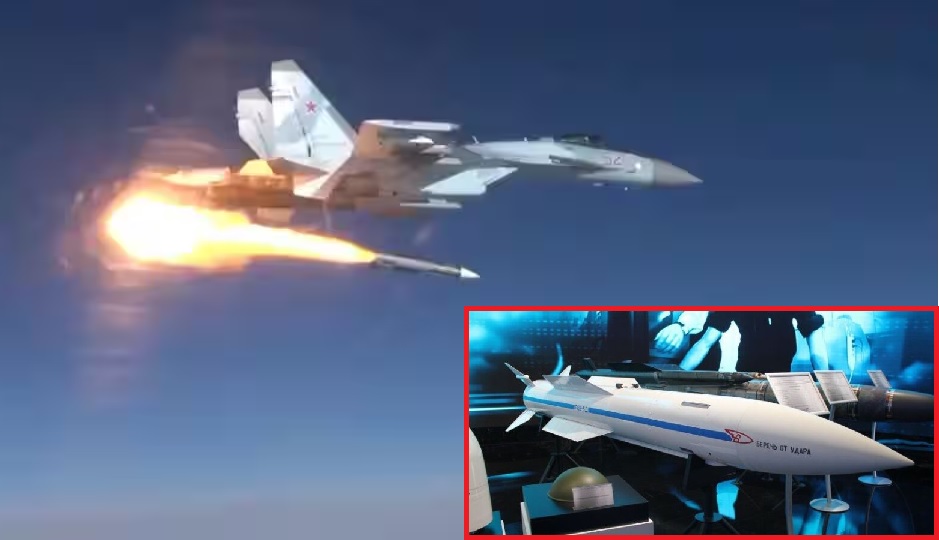
India
NEW DELHI — June 02, 2026 : India has finalized a contract worth approximately $1.2 billion with Russia for the acquisition of around 300 R-37M ultra-long-range air-to-air missiles to strengthen the Indian Air Force (IAF) beyond-visual-range combat capabilities. The missiles will be integrated into the IAF’s Su-30MKI fighter fleet, significantly expanding long-range interception and targeting capabilities against high-value airborne assets. The agreement, concluded by the Indian Ministry of Defence, is intended to provide an immediate enhancement in long-range air combat capability while complementing India’s ongoing indigenous missile development efforts. Deliveries are expected to begin within 12 to 18 months. R-37M Designed to Engage High-Value Airborne Targets The R-37M, also known by its export designation RVV-BD and NATO reporting name AA-13 Axehead, is among the longest-range air-to-air missiles currently in operational service. It has been developed to target force multipliers such as Airborne Warning and Control System (AWACS) aircraft, airborne command centers, aerial refueling tankers, and airborne surveillance platforms operating at stand-off distances. These aircraft are considered critical to modern combat operations because they support battlefield coordination, aerial refueling, surveillance, command, and long-range targeting functions. Missile Specifications and Performance The missile has a reported operational range of 300 to 400 kilometers, depending on launch conditions such as altitude, speed, and engagement profile. It is capable of reaching speeds approaching Mach 6 and carries a 60-kilogram high-explosive fragmentation warhead intended to neutralize large airborne support aircraft. The R-37M measures approximately 4.2 meters in length, has a body diameter of around 0.38 meters, and weighs nearly 600 kilograms at launch. It is optimized for high-speed, long-range intercept missions and can engage aerial targets flying at speeds of up to 2,500 kilometers per hour. The missile uses a guidance system consisting of inertial navigation, mid-course radio corrections, and an active radar seeker during the terminal engagement phase. It also employs lofted trajectories to maximize range and preserve energy during long-distance engagements. Seamless Integration With the Su-30MKI Fleet A key operational advantage of the procurement is the missile’s compatibility with India’s existing Su-30MKI fleet. Integration is expected to require mainly software upgrades to the aircraft’s N011M Bars radar system rather than extensive hardware modifications. The Su-30MKI, which forms the backbone of the Indian Air Force with more than 260 aircraft in service, is expected to gain a substantial increase in beyond-visual-range engagement capability, allowing it to target hostile aircraft from significantly greater distances. Reports indicate that each aircraft may be capable of carrying multiple R-37M missiles, improving mission flexibility during long-range air superiority and interception operations. Passive Engagement Capability Through External Sensor Networks Another operational feature of the missile is its ability to support passive or semi-passive engagement tactics. Indian Air Force pilots will be able to launch the R-37M using targeting information supplied by external sensor systems without activating the aircraft’s onboard radar. Through data links connected to the Netra Airborne Early Warning and Control (AEW&C) platform and ground-based radar systems, Su-30MKI aircraft can engage hostile targets from distances exceeding 300 kilometers while remaining electromagnetically silent. This capability reduces the likelihood of early detection by enemy sensors and improves survivability during contested air operations. Lessons From Operation Sindoor Shaped the Procurement Decision The decision to fast-track the missile acquisition follows strategic assessments conducted after Operation Sindoor in May 2025. During the short border conflict, Indian military planners reportedly identified the requirement for longer-range beyond-visual-range engagement capability. Although India used indigenous systems, precision-guided strikes, and drone-based warfare, the presence of adversarial aircraft equipped with long-range missiles highlighted the need to expand interception distances away from frontline areas. The R-37M is expected to provide an immediate capability to threaten adversary airborne support assets at extended ranges and potentially disrupt networked combat operations. Indigenous Missile Programs Continue Alongside Imports While the R-37M acquisition addresses immediate operational requirements, the Indian Air Force is simultaneously pursuing indigenous missile development to strengthen long-term defence self-reliance. Astra Mk2 India’s Astra Mk2 beyond-visual-range missile is expected to enter operational service between 2026 and 2027. The missile uses an indigenous dual-pulse solid rocket motor designed to maintain high terminal energy during engagements. The Astra Mk2 is projected to have an engagement range between 160 and 240 kilometers and is expected to become a primary medium-to-long-range air-to-air missile for platforms including the Su-30MKI, Tejas Mk1A, and future fighter aircraft. Gandiva (Astra Mk3) The Astra Mk3, also known as Gandiva, is under development and testing as India’s next-generation long-range air-to-air missile. The system uses Solid Fuel Ducted Ramjet (SFDR) propulsion technology, enabling sustained speed during long-range flight. It is expected to achieve engagement ranges of up to 340 kilometers at high altitude and is targeted to become operational by the end of the decade. Successful SFDR testing has demonstrated progress toward sustained high-speed missile technology for future Indian combat aircraft. Building a Layered Air Combat Architecture By integrating the R-37M while advancing indigenous systems such as Astra Mk2 and Gandiva, the Indian Air Force is establishing a layered beyond-visual-range engagement framework. The approach is designed to address immediate operational requirements for extreme long-range interception while gradually transitioning India’s air combat missile inventory toward domestically developed systems, supporting greater self-reliance in defence manufacturing and long-term operational flexibility.
Read More → Posted on 2026-06-02 16:03:23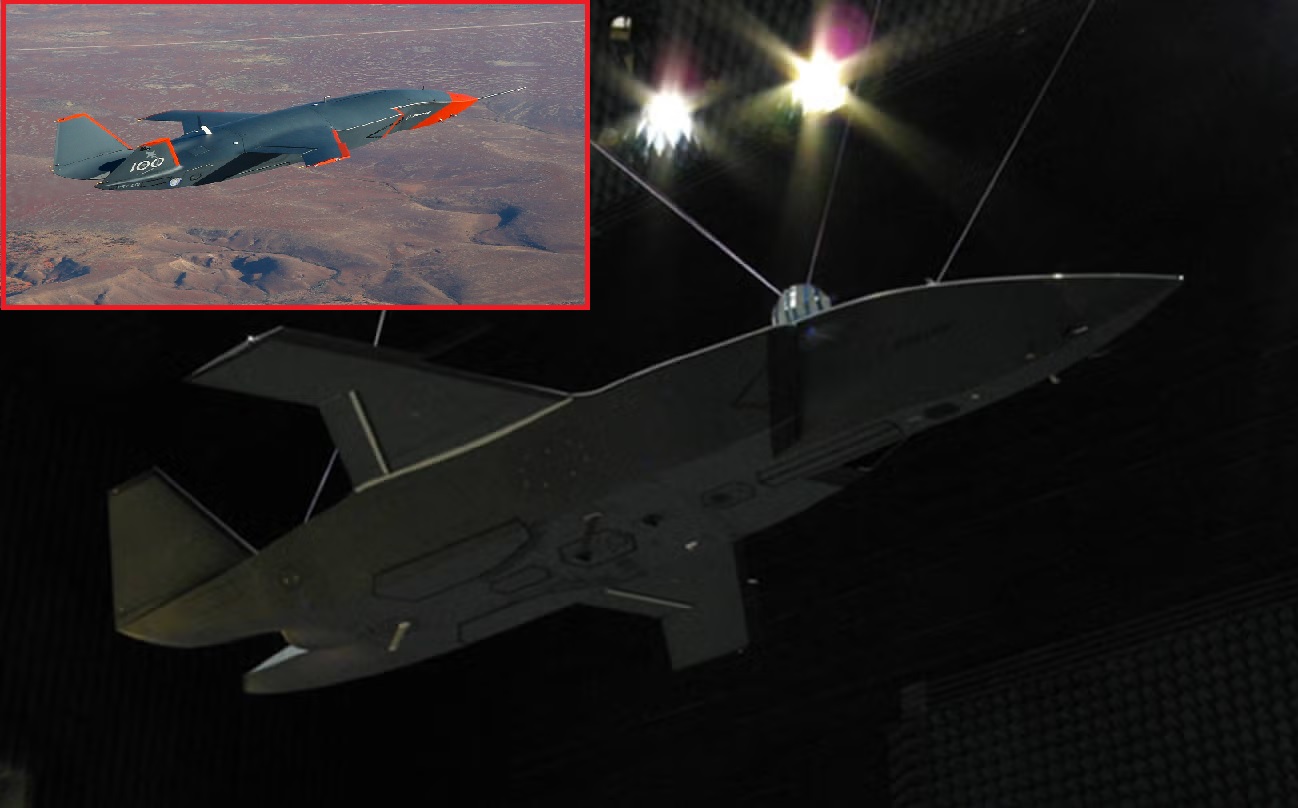
World
WASHINGTON — June 02, 2026 : Boeing has validated the stealth performance of its MQ-28 Ghost Bat Collaborative Combat Aircraft (CCA) through Radar Cross Section (RCS) testing, a milestone announced on June 1, 2026, that further advances the autonomous aircraft program and supports future certification, procurement, and export efforts. The announcement comes shortly after Boeing confirmed that the MQ-28 had completed its first operational flights outside Australia, conducting test missions in California to validate autonomous operations in an allied environment. Stealth Performance Validation Boeing conducted the RCS assessments to measure the MQ-28 Ghost Bat’s radar detectability and evaluate the effectiveness of its low-observable design. Radar Cross Section (RCS) refers to the amount of radar energy reflected back toward a receiver from a target. Aircraft with lower RCS values are more difficult to detect, track, and engage by enemy radar systems. The tests were carried out inside a specialized anechoic chamber designed to measure radar signatures under controlled conditions. Boeing assessed the aircraft from multiple angles, including elevation, azimuth (nose-to-tail), and roll, generating repeatable and objective data regarding survivability and detection risks. According to Boeing, the results validated the aircraft’s stealth-oriented design, production methods, and material choices intended to reduce radar visibility. Lower radar detectability reduces the engagement range of hostile radar systems and improves survivability during operations in contested airspace. Brad Thompson, Director of Phantom Works Australia, stated that the combination of stealth characteristics, advanced autonomy, artificial intelligence, and a capable operational platform enhances mission effectiveness and flexibility for military operators. He added that the collected data will support procurement decisions, certification activities, and tactical development. What Radar Cross Section Means Radar Cross Section (RCS) is a critical measurement used to evaluate stealth performance in military aircraft. Rather than representing the physical size of an aircraft, RCS measures how effectively an object reflects radar energy back toward the radar source. A lower RCS reduces the range at which radar systems can identify and track an aircraft, improving survivability in contested environments. Boeing stated that the MQ-28 primarily relies on its airframe shape and design features to reduce detectability, with testing helping verify and refine those characteristics. First Operational Flights Outside Australia The stealth validation announcement followed Boeing’s confirmation that the MQ-28 recently conducted three flight tests over the Point Mugu Sea Range at U.S. Naval Base Ventura County in California, marking the first time the aircraft has flown outside Australia. The deployment was intended to validate autonomous operations in a different airspace environment, test integration with foreign command-and-control systems, and demonstrate the aircraft’s ability to be rapidly deployed and sustained from an allied operating location. The California deployment is also viewed as an important step in demonstrating export readiness, particularly for allied nations in the Indo-Pacific region and the United States. Although Boeing did not disclose the exact dates of the California missions, at least one MQ-28 had previously been observed in video footage during a December 2025 visit by U.S. Secretary of Defense Pete Hegseth to the Ventura County installation. Additional footage released by Boeing in May 2026 showed an MQ-28 featuring a two-tone gray livery and an integrated Infrared Search and Track (IRST) sensor mounted in the nose section, indicating that multiple test configurations are currently operating in the United States. MQ-28 Ghost Bat Program Overview Originally developed as the Boeing Airpower Teaming System, the MQ-28 Ghost Bat was designed and manufactured by Boeing Defence Australia in partnership with the Royal Australian Air Force (RAAF) as an autonomous aircraft intended to operate alongside crewed combat and support aircraft. Development of the program began around 2013, followed by the unveiling of the prototype in 2019 and the aircraft’s maiden flight in February 2021. Boeing states that the MQ-28 test fleet has completed more than 150 flights. The aircraft is comparable in size to a light fighter and incorporates cranked-kite wings, canted V-tail stabilizers, and side-mounted air intakes that contribute to aerodynamic performance and reduced radar visibility. The MQ-28 has a range approaching 3,200 kilometers, while some specifications indicate endurance exceeding 2,000 nautical miles (approximately 3,700 kilometers) depending on mission configuration. The platform is capable of speeds up to Mach 0.9 and can operate at altitudes exceeding 40,000 feet. Payloads and Mission Flexibility A key feature of the Ghost Bat is its modular 1.5-cubic-meter nose section, which enables operators to rapidly swap mission payloads based on operational requirements. The aircraft can be configured for Intelligence, Surveillance, and Reconnaissance (ISR) missions, Electronic Warfare (EW), Electronic Intelligence (ELINT) operations to locate or disrupt enemy radar systems, Infrared Search and Track (IRST), and air-to-air attack missions. The MQ-28 uses artificial intelligence and autonomous systems to fly independently while receiving mission-level direction from human operators. Loyal Wingman and Teaming Concept The Ghost Bat was developed under the “loyal wingman” concept, enabling the aircraft to operate alongside crewed military platforms as part of a Manned-Unmanned Teaming (MUM-T) structure. In a typical mission, a ground-based launch and recovery operator manages takeoff and landing before control is transferred to a crewed platform, which assigns mission tasks to the aircraft. Compatible platforms include the E-7A Wedgetail, F-35A, F-15EX, and F/A-18F Super Hornet. Missions may be conducted in close formation or with the MQ-28 operating dozens of kilometers away from crewed aircraft while receiving mission instructions. Operational Milestones and Combat Testing The MQ-28 program has recorded several operational milestones over the past year. In June 2025, an E-7 Wedgetail successfully controlled two MQ-28 aircraft during a mission involving a simulated airborne target, demonstrating the aircraft’s teaming capability. Later, in December 2025, Boeing and the Royal Australian Air Force conducted the platform’s first live-fire exercise. During the test, the MQ-28 launched an AIM-120 Advanced Medium-Range Air-to-Air Missile (AMRAAM) against an aerial target while operating alongside an E-7 Wedgetail and an F/A-18F Super Hornet. In that demonstration, the Ghost Bat functioned as an off-board weapons release platform, receiving targeting information from crewed aircraft and engaging the target using relayed data. The MQ-28 program has also involved participation from more than 55 Australian companies and continues to receive government support, with Block 2 aircraft expected to achieve initial operational capability in 2028 with the Royal Australian Air Force. The successful completion of Radar Cross Section testing represents another development milestone for the MQ-28 Ghost Bat program as Boeing continues work toward operational deployment and potential international customers.
Read More → Posted on 2026-06-02 15:49:50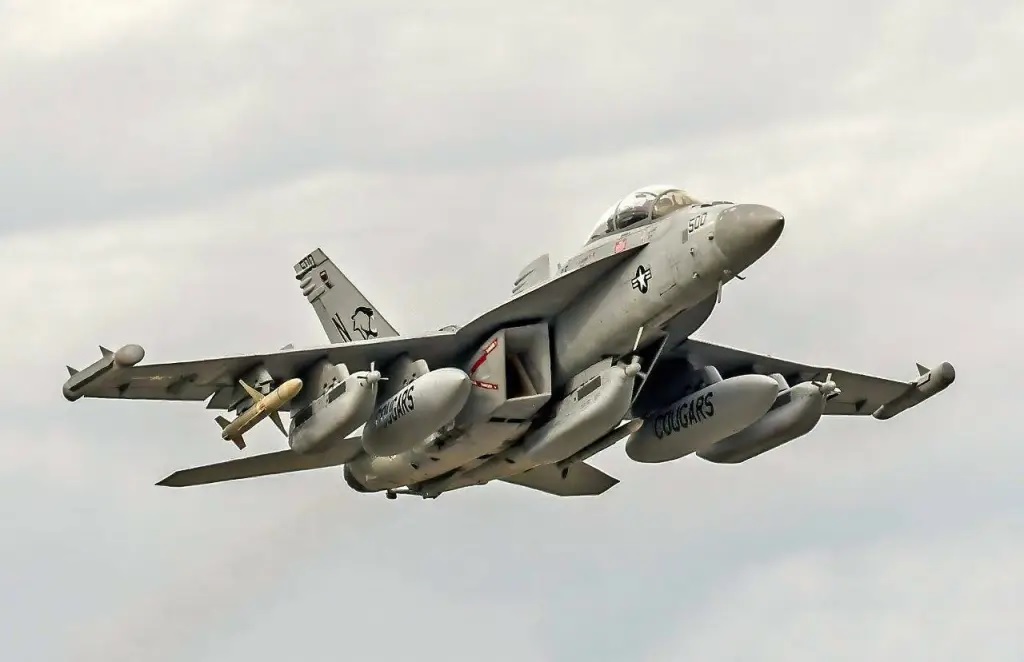
World
PATUXENT RIVER NAS, Md. — June 02, 2026 : The U.S. Navy has awarded a $61 million contract to Northrop Grumman Mission Systems for upgrades to the AN/ALQ-218 tactical jamming receiver aboard the EA-18G Growler, the Navy’s dedicated airborne electronic warfare aircraft. The contract is intended to strengthen the aircraft’s ability to detect, classify, and locate enemy radar and communications systems in increasingly contested electromagnetic environments. The award was issued by the Naval Air Systems Command (NAVAIR) at Patuxent River Naval Air Station in Maryland. According to contract details, Northrop Grumman will manufacture and deliver 28 processor unit upgrade assemblies, 30 Digital Measurement Receiver (DMR) assemblies, and 77 Low Band Dedicated Receiver (LBDR) assemblies. All funding was obligated at the time of the award through fiscal year 2026 Navy aircraft procurement accounts. Work will be carried out at Northrop Grumman’s Linthicum, Maryland facility and is scheduled to continue through February 2030. AN/ALQ-218 to Receive Core Sensor Enhancements The AN/ALQ-218 serves as the core passive sensing system of the EA-18G Growler and plays a central role in the aircraft’s electronic warfare missions. Unlike active radar systems that emit signals, the system passively listens across multiple radio frequency bands to detect and identify radar emissions, communications signals, and electronic activity without revealing the aircraft’s position. Operating across RF bands 0, 1, 2, and 3, the system functions as a radar warning receiver, electronic support measures (ESM) suite, and electronic intelligence collector, helping crews build a detailed picture of the electromagnetic environment before conducting jamming or suppression missions. The contract funds three major hardware improvements designed to improve processing power, signal measurement accuracy, and low-frequency detection capability. Processor Unit Upgrades The contract includes 28 processor unit upgrade assemblies aimed at improving computational performance inside the AN/ALQ-218 system. These processors sort, classify, and prioritize large volumes of signals detected in dense operational environments. The upgraded processors are expected to improve the Growler’s ability to rapidly organize and analyze overlapping radar and communications signals to support faster operational decisions. Digital Measurement Receiver Enhancements Northrop Grumman will also provide 30 Digital Measurement Receiver (DMR) assemblies to improve signal identification accuracy. These receivers precisely measure intercepted signals, allowing the system to distinguish specific radar emitters and operating modes rather than grouping them into broader categories. Improved signal precision supports more accurate threat identification, targeting, and electronic disruption. Low Band Dedicated Receiver Improvements The contract additionally covers 77 Low Band Dedicated Receiver (LBDR) assemblies intended to improve performance in lower-frequency portions of the electromagnetic spectrum. These frequencies are commonly used by long-range surveillance radars, early warning systems, and military communications networks, improving the aircraft’s ability to monitor systems that higher-frequency receivers may not efficiently capture. Responding to a More Complex Electromagnetic Environment The Navy’s decision to modernize the AN/ALQ-218 reflects changes in electronic warfare environments since the EA-18G Growler entered service in 2008. Potential adversaries have increasingly invested in frequency-agile radar systems capable of rapidly changing wavelengths to reduce vulnerability to detection and jamming. Modern military operations also involve denser electromagnetic environments with overlapping sensors, communications traffic, and electronic counter-countermeasure systems. As a result, improvements in receiver sensitivity, signal processing speed, and threat classification are intended to help Growler crews build a more accurate threat picture before selecting jamming strategies or supporting strike operations. Role of the EA-18G Growler Built by Boeing as a specialized variant of the F/A-18F Super Hornet, the EA-18G Growler is operated by a pilot and a naval flight officer responsible for managing electronic warfare systems. The aircraft specializes in suppression and destruction of enemy air defenses (SEAD/DEAD), escort jamming, communications disruption, and real-time electronic intelligence collection. The U.S. Navy currently operates approximately 160 Growlers assigned to carrier air wings and land-based electronic attack squadrons. Operational Use in Venezuela The Growler’s operational role was demonstrated during Operation Absolute Resolve in Venezuela in January 2026, where EA-18G aircraft were used to suppress Venezuelan air defense systems, enabling special operations helicopters to enter and exit operational areas without engagement from surface-to-air missile systems. The operation highlighted the aircraft’s role in mapping hostile electromagnetic activity and disrupting enemy systems in defended airspace. Foundation for Growler Block II Modernization The newly funded receiver upgrades support the Navy’s broader EA-18G Growler Block II modernization program, which expanded through contracts issued during 2025 and 2026. A key element of the program is the integration of the AN/ALQ-249 Next Generation Jammer Mid-Band (NGJ-MB) developed by Raytheon, replacing the aging AN/ALQ-99 tactical jamming pod with active electronically scanned array (AESA) technology for improved jamming precision and flexibility. Additional Block II upgrades include open mission systems architecture, upgraded Joint Tactical Terminals, satellite communications enhancements, and machine learning-enabled software designed to adapt jamming techniques based on observed threat behavior. However, advanced jamming capabilities depend on accurate threat detection before engagement. The upgraded AN/ALQ-218 system provides the sensing foundation required to identify, classify, and geolocate enemy emitters before electronic attack measures are employed. The Navy views these upgrades as an important step toward maintaining the EA-18G Growler’s operational effectiveness and sustaining U.S. electronic warfare capabilities into the 2030s.
Read More → Posted on 2026-06-02 15:42:39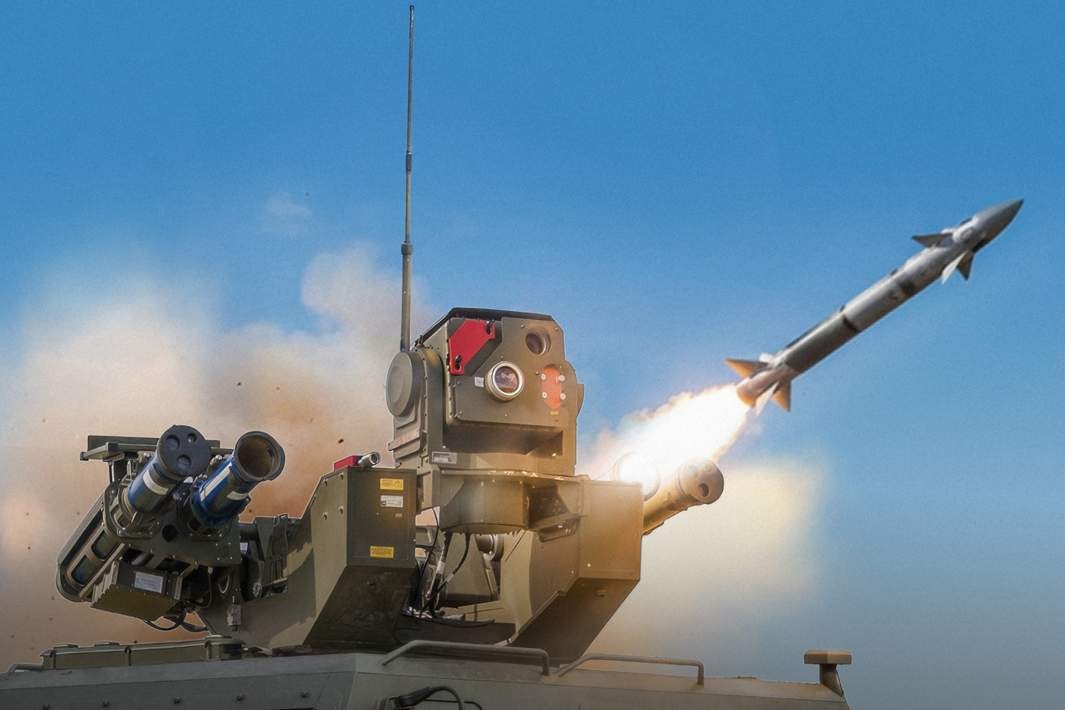
World
LONDON — June 02, 2026 : The United Kingdom has signed a £36 million ($48.5 million) procurement contract with Thales for hundreds of additional Lightweight Multirole Missiles (LMM), known as the Martlet in Royal Navy service, as part of efforts to strengthen counter-drone defence capabilities and replenish operational stockpiles. The agreement, confirmed by the UK Ministry of Defence and Thales on June 1, 2026, supports Britain’s effort to improve short-range air defence against low-cost uncrewed aerial systems (UAS). Deliveries are scheduled to begin in the coming months and continue through 2026. The procurement follows an earlier Martlet order placed in April 2026 and is intended to reinforce protection for British forces, naval platforms, airbases, and critical infrastructure, particularly in regions facing persistent drone threats, including the Middle East. Recent operational use has reinforced the missile’s role in force protection. According to defence officials, the Martlet has intercepted more than 100 drones during deployments in the Middle East, supporting short-range defence missions against low-cost aerial threats and contributing to the UK’s layered air defence framework. Martlet Missile Designed for Short-Range Interception The Martlet is a compact precision-guided missile developed to engage small and highly manoeuvrable targets at short range. The system weighs approximately 13 kilograms, measures 1.3 metres in length with a 76 mm diameter, and can be deployed across air and ground platforms. The missile is designed to engage uncrewed aircraft, helicopters, light surface vessels, light armoured vehicles, and other agile targets in maritime and land environments. Powered by a two-stage solid propellant rocket motor, the Martlet reaches speeds exceeding Mach 1.5 (more than 1,150 miles per hour) and has an engagement range exceeding six kilometres, extending to approximately eight kilometres depending on operating conditions. The missile carries a three-kilogram dual-effect warhead combining blast fragmentation effects with a shaped charge to improve effectiveness against lightly protected targets. Detonation occurs through laser proximity or direct impact depending on mission requirements. Guidance System Designed to Resist Electronic Interference The Martlet primarily employs a laser beam-riding guidance system, enabling operators to track a target while projecting a laser beam that the missile follows until interception. This guidance approach reduces vulnerability to electronic jamming and signal interference, which are increasingly common in contested environments. The system also supports precision engagement while limiting unnecessary collateral effects. In addition to surface-to-air missions, the missile can operate in air-to-air, air-to-surface, surface-to-surface, and maritime engagement roles, increasing operational flexibility. Expanding “Magazine Depth” Against Low-Cost Drone Threats The procurement forms part of British efforts to improve “magazine depth,” or the ability to sustain defensive operations without rapidly exhausting missile inventories. Lessons from conflicts in Ukraine and the Middle East have shown that large numbers of low-cost reconnaissance drones and one-way attack systems, including Iranian-designed Shahed-series drones, can place pressure on air defence stockpiles when expensive interceptors are used against low-cost threats. Military planners view the Martlet as filling a gap between short-range gun systems and larger, more costly interceptor missiles typically reserved for cruise missiles or combat aircraft. This provides commanders with a proportionate interception option without unnecessarily consuming premium munitions. Wildcat Helicopters Provide Airborne Counter-Drone Layer The Royal Navy deploys Martlet missiles aboard Leonardo AW159 Wildcat HMA2 helicopters, which can carry up to 20 missiles on external weapon pylons. Following increased drone threats in early 2026, Wildcat helicopters from the 815 Naval Air Squadron were deployed to RAF Akrotiri in Cyprus, operating in two-aircraft formations to extend surveillance and interception coverage. The helicopters function as mobile sensor-and-shooter platforms, allowing forces to investigate aerial tracks and intercept hostile drones before they approach naval vessels or defended facilities. British defence authorities declared full operational capability for the Wildcat-Martlet combination in October 2025. Rapid Sentry Strengthens Ground-Based Air Defence On land, the RAF Regiment operates the Rapid Sentry short-range air defence system, which uses Martlet missiles as part of a layered counter-UAS architecture. Rapid Sentry has recently been deployed to locations including Kuwait to counter Iranian UAV threats and is intended to intercept drones that bypass surveillance or electronic warfare layers. The system integrates radar-based tracking, sensor networks, and electronic warfare tools capable of providing soft-kill effects before missile engagement becomes necessary. Martlet serves as the hard-kill component and can integrate with systems such as ORCUS for improved situational awareness and sensor fusion. Saab Giraffe 1X Radars Improve Detection Supporting this layered defence network are Saab Giraffe 1X compact three-dimensional surveillance radars. The United Kingdom ordered 11 Giraffe 1X radars in 2023 to improve detection of small, low-flying drones operating near terrain features that complicate radar identification. The radar systems provide higher-quality tracking data to command networks, enabling faster and more accurate engagement decisions while reducing unnecessary missile expenditure on false targets. Domestic Production Supports UK Defence Industry Beyond operational requirements, the £36 million contract reinforces Britain’s domestic missile production capability. Martlet missiles are designed and manufactured at Thales’ Belfast facility in Northern Ireland, supporting approximately 700 skilled jobs. The procurement helps maintain sovereign manufacturing capacity amid increasing demand for air defence systems and pressure on global munition supply chains. Maintaining domestic production lines is viewed as important for sustaining deployed operations, replenishing stockpiles, and supporting industrial resilience during periods of increased demand. UK Expands Layered Counter-Drone Capability The latest Martlet order reflects the UK’s continued adaptation to evolving aerial threats in which low-cost uncrewed systems are playing an increasing role. By increasing missile inventories and integrating the Martlet across helicopter, vehicle-mounted, and ground-based systems, Britain is strengthening a layered defence network designed to protect deployed forces, naval formations, airbases, and critical infrastructure against persistent drone threats.
Read More → Posted on 2026-06-02 14:49:49
World
WASHINGTON — June 02, 2026 : Supply chain constraints affecting missile interceptor production are increasing U.S. interest in alternative missile defense technologies that could reduce dependence on traditional rocket-powered systems. Recent operational demands following the Iran conflict exposed pressure on American interceptor stockpiles. According to an analysis by the Center for Strategic and International Studies (CSIS), the U.S. military fired more than 1,000 Patriot interceptor missiles during operations linked to the conflict but received only 172 replacement units. The resulting shortfall is expected to continue until at least 2029, highlighting concerns about interceptor sustainability. A key challenge in replenishment efforts lies in missile propulsion production. Current air defense interceptors, including the Patriot PAC-3 and Terminal High Altitude Area Defense (THAAD), rely on solid rocket motors powered by ammonium perchlorate, a chemical oxidizer used in missile propellant. The United States currently depends on a single domestic producer of ammonium perchlorate, creating a supply chain bottleneck that limits rapid interceptor production. As a result, increasing manufacturing output remains difficult even with additional government funding or rising military demand. To address this issue, defense planners and private contractors are examining alternative launch methods that reduce reliance on chemical propulsion. Among the companies developing such technology is California-based startup Auriga Space, founded in 2022 by former SpinLaunch vice president Winnie Lai. How Auriga’s Electromagnetic Launch System Works Auriga is developing a linear electromagnetic accelerator designed to launch missile interceptors without relying on conventional rocket propulsion during the initial launch phase. Instead of generating thrust through chemical combustion, the system uses magnetic fields to levitate and accelerate a projectile along a launch track. Electricity stored in industrial batteries or capacitors is discharged rapidly to propel the interceptor to hypersonic speed. Once the required velocity and altitude are achieved, the payload separates from the launcher. For missile defense applications, the interceptor continues toward its target using the kinetic energy generated during launch. In space-related missions, a secondary motor can activate after separation to support ascent requirements. The system draws on concepts similar to magnetic levitation transport, electromagnetic launch catapults, and railgun research, while replacing expendable propulsion hardware with reusable electrical infrastructure. Potential Operational and Cost Benefits Auriga’s concept could introduce operational and economic advantages for missile defense systems. A Patriot PAC-3 interceptor costs approximately $4 million per round, and each launch consumes the propulsion system, guidance seeker, and warhead. This cost structure becomes increasingly difficult when intercepting lower-cost threats such as drones or one-way attack unmanned systems. Because the electromagnetic launcher itself is reusable, interception costs could be reduced by limiting expendable components primarily to payload systems, including guidance and warheads. The removal of chemical propellants may also improve storage safety and increase inventory capacity by allowing military units to maintain larger interceptor stocks without storing volatile rocket fuel. In addition, the system is intended to support repeated high-frequency launches during swarm attacks or saturation strike scenarios. Auriga is also developing the launcher to fit inside standard shipping containers, enabling deployment aboard naval vessels, at forward operating bases, or across distributed missile-defense networks without requiring permanent infrastructure. Development Roadmap and Defense Support Auriga is advancing the technology through a phased development program. The first stage, Prometheus, is a laboratory-scale accelerator designed for ballistic testing and recoverable hypersonic subsystem validation. The second stage, Thor, is a full-scale outdoor track scheduled to begin hypersonic field testing later in 2026 under operational conditions. The company’s long-term objective is Zeus, a proposed orbital launch complex aimed at supporting commercial and defense-related space launch requirements. The technology has received early support from U.S. defense agencies. The Missile Defense Agency (MDA) awarded Auriga a Phase I Small Business Technology Transfer (STTR) contract, supported by researchers from Purdue University and Texas A&M University, to study electromagnetic accelerator applications for missile defense. Separately, the Air Force Research Laboratory’s AFWERX program granted the company a $1.25 million Direct-to-Phase II Small Business Innovation Research (SBIR) contract to support development of the Prometheus system. Auriga has raised approximately $12.2 million through venture capital investment and government grants. Funding was led by OTB Ventures, with participation from Seraphim Space, Trucks Venture Capital, and Automotive Ventures. The company’s advisory board includes retired Army Lieutenant General Neil Thurgood, former Director of Hypersonics. In March 2026, Auriga also signed a Memorandum of Understanding with the University of North Dakota to jointly advance research in hypersonics, counter-unmanned aerial systems (counter-UAS), and space applications.
Read More → Posted on 2026-06-02 14:38:45
World
NEW YORK — June 02, 2026 : Israeli defense technology company Smart Shooter has secured a $1.8 million contract to supply the U.S. Navy with its SMASH 2000LE fire control systems, marking the company’s first major procurement agreement with the naval service and completing its operational integration across all four major branches of the U.S. military. The company announced on June 1 that the Navy agreement follows earlier procurement contracts with the U.S. Army, Marine Corps, and Air Force over the past year. Deliveries of the systems are scheduled for the second half of 2026. The contract was awarded by the Naval Surface Warfare Center (NSWC), the U.S. Navy’s principal institution for research, engineering, testing, and development of surface warfare systems. Procurement will be managed through Atlantic Diving Supply (ADS), an authorized tactical equipment and logistics provider for the U.S. Department of Defense, enabling faster delivery through an existing acquisition framework. Navy Procurement Reflects Growing Counter-Drone Focus The Navy’s adoption of the SMASH 2000LE, also designated in some configurations as the SMASH 3000SA, aligns with a broader U.S. defense effort to strengthen counter-drone capabilities for military personnel and force protection teams. The increasing use of small unmanned aerial systems (sUAS) in modern conflicts has created new operational challenges for conventional infantry and security forces. Unlike traditional rifle training, which is largely designed for stationary or slow-moving ground targets, engaging small aerial threats requires rapid tracking and precise ballistic calculations. Military assessments have shown that small drones can move unpredictably and often reach speeds of up to 20 meters per second, making them difficult to engage using standard optics and conventional shooting techniques. The growing use of weaponized and reconnaissance drones has increased demand for kinetic counter-UAS systems capable of improving engagement accuracy. How the SMASH 2000LE Fire Control System Works The SMASH 2000LE is an external optical fire control system mounted on standard service rifles, including weapons such as the M4 carbine. Known in Hebrew as “Pigyon,” the system uses artificial intelligence, computer vision, and ballistic processing to improve firing precision. The system locks onto a target and processes variables including target speed, trajectory, distance, wind conditions, and humidity through an onboard dual-core computer. During operation, the user tracks a drone or moving target through the optic while pulling the trigger. However, the weapon does not discharge immediately. The fire control mechanism electronically delays firing until the system calculates the highest probability of a successful hit, reducing missed rounds and improving ammunition efficiency. The system also provides visual aiming support through a digital display, including indicators such as a red dot or targeting cross, allowing operators to maintain continuous tracking of moving aerial targets. System Specifications and Features According to Smart Shooter, the SMASH 2000LE is designed primarily for kinetic counter-unmanned aerial system (C-UAS) missions while also improving accuracy against ground threats. The system offers an effective engagement range of up to 250 meters against small aerial targets and includes features intended for field deployment: Lightweight construction of approximately 740 grams Day and night operational capability See-through optics with integrated digital display Lock-and-track targeting for moving threats Integration with battle management systems Ruggedized construction for operational environments The system is designed to be attached to standard infantry rifles without requiring major modifications. Growing U.S. Defense Contracts The Navy agreement follows Smart Shooter’s expansion within the U.S. defense sector. In March 2026, the U.S. Joint Interagency Task Force 401 (JIATF-401) awarded the company a $6.1 million contract for 210 SMASH systems intended to protect domestic infrastructure and military facilities against emerging drone threats. The company also secured a $10.7 million follow-on contract with the U.S. Army in May 2026 for additional SMASH 2000LE systems, with deliveries expected in the third quarter of 2026. Separate procurement agreements have also been reported with the U.S. Marine Corps and U.S. Air Force as part of broader efforts to improve counter-drone protection at military bases and operational facilities. Company Statement Smart Shooter Chief Executive Officer Michal Mor described the Navy contract as an important development in the company’s expansion across U.S. defense organizations. “Securing our first significant contract with the U.S. Navy marks an important milestone in Smart Shooter’s continued expansion across U.S. defense organizations,” Mor said. “Together with our recent agreements with the U.S. Army, U.S. Marine Corps, and U.S. Air Force, this latest award underscores the growing operational need for precise, reliable, and field-ready solutions to address the drone threat.” Counter-Drone Systems Becoming a Procurement Priority The growing adoption of systems such as SMASH reflects lessons drawn from operational environments including Ukraine, the Red Sea, and the Middle East, where small weaponized drones have increasingly been used for reconnaissance, attacks, and force disruption. These developments have pushed portable counter-UAS systems from a specialized capability into a broader procurement priority for military organizations seeking to strengthen force protection for ships, bases, and frontline units. With deliveries scheduled for the second half of 2026, the Navy’s acquisition of the SMASH 2000LE is expected to support sailors, force protection personnel, and security teams tasked with defending naval facilities and operational assets from small aerial threats.
Read More → Posted on 2026-06-02 14:23:21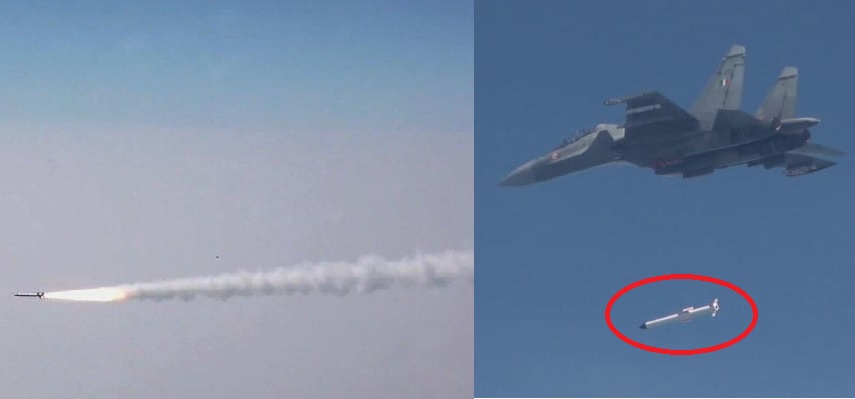
India
NEW DELHI — June 02, 2026 : The Defence Research and Development Organisation (DRDO) and the Indian Air Force (IAF) have successfully conducted a flight test of the indigenous RudraM-II air-to-surface missile, strengthening India’s efforts to expand domestically developed precision-strike capabilities. The missile was test-fired on May 29, 2024, from a Su-30MKI fighter aircraft under challenging release conditions off the coast of Odisha. According to official information, the missile achieved a direct hit on its intended target, while all mission objectives were completed successfully. Flight Test Conducted Under Extreme Release Conditions The flight trial was carried out at the Integrated Test Range (ITR) in Chandipur, Odisha, where the missile’s performance was continuously monitored through a network of electro-optical systems, radars, telemetry stations, and down-range tracking ships. Officials stated that the collected flight data confirmed the missile’s operational performance under demanding release conditions from the Su-30MKI platform. The test validated the RudraM-II’s solid-propulsion system along with its control mechanisms, navigation systems, and guidance algorithms. The successful trial also demonstrated the missile’s ability to maintain accuracy and operational reliability during long-range precision strike missions. RudraM-II Designed for Suppression of Enemy Air Defences RudraM-II is an indigenously developed next-generation anti-radiation missile designed to detect, track, and destroy enemy radar systems, communication nodes, and air-defence assets that emit radio-frequency signals. The missile is intended to strengthen the IAF’s Suppression of Enemy Air Defenses (SEAD) capability by targeting hostile tracking and targeting systems from long stand-off distances. By neutralising radar and communication infrastructure, RudraM-II enables friendly aircraft to operate with reduced exposure in contested airspace. The missile can also engage targets even if enemy radar systems are switched off after detection, improving operational effectiveness against modern air-defence tactics. Technical Specifications and Operational Features RudraM-II is powered by a solid-propellant motor and is capable of reaching speeds of up to Mach 5.5, enabling rapid engagement of high-priority targets. The missile has an estimated strike range of approximately 300–350 kilometres and can reportedly detect hostile radio-frequency emissions from distances exceeding 100 kilometres. Weighing around 800 kilograms, RudraM-II carries a 200-kilogram warhead designed to deliver penetration and fragmentation effects against reinforced radar shelters, communication systems, and soft-skinned antenna infrastructure. To improve engagement flexibility, the missile incorporates advanced multi-mode guidance systems supporting both Lock-On-Before-Launch (LOBL) and Lock-On-After-Launch (LOAL) modes. These capabilities allow pilots to engage targets either before launch or after missile deployment depending on operational requirements. The missile is additionally equipped with a passive homing head and an Imaging Infrared (IIR) seeker, enabling continued target engagement even if hostile radar emissions are discontinued to avoid detection. Potential Replacement for Kh-31 Missile Fleet RudraM-II is expected to gradually replace the Russian-origin Kh-31 anti-radiation missile currently integrated into the IAF’s Su-30MKI fleet. While the missile has been primarily developed for deployment from the Su-30MKI fighter platform, future integration with aircraft such as the Mirage 2000 remains a possibility. The missile can reportedly be launched from altitudes ranging between 3 and 15 kilometres, increasing mission flexibility across different operational conditions. Part of India’s Broader Indigenous Missile Programme The RudraM-II programme forms part of India’s wider effort to expand indigenous air-launched precision weapon systems. Earlier variants in the RudraM family, including RudraM-I, have undergone testing and entered service, while development efforts continue on RudraM-III, which is expected to provide extended strike range and enhanced operational capability. The successful test of RudraM-II represents an important step toward operational readiness and future induction into service. Officials Congratulate DRDO and IAF Defence Minister Rajnath Singh congratulated the DRDO, the IAF, and industry partners involved in the programme following the successful test. DRDO Chairman Dr. Samir V. Kamat also acknowledged the achievement and highlighted its contribution to India’s efforts to strengthen indigenous defence technologies. With successful validation of its propulsion, guidance, and targeting systems, RudraM-II is expected to contribute to the IAF’s long-range precision strike capability while supporting India’s objective of reducing dependence on imported defence systems.
Read More → Posted on 2026-06-02 14:16:08
World
PARIS — June 02, 2026 : European defence technology company Helsing has officially unveiled Area 9, a new advanced research division focused on artificial intelligence (AI) and autonomous systems, alongside the launch of RX-1, the company’s first robotics research platform designed and manufactured entirely in Europe. The announcement, made on 1 June 2026, marks Helsing’s expansion beyond aviation and aerospace software into field robotics. The initiative reflects a broader European effort to strengthen domestic capabilities in next-generation defence technologies and reduce reliance on non-European systems. Area 9 Established to Translate Research into Operational Systems Area 9 will function as Helsing’s dedicated research division under the leadership of Chief Scientist Antoine Bordes. The unit has been established to identify high-impact scientific and engineering opportunities and transform advanced research in AI and autonomous systems into deployable technologies. The division will operate as an internal incubator for experimental programmes, focusing on long-term projects while maintaining pathways toward practical defence applications. Helsing describes Area 9 as an effort to bridge the gap between research and operational military systems. Speaking during the launch, Bordes stated that changing battlefield conditions increasingly require technologies capable of operating in hazardous environments without exposing personnel to unnecessary risk. According to him, Area 9 aims to invest in systems capable of functioning effectively in such settings. One of Area 9’s earliest achievements has been the development of Centaur, an AI-based pilot software system designed for air combat operations. Centaur AI and Development of the CA-1 Europa Centaur uses scaled reinforcement learning, a machine-learning method in which the system learns through repeated simulated trial-and-error scenarios rather than relying solely on predefined programming. The AI processes radar, sensor, and tactical information to improve decision-making in combat environments. According to Helsing, Centaur demonstrated advanced beyond-visual-range (BVR) manoeuvre capabilities in simulations and live testing. In 2025, the system was integrated into a Saab JAS 39 Gripen E fighter aircraft during tests above the Baltic Sea under Project Beyond, a collaboration between Helsing and Saab supported by the Swedish government. During the trials, the AI reportedly controlled the aircraft for portions of the flight, executed manoeuvres against other aircraft, and provided firing recommendations to the pilot. Helsing stated that the tests demonstrated the ability of AI systems to support high-speed operational decision-making in complex air combat scenarios. Centaur now serves as the technological foundation for the CA-1 Europa, an autonomous uncrewed combat aerial vehicle (UCAV) under development by Helsing alongside partners including Grob Aircraft, HENSOLDT, and other European aerospace firms. The CA-1 Europa is being developed as a high-subsonic combat aircraft in the 3-to-5 tonne class, designed for multi-role operations, deep-strike missions, and swarm-based operations in contested environments. It will feature an internal weapons bay, electronic warfare systems, and the capability to operate independently or alongside crewed and uncrewed assets. Production-ready variants are targeted for operational availability within the next several years. RX-1 Introduced as Europe’s Robotics Research Platform RX-1 is Area 9’s first major ground robotics programme, a quadrupedal robotics platform engineered for field research and outdoor autonomy. Designed as a European alternative to robotics platforms largely manufactured in the United States and China, the system is intended for real-world field operations. Helsing stated that RX-1 has been developed for speed, strength, environmental durability, and operation in difficult outdoor settings, including uneven and debris-filled terrain. The platform is intended to support research into autonomous mobility in unpredictable environments. The company designed and manufactured the platform entirely in Europe, including key components such as actuators, which are responsible for joint movement, balance, and mechanical force generation. According to Bordes, Helsing’s robotics team designed RX-1 to withstand demanding outdoor environments while serving as a common research platform for institutions across Europe. Hardware and Software for Autonomous Operations Helsing describes RX-1 as a complete robotics research stack rather than a remotely operated machine. The system combines a physical robotic chassis with an integrated software environment, allowing researchers to test and refine advanced autonomy algorithms in real time. The platform processes information from onboard sensors, including cameras and LiDAR systems, through onboard computing systems to understand terrain and environmental conditions. This enables the robot to adjust movement, recognize obstacles, maintain stability, and autonomously navigate unstructured outdoor environments. The RX-1 platform has also been designed to support research in perception systems, locomotion, navigation, autonomous decision-making, and robotic mobility. Key features include a fully integrated European hardware and software stack, environmental durability, and optimisation for robotics and AI experimentation in real-world conditions. Academic Partnerships with ETH Zurich and INRIA Paris To accelerate development in field robotics and autonomous systems, Helsing has announced partnerships with research institutions across Europe. The first two collaborations involve the robotics group at ETH Zurich, led by Professor Marco Hutter, and the French national research institute INRIA Paris. Both organisations will receive RX-1 systems for advanced robotics research. Professor Hutter stated that RX-1 provides an advanced European-developed hardware platform for field robotics research and said the collaboration with Area 9 would contribute to expanding capabilities in outdoor autonomy. Researchers at ETH Zurich and INRIA Paris are expected to use the system to improve autonomous navigation, perception systems, locomotion, and machine intelligence in outdoor environments. Strategic Importance and European Technological Independence The launch of Area 9 and RX-1 aligns with a broader European emphasis on strategic autonomy in defence, robotics, and artificial intelligence. European governments and defence firms have increasingly prioritised domestic capabilities to reduce dependence on external supply chains for advanced systems and sensitive technologies. By developing software platforms such as Centaur and physical systems including RX-1 within Europe, Helsing aims to establish an integrated domestic technological ecosystem capable of supporting future defence requirements. The company stated that this approach enables research, development, manufacturing, and iterative improvements to remain within Europe while providing institutions and industrial partners access to next-generation autonomous technologies. The launch of Area 9 and RX-1 represents both a technological expansion for Helsing and a broader effort to strengthen Europe’s long-term capabilities in autonomous systems across air and land operational domains.
Read More → Posted on 2026-06-02 13:58:52
World
Washington — June 02, 2026 : The United States Navy officially accepted delivery of the guided-missile destroyer USS Patrick Gallagher (DDG 127) on May 28, 2026, more than two months ahead of schedule. Constructed by General Dynamics Bath Iron Works in Maine, the vessel becomes the 77th Arleigh Burke-class destroyer and the final ship built under the Flight IIA configuration. The delivery marks the formal transfer of the ship from the shipbuilder to the Navy and concludes production of the Flight IIA variant, before the Navy transitions to the newer Flight III design for future destroyers. Construction Timeline and Program Background Bath Iron Works received the contract to build USS Patrick Gallagher on September 28, 2017. Construction began on November 9, 2018, while the keel was laid on March 30, 2022, marking a major milestone in the ship’s assembly. The destroyer was christened on July 27, 2024, in a ceremony attended by the family of its namesake. Patrick Gallagher’s sisters served as ship sponsors and officially christened the vessel in his honor. USS Patrick Gallagher is the final Flight IIA destroyer in the long-running Arleigh Burke-class program, one of the U.S. Navy’s primary multi-mission surface combatant programs. Future destroyers will be built under the Flight III configuration, which introduces upgraded systems and enhanced operational capabilities. Accelerated Sea Trials Enabled Early Delivery The ship departed Bath Iron Works on April 27, 2026, to begin builder’s sea trials, which assessed propulsion systems, maneuverability, combat systems, electrical performance, and overall ship readiness. According to Navy officials, the early handover was enabled through an optimized sea trial process that reduced the time between testing phases. During a streamlined testing period, USS Patrick Gallagher completed evaluations of hull, mechanical, electrical, and combat systems in sequence. The destroyer also conducted a scheduled stop in Portland, Maine, to facilitate crew rotations during testing. Officials stated that the vessel demonstrated an outstanding material condition during trials, enabling acceptance ahead of schedule while maintaining required performance and safety standards. Capt. Jay Young, program manager for the DDG-51 destroyer program, credited coordination between the Navy and Bath Iron Works for supporting the ship’s accelerated delivery timeline. Additional Time for Crew Training and Readiness Because the destroyer was delivered ahead of schedule, the Navy will gain additional time to prepare the ship for operational deployment. The extended preparation period will support crew familiarization, operational training, certification, systems testing, and integration activities before the vessel enters active service. Officials noted that the additional preparation time will contribute to fleet readiness before the destroyer joins front-line operations. Named After a Decorated Vietnam War Marine USS Patrick Gallagher is named after United States Marine Corps Corporal Patrick Gallagher, an Irish-born Marine who later served during the Vietnam War. Gallagher received the Navy Cross for exceptional heroism after saving fellow Marines during combat by jumping on an enemy grenade and throwing it into a nearby river, preventing casualties among his unit. He was later killed in action approximately one year after the incident for which he received the award. The destroyer’s christening ceremony in July 2024 formally recognized his service and sacrifice, with his sisters serving as ship sponsors. Ship Specifications and Combat Capabilities USS Patrick Gallagher is a Flight IIA Arleigh Burke-class guided-missile destroyer designed for missions including air and missile defense, anti-submarine warfare, surface strike operations, maritime security, and fleet escort duties. The vessel measures 509.5 feet (155.3 meters) in length and has a full-load displacement of 9,200–9,500 tons. Power is provided by four General Electric LM2500 gas turbines, producing more than 100,000 shaft horsepower and enabling speeds exceeding 30 knots. The destroyer is equipped with a 96-cell Mk 41 Vertical Launch System (VLS) capable of launching Tomahawk cruise missiles, Standard Missile interceptors, and other missile systems. Additional armament includes a 5-inch Mk 45 naval gun, torpedoes, close-in defensive systems, and facilities for two MH-60R Seahawk helicopters through an onboard hangar and flight deck. The ship operates with a crew of approximately 329 personnel. Flight IIA destroyers also incorporate helicopter facilities, upgraded computing systems, radar improvements, and the Aegis combat system, designed to improve detection, targeting, and response times against modern air and missile threats. Fleet Role and Transition to Flight III Destroyers USS Patrick Gallagher will be homeported in Norfolk, Virginia, where it will join the Navy’s destroyer fleet. The ship enters service as the Navy continues transitioning toward the Flight III configuration, which includes the AN/SPY-6 radar and additional combat system upgrades aimed at improving detection, tracking, and missile defense performance. The early delivery of USS Patrick Gallagher reflects continued efforts to improve production efficiency and fleet readiness during the transition from Flight IIA to Flight III destroyers.
Read More → Posted on 2026-06-02 13:45:35Search
Top Trending in 24 Hours
-
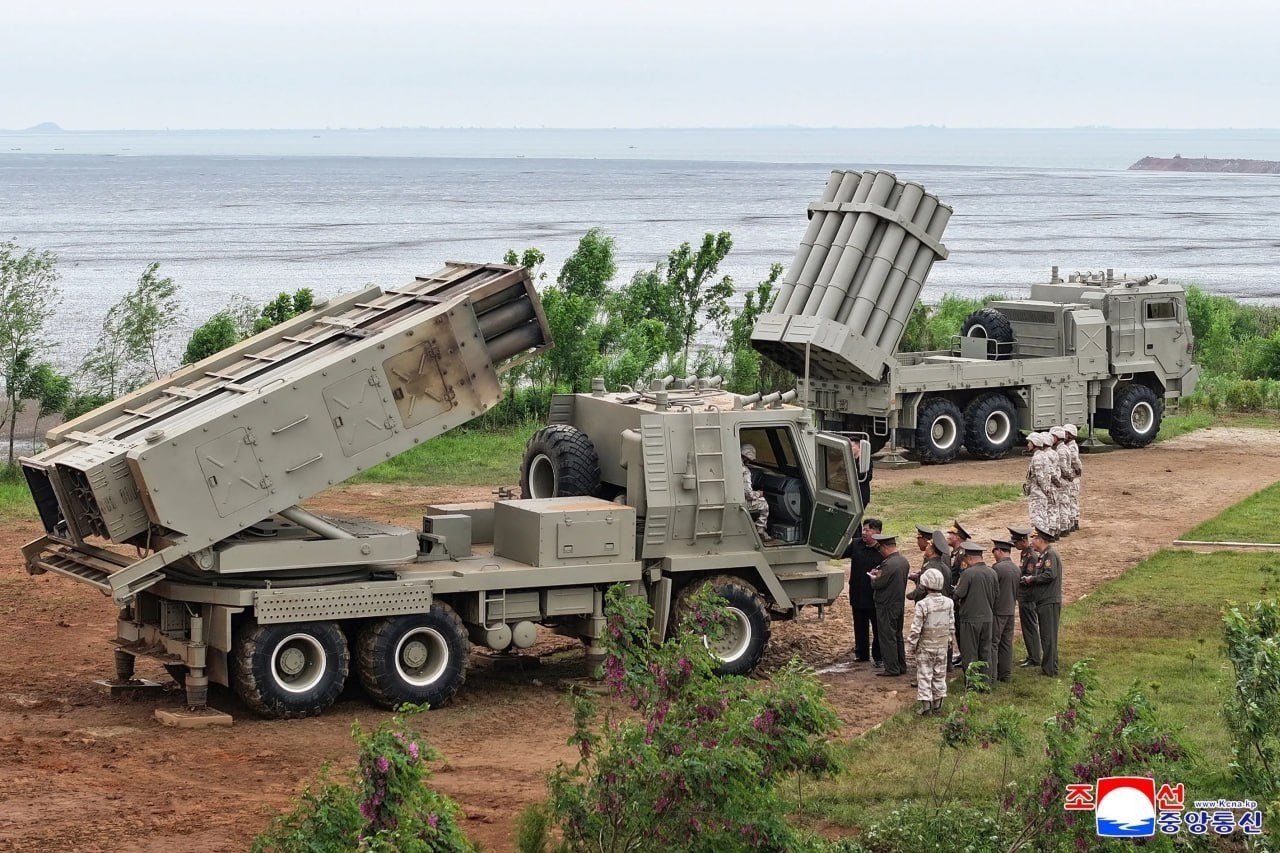 North Korea Tests AI-Powered Missile Capable of Changing Flight Path
-
 NASA Develops Humanoid Robots for Future Moon and Mars Missions
-
 Russia Reveals Jet-Powered Harpy Attack Drones and Mobile Launchers
-
 Russia Demonstrates Truck-Mounted LMUR Missile System During Tsentr-2026
-
 IG Defence Successfully Tests Two Solid Rocket Motors for JWALA Micro-Missile
-
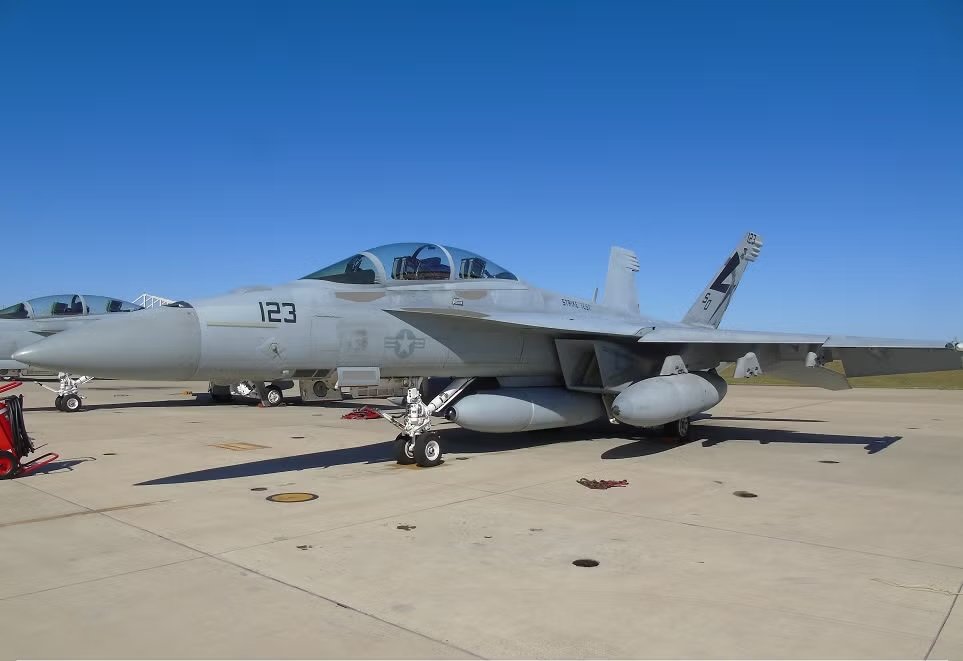 Lockheed Martin Secures $245 Million Contract for F/A-18 Super Hornet IRST Systems
-
 U.S. Navy Swaps Homeports of USS Wyoming and USS Pennsylvania Ahead of Columbia-Class Transition
-
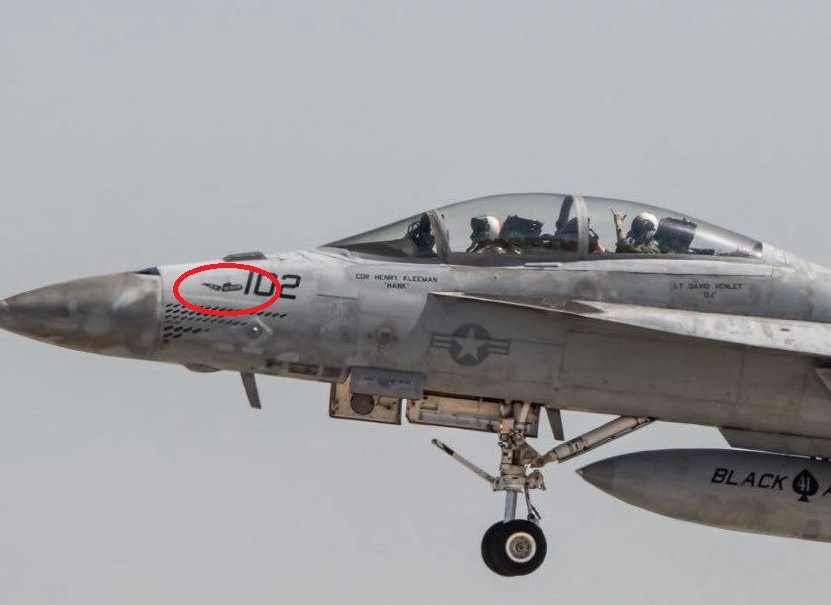 U.S. Navy F/A-18 Super Hornet Returns from 'Operation Epic Fury' Sporting 'Sub Buster' Kill Mark
Top Trending in 4 Days
-
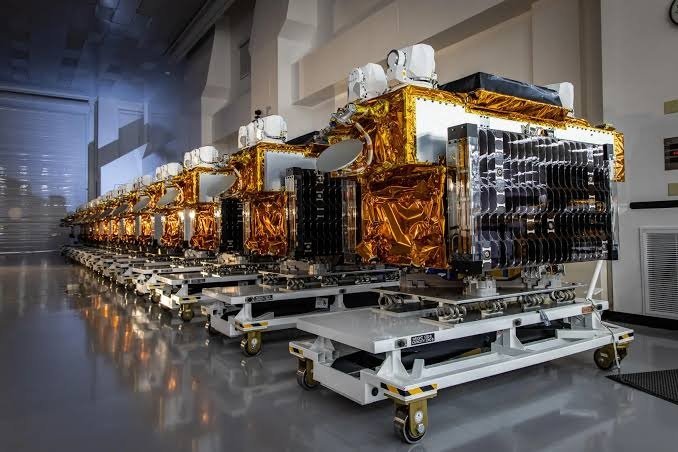 Northrop Grumman Delivers First 21 Satellites for Pentagon’s Next-Generation Military Network
-
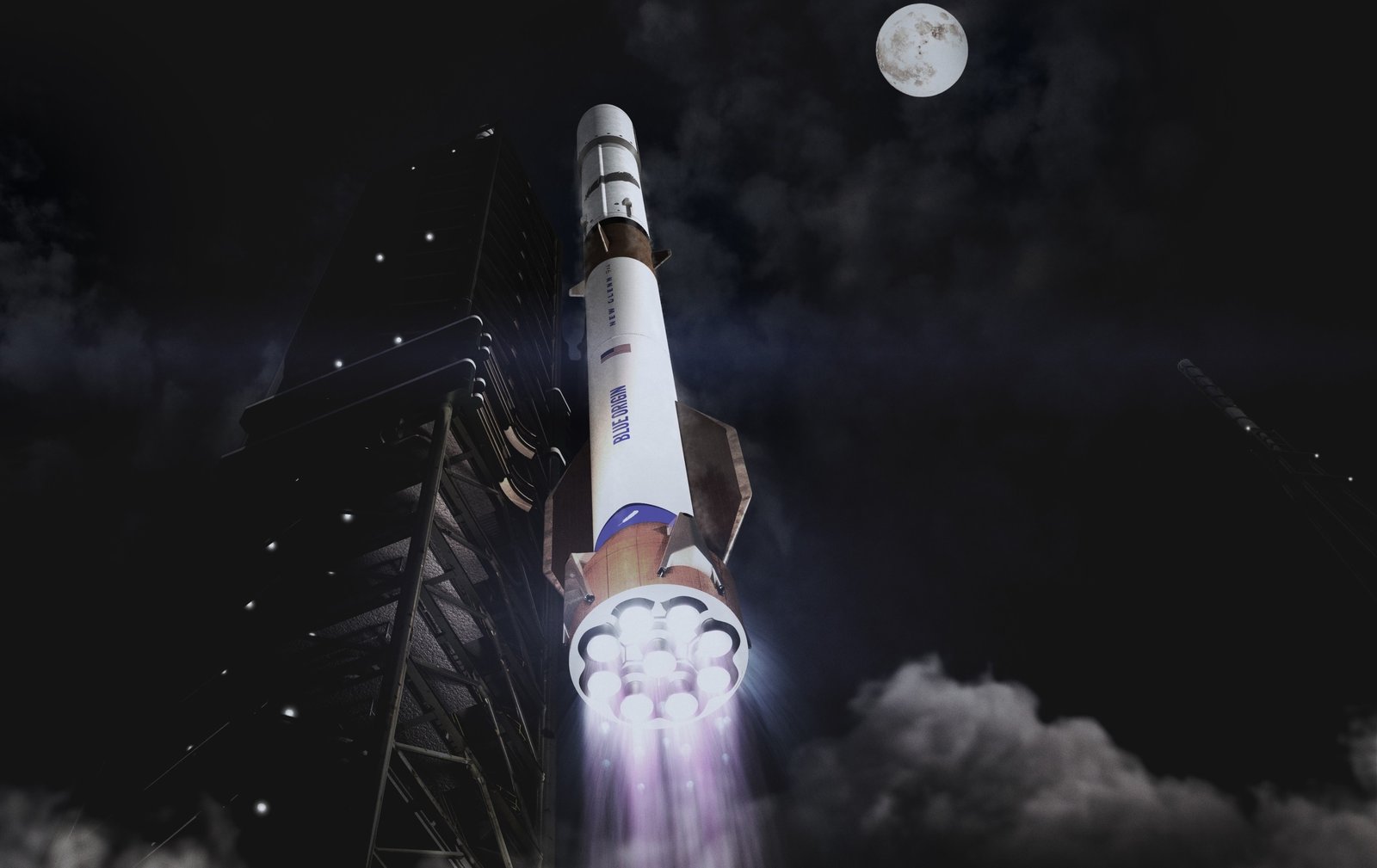 NASA Adds Blue Origin’s Upgraded New Glenn 9×4 to Launch Services Contract
-
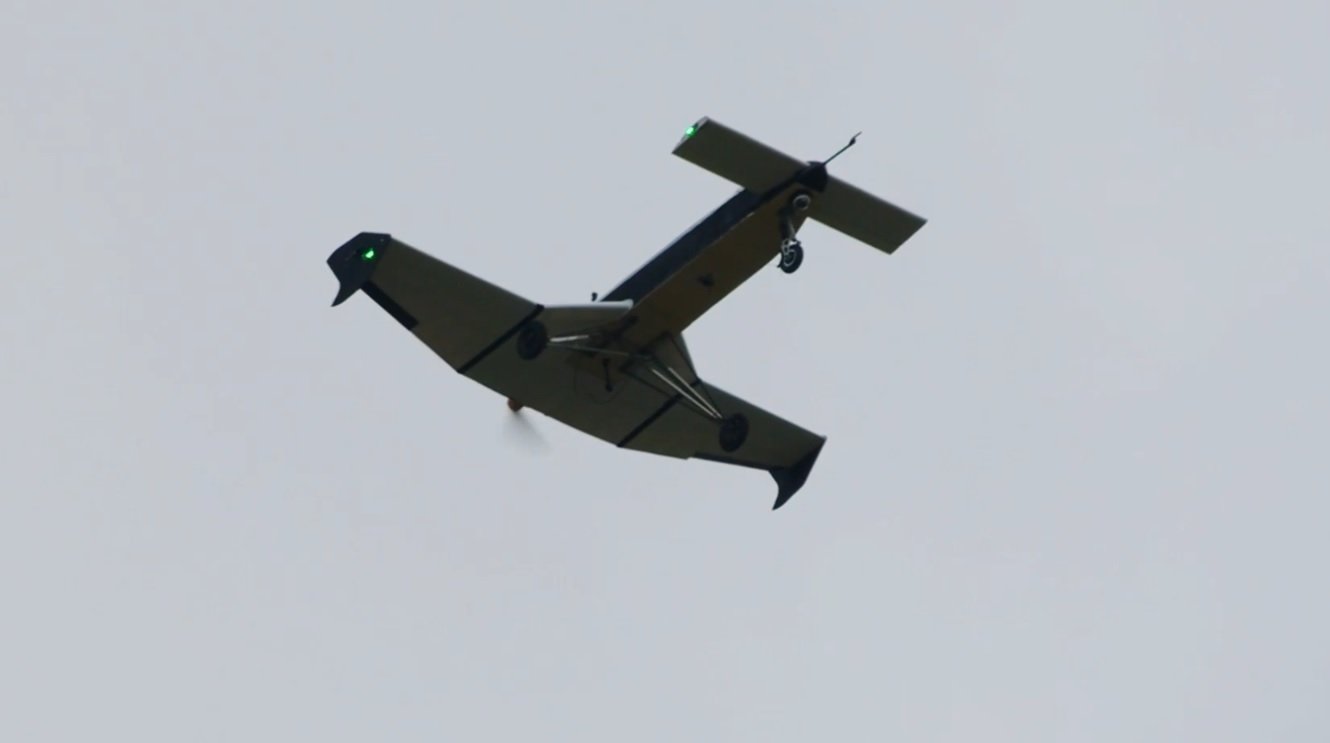 Ukraine’s SkyFall Unveils Thor Hammer Strike UAV With Up to 600-Km Range
-
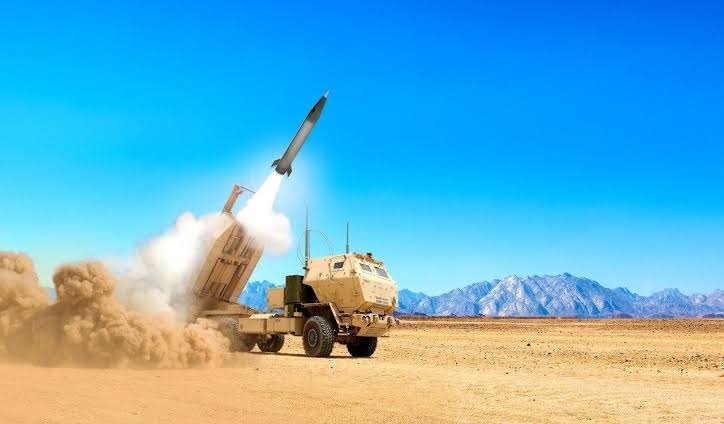 U.S. Army Selects Five Companies to Develop 1,000-Km Precision Strike Missile Prototypes
-
 Boeing Wins $20 Billion U.S. Navy Contract for F/A-XX Sixth-Generation Fighter
-
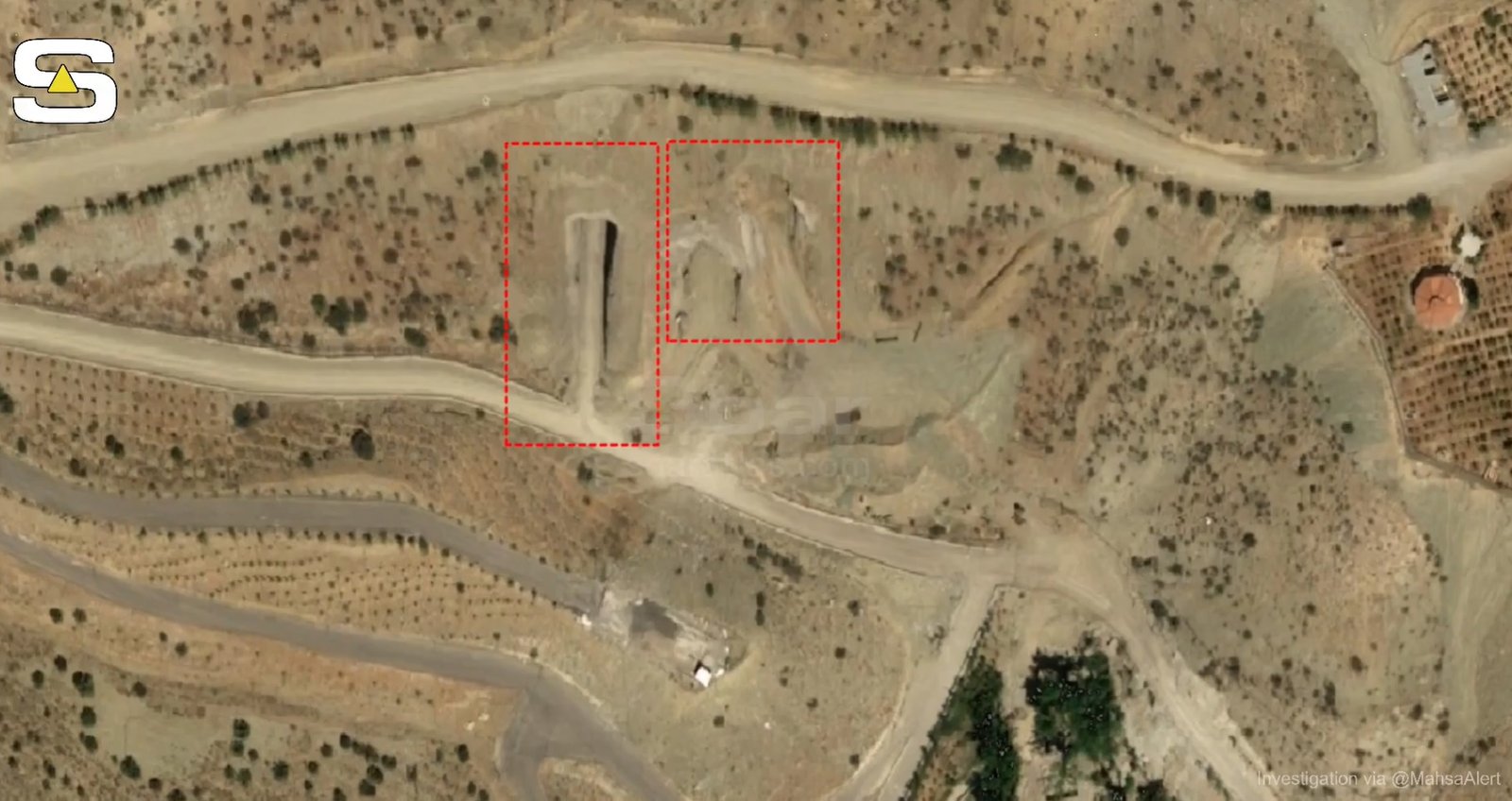 Satellite Imagery Shows Construction Changes at Hillside Site Linked to Iran’s Supreme National Security Council
-
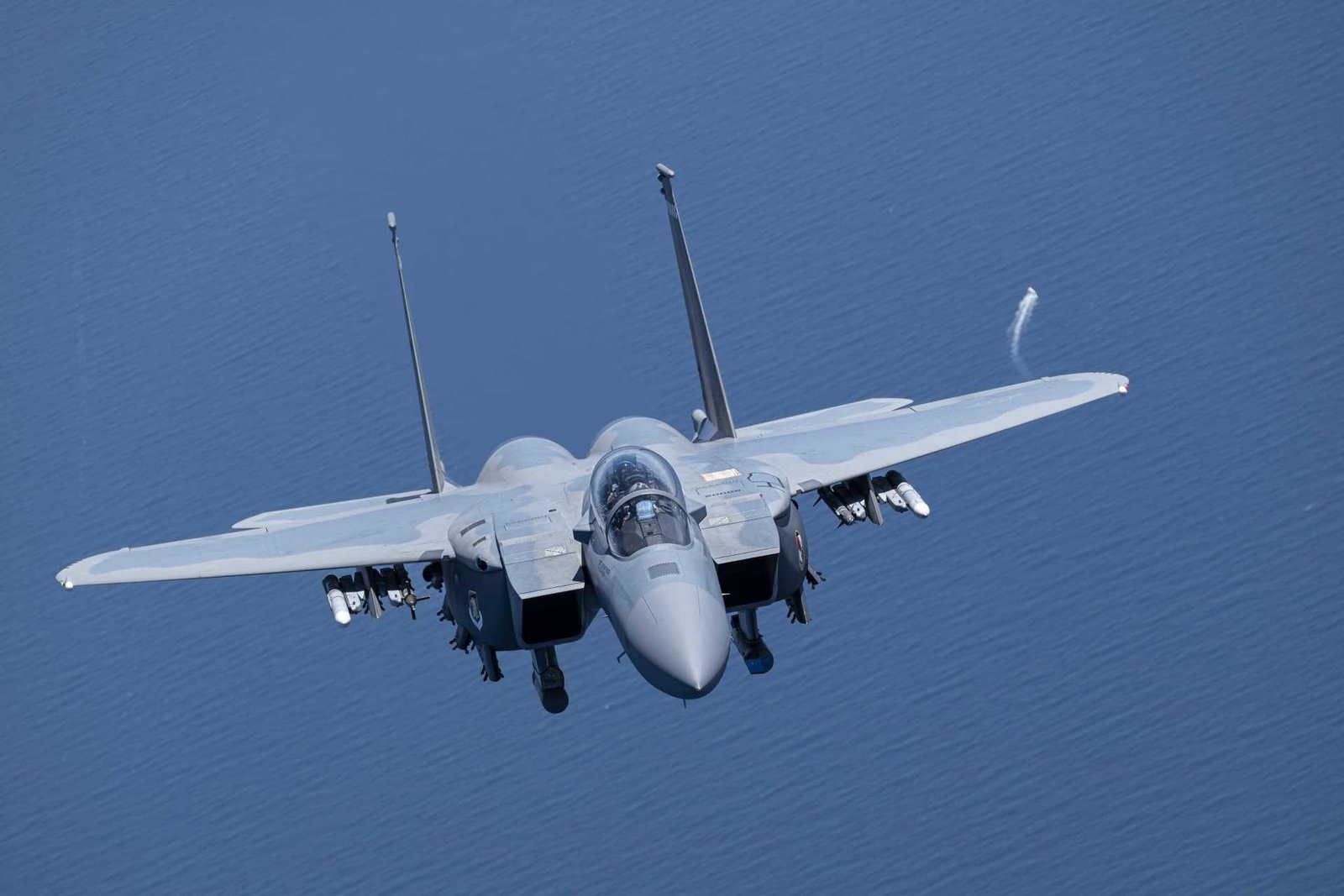 U.S. Air Force Seeks Missile Warning System for F-15EX Fleet
-
 NASA Awards Modulate Space $38 Million Contract to Develop Lunar 5G and Wi-Fi Network
