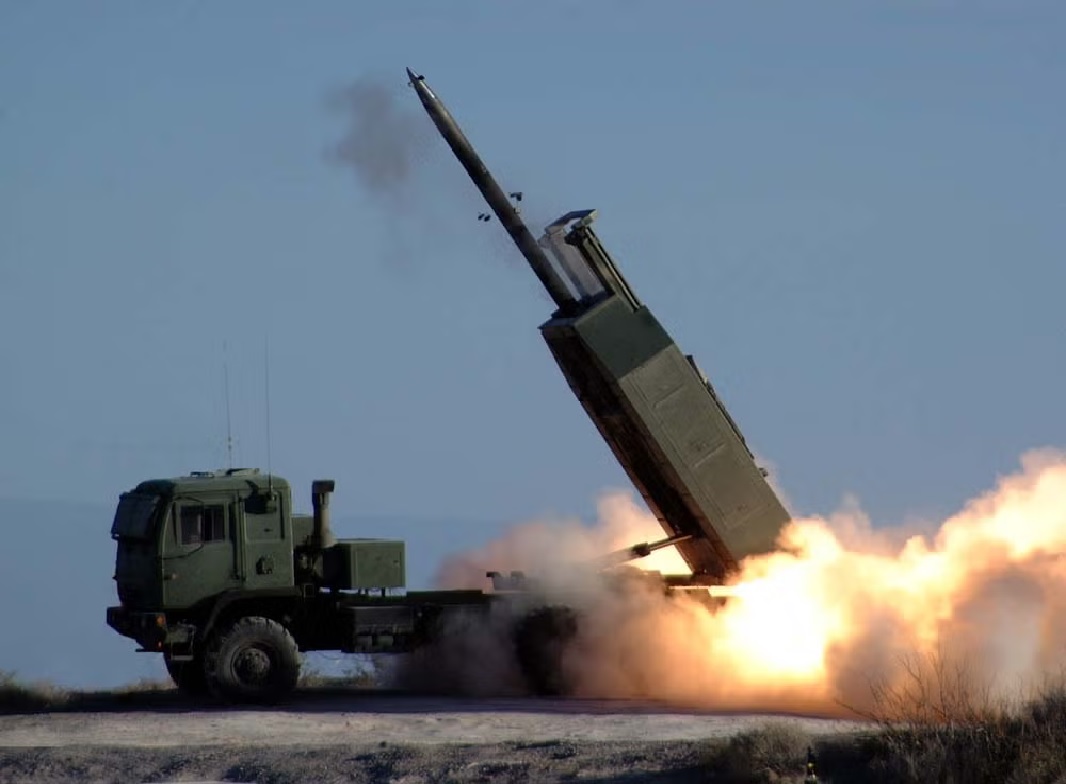
Venezuelan President Nicolás Maduro has reportedly asked Russia for urgent military assistance, seeking deliveries of missiles, radar overhauls, and fighter aircraft repairs as tensions with the United States sharply escalate in the Caribbean. The move, confirmed by multiple diplomatic sources, marks the most serious appeal for Russian military backing in Latin America since the Cold War — and raises the question: Will Moscow use Venezuela to retaliate for U.S. support to Ukraine?
Maduro’s Request for Russian Arms
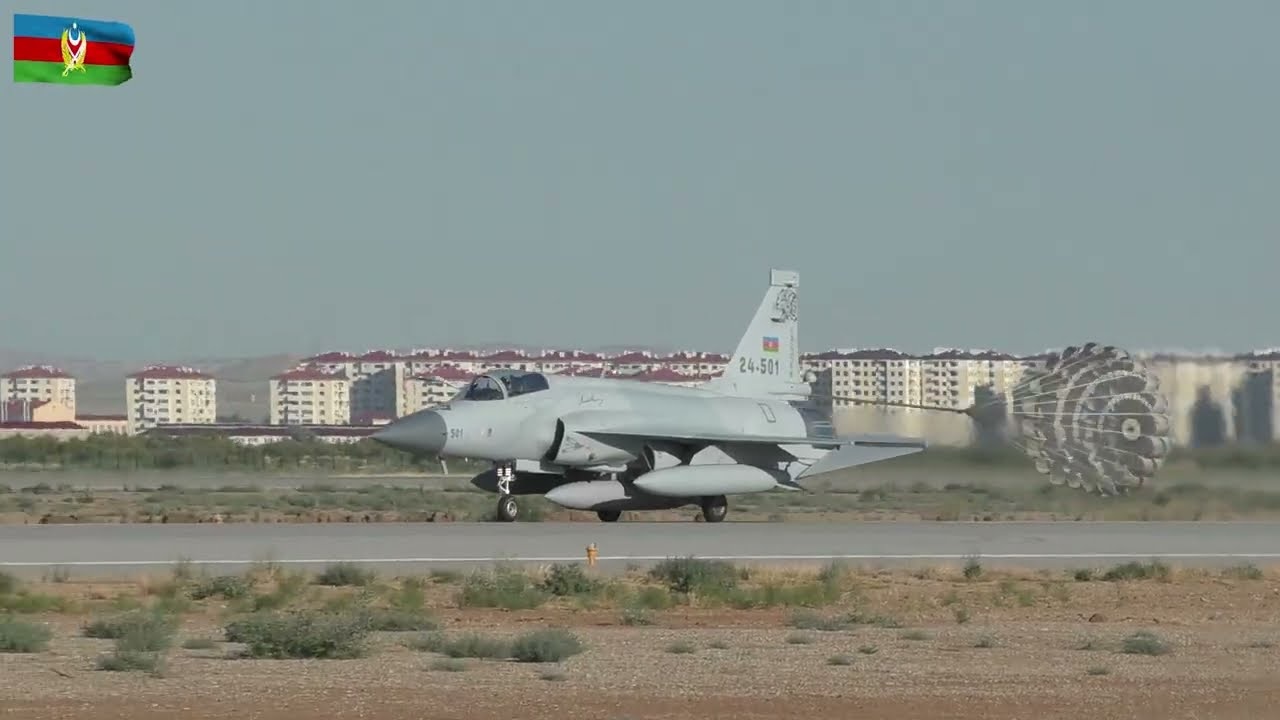
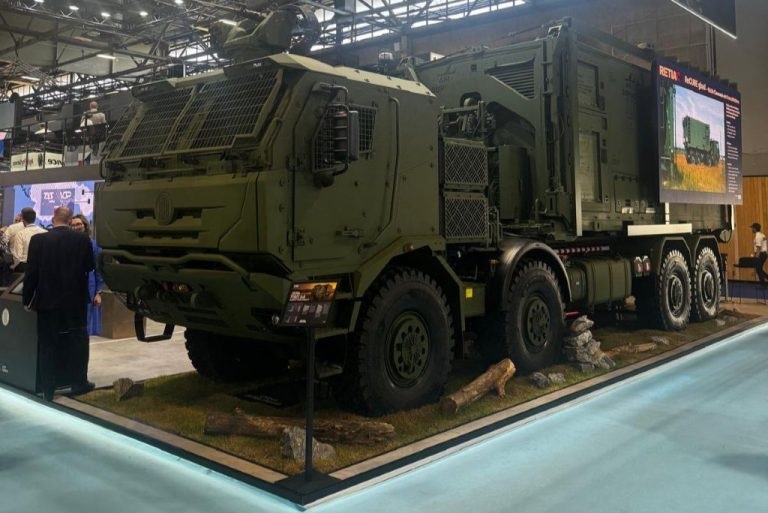
According to Venezuelan defense sources cited by The Washington Post, Caracas has submitted a formal request to the Kremlin for a comprehensive defense package. The proposal includes surface-to-air missile systems, early-warning radar networks, and refurbishment of aging Su-30MK2 fighter jets purchased from Russia in the early 2000s.
Maduro is also seeking technical assistance from China and Iran to reinforce Venezuelan radar coverage and improve airbase infrastructure. The Venezuelan leader said in a televised statement that his government “will not allow any foreign power to threaten our sovereignty” and confirmed ongoing communication with Moscow and Beijing.
Venezuela already possesses around 5,000 Russian Igla-S shoulder-fired missiles, among the largest such stockpiles outside Russia. Officials say these will form the “first layer” of defense if U.S. forces attempt coastal or aerial incursions.
Rising U.S. Military Presence Near Venezuela
The U.S. has intensified military deployments in the Caribbean Sea, citing counter-narcotics operations. Satellite imagery shows U.S. Navy destroyers and amphibious ships, including the USS Iwo Jima Amphibious Ready Group, operating within 400 kilometers of Venezuela’s coastline.
Analysts estimate that over 10,000 U.S. personnel are currently involved in regional exercises and interdiction operations, supported by P-8A Poseidon maritime patrol aircraft, Aegis destroyers, and a nuclear-powered submarine reportedly patrolling near the Lesser Antilles.
Despite repeated U.S. claims that the buildup is “not directed at any government,” Venezuelan officials accuse Washington of preparing a “naval blockade” disguised as a counter-narcotics mission.
The Political Front — Washington’s Response
President Donald Trump denied that the U.S. seeks regime change in Caracas, calling the buildup “routine maritime operations.” However, his administration maintains that Venezuela remains a “narco-state” and has offered a $50 million bounty for Maduro’s capture on drug-trafficking charges.
When asked about Maduro’s appeal to Russia, Trump told reporters, “If Russia or anyone else wants to get involved in that mess, they’ll regret it. We know what’s happening in our hemisphere.”
This statement was interpreted by analysts as a warning shot — suggesting Washington will not tolerate a Russian military footprint in the Americas, a region long considered under the Monroe Doctrine sphere of U.S. influence.
Is Russia Opening a Latin American Front?
The Kremlin has not officially confirmed arms transfers, but Russian state media and senior lawmakers have voiced support for Venezuela’s “right to defend itself from external threats.” Earlier this month, Russia condemned a U.S. strike on a Venezuelan vessel suspected of drug smuggling, calling it a violation of sovereignty.
Moscow’s message is clear: if the U.S. can arm Ukraine, Russia can arm Venezuela. Analysts say this would allow Russia to project power near America’s southern flank — less than 2,000 kilometers from U.S. territory.
Defense observers note that Russia’s delivery of missile systems or anti-ship weapons to Venezuela would represent a major escalation, forcing the U.S. to permanently station naval assets in the Caribbean.
What Experts Are Saying
Security experts warn that a new proxy flashpoint could be emerging.
“Venezuela could become to the U.S. what Ukraine is to Russia — a pressure point,” said Dr. Elena Karpov, a Moscow-based defense analyst. “A Russian presence in the Caribbean would dramatically alter Washington’s strategic calculus.”
Others believe Moscow may use Venezuela as a symbolic deterrent, showing it can challenge U.S. influence even while bogged down in Europe.
Meanwhile, U.S. military planners are wary that Russian radar or missile deployments could interfere with operations in nearby regions such as Puerto Rico, Colombia, and Panama.
For now, Venezuela’s request places the region on edge. Whether Russia delivers actual weapon systems or only extends technical and financial aid remains to be seen. China’s and Iran’s responses will also determine how far this alignment goes.
If realized, a Russian military presence in Venezuela — even in the form of radar crews, advisers, or coastal missiles — would mark a historic challenge to U.S. dominance in the Western Hemisphere.
As one Western diplomat summarized, “The world is watching. Ukraine may have started in Europe, but its consequences are now reaching the Caribbean.”
——— End of Article ———