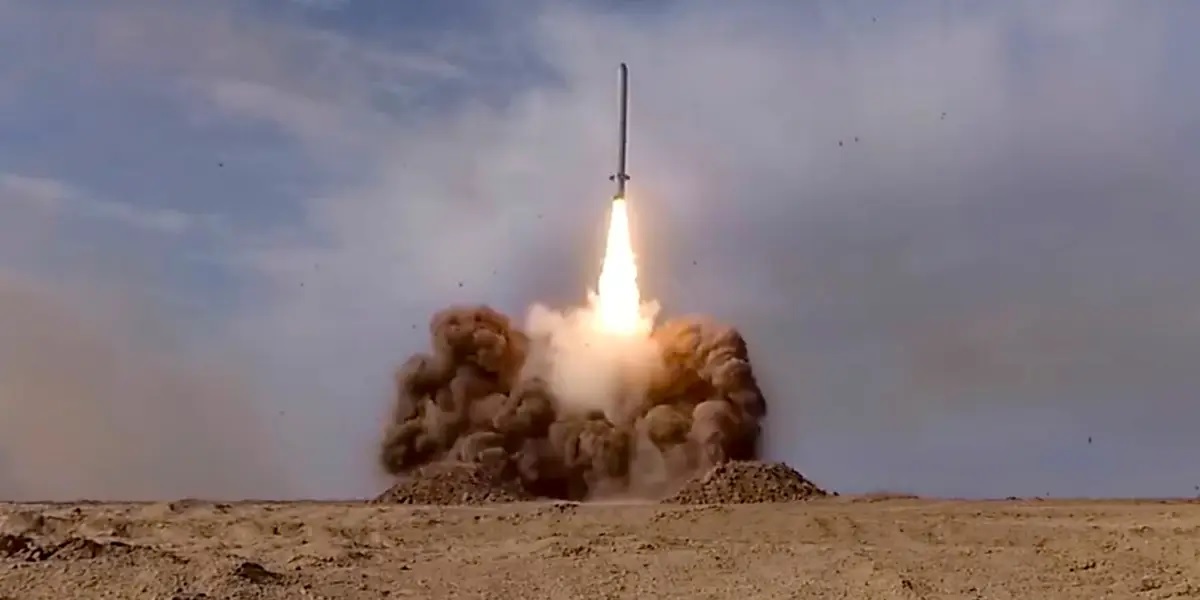
Washington :The U.S. Government and Lockheed Martin have announced a landmark agreement to dramatically expand manufacturing of the PAC-3 Missile Segment Enhancement (MSE) interceptor, an advanced component of the Patriot Air And Missile Defense System. The new framework aims to increase annual production from approximately 600 interceptors to 2,000 per year over a seven-year period, a move officials say will strengthen U.S. and allied defenses amid rising global threats.
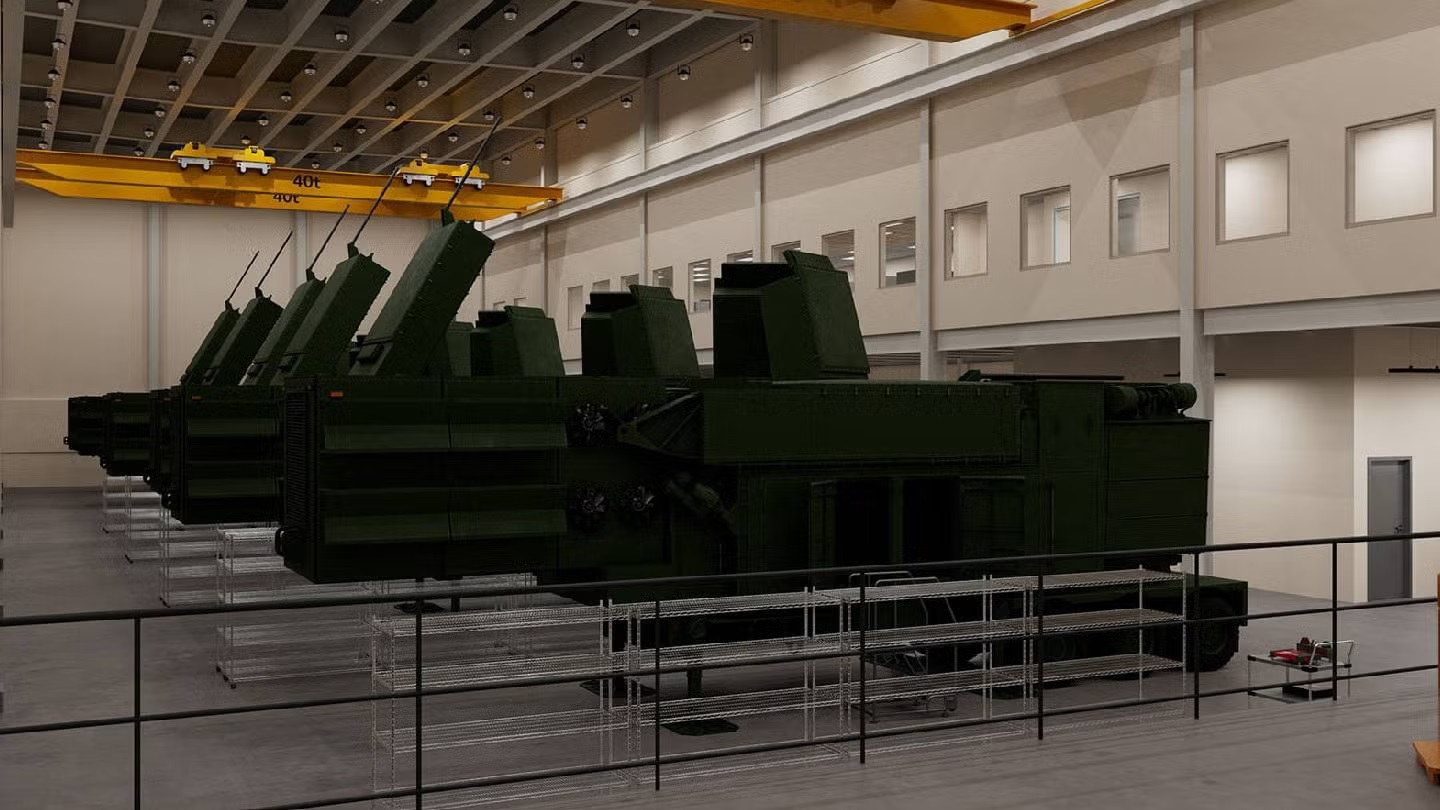
Under the agreement, Lockheed Martin and its extensive supplier base will undertake significant investments in tooling, automated assembly, and test infrastructure. Defense leaders describe the plan as essential to replenishing interceptor inventories, meeting allied demand, and sustaining readiness against evolving missile threats.
Industrial Expansion And Supply-Chain Resilience
The production acceleration framework provides long-term demand certainty, allowing Lockheed Martin and its suppliers to plan and invest with confidence. The company’s global supply chain, which includes more than 13,000 firms, will be central to scaling output while preserving quality and reliability.
Officials highlighted that this multi-year model shifts away from stop-start contracting, enabling the defense industrial base to build a resilient, diversified production ecosystem. This, they say, will reduce lead times, strengthen supplier partnerships, and enhance overall supply-chain resilience.
Building On Recent Production Gains
Lockheed Martin delivered about 620 PAC-3 MSE interceptors in 2025, marking a notable increase compared with previous years. Those gains followed prior efforts that expanded capacity by more than 60 percent, laying the groundwork for further scaling under the new framework. Analysts say annual output will continue rising gradually toward the 2,000-missile goal to ensure quality assurance, workforce readiness, and supplier throughput align with production demands.
Global Demand And Strategic Importance
The ramp-up in PAC-3 MSE production comes amid increased global demand for advanced missile defense systems. Recent conflicts and heightened geopolitical tensions have placed significant pressure on interceptor inventories, driving the U.S. and partner nations to seek larger stockpiles of hit-to-kill interceptors capable of countering ballistic missiles, cruise missiles, and other aerial threats.
Defense officials noted that expanded production will meet both U.S. military requirements and the needs of allied operators, many of whom rely on the Patriot system as a core element of their layered air and missile defense architecture.
Current PAC-3 MSE Operators
The PAC-3 MSE interceptor is deployed by a growing list of U.S. and allied air defense forces worldwide, reflecting its status as a key capability in modern missile defense inventories:
-
United States (primary operator and producer).
-
Germany, Poland, Sweden, Romania, Bahrain and other NATO members have selected PAC-3 MSE missiles as part of their Patriot systems.
-
Qatar, Japan, United Arab Emirates and Republic of Korea (South Korea) operate or have contracted for PAC-3 MSE or PAC-3 missiles broadly, with many using both variants.
-
Taiwan is progressing with deliveries of PAC-3 MSE missiles under U.S. foreign military sales agreements.
-
Other partners, such as Switzerland and Bahrain, have signed PAC-3 MSE procurement contracts or received shipments.
In total, approximately 17 countries operate Patriot missile systems with PAC-3 and PAC-3 MSE variants, underscoring the interceptor’s broad international footprint.
Economic And Workforce Impact
Lockheed Martin projects that the production ramp will support thousands of skilled jobs across its facilities and supplier network. Workforce growth, specialized training programmes, and investment in advanced manufacturing technologies are expected to accompany the expanded production effort.
Officials noted that while the framework sets an ambitious industrial roadmap, annual procurement volumes will still depend on U.S. Congressional appropriations, beginning with the Fiscal Year 2026 budget process.
Shifting U.S. Missile Production Strategy
Defense analysts view the PAC-3 MSE framework as part of a broader transformation in U.S. defense acquisition strategy, shifting from limited, episodic missile buys toward long-term, high-volume production models for proven systems.
If fully executed, the seven-year plan will significantly reinforce the PAC-3 MSE’s role as a cornerstone of U.S. and allied air and missile defense, ensuring sustained availability and industrial readiness well into the 2030s.
——— End of Article ———