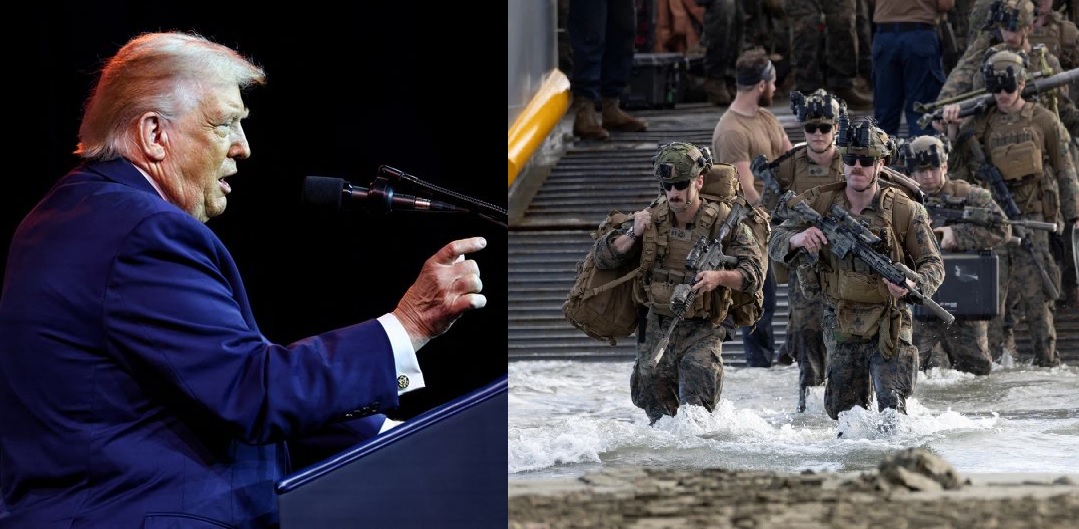
President Donald Trump has unveiled one of the most ambitious defense spending proposals in U.S. history, calling for a 50% increase in the American military budget for 2027, pushing total defense outlays to an unprecedented $1.5 trillion. The proposal, announced through statements on Truth Social, was framed by Trump as a response to what he described as “troubled and dangerous times,” arguing that the United States must decisively outpace its rivals in military power, readiness, and technological superiority.
The announcement immediately reverberated across financial markets and defense policy circles, signaling a potential structural shift in how the United States funds, manages, and prioritizes its armed forces.
NATO Pressure and a Global Defense Spending Surge
Trump’s proposal comes just weeks after NATO formally pledged to raise collective defense spending to 5% of GDP by 2035, a dramatic escalation from the long-standing 2% benchmark. Alliance officials privately acknowledge that sustained pressure from Trump—who has repeatedly criticized European allies for underinvesting in defense—was a major catalyst behind the decision.
By pushing U.S. defense spending toward $1.5 trillion, Trump is signaling that Washington intends not only to lead NATO politically, but to financially and militarily dominate the alliance in an era defined by great-power competition with China and Russia, persistent instability in the Middle East, and emerging threats in cyberspace and outer space.
Market Shock: Defense Stocks Slide on Policy Uncertainty
Despite the headline figure suggesting massive future spending, Trump’s accompanying remarks rattled investors. He proposed a $5 million cap on executive compensation at major defense contractors and called for a temporary ban on stock buybacks and dividends until what he termed “critical national priorities” are resolved.
The lack of detail on enforcement mechanisms spooked markets. Shares of Lockheed Martin and General Dynamics fell by more than 4%, while Northrop Grumman dropped by over 5% in heavy trading, reflecting investor concern that higher government spending could come with tighter profit controls.
Why the U.S. Seeks a $1.5 Trillion Military Budget
U.S. military spending already far exceeds that of other nations: total outlays for defence, including personnel, operations, procurement and research, have historically ranked the United States as the largest spender globally by a wide margin. Proponents of the budget surge cite several factors:
-
Great Power Competition: Tensions with strategic rivals like China and Russia, and instability in regions such as the Middle East and Eastern Europe, are cited as drivers of increased readiness.
-
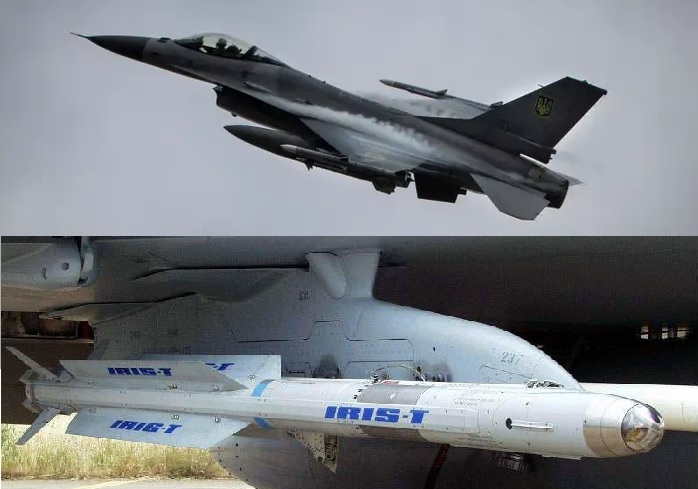
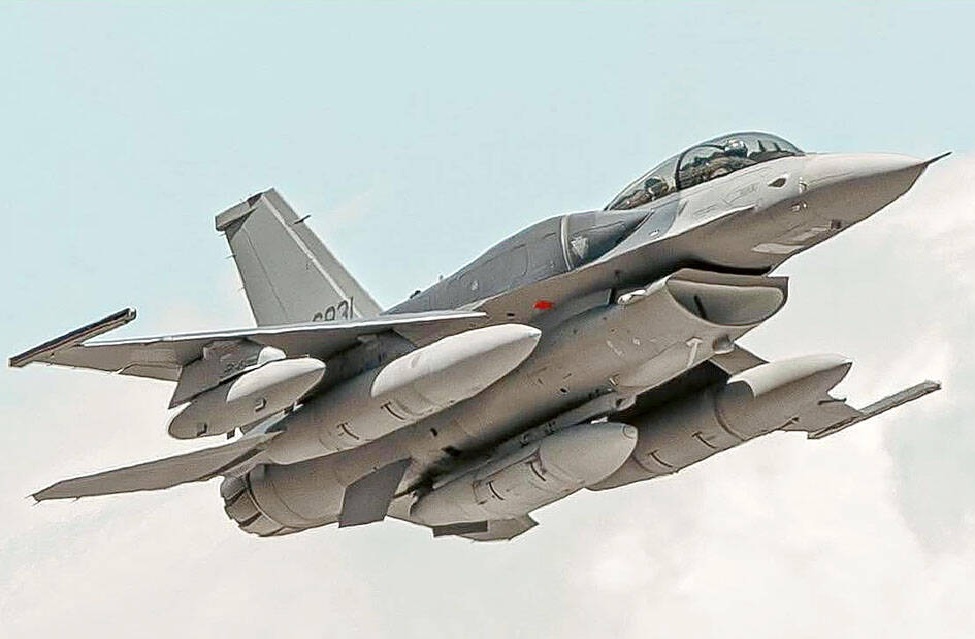
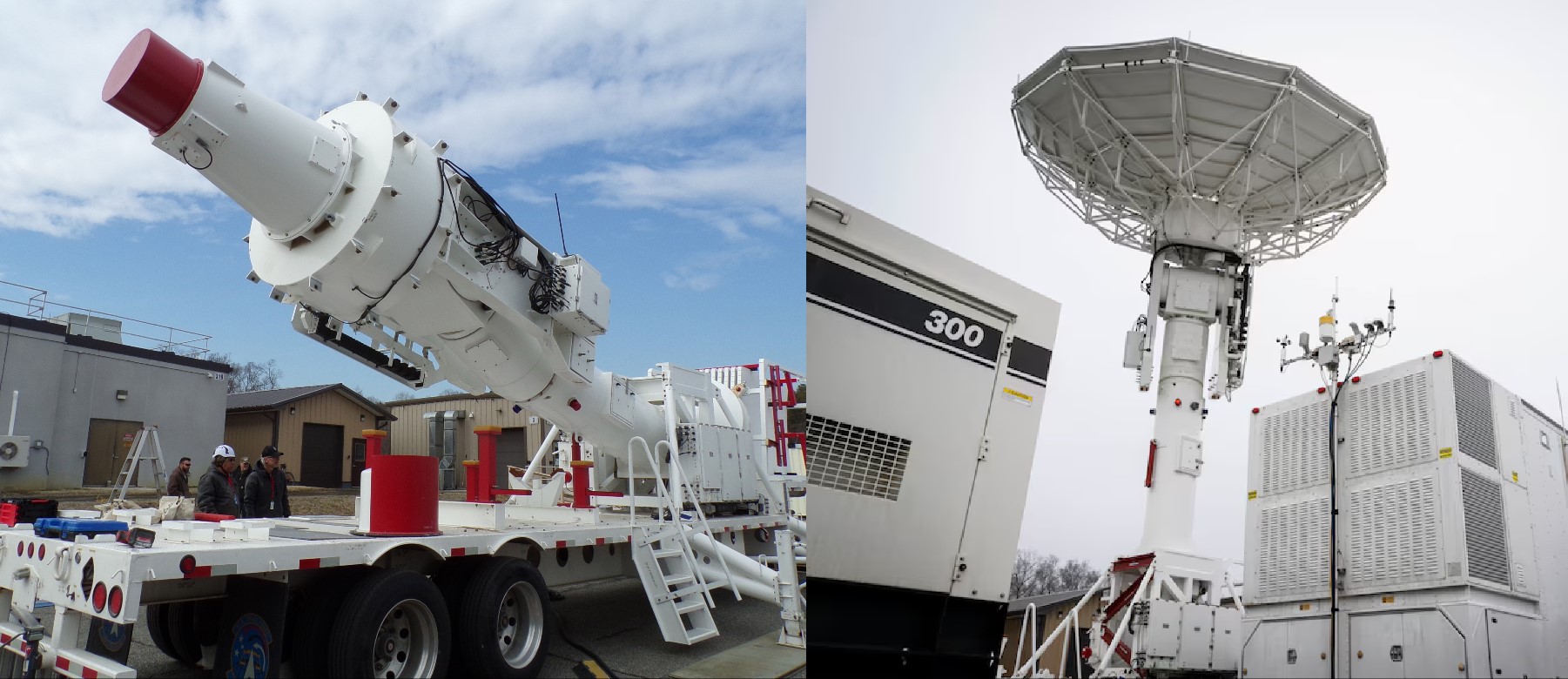
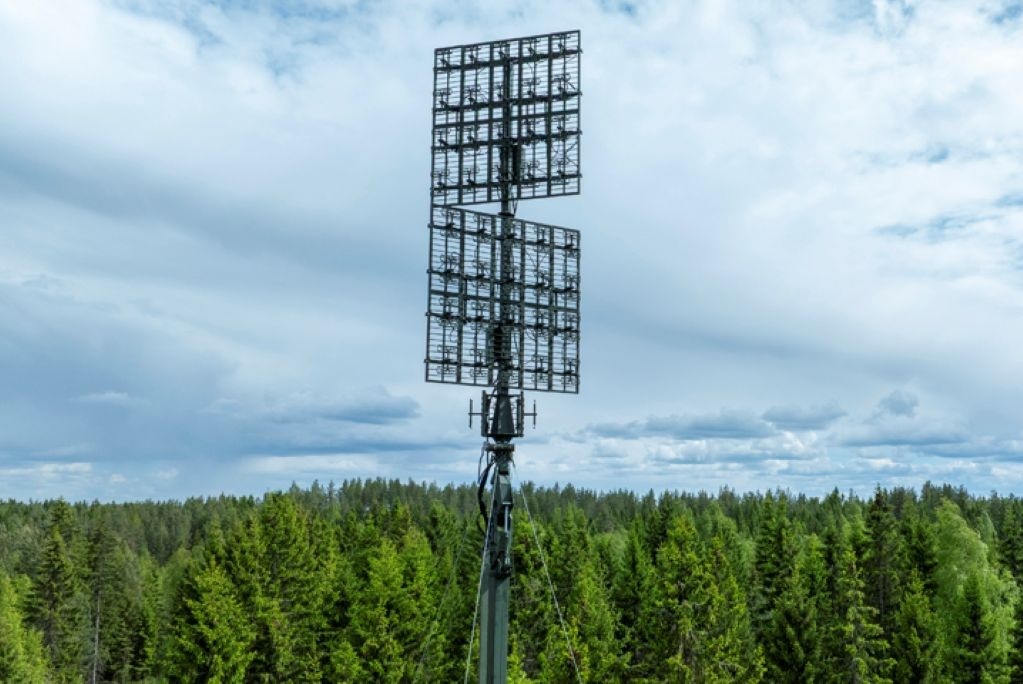
Modernization Needs: Upgrading advanced capabilities — such as next-generation aircraft, hypersonics, missile defense systems and space forces — requires substantial capital investment beyond routine maintenance.
-
Global Commitments: Maintaining U.S. force posture and fulfilment of alliance obligations, including supporting NATO forward presence and Indo-Pacific deterrence, demands sustained high funding levels.
Experts note that the baseline U.S. defence spending for 2025 was already on the order of $850 billion in discretionary funding before Trump’s proposal, reflecting enduring commitments to personnel, operations and modernization.
Where the U.S. Defense Budget Stands Today
According to recent reporting, the current U.S. defense baseline for 2026 is approximately $901 billion, already the largest military budget in the world. That figure represents roughly 3–3.3% of U.S. GDP. Trump’s proposed $1.5 trillion budget would push defense spending close to 5% of GDP, levels last seen during the Cold War’s most intense periods.
Pentagon officials argue that inflation, personnel costs, fuel prices, and the rising complexity of advanced weapons have significantly reduced real purchasing power, even as nominal budgets reach record highs.
How the Pentagon Actually Spends Its Money
Cross-checked against official Department of Defense budget tables, the FY2025 request provides a clear picture of how U.S. military funding is distributed:
Approximately $181.9 billion, or about 22%, is devoted to military personnel, covering salaries, housing allowances, healthcare, pensions, and benefits for active-duty troops, reservists, and civilian employees.
The largest share—around $337.9 billion, or roughly 40%—goes to operations and maintenance. This category funds training, fuel, spare parts, base operations, and the maintenance of ships, aircraft, armored vehicles, and missile systems.
About $167.5 billion, or around 20%, is allocated to procurement, supporting the purchase of new weapons platforms such as fighter jets, warships, submarines, armored vehicles, and precision-guided munitions.
A further $147.7 billion, or nearly 18%, is directed toward research, development, testing, and evaluation (RDT&E)—the core of U.S. military modernization, including hypersonic weapons, missile defense, artificial intelligence, space systems, and nuclear modernization.
U.S. Military Bases: Inside and Outside America
The United States maintains the world’s largest global military footprint, but base counts vary depending on definition. Publicly cited estimates indicate around 750 overseas U.S. base sites across roughly 80 countries. Broader Department of Defense datasets, using a wider definition of “sites” and “facilities,” count thousands of installations and more than 500,000 individual facilities worldwide.
In financial terms, the Pentagon does not publish a single, precise percentage split for spending on domestic versus overseas bases. However, most analysts agree that the majority of base-related costs are incurred inside the United States, reflecting the scale of domestic infrastructure and personnel concentrations. Overseas bases, while fewer in number, remain strategically critical for deterrence, rapid deployment, and forward presence.
Weapons, Maintenance, and Modernization
When personnel and daily operations are set aside, the numbers highlight the cost of sustaining and upgrading U.S. military power. Maintenance of existing platforms—ships, aircraft, armored vehicles, and missile systems—accounts for a significant share of operations and maintenance funding.
Combined spending on procurement and RDT&E, which together represent around 38% of the FY2025 request, illustrates how heavily the Pentagon is investing in modernization. This includes next-generation aircraft, expanded naval fleets, missile defense systems, space-based assets, and advanced nuclear capabilities.
What Changes Under a $1.5 Trillion Budget
If Trump’s proposal were enacted, Pentagon planners estimate that absolute spending on domestic U.S. bases would rise from roughly $230–250 billion today to over $350 billion, even if the percentage share remains broadly similar. Spending on new weapons procurement and modernization could climb from about $450 billion annually to nearly $500 billion, accelerating programs for next-generation aircraft, naval expansion, missile defense, and nuclear modernization.
In percentage terms, modernization and new weapons purchases could rise from around 35% of the budget today to nearly 40%, reflecting a strategic shift toward long-term competition with peer adversaries rather than counter-insurgency operations.
A Defining Debate Ahead
Trump’s $1.5 trillion defense vision sets the stage for one of the most consequential military budget debates in modern U.S. history. Supporters argue it is essential to deter peer competitors and preserve American military superiority. Critics warn of fiscal strain, market disruption, and the long-term sustainability of such spending.
As Congress weighs the proposal and allies recalibrate their own defense plans, one conclusion is unavoidable: the structure, scale, and priorities of U.S. military spending are on the verge of a profound transformation.
——— End of Article ———