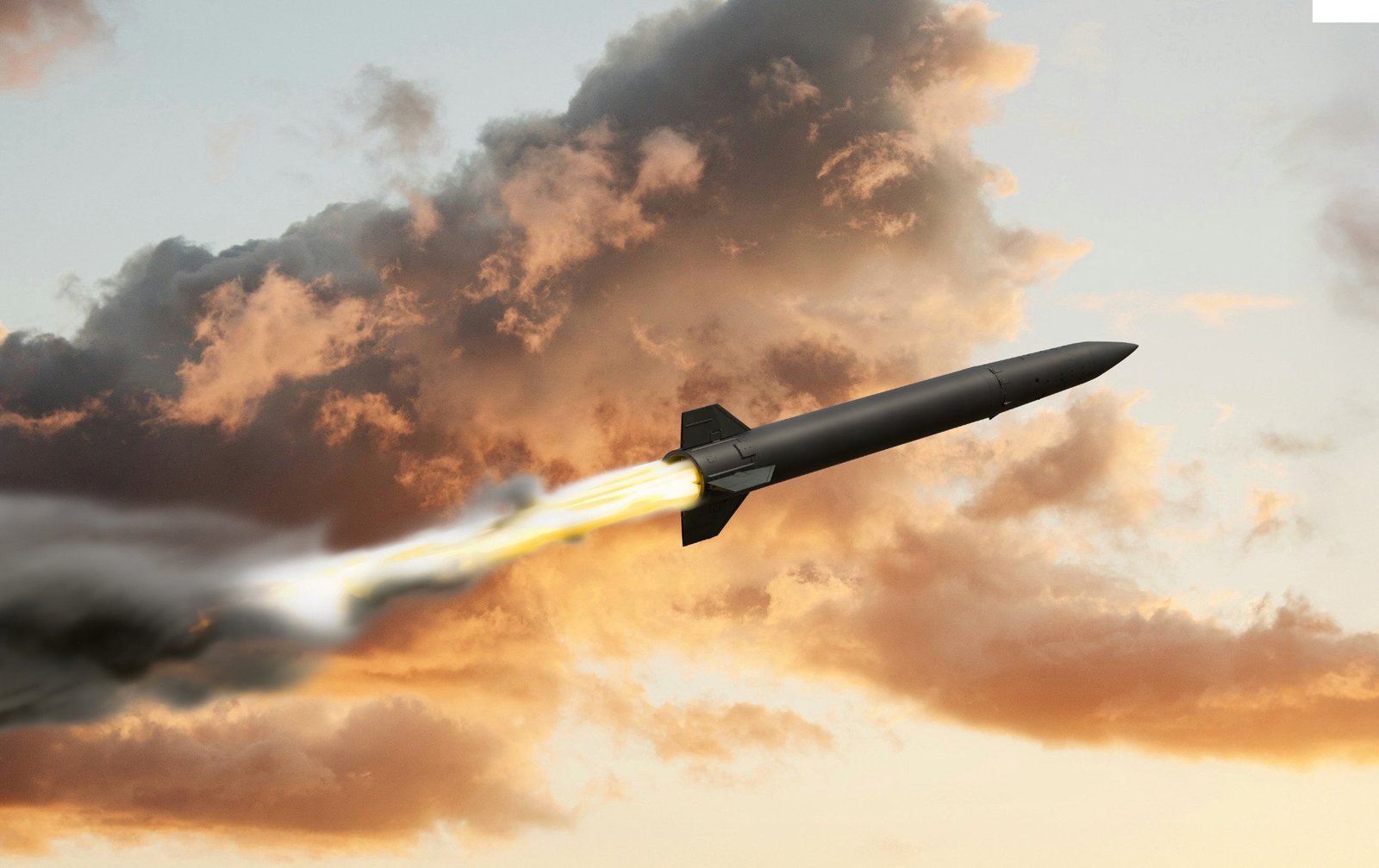
KYIV, — Ukrainian defense company Fire Point has moved its FP-7 tactical ballistic missile into the military testing phase, bringing the system closer to certification and possible entry into service with the Armed Forces of Ukraine.
Fire Point CEO Iryna Terekh confirmed the development on the sidelines of the Photonics4Defense 2026: Technology Exchange & Matchmaking event. She said the FP-7 had successfully completed its first two testing phases and was now undergoing military testing, which is part of the missile’s formal certification process.
Terekh said the missile could be delivered to the Ukrainian Armed Forces in the near future, adding: “We’re talking about weeks, not months.”
FP-7 Testing and Capabilities
The FP-7 testing program began with ground and laboratory evaluations. Individual systems and subsystems, including the solid-fuel rocket engine and navigation equipment, were tested separately.
This was followed by flight testing to collect performance data and compare the missile’s actual flight characteristics with calculated engineering models. The ongoing military testing represents the next stage toward certification.
The FP-7 is designed to carry a 150 kg payload to targets up to 200 km away. Company and independent reports have also described a range of up to 300 km, a maximum speed of about 1,500 meters per second, and a circular error probable of roughly 14 meters.
The missile uses a solid-fuel motor and a ground-based mobile launch platform employing a hot-launch system. Fire Point has positioned the FP-7 as a lower-cost alternative to the U.S. ATACMS. Its design reportedly incorporates elements derived from the Soviet-era 48N6 interceptor used in S-300/S-400 systems, although only a limited percentage of components are shared.
Earlier Delays
Fire Point initially planned to complete the FP-7’s codification with Ukraine’s Ministry of Defense by the end of 2025.
However, in early February 2026, Fire Point chief designer Denys Shtilierman said a “series of events” had prevented the missile from entering service as planned. At that time, the company expected to complete the remaining tests in February.
Longer-Range FP-9
Fire Point is simultaneously developing the longer-range FP-9 ballistic missile, which is currently in its second development phase, flight testing.
The FP-9 is designed to carry an 800 kg warhead to targets approximately 800–855 km away. Reported characteristics include a maximum speed of up to 2,200 meters per second, an altitude of around 70 km, and a circular error probable of about 20 meters.
Testing the FP-9 is more difficult because of its long range. Developers have said the missile has a minimum ballistic flight distance beyond which its software can no longer safely abort the flight. Ukraine does not have enough territory to conduct a full-scale test.
In July 2026, Shtilierman said the remaining obstacle before FP-9 tests involving strikes on Russian targets was the final testing of its solid-fuel engine. The FP-9 engine uses significantly more solid propellant than the FP-7.
Production Expansion
Both the FP-7 and FP-9 were displayed at the MSPO 2026 international defense exhibition in Poland.
Fire Point is also developing the FP-7.x kinetic anti-ballistic interceptor based on the FP-7 platform as part of the broader European Freyja air-defense project.
To support its expanding missile program, Fire Point is increasing production capacity. In August 2026, Terekh announced that the company had tripled its budget to €150 million for construction of a new solid rocket fuel plant in Denmark, which is expected to begin operations by late 2027.
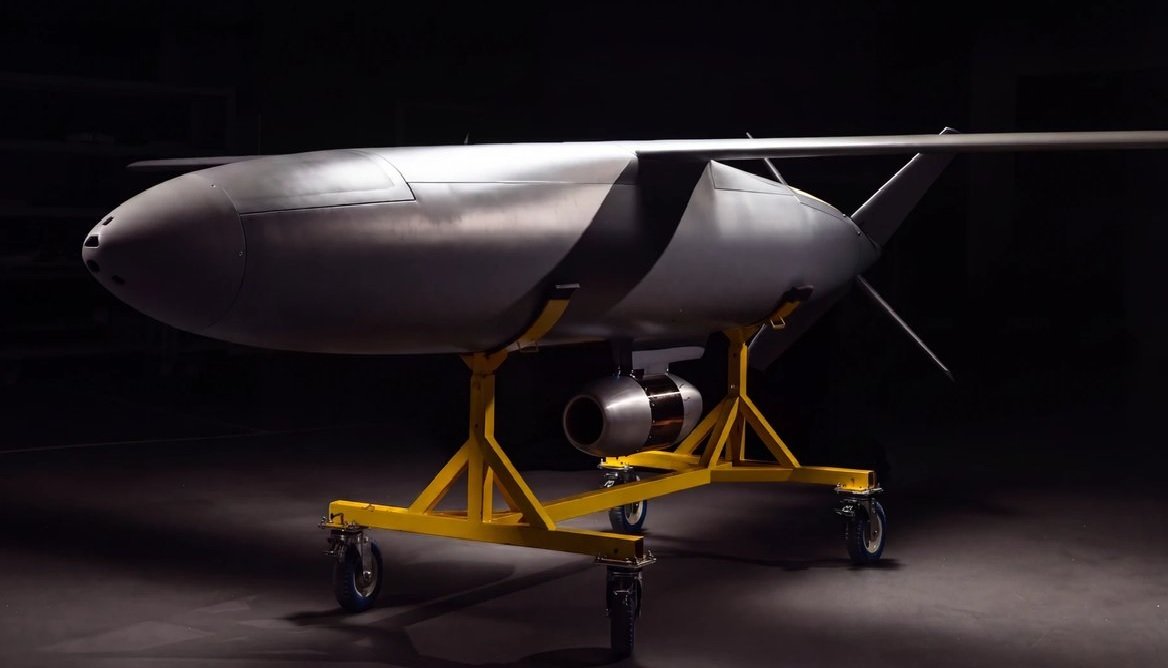
Fire Point, which also develops the FP-1 and FP-2 strike drones and FP-5 Flamingo cruise missile, is developing the FP-7 and FP-9 as domestically produced long-range strike systems.
As of September 2026, the FP-7 remains in military testing, with the company indicating that it is close to operational readiness.
——— End of Article ———