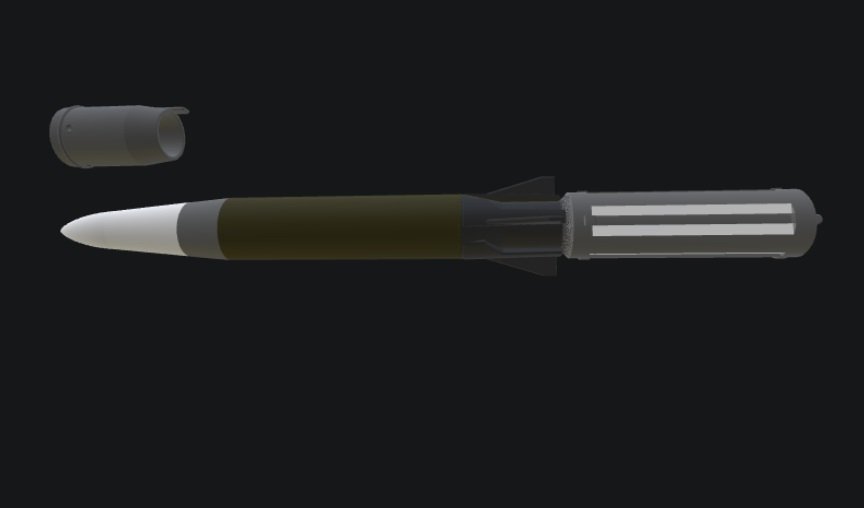
KYIV, Ukraine, — Ukraine’s Defence Intelligence Directorate (DIU) has published a detailed technical and industrial breakdown of Russia’s 3M22 Zircon missile, including an interactive 3D model, identified components, manufacturers, personnel and foreign-made equipment linked to its production.
The information was released on August 31, 2026, through the DIU’s War&Sanctions portal. The agency identified 70 enterprises involved in producing the missile and its major systems and assemblies. It also published information on 84 officials and employees of key companies involved in its production.
Missile designed for naval launch
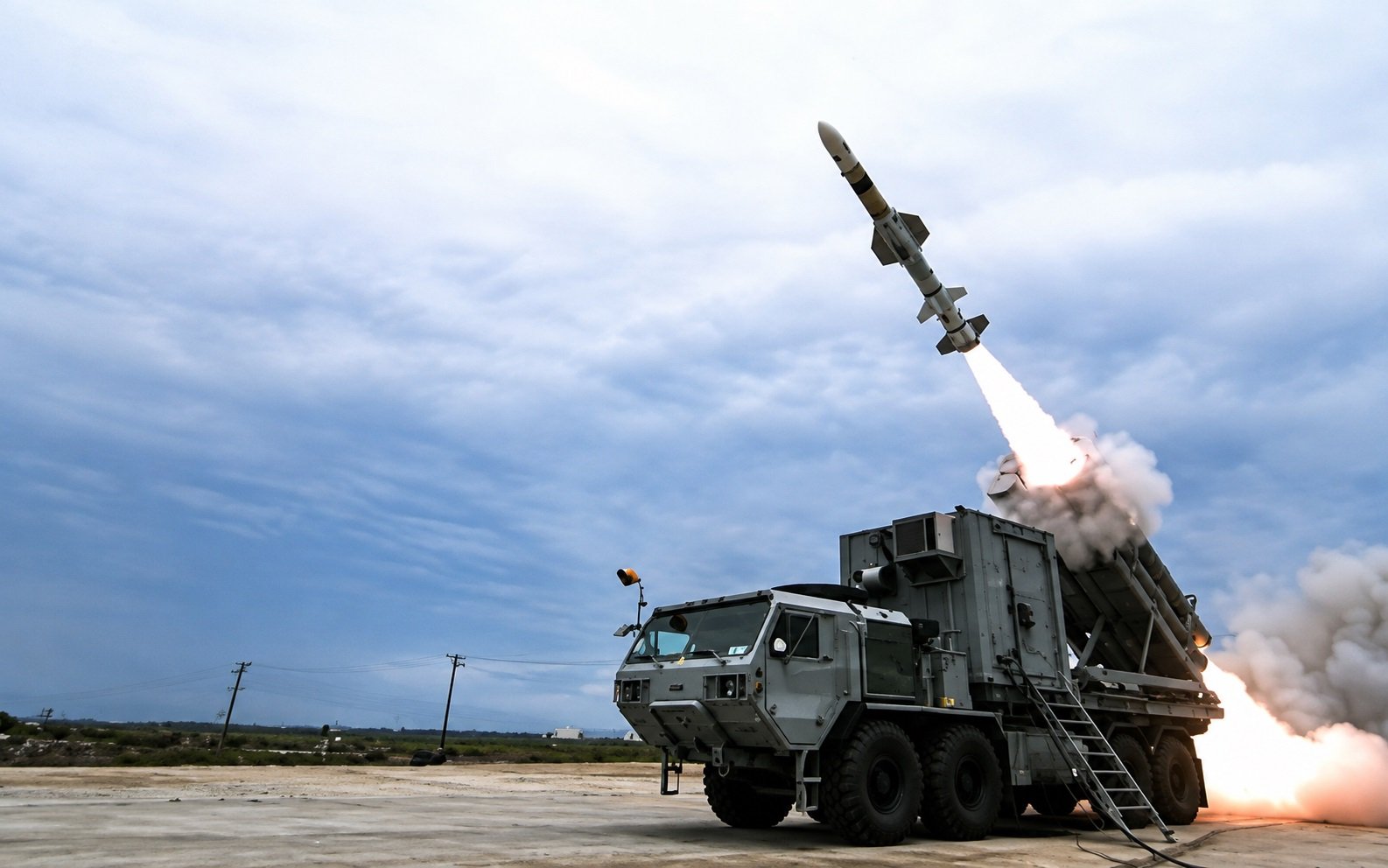
According to DIU, the 3M22 was developed as a weapon for Russia’s naval forces. It was designed for launch from Russian nuclear-powered submarines and Project 22350 frigates equipped with the 3S-14 UKSK vertical launch system. DIU says that the missile was later adapted for launch from Bastion-M coastal defence systems.
The War&Sanctions database classifies the 3M22 as a ballistic missile and lists its main dimensions as 8 metres in length and 0.666 metres in body diameter. The listed warhead weight is approximately 120 kg. Its listed flight altitude is 30–40 km.
DIU also compares the Zircon’s warhead with that of the smaller Banderol cruise missile, which it says carries a 150 kg warhead.
Two solid-propellant motors
The missile is launched from a container using a solid-propellant booster. The booster provides the initial altitude and speed before separating, after which the missile’s solid-propellant sustainer motor starts.
DIU says that the initial correction of the missile’s trajectory is carried out by orientation and stabilisation thrusters located inside a protective fairing. The fairing is subsequently separated from the missile.
Russia has claimed that the Zircon can reach speeds of up to Mach 8–9 during parts of its flight. The DIU database separately lists a maximum fixed speed of Mach 6.8, while the agency states that this speed is not maintained throughout the entire flight.
Combined guidance system
The Zircon uses a combined guidance system. According to DIU, it uses inertial guidance during the cruise phase and switches to an active radar homing seeker during the terminal phase.
The identified 3B222 active radar homing head is manufactured by NPP RADAR MMS JSC. Onboard processing is handled by the Baget-83 digital computing system, manufactured by KB Korund-M JSC.
Flight control includes 3B915 electro-hydraulic steering actuators, manufactured by the Central Research Institute of Automation and Hydraulics (TsNIIAG). The missile also has deployable aerodynamic control surfaces in its tail section. The control surfaces remain folded during transport and deploy after launch. DIU states that the tail section is made of titanium.
Components identified by DIU
The War&Sanctions database identifies a number of major Zircon components and their manufacturers. These include:
- 3G22 main warhead — GOSNIIMASH JSC
- 3L2211 solid-fuel missile engine — NPO Iskra PJSC
- Launch engine — PZ MASH / Permsky Zavod Mashynostroitel JSC
- 3B228 radio-technical countermeasure system — KNIRTI JSC
- 3B915 steering units — TsNIIAG JSC
- Baget-83 onboard digital computer — KB Korund-M JSC
- T-657 chemical power source — Energia PJSC
- Rusar para-aramid threads — Kamenskvolokno JSC
DIU identifies VPK NPO Mashinostroyeniya JSC as the main manufacturer and designer of the missile.
Foreign-made electronics identified
The Ukrainian intelligence service also identified foreign-made electronic components associated with the Zircon.
Among them is the TGA2704 amplifier, manufactured by TriQuint Semiconductor, a company that is now part of Qorvo. DIU identifies its manufacturer headquarters as being in the United States.
Another identified component is the Altera Cyclone II EP2C5T144I8N FPGA. DIU identifies the component as originating from the United States, while the part itself is an Altera Cyclone II FPGA; Altera is now part of Intel.
DIU's database currently lists four identified components for the Zircon entry, including the two U.S.-origin electronic components, a measuring potentiometer and a microchip whose manufacturer has not been identified.
Production network mapped
The new release goes beyond the missile's physical design. DIU has mapped the industrial network supporting production of the 3M22, identifying 70 enterprises involved in its production, including companies responsible for missile systems, airframes, engines and solid propellant.
The portal also provides information on the companies and personnel involved and allows users to examine the missile through an interactive 3D model. DIU is asking for additional information from the public to expand its database on the missile's production chain.
The release is part of DIU's broader War&Sanctions project, which has recently published similar technical and industrial information on other Russian weapons, including the 9M723 Iskander-M missile and the Su-35S fighter.
——— End of Article ———