WASHINGTON/TEHRAN, — U.S. forces struck two Iranian rocket launchers on Larak Island in the Strait of Hormuz on Sunday, August 30, marking the first known U.S. attack on Iranian territory since late July. Iran responded hours later with ballistic missile and drone operations against U.S. military positions in Jordan and the United Arab Emirates.
U.S. Strike on Larak Island
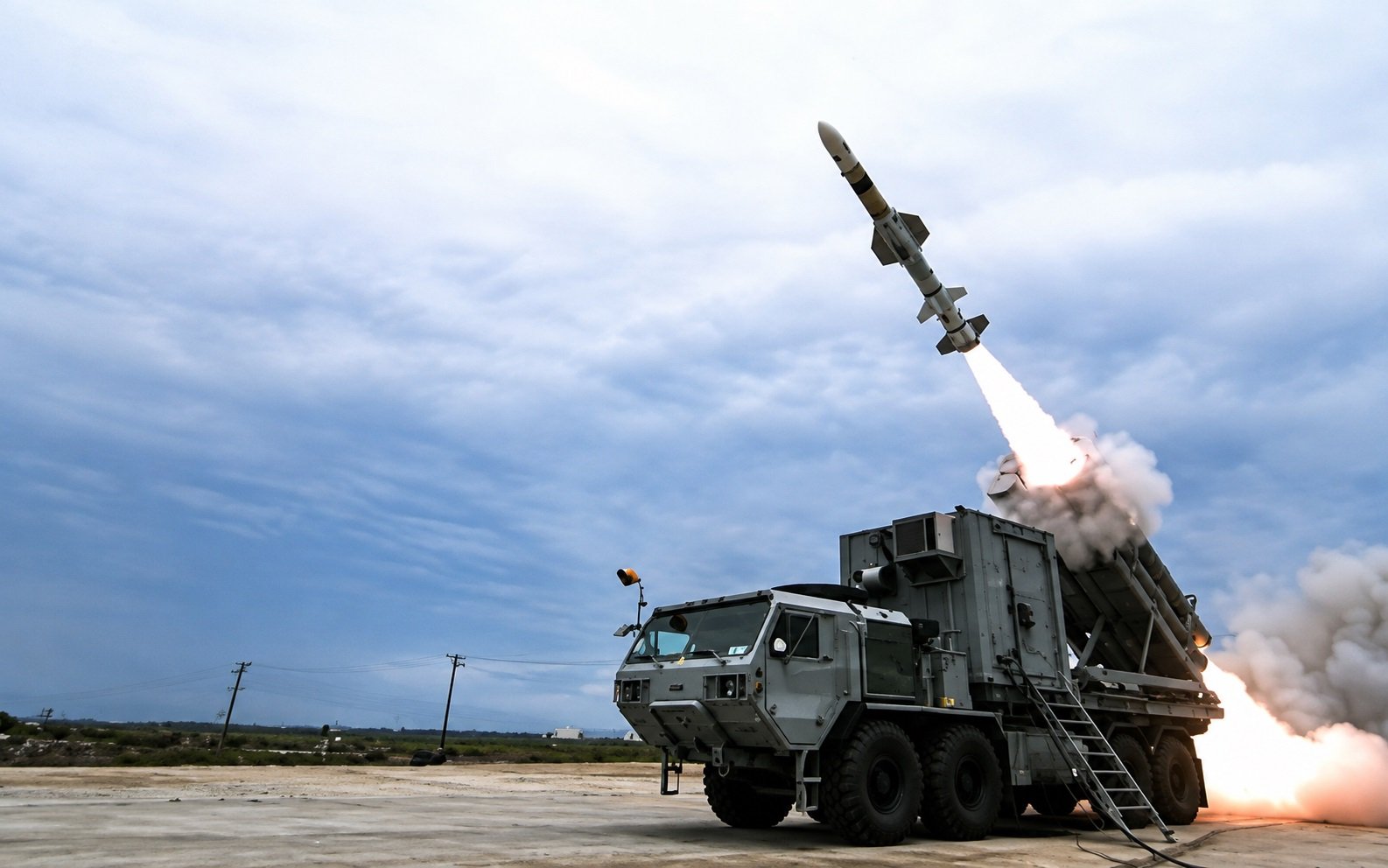
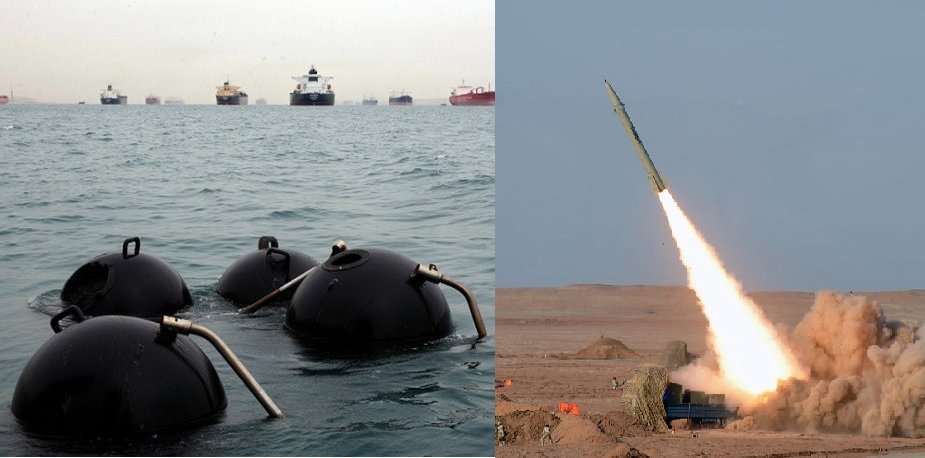
U.S. Central Command (CENTCOM) said the strike targeted two launchers after Islamic Revolutionary Guard Corps (IRGC) personnel were observed preparing to fire rockets carrying sea mines into the Strait of Hormuz. CENTCOM spokesman Captain Tim Hawkins described the operation as a “limited, precise action” against what the U.S. considered an imminent threat to civilian mariners and commercial shipping.
Iranian state media said the strike was carried out by drones and caused military and civilian casualties. Tasnim reported that two people were killed and two others wounded. Tehran condemned the attack and vowed a response. The casualty figures have not been independently verified.
The strike came after the U.S. said it had completed clearing sea mines from international shipping lanes in the Strait. President Donald Trump had also warned that vessels attempting to place new mines would be destroyed.
Iran Retaliates in Jordan and UAE
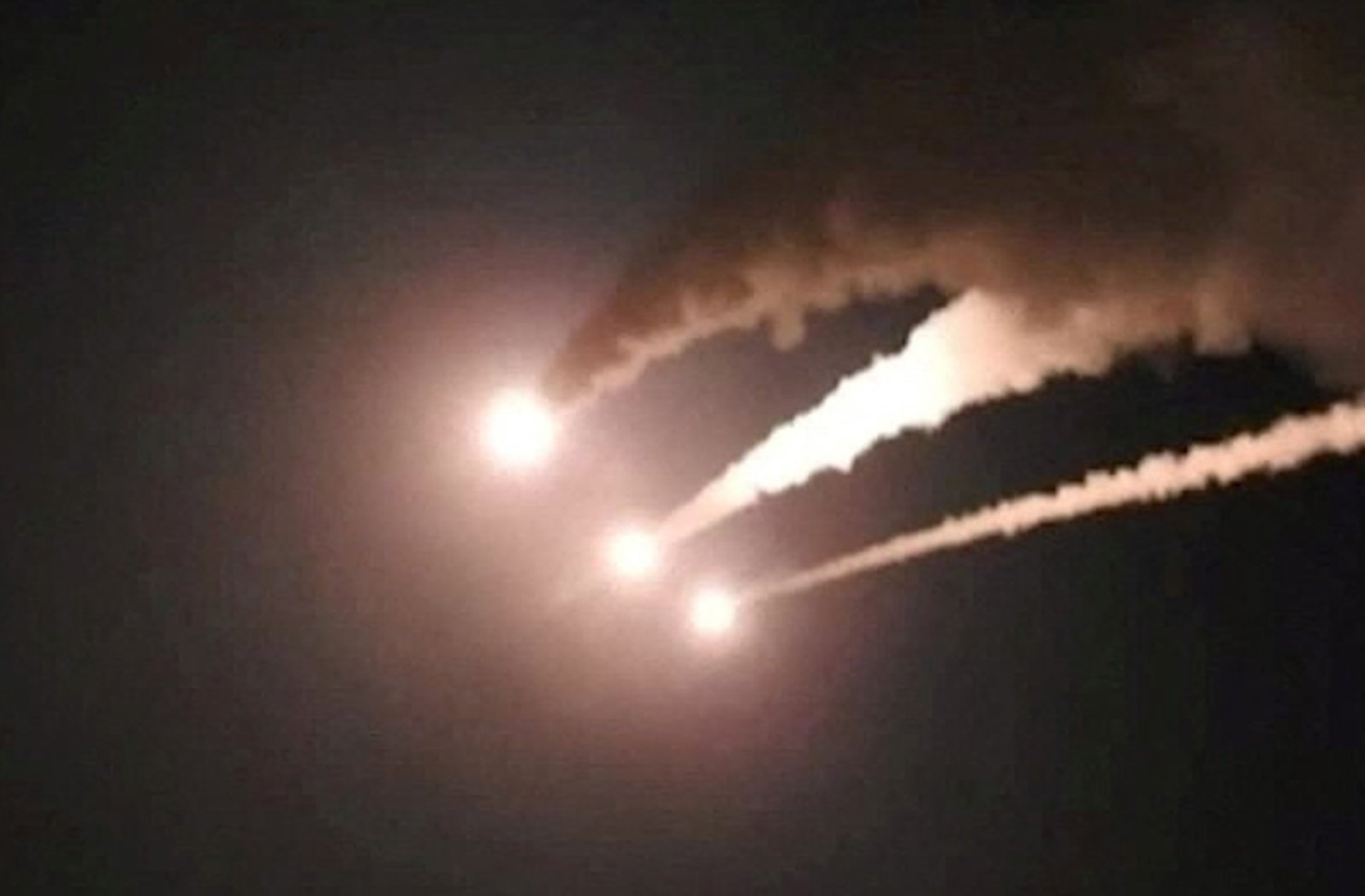
The IRGC later said it launched ballistic missiles against two U.S.-associated bases in Jordan, King Hussein and Al-Azraq, also known as Muwaffaq al-Salti. Iran claimed the attacks targeted technical infrastructure, maintenance facilities and areas where fighter aircraft were stationed, causing heavy damage.
Jordan's armed forces said its air defenses intercepted and destroyed eight missiles that entered Jordanian airspace before they could threaten civilians or property. U.S. officials also said the missiles targeting U.S. forces in Jordan were intercepted, with no significant impact reported.
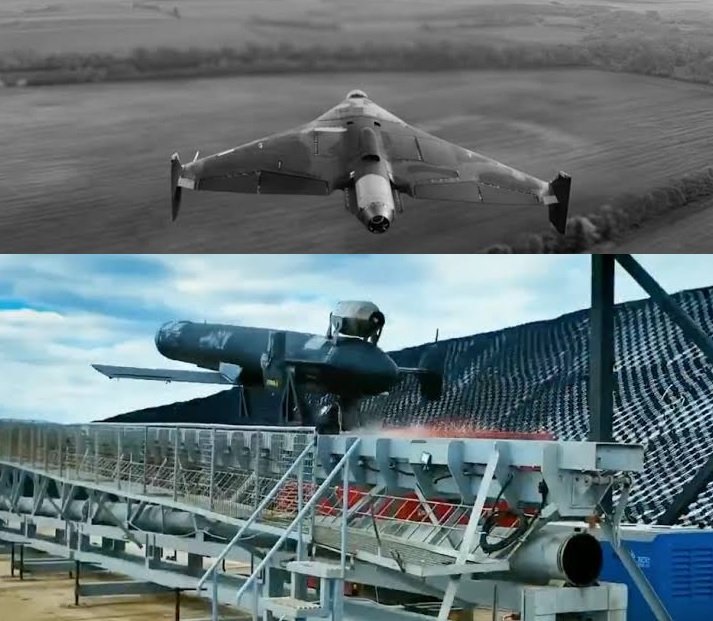
Iran also said it launched drones toward Al Minhad Air Base in the UAE, targeting areas where U.S. helicopters and personnel were stationed. However, the UAE said its air defenses intercepted an Iranian drone over its territorial waters and denied Iranian reports that Al Minhad airbase had been attacked.
Iranian authorities separately claimed that its air defenses shot down a U.S. MQ-9 Reaper over the Strait of Hormuz. The claim has not been independently confirmed.
Renewed Tensions Around the Strait
The exchange ended weeks of relative calm between Washington and Tehran and renewed concerns over the security of the Strait of Hormuz, a major route for global energy shipments. Oil prices rose as markets reacted to the renewed fighting and concerns over possible disruption to shipping.
Iranian President Masoud Pezeshkian said Tehran was not seeking war but would not remain passive in response to U.S. attacks. The latest exchange has increased uncertainty over the future of the conflict and security of commercial shipping through the Strait of Hormuz.
——— End of Article ———