NATIONAL HARBOR, Md. — A U.S. Space Force specialist continued operating an electronic warfare system against an Iranian target even as incoming missiles targeted her position in the Middle East during Operation Epic Fury, according to Chief of Space Operations Gen. Douglas Schiess.
Schiess described the incident during his keynote address at the Air & Space Forces Association’s 2026 Air, Space & Cyber Conference on September 15. He identified the service member only as Specialist Gray, from Tampa, Florida, and said she had joined the Space Force about two years earlier.
Gray deployed to the U.S. Central Command area of responsibility with the 42nd Electronic Warfare Detachment. Within hours of the start of Operation Epic Fury, she received a priority target package requiring her to reconfigure her weapon system and conduct what Schiess described as critical non-kinetic fires.
According to Schiess, Gray locked onto the target, optimized the system and conducted electromagnetic warfare against the adversary. While she was operating the system, “Alarm Red” sirens sounded and incoming missiles targeted her site.
Despite the attack, Gray remained at her console until her commander intervened and pulled her to safety. Schiess said she later returned to her home station.
The Space Force has not publicly identified the specific electronic warfare system used by Gray or disclosed the location of the engagement.
42nd Electronic Warfare Detachment
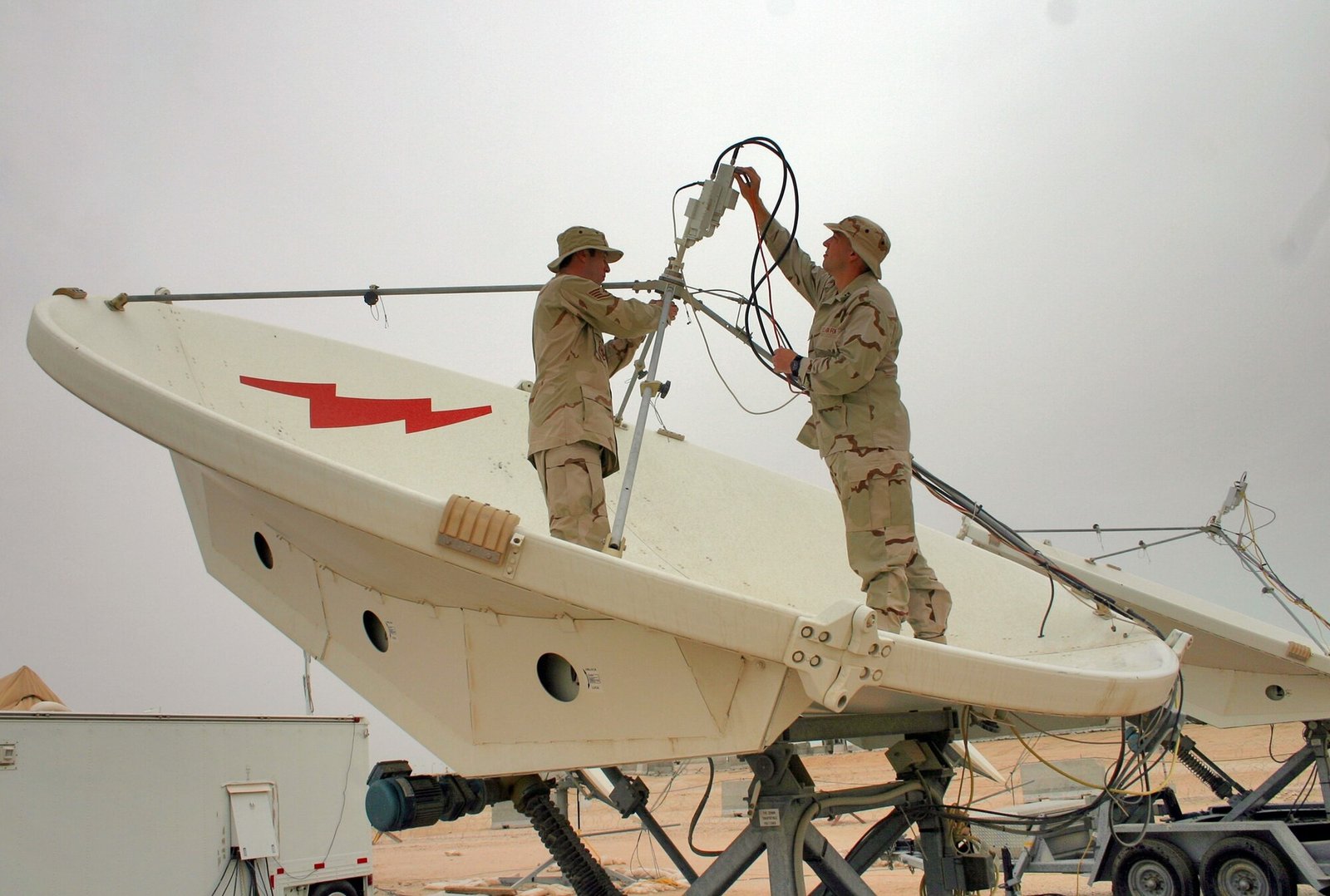
The 42nd Electronic Warfare Detachment has operated in the Middle East under U.S. Space Forces-Central (SPACECENT). Publicly released photographs have previously shown members of the unit operating trailer-mounted antenna equipment in the region.
The Space Force has described electronic warfare as one of its important contributions to Operation Epic Fury. Air & Space Forces Magazine reported that Space Force capabilities were used to help disrupt Iranian air defenses and communications and to support U.S. targeting operations.
Schiess also said some Space Force personnel have to operate forward because certain missions require them to be within the footprint of a satellite. This can place Guardians directly in areas exposed to enemy attacks.
Missile Warning and Space Support
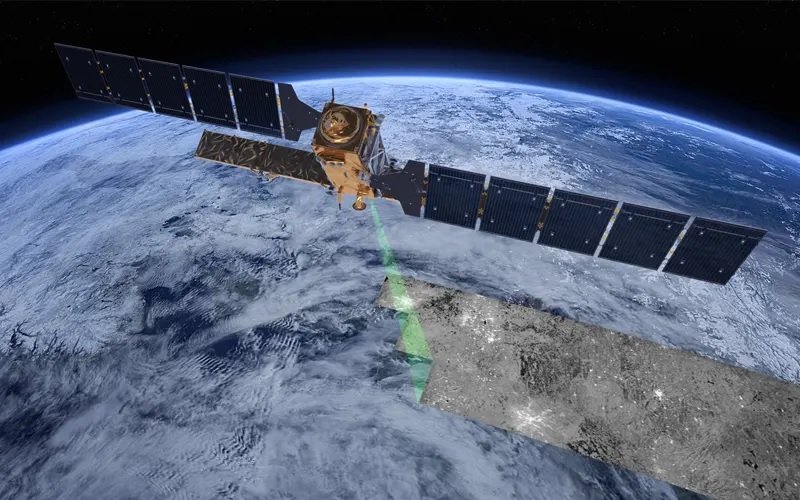
Electronic warfare was only one part of the Space Force's contribution to the operation. Schiess highlighted satellite communications, GPS, positioning, navigation and timing, missile warning and missile tracking as important capabilities during the campaign.
Space Force sensors and other systems provided warnings of incoming Iranian missiles, giving personnel time to take cover and allowing defensive forces to prepare for incoming threats. U.S. officials have said Iranian attacks have targeted U.S. bases and other facilities across the region.
Schiess said the Space Force was part of the minimum force package considered necessary for Operation Epic Fury. He said U.S. Central Command and U.S. Space Command, supported by Space Force components associated with European and Pacific commands, delivered space capabilities directly to the campaign.
Lessons From the Conflict
The experience has also led the Space Force and the broader U.S. military to examine how forward-deployed capabilities should be protected during future conflicts.
Schiess said officials are examining which functions should be placed in underground facilities, which could be operated remotely and which capabilities could potentially be provided from space. The service is also examining how to sustain and reconstitute forces operating in a combat environment.
The incident involving Specialist Gray illustrates that some Space Force missions require personnel and equipment to operate close to the battlefield rather than exclusively from locations inside the United States.
The Space Force has said its role in Operation Epic Fury demonstrated the need to integrate space capabilities directly with joint military operations.
Schiess's account provides one of the clearest public descriptions so far of a Space Force electronic warfare operator continuing a mission while under direct missile attack. However, the service has not released further details about the specific weapon system, target or location involved.
——— End of Article ———