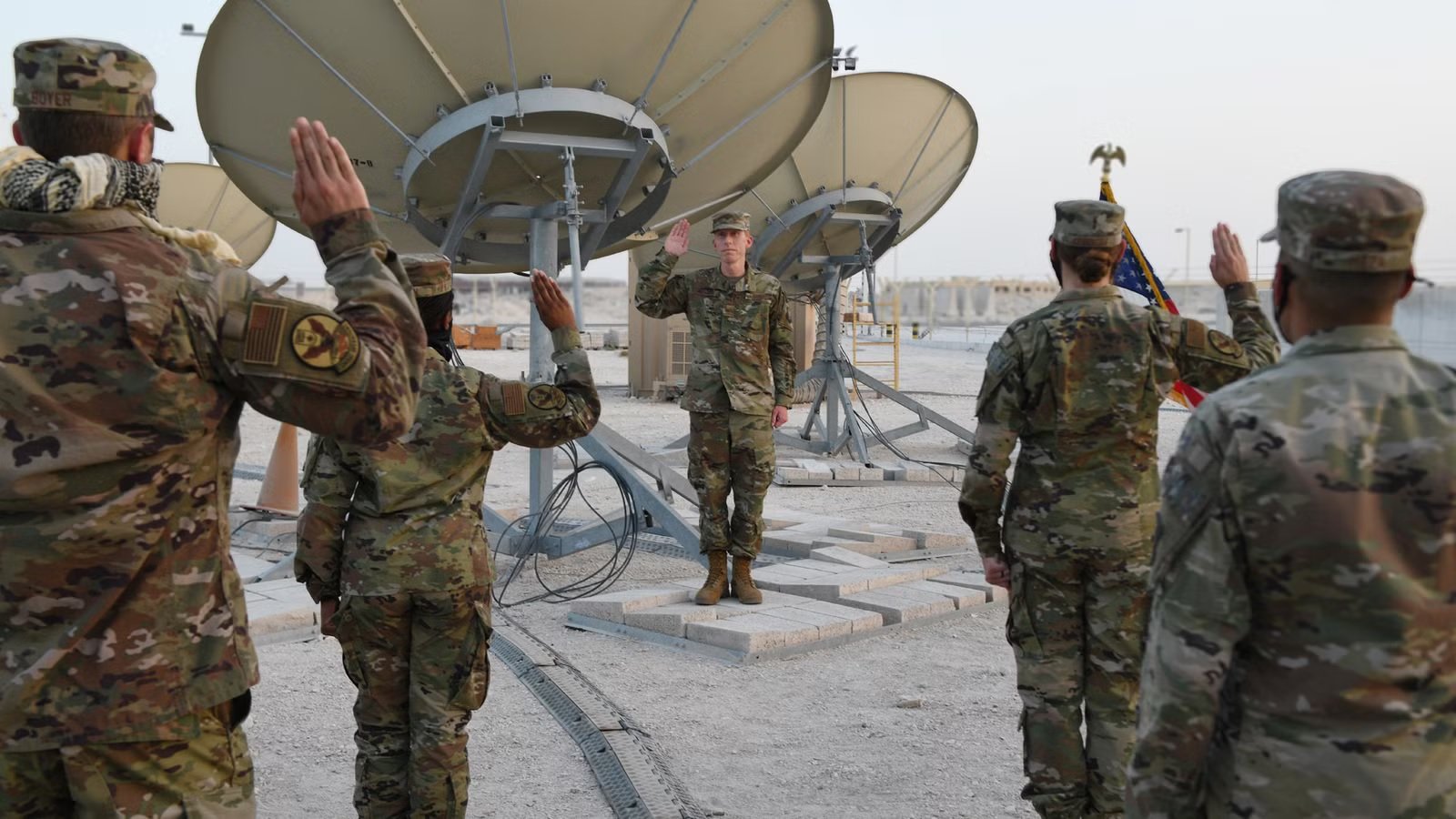
HUNTSVILLE, Ala. — More than 600 U.S. Army soldiers officially entered the new 40D Tactical Space Operations Specialist military occupational specialty (MOS) on October 1, 2026, creating the Army’s first permanent enlisted force dedicated to military space operations.
Nearly 3,000 Soldiers Applied
Nearly 3,000 soldiers applied for the new MOS, with more than 600 selected from career fields including military intelligence, air defense artillery and the Signal Corps. The specialty is open to soldiers from any career field.
The 40D MOS accepts soldiers from specialist through sergeant major and is available to active-duty, National Guard and Reserve soldiers. Selected soldiers require the ability to maintain a Top Secret/Sensitive Compartmented Information security clearance.
Permanent Space Operations Branch
The soldiers form the enlisted ranks of the Army’s Space Operations Branch, established in June 2026. The branch also includes Functional Area 40A Space Operations Officers, a role that has existed since 1999.
Previously, the Army relied on temporary assignments from other specialties for space operations. Soldiers often returned to their original branches after several years, taking their specialized experience with them. The 40D MOS establishes a permanent career path for enlisted space personnel.
Space Missions
The new specialists will integrate space capabilities into Army operations and address threats in the space domain. Their missions include:
-
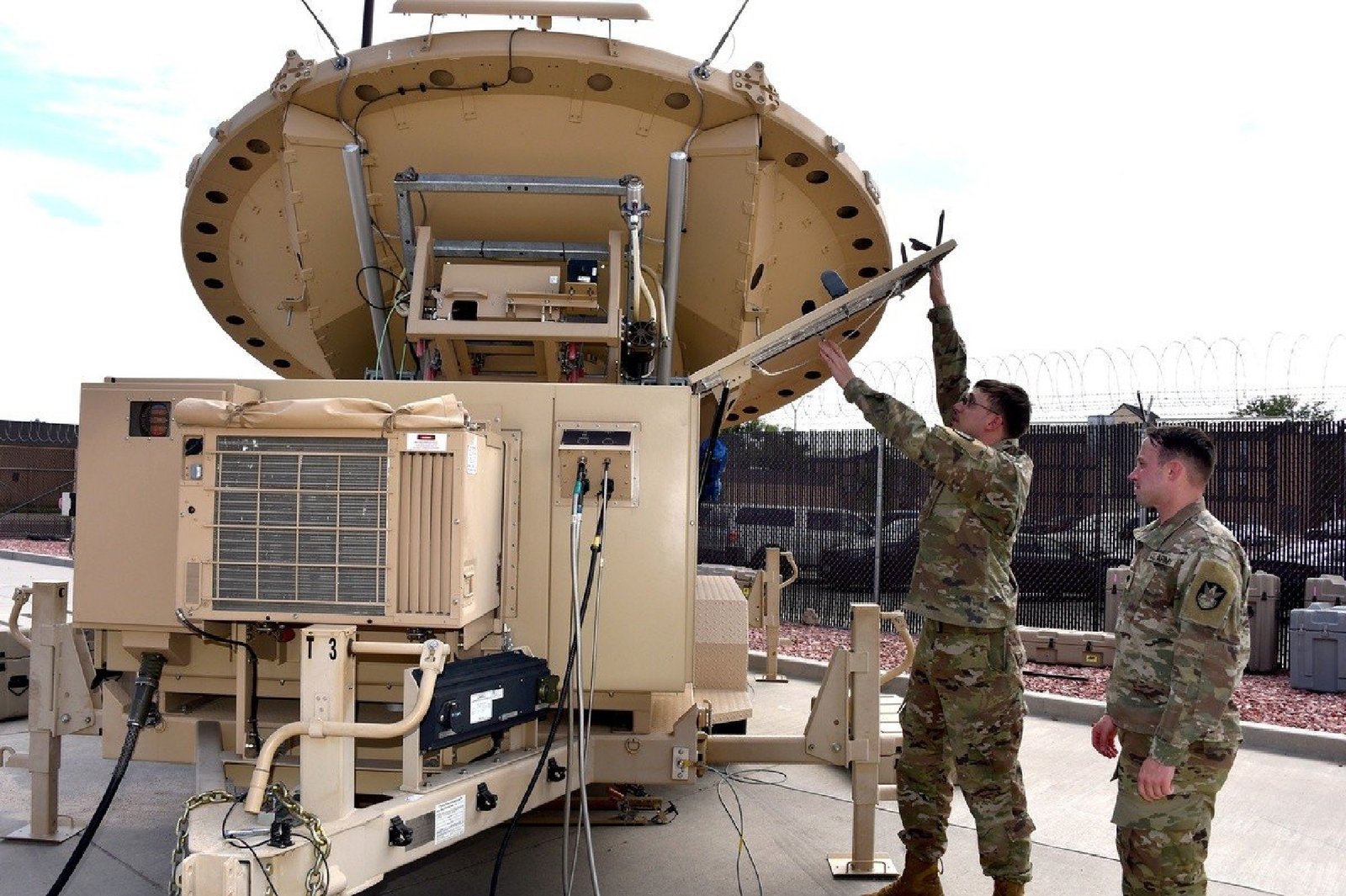
Counter-satellite communications (counter-SATCOM)
-
Navigation warfare
-
Counter-sensing
-
Stratospheric warfare
-
Integration of GPS, satellite communications and missile-warning systems into Army operations
They will also advise commanders on operating when access to space systems is limited or contested.
Training and Assignments
Training is conducted at the Space and Missile Defense Center of Excellence in Colorado Springs, Colorado. The curriculum covers space integration and interdiction missions, including counter-SATCOM, stratospheric warfare, navigation warfare and counter-sensing.
Assignments will include the 1st Space Brigade and Army commands in the Indo-Pacific, Middle East, Africa, Europe and other locations. In the 1st Space Brigade, soldiers incorporate theater missile warning, GPS and long-haul satellite communications into warfighter planning.
Force Expansion
The Army projects an initial force of about 1,000 soldiers, with potential growth to 1,500 by 2032.
The new specialty also reduces the need for the air defense artillery, Signal Corps and military intelligence branches to provide personnel for temporary space assignments, allowing those branches to focus more on their primary missions.
Army Expands Space Operations Structure
Lt. Gen. John L. Rafferty, commanding general of U.S. Army Space and Missile Defense Command, said the Army is the largest user of space capabilities in the joint force and that space integration is critical to multidomain operations.
Command Sgt. Maj. Rickey Jackson said nearly 3,000 soldiers applied and more than 600 were selected. Col. Felix Torres, commandant of the Space and Missile Defense Center of Excellence, said the training prepares soldiers for space integration and interdiction missions.
The new branch builds on the Army’s decades-long involvement in space. An Army Staff Field Element focused on space policy and education was established in 1984, while the 40A Space Operations Officer role has existed since 1999. The 40D MOS now provides a permanent enlisted career path for Army space operations.
——— End of Article ———