HUALIEN, TAIWAN — May 9, 2026 : The Chiashan Air Force Base tunnel complex in eastern Taiwan remains one of the Republic of China Air Force (ROCAF)’s most heavily fortified military installations, designed to preserve air combat and command capabilities during potential missile and air attacks from China.
Located in Hualien County within Taiwan’s Central Mountain Range, the facility is carved deep inside a granite mountain and forms a major part of Taiwan’s hardened underground defense infrastructure. The complex was developed under “Project Jian’an III”, also known as the Jian’an No. 3 Project or “Optimal Mountain,” a military engineering initiative launched to strengthen the survivability of Taiwan’s air force assets.
Construction of the underground base officially began in 1984 after Taiwanese engineers studied advanced tunneling methods in Europe in 1981. The excavation project required approximately eight years to complete and entered service around 1992–1993. Total construction costs were estimated at roughly $1 billion, equivalent to more than 27 billion New Taiwan Dollars at the time. Engineers used the New Austrian Tunnelling Method to excavate the mountain structure.
The underground facility consists of separate northern and southern tunnel systems. Each network contains five horizontal and five vertical tunnels arranged in a crisscross configuration across multiple underground levels. Internal taxiway tunnels were built high enough to accommodate fighter aircraft movement and maintenance operations, with some sections reaching the height of approximately three stories.
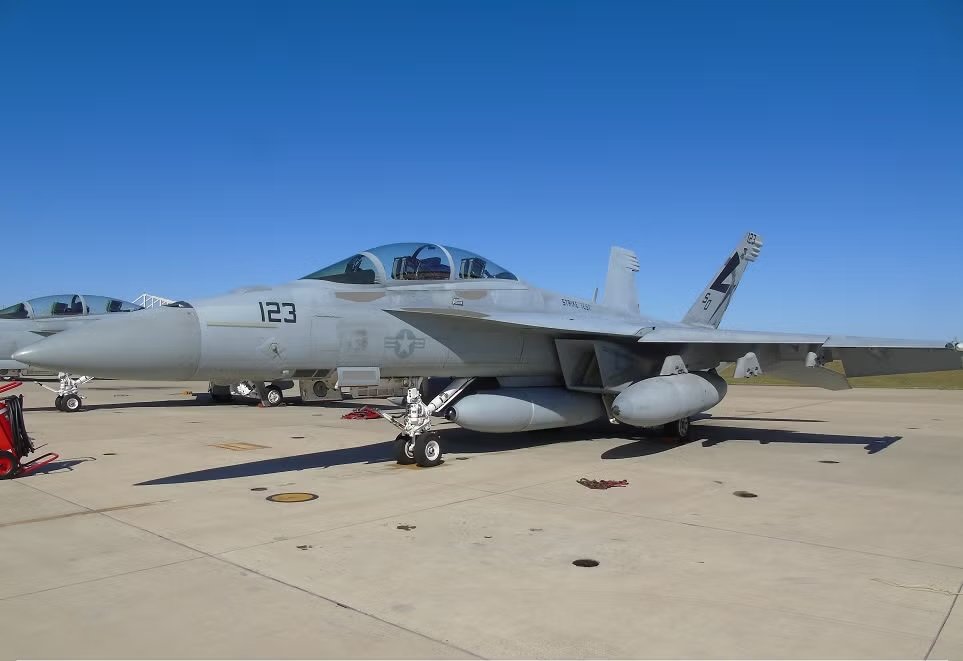
The Chiashan complex can shelter, arm, refuel, and repair more than 200 fighter aircraft, including Taiwan’s upgraded F-16V Viper fleet. The underground infrastructure also contains command-and-control centers, underground fuel stations, medical facilities, power generation systems, ammunition storage areas, and stockpiles of food, fuel, and water intended to support military operations for several months during wartime conditions.
Ten reinforced steel blast doors protect the entrances and exits of the tunnel system. These doors were engineered to withstand nearby explosions and are connected to multiple surface runways through long taxiway tunnels, allowing aircraft to move rapidly from underground shelters to launch positions while reducing exposure to enemy surveillance and precision strikes. Part of the installation also supports civilian aviation operations through Hualien Airport.
Taiwan designed the granite mountain structure to resist conventional air and missile attacks. Military assessments indicate that destroying the underground complex itself with conventional weapons would be extremely difficult because of the depth and natural protection provided by the mountain. Publicly available defense analyses suggest that specialized earth-penetrating nuclear weapons would likely be required to completely destroy the underground bunker system.
However, recent military assessments have increasingly focused on the vulnerability of the base’s exposed runway infrastructure. Analysts have noted that the People’s Liberation Army (PLA) may attempt to disable the facility through a “runway trap” strategy rather than directly penetrating the mountain complex.
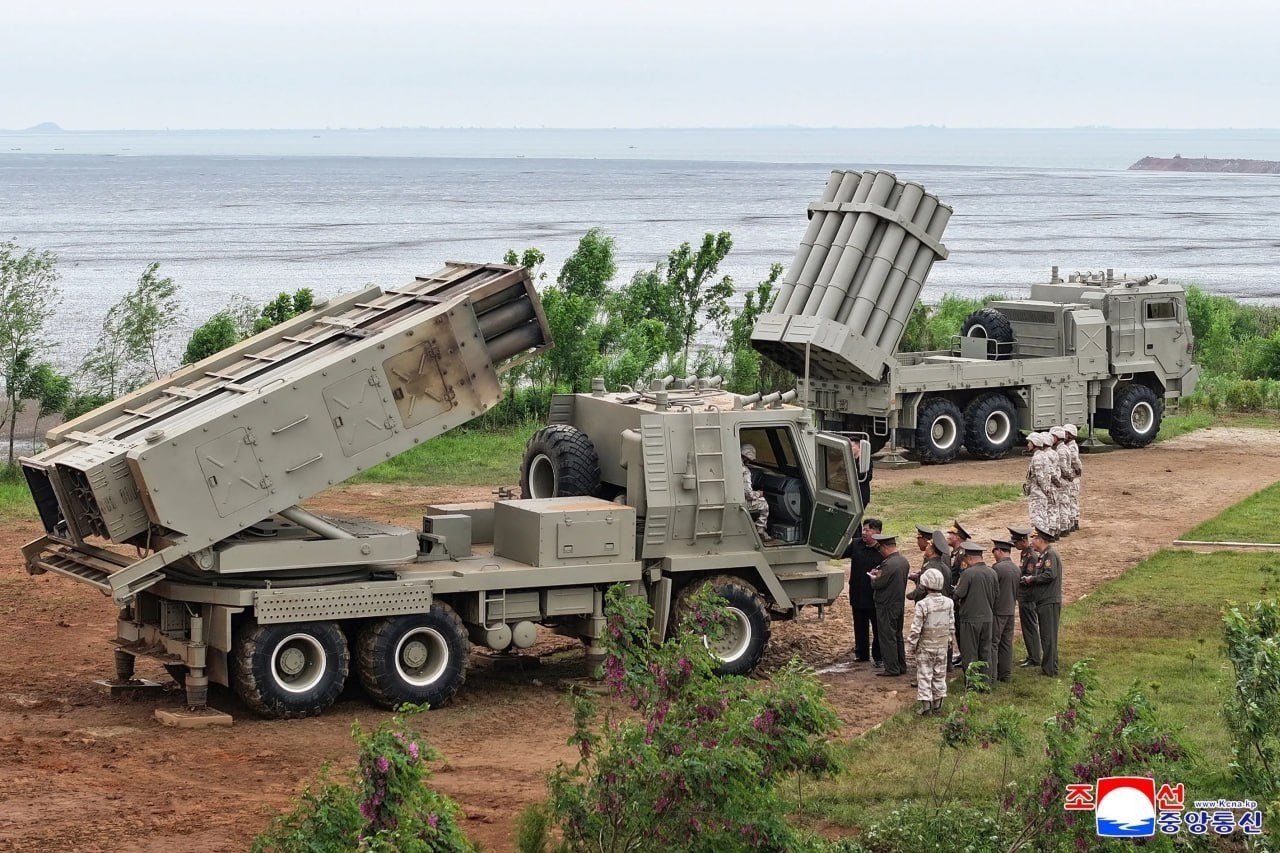
Under this approach, Chinese forces could use large numbers of conventional ballistic missiles, including DF-11 and DF-15 systems, alongside long-range rocket artillery such as the PCH-191 multiple rocket launcher, to repeatedly crater runways and taxiways outside the bunker entrances. Such strikes could temporarily prevent aircraft from taking off even if the underground shelters remain intact, effectively trapping fighter aircraft inside the mountain facility until repairs are completed.
Chinese military discussions have also referenced the potential use of high-yield conventional munitions, including fuel-air explosive warheads carried by heavy Dongfeng missile systems, to generate intense blast and heat effects near tunnel entrances in an effort to disrupt operations and damage external infrastructure.
Despite these vulnerabilities, the Chiashan Air Force Base remains a central component of Taiwan’s defense planning and force protection strategy. The facility supports Taiwan’s broader military objective of maintaining survivable air combat capabilities and preserving the ability to conduct counter-attack operations during a large-scale regional conflict.
——— End of Article ———