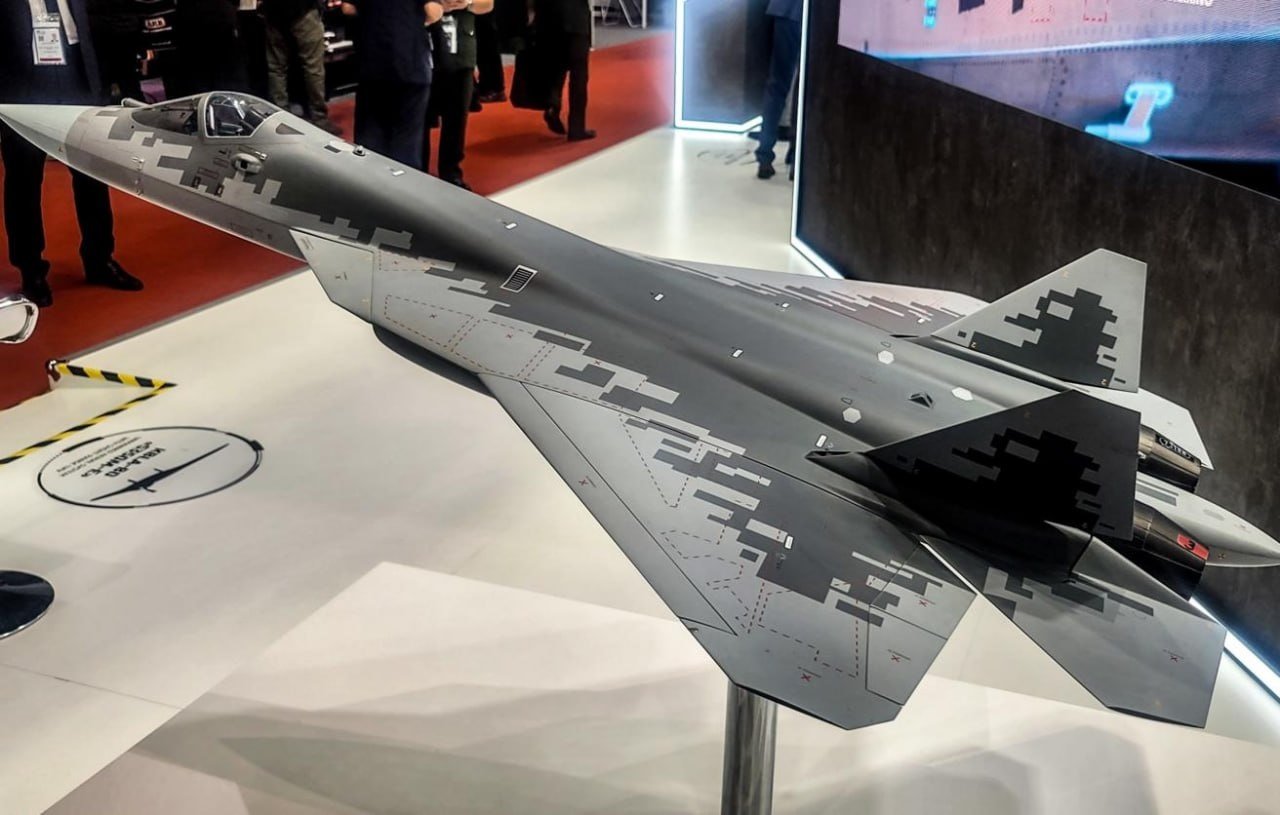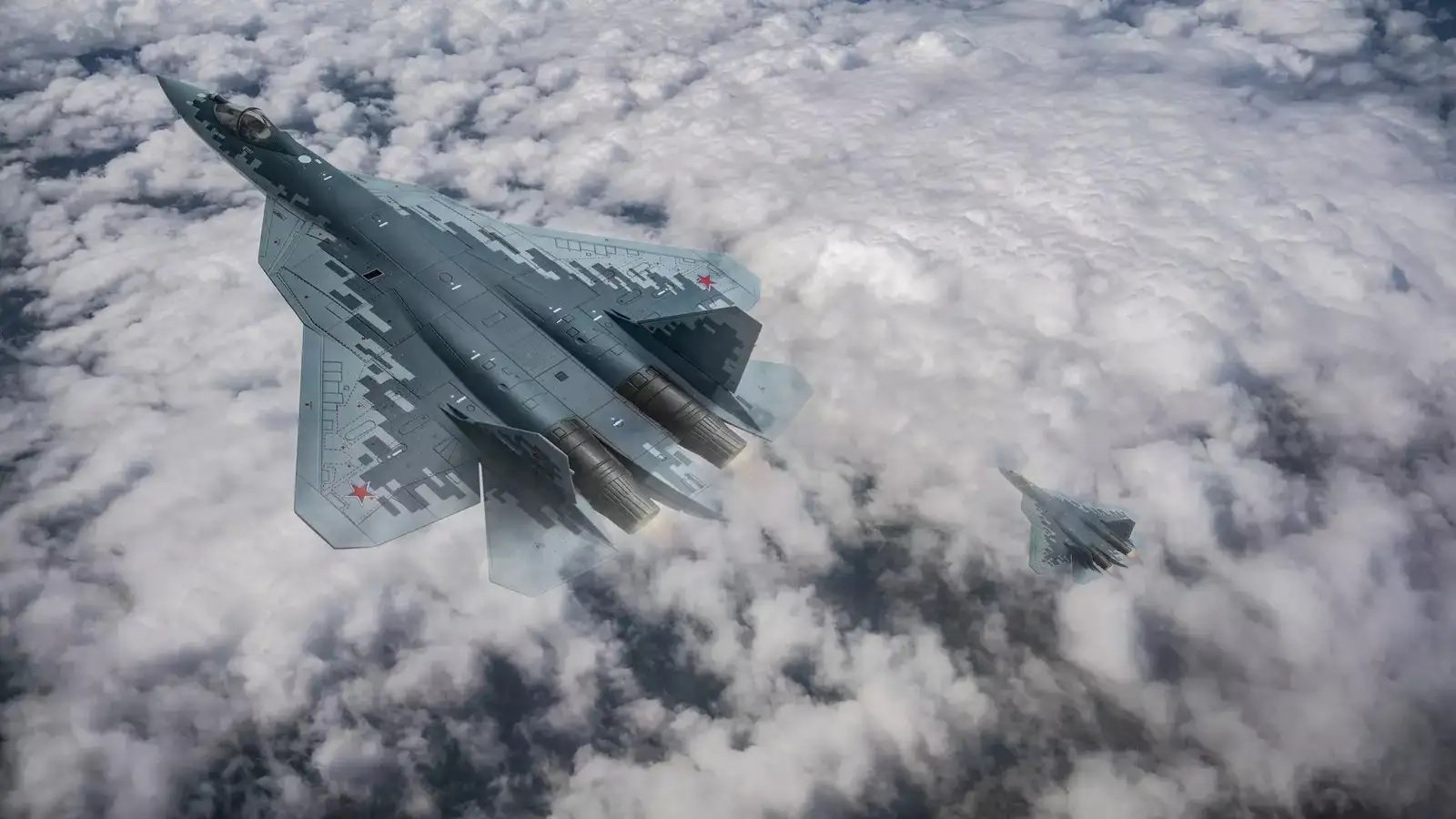
MOSCOW, — Russia’s state technology corporation Rostec reported that the powerplant of the Su-57 fifth-generation fighter can withstand internal temperatures approaching 2,000°C during extreme low-speed and high-angle maneuvers.
Rostec reported that the capability supports the Su-57’s supermaneuverability, giving pilots additional options to rapidly change speed, direction and attitude during combat. The corporation linked this ability to potential missile-evasion maneuvers, although maneuverability alone cannot guarantee that an incoming missile will be defeated.
Aero India demonstration
Rostec cited a demonstration by Russian test pilot Sergey Bogdan at Aero India 2025 in Bengaluru as an example. During the flight at Yelahanka Air Force Station in February 2025, Bogdan performed a maneuver that brought the aircraft to an apparent standstill at an altitude of about 600 meters.
According to Rostec, the engine’s internal temperature reached approximately 2,000°C during the maneuver, while the powerplant continued producing thrust and remained operational. Aero India 2025 was held from February 10 to 14, and United Aircraft Corporation had announced that the Su-57E would participate in the flying display.
The 2,000°C figure refers to the internal temperature in the engine during the extreme flight regime, not the temperature of the entire engine. Jet engines already operate at very high temperatures in their combustion and turbine sections, requiring specialized materials and cooling systems to maintain reliable operation.
Su-57 engine development
The Su-57 program has used several propulsion systems during its development. Early production aircraft and prototypes were equipped with the AL-41F1, or Product 117, while Russia developed the newer Product 30, later associated with the AL-51F-1, specifically for the fighter.
The Product 30 program was intended to provide improvements in thrust and fuel efficiency and support capabilities such as sustained supersonic flight without afterburner. However, publicly available information does not establish that the AL-51F-1 has replaced the AL-41F1 across the entire operational Su-57 fleet.
Russia has also begun testing another engine, Product 177. Rostec and UAC announced in December 2025 that a Su-57 had completed its first flight with the new engine. Rostec reported that Product 177 produces 16,000 kgf of afterburning thrust, while also offering reduced fuel consumption and increased service-life characteristics.
Role of thrust vectoring
The Su-57 uses thrust-vectoring propulsion to help control the aircraft at high angles of attack and low speeds, when conventional aerodynamic control surfaces become less effective.
This allows the fighter to perform rapid changes in attitude and direction. In combat, such maneuvers may complicate an incoming missile’s tracking solution, but their effectiveness depends on factors including the missile’s seeker, guidance system, launch conditions, distance and timing.
Rostec has also promoted the Su-57’s low radar signature, advanced avionics and internal weapon bays as parts of its overall combat capability. Russian officials have claimed that the fighter has demonstrated effectiveness against Western-made air-defense systems in combat conditions; this remains a Russian claim rather than an independently established assessment.
The latest statement therefore adds a specific technical claim to Russia’s continuing promotion of the Su-57: Rostec reported that the engine experienced an internal temperature of approximately 2,000°C during Sergey Bogdan’s extreme maneuver at Aero India 2025 and continued operating reliably.
——— End of Article ———