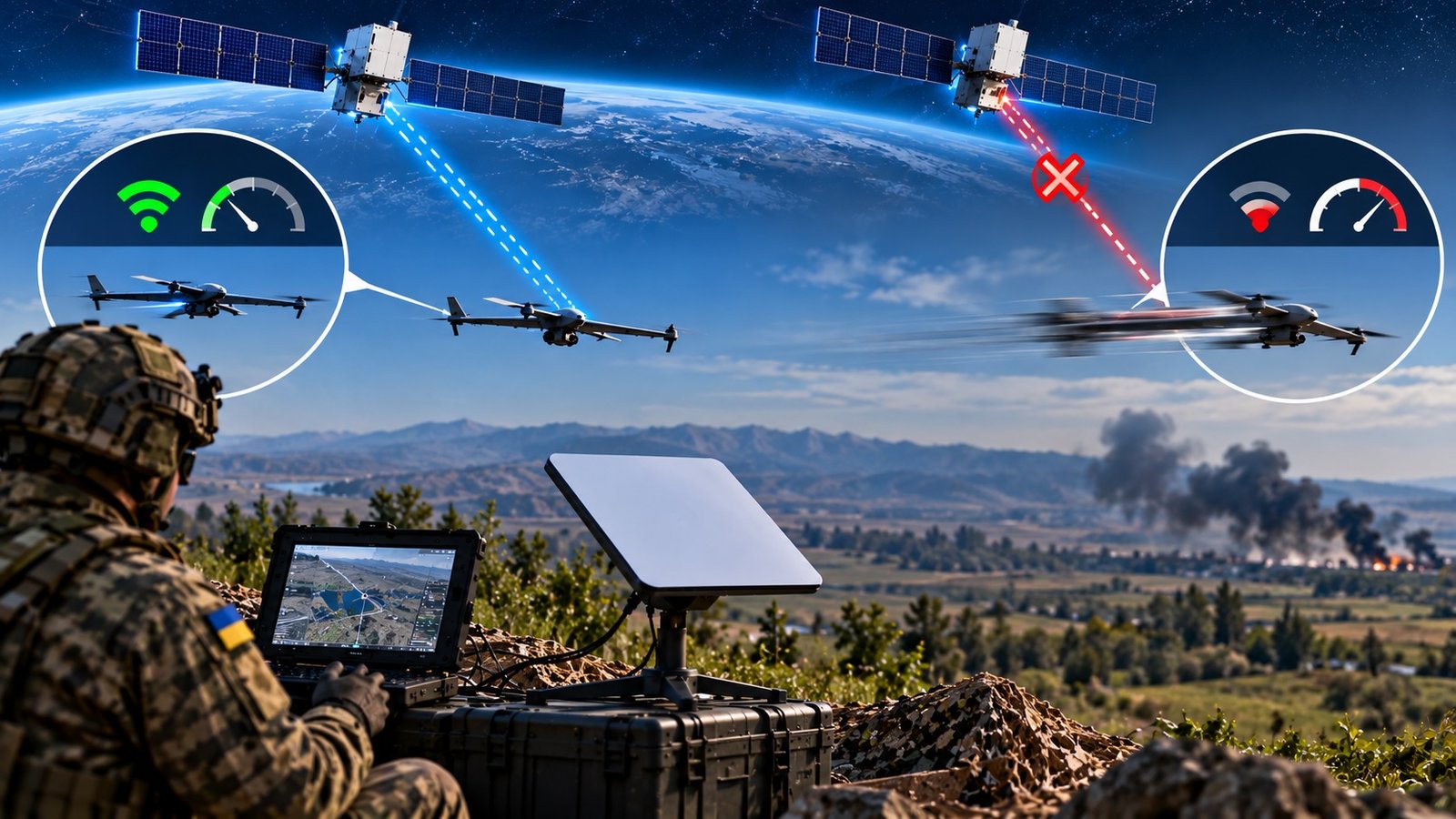
KYIV, — SpaceX has reportedly introduced speed restrictions on Starlink terminals used by Ukrainian military forces under its Starshield service package, disrupting drone operations and forcing some units to cancel missions. The change was implemented overnight without advance notice, according to Ukrainian officials and military personnel.
Speed Restrictions Disrupt Drone Operations
Presidential adviser Serhii Beskrestnov, known as Flash, initially reported a speed limit of approximately 160 km/h (100 mph). However, subsequent reports from military personnel and volunteer Serhii Sternenko indicated that connectivity on some terminals dropped at speeds of 60–70 km/h (37–43 mph).
Ukraine’s 7th Air Assault Corps, operating near Huliaipole, reported connection interruptions lasting 10–20 seconds during drone flights at 110–120 km/h. Although the drones continued flying, the interruptions made them harder to control. The corps warned that reducing speed to maintain connectivity could increase vulnerability to enemy fire.
Ukraine’s Defence Ministry confirmed restrictions affecting Starshield terminals above approximately 160 km/h but said the precise thresholds were still being verified. One Ukrainian unmanned systems unit reportedly cancelled missions following the disruptions. Standard civilian Starlink terminals reportedly continue to function normally.
Strike Drones and Interceptors Affected
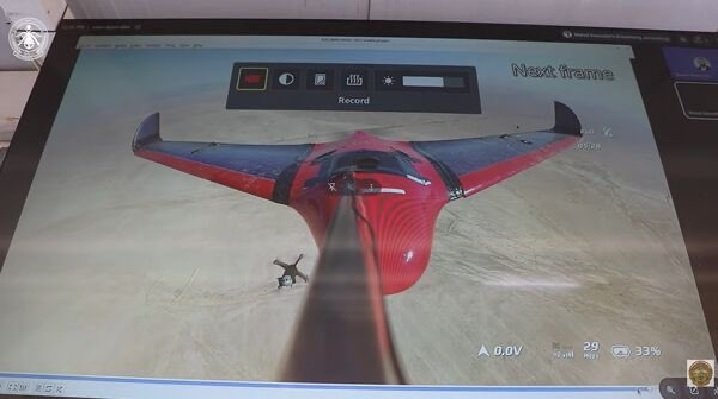
The restrictions affect medium-range strike drones, including the FP-2, Darts, Hornet and RAM-2, which rely on Starlink for beyond-line-of-sight control and video transmission. Ukrainian forces use these platforms to target Russian air-defence positions, logistics routes and infrastructure in border regions and Crimea.
The reported limitations also affect Ukrainian interceptor drones used against Russian Shahed-type loitering munitions, including jet-powered variants. The loss of reliable connectivity could complicate both offensive strikes and low-altitude air-defence operations.
Political Context and Ukrainian Response
President Volodymyr Zelenskyy said Ukrainian defence forces received no advance warning of the change, which reportedly disrupted and cancelled several missions.
The restrictions coincide with pressure from Washington for Kyiv to halt strikes on Russian energy infrastructure following calls for an energy ceasefire. They also follow public criticism of Zelenskyy by SpaceX CEO Elon Musk. Beskrestnov linked the timing to the broader political situation, but SpaceX has not publicly explained the reported restrictions or confirmed their motivation.
Ukrainian officials are investigating the cause and contacting U.S. officials, SpaceX and NATO partners to clarify the situation.
Ukraine Seeks Alternative Communications
If the restrictions remain in place, Ukraine may need to expand alternative communications systems for its drone fleet. Options include ground-based relay stations and mesh modems, similar to systems Russia has used for drone communications. Deploying these networks at scale would require significant time, equipment and financial investment.
Ukrainian defence technology firm Stetman is also reportedly accelerating development of UASAT-NANO, a proposed domestic satellite communications system intended to reduce military dependence on SpaceX.
Starlink has provided Ukrainian drone operators with beyond-line-of-sight control, video transmission and communications beyond conventional radio range since the early stages of Russia’s full-scale invasion. The duration and precise scope of the reported restrictions remain unclear, leaving Ukrainian forces working to maintain reliable connectivity for both strike drones and defensive interceptors.
——— End of Article ———