TOKYO, — Japan’s Ministry of Defense (MoD) has submitted a record 8.9 trillion yen ($55.5 billion) budget request for fiscal year 2027, placing greater emphasis on artificial intelligence, unmanned systems, maritime surveillance, stand-off weapons and undersea capabilities.
The fiscal 2027 budget begins in April 2027 and represents Japan’s 15th consecutive annual defense spending increase and 13th consecutive record high. The final figure is expected to exceed 10 trillion yen for the first time after year-end negotiations determine funding for around 160 unpriced “item requests” (jiko yokyu).
Fiscal 2027 is also the final year of Japan’s current five-year Defense Buildup Program, which originally set a target of approximately 43 trillion yen in total defense spending from fiscal 2023 through fiscal 2027.
The ministry said the security environment has changed faster and become more complex than anticipated when the current defense planning documents were prepared. Japan plans to revise its three key security documents by the end of 2026.
AI and Unmanned Systems Become Major Priorities
The budget request places AI and unmanned systems at the center of Japan’s effort to adapt to what the MoD describes as “new ways of warfare.”
The ministry requested 292.2 billion yen ($1.83 billion) to acquire 17 General Atomics MQ-9B SeaGuardian long-endurance unmanned aerial vehicles. The aircraft are intended to strengthen intelligence, surveillance, reconnaissance and targeting capabilities.
The Japan Maritime Self-Defense Force (JMSDF) began trial operations with the SeaGuardian in 2023. Japan selected the aircraft for its long-endurance UAV program in December 2024, with longer-term plans calling for approximately 23 MQ-9Bs.
The MoD cited increased Chinese aircraft carrier operations and joint bomber flights involving China and Russia as reasons for strengthening surveillance, particularly in support of Pacific sea-lane defense.
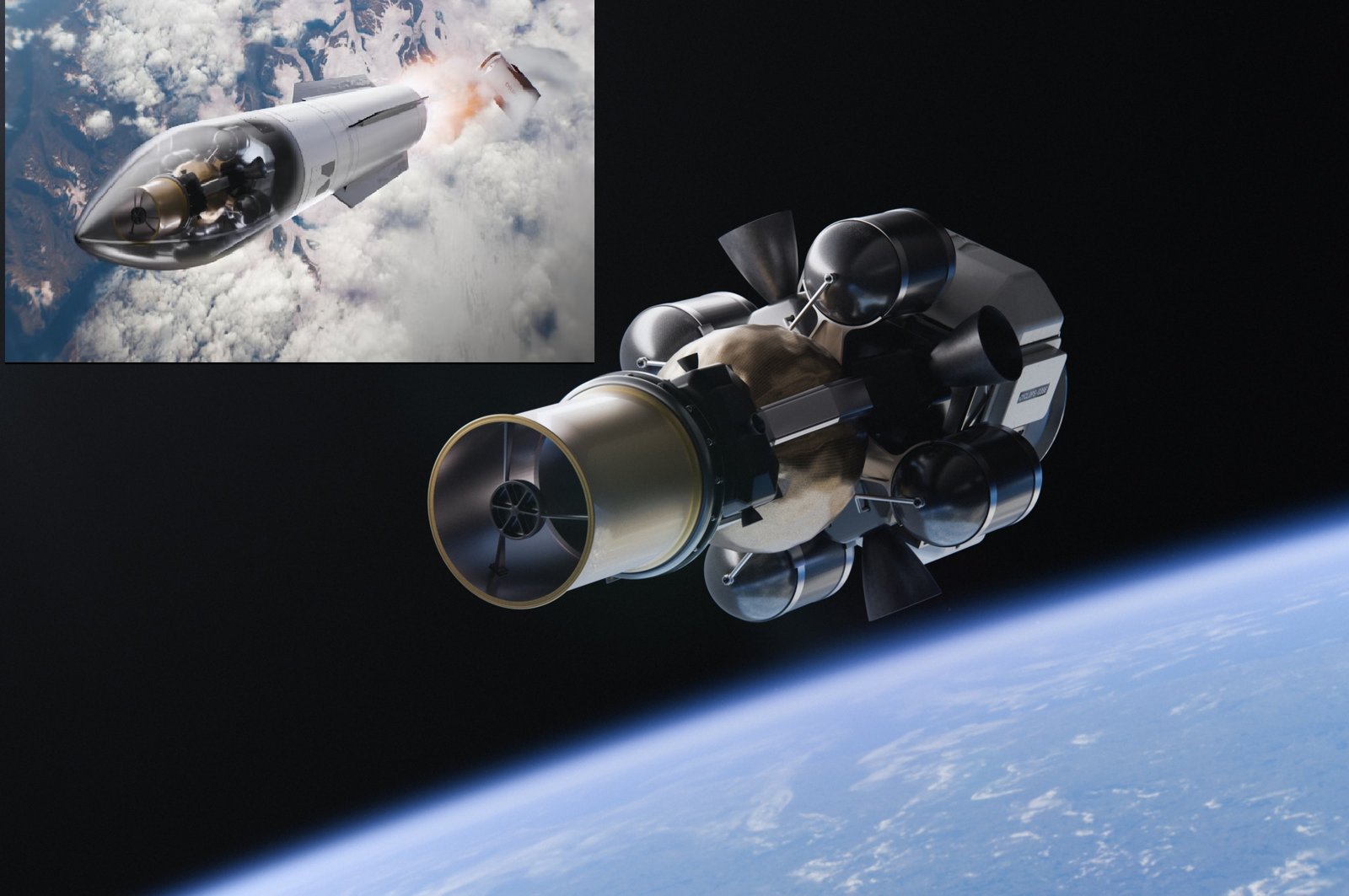
Japan is also developing broader unmanned capabilities. The ministry submitted an item request to research a stand-off missile launch module for unmanned underwater vehicles (UUVs). Other research areas include UUV networking, search and attack modules and underwater power-supply technology.
The ministry says these technologies are intended to reduce personnel risks and provide cost advantages in future conflicts.
AI development is also included in the request, including an AI-based decision-support system for the Joint Operations Command, a next-generation AI platform and secure cloud infrastructure for classified information.
New FFM Frigates and Other Maritime Programs
The JMSDF's fleet modernization program includes several major surface and undersea projects.
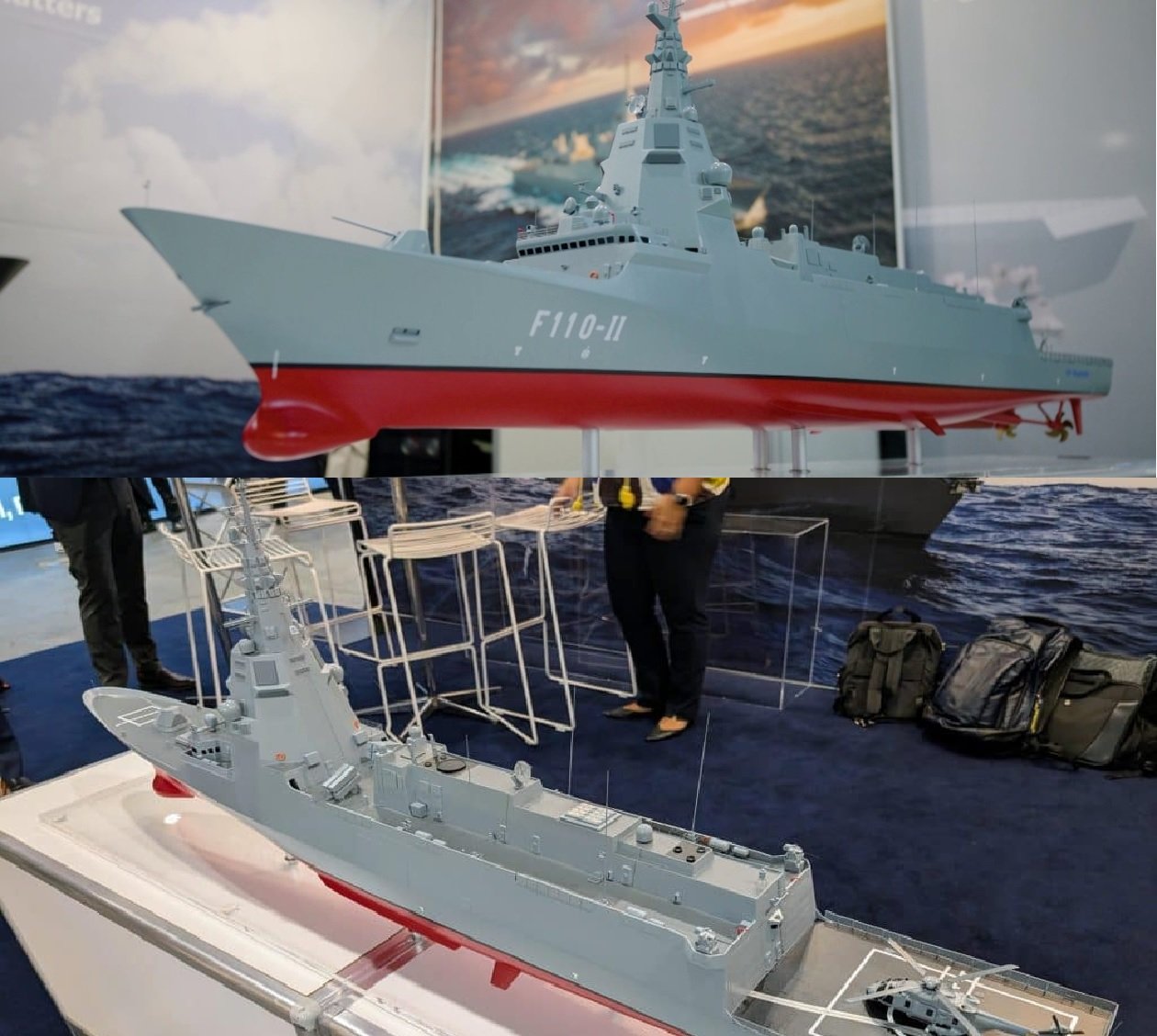
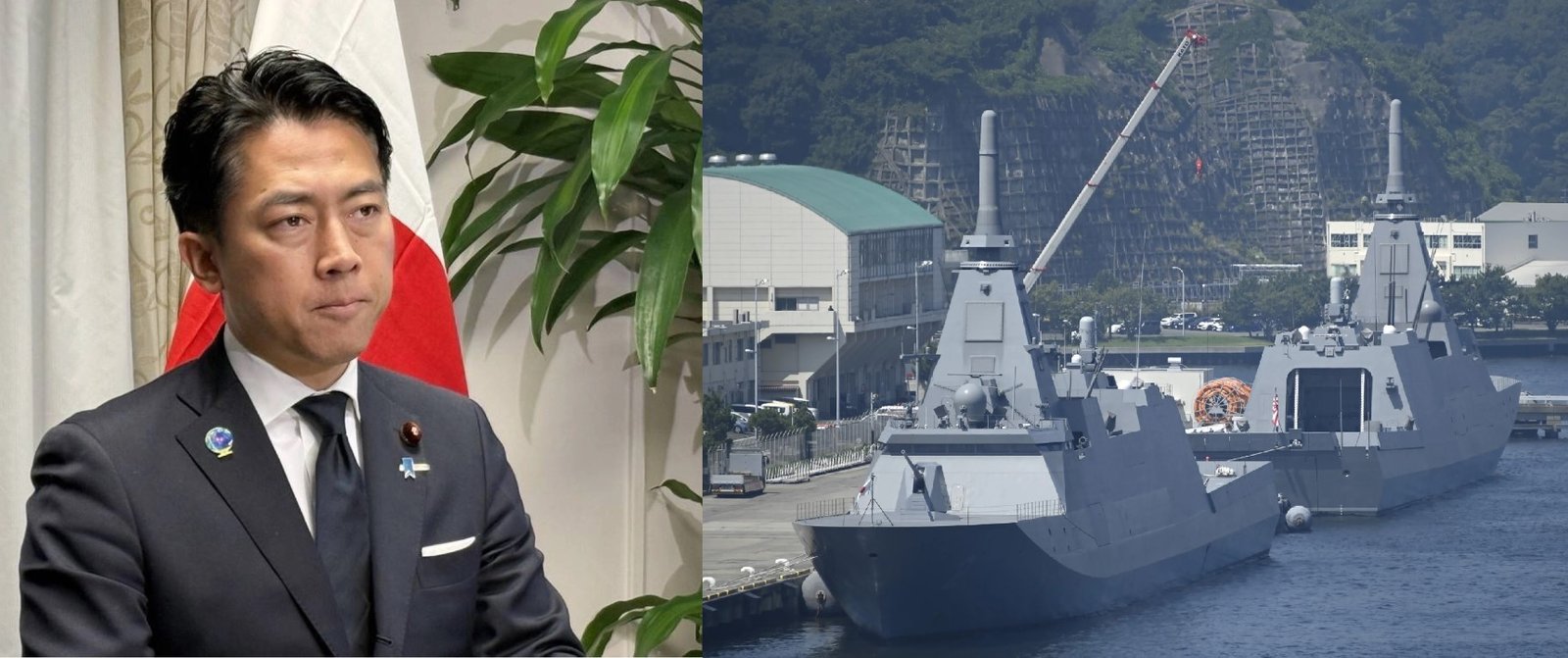
Construction of the New FFM, an upgraded version of the Mogami-class multirole frigate, has been included as an item request. The number of ships and associated funding will be decided during the year-end budget process.
The New FFM has a standard displacement of 4,800 tonnes and is designed to provide improved anti-air, anti-submarine and other maritime warfare capabilities compared with the existing Mogami class.
Japan plans to build 12 New FFMs. Construction funding for six has already been secured: two in fiscal 2024, three in fiscal 2025 and one in fiscal 2026.
The design was also selected by the Royal Australian Navy in 2025 as the basis for its future general-purpose frigate program.
Sakura-Class Offshore Patrol Vessels
The MoD also submitted an item request for construction of Sakura-class offshore patrol vessels (OPVs).
The 1,920-tonne vessels are designed to operate with a crew of about 30 personnel. They will replace older destroyer escorts and patrol boats and are designed to operate unmanned surface vessels, rigid-hull inflatable boats and UAVs including the V-BAT.
The JMSDF plans to eventually operate 12 Sakura-class OPVs, with the first six already funded. The first ship, JS Sakura (OPV-901), was launched in November 2025, and the initial vessels are expected to enter service from March 2027.
Taigei-Class Submarines
Continued construction of the 3,000-tonne Taigei-class submarines was also submitted as an item request.
The submarines use lithium-ion batteries, providing improved underwater endurance compared with earlier propulsion arrangements. The class is being introduced as part of the JMSDF's modernization of its submarine fleet.
Aegis System Equipped Vessels
Japan requested 68.9 billion yen ($431 million) for preparations for testing the two Aegis System Equipped Vessels (ASEVs) currently under construction.
The first ASEV is scheduled to enter service by the end of fiscal 2027, while the second is scheduled to enter service by the end of fiscal 2028.
The vessels are approximately 190 meters long and 25 meters wide, with a standard displacement of around 12,000 tonnes.
Expansion of Stand-Off Strike Capabilities
Long-range stand-off weapons are another major part of the fiscal 2027 request.
The MoD requested 56.2 billion yen ($351 million) for the ship-launched version of Japan's improved Type 12 surface-to-ship missile.
The JMSDF plans to deploy the system aboard the refurbished destroyer JS Teruzuki (DD-116) starting in fiscal 2027.
Japan also requested 16.3 billion yen ($102 million) for submarine-launched guided missiles developed by Mitsubishi Heavy Industries. The missiles can be launched from submarine torpedo tubes and are intended to engage both maritime and land targets from stand-off ranges.
The system is planned for deployment aboard the newest Taigei-class submarines.
Separately, the ministry submitted an item request for development of an underwater-launched hypersonic guided missile. The proposed weapon is intended to provide a stand-off strike capability from an underwater platform and is separate from the submarine-launched guided missile program planned for the Taigei class.
Japan to Equip All Eight Aegis Destroyers for Tomahawk
Japan is also continuing work to integrate U.S.-made Tomahawk cruise missiles onto its Aegis destroyers.
The MoD requested 1.1 billion yen ($6.9 million) to add Tomahawk launch capability to three ships:
- JS Kongo (DDG-173)
- JS Ashigara (DDG-178)
- JS Maya (DDG-179)
Japan plans to acquire up to 400 Tomahawk missiles through the U.S. Foreign Military Sales program.
The JMSDF currently operates eight Aegis destroyers, consisting of four Kongo-class, two Atago-class and two Maya-class ships.
Funding through fiscal 2026 had already been approved to equip five ships: JS Chokai, JS Kirishima, JS Haguro, JS Myoko and JS Atago.
JS Chokai received the capability in March 2026 and conducted Japan's first ship-launched Tomahawk live-fire test in the Pacific Ocean on July 29, 2026.
The latest request covers the remaining three Aegis destroyers, meaning all eight existing Japanese Aegis destroyers are now planned to receive Tomahawk launch capability.
Izumo-Class Ships Continue F-35B Modifications
Japan is continuing modifications to the Izumo-class helicopter carriers JS Izumo and JS Kaga to support operations by Lockheed Martin F-35B short takeoff and vertical-landing fighters.
The MoD requested 3 billion yen ($18.7 million) for the work.
Of this amount, 100 million yen is allocated to JS Izumo, including the manufacture of internal mounting fixtures for F-35B-related equipment. The remaining 2.8 billion yen is allocated to JS Kaga, mainly for flight-deck lighting and related equipment.
Modifications to JS Izumo are scheduled for completion in fiscal 2027, while work on JS Kaga is scheduled to finish in fiscal 2028.
Cumulative funding for the carrier modifications through fiscal 2026 totals 107.4 billion yen. The fiscal 2027 request would raise the total to approximately 110.4 billion yen, excluding any additional funding that could be approved through item requests.
Weaker Yen Raises Equipment Costs
The MoD calculated the dollar value of the 2027 request using an exchange rate of 149 yen to the dollar, compared with the 108 yen benchmark used when Japan's current five-year defense plan was prepared in 2022.
The ministry said the weaker yen has increased the cost of imported equipment and foreign-made components.
The 8.9 trillion yen figure is therefore not the final fiscal 2027 defense budget. The request will undergo review by the Finance Ministry, while funding for the numerous item requests will be decided during year-end budget negotiations.
A final figure is expected in late December, with the government's planned revisions to Japan's security documents also forming part of the broader defense planning process.
——— End of Article ———