New Delhi — India is moving toward large-scale production of indigenous surface-to-air missiles, with around 2,000 QRSAM and Akash-NG missiles potentially entering domestic production if both proposed procurements proceed.
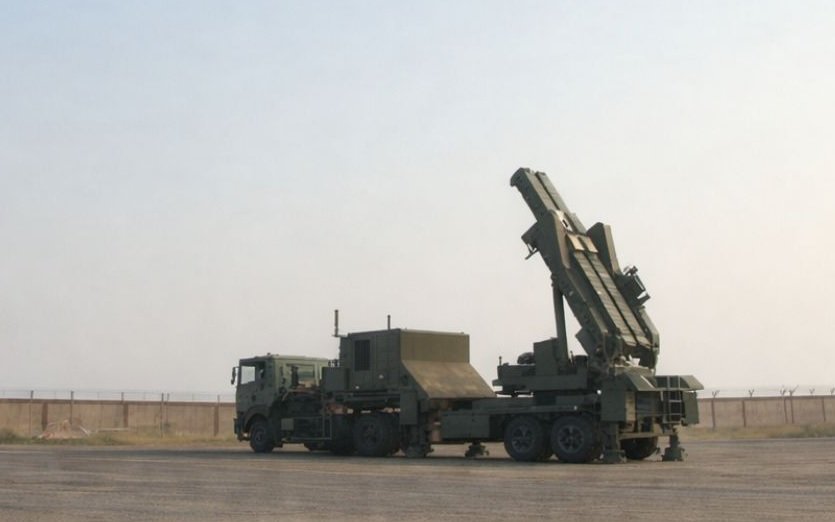
The Indian Armed Forces could order around 1,000 QRSAM missiles from Bharat Dynamics Limited (BDL) under a contract estimated at ₹11,000–12,000 crore, forming part of a wider QRSAM programme worth around ₹30,000 crore. Bharat Electronics Limited (BEL) is the lead integrator, while L&T is involved with 8x8 launchers and Apollo Micro Systems supplies several subsystems.
The DAC granted Acceptance of Necessity on July 3, 2025, while final CCS clearance remains pending. BEL expects a decision by September 2026. QRSAM has a reported range of 25–30 km and altitude coverage of around 6–10 km. Initial deliveries are expected over seven to eight years, with subsequent orders potentially taking three to four years once production is established. BEL is also preparing a 75-hectare production complex at Chitrakoot in the Uttar Pradesh Defence Industrial Corridor.
The Ministry of Defence is also examining a requirement for around 1,000 Akash-NG missiles. Akash-NG completed final user evaluation trials in December 2025 and features a dual-pulse motor, active radar seeker, canisterised launch system and smaller ground footprint. Its demonstrated range is around 30 km, with further extensions reported toward 50–70/80 km depending on configuration. A major order could still be at least three years away.
Meanwhile, Apollo Micro Systems is expanding into complete defence-system development. It agreed in July 2026 to acquire a 41.33% controlling stake in Premier Explosives for about ₹1,550 crore, while SEBI approved an open offer for another 26% stake at ₹698 per share.
On August 21, AMS also subscribed to a 34% stake in ShauryAstra Defence Systems, which will focus on indigenous weapon systems, long-range strike platforms, unmanned systems, GNC, seekers, sensors, datalinks and mission software under the guidance of Dr. V. K. Saraswat.
The developments could expand India's domestic air-defence manufacturing capacity, while export orders could help sustain production lines after domestic requirements are met.
——— End of Article ———