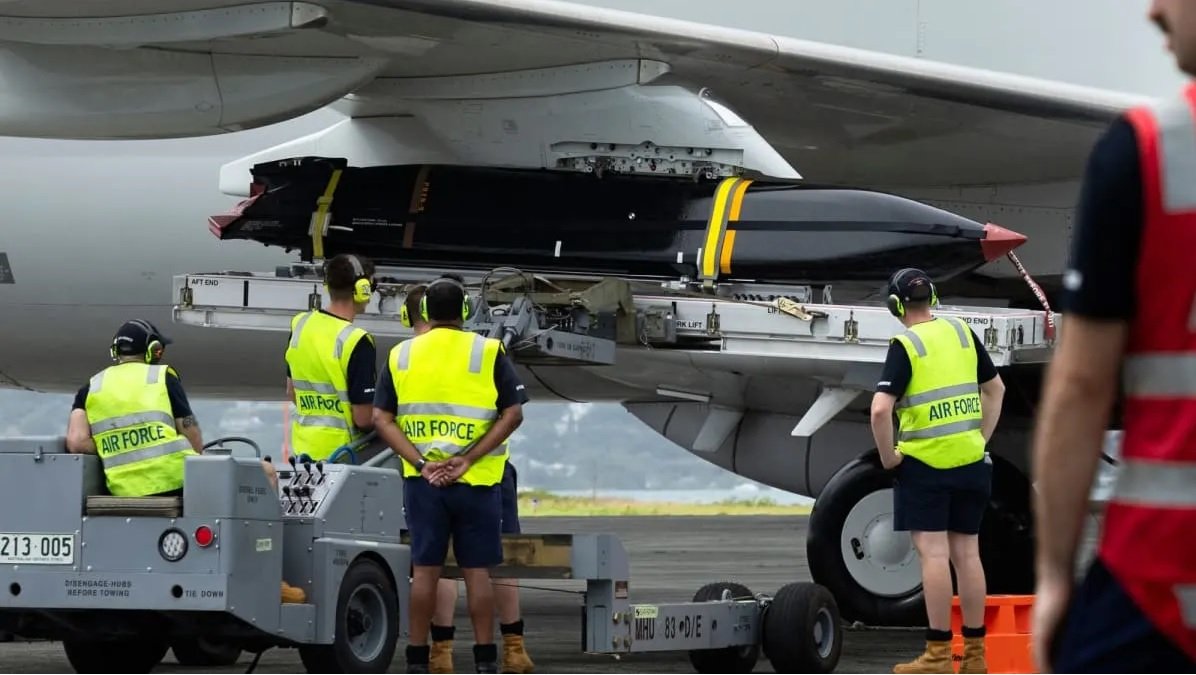
CANBERRA — The Royal Australian Air Force (RAAF) has achieved Initial Operational Capability (IOC) with the AGM-158C Long Range Anti-Ship Missile (LRASM) and AGM-158B Joint Air-to-Surface Standoff Missile–Extended Range (JASSM-ER).
The Australian Department of Defence announced the milestone on September 11, confirming that the two long-range weapons have completed operational testing and entered operational service.
Long-Range Maritime and Land Strike
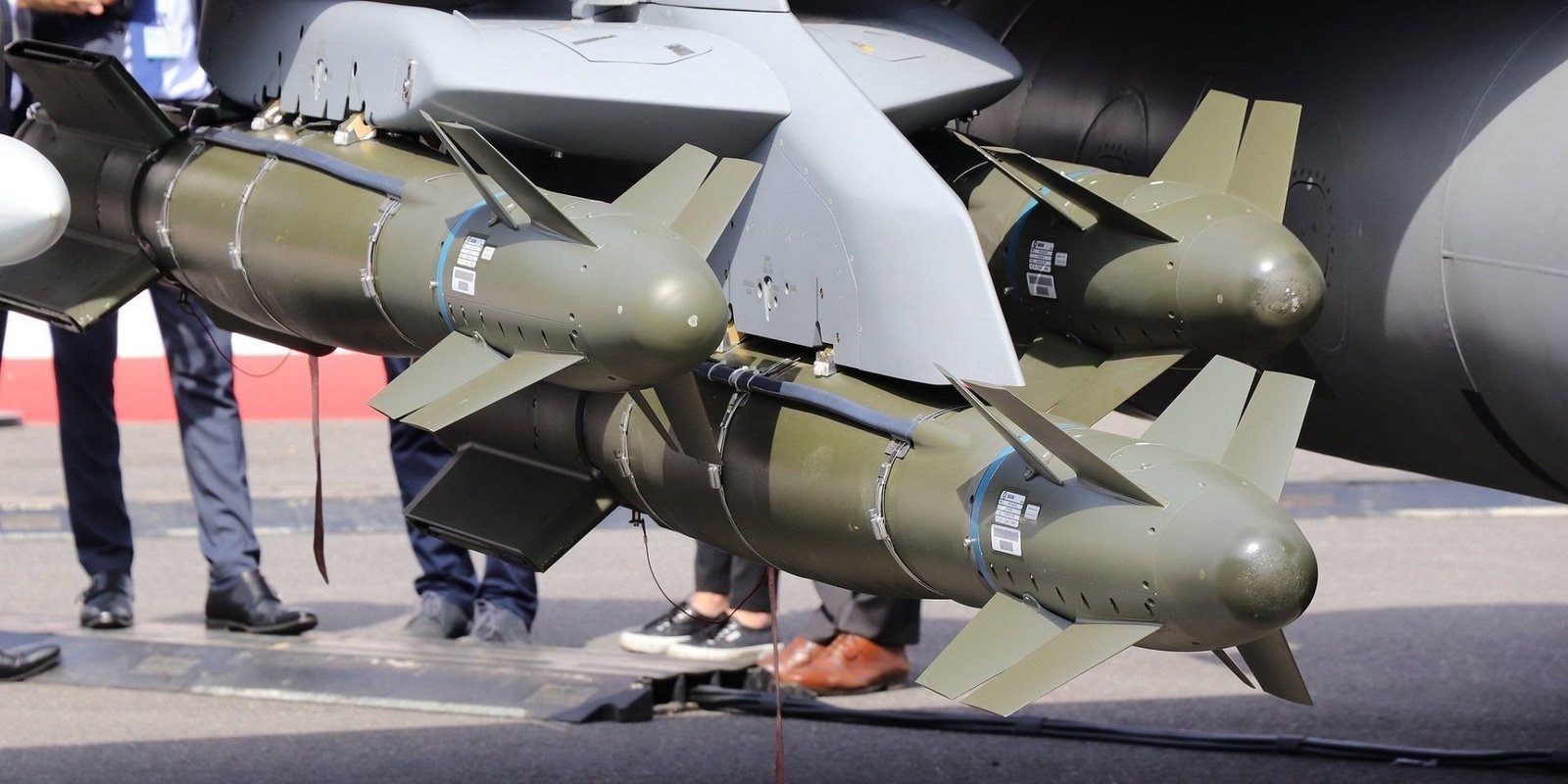
The LRASM is an air-launched, precision-guided, semi-autonomous missile designed to engage high-value, well-defended maritime targets at ranges exceeding 370 kilometres.
The JASSM-ER is an air-launched, precision-guided land-strike cruise missile capable of locating, identifying and defeating targets at ranges of up to 900 kilometres from the launch aircraft.
The IOC declaration specifically covers their operational capability on the RAAF's F/A-18F Super Hornet aircraft. Testing included weapon preparation and loading, targeting and successful engagements.
RAAF Chief of Air Force Air Marshal Stephen Chappell said the weapons would increase the lethality of air combat aircraft and improve the service's ability to conduct precise long-range strikes while avoiding increasingly sophisticated air defences.
Testing and RIMPAC 2026
The capability followed a series of tests in Australia and the United States.
In February 2025, two LRASM missiles were successfully test-fired by RAAF F/A-18F Super Hornets at the Point Mugu Sea Range in the United States.
In November 2025, two JASSM-ER missiles were successfully test-fired at the Woomera Test Range in South Australia.
During Exercise Rim of the Pacific 2026 (RIMPAC 26), a RAAF P-8A Poseidon successfully fired an LRASM and hit its target during a sinking exercise. It was the first employment of LRASM by an Australian P-8A and formed part of dual launches involving RAAF and U.S. Navy maritime patrol aircraft.
Acquisition and Future Integration
Australia received U.S. Foreign Military Sales approval for the LRASM in February 2020 and for the JASSM-ER in July 2022. U.S. Defence Security Cooperation Agency notifications listed up to 200 LRASM and 80 JASSM-ER, although Australian Defence has not publicly detailed the final number purchased.
Both missiles use a common low-observable body design and carry an approximately 450-kilogram warhead. JASSM-ER entered U.S. Air Force service in 2014, while LRASM entered U.S. Air Force service in 2018 and U.S. Navy service in 2019.
Australia also plans to integrate both weapons with its F-35A Lightning II fleet.
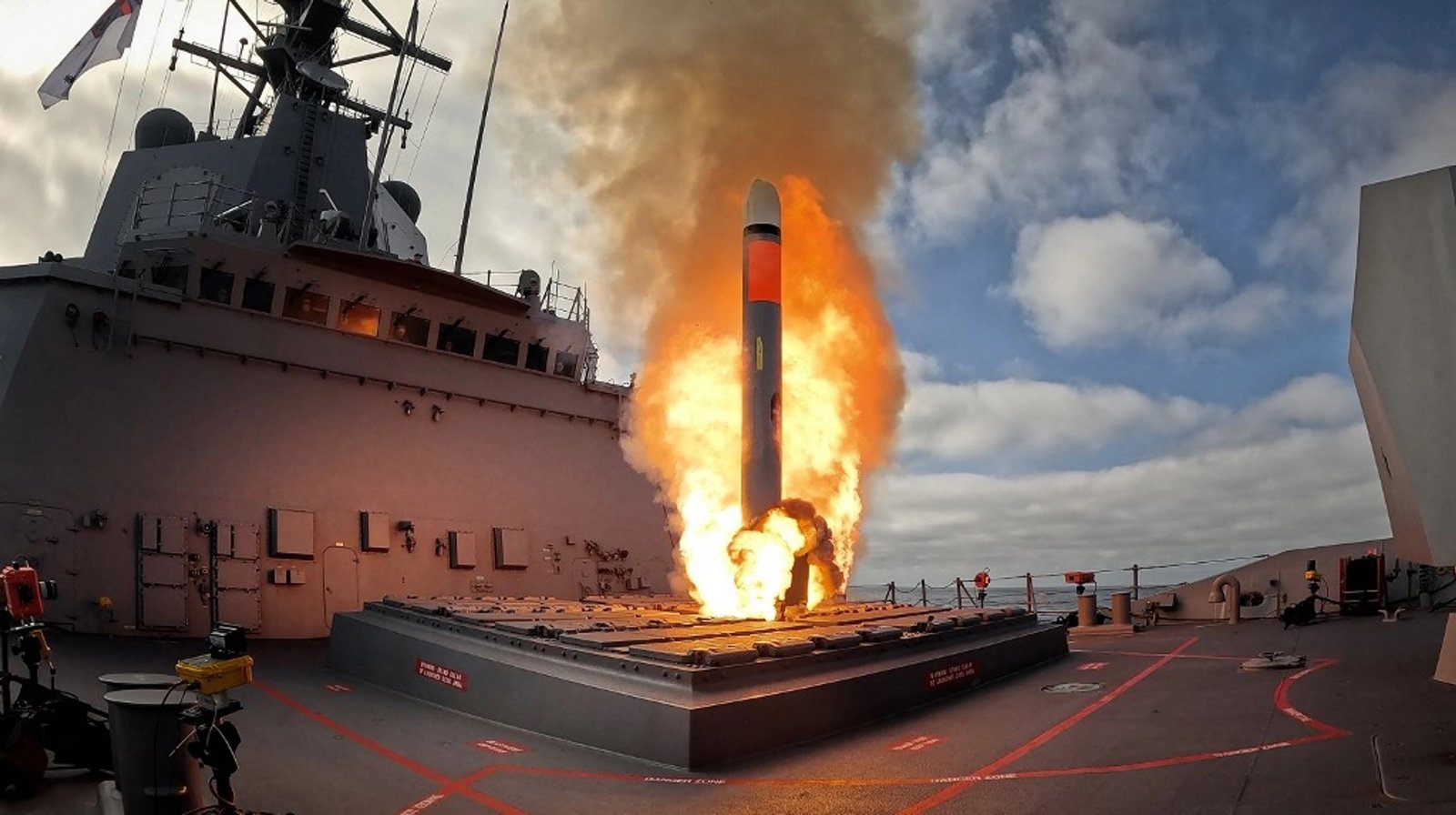
The LRASM and JASSM-ER are part of Australia's wider long-range strike program, which also includes the Naval Strike Missile, Joint Strike Missile and AGM-88G AARGM-ER. Australia is also acquiring up to 220 BGM-109 Tomahawk missiles for its Hobart-class guided-missile destroyers.
The broader long-range maritime and surface strike investment is planned at A$30 billion to A$37 billion over the next decade under Australia's Integrated Investment Program.
The introduction of the two AGM-158 weapons involved the RAAF, Defence Delivery Group, Joint Capabilities Group, whole-of-government partners, and U.S. military and industry partners. The capability supports Australia's deterrence-through-denial approach outlined in the National Defence Strategy.
——— End of Article ———