U.S
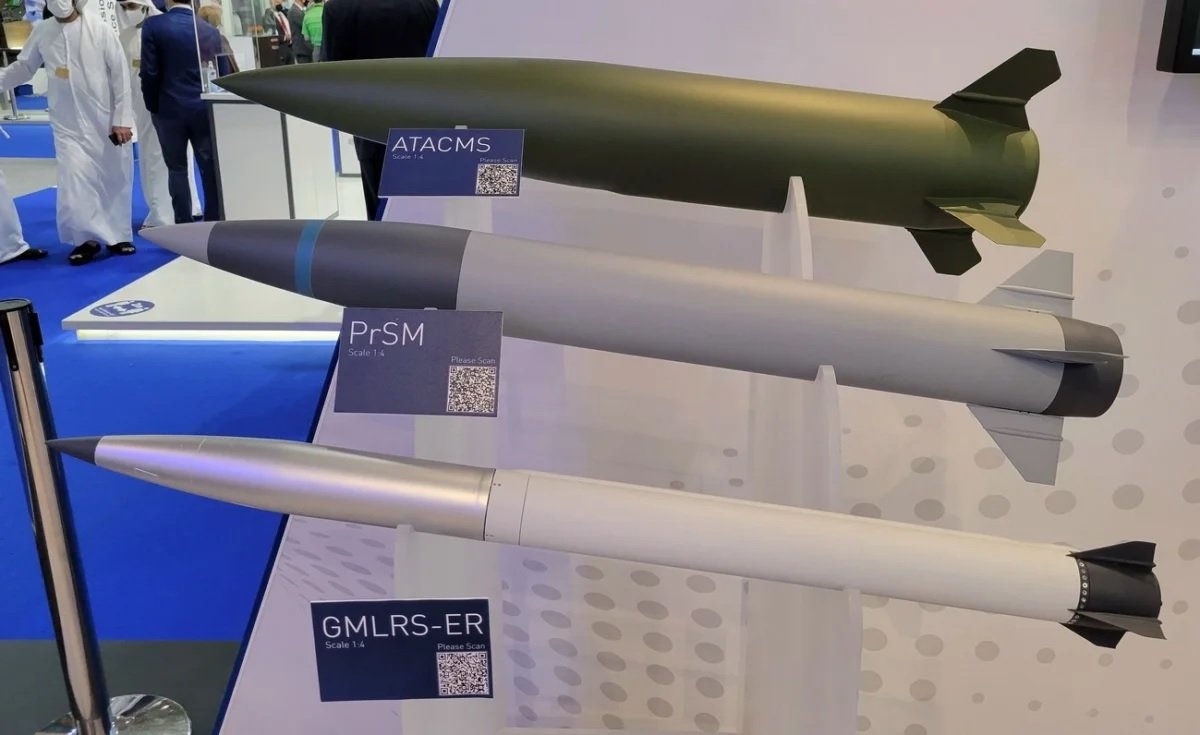
WASHINGTON — The United States has used a significant portion of its long-range precision missile inventory during the five-month conflict with Iran, prompting internal discussions about military readiness for future contingencies, according to people familiar with U.S. defense data. Three sources cited by Reuters said the U.S. Army has expended "virtually all" of its available Army Tactical Missile System (ATACMS) missiles and the newer Precision Strike Missile (PrSM) during the campaign. The scale of the reduction in these stockpiles has not previously been reported. The missiles are among the U.S. military's primary long-range surface-to-surface precision weapons, allowing forces to strike targets from stand-off distances without exposing piloted aircraft to heavily defended airspace. Readiness Concerns Emerge Although the exact number of remaining missiles remains classified, the sources said the rapid use of ATACMS and PrSM has triggered internal discussions within the U.S. government about maintaining sufficient inventories for other potential conflicts, particularly involving China or Russia. A fourth person familiar with the matter said U.S. Central Command (CENTCOM), which oversees military operations in the Middle East, has largely exhausted the land-based long-range missiles that were deployed in the region before the conflict. According to the source, those stocks have since been replenished by transferring missiles from other U.S. military inventories worldwide. Defense analysts note that while such transfers help sustain ongoing operations, they also reduce the number of munitions immediately available for other regions if multiple crises occur simultaneously. Defensive Missile Inventories Also Decline The reduction is not limited to offensive weapons. A recent assessment by the Center for Strategic and International Studies (CSIS) estimated that between February and July the United States used approximately 65% of its available Patriot missile interceptors, while inventories of Terminal High Altitude Area Defense (THAAD) interceptors declined by at least 38%. Two sources familiar with internal U.S. government data said those estimates are broadly consistent with official figures. Patriot and THAAD systems form a key part of the U.S. missile defense network, providing protection against incoming ballistic missile threats. One source also said the United States has used slightly less than half of its global inventory of Tomahawk cruise missiles since the conflict began. Reuters said it could not independently verify that figure. Tomahawk cruise missiles are launched from U.S. Navy destroyers and submarines and are widely used to strike heavily defended targets from long distances. Stand-Off Weapons Favored According to one source, the extensive use of ATACMS and PrSM reflects a deliberate operational approach that relied heavily on long-range stand-off weapons instead of higher-risk missions involving manned aircraft. Military analysts have long regarded such weapons as an important capability because they enable precision strikes while reducing risks to pilots and aircraft operating in contested airspace. White House and Pentagon Respond Asked about reports of declining missile inventories, President Donald Trump said the United States still possesses "far more munitions than anyone in the world" and "far more than we need." In a statement released by the White House, Trump also said U.S. defense companies are "making more munitions than they have ever made before" while expanding manufacturing facilities and production capacity. Pentagon spokesman Sean Parnell also rejected concerns about military readiness. "America's military is the most powerful in the world and has everything it needs to execute at the time and place of the President's choosing," Parnell said. He added that the U.S. military continues to maintain a deep arsenal capable of protecting American interests while conducting operations across multiple combatant commands. Production Efforts Underway The increased operational demand has placed additional pressure on U.S. defense manufacturers. Lockheed Martin, which produces ATACMS, PrSM and THAAD interceptors, is expected to play a major role in expanding production as the U.S. Army transitions from ATACMS to PrSM. Raytheon, a business of RTX that manufactures Patriot interceptors and Tomahawk cruise missiles, has also reached a tentative multi-year agreement with the Pentagon to increase Tomahawk production as part of broader efforts to rebuild U.S. missile inventories. Defense analysts caution that replacing advanced precision-guided missiles is a lengthy process because production depends on complex supply chains, specialized components and extended manufacturing timelines. As a result, increased production is unlikely to immediately restore depleted inventories. Debate Over Strategy and War Powers Military leaders have warned in recent weeks that inventories of defensive missile systems, particularly Patriot interceptors, have declined during the campaign, according to two sources. Several media reports last week said those concerns contributed to President Trump's decision not to authorize another large-scale offensive against Iran. However, one U.S. official disputed that account, saying diplomatic pressure from Gulf states was the primary reason for the decision. The conflict has also renewed debate in Washington over presidential war powers. Congress has not issued a formal declaration of war or approved a specific authorization for the use of military force related to the conflict with Iran. Overall Stockpiles Lower Than Before Conflict While U.S. Central Command has continued operations by drawing missiles from global inventories, officials familiar with the data said the overall U.S. stockpile of key long-range strike weapons and missile defense interceptors is now lower than it was before the Iran conflict began. The reduction has intensified discussions within the U.S. government about balancing ongoing military operations with maintaining sufficient inventories for potential future contingencies in other regions.
Read More → Posted on 2026-08-04 12:50:28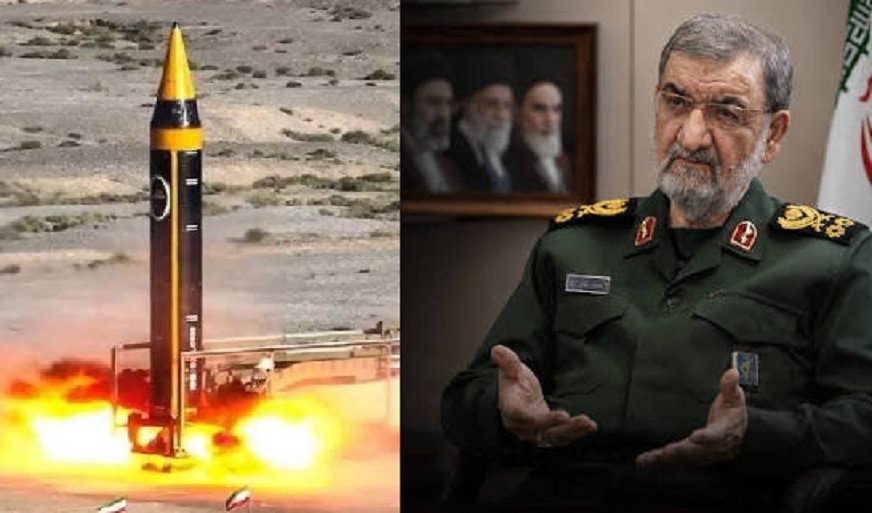
World
TEHRAN, Iran — Iran prepared retaliatory missile strikes against three locations in Ukraine following the July 25 attack on a vessel in the Caspian Sea, but suspended the planned operation after diplomatic communications with Kyiv, according to a senior Iranian official. General Mohsen Rezaei, an adviser to Iran's Supreme Leader, said during an appearance on Iranian state television that Iran's armed forces had completed preparations for the strikes. He stated that the operation was halted after Ukrainian officials reportedly said the attack on the Iranian vessel had been unintentional. "We were prepared to strike three locations in Ukraine, but after they said the attack had been a mistake, we put our response on hold to assess their claim," Rezaei said. He added that the retaliatory operation was ultimately called off. Rezaei did not identify the three intended targets or provide evidence supporting his claims. His statements have not been independently verified. Caspian Sea Incident The planned response followed a military operation in the Caspian Sea on July 25, which has become the center of a dispute between Iran and Ukraine. Iran said Ukraine attacked an Iranian commercial vessel carrying civilian cargo, causing an explosion that killed one sailor and injured another. Tehran condemned the incident as a violation of international law and said attacks on Iranian citizens and interests were unacceptable. Ukraine presented a different account of the operation. President Volodymyr Zelensky and Ukraine's Security Service (SBU) confirmed that Ukrainian Defense Forces conducted long-range strikes in the Caspian Sea. According to the SBU, the operation targeted the Russian missile boat Molnyia along with two cargo ships, Port Olya 2 and Begey, which Ukraine said were operating under international sanctions. Ukraine stated that the vessels were transporting Iranian-made missile and drone components intended for Russian forces. Separate reports identified one of the ships involved as the Iranian-owned cargo vessel Ana. Kyiv maintained that its military operation targeted vessels involved in transporting military cargo rather than civilian shipping. Diplomatic Contacts Followed the Incident Diplomatic efforts began soon after the July 25 operation. On July 28, Ukrainian Foreign Minister Andrii Sybiha spoke by telephone with Iranian Foreign Minister Abbas Araghchi. According to Iranian officials, Araghchi formally protested the strike and told Ukraine that Iran expected compensation for the damage and casualties. Iranian officials also said Ukraine described the incident as unintentional during the diplomatic exchanges, which prompted Tehran to suspend its planned military response. Sybiha later described the call as a "frank conversation" and said Ukraine's military operations are conducted solely in defense against Russian aggression and are not intended to target civilian vessels or civilians. Ukraine has not publicly confirmed or denied the specific Iranian claim that it apologized or formally acknowledged the incident as a mistake beyond the statements made following the foreign ministers' discussion. Both sides indicated during the diplomatic contacts that they did not seek further escalation. Missile Capability If Iran had decided to carry out the planned operation, several of its ballistic missile systems have the theoretical range to reach Ukrainian territory. According to the CSIS Missile Defense Project infographic published in March 2026, Iranian missile systems including the Sejjil, Emad, Ghadr-110, Shahab-3, and Khorramshahr-2 have the range to reach Ukraine. Such missiles would present a significant challenge for Ukraine's existing air defense network if employed. However, there is no independent confirmation that any missile operation was actually prepared beyond the statements made by General Rezaei. Previous False Strike Claims This is not the first time reports of Iranian strikes on Ukraine have appeared publicly. In April 2026, Iranian propaganda outlets circulated videos claiming that Iran had launched missile strikes against Kyiv, Kharkiv, and Dnipro. The footage was later identified as AI-generated, and no such strikes occurred. Wider Context The Caspian Sea has become an important transport route linking Iran and Russia. Analysts from the Armed Conflict Location & Event Data Project (ACLED) have noted that Ukraine has increasingly targeted Russian-linked maritime and oil infrastructure since May as part of efforts to disrupt Moscow's wartime logistics. The Caspian Sea shipping route has been identified as one of the supply corridors connecting Iran and Russia. Iran and Russia have also expanded military cooperation in recent years. Tehran has supplied technology and components used in the production of Shahed attack drones, which Russian forces continue to use in strikes against Ukraine. For now, Iran's reported plans to strike Ukraine remain based solely on statements made by General Mohsen Rezaei on Iranian state television. No independent evidence has been presented to confirm that preparations for such an operation were completed, and Ukrainian authorities have not publicly confirmed the specific Iranian account of the diplomatic exchanges.
Read More → Posted on 2026-08-04 12:16:19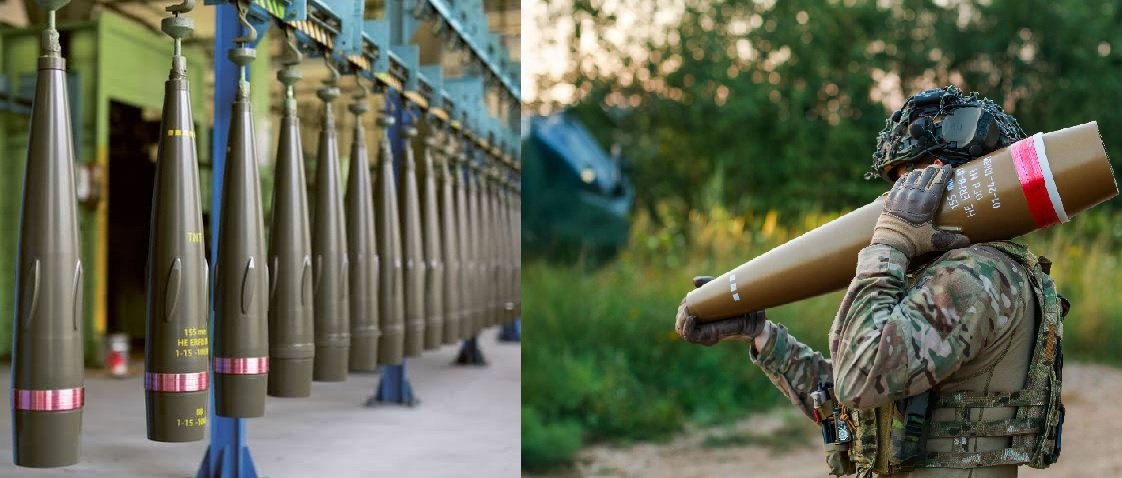
Europe
BAUTZEN, Germany — Czechoslovak Group (CSG) has acquired a 57-hectare industrial site in Gnaschwitz, Saxony, from chemical and explosives manufacturer MAXAM, marking another step in the company's strategy to strengthen Europe's defence supply chain and expand the production of critical energetic materials. The acquisition was completed through CSG Energetic Materials Germany GmbH, the group's German subsidiary. While the financial terms of the land purchase were not disclosed, CSG said it will invest more than €100 million during the first phase of development. The investment will establish production facilities for nitroglycerin and nitroglycerin-based products, which are key raw materials used in propellant charges for small-, medium-, and large-calibre ammunition. The site will also manufacture ammunition and ammunition components. According to the company, the project is expected to create up to 125 new jobs once the planned developments are fully operational. Second Strategic Production Site in Germany The Gnaschwitz facility becomes CSG's second production site in Germany, following its acquisition of the MSM Walsrode plant in Bomlitz, Lower Saxony. That transaction involved the purchase of a nitrocellulose production facility and industrial park from U.S.-based International Flavors & Fragrances (IFF). The agreement was signed in October 2024 and completed in May 2025. At the Walsrode facility, CSG has been expanding production of industrial nitrocellulose, another essential material used in propellants, explosives and artillery ammunition. In June 2025, the company also announced plans to establish its own military-grade nitrocellulose production capacity within two years. Nitrocellulose has both civilian and military applications and, together with nitroglycerin, forms a critical part of the manufacturing process for propellants and explosives used in large-calibre artillery ammunition. Building a Vertically Integrated Ammunition Supply Chain By bringing production of both nitrocellulose and nitroglycerin under its control, CSG is creating a vertically integrated production chain for large-calibre artillery ammunition. The company said this integrated manufacturing network will cover the complete production process, including energetic raw materials, explosives, propellant charges, shell bodies, and the final assembled ammunition. Nitroglycerin produced at the Gnaschwitz facility will supply both CSG's Medium & Large Calibre and Ammo+ divisions, as well as external customers. Site Offers Capacity for Future Expansion The Gnaschwitz industrial site has a history in energetic materials production dating back to 1874. CSG said the site's existing infrastructure provides significant room for future expansion, including the possible production of medium-calibre ammunition, 120 mm mortar ammunition, and tank ammunition. Even after the current investment phase is completed, the company said substantial capacity will remain available for further development. Expansion into the United States Alongside its investments in Europe, CSG is also expanding its manufacturing presence in the United States. The company plans to establish jet engine production for unmanned aerial systems (UAS) through Firecrest Aerospace, a joint venture created by CSG subsidiaries CSE USA and AviaNera Technologies, a Czech company specializing in compact, high-performance propulsion units for unmanned aviation. The U.S. project includes an initial investment of up to USD 15 million in Stevens Point, Wisconsin. Assembly operations are expected to begin in the coming months, with larger-scale production planned for 2027. Company Statement Commenting on the acquisition, Jan Marinov, CEO of CSG Defence Systems, said the Gnaschwitz investment strengthens the group's vertical integration while improving the security of supply for strategic energetic materials and supporting the resilience of the European defence industrial base. The combined investments in Germany and the United States reflect CSG's strategy to expand its manufacturing capabilities, strengthen production of critical energetic materials, and support ammunition manufacturing through an integrated industrial supply chain.
Read More → Posted on 2026-08-04 12:05:56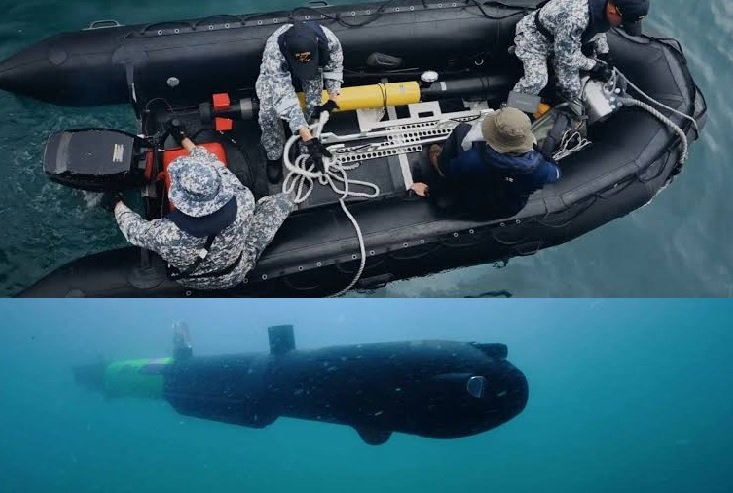
World
SINGAPORE — The Republic of Singapore Navy (RSN), in collaboration with the Defence Science and Technology Agency (DSTA) and French company RTsys Underwater Technologies, has officially deployed several COMET-MCM autonomous underwater vehicles (AUVs) to strengthen mine countermeasure operations in the Singapore Strait. The COMET-MCM systems are designed to detect, locate and identify naval mines and other suspicious objects on the seabed during the early stages of mine countermeasure missions. The deployment adds an autonomous capability to the RSN's existing mine countermeasure approach while reducing risks to personnel operating in potentially hazardous waters. Protecting One of the World's Busiest Shipping Routes The Singapore Strait is one of the world's busiest and most strategically important maritime routes. According to the announcement, nearly 150,000 ships pass through the strait each year, making it one of the most heavily used sea lanes for international trade. Any disruption caused by underwater threats such as naval mines could affect maritime traffic, regional shipping and trade across the Asia-Pacific. To strengthen maritime security, the RSN has introduced autonomous underwater technology that can carry out mine detection missions while reducing operator workload and limiting crew exposure to dangerous areas. COMET-MCM Designed for Early Mine Detection The COMET-MCM vehicles form part of the RSN's mine countermeasure operations and are used during the initial phase of missions to detect, locate and identify objects on the seafloor before further investigation and neutralization. The systems were developed by RTsys Underwater Technologies in partnership with DSTA, which managed the integration of the vehicles to meet the Singapore Navy's operational requirements. The autonomous vehicles are manufactured at RTsys's factory in Lanester, Brittany, France. Technical Capabilities The COMET-MCM is a two-man portable autonomous underwater vehicle measuring 1.9 meters in length, with a 150-millimeter hull diameter and weighing 35 kilograms. According to RTsys, the vehicle has a maximum operating depth of 300 meters and can reach speeds of up to 10 knots. It can operate for up to 20 hours at a cruising speed of 3 knots or approximately 7 hours at 7 knots. The system is equipped with a Klein high-resolution side-scan sonar and a low-light HD camera for underwater detection and identification missions. Its navigation suite includes GPS, inertial navigation, Doppler velocity log and Long Baseline (LBL) acoustic positioning, enabling accurate positioning while mapping large underwater areas. The COMET-MCM can operate either independently or as part of a coordinated fleet in swarm mode. Missions are preprogrammed before launch, allowing the vehicles to conduct autonomous operations while reducing operator workload, speeding reconnaissance and limiting the time crews spend in hazardous environments. During missions, the vehicles can transmit real-time tracking information to surface operators, complementing data collected by traditional minehunter sonar systems. Supporting Complete Mine Countermeasure Operations Data gathered by the COMET-MCM supports the full sequence of mine countermeasure operations, including detection, classification, identification and neutralization. When a potential mine or underwater contact is detected, it can be further examined using remotely operated systems or Explosive Ordnance Disposal (EOD) divers. The RSN also uses RTsys's SONADIVE handheld underwater navigation and sonar system to support divers during these missions. The system features a 12-inch display designed for underwater visibility, provides up to six hours of battery life, and allows divers to navigate accurately while communicating through an acoustic modem. It enables tactical data and text message exchanges with other divers and surface units at ranges of up to 2.2 kilometers. Decade-Long Cooperation The deployment reflects more than a decade of cooperation between the Republic of Singapore Navy, DSTA and RTsys in the field of autonomous underwater robotics. Pierre-Alexandre Caux, Sales Director at RTsys Underwater Technologies, said the operational deployment demonstrates international recognition of the company's underwater robotics and acoustic technologies. "The COMET-MCM is the result of more than a decade of cooperation with navies worldwide. Its operational deployment by the Republic of Singapore Navy is further recognition of our expertise in underwater robotics and acoustics. It demonstrates our ability to meet the demanding requirements of the world's most advanced navies in tackling the challenges of mine warfare. Finally, the COMET-MCM highlights how technological innovation can enhance national operational sovereignty." The Republic of Singapore Navy also emphasized the importance of the new capability for safeguarding a major international shipping route. "The Singapore Strait is a vital artery for global trade. With the COMET-MCMs, we are enhancing our ability to detect and identify underwater threats with greater precision, efficiency, and safety for our crews." The operational deployment of the COMET-MCM autonomous underwater vehicles strengthens the RSN's mine countermeasure capabilities by adding autonomous underwater detection and identification systems to support existing mine warfare operations while improving efficiency and reducing risks to personnel.
Read More → Posted on 2026-08-04 11:48:48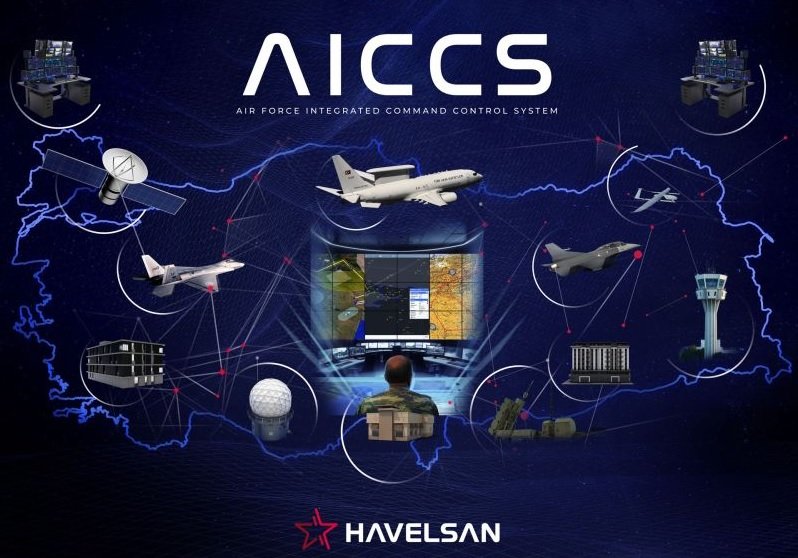
World
ANKARA / BAKU — Turkish defense technology company HAVELSAN has delivered selected critical capabilities of its Air Force Information Command and Control System (AICCS), also known as HvBS, to the Azerbaijani Air Force, marking another step in the growing defense cooperation between Türkiye and Azerbaijan in command and control technologies. The Air Force Information Command and Control System (AICCS) is designed to support the planning, execution, monitoring, and assessment of air operations through an integrated digital environment. By bringing key command and control functions into a unified digital architecture, the system enables air forces to manage operations more efficiently while improving coordination across operational headquarters. Integrated Command and Control for Air Operations According to HAVELSAN, the delivered capabilities allow personnel at operational headquarters to work with a common operational picture, manage mission and operational data in real time, centrally monitor mission-critical information, and accelerate operational decision-making. The company said the integrated architecture improves the speed, accuracy, and effectiveness of operational planning, coordination, and mission execution. It also reduces operational preparation time from several hours to just a few minutes, allowing air forces to respond more quickly and maintain greater operational agility during mission planning and execution. Battle Management and Resource Planning The AICCS architecture consists of two primary subsystems: the Battle Management System (BMS) and the Resources Management System (RMS). The Battle Management System (BMS) supports strategic, operational, and tactical command functions, while the Resources Management System (RMS) manages human resources, logistics, and financial activities. Together, these subsystems provide a comprehensive digital framework for managing air force operations. In addition to supporting operational planning and execution, the AICCS also supports intelligence and flight training processes. The system enables secure information exchange across different levels of command and allows operational plans to be adjusted in real time as mission conditions change. Open and Modular Architecture A key feature of the AICCS is its open and modular design, allowing it to integrate with existing command and control infrastructures while providing flexibility for future expansion as operational requirements evolve. The modular architecture enables the system to be adapted without replacing existing infrastructure, supporting long-term capability development for users. International Deployment HAVELSAN said the AICCS has already been exported to both Pakistan and Azerbaijan, reflecting the company's growing international presence in defense software and command and control technologies. The company also stated that the system has been examined by NATO and has successfully completed four of the six technical analysis and evaluation stages required under NATO's selection program, demonstrating its compatibility with demanding operational standards. Expanding Türkiye–Azerbaijan Defense Cooperation The latest delivery represents another milestone in defense industrial cooperation between Türkiye and Azerbaijan, particularly in the areas of defense software and command and control systems. HAVELSAN said the deployment highlights the increasing international adoption of its indigenous engineering capabilities and mission-critical defense software for allied air forces. The company did not disclose the contract value or the exact scope of the delivered capabilities.
Read More → Posted on 2026-08-04 11:40:35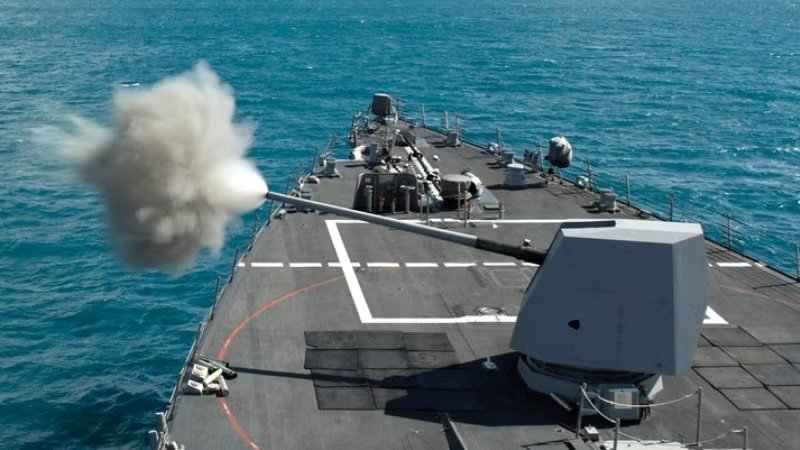
Europe
LONDON — Diehl Defence and BAE Systems have expanded their cooperation to develop joint maritime defence solutions for the German market and international armed forces, following the signing of a memorandum of understanding (MoU) covering technical integration across both companies' defence portfolios. The collaboration will primarily focus on integrating Diehl Defence's 127 mm (5-inch) ammunition family with BAE Systems' Mk 45 naval gun. The companies are giving particular attention to the Mk 45 Mod 4 variant, which is intended for both German and international customers. Under the cooperation, the Mk 45 naval gun will be combined with Diehl Defence's high-precision, long-range 127 mm ammunition. BAE Systems is one of the world's major suppliers of 127 mm naval gun systems and provides defence, aerospace and security technologies. The Mk 45 is a widely used 5-inch naval gun system operated by several navies. The Mk 45 Mod 4 version features a longer 62-calibre barrel and is designed to support extended-range capabilities. In addition to naval gun integration, the companies will expand their cooperation in guided missile systems. Diehl Defence and BAE Systems will examine the potential integration of the IRIS-T missile family with BAE Systems' launching systems as part of the technical work covered by the agreement. Dr. Harald Buschek, Chief Program Officer at Diehl Defence, said the partnership is intended to deliver tailored maritime defence solutions by combining the strengths of both companies. "By working together to explore these technical synergies, we can develop customized solutions for our customers' complex maritime defence requirements. By combining our systems with BAE Systems' platforms, we can enhance the effectiveness and operational capability of maritime defence systems." Jason Casciotti, Vice President of Weapons Systems at BAE Systems, said the cooperation reflects the company's commitment to supporting allied nations through long-term industrial partnerships. "Our collaboration with Diehl Defence builds on BAE Systems' commitment to meeting the needs of our allies through strong local strategic relationships. We are investing in more than just military equipment; we are investing in German defence and local economic growth. Advanced firepower will continue to play a critical role at sea and by combining our battle-tested capabilities, we are focused on delivering superior, integrated solutions that provide the best possible capabilities for the US and its allies." The cooperation brings together Diehl Defence's ammunition and missile technologies with BAE Systems' naval weapons portfolio. According to the companies, the next phase of the partnership will focus on advancing the technical work required for the proposed integrations. The announcement was published by Diehl Defence on August 3, 2026.
Read More → Posted on 2026-08-03 16:20:46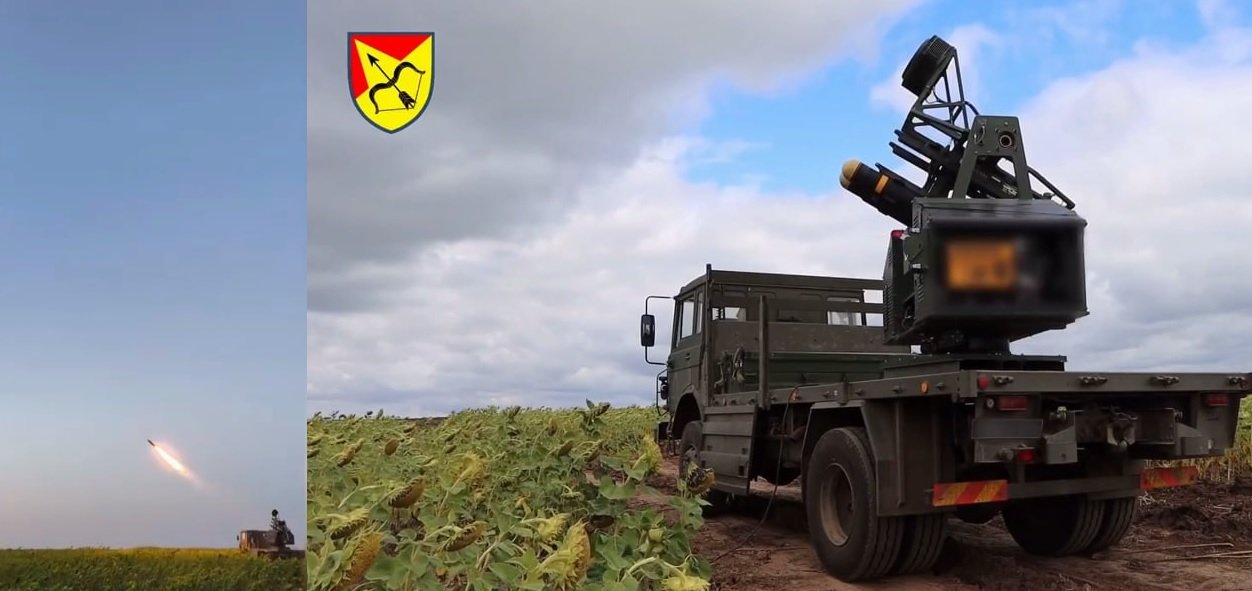
World
KYIV, Ukraine — Ukraine's 302nd Air Defense Missile Brigade has officially unveiled a mobile version of the STASH short-range air defense system, marking the first formal public presentation of the platform by the Ukrainian military. The system was shown in an official video released by the brigade. In its latest configuration, the launcher is mounted on a Dutch-made DAF YA 4442 military transport truck, replacing earlier trailer-mounted and pickup truck versions that had only appeared in unofficial footage and open-source reports. STASH is built around the AGM-114L Longbow Hellfire, an American-made missile originally developed as an air-to-ground weapon for helicopters and aircraft to destroy tanks and armored vehicles. Unlike laser-guided Hellfire variants, the AGM-114L uses a millimeter-wave active radar seeker, allowing it to operate in fire-and-forget mode by locking onto targets after launch without requiring continuous guidance. The launcher carries up to four Hellfire missiles and is paired with RADA's Multi-Mission Hemispheric Radar, an active electronically scanned array (AESA) radar designed to detect and track low-signature aerial targets such as small drones. The system is intended primarily to counter unmanned aerial vehicles (UAVs), including Shahed and Geran-type attack drones. With an engagement range of approximately 8 to 11 kilometers and a flight speed of about Mach 1.3 (roughly 425 meters per second), STASH falls into the short-range air defense (SHORAD) category. It is designed for defending specific sites against slow-moving drones and is not intended to intercept faster threats such as cruise missiles or ballistic missiles. STASH shares its core missile and radar components with the Tempest counter-drone system developed by the American company V2X, which has reportedly been used by Ukrainian forces since early 2026. However, STASH uses a simpler truck- or trailer-mounted configuration that is better suited for protecting fixed locations while reducing complexity and maintenance requirements. The move to the DAF YA 4442 platform indicates Ukraine's efforts to standardize the system on a more practical and mobile chassis. Using a common military truck allows faster deployment, easier relocation, and simpler logistics while expanding short-range air defense coverage. The STASH system forms part of Ukraine's layered air defense network, providing localized protection against low-altitude drone threats while allowing higher-end air defense systems to remain available for more advanced aerial targets.
Read More → Posted on 2026-08-03 15:35:24
U.S
SAN FRANCISCO — U.S.-based robotics startup Foundation Future Industries has tested its humanoid robots in Ukraine for logistics and reconnaissance missions, marking an early step in evaluating the technology for potential military support roles while continuing development for industrial applications. Founded in 2024, the San Francisco company, also known as Foundation Robotics, developed the Phantom humanoid robot, which stands about 5 feet 9 inches tall, weighs approximately 180 pounds, and can carry a 44-pound payload. The company has secured approximately $24 million in research contracts from the U.S. Army, Navy, and Air Force to study the use of humanoid robots for inspection, logistics, and weapons handling. Earlier this year, Foundation deployed two unarmed Phantom MK-1 robots to Ukraine for logistics and scouting tasks. According to the company, this was the first known use of humanoid robots in an active combat zone. The robots were used for supply pickup operations and movement through hazardous areas, helping perform tasks that normally expose soldiers to risk. Foundation plans to send an upgraded Phantom 2 later this year. The company says the new model is expected to offer roughly double the payload capacity along with improved water and dust resistance. Focus on Military Support CEO and co-founder Sankaet Pathak said the company's current focus is on logistics and reconnaissance, not combat operations. He said humanoid robots could reduce risks to military personnel by operating in dangerous areas before soldiers. Pathak also said Foundation would build armed versions of the Phantom if requested by the U.S. military. The company said any use of force is intended to remain under human control in most situations, although Pathak noted that fully autonomous decisions could be required in some time-sensitive scenarios. Foundation is also exploring "kinetic" systems, referring to weapons-related capabilities, and may present related developments in the coming months. The U.S. military has not publicly deployed humanoid robots in combat roles, and Pentagon policy continues to emphasize human judgment in decisions involving the use of force. Foundation's military agreements remain at the research and testing stage. Dual-Use Platform and Expansion Plans Foundation says the Phantom is designed as a dual-use platform for both military and commercial applications. The robots have also been tested in logistics and manufacturing environments. The company says the humanoid design enables the robot to work with existing tools, equipment, buildings, and stairways without requiring changes to current infrastructure. Foundation has partnered with AMD on processors for future models and plans to lease its robots rather than sell them outright. The company plans to build around 40 robots in the near term, increase production to 10,000 units the following year, and reach tens of thousands of robots by the end of 2027, with reports citing targets between 40,000 and 50,000 units. Government Contracts and Future Plans Eric Trump, son of the U.S. president, is an investor and the company's chief strategy adviser. Foundation and Trump's representatives have said he has no role in day-to-day management or decisions involving government contracts. Foundation says its work supports U.S. manufacturing and competitiveness with China in the robotics sector. The company expects lessons from the Ukraine deployment to support future work with the U.S. military and aims to begin broader deployment discussions within the next 12 to 18 months. It has also reported discussions with the Department of Homeland Security on possible non-combat applications, including border-related tasks. Debate Over Autonomous Weapons The development of humanoid military robots continues to draw debate among governments, human rights organizations, and technology experts. The United Nations Secretary-General has called for international rules to restrict or ban lethal autonomous weapons systems, while the Catholic Church has also expressed opposition to autonomous weapons. Critics warn that greater autonomy in military systems could increase the risk of targeting errors, reduced accountability, and faster conflict escalation. Supporters, including Pathak, argue that robots could improve operational precision and reduce risks to both soldiers and civilians by performing the most dangerous tasks. Experts also note ongoing technical challenges, including reliable navigation, object manipulation, and performance in damaged or complex terrain, while questioning whether humanoid robots will ultimately prove more practical than other robotic systems already in service. As of August 2026, the Phantom remains unarmed in all reported field deployments. Foundation continues developing the platform for industrial and defense applications as debate over the future role of humanoid robots in military operations continues.
Read More → Posted on 2026-08-03 15:21:54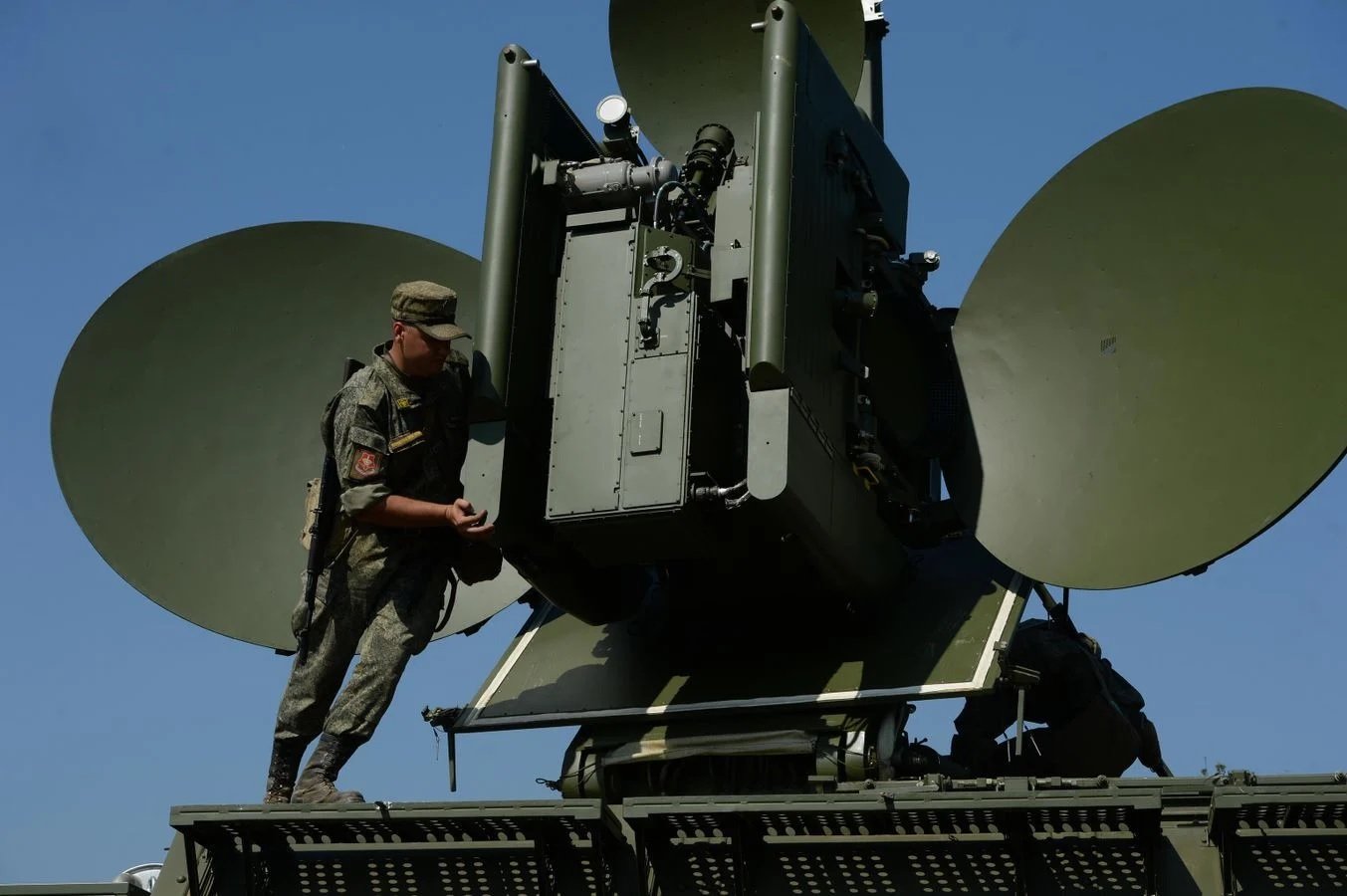
World
Kyiv — Russia has expanded the deployment of electronic warfare (EW) systems along the Novorossiya highway and border regions, making it more difficult for Ukrainian forces to carry out drone strikes, according to Serhii "Flash" Beskrestnov, an electronic warfare specialist and advisor to Ukraine's Ministry of Defense. Beskrestnov said Ukrainian forces had previously conducted active attacks on Russian infrastructure using medium-range unmanned aerial vehicles (UAVs), particularly during June and July. Those strikes targeted several sections of the Novorossiya highway, disrupting traffic and logistics while affecting travel to the Crimean Peninsula and the supply of the region. According to Beskrestnov, Russian forces have responded by expanding the use of electronic warfare systems designed to interfere with Starlink satellite communication terminals used for drone control. Ukrainian drone operators are recording increased activity from these systems, which has made remote control of attack drones more difficult. He also stated that Russia has established a radiographic network along border areas and key highways, while anti-aircraft interceptor drones are conducting regular patrols over the roads. These combined measures have significantly complicated Ukrainian drone operations along the corridor. The Novorossiya highway, also known as the R-280 route, serves as a major land corridor connecting Russian-controlled areas in southern Ukraine with Crimea and is used for military logistics. Independent reporting has previously confirmed that Ukrainian medium-range drone operations targeted vehicles, fuel transports, and related infrastructure along the route earlier in 2026, leading to temporary traffic restrictions and reported supply challenges in occupied territories. New EW System Targets Starlink Communications Beskrestnov identified one of the newly deployed Russian systems as the Volna Kupol Garant, which he said is designed to disrupt Starlink satellite communications rather than directly jamming the drone itself. According to his description, the system was developed by the Simferopol-based company Russian Kupol and operates using eight satellite dishes pointed toward the sky. Each dish transmits interference on one of Starlink's communication channels within the 14 to 14.5 GHz frequency range, with the goal of preventing satellites from communicating with ground-based Starlink terminals. Beskrestnov said a single Volna Kupol Garant complex is mounted on six trailers and can disrupt Starlink communications across an area of approximately 20 square kilometers. The increased use of Starlink-equipped drones has become an important feature of the conflict because satellite communications allow operators to maintain control over UAVs across long distances, where conventional ground-based jamming systems have historically been less effective. Battlefield Impact and Countermeasures According to Beskrestnov, the new electronic warfare network, combined with interceptor drone patrols, has reduced the effectiveness of Ukrainian drone strikes along the Novorossiya highway, at least in the near term. He added that Ukrainian specialists are continuing to develop alternative approaches to overcome the new defensive measures. He also noted that the Volna Kupol Garant system has a potential weakness. Because it emits strong radio-frequency signals and consists of multiple large antenna arrays, it is relatively easy to detect. Beskrestnov stated that Ukraine's 422nd Separate UAV Battalion has already located and destroyed at least two of these complexes in recent weeks. Russian forces have also introduced other protective measures, including changes to convoy operating practices, alongside the deployment of electronic warfare systems. Some of the EW installations themselves have reportedly been targeted during Ukrainian operations. The developments reflect the continuing technological competition between the two sides, with both adapting their tactics as electronic warfare, satellite communications, and unmanned systems play an increasingly important role in operations along the front.
Read More → Posted on 2026-08-03 15:04:25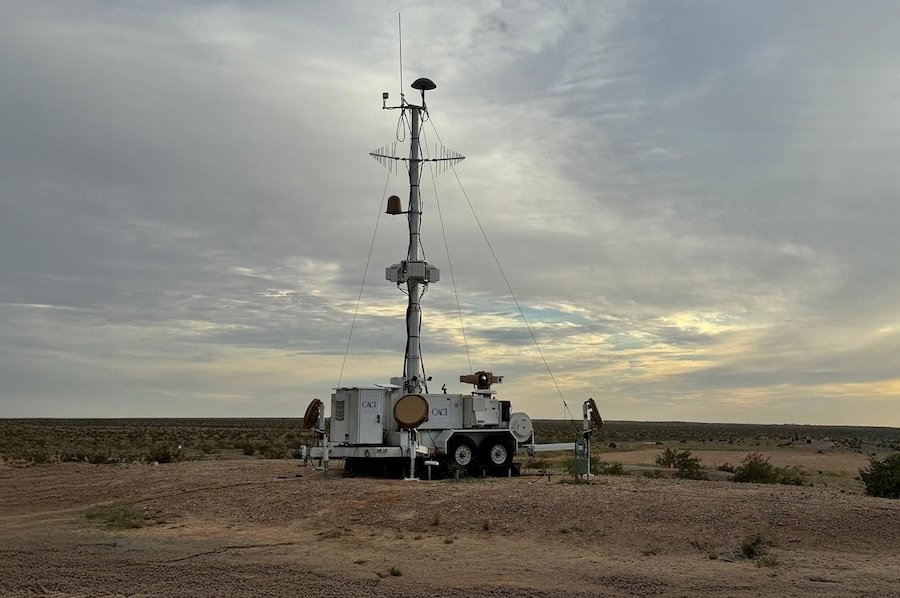
U.S
WASHINGTON — The U.S. Department of Defense has awarded CACI International a three-year indefinite-delivery/indefinite-quantity (IDIQ) contract worth up to $500 million to provide its SkyValor counter-unmanned aerial system (C-UAS) and related technologies to the U.S. military. The contract will support the Pentagon's Joint Interagency Task Force 401 (JIATF-401), which oversees day-to-day counter-drone operations and related procurements across the joint force. The effort is part of Domestic Shield, a JIATF-401 initiative focused on strengthening drone defense for U.S. military installations, borders, and critical infrastructure. According to the U.S. Department of Defense, the Army Contracting Command at Detroit Arsenal, Michigan, awarded the firm-fixed-price contract on July 28, 2026, following a competitive process that received 50 bids. The contract is scheduled to run through July 15, 2029. The initial task order, valued at $25 million, covers the delivery of SkyValor systems for deployment at critical mission locations. Neither the Department of Defense nor CACI has publicly identified the deployment sites or disclosed how many systems will ultimately be delivered under the agreement. SkyValor Designed for Continuous Counter-Drone Operations SkyValor is a trailer-based counter-drone system designed to detect, track, and defeat hostile unmanned aircraft systems. It provides early warning, long-range detection, and non-kinetic defeat capabilities against both small and larger drones, including cellular-enabled platforms. According to CACI, the system combines automated sense-and-shoot algorithms, radio-frequency sensing, and artificial intelligence-enabled electronic warfare. In some cases, SkyValor can jam drone targets from more than 40 miles away. It also offers low-collateral defeat options, including capture nets that can engage targets from about four miles away, helping reduce risks to surrounding areas. The company said the system is designed for 24/7 automated sensing and can address threats ranging from small first-person-view (FPV) drones to larger Group 5 unmanned aircraft. Additional Variants Included Under the Contract The IDIQ contract provides JIATF-401 with flexibility to order additional CACI counter-drone systems as part of a layered defense approach. These include: CORIAN v3, a permanent fixed-site version of the SkyValor system focused on radio-frequency capabilities. BEAM (Backpackable Electronic Attack Module), a portable, low size, weight, and power system that provides radio-frequency detection, direction finding, and electronic attack capabilities. According to the company, both systems can be configured for fixed or mobile operations. A separate contract will also provide a truck-mounted variant of SkyValor, giving military forces a highly mobile counter-drone capability. Operational Testing Led to Full-Rate Production Before the contract award, JIATF-401 conducted operational evaluations of SkyValor at Marine Corps Air Station Yuma, Arizona. During the testing, the system successfully detected and defeated multiple small unmanned aircraft systems operating beyond visual line of sight. Following the evaluations, JIATF-401 approved SkyValor for deployment at critical sites, and CACI announced that the system has entered full-rate production. The new award follows an earlier JIATF-401 Commercial Solutions Opening contract for four SkyValor units, including one integrated onto a heavy-duty truck. Officials Highlight Need for Layered Drone Defense Col. Tony Lindh, Deputy Director for Rapid Acquisitions at JIATF-401, said the contract structure provides the flexibility needed to rapidly field counter-drone technologies. "Moving at the speed of relevance requires acquisition reform and contracts like this enable the procurement agility we need to rapidly deliver c-UAS technology to our warfighters," Lindh said. He added that using an IDIQ contract helps avoid overly specific product-focused programs and allows the task force to procure multiple systems because no single solution can address every drone threat. CACI President and Chief Executive Officer John Mengucci said the company is preparing to deliver operational systems following successful testing. "Warfighters need a decisive advantage against drone threats that are faster, more accessible, and harder to detect. With successful operational evaluations complete, we are moving SkyValor into full-rate production to deliver mission-ready protection where it is needed most," Mengucci said. The contract is part of the Department of Defense's ongoing effort to expand counter-drone capabilities as the military continues to strengthen protection for personnel, installations, and other critical locations through a layered air defense approach. Neither CACI nor JIATF-401 has disclosed the total number of SkyValor systems expected to be procured under the agreement beyond the initial task order.
Read More → Posted on 2026-08-03 14:52:15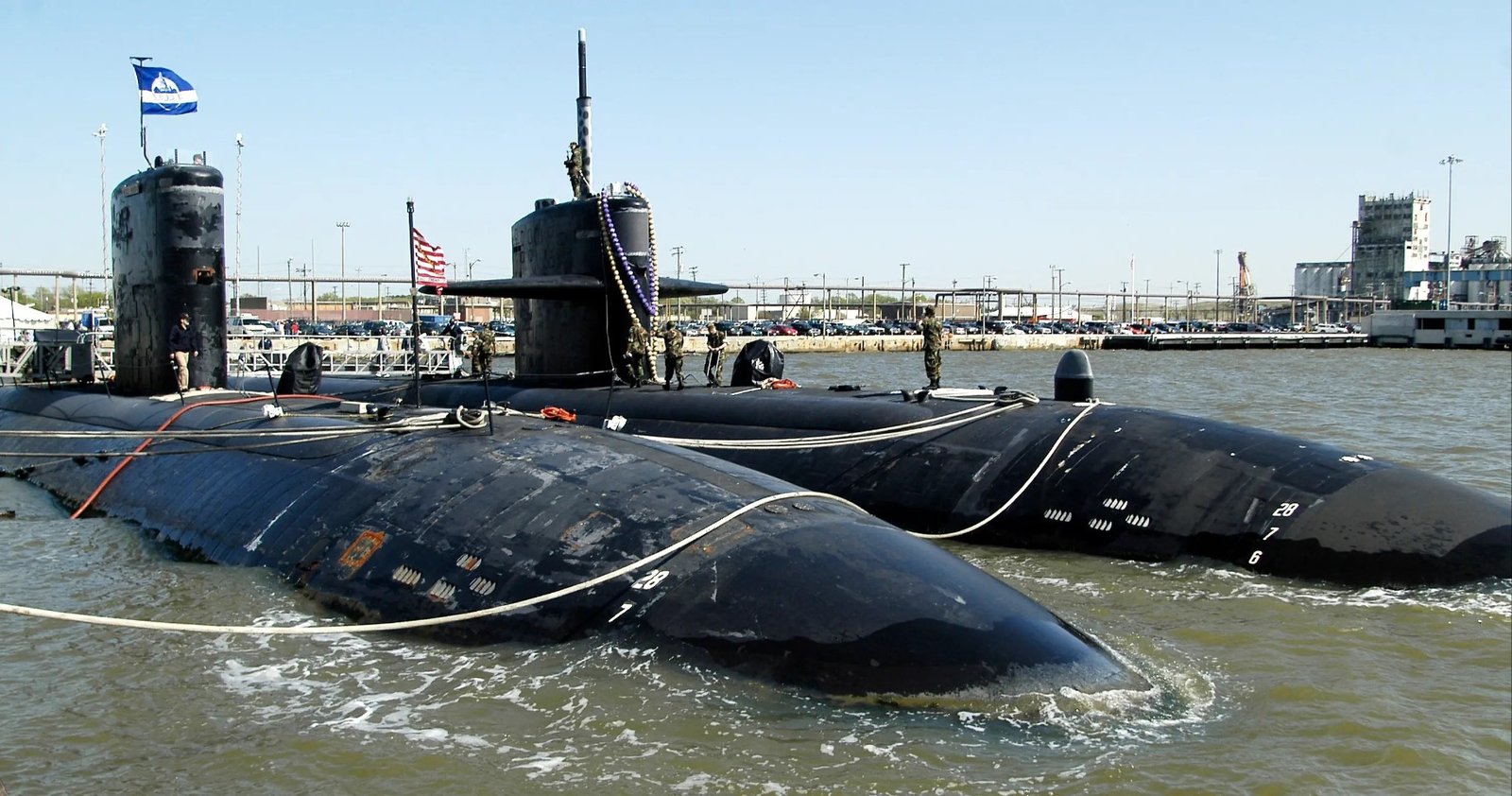
U.S
WASHINGTON — The United States remained the world's largest arms exporter during the 2021–2025 period, accounting for 42% of global major arms exports, according to the Stockholm International Peace Research Institute (SIPRI). The figure represents an increase from 36% in 2016–2020, while France ranked second with a 9.8% share. Despite its dominant position in the global defense trade and one of the world's largest defense industrial bases, the United States has remained absent from one of the most valuable segments of the international arms market—the export of conventional submarines. Recent procurement programs by two close US partners illustrate this gap. On July 6, 2026, Canadian Prime Minister Mark Carney announced that Germany's ThyssenKrupp Marine Systems (TKMS) had been selected as the preferred supplier for the Canadian Patrol Submarine Project (CPSP). Negotiations are underway for a fleet of up to 12 conventionally powered submarines, in what the Canadian government has described as the country's largest defense procurement program. Estimates place the project value at roughly US$30 billion or more, depending on the final scope and industrial participation. South Korea's Hanwha Ocean was the other shortlisted bidder. At the same time, India is advancing Project 75(I). Negotiations between TKMS and Mazagon Dock Shipbuilders for the construction of six Type-214 conventional submarines have reached an advanced stage. Cost discussions have been completed, and the agreement—valued at around €8 billion (approximately Rs 90,000 crore)—is expected to move toward approval by the Cabinet Committee on Security (CCS) and could be signed in the coming months, possibly as early as September 2026. Although both Canada and India are strategic partners of the United States, no US defense company participated as a bidder in either submarine program. A Navy Built Around Nuclear Submarines The United States operates one of the world's largest submarine fleets. According to Global Firepower's 2026 assessment, both the United States and Russia operate 66 submarines each, while China fields 61. However, the composition of these fleets differs significantly. The US Navy's entire combat submarine fleet is nuclear-powered, while Russia and China continue to operate a combination of diesel-electric and nuclear-powered submarines. This was not always the case. Following the Second World War, the United States possessed a large fleet of diesel-electric submarines. More than 200 submarines had been built during the war, and 232 remained in commission afterward. Between the early 1950s and the 1970s, the US transferred many of these submarines to allied nations, including Turkey, Spain, Italy, Greece, the Netherlands, Canada and Taiwan. During that period, the United States accounted for roughly one-quarter of global diesel-electric submarine exports. The direction of US submarine development changed permanently in 1954 with the commissioning of USS Nautilus, the world's first nuclear-powered submarine. Nuclear propulsion provided virtually unlimited submerged endurance, higher sustained underwater speed and global operating range. Following Nautilus, the US Navy built only three additional diesel-electric attack submarines—the Barbel class. By the early 1960s, all newly built US combat submarines were nuclear-powered. The final diesel-electric attack submarine, USS Blueback, was decommissioned in 1990, completing the Navy's transition to an all-nuclear submarine force. The United States has not exported a submarine since 1973, when two Tench-class submarines, including USS Cutlass (later commissioned by Taiwan as ROCS Hai Shih), were transferred to Taiwan. Why the United States Does Not Export Submarines Several long-standing policy, legal and industrial factors explain why the United States remains outside today's international submarine market. Protection of Advanced Technology Modern US nuclear-powered submarines, including the Virginia-class, incorporate highly sensitive technologies such as nuclear propulsion systems, acoustic quieting methods, sonar suites and combat systems. These technologies are protected under the US Munitions List, the International Traffic in Arms Regulations (ITAR), the Arms Export Control Act, and additional restrictions contained in the Atomic Energy Act, making their export subject to strict legal controls. Naval Strategy and Security Considerations The US Navy has historically opposed the widespread export of advanced submarine technology, particularly modern diesel-electric submarines. Navy officials have argued that the global proliferation of increasingly quiet conventional submarines could complicate future US naval operations in coastal and littoral waters. For this reason, Washington has maintained strict control over submarine-related technologies for decades. Industrial Capacity Industrial capacity is another major factor. US shipyards are currently focused on meeting domestic naval requirements, with plans to increase Virginia-class submarine production to two to three boats annually through the 2040s. Existing production commitments leave little additional capacity for export construction even if policy restrictions were eased. Rare Exceptions to US Policy The United States has rarely shared nuclear submarine technology. The first exception is the 1958 US–UK Mutual Defense Agreement, which established long-term cooperation on nuclear propulsion between the United States and the United Kingdom, beginning with the reactor used in HMS Dreadnought. This arrangement is considered alliance cooperation rather than a commercial export program. The second exception is the AUKUS security partnership announced in 2021. Under current plans, the United States intends to transfer up to three Virginia-class nuclear-powered attack submarines to Australia beginning in the early 2030s. Australia will later build its own nuclear-powered submarines based on a future UK-Australian design under the AUKUS framework. Nuclear Submarine Transfers Remain Extremely Rare Only six countries operate nuclear-powered submarines: the United States, Russia, China, France, the United Kingdom and India. The only known transfers of nuclear-powered submarines have been two Soviet/Russian leases to India—the Charlie I-class K-43 (INS Chakra, 1988–1991) and the Akula-class INS Chakra II (2012–2021). China has exported conventional submarines, including an agreement to supply eight Hangor-class diesel-electric submarines to Pakistan under a program valued at about US$5 billion, but it has not transferred nuclear propulsion technology. European and Asian Shipbuilders Dominate the Market Because the United States no longer builds diesel-electric submarines, maintains strict controls on nuclear propulsion technology and remains focused on domestic submarine production, it has effectively stayed outside the international conventional submarine market. As a result, major conventional submarine export programs continue to be led by shipbuilders in Germany, France, Russia, China, Spain and South Korea, while recent procurement decisions in Canada and India further reinforce the absence of US defense companies from this sector. Source : eurasiantimes
Read More → Posted on 2026-08-03 14:14:06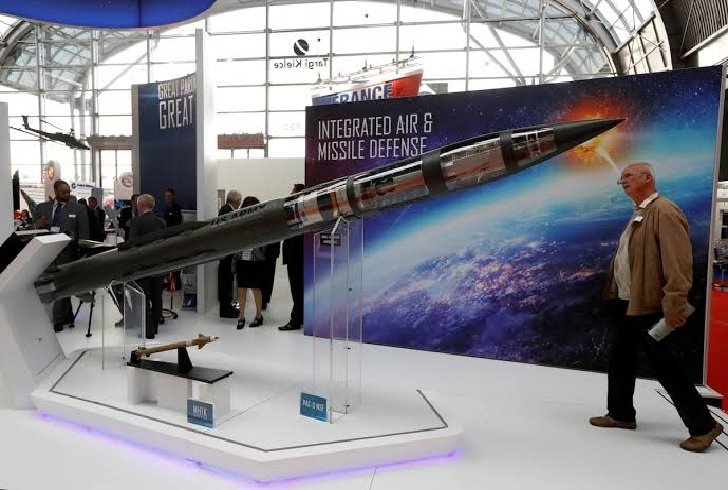
U.S
ARLINGTON, Va. — Northrop Grumman has signed two multiyear framework agreements worth more than $3 billion with the U.S. Department of War and Lockheed Martin to expand production of critical components for the Patriot Advanced Capability-3 Missile Segment Enhancement (PAC-3 MSE) and Terminal High Altitude Area Defense (THAAD) missile interceptor systems. The agreements are designed to provide long-term production certainty for suppliers, allowing investments in manufacturing facilities, supply chains, and workforce expansion to increase the output of key air and missile defense components for the United States and allied partners. The announcement comes as the United States continues efforts to replenish air defense inventories following extensive use of missile defense systems in recent conflicts, including Ukraine and Iran. It also follows the recent expansion of Lockheed Martin's Patriot interceptor contract, which increased to nearly $59 billion. Two Framework Agreements The agreements are divided into two separate programs covering components for the PAC-3 MSE and THAAD interceptor systems. The first agreement, valued at approximately $2 billion, covers the production of solid rocket motors and ignition safety devices for the PAC-3 MSE interceptor. Under the agreement, Northrop Grumman will serve as a second source for PAC-3 MSE solid rocket motors while also increasing production of ignition safety devices. The PAC-3 MSE interceptor uses hit-to-kill technology and is powered by a dual-pulse solid rocket motor that improves interceptor performance in altitude and range. The second agreement, worth approximately $1 billion, is a seven-year framework focused on THAAD components. Northrop Grumman said the agreement is expected to quadruple its THAAD component production while significantly increasing monthly deliveries. According to the U.S. Department of War, the two agreements are intended to help triple PAC-3 interceptor production and quadruple THAAD production, supporting higher output of missile defense systems. Production Capacity Expansion To support the increased production requirements, Northrop Grumman is expanding manufacturing capacity across several U.S. facilities. At its Utah facilities, the company is doubling solid rocket motor production capacity. At the Allegany Ballistics Laboratory in Rocket Center, West Virginia, production capability for tactical solid rocket motors is being nearly tripled, with the expansion targeted for completion by 2027. The company's Elkton, Maryland, facility is also increasing production capacity by 25 percent. These investments support the U.S. Army's objective of increasing annual PAC-3 MSE missile production from approximately 600 interceptors per year to thousands of units in the near term. THAAD Component Manufacturing Northrop Grumman has supplied components for the THAAD interceptor program since 2002. The company manufactures interceptor shell cores, aft bulkheads, heat shield assemblies, along with structural components including mid-body shells, muzzle covers, and rail car assemblies. Production takes place at the company's San Diego, California, facility, which uses proprietary bonding technology designed for high-temperature kinetic intercept missions and has operated for approximately 50 years. Company and Government Statements Ben Davies, corporate vice president at Northrop Grumman, said the company's investments in manufacturing and supply chains have positioned it to rapidly increase production. "Our long-term investments in breakthrough manufacturing technologies and resilient supply chains let us pivot from steady production to a production surge in record time. As one of America's leading producers of solid rocket motors, we're supporting the administration's push to accelerate munitions output." Davies said the agreements provide the production capacity needed to meet growing defense requirements. Michael P. Duffey, Under Secretary of War for Acquisition and Sustainment, said the framework agreements are an important part of expanding missile interceptor production. "Building the Arsenal of Freedom requires robust, dynamic supply chains at every level of the industrial base. Framework agreements with munition components suppliers like Northrop Grumman are vital to accelerating the tripling of PAC-3 and quadrupling of THAAD interceptor production." Long-Term Investment in Missile Production Northrop Grumman said it has invested more than $2 billion in munitions technologies and manufacturing facilities since 2019, including more than $1 billion dedicated to solid rocket motor production. Over more than 70 years of propulsion manufacturing, the company has delivered more than 1.3 million solid rocket motors. Its portfolio also includes fixed ammunition, warheads, and fuzes supplied to all branches of the U.S. military. The Department of War said the agreements also reflect a broader acquisition strategy that directly engages key component suppliers alongside prime contractors. The approach is intended to provide manufacturers with long-term demand certainty, enabling investments in production capacity, tooling, facility upgrades, and workforce development. The initiative involves the Munitions Acceleration Council, the Economic Defense Unit, the Missile Defense Agency, and the Office of the Under Secretary of War for Acquisition and Sustainment as part of efforts to strengthen the U.S. missile defense industrial base.
Read More → Posted on 2026-08-03 14:01:01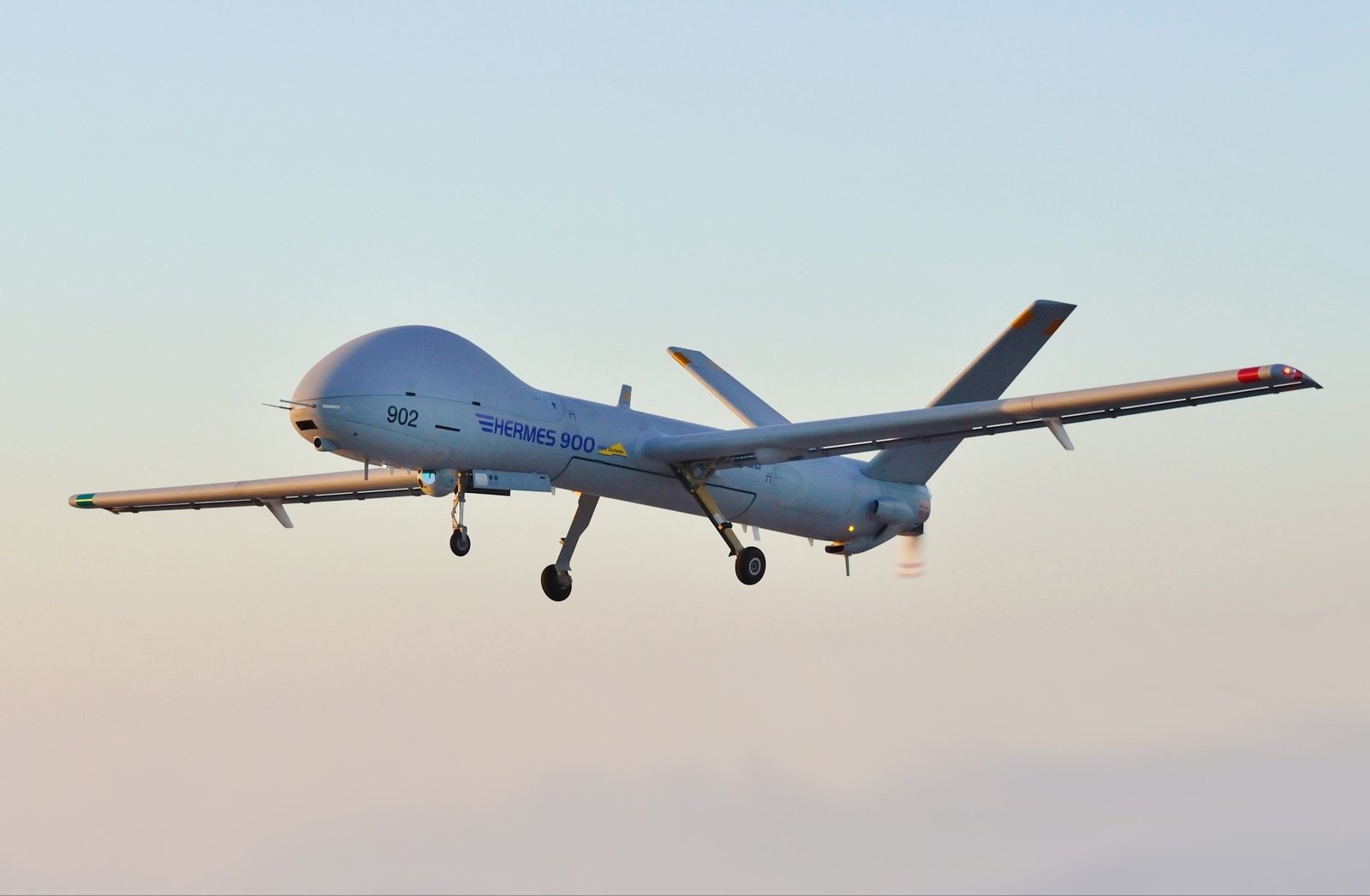
World
TEL AVIV — Leaked internal documents from Israeli defense company Elbit Systems indicate the company held advanced discussions with the United Arab Emirates (UAE) over the possible sale of drones, loitering munitions, and intelligence systems valued at up to approximately $1.3 billion, according to documents published by hacker group Handala and reports by multiple media outlets. The documents, which cover the period from late 2021 to early 2023, include internal correspondence, pricing proposals, sales presentations, and requests from the UAE related to advanced surveillance and intelligence capabilities. However, the leaked material does not confirm whether the specific transactions described were ultimately completed. The documents were published by the pro-Iran hacker group Handala, which claimed it obtained the files after compromising the private Gmail account of an Elbit Systems official who allegedly used the account for internal business communications. The contents were first reported by Drop Site News and later covered by Haaretz, The Times of Israel, and other media outlets. Hermes 900 and SkyStriker proposals According to a 2021 internal Elbit memo cited in the reports, Israel's Defense Ministry approved the company to offer the Hermes 900 surveillance drone and SkyStriker short-range loitering munitions to the UAE. The Hermes 900 is one of Elbit's advanced unmanned aerial systems, designed to provide high-resolution, multi-angle surveillance imagery that operators can review in real time. The leaked correspondence shows that in March 2022, approximately two months after Iran-backed Houthi rebels launched attacks on an airport and oil facilities in Abu Dhabi, the UAE submitted an urgent request for six Hermes 900 systems, with each system consisting of three aircraft. Elbit proposed a price of $40 million per system. According to the leaked documents, the UAE later expressed interest in increasing the planned purchase to 15 systems, bringing the potential value of the proposed deal to about $1.3 billion. Separate documents cited by Drop Site News describe an April 2022 proposal from Elbit's UAE subsidiary covering two Hermes 900 systems—a total of six aircraft—along with SkEye wide-area surveillance sensors, ground control stations, training, logistics support, and related equipment. That package was valued at approximately $154 million, while additional upgrades increased the proposed value to around $225 million. Internal notes described the requirement as urgent and stated the systems were intended to improve detection of missile and drone launches beyond UAE borders while also supporting domestic security missions. Hermes 650 and intelligence capabilities The leaked archive also shows Elbit presenting its Hermes 650 unmanned aircraft to the UAE in March 2023, about one year before the drone was publicly unveiled at a defense exhibition in Singapore. According to the presentation, the Hermes 650 includes signal intelligence (SIGINT) and electronic warfare capabilities. The sales material also stated that the platform can operate alongside Elbit's SkyStriker loitering munitions and attack drones produced by Aeronautics, another Israeli defense company. The documents further include an undated confidential Emirati "airborne SIGINT wish list", requesting four Elbit surveillance aircraft together with cyber, electronic warfare, and related intelligence capabilities to be delivered within 42 months of reaching an agreement. Growing Israel-UAE defense cooperation Elbit Systems established an office in the UAE after Israel and the UAE normalized diplomatic relations under the 2020 Abraham Accords, which opened the way for expanded defense and commercial cooperation between the two countries. The company has publicly confirmed only one defense contract with the UAE—a $53 million agreement announced in January 2022 to supply defense systems for Emirati aerial refueling aircraft. In November 2025, Elbit announced a separate $2.3 billion contract to provide unspecified "strategic equipment" to an unnamed international customer. French publication Intelligence Online, later cited by Globes and other media outlets, reported that the customer was the UAE. The reported contract was described as covering electronic defense systems for aircraft, with deliveries planned over an eight-year period. Company response Elbit Systems declined to comment on the reported negotiations. In a statement quoted by Haaretz, the company said it "does not comment on business matters relating to its customers" and added that "the materials presented do not accurately reflect the company's business activities." The UAE Ministry of Defense has not publicly commented on the reports. Regional security context Defense cooperation between Israel and the UAE has continued to expand amid regional security challenges. During the conflict involving Iran that began on February 28, Israel deployed Iron Dome air defense systems and operating personnel to the UAE. According to contemporaneous reports, the deployment was authorized by Israeli Prime Minister Benjamin Netanyahu following discussions with UAE President Mohamed bin Zayed Al Nahyan. The deployment marked the first reported operational use of the Iron Dome system outside Israel or the United States. The systems intercepted Iranian missiles launched toward the UAE during the conflict. Iron Dome is produced by Rafael, the parent company of Aeronautics. The leaked documents, however, do not include signed contracts, delivery records, or other evidence confirming that the proposed Hermes drone sales discussed between 2021 and 2023 were finalized. Publicly confirmed records remain limited to Elbit's 2022 aircraft protection contract with the UAE and the separate $2.3 billion strategic equipment contract announced in 2025, which has been widely reported to involve the UAE but has not been officially identified by Elbit. Source : timesofisrael
Read More → Posted on 2026-08-03 13:47:56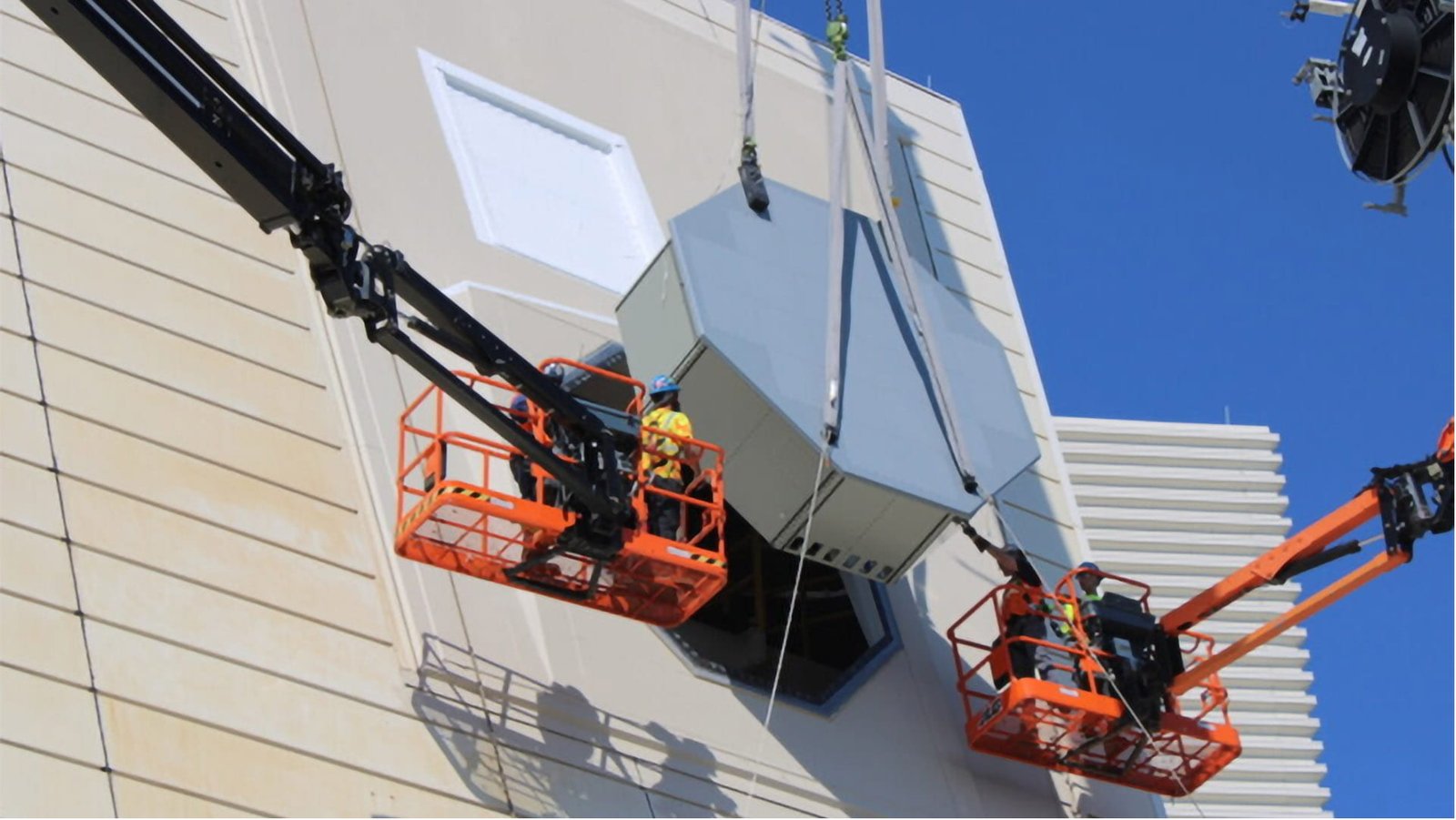
U.S
WALLOPS ISLAND, Va. — Raytheon, an RTX business, has delivered and installed the first SPY-6(V)4 radar array at the U.S. Navy's Surface Combat Systems Center on Wallops Island, Virginia, marking a significant milestone in the Navy's Flight IIA Arleigh Burke-class destroyer modernization program and the broader SPY-6 backfit program. The installation is the first step toward validating the radar system before it is deployed aboard an operational destroyer. Shore-based testing at Wallops Island is expected to reduce the amount of testing required after installation on a ship, helping shorten shipyard time and support a more efficient upgrade process. Land-Based Testing Before Ship Installation The Surface Combat Systems Center at Wallops Island provides an open-water environment along the Atlantic Ocean, allowing engineers to evaluate the radar in conditions similar to those at sea. Before being installed aboard a warship, the SPY-6(V)4 will undergo a comprehensive series of tests to verify integration with its dedicated power system and ensure compatibility with the Navy's combat systems. According to Raytheon, conducting these evaluations ashore will reduce the amount of shipboard testing required during installation. "By leveraging the Wallops test site, we'll be able to integrate SPY-6(V)4 with its dedicated power system before it reaches the ship, reducing the amount of testing needed on DDG 91," said Barbara Borgonovi, president of Naval Power at Raytheon. "That means less time in the shipyard, more time dedicated to the mission, and a smoother path for future backfit ships." Initial testing is scheduled to begin later this year and continue through mid-2028. USS Pinckney to Become the First Ship Equipped with SPY-6(V)4 The first destroyer selected to receive the new radar is USS Pinckney (DDG 91). The ship is scheduled to undergo its radar modernization from late 2026 through 2028. By completing extensive testing at Wallops Island before ship installation, the U.S. Navy and Raytheon aim to keep the program on schedule while simplifying the transition from shore-based evaluation to operational deployment. Designed Specifically for Flight IIA Destroyers The SPY-6(V)4 is one of four variants in Raytheon's SPY-6 radar family and is the only version specifically developed for installation on existing Flight IIA Arleigh Burke-class destroyers. As part of the Navy's DDG MOD 2.0 modernization program, the radar is intended to replace the legacy AN/SPY-1D(V) radar currently installed on these ships. The radar features four fixed phased-array faces, with 24 Radar Modular Assemblies (RMAs) on each face. The modular architecture provides continuous 360-degree coverage while supporting scalability, improved reliability and lower maintenance requirements. Improved Detection and Tracking Capability Compared with the legacy AN/SPY-1D(V), the SPY-6(V)4 offers higher sensitivity, greater power density through gallium nitride (GaN) technology, improved detection of smaller and faster threats at longer ranges, and the ability to track substantially more targets simultaneously. The radar is designed to detect and defend against a wide range of threats, including: Ballistic missiles Hypersonic missiles Cruise missiles Hostile aircraft Anti-air threats Anti-surface threats It also supports electronic warfare operations while maintaining performance in complex clutter environments. Wallops Testing Supports Fleet Modernization The Wallops Island testing effort brings together the U.S. Navy, NASA's Wallops team, and industry partners. The objective is to validate the radar's performance and system integration before shipboard installation, reducing testing requirements for individual vessels and supporting a more efficient modernization process across the fleet. SPY-6 Family Continues to Expand The SPY-6 family shares common hardware and software across all variants, allowing the U.S. Navy to use a modular radar architecture across multiple classes of ships. The family includes: SPY-6(V)1 – Four fixed array faces with 37 RMAs each for Flight III Arleigh Burke-class destroyers. SPY-6(V)2 (Enterprise Air Surveillance Radar – Rotator Variant) – One rotating array with nine RMAs for amphibious ships and Nimitz-class aircraft carriers. SPY-6(V)3 (Fixed Variant) – Three fixed array faces with nine RMAs each for Ford-class aircraft carriers and guided-missile frigates. SPY-6(V)4 – Four fixed array faces with 24 RMAs each for existing Flight IIA Arleigh Burke-class destroyers. The common design is intended to improve reliability while reducing maintenance requirements across the fleet. Production Expansion to Meet Future Demand According to Raytheon, two commissioned U.S. Navy ships are already operating SPY-6 radar variants, while 11 additional vessels have received the radar and are currently undergoing testing before entering service. The U.S. Navy plans to deploy SPY-6 radars on more than 50 ships over the next decade as part of its surface fleet modernization effort. To support future demand, Raytheon has invested $800 million to modernize its radar manufacturing facilities and expects to double SPY-6 production output by 2028. The installation of the first SPY-6(V)4 radar array at Wallops Island marks an important step in preparing the radar for operational deployment on Flight IIA destroyers while supporting the U.S. Navy's long-term effort to modernize its existing surface fleet with advanced radar capabilities.
Read More → Posted on 2026-08-03 13:25:50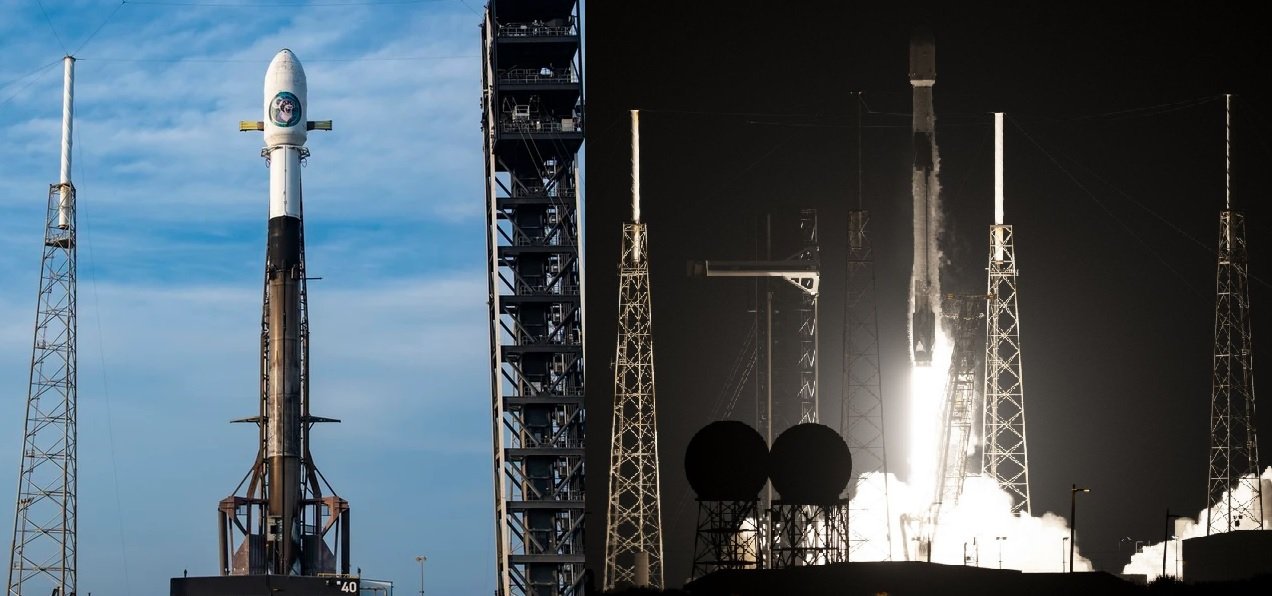
U.S
CAPE CANAVERAL, Fla. — SpaceX successfully launched the classified NROL-95 mission for the U.S. National Reconnaissance Office (NRO) early Thursday, marking the agency's fourth national security space launch of 2026 and continuing the deployment of its next-generation intelligence satellite constellation. The mission lifted off aboard a Falcon 9 rocket from Space Launch Complex 40 at Cape Canaveral Space Force Station in Florida at 3:10 a.m. EDT on July 30, 2026. The launch was carried out in partnership with the U.S. Space Force Space Systems Command's System Delta 80 and Space Launch Delta 45. Successful Booster Recovery Following stage separation, the Falcon 9's first-stage booster successfully returned to Earth, landing at Landing Zone 2 at Cape Canaveral Space Force Station. The booster, designated B1096, completed its seventh flight and flew after a 75-day turnaround. It had previously supported the KF-01 satellite, the Interstellar Mapping and Acceleration Probe (IMAP) solar wind mission, the classified NROL-77 mission, the GPS III-9 navigation satellite launch, the CRS-34 cargo resupply mission to the International Space Station (ISS), and one Starlink mission. The recovery and reuse of Falcon 9 first-stage boosters is part of SpaceX's standard launch operations, helping lower the cost of reaching orbit compared with traditional expendable launch vehicles. Fourth National Security Launch of 2026 The NROL-95 mission is the National Reconnaissance Office's fourth national security space launch this year. Earlier NRO missions in 2026 included: NROL-105 — January 16 NROL-172 — May 11 NROL-179 — June 19 All three previous missions were launched aboard Falcon 9 rockets from Vandenberg Space Force Base in California. According to the NRO, the increased launch cadence is part of its long-term proliferated architecture initiative. Shift to a Distributed Satellite Network Historically, U.S. reconnaissance relied on a relatively small number of large, highly expensive satellites. The NRO's proliferated architecture represents a shift toward deploying hundreds of smaller, lower-cost satellites across multiple orbital planes. According to the agency, this approach is designed to: Reduce single points of failure. Maintain intelligence coverage if individual satellites are lost. Increase revisit rates over locations on Earth. Speed the delivery of intelligence data to military and government users. The NRO began deploying this architecture with the NROL-146 mission on May 22, 2024. By April 2025, the constellation had grown to more than 150 satellites. NRO officials have stated that the network supports missions including ground moving target indication (GMTI), which tracks vehicles and other moving objects from orbit, while also contributing to a broader space-based sensing and targeting architecture for the U.S. intelligence community and the Department of Defense. Role of the National Reconnaissance Office The National Reconnaissance Office develops, launches, and operates U.S. intelligence and reconnaissance satellites that provide imagery and signals intelligence to military commanders, the intelligence community, and civilian government agencies. The NROL-95 mission is also the third NRO launch conducted by SpaceX under the National Security Space Launch (NSSL) Phase 2 contract. Officials from the NRO and Space Systems Command said the partnership supports reliable access to space for national security payloads. Mission Details Remain Classified Consistent with standard NRO practice, officials have not disclosed the number of satellites carried by NROL-95, their capabilities, or their final orbital parameters. While the payload remains classified, publicly released information confirms the mission's successful launch, booster recovery, and its role in expanding the NRO's next-generation distributed reconnaissance satellite network.
Read More → Posted on 2026-08-03 13:14:03
Europe
STOCKHOLM — Swedish defence company Saab plans to increase annual production of its GlobalEye airborne surveillance aircraft from about two aircraft per year to six by around 2030, following recent selections of the platform by NATO and Canada that have significantly expanded the programme's international order outlook. Saab President and Chief Executive Officer Micael Johansson announced the higher production target during the company's second-quarter 2026 earnings call. The new goal represents an increase from Saab's earlier plan to produce four GlobalEye aircraft annually. Johansson said the company is preparing additional manufacturing capacity to maintain delivery schedules as expected orders extend well into the next decade. “I would rather say that we go from two a year now and should aim for six a year in the 2030 timeframe,” Johansson said. He added that Saab prefers to build capacity for a higher production rate because output can be reduced later if demand is lower than expected. NATO and Canada Drive Growing Demand The planned production expansion is largely supported by recent international decisions to acquire the GlobalEye airborne early warning and surveillance system. Earlier in 2026, Canada selected GlobalEye as its preferred solution and is currently negotiating with Saab for the purchase of six aircraft. NATO has also selected GlobalEye to replace the alliance's ageing E-3A Airborne Warning and Control System (AWACS) fleet based at Geilenkirchen, Germany. The requirement covers up to 10 aircraft, which will operate as a shared NATO capability. According to Saab, the NATO programme is backed by 11 member countries: Belgium, Canada, Denmark, Germany, Latvia, Lithuania, Luxembourg, the Netherlands, Norway, Romania and Sweden. Formal negotiations with the NATO Support and Procurement Agency (NSPA) are currently under way. Johansson described the NATO selection as a major industrial milestone that demonstrates the strategic value of Sweden and Saab providing advanced airborne surveillance capabilities to the alliance. Additional Orders Strengthen Production Outlook Beyond the expected NATO and Canadian contracts, Saab said it continues to pursue several additional GlobalEye opportunities, although Johansson did not identify potential customers. In late July 2026, the company received an order worth SEK 10.1 billion (approximately $1 billion) for two GlobalEye aircraft from an undisclosed Middle Eastern customer, with deliveries scheduled for 2030. GlobalEye aircraft are already operational with the United Arab Emirates. France has also ordered two aircraft. Saab said maintaining an active production line enables the company to offer comparatively short delivery times, helping address airborne surveillance capability requirements among prospective customers. Saab Expanding Manufacturing Capacity To support the planned increase in production, Saab is expanding its facilities in Linköping, Sweden, where Bombardier Global 6500 business jets are converted into mission-configured GlobalEye aircraft. The company also plans to establish a production and support hub in Canada while evaluating an additional European site to support NATO and other regional customers. Johansson said the required infrastructure expansion will not involve exceptionally large investments, as part of the additional production capacity will be developed through industrial partnerships with customer nations. GlobalEye Programme Supports Saab's Business Growth GlobalEye remains a key programme within Saab's Surveillance business. The company reported strong second-quarter 2026 financial results, including order bookings of SEK 68.39 billion and organic sales growth of nearly 30%. Johansson also confirmed that profit margins on major platforms such as GlobalEye remain strong. GlobalEye Surveillance Capabilities GlobalEye is designed to monitor air, maritime and land activities simultaneously while serving as a networked command-and-surveillance platform. Its primary radar sensor has a detection range exceeding 650 kilometres, allowing the aircraft to operate at stand-off distances from hostile areas. The aircraft also carries passive sensors capable of detecting systems observing the platform. Information collected from multiple sensors is fused and processed using artificial intelligence to provide operators with a single operational picture. The data can then be shared in real time with combat aircraft, naval vessels, ground command centres and land forces to support operational decision-making. Johansson described GlobalEye as a networked command-and-surveillance node rather than a stand-alone intelligence platform. Saab Advances Unmanned Airborne Surveillance System Alongside the manned GlobalEye programme, Saab is continuing flight testing of an unmanned airborne early warning system developed with General Atomics. The sensor package, known as LoyalEye, is being integrated with the MQ-9B unmanned aircraft and is intended to complement, rather than replace, the GlobalEye platform by providing a lower-tier airborne surveillance capability. According to Johansson, the system has completed its first flight and is already being offered to prospective customers while flight testing continues. Saab said it is prepared to begin commercial discussions with interested buyers as development progresses.
Read More → Posted on 2026-08-03 13:01:01
World
BRISBANE, Queensland — Boeing Defence Australia (BDA) has been awarded its second contract under Australia's LAND 4140 program to supply next-generation Class Two Beyond Line-of-Sight (BLOS) satellite communications (SATCOM) ground terminals for the Australian Defence Force (ADF). The contract, announced on Aug. 3, is part of the broader LAND 4140 Land C4 Modernisation Project, which is upgrading the Australian Army's command, control, communications and computers (C4) systems. The new SATCOM capability is intended to provide faster, more reliable and uninterrupted connectivity for military personnel operating in complex operational environments. Next-Generation SATCOM Capability Under the LAND 4140 BLOS SATCOM program, Boeing Defence Australia will deliver Class Two satellite communication ground terminals that support secure, high-speed communications beyond the line of sight. According to the company, the terminals will use high-speed, wideband SATCOM links to enable reliable data exchange across the force, helping maintain communications during military operations. Matt Buckle, Director of Joint Systems at Boeing Defence Australia, said the capability builds on the company's experience in delivering enterprise-wide communications systems for Defence. "This capability will connect Australia's Integrated Force across multiple domains," Buckle said. "Underpinned by high-speed, wideband SATCOM links, the advanced BLOS system will ensure uninterrupted data flow that allows the Australian Defence Force to connect when needed and operate with confidence when it matters most." Built on the Integrated Battlefield Telecommunications Network Buckle said the new capability also supports Defence's ongoing software modernisation efforts by building on the secure Integrated Battlefield Telecommunications Network (IBTN). The IBTN was previously delivered by Boeing Defence Australia under the Currawong program and reached Final Operating Capability in 2024. The network now serves as the foundation for the next-generation integrated communications network being developed under LAND 4140. Second Major LAND 4140 Contract The SATCOM award is Boeing Defence Australia's second major contract under the LAND 4140 program. Earlier in 2026, the company was selected as the systems integrator for the LAND 4140 Battlefield Management System (BMS). That contract became effective on March 6, 2026, with an operative date scheduled for September 2026 and an initial term of five years. As systems integrator, Boeing Defence Australia is responsible for coordinating software applications, services and stakeholders to deliver a unified command and control capability for the Australian Army. The Battlefield Management System is designed to consolidate software, geospatial information, navigation and targeting data into a single command and control platform. Supporting Faster Command and Control According to Boeing Defence Australia, the combination of the Battlefield Management System and the new Class Two BLOS SATCOM terminals will improve the speed at which command and control information, situational awareness data and targeting information can be processed and shared across the force. The integrated capability is intended to strengthen communications between military units and improve information flow during operations. LAND 4140 Modernisation Program LAND 4140 is Australia's land C4 modernisation program, aimed at improving decision-making and strengthening the integration of command and control, intelligence, sensors and weapon system effectors for joint land force operations. Tranche 1 of the program includes: Beyond Line-of-Sight (BLOS) SATCOM High-capacity data networking ICT mobility Network modelling Modular open system standards Boeing Defence Australia's Defence Communications Experience Boeing Defence Australia has supported the Australian Defence Force's communications and network modernisation programs for more than a decade. The company previously delivered the Integrated Battlefield Telecommunications Network under the Currawong program, contributed to the SEA 1442 maritime communications project, and serves as a subcontractor on the AIR 6500 joint air battle management system. The latest LAND 4140 SATCOM contract further expands Boeing Defence Australia's role in supporting the Australian Defence Force's ongoing communications and command-and-control modernisation efforts.
Read More → Posted on 2026-08-03 12:45:10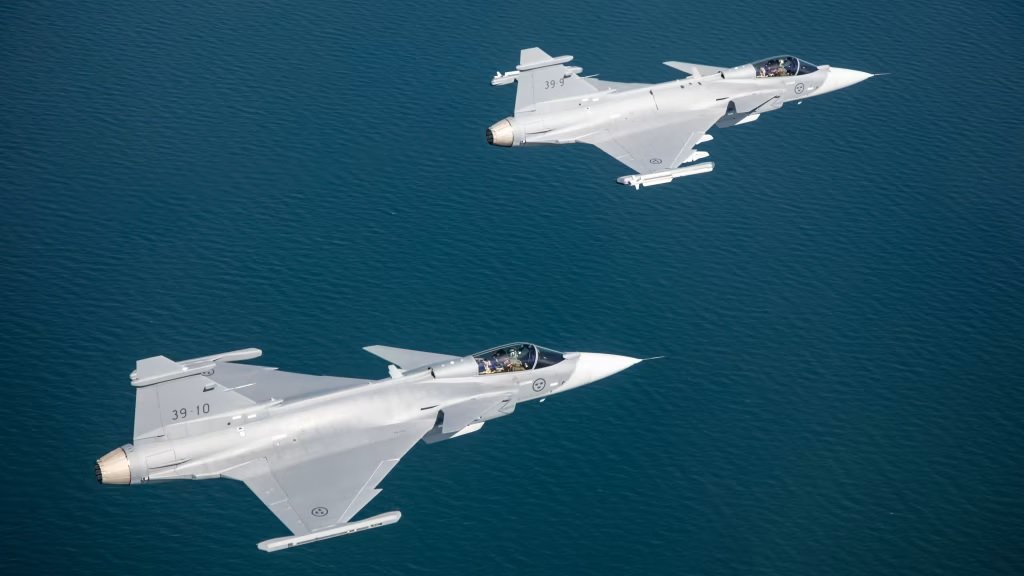
Europe
BRUSSELS — The European Commission has disbursed €3.47 billion to Ukraine under the defence window of the European Union's €90 billion Ukraine Support Loan, providing funding for Gripen fighter jets, missiles, air-defence systems and advanced drone technology. The payment, made on July 30, 2026, is intended to accelerate Ukraine's access to military equipment as the country continues its defence against Russia. According to the European Commission, the latest tranche includes funding under the first procurement schedule for drones and will also support the acquisition of long-range jet-powered drones, missiles, air-defence equipment and Gripen fighter jets. The Commission said additional financing for drones, ammunition, missiles and air-defence systems is expected to be approved and released in the coming weeks. European Commission President Ursula von der Leyen said the latest funding is aimed at strengthening Ukraine's air defence while expanding defence cooperation between Ukraine and European industry. "Today, we are investing an additional €3.47 billion to help protect Ukraine's skies. With this new disbursement under our €90 billion loan package, we are helping Ukraine defend its people. We are also bringing our defence industries closer together, combining Europe's industrial scale with Ukraine's unmatched innovation. This is our new Drone Deal taking shape." The European Commission said the funding supports both Ukraine's immediate defence requirements and deeper industrial cooperation between Ukraine and Europe through the emerging "Drone Deal," which combines European manufacturing capacity with Ukrainian defence innovation. Ukrainian Prime Minister Serhii Koretskyi confirmed the transfer and said the overall €90 billion Ukraine Support Loan is expected to cover around two-thirds of Ukraine's total financial needs during 2026 and 2027. Structure of the €90 Billion Ukraine Support Loan The European Union's Ukraine Support Loan is divided into two main components. €60 billion is allocated to strengthen Ukraine's defence capabilities and expand its domestic defence industrial capacity. €30 billion is designated for state budget support, helping Ukraine maintain essential public services and strengthen economic resilience. According to a Council decision adopted on April 23, 2026, up to €45 billion was made available to Ukraine for 2026. This includes €28.3 billion for defence industrial capacity and €16.7 billion for budget support. The budget support portion is divided equally between additional financing for the Ukraine Facility and a new Macro-Financial Assistance (MFA) operation, each capable of providing up to €8.35 billion. Latest in a Series of EU Payments The €3.47 billion transfer follows several recent EU disbursements to Ukraine. On June 25, the European Commission released €3.2 billion through its Macro-Financial Assistance programme to support Ukraine's state budget. This was followed by €3.9 billion under the defence window on June 30, and another €1.1 billion on July 15. With the latest payment, recent defence disbursements under the programme now total €8.47 billion. The European Union plans to provide €28.3 billion during 2026 to strengthen Ukraine's defence industrial capacity. The allocation is expected to be finalised by September, with additional payments scheduled to continue through the end of the year. Additional Financing Expected On July 30, the Council of the European Union also approved updates to the Ukraine Plan, a framework covering administrative and anti-corruption reforms linked to Ukraine's prospective European Union membership. The approval clears the way for an additional €8.3 billion in future financing. The European Commission said further funding for ammunition, drones, missiles and air-defence systems is expected to be approved in the coming weeks. According to the Commission, the European Union and its member states have provided more than €220 billion in overall support to Ukraine and Ukrainians since Russia launched its full-scale invasion. This figure includes €3.8 billion generated from proceeds linked to immobilised Russian assets. The Commission said the Ukraine Support Loan is financed through EU borrowing on the capital markets and backed by the EU budget. The loan is structured to be repaid from future Russian reparations to Ukraine. Funding is subject to conditions, including adherence to the rule of law and anti-corruption efforts. Defence products financed under the programme are expected, in principle, to be sourced from the European Union, the European Economic Area (EEA), EFTA countries and Ukraine, with limited exceptions for urgent operational requirements.
Read More → Posted on 2026-08-03 12:08:47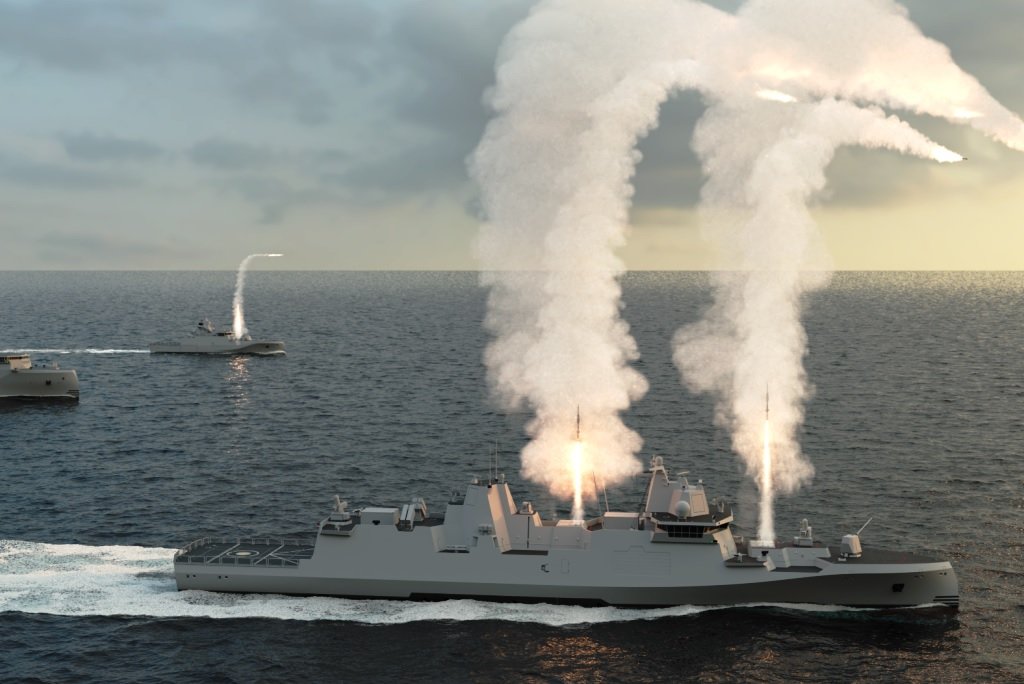
U.S
DÜSSELDORF, Germany — German defence company Rheinmetall has officially unveiled the GMF140, a next-generation guided-missile frigate designed for NATO and allied navies. Measuring 140 metres in length and displacing approximately 6,000 tonnes, the new surface combatant is intended to meet evolving naval requirements across air defence, missile defence, anti-submarine warfare, and long-range strike missions. The company said the GMF140 will first be offered as part of a procurement campaign in North America, before being marketed to countries modernising their naval fleets across Europe, the North Atlantic, and the Indo-Pacific. Designed for Multi-Mission Naval Operations Rheinmetall said the GMF140 has been designed to operate in high-threat blue-water environments while retaining the flexibility to support expeditionary, littoral, and coalition operations. The frigate is intended to carry out a wide range of missions, including: Anti-Air Warfare (AAW) against conventional airborne threats. Ballistic Missile Defence (BMD), including the detection, tracking, and interception of ballistic and hypersonic weapons. Anti-Submarine Warfare (ASW) using a low-signature hull, integrated acoustic management, and advanced sonar systems. Long-range strike missions against distant targets. According to Rheinmetall, the vessel has been designed as a flexible platform capable of supporting modern naval operations while maintaining compatibility with allied forces. Combat System and Sensor Suite The GMF140 is built around an open-architecture combat system designed to support future upgrades and interoperability with allied navies. Its primary combat system is based on the US-developed Aegis Combat System, with the option to integrate Lockheed Martin's CMS330 Combat Management System where required. Rheinmetall said the open architecture enables the integration of a wide range of European sensors and weapon systems. The frigate can also be equipped with several US-sourced primary radar options capable of supporting full ballistic missile defence tracking. These radar systems are designed to detect, track, and engage conventional aircraft as well as ballistic and hypersonic threats. According to the company, the combination of the Aegis Combat System, advanced radar, and combat management architecture provides surveillance and fire-control performance typically associated with much larger surface combatants. Proposed Weapons and Mission Systems Rheinmetall's proposed configuration includes a broad range of weapons and mission systems to support the frigate's multi-role capabilities. The planned armament includes: 64 strike-length Vertical Launch System (VLS) cells for air-defence, ballistic missile-defence, and land-attack missiles. One 5-inch main gun. Dedicated anti-ship missiles. Torpedo launchers for anti-submarine warfare. Laser systems. Close-In Weapon Systems (CIWS) for point defence. The ship is also designed to operate US or European maritime helicopters and unmanned systems, extending its surveillance, anti-submarine, and engagement capabilities beyond the ship itself. Rheinmetall said the final configuration—including secondary armament, electro-optical sensors, electronic warfare equipment, decoy systems, and other defensive systems—can be customised to meet individual customer requirements. Anti-Submarine Warfare Features For anti-submarine operations, the GMF140 combines a low-signature hull with integrated acoustic management, along with both hull-mounted and towed sonar systems. These features are intended to improve underwater detection while reducing the vessel's acoustic signature during operations. Digital Design and Crew Requirements According to Rheinmetall, the GMF140 is a digitally integrated and minimally crewed platform developed with an emphasis on operational efficiency, survivability, NATO interoperability, and future upgrades. Additional details released during the unveiling state that the frigate has: A top speed of 30 knots A core crew of about 90 personnel Accommodation for approximately 35 additional personnel The company also noted that the 64 VLS cells provide greater missile capacity than several existing frigate classes of similar size. Initial Focus on North America Rheinmetall said its first marketing effort for the GMF140 will focus on North America, with the design later being offered to allied navies seeking new multi-mission surface combatants. The company is positioning the GMF140 as a future-ready frigate that combines air defence, ballistic missile defence, anti-submarine warfare, and long-range strike capabilities within an open and interoperable architecture designed for long-term fleet modernisation.
Read More → Posted on 2026-08-03 12:00:21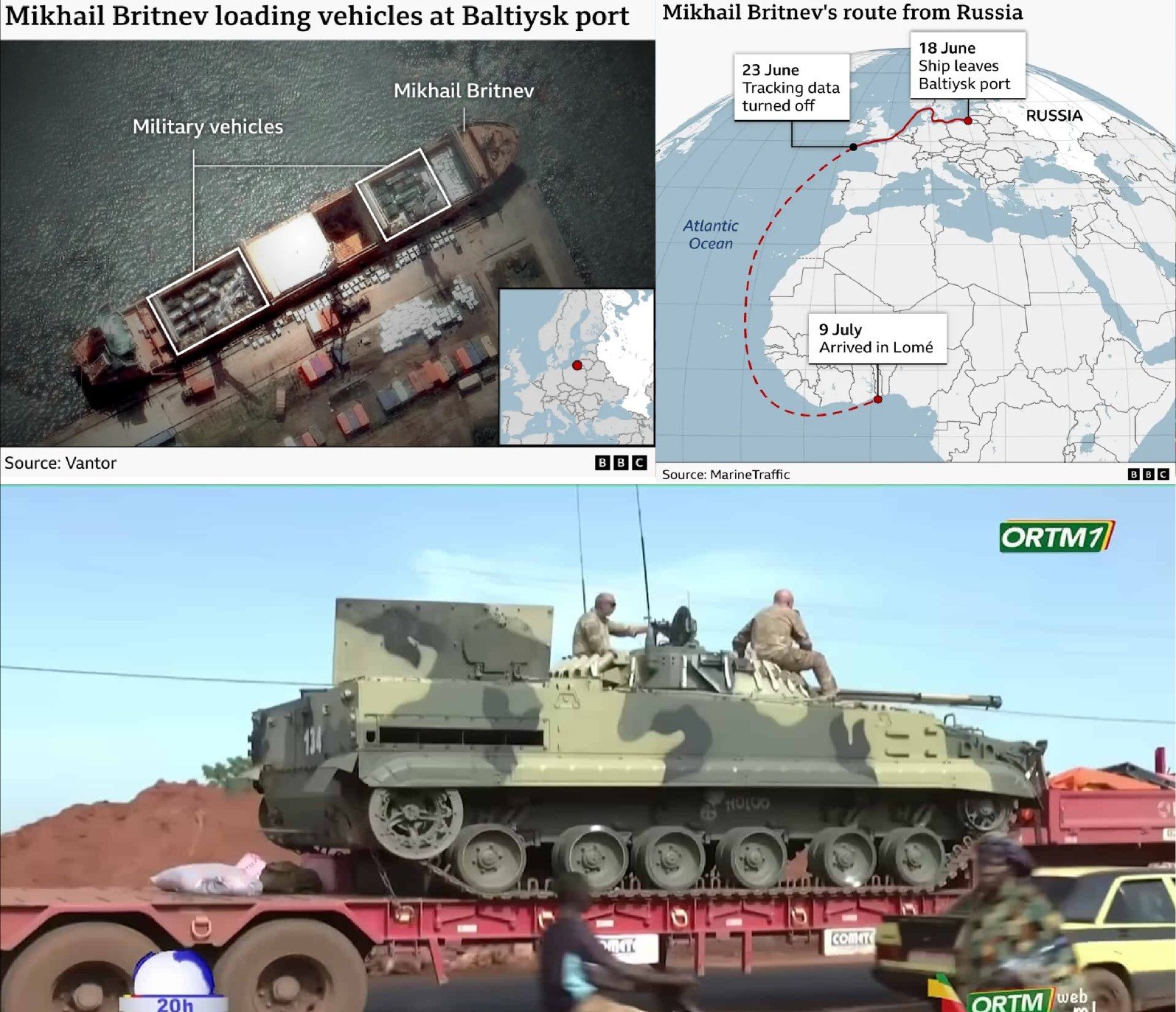
World
BAMAKO, Mali — A large shipment of military vehicles has reached Mali aboard a Russian cargo ship under U.S. sanctions, according to an investigation by BBC Verify, providing new equipment to Malian and Russian forces as the country's military government faces an intensifying rebel offensive in the north. The shipment was first revealed in footage broadcast by Malian state television on July 25, showing a convoy of armored vehicles arriving in the capital, Bamako. Defense analysts identified the convoy as including BTR-82A armored personnel carriers, BMP-3 infantry fighting vehicles, Tigr armored vehicles, and Chinese-made VP11 armored vehicles. BBC Verify Traces Shipment to Sanctioned Russian Vessel According to BBC Verify, ship-tracking data linked the delivery to the Mikhail Britnev, a Russian cargo vessel sanctioned by the United States in 2024. Tracking records show the vessel departed Baltiysk, Russia's Baltic Sea port in the Kaliningrad region, on June 18 before sailing through the North Sea and entering the English Channel. BBC Verify reported that the cargo ship was escorted through the Channel by a Russian Navy Ropucha-class landing ship, although the UK Ministry of Defence declined to comment on the reported escort. After leaving the Channel, the Mikhail Britnev switched off its tracking transponder and disappeared from publicly available tracking data. It reappeared only as it approached the Port of Lomé, Togo, where it docked on July 9, according to ship-tracking records reviewed by BBC Verify. Satellite images taken before the vessel departed Baltiysk appeared to show trucks, armored personnel carriers, and light infantry vehicles matching those later seen in Bamako, according to experts who examined the imagery. Vehicles Transported Overland Through Togo and Burkina Faso Malian state television reported that the armored vehicles were moved overland from Togo, passing through Burkina Faso before arriving in Mali. The route highlights growing military cooperation between Russia and several West African countries. Burkina Faso is also governed by a military junta with close ties to Moscow, while Togo signed a military cooperation agreement with Russia late last year. BBC Verify also identified Baltiysk as an important departure point for Russian military shipments to West Africa. The investigation noted that the bulk carrier Sabetta loaded what appeared to be military vehicles there in February before later docking in Conakry, Guinea, a port previously linked to Russian weapons transfers. Another tanker was also observed loading military vehicles at Baltiysk on June 6. Delivery Comes as Mali Faces Renewed Rebel Pressure The arrival of the military equipment comes as Mali's ruling junta faces continued attacks from Jama'at Nusrat al-Islam wal-Muslimin (JNIM) and Tuareg separatist groups, which have expanded their control across parts of northern Mali. Recent fighting has been reported around the northern town of Anefis, while clashes have also occurred near Niono and other areas of central Mali. According to BBC Verify, the new shipment is intended to resupply Malian and Russian forces operating against the rebel groups. Russia Continues Military Support Through Africa Corps Russia has supported Mali's military government since French forces withdrew from the country in 2022. The Wagner Group initially led Russia's security presence in Mali. Its role has since been taken over by the Africa Corps, which operates under the Russian Ministry of Defence. BBC Verify has previously confirmed footage showing Africa Corps conducting air strikes against rebel positions, although the force has struggled to halt recent rebel advances. Analysts Assess Military Significance Charlie Werb, an analyst with Aldebaran Threat Consultants, said the latest shipment could help Malian and Russian forces strengthen future operations in areas currently controlled by rebel groups. Analysts at defense intelligence firm Janes also assessed that the newly delivered vehicles could support logistics, operational planning, and combat missions. Werb said Russia has maintained military assistance since the conflict entered a new phase on April 25. "The Kremlin has maintained steady military support since the conflict entered a new phase on 25 April by bringing in fresh forces, weapons, and equipment," Werb said. "The delivery highlights that despite recent setbacks, Mali remains central to Russia's strategy in Africa, and the Africa Corps is a key pillar in Bamako's fight against militant groups." Human Rights Concerns Continue Mali's security situation has also drawn international attention. Amnesty International has called for a war crimes investigation following reports that at least 19 Malian soldiers were summarily executed after an ambush earlier this month. The findings published by BBC Verify are based on ship-tracking data, satellite imagery, verified state television footage, and analysis by defense experts, providing a detailed account of the route used to transport the military vehicles from Russia to Mali.
Read More → Posted on 2026-08-02 15:09:04Search
Top Trending in 24 Hours
-
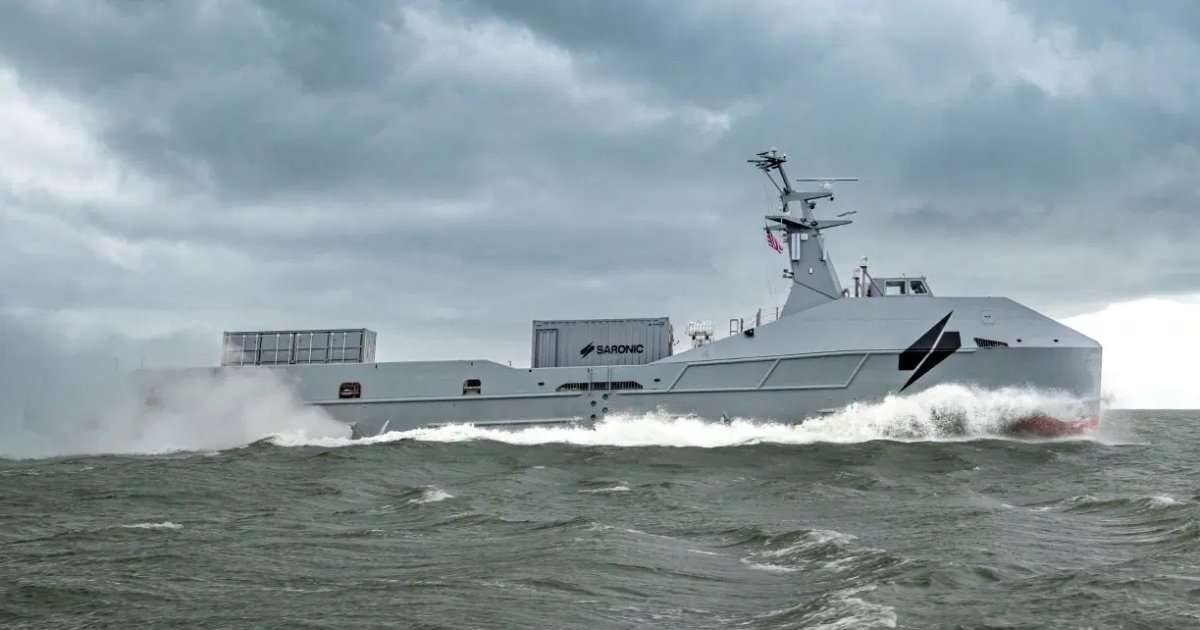 U.S. Navy Awards Production Agreements for 30 Medium Unmanned Surface Vessels, Including 10 Saronic Marauders
-
 Boeing Wins $20 Billion U.S. Navy Contract for F/A-XX Sixth-Generation Fighter
-
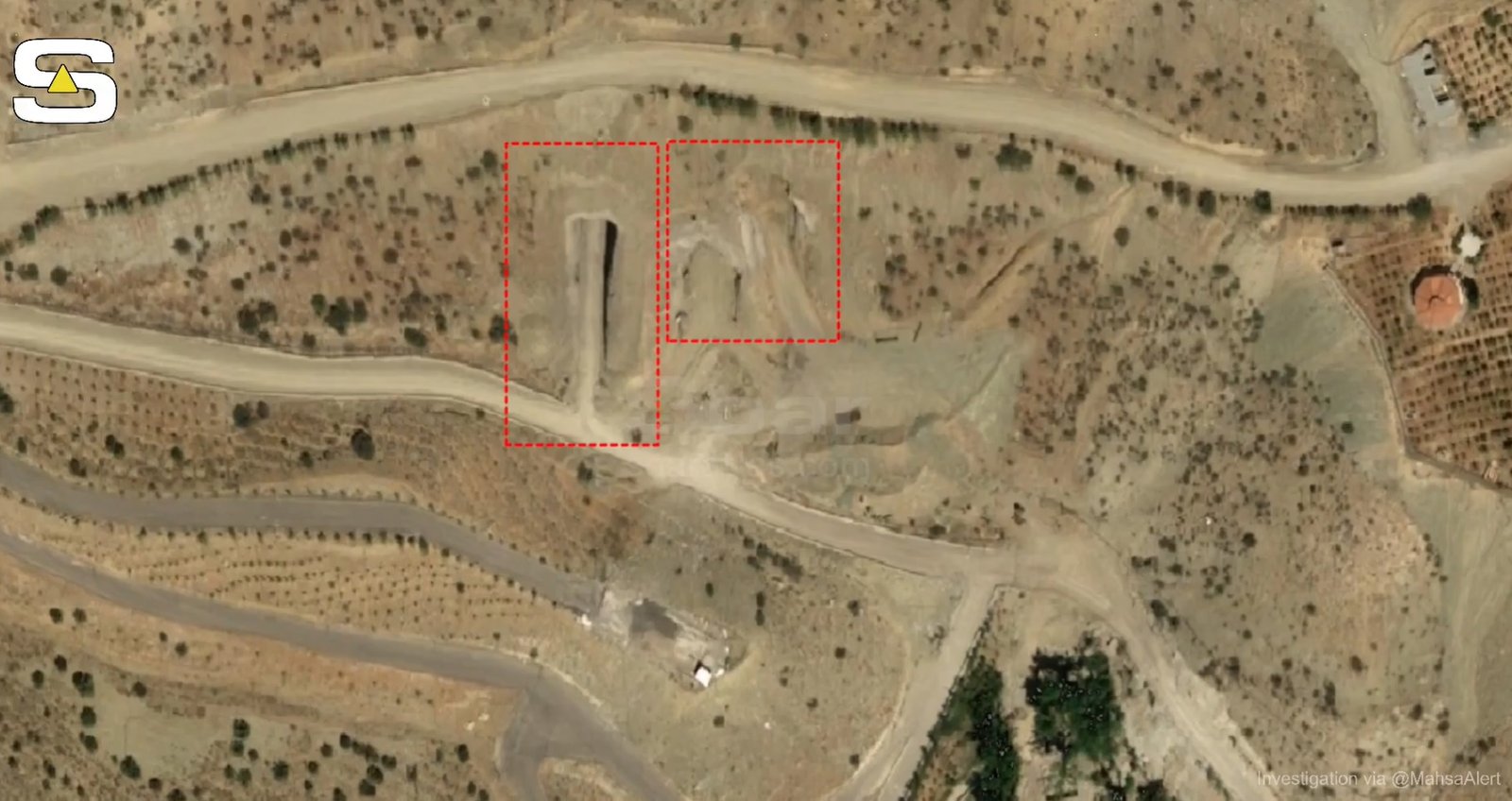 Satellite Imagery Shows Construction Changes at Hillside Site Linked to Iran’s Supreme National Security Council
-
 Flydubai Flight to Israel Diverted to Saudi Arabia After Possible Attempted Terror Attack in Cockpit
-
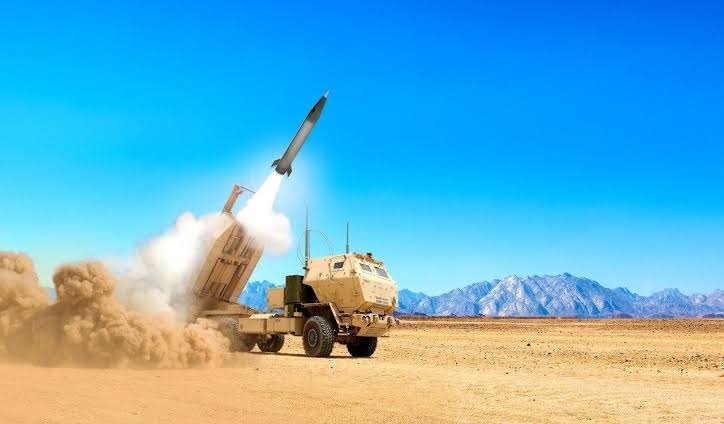 U.S. Army Selects Five Companies to Develop 1,000-Km Precision Strike Missile Prototypes
-
 NASA Adds Blue Origin’s Upgraded New Glenn 9×4 to Launch Services Contract
-
 U.S. Air Force Awards Boeing $2.38 Billion Contract for 22 F-15EX Fighter Jets
-
 U.S. Army Awards Heaviside Industries $99 Million Contract for MOTH RF Spectrum Analyzers
Top Trending in 4 Days
-
 China Reports First High-Orbit Refueling of BeiDou Satellite, but Tracking Data Raise Questions
-
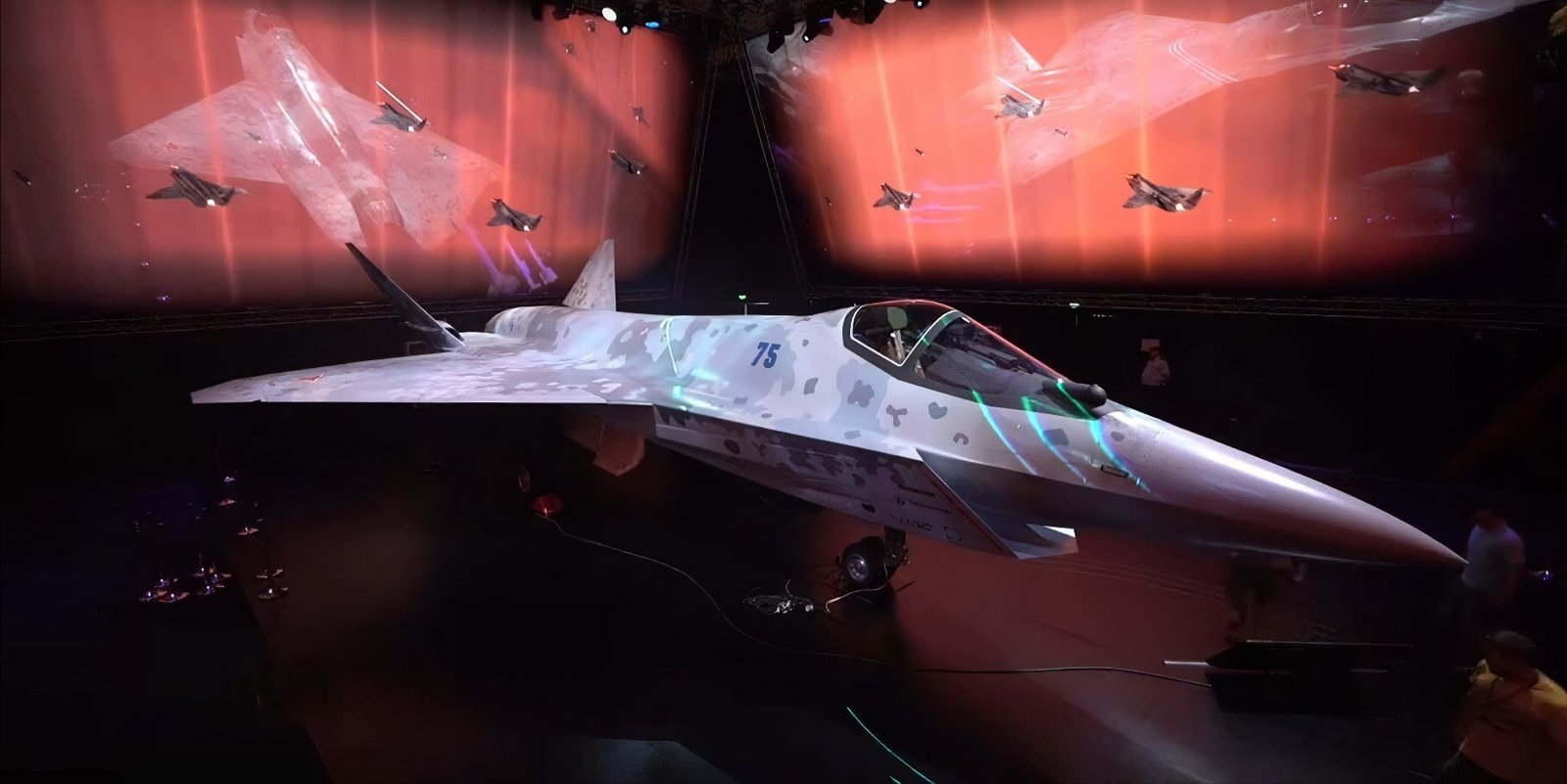 Russia Says Su-75 Checkmate Could Cost Just $25–30 Million, Flight-Hour Costs 6 Times Lower Than F-35
-
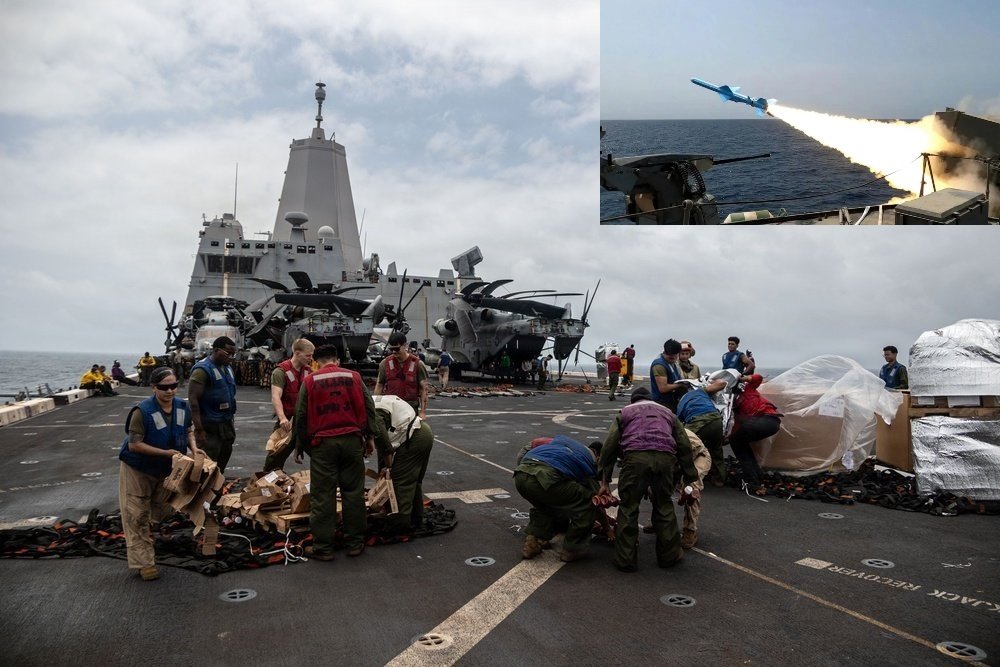 Eight U.S. Marines Injured in Iranian Missile Strike on U.S Vessel in Strait of Hormuz
-
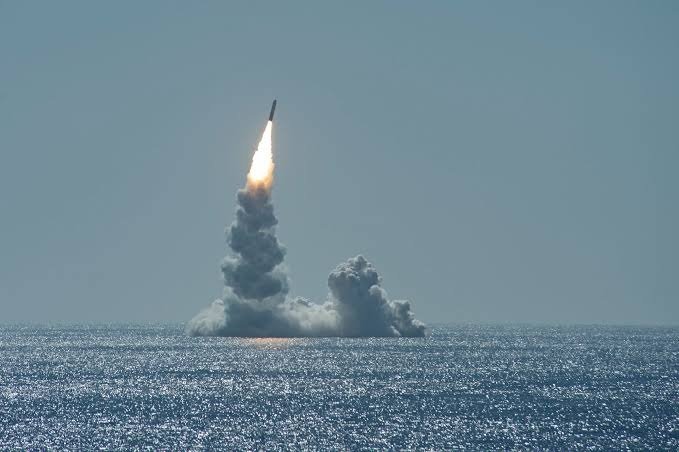 UK Offers Nuclear Deterrence for Its Northern European Defence Partners
-
 U.S. and Russia Remove Human-Review Rules From Draft UN AI Weapons Framework
-
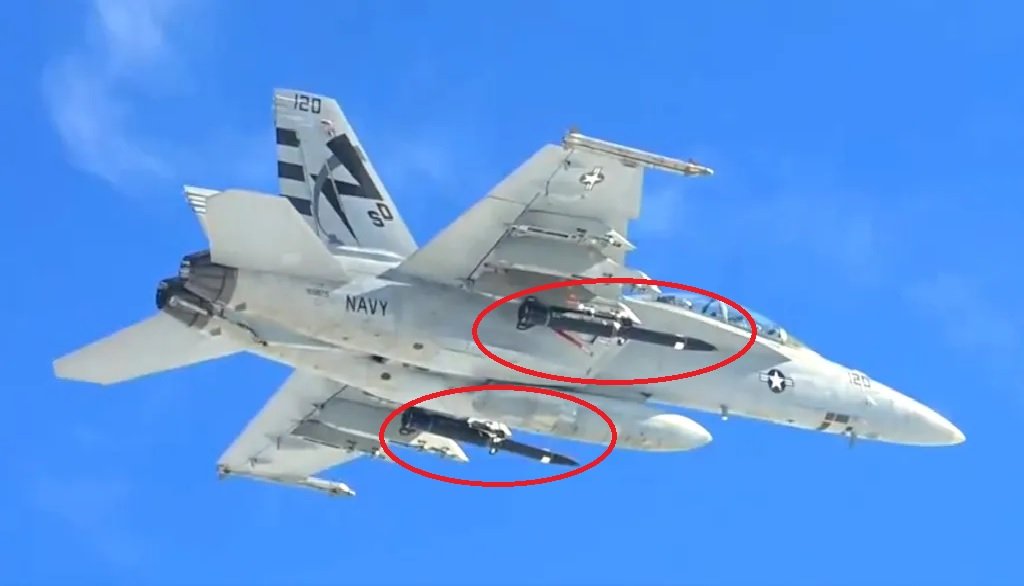 U.S. Navy Begins Flight Testing Blackbeard Hypersonic Missile on F/A-18 Super Hornet
-
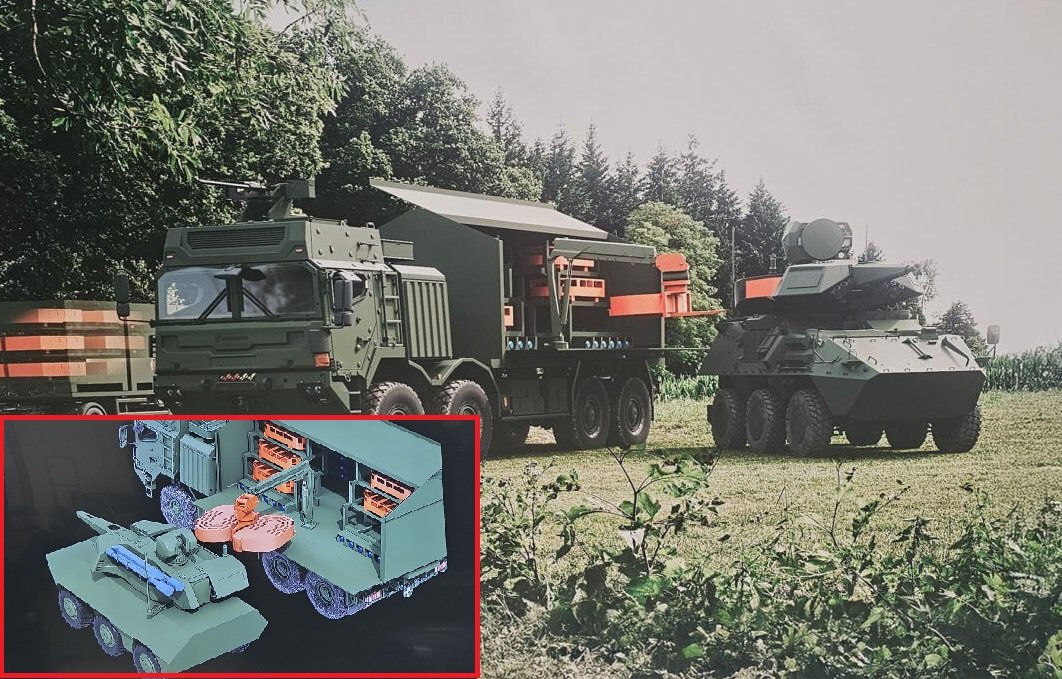 Rheinmetall Develops Automated Reloader for Austrian Skyranger Air Defense System
-
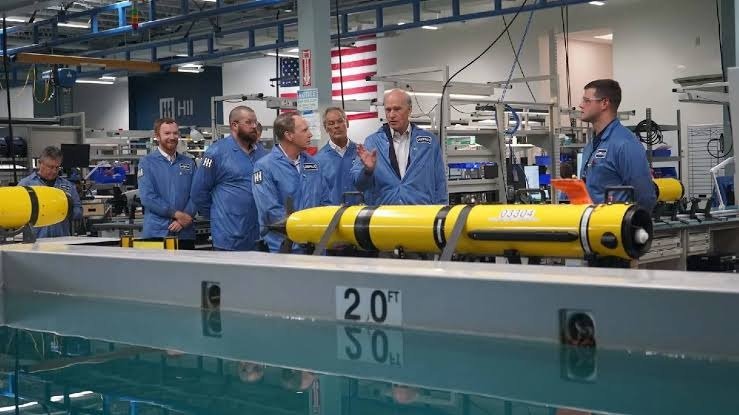 HII Expands Massachusetts Unmanned Systems Facility by 25 Percent to Support U.S. Navy Lionfish Production
