World
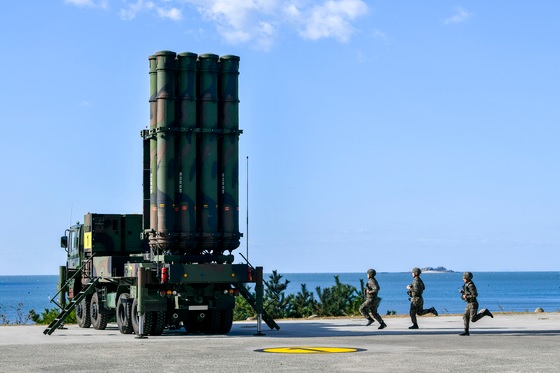
South Korea has taken a major step forward in strengthening its air defenses by upgrading its Cheongung-I missile system to the more advanced Cheongung-II, which is now capable of intercepting both aircraft and ballistic missiles. The announcement was made by the country’s Defense Acquisition Program Administration (DAPA) earlier this week. This upgraded version has already started its initial deployment with the South Korean military, and full-scale deployment is expected to be completed by 2027. The original Cheongung-I system was designed mainly to defend against hostile aircraft. However, it couldn’t handle ballistic missile threats, which have become a rising concern—especially with North Korea's frequent missile tests. The new Cheongung-II fills that gap by providing medium-altitude interception capability using advanced radar, guidance systems, and high-speed interceptors. One of the biggest advantages of this upgrade is its cost-effectiveness. Instead of building entirely new systems, South Korea is retrofitting existing Cheongung-I units to bring them up to Cheongung-II standards. This helps speed up deployment while saving money. The Cheongung-II system has been in development since 2012, shortly after the original version was completed. It was declared combat-ready in 2017 after passing a series of qualification tests that met all performance standards. Developers say the improved system features faster missiles, greater range, and precision targeting—all of which enable it to hit ballistic targets in real-time. It also works autonomously and fits into the broader command-and-control network used by South Korea’s armed forces. Cheongung-II is now a central part of South Korea’s Korea Air and Missile Defense (KAMD) system—a multi-layered shield designed to counter growing missile threats in the region. The system has also gained attention overseas. Countries like the United Arab Emirates and Saudi Arabia have purchased the Cheongung system for their own air defense needs, highlighting the growing global interest in South Korea’s defense technology. While DAPA has not revealed how many Cheongung-II systems are currently in service, it confirmed that the rollout will continue in stages until all units are fully upgraded and integrated across the military.
Read More → Posted on 2025-07-28 16:37:16
Hackers Claim Theft of 1TB of Data from France’s Naval Group, Including Submarine Combat System Code
World
On July 22, a hacker group identifying itself as “Neferpitou” claimed responsibility for breaching the systems of Naval Group, France’s largest naval defense shipbuilder, stealing over 1 terabyte of sensitive data. The cyberattack—allegedly one of the most serious against a European defense contractor—reportedly exposed classified submarine combat system source code, internal communications, and technical documents dating from 2019 to 2024. To substantiate their claim, the hackers released a 13GB sample of the stolen data, demanding that Naval Group contact them within 72 hours, or they would leak the full cache. When no response was made public, the group reportedly published the entire dataset on July 26. What Was Stolen According to leaked file metadata and cybersecurity analysts who reviewed the sample, the stolen data appears to include: Source code for submarine combat management systems (CMS) used on platforms such as France’s nuclear attack submarines Technical documents marked “Restricted Distribution” and “Special France”, covering internal systems between 2006 and 2024, with a focus on the last five years Detailed network maps of Naval Group's internal infrastructure Developer virtual machines and CMS simulation environments Confidential HCL Notes communications and inter-office messaging files Operational manuals and sensor integration schematics for Naval platforms One of the most revealing files is reportedly a video recording of a submarine monitoring interface, though it is dated 2003, suggesting the breach may also include legacy systems or archived materials. Cybersecurity researchers from Bitdefender and Cybernews who reviewed the leaked data noted no obvious signs of fabrication, and internal file structures appear consistent with known Naval Group software architectures. Naval Group Response Naval Group acknowledged the allegations in a public statement, stating that: “As of now, no intrusion into our IT environments has been confirmed. We are working with French authorities and cybersecurity experts to assess the situation thoroughly.” The company also described the leak as a “reputational attack” amid increased international competition, especially with ongoing tenders in Asia, the Middle East, and Europe. Despite mounting evidence suggesting the authenticity of the breach, no ransom was publicly demanded, and the company stated it would not enter into contact with the attackers, in line with French government policy. Who Are the Hackers? The group Neferpitou, which first appeared in cybercrime forums earlier this year, has not previously been linked to any high-profile hacks. The structure of the leak—release of a partial sample, countdown threats, followed by full publication—matches tactics used by data extortion groups, though the lack of financial demands suggests possible geopolitical motivations. Cyber intelligence analysts believe the attack may be a state-sponsored operation or a proxy effort targeting France’s defense capabilities, especially as Naval Group plays a central role in Europe’s military-industrial base. National Security Ramifications If verified, the leak could have far-reaching implications: Combat systems source code could be reverse-engineered to identify and exploit vulnerabilities in France’s submarine fleet and possibly export versions like the Scorpene-class submarines used by India, Brazil, and Malaysia Exposure of network topology and infrastructure schematics might allow adversarial actors to map, mimic, or attack Naval Group’s digital supply chain Access to developer environments and virtual machines could offer attackers insights into simulation and test configurations used in real-time platform development Cyber defense specialists warn that the compromise of even non-operational systems can result in devastating operational impacts over time. Ongoing Investigation The incident is now under review by: ANSSI (French Cybersecurity Agency) France’s Ministry of Armed Forces Europol’s European Cybercrime Centre (EC3) NATO’s Cooperative Cyber Defence Centre of Excellence (CCDCOE) Naval Group and its shareholders, including Thales Group, are also likely to launch a sweeping internal audit of all source code repositories, access logs, and credential records. Historical Context Naval Group has previously been targeted. In 2016, a similar leak exposed 22,000 pages of documents related to the Indian Navy’s Scorpene-class submarines. That breach led to an overhaul of cybersecurity policies and operational secrecy across several programs. Given that France is currently bidding for major submarine and frigate deals in multiple countries, analysts suspect the timing of the July 2025 hack may not be coincidental. What Comes Next? Security experts caution that Naval Group’s clients, particularly in Asia and the Middle East, may demand additional assurances or contract renegotiations. The leaked data—if confirmed as genuine—could also result in broader reviews of Europe’s defense sector cybersecurity posture. The French government has yet to make a formal statement on the potential scope of the breach. For now, defense insiders say this case may serve as a pivotal moment in how the global defense industry treats cyber resilience, particularly in protecting sensitive platform design and combat system infrastructure.
Read More → Posted on 2025-07-28 16:34:46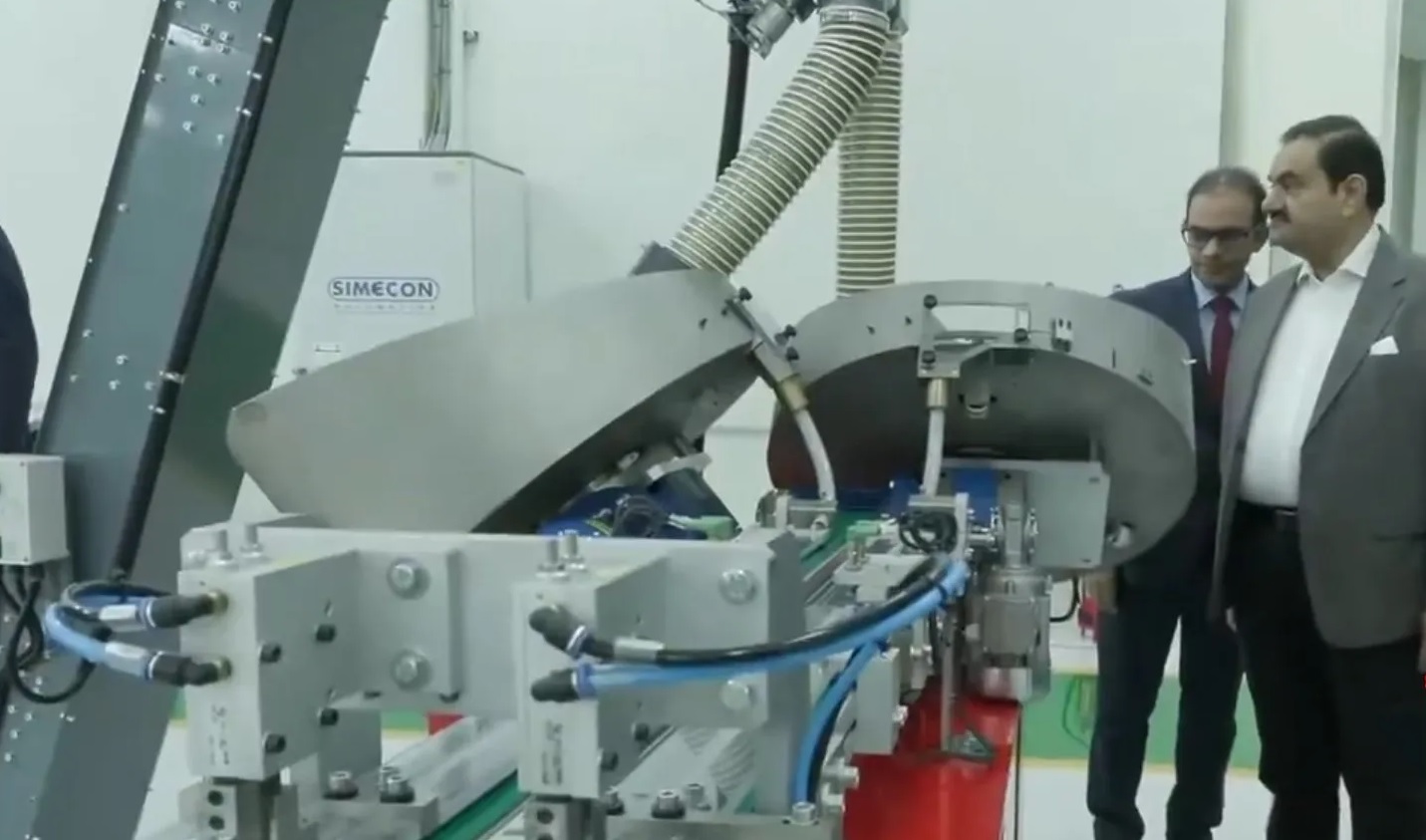
India
In a major step toward making India more self-reliant in defence, Adani Defence and Aerospace’s Kanpur facility has emerged as a powerful symbol of the country’s Atmanirbhar Bharat vision. Spread across 500 acres, it is one of the largest integrated ammunition manufacturing complexes in South Asia, and forms part of a bigger investment worth over ₹7,000 crore. This massive facility isn’t just about size—it’s about transforming how India makes weapons and ammunition. Its main goal is to cut India’s dependence on foreign arms, improve national security, and turn India into a global hub for advanced defence production. At present, the plant manufactures 150 million rounds of small-calibre ammunition annually, and this number is expected to double to 300 million by December 2025. It is also gearing up to produce 150,000 rounds of 155mm artillery shells per year, which will meet nearly half of the country’s total ammunition needs. Backed by solid export orders for the next five years, the facility is already contributing to India’s defence exports. What sets this facility apart is its use of cutting-edge technologies like Artificial Intelligence (AI), data analytics, and digital infrastructure. These tools aren’t just buzzwords—they’re being used in real operations. AI is helping develop weapons that can identify targets, make decisions on their own, and strike with high precision, even in complex battle environments. AI-based quality checks have also replaced many manual inspections, increasing safety and reducing human error. Apart from ammunition, Adani Defence is making big moves in missile technology. In partnership with DRDO, it is developing surface-to-air and anti-radiation missiles, including the Rudram series. It has also unveiled a new Ultra-Light Precision Guided Missile (ULPGM) that can hit targets between 2.5 to 3.5 km, even when GPS signals are blocked or jammed. The company’s portfolio now includes naval missile systems, counter-drone platforms, and other solutions tailored for modern, multi-domain warfare—from cyber threats to electronic surveillance. The facility is even equipped with its own firing range, allowing for real-time testing of weapons to ensure quality and accuracy. A big part of this push is indigenisation. Every part of production—from filling primers to assembling final components—is being done by Indian experts. The company is also moving toward local production of critical components like primers and propellants, reducing reliance on foreign suppliers. On the ground, the Kanpur facility is creating real economic impact. It currently works with over 75 Indian suppliers, and is expected to generate 1,500 direct and 1,000 indirect jobs, giving a boost to the local economy and offering skilled opportunities to Indian youth. Notably, Adani’s joint venture to produce AK-203 rifles with Russia has now reached full indigenous production status, and deliveries to the Indian Army, Navy, and Air Force are already in motion. The Kanpur plant is more than just a factory—it’s a game-changer. With its focus on AI, innovation, and self-reliant manufacturing, it is positioning India to become a global defence manufacturing powerhouse, while securing the country’s future with home-grown strength.
Read More → Posted on 2025-07-28 15:27:15
World
In a major advancement of air combat capability, the Russian Air Force has reportedly deployed the R-77M air-to-air missile in active combat over Ukraine, with confirmed engagements from nearly 200 kilometers away—the longest known intercept distance ever recorded in real warfare. A photo released on July 24, 2025, showed a Russian Su-35S fighter armed with the R-77M, confirming its operational use. Previously seen only in test imagery with Su-57 stealth jets, this is the first verified combat deployment. Ukrainian sources also confirmed the presence of matching missile wreckage, supporting its use in battle. The R-77M (also called K-77M or Izdeliye 180) is a completely overhauled version of the original R-77 missile, eliminating the older lattice fins and replacing them with cropped cruciform stabilizers to reduce drag and radar signature. Developed for compatibility with both the Su-35S and Su-57, it marks a generational leap in Russian missile technology. With its dual-pulse solid-fuel motor, the R-77M maintains thrust during flight, pushing its effective range to a reported 190–200 km. It uses an AESA radar seeker (9B-1348M) for better lock-on and electronic countermeasure resistance, and is believed to support hybrid guidance modes, enabling precise tracking even under jamming. The missile's speed reportedly exceeds Mach 4.2, with terminal velocities around 5100 km/h, and it can operate up to 30,000 meters altitude, withstanding up to 27 Gs during maneuvers. It is designed to intercept fighters, cruise missiles, and even incoming air-to-air threats, giving Russian jets a strong standoff advantage. Already integrated with Su-35S, Su-30SM2, Su-57, MiG-31BM, and potentially future aircraft like the Su-75, the R-77M greatly enhances Russia’s air superiority. Its recent use in long-range patrol missions over Ukraine threatens legacy fighters like the MiG-29, which lack comparable reach or countermeasures. Until now, the European MBDA Meteor missile held the longest recorded intercept in real combat at just over 130 km, achieved during a Royal Air Force engagement in 2024. However, the R-77M's near-200 km combat use surpasses this, establishing a new global record for air-to-air missile range in wartime conditions. While the Meteor, with its ramjet propulsion and wide no-escape zone, remains a top-tier Western missile, Russia’s R-77M has now taken the lead in terms of practical engagement distance. A possible future version of the R-77M, called R-77ME (Izdeliye 180-PD), may introduce ramjet power similar to Meteor, but it has yet to be fielded. With the R-77M now entering routine frontline service, its deployment signals a new chapter in air combat, giving Russia the longest-range air-to-air missile kill on record and forcing adversaries to rethink their aerial tactics and survivability.
Read More → Posted on 2025-07-28 15:20:08
Space & Technology
In a significant boost to international space collaboration, Russia successfully launched 20 satellites into orbit on Friday, July 25, 2025, aboard a Soyuz-2.1b rocket equipped with a Fregat upper stage, the Russian state space agency Roscosmos announced. The launch took place from the Vostochny Cosmodrome in the Amur region at 08:54 Moscow Time, marking another milestone in Russia’s space program and its growing cooperation with countries like Iran. The payload included the Nahid-2, an Iranian telecommunications satellite, alongside two Russian Ionosfera-M satellites and 17 additional Russian small satellites, serving both scientific and commercial purposes. A Strategic Liftoff from Vostochny The Soyuz-2.1b/Fregat launch vehicle followed a polar trajectory to place the satellites into low Earth orbit (LEO). The Fregat upper stage executed multiple burns to deploy payloads into different orbits, concluding a precise and smooth mission lasting over an hour. This mission adds to Roscosmos’s growing launch cadence in 2025 and underscores the reliability of the Soyuz platform for multi-payload missions to Sun-synchronous and low Earth orbits. Nahid-2: Iran’s Leap in Space Communications The spotlight of this mission was the Iranian-built Nahid-2 satellite. Weighing around 110 kilograms, Nahid-2 is designed for telecommunications and space research, marking a major leap in Iran’s efforts to build an independent space infrastructure. Developed by the Iranian Space Research Center and operated by the Iranian Space Agency (ISA), Nahid-2 will reside in a 500 km LEO and is expected to operate for at least two years, with a design life of up to five years. The satellite is equipped with propulsion systems capable of maneuvering within ±50 km of its designated orbit, enabling precise station-keeping and altitude adjustments. This marks Iran’s second successful satellite launch in a single week, highlighting a dramatic acceleration in its space program. Earlier this year, satellites like Khayyam, Pars-1, Hodhod, and Kowsar were also launched with Russian assistance, reflecting the deepening cooperation between the two nations following their formal space partnership agreement signed in early 2025. Ionosfera-M No. 3 and No. 4: Enhancing Space Weather Monitoring The primary Russian scientific payloads onboard were Ionosfera-M No. 3 and No. 4, which will complete a four-satellite constellation in sun-synchronous orbit at approximately 800 km altitude. These satellites are designed to study: The Earth's ionosphere Electromagnetic disturbances Electron density patterns Solar-terrestrial interactions Ozone distribution This data is critical to understanding space weather, which can severely impact satellite communication, GPS navigation, and power grids on Earth. The Ionosfera-M satellites will contribute to real-time forecasting models and deepen Russia’s space-based environmental and geophysical surveillance capabilities. Russia’s Mini-Satellite Payload: Commercial & Educational Missions The remaining 17 satellites on the flight were developed by various Russian organizations, including academic institutions and private space companies such as Geoscan. These satellites support: Earth imaging and remote sensing Aircraft and ship traffic monitoring Technology demonstration University-level research Many are classified as CubeSats, underscoring the growing importance of small satellite constellations in modern space ecosystems. This group represents Russia’s push to develop its commercial space sector, encouraging innovation and participation from emerging aerospace startups. Geopolitical Implications: A Strengthening Iran-Russia Space Axis The inclusion of Nahid-2 in the mission, Russia’s sixth launch of an Iranian satellite since 2022, comes amid increasing global scrutiny. While both nations maintain that the mission is peaceful and for civilian purposes, Western analysts warn of the potential dual-use applications of such technologies, especially in the context of Iran’s missile development capabilities. However, Iran and Russia appear committed to enhancing mutual space capabilities. Tehran has emphasized Nahid-2’s utility in national communications, scientific research, and as a precursor to future GEO (geostationary orbit) missions. The move also reflects Russia’s shifting partnerships in the post-sanctions world, as Roscosmos continues to find new international clients and partners, particularly those outside traditional Western alliances. Key Payloads Satellite Country Orbit Purpose Estimated Life Ionosfera-M 3 & 4 Russia ~800 km (SSO) Ionosphere & space weather monitoring Multi-year Nahid-2 Iran ~500 km (LEO) Telecommunications & technology validation 2–5 years 17 mini/cube satellites Russia Variable Earth imaging, tracking, education Mission-specific This successful mission not only bolsters Russia’s status as a launch provider but also opens a new chapter in international space cooperation. Iran’s growing ambitions and Russia’s technical support could shape a new strategic axis in outer space affairs—one that challenges the existing norms set by Western-led space programs. With more missions already planned for late 2025, including scientific and defense-oriented launches, both Roscosmos and the Iranian Space Agency are poised to accelerate their footprints in low Earth orbit and beyond.
Read More → Posted on 2025-07-28 15:14:14
Elbit Systems Secures $260 Million Deal to Equip German A400M Planes with Missile Defense Technology
World
Elbit Systems has landed a $260 million contract from Airbus Defence and Space to supply advanced DIRCM (Directed Infrared Counter Measures) systems for the German Air Force’s A400M military transport aircraft. The project is part of a larger effort by Germany to boost the protection of its strategic air fleet and will be completed over six years. The system being delivered is Elbit’s J-MUSIC™ DIRCM, a high-tech solution designed to protect aircraft from infrared-guided missiles, particularly MANPADS (Man-Portable Air Defense Systems)—small, shoulder-fired weapons that pose a serious threat during takeoff, landing, or low-altitude flight. At the core of the J-MUSIC system is a laser-based countermeasure that works automatically. When a missile is detected, the system tracks the threat in real time using advanced sensors and fires a laser beam to confuse or "blind" the missile's heat-seeking mechanism, throwing it off course. One of the key benefits is that no input from the crew is required during this process—everything happens autonomously. The system’s modular and compact design makes it easier to install on different aircraft types without affecting flight performance. It can be easily integrated with existing missile warning systems and has already been successfully deployed in countries like Israel, Italy, Brazil, the Netherlands, and Germany itself on other platforms. This new contract follows a formal procurement decision by Germany’s Federal Office for Equipment, Information Technology and Operations of the Bundeswehr (BAAINBw). It reflects Germany’s commitment to modernizing and protecting its military air transport capabilities. Bezhalel (Butzi) Machlis, CEO of Elbit Systems, highlighted the importance of the deal, saying, “Our systems are already trusted by numerous air forces and defence organisations around the world, and we are proud to support Germany in enhancing the protection of their strategic air assets.” He also praised the ongoing cooperation with Airbus Defence and Space, adding that Elbit’s role in enhancing the safety and readiness of the A400M fleet is a significant step in strengthening the company’s global position in aircraft protection technologies. With increasing threats from portable missile systems in modern conflict zones, Germany’s decision to invest in proven self-protection tech like DIRCM reflects a broader trend across NATO and allied forces to upgrade airborne survivability against modern threats.
Read More → Posted on 2025-07-28 14:35:27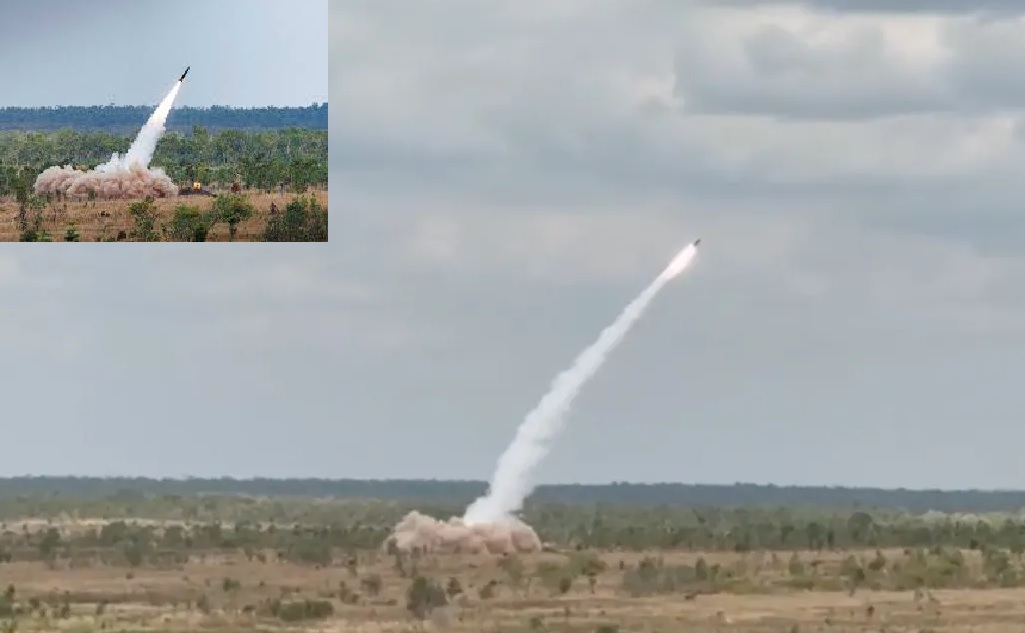
World
Australia has successfully conducted its first-ever test firing of the Precision Strike Missile (PrSM), a new-generation long-range missile developed jointly with the United States. The test, which took place at the Mount Bundey Training Area in the Northern Territory, marks a key step in strengthening the Australian Defence Force’s (ADF) ability to strike targets at long distances. The missile was launched using a High Mobility Artillery Rocket System (HIMARS) — also a U.S.-origin system — and this was the first time the Australian Army had fired the PrSM using HIMARS on Australian soil. Defence Industry Minister Pat Conroy and U.S. Secretary of the Army Daniel Driscoll were present to witness the test, underscoring the growing defence collaboration between the two countries. The PrSM is capable of hitting targets beyond 500 kilometres, and its range is expected to eventually exceed 1,000 kilometres with future upgrades. It forms a key part of Australia’s new defence posture, outlined in the 2024 National Defence Strategy, which places a high priority on long-range strike power and preparing the Army for littoral (coastal) manoeuvre operations. What makes this event particularly significant is that the test happened two years ahead of schedule, thanks to the early delivery of both the missile and the HIMARS launchers. This early achievement is seen as a “twenty-five-fold increase” to the Army’s long-range firepower, according to Minister Conroy. Earlier this year, Australia and the U.S. signed a Memorandum of Understanding (MoU) for the joint production, maintenance, and future development of the PrSM. Talks are also set to begin on domestic manufacturing and sustainment options, potentially giving Australia a local defence industry boost. The PrSM is designed to eventually include better sensors and more advanced warheads, keeping pace with evolving battlefield demands. Its compact design also means two missiles can be loaded into a single HIMARS pod, doubling firepower without increasing the size of the system. This test adds to a series of successful missile evaluations Australia has carried out recently, all part of the Albanese Government’s efforts to fast-track modern defence capabilities in response to changing regional security dynamics.
Read More → Posted on 2025-07-28 14:28:43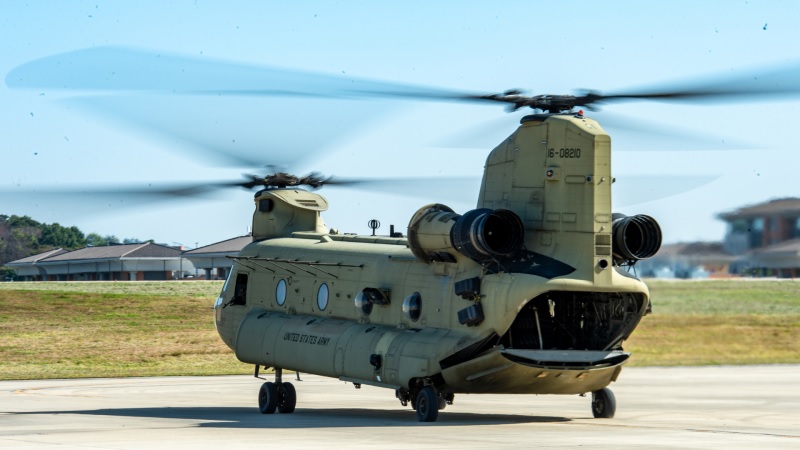
World
The United States and South Korea have launched a new agreement to carry out Maintenance, Repair, and Overhaul (MRO) for US Army CH-47 Chinook helicopters directly in South Korea. This move is designed to improve the combat readiness of US forces stationed on the Korean Peninsula while also boosting South Korea’s defense industry. This pilot program will allow local South Korean defense firms to handle critical maintenance work for the Chinooks used by the US Army’s 3rd General Support Aviation Battalion, which is part of the 2nd Combat Aviation Brigade under the 2nd Infantry Division. These helicopters are stationed at Camp Humphreys, in Pyeongtaek, which is the largest overseas US military base. The Chinook helicopters, operated by the battalion nicknamed “Nightmare”, play a vital role in transporting troops and cargo, conducting joint drills, and executing rapid response missions. By servicing these helicopters locally, both countries aim to reduce downtime, increase operational efficiency, and deepen military cooperation. Though the specific companies involved in the MRO tasks haven’t been officially announced, Hanwha Aerospace has emerged as a strong potential partner. According to Yonhap News, Hanwha is currently the only company in South Korea with the right combination of technical know-how and certified facilities to handle the Chinook’s T55 turboshaft engines. Hanwha Aerospace, in a LinkedIn post, welcomed the move to establish South Korea as a regional hub for Chinook engine maintenance. The company called the agreement a strategic milestone for both nations under the Pentagon’s regional sustainment framework, which aims to create stronger MRO networks with US allies around the world. Hanwha’s Changwon facility already holds multiple international certifications, including from the US Federal Aviation Administration (FAA). The company stated it would leverage its 46 years of experience to support the alliance and expand its footprint in the global MRO business. In fact, Hanwha’s capabilities extend beyond aircraft. Its maritime division has recently overhauled several US Navy Military Sealift Command ships, including the USNS Wally Schirra, and secured new contracts for the USNS Yukon and USNS Charles Drew in 2025. This MRO pact is part of a larger US strategy announced last year to expand logistics and sustainment capabilities in key regions. By localizing helicopter maintenance, the US not only strengthens ties with Seoul but also ensures faster turnaround times and lower operational costs, which are crucial in a high-tension region like East Asia. Overall, this agreement signals a deepening of US-South Korea defense cooperation, with mutual benefits for both countries’ military readiness and industrial growth.
Read More → Posted on 2025-07-28 14:23:07
World
A California-based company, Swift Navigation, has announced a major leap in location technology, claiming its new system can make GPS up to 100 times more accurate using cloud computing. The company introduced Skylark, a cloud-powered positioning service that aims to fix one of GPS’s biggest limitations—its inaccuracy in precision-based tasks. While traditional GPS gives location data with an error margin of 3 to 10 meters, Skylark claims to reduce that to just a few centimeters. How It Works Skylark doesn’t depend on local base stations or dense ground infrastructure like older positioning systems. Instead, it uses advanced atmospheric modeling, carrier-grade networks, and a fully cloud-based architecture to correct GPS signal distortions in real time. GPS signals traveling from satellites are often distorted by various factors—satellite clock errors, orbital shifts, ionospheric interference, and even weather-related issues in the troposphere. Skylark tackles all these challenges by processing the signal data through its cloud platform, which calculates and sends real-time corrections to supported devices. This cloud-based approach allows the system to offer centimeter-level accuracy, making it especially valuable for autonomous vehicles, delivery drones, agriculture machinery, and mobile robots—applications where even minor errors can lead to failure or danger. Industry First Swift Navigation says Skylark is the first real-time, cloud-based positioning system to receive certifications that meet key road vehicle safety standards. That means it’s not only precise, but also compliant with strict requirements for use in public transport systems and autonomous driving. The benefits extend beyond accuracy. Since there’s no need for installing local correction towers or infrastructure, deployment is easier and more cost-effective across various industries. Big Funding to Go Global To bring Skylark to a wider audience, Swift Navigation recently raised $50 million in Series E funding. The investment round was led by Crosslink Capital, with support from major backers like New Enterprise Associates, Eclipse Ventures, and First Round Capital. New investors Niterra Ventures, AlTi Tiedemann Global, and EnerTech Capital also joined in, pushing Swift’s total funding beyond $250 million. According to CEO Timothy Harris, the new capital will help the company expand its partnerships, scale up deployment, and drive adoption in both civilian and military sectors. “We’re thrilled to have the support of such a strong group of investors who recognize the transformative power of precise positioning,” Harris said. “This funding enables us to accelerate growth and continue to innovate.” With Skylark, Swift Navigation is not just making GPS more accurate—it’s setting the foundation for a future where precision location is standard, scalable, and affordable.
Read More → Posted on 2025-07-28 14:14:55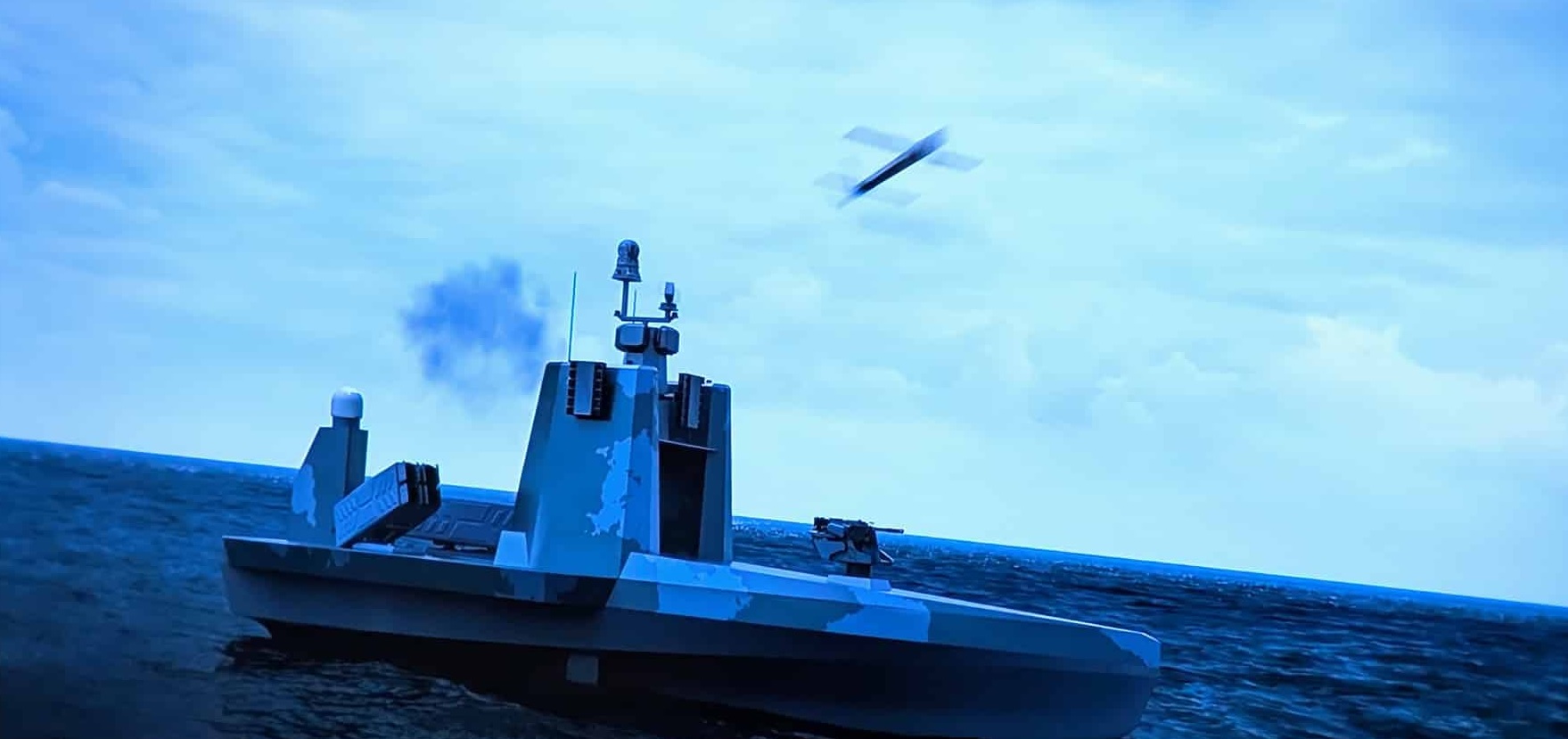
World
SEAir has officially launched the ARROW USV (Uncrewed Surface Vessel) program, a major new initiative aimed at enhancing European maritime security. With over 90,000 kilometers of coastline and growing maritime threats, Europe is now turning to faster and more advanced unmanned technology to protect its waters. The ARROW project is set to become a key part of that strategy. The ARROW vessel is a 12-metre hydrofoil-powered craft capable of operating with or without a crew. Designed for speed and efficiency, it can travel at 35 to 45 knots and cover up to 400 nautical miles, all while consuming 50% less fuel. The vessel is also built for low visibility and minimal wake, allowing for stealthy operations in sensitive environments. This program is being led by SEAir, a French maritime innovation company, and involves a consortium of 10 European partners. These include eight SMEs (Small and Medium Enterprises) and two Research and Technology Organizations (RTOs) from eight EU member states and associated countries. Some of the key names involved are C&V Defence, Maritime Robotics AS, Riga Technical University, Tallinn University of Technology, and Maxwell Applied Tech. Funded by the European Defence Fund (EDF) with a budget of €7.5 million, the ARROW program is scheduled to deliver a fully autonomous USV platform by 2028. The EDF’s mission is to support innovation and strengthen the strategic autonomy of Europe’s defense sector by investing in collaborative projects like this one. The ARROW program was highlighted at Euronaval 2024, where SEAir also showcased new USV designs, including the SCP120, a model derived from the ARROW concept. The project is currently in the design phase, with a prototype expected by 2027 to begin sea trials. As Europe faces increasing challenges in protecting its maritime borders and infrastructure, the ARROW USV is expected to offer a cost-effective, agile, and high-performance solution for future naval operations.
Read More → Posted on 2025-07-27 15:27:40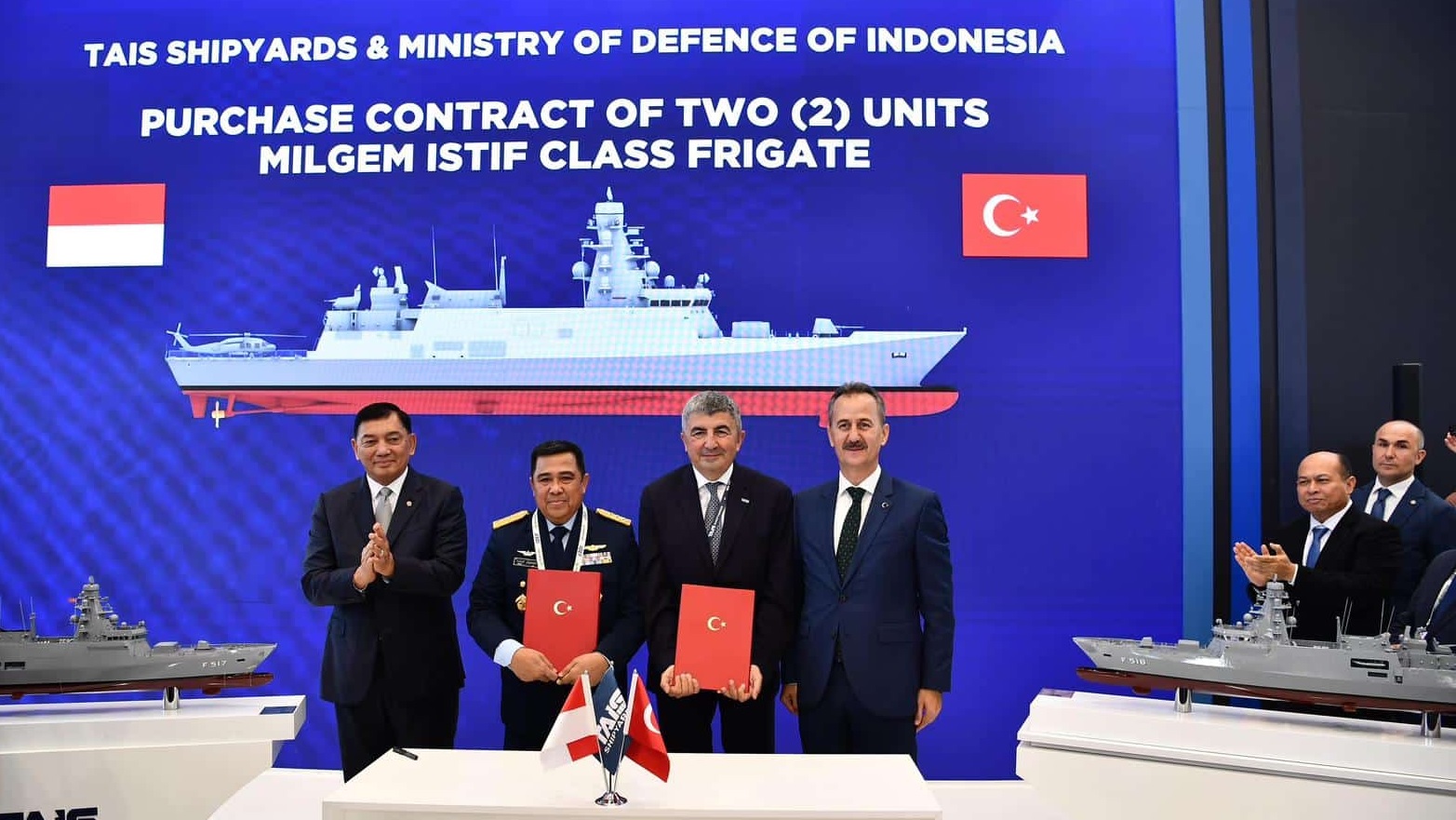
World
In a major boost to Türkiye’s defense exports, TAIS Shipyards has signed a landmark agreement with Indonesia’s Ministry of Defence to supply two advanced MILGEM Istif-class frigates. The announcement was made on July 26, 2025, at the IDEF 2025 defense exhibition in Istanbul, marking Türkiye’s first-ever export of MILGEM-class warships to a Southeast Asian nation. The deal was finalized in the presence of Prof. Dr. Haluk Görgün, President of Türkiye’s Defense Industries (SSB), and symbolizes a turning point for Turkish naval engineering on the international stage. The two frigates will significantly boost the Indonesian Navy’s capabilities, as Jakarta pursues a broad naval modernization plan in response to rising maritime challenges in the Indo-Pacific region. The Istif-class represents the latest generation in Türkiye’s indigenous MILGEM (National Ship) program, a long-term project that began in the early 2000s. Unlike the earlier ADA-class corvettes, the Istif-class brings enhanced size, range, and firepower, making it suitable for blue-water operations. Each frigate is approximately 113 meters long, displaces 3,100 tons, and is powered by a Combined Diesel and Gas (CODAG) propulsion system, ensuring both high speed and endurance. These multi-role ships are equipped with a 16-cell MIDLAS vertical launch system, compatible with HISAR air defense missiles, Atmaca anti-ship missiles, and a variety of advanced sensor systems including a national AESA radar, electronic warfare suites, and anti-submarine warfare gear like a hull-mounted sonar, towed array sonar, and a flight deck for S-70B Seahawk helicopters. The lead ship of this class, TCG Istanbul (F-515), began sea trials in 2023 and serves as the blueprint for the frigates being delivered to Indonesia. The builder, TAIS Shipyards, is a powerhouse in Turkish naval construction, consisting of Anadolu, Sedef, and Sefine Shipyards. Earlier this year, TAIS demonstrated its industrial strength by launching two Istif-class frigates simultaneously for the Turkish Navy. Indonesia’s choice of the Istif-class reflects a growing confidence in Türkiye’s naval technology and opens the door to industrial cooperation and potential technology transfer—key goals for Jakarta as it seeks to strengthen its domestic shipbuilding sector. This export is part of Türkiye’s broader push to become a global supplier of advanced naval platforms. In recent years, Turkish shipbuilders have delivered or started work on warships for several nations, including Pakistan, Ukraine, and now Indonesia, while also exploring markets in North Africa, Eastern Europe, and the Middle East. The Indonesia-Türkiye frigate deal not only strengthens bilateral defense ties but also underlines Türkiye’s emergence as a serious player in the global maritime defense industry. With continued state support and investments in homegrown technologies, Türkiye is increasingly seen as a competitive and reliable partner in the world of modern warship exports.
Read More → Posted on 2025-07-27 14:53:49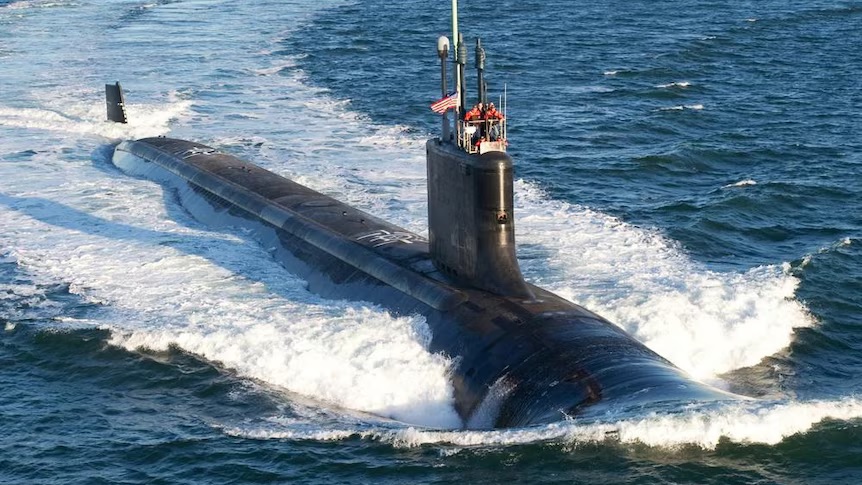
World
In a major step forward for the AUKUS alliance, Australia and the United Kingdom signed a landmark 50-year agreement on July 26, 2025, to cooperate on nuclear-powered submarines. Known as the Geelong Treaty, the pact was formalised in Geelong, Victoria, and marks a long-term strategic commitment under AUKUS Pillar I, which focuses on nuclear-powered submarine capabilities. The treaty was signed during the UK-Australia Defence Ministers’ Meeting by Australia’s Deputy Prime Minister and Defence Minister Richard Marles and the UK’s Defence Secretary John Healey. This agreement lays the groundwork for both nations to collaborate on designing, building, operating, and maintaining a new generation of SSN-AUKUS submarines. Beyond just submarines, the treaty supports the development of a broader ecosystem—covering infrastructure, workforce, training systems, and nuclear regulation—required for Australia’s nuclear-powered submarine program. It also ensures full compliance with international nuclear non-proliferation agreements, including the Treaty on the Non-Proliferation of Nuclear Weapons and the South Pacific Nuclear Free Zone Treaty. A key feature of the treaty includes port visits and rotational deployment of the UK’s Astute-class submarines at HMAS Stirling in Western Australia. This forms part of the Submarine Rotational Force – West, further integrating UK forces into Australia’s strategic naval presence. The agreement is also aimed at strengthening trilateral cooperation between Australia, the UK, and the United States, by enhancing shared supply chains and technological capabilities under the broader AUKUS framework. Officials said this collaboration is critical for maintaining security in both the Indo-Pacific and Euro-Atlantic regions. According to Richard Marles, the Geelong Treaty highlights the deep trust between the two countries and will help Australia acquire conventionally-armed, nuclear-powered submarines. He stressed that this effort will be backed by a growing pool of skilled workers, advanced infrastructure, and cutting-edge technologies. UK Defence Secretary John Healey described the treaty as a "historic milestone" and reaffirmed the UK’s long-term commitment to the Indo-Pacific through AUKUS. He noted that this agreement reflects not just military cooperation but also economic and industrial partnership, with both countries expected to see thousands of jobs created and significant growth in their defence industries. Together with the AUKUS Naval Nuclear Propulsion Agreement (ANNPA), the treaty signals a significant leap in undersea capabilities and sets the stage for decades of strategic defence cooperation between Australia and the UK—anchored in shared values, regional stability, and technological leadership.
Read More → Posted on 2025-07-27 14:48:26
World
In a bold demonstration of its advancing defence capabilities, Türkiye has introduced what it claims is its most powerful non-nuclear bomb ever — the 970-kilogram GAZAP, developed by the Ministry of National Defence’s R&D division. The bomb made its debut at IDEF 2025, the country’s premier international defence expo held in Istanbul, alongside other major Turkish-made military systems. GAZAP stands out due to its extremely high fragment density, reportedly producing 10.16 fragment explosions per meter, far surpassing the earlier standard of one explosion every three meters. This technology drastically boosts the lethality and area coverage of the bomb, making it highly effective in conventional combat without stepping into the nuclear realm. The bomb is compatible with F-16 fighter jets, providing easy integration into Türkiye’s existing air fleet. But while Türkiye calls the GAZAP its most powerful non-nuclear bomb to date, a closer comparison with similar weapons from other military powers reveals that such large-scale, high-yield conventional bombs have long been in service elsewhere: Global Comparison of Heavy Non-Nuclear Bombs Country Bomb Name Weight (kg) Type Notes USA GBU-43/B MOAB ("Mother of All Bombs") 9,800 kg Massive Ordnance Air Blast Largest non-nuclear bomb in US arsenal; used in Afghanistan in 2017 Russia FOAB ("Father of All Bombs") ~7,000 kg (equivalent TNT yield) Thermobaric Claimed to be 4x more powerful than MOAB China Unnamed Air-dropped Bomb ~5,000 kg (est.) Thermobaric Tested in 2019; called China’s MOAB India DRDO’s Penetrator Bomb ~1,000 kg Bunker-buster Designed for deep penetration; mostly classified UK Storm Shadow Cruise Missile (Warhead) ~450 kg Precision-guided While lighter, highly accurate for strategic targets Türkiye GAZAP 970 kg Fragmentation bomb Türkiye's heaviest and most advanced conventional bomb to date When placed against these heavyweight contenders, Türkiye’s GAZAP is modest in size and yield. While it may be the most powerful bomb developed indigenously by Türkiye, it falls well behind the 9.8-tonne MOAB of the United States and the thermobaric FOAB of Russia in terms of destructive capacity. Yet, where the GAZAP makes its mark is in technological sophistication and target-specific lethality. Its high fragmentation rate is designed for maximum personnel and light structure damage over a wide area, rather than raw explosive force. This makes it ideal for modern combat environments requiring precise, high-impact damage with minimal collateral risk. NEB-2 Ghost: Bunker Buster With a Delay Twist Also revealed at the expo was the NEB-2 Ghost, another 970-kg bomb, this one tailored for bunker-busting missions. In a dramatic test, the bomb was dropped on an island target and penetrated 90 meters underground, causing landslides, gas leaks, and destroying rock formations across a 160-meter radius. The detonation was delayed by 240 milliseconds after impact — a sharp contrast to the standard 25 milliseconds, allowing it to dig deeper before exploding. This delay technique significantly increases its underground destructive potential. Tayfun Block 4: Türkiye’s Hypersonic Leap The final showstopper was the Tayfun Block 4, Türkiye’s first hypersonic ballistic missile, developed by Roketsan. The missile promises high manoeuvrability, long-range precision, and the ability to evade missile defence systems, reflecting Türkiye’s ambition to join the elite club of hypersonic missile producers like the US, Russia, and China. Türkiye’s Message: Self-Reliance and High-Tech Warfare While Türkiye's newly unveiled bombs may not rival the physical mass or yield of their American or Russian counterparts, they underscore a significant milestone: indigenous development of smart, effective, and mission-specific weaponry. The focus is not just on brute force but on adaptability, precision, and technological integration—hallmarks of next-generation warfare. The unveiling of GAZAP, NEB-2 Ghost, and Tayfun Block 4 sends a clear message: Türkiye is rapidly modernizing its military arsenal with homegrown solutions, aiming for strategic independence and a stronger role in global defence markets. Whether it becomes a leader in firepower is yet to be seen, but it is certainly proving itself as a fast-rising player in the defence innovation race.
Read More → Posted on 2025-07-27 14:40:04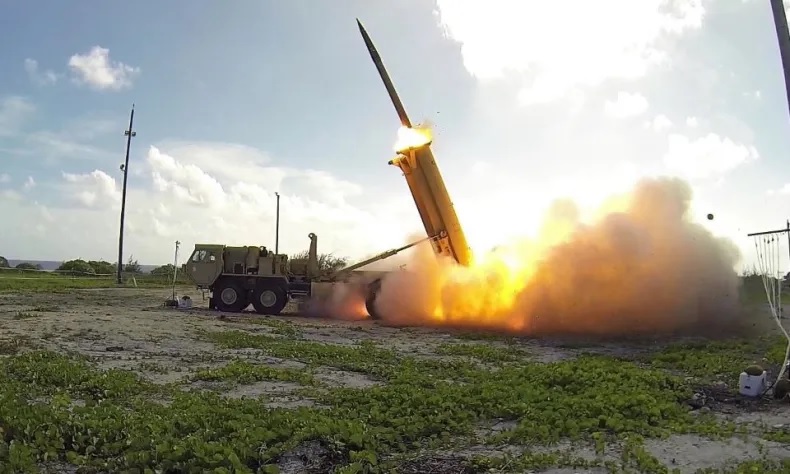
World
During the recent 12-day conflict between Israel and Iran, the United States’ advanced THAAD missile defense system played a major role in protecting Israeli airspace. More than 150 THAAD interceptor missiles were used during this period, marking one of the largest operational deployments of the system in recent years. The Terminal High Altitude Area Defense (THAAD) system, made by Lockheed Martin, is designed to intercept ballistic missiles at high altitudes—typically in the final phase of their flight. Each THAAD battery includes 3 to 6 mobile launchers, radar systems, and fire control units. A single launcher can carry eight interceptor missiles. Initially, Israel had one permanent U.S. THAAD battery on its soil. But during the conflict, a second THAAD battery was rushed in by Washington, a rare step considering the U.S. only operates eight such batteries globally. According to The Wall Street Journal, this move reflected the urgency and seriousness of the threat posed by Iran’s missile barrage. The 150+ THAAD interceptors used in just under two weeks represent about 25% of the total U.S. stockpile of nearly 650 missiles acquired since 2010. Replacing these would be a long process. The Pentagon plans to procure only 37 more interceptors next year, which means it could take up to four years to replenish the spent missiles at current production rates. Although Lockheed Martin has the ability to ramp up production to around 100 interceptors a year, this would require additional funding and time. Each interceptor comes with a hefty price tag—over $15 million per missile. In addition to THAAD, American Navy warships in the region launched about 80 SM-3 interceptors to support Israel’s layered missile shield. On its part, Israel activated its indigenous Arrow (Hetz) missile defense systems, which were co-developed with the United States, to handle the bulk of the incoming threats. Iran, in retaliation for earlier Israeli strikes, reportedly launched nearly 500 ballistic missiles toward Israel. Despite the sophisticated defenses, some Iranian missiles did penetrate, resulting in 29 Israeli deaths and over 100 injuries. According to analysts, the rapid depletion of high-cost interceptors like THAAD was a key reason behind Israel’s decision to halt further military escalation. The strain on air defense inventories underlined how even advanced systems can face logistical and strategic limits during intense, prolonged missile warfare.
Read More → Posted on 2025-07-27 14:34:47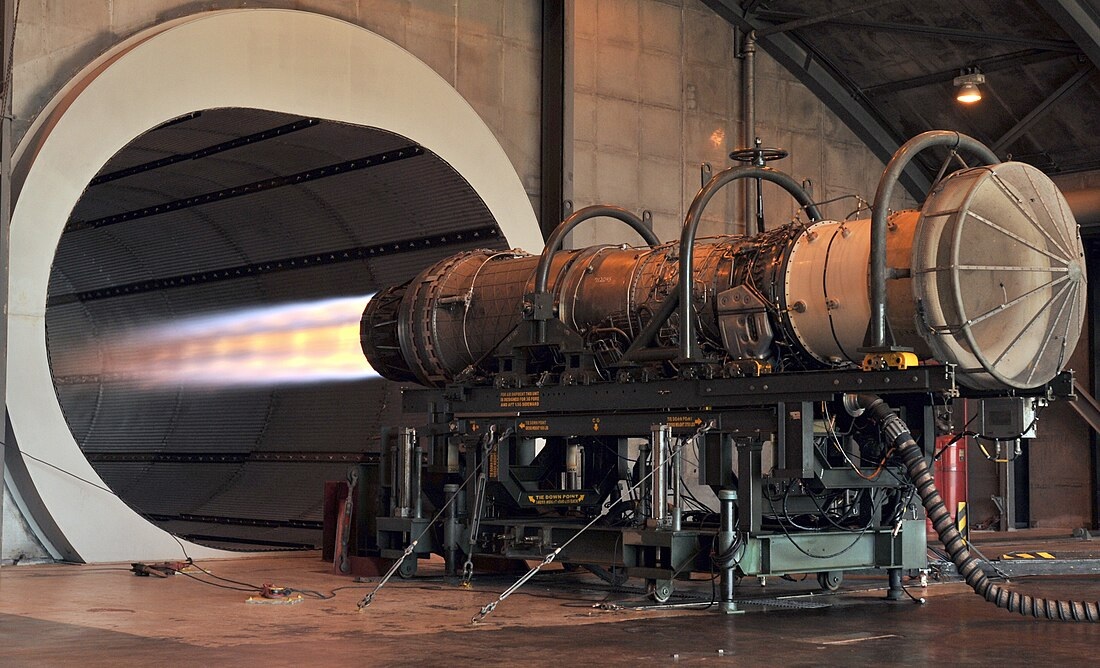
India
India is moving closer to a major milestone in its aerospace development, with the Gas Turbine Research Establishment (GTRE) nearly completing its new 130-kilonewton (kN) Twin Engine Test Bed near Rajanukunte, Bengaluru. The advanced test facility, which began construction in September 2023, is expected to be fully operational by October 2025, and will play a crucial role in testing and validating indigenous military jet engines. At the heart of the project is India's push to achieve self-reliance in critical engine technology, an area that has historically depended on foreign suppliers. This upcoming facility will help change that, enabling high-endurance and performance trials of both existing and next-generation engines. Among the main beneficiaries of the new site is the Kaveri Derivative Engine (KDE), more commonly known as the ‘Dry Kaveri’. This is a non-afterburning version of the original GTX-35VS Kaveri engine, tailored to produce around 46-52 kN of thrust, and is intended for India’s 13-ton stealth Unmanned Combat Aerial Vehicle (UCAV) Ghatak. The Ghatak is designed for precision strikes and surveillance, and engine reliability is critical to its success. So far, the Dry Kaveri engine has demonstrated stable performance of 49-51 kN during ground and high-altitude simulations in Russia. Now, with this domestic test bed, GTRE will be able to conduct similar tests at home, speeding up development and reducing reliance on foreign testing infrastructure. The engine is expected to undergo in-flight trials aboard a modified Ilyushin Il-76 aircraft in Russia by late 2025, aiming for certification in 2026. However, with this new test setup in India, GTRE could even begin limited series production of the engine by 2025-26, provided trials proceed as planned. Satellite imagery has already confirmed the twin test cell configuration at Rajanukunte, allowing simultaneous testing of two engines under varied conditions—critical for high-fidelity performance evaluation and long-duration trials. Sources suggest first engine tests could begin by mid-2026. In addition to the Dry Kaveri, the Rajanukunte facility is set to support future engine programs, including the Kaveri 2.0, an upgraded engine that adds an afterburner to reach wet thrust levels of 80-85 kN. If weight and other design challenges are overcome, this could become an option for aircraft like the LCA Tejas Mk1A. Most significantly, the new test bed is expected to be a cornerstone for the development of a 120kN-class engine for India’s Advanced Medium Combat Aircraft (AMCA), a stealth fighter currently in the design and prototype phase. The test bed's ability to simulate high-altitude and supersonic conditions will be vital for refining engine stealth features, fuel efficiency, and thrust vectoring capabilities. According to GTRE’s roadmap, the AMCA engine core is expected by 2029, with a full technology demonstrator targeted for the early 2030s. This long-term vision underscores the importance of the Rajanukunte facility, not just for present needs, but for India's next-generation air combat capability. Once operational, the test site will mark a significant leap forward in India’s aerospace independence, offering a reliable platform for homegrown jet engine development and positioning the country among the few globally with such testing infrastructure.
Read More → Posted on 2025-07-27 14:25:48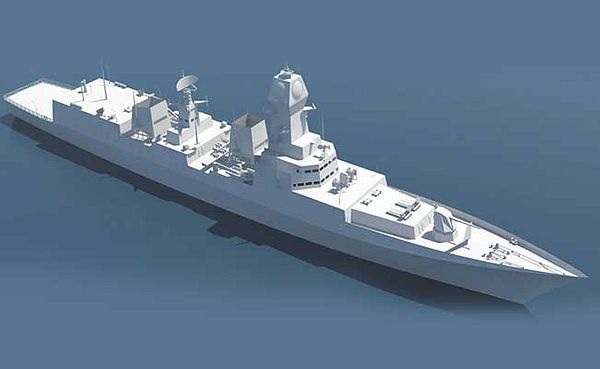
India
The Indian Navy is preparing to significantly boost its surface combat capabilities with the development of the Next Generation Destroyers (NGDs) under the ambitious Project-18. These new destroyers, projected to displace between 10,000 to 13,000 tonnes, will be the most heavily armed surface warships ever built in India, featuring a cutting-edge Vertical Launch System (VLS) configuration totaling 144 missile cells. According to preliminary design layouts and publicly available concept models, each Project-18 class vessel will house: 32 VLS cells for long-range surface-to-air missiles (LRSAM). 48 universal VLS cells for launching supersonic or hypersonic cruise missiles like BrahMos-ER or future BrahMos-II variants, and 64 smaller VLS cells for short- and medium-range air defense missiles. This three-tier VLS configuration, spread across forward and aft sections of the ship, is supplemented by 8 inclined launchers for larger, canisterized missiles, allowing the destroyer to engage aerial, surface, and sub-surface threats across vast distances. The VLS units will be based on Universal Vertical Launch Module (UVLM) technology, providing the flexibility to house a variety of missile types — from anti-air and anti-ship to land-attack and anti-submarine weapons. The ships are also expected to be compatible with future indigenous anti-ballistic missile systems, such as the XR-SAM or Project Kusha, greatly enhancing area denial and layered defense capabilities. High-End Specs with Strategic Focus The Project-18 destroyers will be equipped with advanced integrated masts, stealthy design features, and a full suite of sensors and combat management systems. They are expected to incorporate: Electric propulsion systems, enabling reduced acoustic signatures, Integrated mast systems with multifunction AESA radars, Space for unmanned systems, including UAVs and USVs. The Warship Design Bureau (WDB) is spearheading the design process, while Mazagon Dock Shipbuilders Ltd (MDL) and Garden Reach Shipbuilders and Engineers (GRSE) are likely to be considered for construction. The total cost of the program is estimated to be around ₹80,000 crore (~US$10 billion). Timeline and Fleet Expansion The Indian Navy aims to acquire 8 to 10 destroyers under Project-18. The Defence Acquisition Council (DAC) is expected to clear the proposal by 2025–26, with the Request for Proposal (RFP) and construction kickoff likely in the late 2020s. The first vessel is anticipated to enter service by the early to mid-2030s. At present, the Navy operates 13 destroyers across the Delhi, Kolkata, and Visakhapatnam classes. The induction of Project-18 will significantly expand and modernize India’s destroyer fleet, narrowing the quantitative and qualitative gap with naval powers such as China and the United States. Strategic Implication With this configuration, Project-18 destroyers will rival the world's most powerful surface combatants, including the US Navy’s Arleigh Burke-class and China’s Type-055 class. The sheer number of VLS cells, combined with indigenous weapons and sensor suites, positions these warships as central to India’s future blue-water naval doctrine, capable of leading carrier strike groups and defending strategic interests across the Indian Ocean Region (IOR).
Read More → Posted on 2025-07-26 16:14:25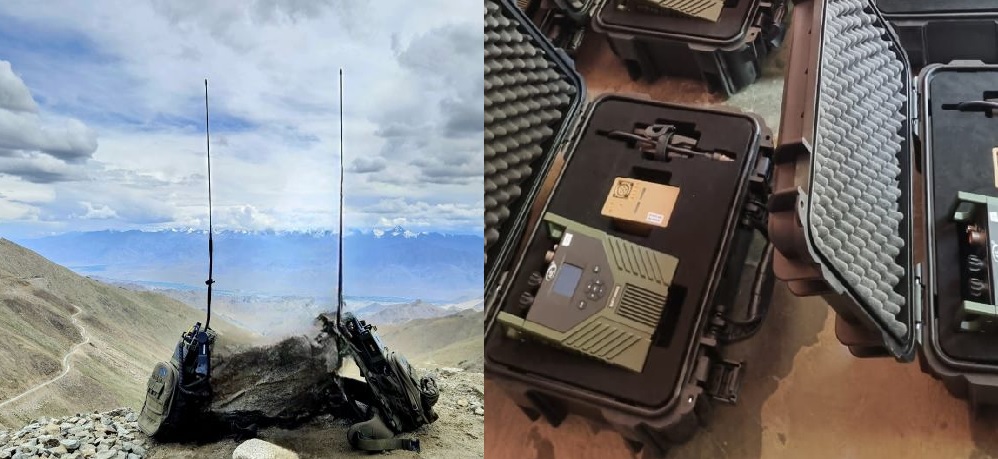
India
Hyderabad-based Astra Rafael Comsys Pvt. Ltd. (ARC), a joint venture between India’s Astra Microwave Products Ltd. (AMPL) and Israel’s Rafael Advanced Defense Systems, has successfully completed user trials of its BNET‑MANAS V/UHF Software‑Defined Radio (SDR) for the Indian Army, under the Ministry of Defence’s Make‑II initiative . Key Technical and Strategic Highlights • Development and Specifications The BNET‑MANAS Manpack SDR, part of ARC’s broader BNET family, was developed from scratch according to stringent Indian Army requirements . ARC markets the BNET architecture as enabling digitized battlefield connectivity, featuring ultra‑wideband data, low latency, and high data integrity and availability, which together support seamless force‑level communication without relay dependencies . • User Trial Phases The trials were conducted in three distinct phases to validate the SDR’s operational capabilities across environments: Lab Trials: Bench-level and controlled testing to benchmark performance. Field Trials (HOT): Conducted in Jodhpur, Rajasthan, to assess survivability and performance under high-temperature conditions. High-Altitude Trials (COLD): Held at Leh, Ladakh, to verify operation in extreme cold and high-altitude terrain . Completion of these phases demonstrates robustness, reliability, and adaptability in operational scenarios integral to Indian defense operations. • Strategic Context BNET‑MANAS is participating in the Indian Army’s strategic Make‑II program, which emphasizes indigenous design, development, and production (IDDM) by private-sector defense firms . This success aligns with the Atmanirbhar Bharat (self‑reliance) and Make in India initiatives, aiming to reduce dependence on foreign systems and boost local defense manufacturing . • Implications and Outlook The trial results position ARC as a leading private‑sector player in India’s defense communications space, especially in SDR, electronic warfare (EW), and cognitive radio systems . With user trials complete, BNET‑MANAS is now moving into final evaluation phases leading up to a potential procurement contract under Make‑II. ARC has an existing contract to supply BNET radios (including hand‑held, man‑pack, vehicular, and airborne variants) to the Indian Air Force, further reaffirming its expanding defense footprint . The successful completion of user trials for the BNET‑MANAS SDR marks a significant milestone in India's pursuit of indigenously developed tactical communication systems. Backed by rigorous testing in diverse climatic and geographical conditions, the BNET‑MANAS system is well-positioned for adoption by the Indian Army. The achievement bolsters ARC’s credibility as a key defense electronics provider, aligning with India’s broader goals of self-reliance in critical defense technology. If you’d like deeper insights into BNET architecture, ARC’s capabilities, or comparisons with other SDRs, I'd be happy to help!
Read More → Posted on 2025-07-26 16:04:34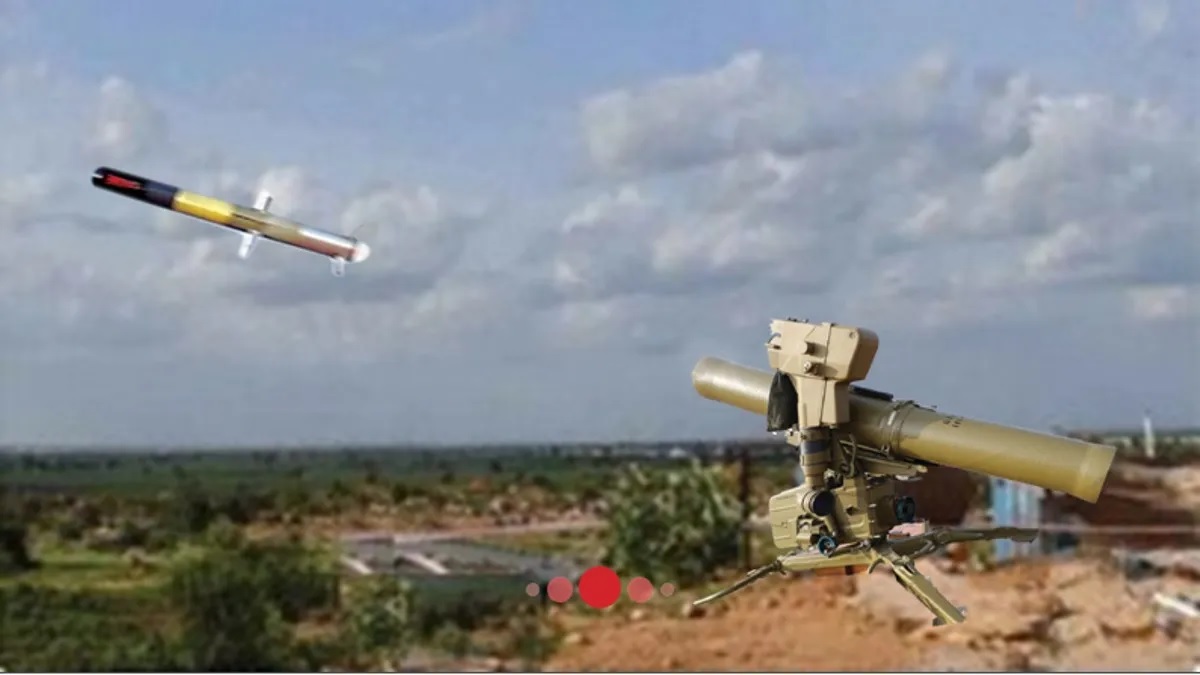
India
Bharat Dynamics Limited (BDL) has secured a ₹809 crore (approximately USD 92 million) order from Armoured Vehicles Nigam Limited (AVNL) for the supply of Anti-Tank Guided Missiles (ATGMs). The order, announced via a regulatory filing on July 25, is to be executed over a period of three years and marks a key milestone in India’s efforts to enhance self-reliance in advanced weapon systems under the “Make in India” initiative. “The order is not a related-party transaction and neither the promoter nor promoter group has any interest in the entity placing the order,” BDL stated in its stock exchange disclosure. While BDL has not officially disclosed the missile type due to operational sensitivities, defence industry sources suggest that the Konkurs-M ATGM is the likely system being supplied under this contract. The Konkurs-M is a second-generation, semi-automatic, wire-guided missile, designed to defeat armored targets protected by Explosive Reactive Armor (ERA), with an effective range of up to 4 kilometers. These missiles are typically integrated with BMP-2 infantry combat vehicles, manufactured by AVNL. The ATGMs are manufactured by BDL under a licensed production agreement with the original Russian developer, with a significant degree of indigenisation already achieved. This aligns with the Indian government’s strategic push to reduce dependence on foreign suppliers for critical defence systems. This latest order comes amid a robust business outlook for BDL. As of April 1, 2025, the company reported an order book of ₹22,700 crore, which includes multiple high-value contracts from India’s armed forces and defence PSUs. During the current financial year alone, BDL has secured orders worth ₹6,668 crore. Market reaction to the announcement was modest. BDL shares closed at ₹1,657 on the Bombay Stock Exchange on July 25, down nearly 2% from the previous day. However, the stock has witnessed a strong rally of over 38% in the past six months, driven by increasing order inflows and strategic tie-ups. BDL also recently announced a final dividend of ₹0.65 per share for FY 2024–25, reinforcing its financial stability and commitment to shareholder returns. The ₹809 crore contract not only strengthens BDL’s production pipeline but also showcases effective collaboration between India’s state-owned defence manufacturers. For AVNL—formed in 2021 from the corporatisation of the Ordnance Factory Board—this procurement will enhance the firepower of Indian mechanised infantry units with reliable, combat-proven ATGMs. As India continues to ramp up indigenous defence manufacturing, this deal reinforces the growing capabilities of public sector units like BDL and AVNL in supporting critical operational requirements of the armed forces.
Read More → Posted on 2025-07-26 16:00:06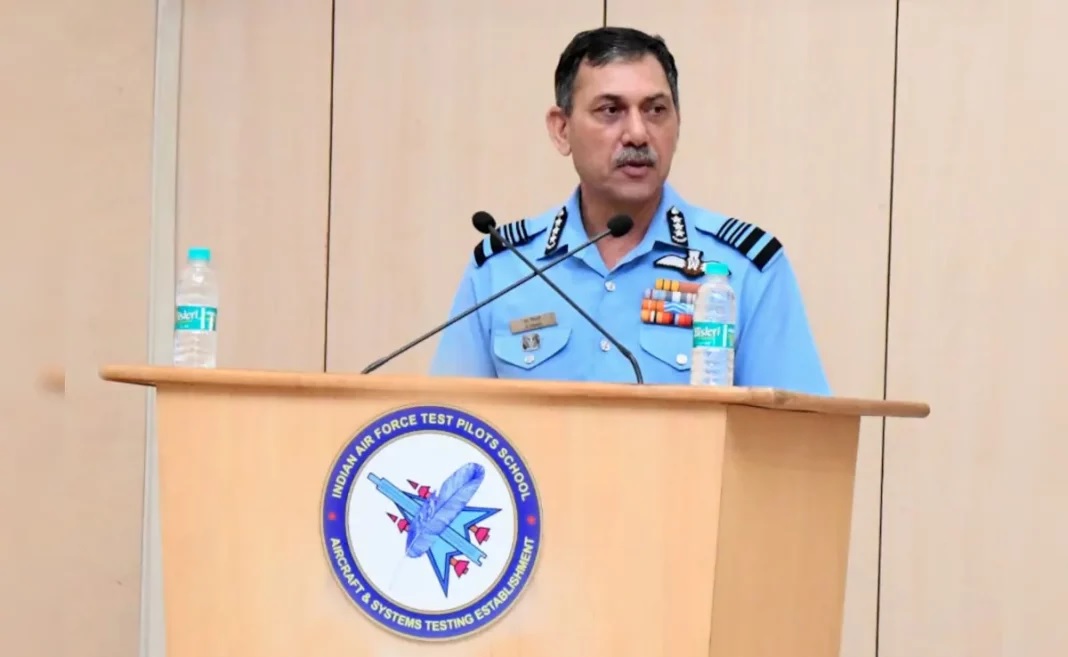
India
In a significant revelation, Indian Air Force Vice Chief Air Marshal Narmdeshwar Tiwari has confirmed that fewer than 50 air-launched weapons used by the Indian Air Force (IAF) during Operation Sindoor were sufficient to neutralize key Pakistani military infrastructure and push Islamabad to seek a ceasefire and return to the negotiating table. “Less than 50 air-launched weapons fired by India at airbases and radar sites in Pakistan during Operation Sindoor compelled the western adversary to come to the negotiating table and sue for peace,” said Air Marshal Tiwari, addressing a defence conclave in New Delhi. He described the operation as a "masterclass in strategic air power and minimalistic force projection." What Was Operation Sindoor? Launched in early May 2025, Operation Sindoor was India’s calibrated military response to the Pahalgam terror attack of April 22, which killed many Hindu civilians. The Indian government authorised limited high-precision air strikes aimed at degrading Pakistan’s military infrastructure while avoiding escalation into full-scale war. The strikes were carried out by frontline IAF fighter jets — including Rafales, Mirage 2000s, and Su-30MKIs — targeting multiple sites inside Pakistan and Pakistan-occupied Kashmir. The mission reportedly lasted 23 minutes and involved real-time coordination using AWACS, satellite surveillance, and ISR drones. Weapons Used Although the IAF has not officially confirmed the inventory used, sources indicate that a mix of stand-off precision-guided munitions were deployed: SCALP-EG cruise missiles launched from Rafale jets SPICE-2000 bombs and Crystal Maze-II missiles Smart Anti-Airfield Weapons (SAAW) developed by DRDO Air-launched BrahMos-A cruise missiles Rampage and AASM Hammer systems for runway and bunker destruction Loitering munitions for mobile or time-sensitive targets These weapons were chosen for their accuracy, stand-off range, and ability to neutralize hardened and critical infrastructure with minimal collateral damage. Impact on Pakistani Military Infrastructure The strikes focused on airbases, radar stations, command and control facilities, and fuel depots. According to open-source assessments and satellite imagery cited by defence analysts, the following outcomes were observed: Forward radar installations were disabled Two major airbases suffered temporary operational paralysis Fuel and munitions storage sites were hit Communication and air defence nodes were disrupted Sources in the Indian security establishment stated that the strike had immediate tactical impact, catching Pakistan’s air defence network off guard and leaving several forward positions exposed. Pakistan’s Diplomatic Outreach and Ceasefire Within hours of the strikes, Pakistan reportedly activated backchannel diplomatic communications, first through the United States and then via official lines with New Delhi. A ceasefire agreement was reached by May 10, just three days after the operation began. Air Marshal Tiwari noted that the operation demonstrated how calibrated, high-precision strikes can yield strategic results without escalation. “This was not about how many weapons were fired. It was about what those weapons achieved. Operation Sindoor exemplified how modern air power, backed by intelligence and technology, can change the course of conflict with minimal force,” he added. A Doctrinal Shift for India Operation Sindoor has been hailed within defence circles as a turning point in India’s coercive diplomacy. Unlike the Balakot airstrike of 2019, which was a single-target raid, Sindoor was a multi-target, multi-theatre operation showcasing India's growing precision-strike capabilities. The operation reinforced India's commitment to a graduated response doctrine — using military force proportionally, decisively, and with strategic restraint. Defence observers suggest that the IAF's modernised air fleet, improved ISR capabilities, and deep inventory of PGMs have fundamentally changed the rules of engagement along the western front. With Air Marshal Tiwari’s comments now public, Operation Sindoor is being viewed as one of the most successful uses of limited yet decisive air power in South Asia's recent history. The ability to force a nuclear-armed adversary to the negotiating table with less than 50 air-launched weapons marks a significant moment in India’s evolving military doctrine.
Read More → Posted on 2025-07-26 15:52:34
India Successfully Tests First Hydrogen-Powered Coach at ICF, Chennai; 1,200 HP Train in Development
Space & Technology
India has successfully tested its first hydrogen-powered Driving Power Car at the Integral Coach Factory (ICF) in Chennai, marking a significant milestone in the country’s transition to green rail technology. The trial, held on July 25, was announced by Railway Minister Ashwini Vaishnaw, who confirmed that India is now developing a high-power 1,200 horsepower (HP) hydrogen train, placing the nation among the global leaders in hydrogen rail systems. “First hydrogen-powered coach (Driving Power Car) successfully tested at ICF, Chennai. India is developing a 1,200 HP hydrogen train. This will place India among the leaders in hydrogen-powered train technology,” Vaishnaw said in a statement on social media. The newly tested coach is a prototype and forms part of Indian Railways’ broader push toward sustainable, emission-free transport. Unlike conventional diesel locomotives, hydrogen-powered trains produce electricity by reacting hydrogen with oxygen in fuel cells, emitting only water vapor. This innovation is aimed at reducing the carbon footprint on non-electrified railway lines, particularly in ecologically sensitive regions. 1,200 HP Hydrogen Train Development Underway India’s 1,200 HP hydrogen train will be among the most powerful hydrogen rail vehicles in the world. Currently, hydrogen trains operating in Europe and other regions typically feature engines in the 500–600 HP range. The higher horsepower design is expected to provide improved speed and hauling capacity, enhancing operational viability on longer and steeper routes. The powertrain and systems for the train are being developed indigenously by ICF, in collaboration with the Research Designs and Standards Organisation (RDSO), as part of the government’s “Make in India” initiative. Once completed, these hydrogen trains will be deployed on select non-electrified sections, beginning with heritage and hill routes. Hydrogen for Heritage Scheme and Retrofit Plan The Indian Railways has launched the "Hydrogen for Heritage" initiative to introduce 35 hydrogen-powered trains, with an estimated cost of ₹80 crore per train. An additional ₹70 crore will be invested per route to establish the necessary hydrogen refueling and storage infrastructure. Alongside the new builds, Indian Railways is retrofitting existing Diesel Electric Multiple Units (DEMUs) to hydrogen propulsion. A pilot retrofit is underway on the Jind–Sonipat route in Haryana, with a total project cost of ₹111.83 crore, including hydrogen generation, refueling systems, and safety mechanisms. Environmental and Operational Benefits Hydrogen trains offer a zero-emission alternative to diesel locomotives and are especially suitable for areas where electrification is difficult or economically unfeasible. Indian Railways operates nearly 30,000 km of non-electrified tracks, which could greatly benefit from this green technology. In the long term, the adoption of hydrogen-powered trains is expected to lower operational costs, reduce India’s dependency on fossil fuels, and contribute to the country’s net-zero emissions target by 2070. A Global Leap in Clean Rail Innovation With the successful trial of the hydrogen-powered coach and the development of a 1,200 HP hydrogen train, India joins an exclusive group of nations — including Germany, China, and France — that are advancing hydrogen rail technologies. The scale, power, and cost-efficiency of India’s planned fleet could set new benchmarks for emerging economies. This achievement not only reflects India’s engineering capabilities but also signals a major policy shift toward sustainable rail transport at a national level.
Read More → Posted on 2025-07-26 15:21:23Search
Top Trending in 24 Hours
-
 USS Abraham Lincoln Faces Extended Deployment and Supply Challenges Linked to Iranian Attacks on Bahrain Base
-
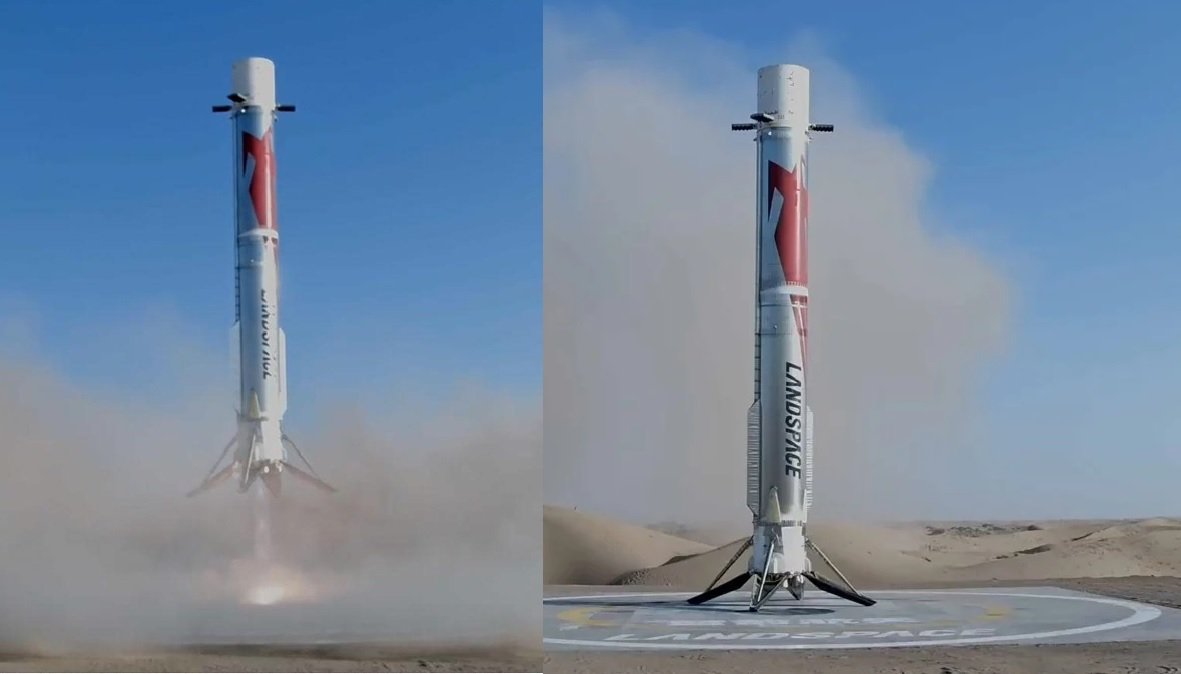 China Successfully Launches Zhuque-3 Rocket and Recovers Booster on Land After Orbital Launch
-
 U.S. Navy Invests $50 Million in Shield AI’s X-BAT for Runway-Independent Maritime Strike
-
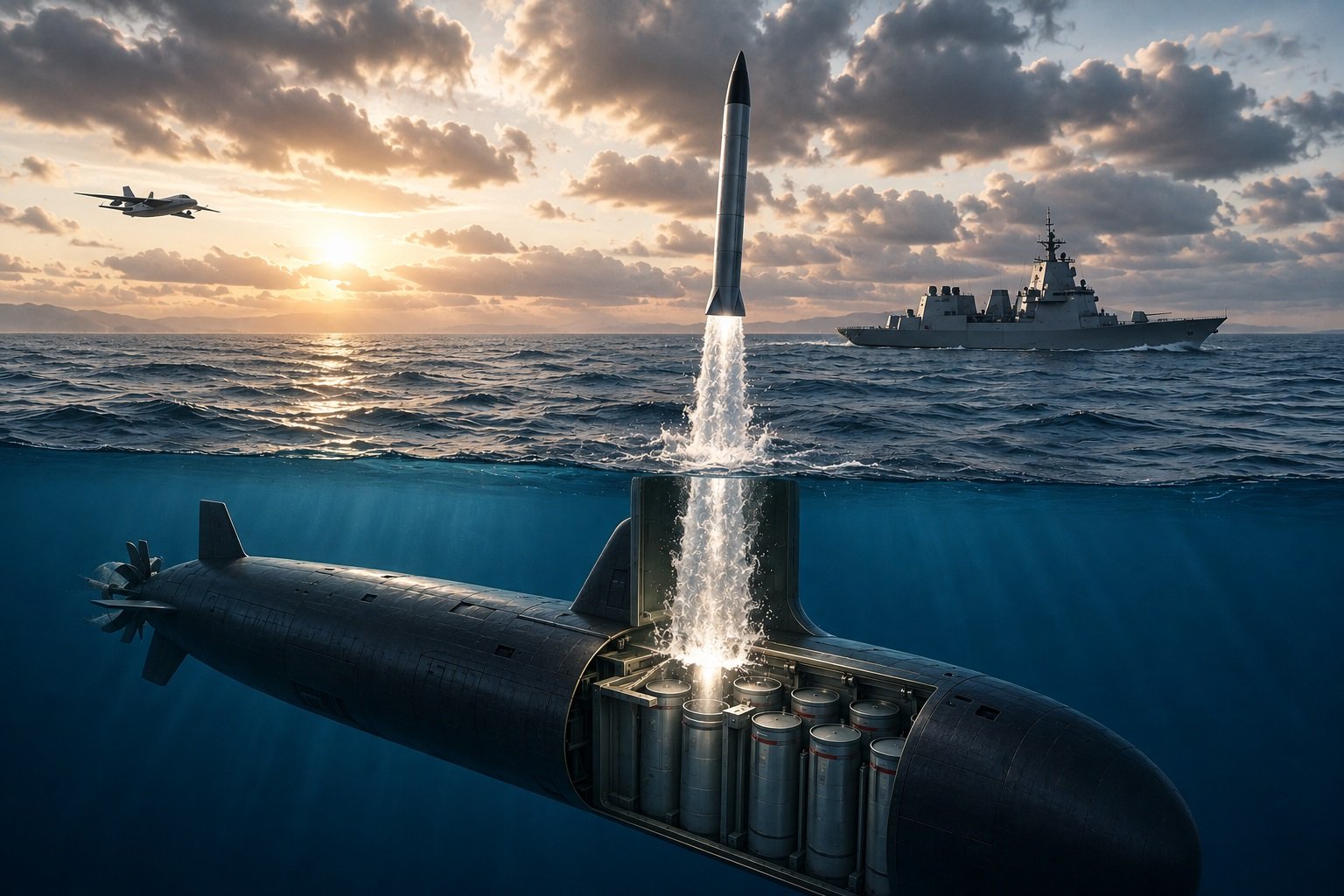 Japan Plans Submarine-Launched Hypersonic Missile Development in Fiscal 2027 Budget
-
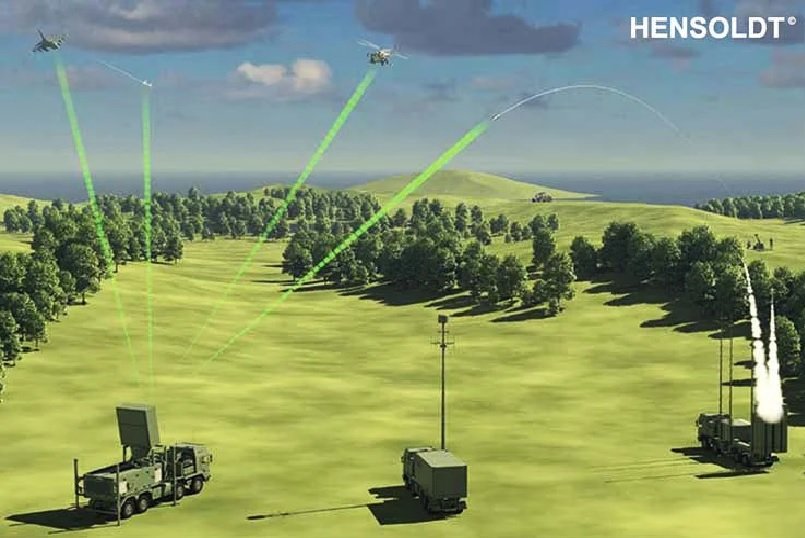 Rheinmetall Integrates HENSOLDT Twinvis Passive Radar into Skymaster Air Defence System
-
 Raytheon’s SPY-6(V)3 Radar Completes Acceptance Trials on U.S. Navy’s Future Aircraft Carrier USS John F. Kennedy
-
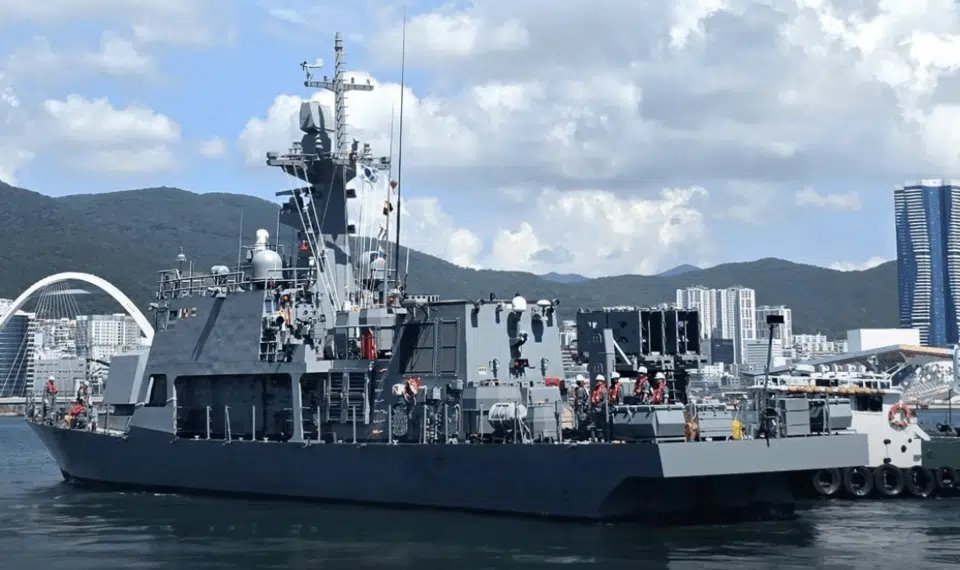 South Korea Delivers First PKX-B Batch-II Fast Patrol Craft to Navy
-
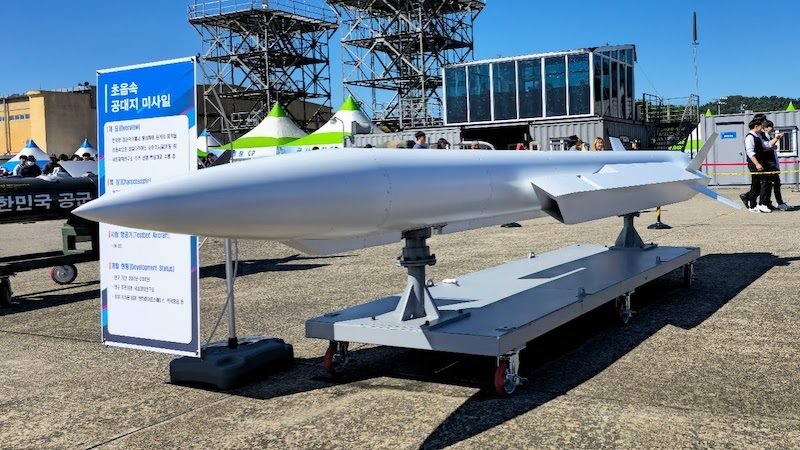 South Korea Approves Development of Next-Generation SSM-II Anti-Ship Missile and K2 Tank Upgrade
Top Trending in 4 Days
-
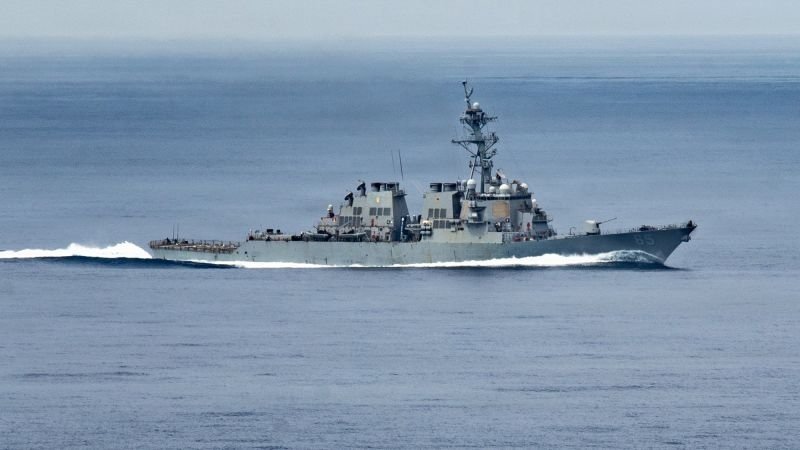 U.S. Navy Destroyer USS Benfold Spent Four Days Without Power in South China Sea After Generator Failure
-
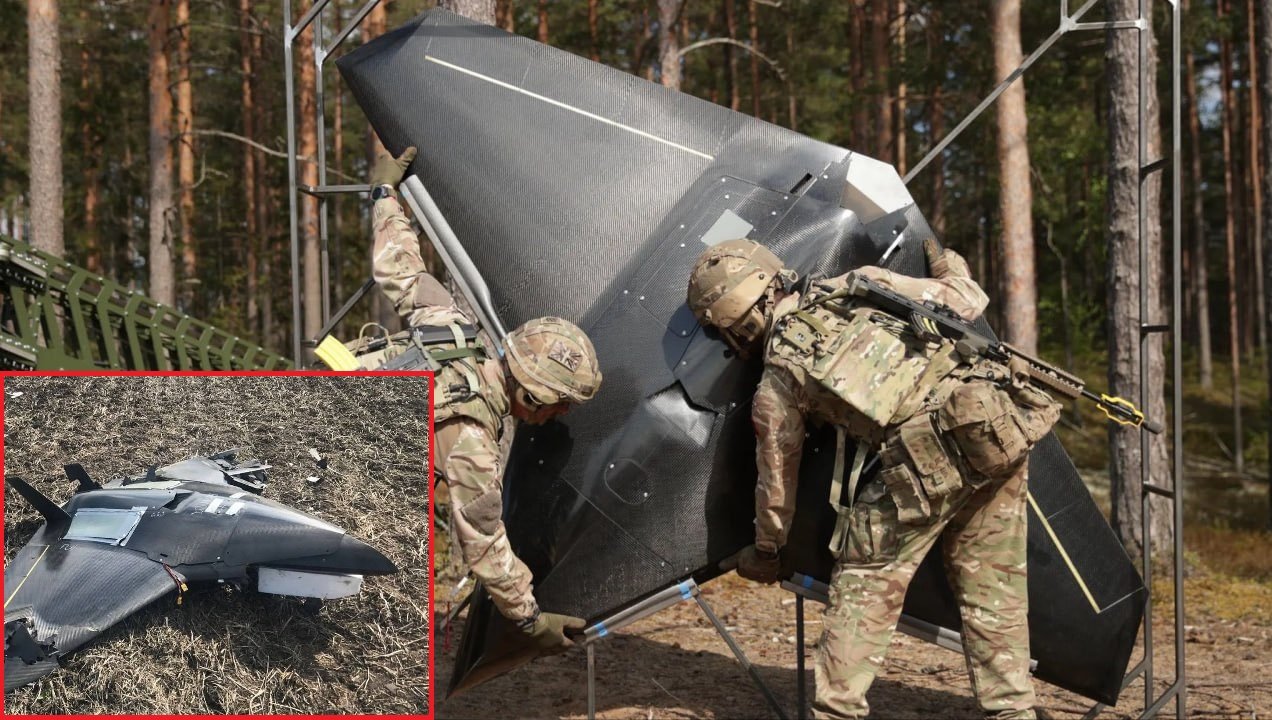 Ukraine Uses British-Made Nyan Drones in Deep Strikes Against Russian Targets
-
 U.S. Navy Reviews Ford-Class Carrier Redesign as $275 Billion Trump-Class Battleship Program Advances
-
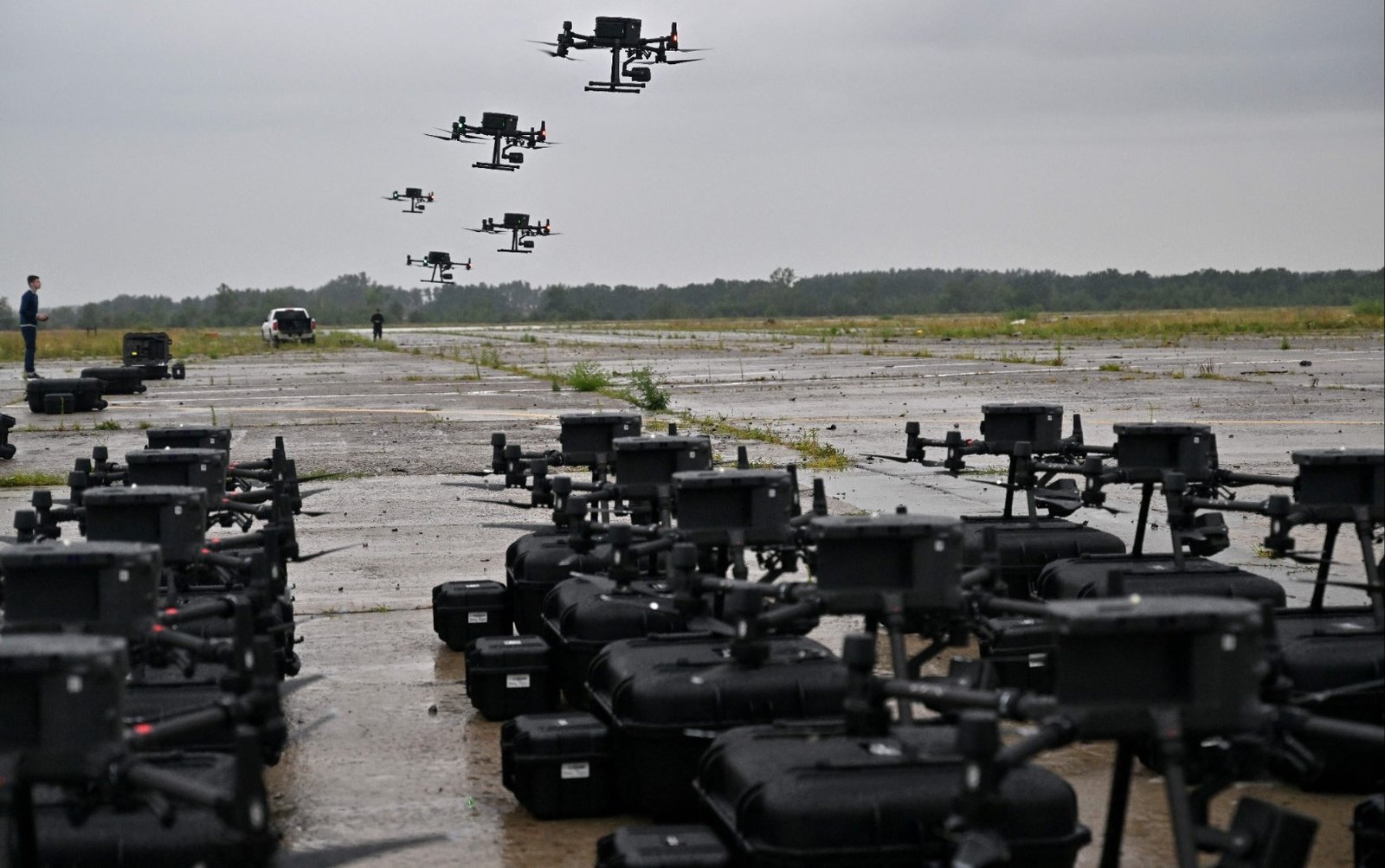 U.S. Air Force to Buy Chinese DJI Drones for Counter-Drone Training at Nuclear Missile Base
-
 Iran May Be Using Data From Fitness Apps to Track U.S. Military Personnel in the Middle East
-
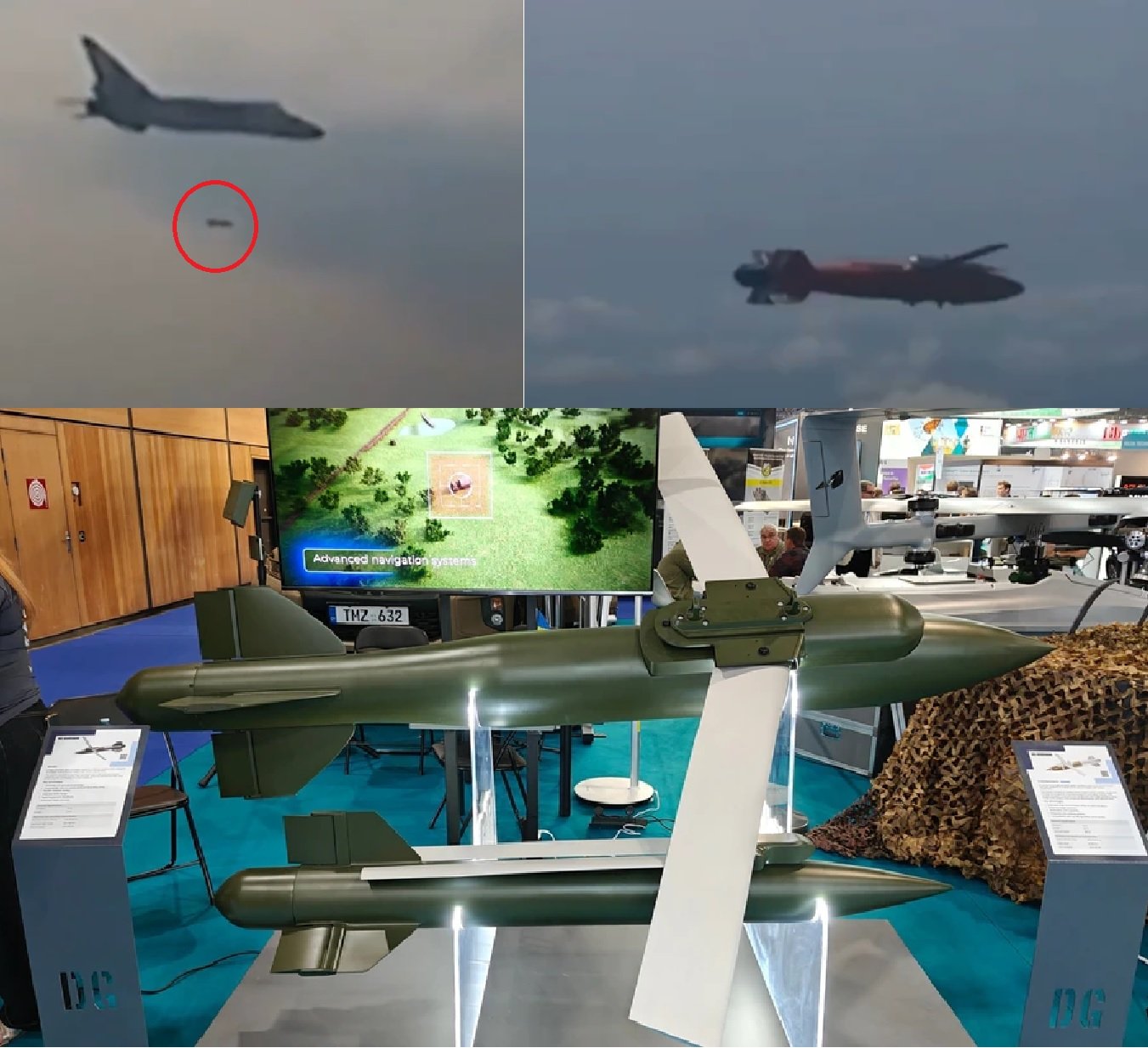 Ukraine Begins Procurement of Vyrivniuvach Guided Aerial Bomb
-
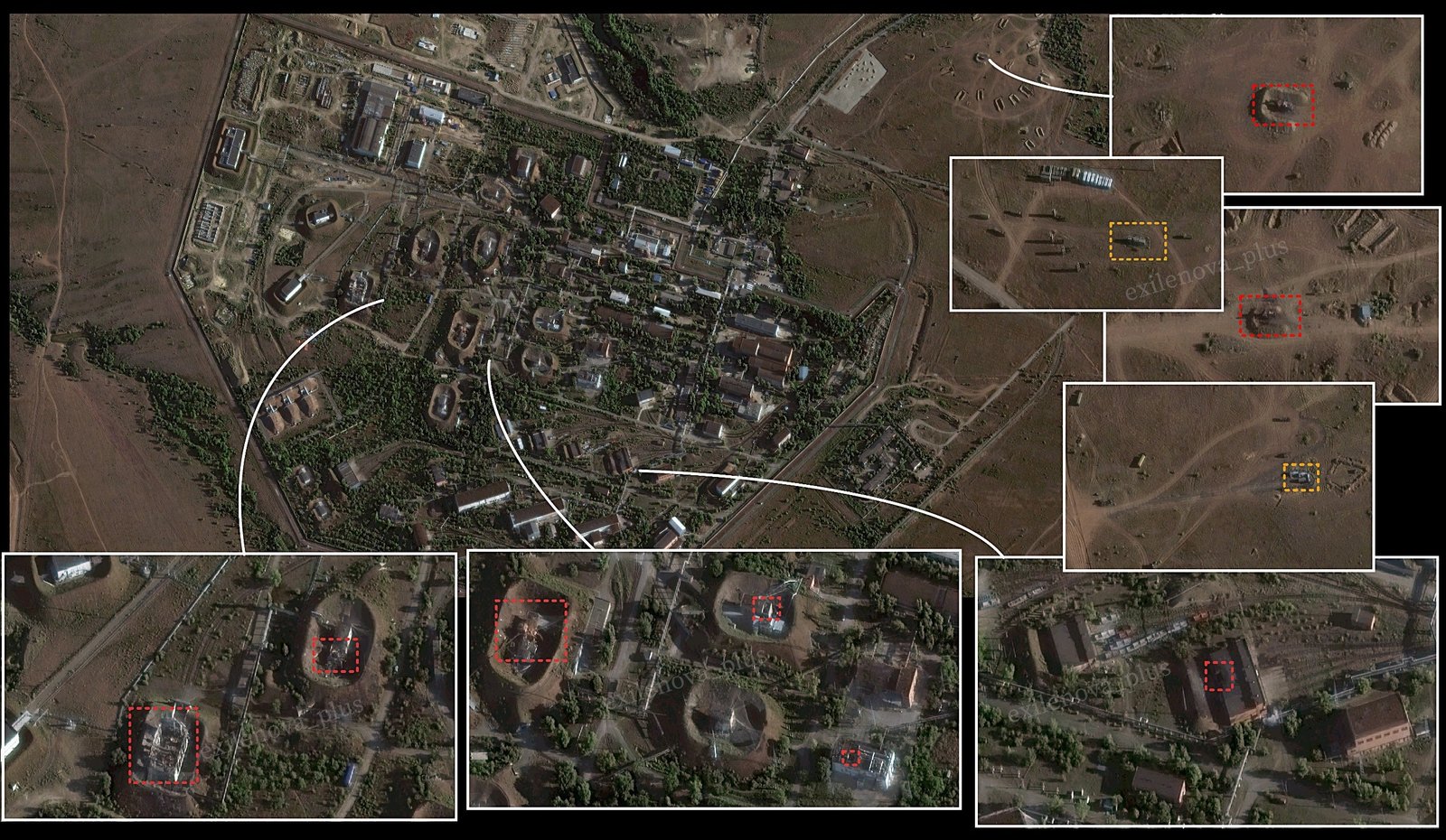 Satellite Images Show Ukrainian Drone Strike Hits Russian Rocket Fuel Plant and Air Defense Systems in Rostov Region
-
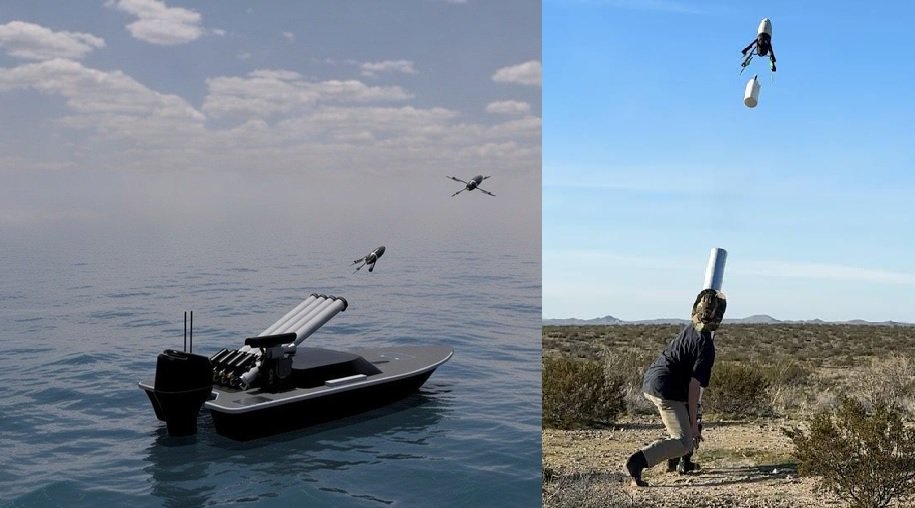 Thermopylae Aerospace Unveils SPART Tube-Launched Drone Interceptor for Group 2-3 and Turbojet UAS Threats
