Europe
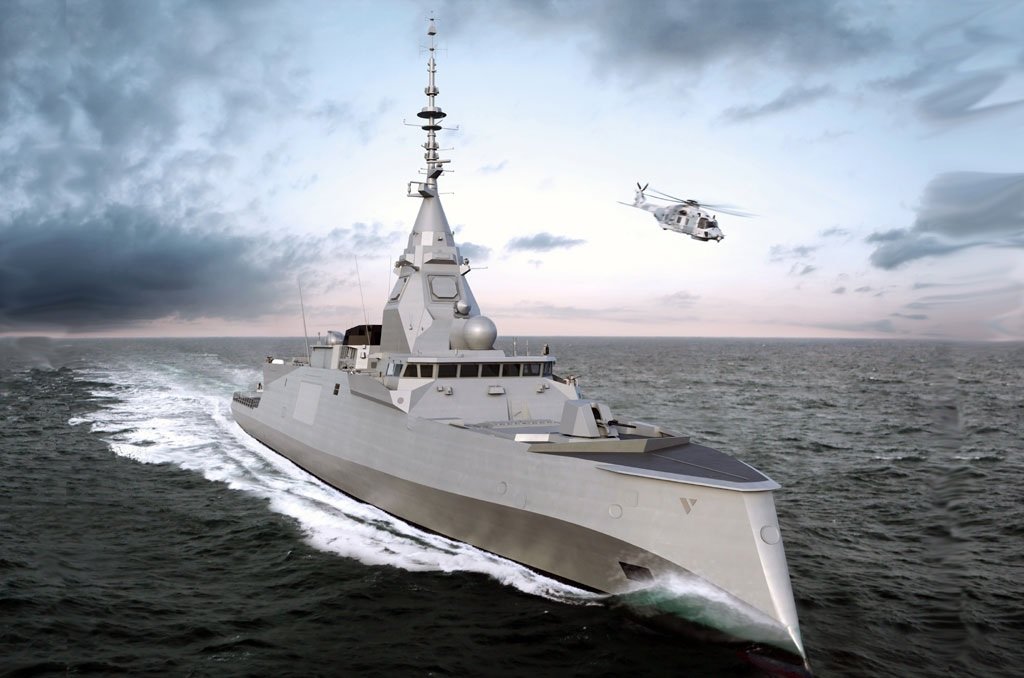
STOCKHOLM — Sweden and France have signed a €4.3 billion contract for four French Defense and Intervention Frigates (FDI) for the Royal Swedish Navy, with the ships to enter Swedish service as the Luleå class. The agreement was signed in Stockholm on August 31, 2026, during French President Emmanuel Macron’s visit to Sweden. The contract was signed by Mikael Granholm, Director-General of the Swedish Defence Materiel Administration (FMV), and Pierre Éric Pommellet, Chairman and CEO of Naval Group. The ceremony was held aboard the French Navy’s first FDI frigate, Amiral Ronarc’h, and was attended by Macron and Swedish Prime Minister Ulf Kristersson. The deal follows Sweden’s decision in May 2026 to begin negotiations with Naval Group for four FDI-based frigates. Sweden had selected the French design for its Luleå-class programme, with deliveries planned between 2030 and 2034. First frigate due in 2030 Naval Group will build the frigates in France, with the first vessel scheduled for delivery in 2030. The four ships will be delivered under the following schedule: HMS Luleå — 2030 HMS Norrköping — 2032 HMS Trelleborg — 2033 HMS Halmstad — 2034 FMV said production of the ships and training of Swedish personnel can begin following the signing of the contract. Naval Group will serve as the main system integrator, with the vessels delivered ready for service. Focus on air defense and anti-submarine warfare The Swedish frigates will be configured primarily around air defense and anti-submarine warfare. The Swedish government said the ships will also provide Sweden with the ability to establish sea control, protect maritime transport and keep sea routes open. The ships will use Aster 30 and CAMM-ER surface-to-air missiles. Swedish systems will also be integrated into the vessels, including the RBS15 anti-ship missile, Torpedo 47, Giraffe 1X radar, Trackfire remote weapon stations, and 57 mm and 40 mm naval guns. FMV confirmed the Swedish equipment included in the configuration. The combination gives the Luleå-class a mix of air-defense, anti-submarine and surface-warfare capabilities while allowing Sweden to incorporate several systems already used by its armed forces. Larger role for the Swedish Navy The acquisition is part of Sweden’s broader effort to strengthen its naval capabilities following its accession to NATO. The Swedish government said the frigates will strengthen Sweden’s ability to defend and exercise control over its territory while improving interoperability with NATO allies during international operations. Air defense is a particular priority, with Defence Minister Pål Jonson stating that the four frigates will triple Sweden’s current air-defense capability at sea. The ships are intended to operate in the Baltic Sea and other surrounding waters, supporting maritime security and the protection of sea routes. Wider Sweden-France defense cooperation The frigate contract was accompanied by a separate framework agreement between the Swedish and French defense ministries. Swedish Defence Minister Pål Jonson and French Minister of the Armed Forces and Veterans Affairs Catherine Vautrin signed the agreement, which is intended to establish a long-term platform for cooperation in operational matters, defense equipment and industrial development. The procurement therefore extends beyond the four ships, creating a broader framework for Swedish-French defense cooperation. A major addition to Sweden’s fleet The Luleå-class will represent a substantial addition to Sweden’s surface fleet. Based on France’s FDI design, the frigates will be configured specifically for Swedish requirements and will combine French and Swedish defense systems. The first ship, HMS Luleå, is scheduled to be delivered in 2030, with the remaining three frigates following through 2034. Once delivered, the four vessels will become an important part of Sweden’s naval contribution to national defense and NATO maritime operations.
Read More → Posted on 2026-09-01 12:12:43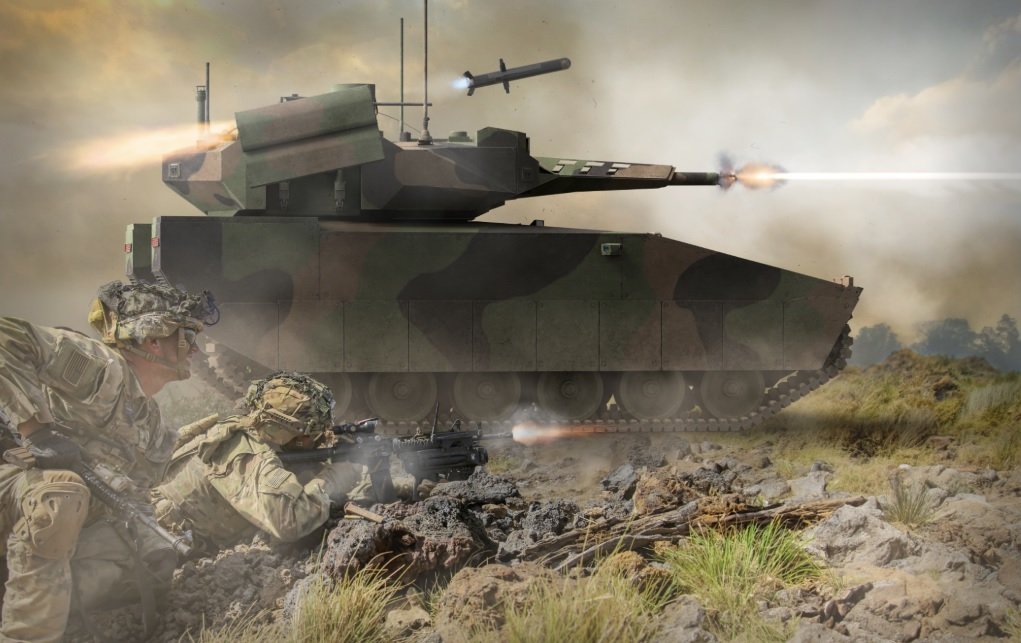
U.S
Plymouth, Michigan — American Rheinmetall has delivered the first of eight Lynx XM30 combat vehicle prototypes to the U.S. Army, moving its proposed replacement for the M2 Bradley Fighting Vehicle into government-led developmental and performance testing. The delivery marks an important stage in the Army’s competitive XM30 Combat Vehicle program, under which American Rheinmetall and General Dynamics Land Systems are developing competing vehicles to replace the Bradley. The Army's own program documentation identifies the XM30 as the future replacement for the Bradley. The first Lynx prototype is being delivered under the Phase 3/4 Engineering and Manufacturing Development (EMD) contract, valued at approximately $764 million. The contract covers digital design, physical prototype development and full-system validation. First Lynx Prototype Begins Army Evaluation American Rheinmetall CEO Matt Warnick said the delivery is an important step as the XM30 program enters a more visible phase and gives Team Lynx the opportunity to demonstrate its proposed Bradley replacement to the Army. The company plans to deliver the remaining seven prototypes later in 2026. These vehicles will support operational unit training while technical evaluations continue under the Army's Transformation in Contact (TiC) 2.0 initiative. After completing initial military safety checks, soldiers will conduct field maneuvers with the prototypes. The evaluation process is expected to progress toward large-scale combat simulations, allowing the Army to assess the vehicles under operational conditions. Hybrid-Electric Powertrain One of the key features of the Lynx XM30 is its hybrid-electric powertrain. American Rheinmetall describes the system as providing increased power-generation capability while supporting battlefield mobility. The company also describes the vehicle as the first platform of this type to introduce a hybrid-electric powertrain. The additional electrical capacity is particularly relevant to the XM30's design because the vehicle is being developed as a digitally integrated combat system. The Lynx XM30 incorporates secure, real-time connectivity, while its architecture is designed to support the integration of new technologies during its service life. The vehicle uses a modular design and adaptive open architecture, intended to make it easier to incorporate future technologies as requirements change. The Army's XM30 program also emphasizes modular open systems as part of the vehicle's future upgrade capability. Designed for a Changing Battlefield The Lynx XM30 is being developed for an operating environment increasingly affected by drones, precision weapons and electronic warfare, according to American Rheinmetall. The company's U.S. XM30 offering includes a U.S.-designed uncrewed 50mm turret, a two-soldier crew concept, integrated vehicle protection systems and a modular open architecture. The Army's broader XM30 requirements are focused on providing improved protection, firepower, mobility and survivability compared with the Bradley while allowing the vehicle to operate as part of a joint combined-arms force. The Army also intends the XM30 to work with maneuver robotics and semi-autonomous systems. U.S. Production Network The Lynx XM30 prototypes are being produced through a multi-state U.S. manufacturing process. Turret fabrication takes place in Plymouth, Michigan, while hull and chassis integration is carried out in Slidell, Louisiana. Completed vehicles undergo automotive shakeout trials before returning to Louisiana for final painting and detailing. Before formal government acceptance, each prototype undergoes a joint inspection involving the Defense Contract Management Agency (DCMA). American Rheinmetall is the prime contractor for Team Lynx, whose partners include Textron Systems, Raytheon, L3Harris Technologies, Allison Transmission and Anduril Industries, along with a wider network of U.S. suppliers. Competition to Replace the Bradley The Lynx XM30 is competing against the General Dynamics Land Systems XM30 design. The U.S. Army selected the two companies in 2023 to proceed with detailed design and prototype development for the Bradley replacement program. The Army plans to evaluate the competing prototypes before selecting one design to proceed toward the next stage of the program. Rheinmetall's earlier contract announcement stated that the Army planned to down-select to one vendor for Low-Rate Initial Production in Phase 5 near the end of 2027. The delivery of the first Lynx XM30 therefore begins a key physical testing stage in the competition. The Army's evaluation of the two prototype designs will determine which vehicle advances toward becoming the next-generation infantry fighting vehicle intended to replace the M2 Bradley.
Read More → Posted on 2026-09-01 12:01:00
U.S. Debt Interest Costs Reach Record Levels at 18.5% of Revenue, CBO Projects $2.1 Trillion by 2036
U.S
WASHINGTON, D.C. — Interest payments on the U.S. federal debt reached a record share of government revenue in fiscal year 2025, highlighting the growing cost of servicing the national debt. Net interest payments totaled about $970 billion in fiscal 2025, while federal receipts were approximately $5.24 trillion. That meant interest payments consumed about 18.5% of federal revenue, the highest share since the federal data series began in 1940. The previous high was about 18.4% in 1991. The increase has been driven by the combination of a larger federal debt balance and higher interest rates than those seen during much of the 2010s and early 2020s. Interest Costs Have Risen Rapidly The increase in interest costs has been particularly pronounced since fiscal 2021. Net interest was about $352 billion in 2021, before rising to roughly $970 billion in 2025. Over the same period, interest as a share of federal revenue increased from about 8.7% to 18.5%. The federal government must borrow when its spending exceeds its revenue. As the amount of debt grows, the government must make interest payments on that accumulated borrowing. Higher Treasury yields have also increased the cost of refinancing existing debt and issuing new debt. As Treasury securities mature, they are replaced with new securities at prevailing market rates. Debt Is Adding Pressure to the Federal Budget The Congressional Budget Office expects the federal government's debt and interest costs to continue increasing under current law. In its February 2026 budget outlook, the CBO projected that net interest costs would rise from $970 billion in fiscal 2025 to about $1.0 trillion in fiscal 2026. The agency expects net interest costs to reach about $2.1 trillion by 2036, or 4.6% of GDP. The CBO also projects that debt held by the public will increase from about 101% of GDP in 2026 to 120% in 2036. In its long-term projections, debt held by the public could reach 175% of GDP by 2056 if current laws remain generally unchanged. Interest Costs Are Becoming a Larger Budget Item The rising interest bill is increasingly significant compared with other federal spending categories. In fiscal 2025, the government's approximately $970 billion in net interest costs exceeded federal spending on national defense in that year, according to budget comparisons using federal data. The interest bill also ranks among the largest individual categories of federal spending. The issue is not only the size of the current payment. Higher interest costs can also contribute to larger future deficits when the government continues to borrow to finance budget shortfalls. Long-Term Outlook The CBO's projections show that interest costs are expected to continue rising over the next decade. By 2036, CBO projects net interest payments of about $2.1 trillion, more than twice the 2025 level. The Committee for a Responsible Federal Budget estimates that interest could account for roughly one-quarter of federal revenue by that point. CBO's longer-term projections are also significant. By 2056, net interest costs are projected to reach 6.9% of GDP, while debt held by the public could rise to 175% of GDP under current law. The 2025 figures therefore mark an important change in the federal budget. Interest payments have become a much larger claim on federal revenue, while the government's debt and borrowing costs remain on an upward path under current fiscal projections.
Read More → Posted on 2026-08-31 16:55:10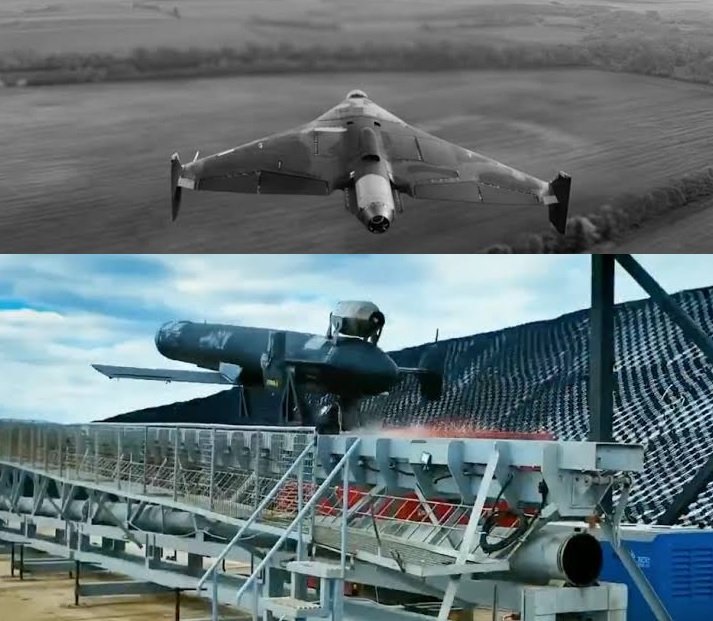
World
KYIV, — Russia sharply increased its use of jet-powered attack drones against Ukraine in July, deploying five times more than in June, according to Yurii Ihnat, head of the Communications Department of Ukraine’s Air Force Command. Speaking on August 31, Ihnat said Ukrainian forces recorded more than 1,500 drones over a recent four-day period, including about 800 jet-powered UAVs. Ukraine’s overall air-defense effectiveness remained around 90%, but jet-powered drones were intercepted less frequently than conventional Shahed-type drones. The shift includes jet-powered variants such as the Geran-3, Geran-4 and Geran-5, as well as the S8000 Banderol. Ukrainian officials say Russia has increased their use because conventional defenses have been highly effective against slower, piston-engine Shahed drones. Speed and altitude challenge Some of the new jet-powered UAVs can reach about 600 km/h, while Ukrainian interceptor drones currently reach roughly 300 km/h, making direct pursuit difficult. The UAVs can also operate at around 5 km altitude, putting them beyond the effective range of many mobile fire teams and portable air-defense systems. Ihnat said countering the faster systems requires short-range surface-to-air missile systems, air-defense aviation and fighter aircraft equipped with air-to-air missiles. Ukraine is also developing faster interceptor drones. Ukrainian researchers previously reported that Russia used about 1,400 jet-powered strike UAVs during the first months of 2026, compared with roughly 180 during all of 2025. Ukrainian assessments have also put production of Geran-4 and Geran-5 at around 3,000 units per month, with jet-powered drones accounting for about 15–25% of some recent attack packages. S8000 Banderol Russia has also expanded production and use of the S8000 Banderol, a system variously described as a missile, drone-missile, loitering munition or small cruise missile. Ukrainian reporting puts its production at about 80 units per month. The Banderol is approximately 5 meters long, has a 30-centimeter fuselage diameter and folding wings and stabilizers spanning about 2.2 meters. Its maximum speed is listed at 620–650 km/h, cruising speed at 520–560 km/h, and range at about 500 km. The system carries an OFBCh-150 warhead weighing about 114.3 kg, including 49.5 kg of explosives. Ukrainian intelligence has identified a Chinese SW800Pro-A95 turbojet engine among its components, along with other foreign-made electronics. The Banderol can be carried by the Orion UAV, while Ukrainian reporting has also identified planned use from the Mi-28N helicopter. Its small diameter and composite construction reduce its radar cross-section, while low-altitude flight can make detection more difficult, particularly when terrain provides concealment. Russia’s increased use of jet-powered UAVs and Banderol systems shows a shift toward faster aerial weapons that require Ukraine to use more specialized interception systems than those commonly employed against slower propeller-driven drones.
Read More → Posted on 2026-08-31 16:50:11
Space & Technology
NEW DELHI, — The Government of India has notified the Legal Metrology (Indian Standard Time) Rules, 2026, making Indian Standard Time (IST) the common time reference for legal, administrative, commercial and other official purposes across the country. The Department of Consumer Affairs notified the rules on August 27, 2026. They will come into force 180 days after their publication in the Official Gazette, giving government departments, businesses, institutions and other organisations time to make the necessary technical and operational changes. The move is part of the broader “One Nation, One Time” initiative and is aimed at establishing a common and synchronised time reference for systems that depend on accurate timestamps. Why the new rules matter India already uses IST for civil time, but many digital and technology-based systems obtain timing information through different sources. The government said the growing use of such systems has increased the need for a common time reference. Accurate and synchronised time is important for banking and digital payments, telecommunications, power systems, transportation, computer networks and government records. A common reference can help systems maintain consistent timestamps and establish the sequence of events across different networks and locations. It can also assist in analysing technical failures and other time-dependent events. 180-day transition period The rules do not require organisations to change their systems immediately. The government has provided a 180-day period between publication of the rules and their commencement. During this period, government departments, businesses, institutions and other organisations can review their existing timing systems and make the technical changes required to comply with the new framework. The exact commencement date will depend on the date of publication in the Official Gazette. Banking, telecom and critical infrastructure The new framework covers systems where precise time references are important. In banking and digital payments, synchronised timestamps can help maintain accurate records of transactions. Telecommunications and computer networks also depend on coordinated clocks for system operations and event logging. Transport and power infrastructure are other areas where accurate time synchronisation is important. Government records and other official systems will also use the common IST reference under the new rules. CSIR-NPL remains responsible for India's national time scale The CSIR-National Physical Laboratory (NPL) maintains India's primary time scale, known as UTC(NPLI). Indian Standard Time is derived from this national time scale. The government is developing domestic mechanisms to distribute IST to users and critical systems. These include Indian satellite navigation infrastructure and other authorised sources. The objective is also to provide alternatives to dependence on foreign satellite-based timing sources for critical systems. White Rabbit technology for precise time distribution As part of the One Nation, One Time initiative, the government commissioned a White Rabbit Technology-based Indian Standard Time Dissemination Demonstration Network at the Regional Reference Standard Laboratory (RRSL) in Bengaluru in July 2026. White Rabbit is a high-precision network timing technology designed to synchronise clocks over fibre-optic networks. The Indian demonstration has been used to distribute IST to sectors including banking, telecommunications, power, transportation and digital governance. The government also demonstrated secure dissemination of IST between RRSL Bengaluru and NSE Chennai. The demonstration involved CSIR-NPL, ISRO, SEBI, NSE, BSNL and other stakeholders. Reducing dependence on foreign timing sources The government has highlighted the development of Indian time-dissemination infrastructure as a way to provide additional options for critical systems and reduce dependence on external time sources. India's NavIC satellite navigation system is among the domestic sources that can support the dissemination of Indian Standard Time, alongside other authorised Indian systems. This approach is intended to strengthen the availability of a nationally controlled time reference for systems that depend on accurate timing. What changes for organisations The new rules establish IST as the common reference for official time-dependent systems across the country. Organisations will have the 180-day transition period to examine their existing systems and prepare for implementation. The rules do not create a new civil time zone for India. Instead, they standardise the authoritative time reference used for legal, administrative, commercial and other official purposes. The government said the Legal Metrology (Indian Standard Time) Rules, 2026 are intended to provide a common Indian Standard Time reference for time-dependent systems and official purposes nationwide.
Read More → Posted on 2026-08-31 16:36:40
World
JAN MAYEN, Norway, — Military forces from the United States, United Kingdom and Norway have deployed to the remote Norwegian island of Jan Mayen for Operation Atlantic City 26, a trilateral military activity running from August 26 through September 4. The operation is part of NATO’s Arctic Sentry, an enhanced-vigilance activity designed to strengthen Allied coordination and security in the High North. Jan Mayen’s Strategic Location Jan Mayen is a Norwegian territory in the Norwegian Sea, approximately 1,000 kilometers (620 miles) from mainland Norway and north of the Greenland-Iceland-United Kingdom (GIUK) gap. The island has a dirt runway but no harbor, with only offshore anchorages. Its remote location, severe weather and limited infrastructure make it a challenging environment for military deployments. Allied Forces Build a ‘Joint Kill Web’ The participating forces are connecting sensors, command-and-control nodes and precision fires into what the U.S. Marine Corps describes as a “joint kill web.” The network is intended to support rapid targeting and help restrict adversary movement in contested maritime areas. U.S. Marine Corps Lt. Col. David Palacio, fires officer for U.S. Marine Corps Forces Europe and Africa, said the deployment demonstrates the Marine Corps’ role in enabling joint and combined forces. U.S., UK and Norwegian Forces The U.S. contingent includes Marines from U.S. Marine Corps Forces Europe and Africa, II Marine Expeditionary Force, the 10th Marine Regiment and Marine Air Support Squadron 1. A HIMARS platoon from the 3-197th Field Artillery Regiment of the New Hampshire Army National Guard is supporting precision fires. Elements of the U.S. Sixth Fleet and Task Force 68 are also involved in maritime operations. MC-130 and C-130 aircraft are providing airlift support. Norway is contributing personnel from the Royal Norwegian Navy and Norwegian Home Guard. The UK has deployed Royal Marine Commandos and elements of the Royal Air Force’s LXX Squadron. RAF A400M Delivers Troops and Vehicles On August 29, an RAF A400M Atlas from LXX Squadron at RAF Brize Norton delivered U.S. Marines, Royal Marines and two Joint Light Tactical Vehicles to Jan Mayen. A similar A400M landing was conducted during the 2025 iteration of the activity. Operation Linked to Northern Viking 26 Atlantic City 26 is being conducted alongside Operation Northern Viking 26, allowing participating forces to share maritime surveillance and sensing capabilities across the European theater. Both activities support Arctic Sentry, which was launched in February 2026 and is led by Joint Force Command Norfolk. The framework is intended to synchronize Allied activities, improve common situational awareness and strengthen deterrence in the High North. Norwegian Army Maj. Gen. Frode Kristoffersen, Deputy Chief of Staff for Operations at Joint Force Command Norfolk, said Arctic Sentry is intended to coordinate Allied Arctic activities and maximize their combined effect. Historical Background The name Operation Atlantic City comes from a U.S. military base established at Nordlaguna on Jan Mayen during the Second World War. The base supported weather observations and Allied control of the North Atlantic. The current activity follows similar training conducted on and around Jan Mayen in September 2025. It also tests how Allied forces operate across long distances, limited infrastructure, severe weather and rapidly changing conditions in the High North.
Read More → Posted on 2026-08-31 16:28:34
Europe
HOHENFELS, Germany, August 31, 2026 — Polish special forces are taking part in a U.S.-led military exercise in southern Germany designed to train troops to move and operate in areas heavily monitored by drones. The exercise was developed by U.S. Army Green Berets using lessons from the war in Ukraine. The training began on August 28 at the Joint Multinational Readiness Center near Hohenfels and covers a roughly 3,000-square-kilometer (1,100-square-mile) training area. It is the first time a NATO ally has participated in this specific exercise. U.S. special forces previously conducted the scenario twice earlier this year. Under the scenario, a U.S. Army airborne infantry unit parachutes into the Hohenfels training area and establishes a simulated front line. Polish troops must cross the positions without being detected before traveling about 100 kilometers (60 miles) north to the Grafenwöhr Training Area, where they must conduct a simulated drone strike against a target. The route passes through forests, farmland, villages, farms and populated areas. Polish operators must avoid detection by military forces as well as civilians, surveillance cameras and local police reports. In earlier versions of the exercise, U.S. special forces removed their uniforms to blend into the civilian environment. U.S. forces acting as the opposing force use drones to search for the Polish team. Previous versions involved more than 100 drones, while military police units with dogs could also be sent after troops who were detected. Within the exercise, soldiers who are located can be considered “captured or killed.” A U.S. Army Green Beret officer said the exercise attempts to replicate battlefield effects that Russia and Ukraine have had to overcome during the war. The training is part of a wider U.S. effort to adapt to drone warfare. Through the Army's Transforming in Contact (TiC) program, the 3rd Brigade Combat Team, 10th Mountain Division tested more than 150 unmanned systems during its deployment in Europe, including systems for reconnaissance, electronic warfare, command and control and mobile operations. The U.S. military has also established Joint Interagency Task Force 401 (JIATF 401) to focus on countering unmanned aircraft systems and accelerating the integration of counter-drone technologies. The task force studies drone warfare experiences from Ukraine and European countries. Separately, a specialized U.S. Army unit in Europe that had been studying drone warfare was recently directed to return to its primary role as an airborne infantry battalion. The unit, drawn from the 173rd Airborne Brigade, had experimented with drone tactics and systems based on observations from Ukraine and is expected to report its findings to the Army. The U.S. Army plans to conduct the Hohenfels drone-evasion exercise several times a year, with special forces from additional NATO countries expected to participate. U.S. officials have indicated that most of NATO's 32 member states are likely to show interest in the training.
Read More → Posted on 2026-08-31 16:22:11
Space & Technology
BREMEN, Germany — German satellite manufacturer OHB SE has signed a contract worth nearly €1 billion with European satellite operator SES to develop and build 18 medium Earth orbit (MEO) satellite platforms for the European Union’s IRIS² secure connectivity programme. The contract is the first major industrial order under the IRIS² concession and follows the formal launch of the programme’s implementation phase on August 6, 2026. OHB to Build 18 MEO Satellite Platforms SES is responsible for delivering the MEO segment of IRIS² through the SpaceRISE consortium, which was selected by the European Commission to develop and deploy the system. SpaceRISE includes SES, Eutelsat and Hispasat. OHB has been part of the SpaceRISE industrial core team since the beginning of the programme. Under the new contract, the company will develop and manufacture the 18 satellite platforms that will form a central part of the MEO segment. Each platform is planned to have a maximum power output of about 15 kilowatts and a launch mass of approximately 2.6 tonnes, according to OHB. IRIS² to Use 348 Satellites The expanded IRIS² constellation will consist of 348 satellites, including 330 satellites in low Earth orbit (LEO) and 18 satellites in MEO. The programme will also include a dedicated secure ground segment. The European Commission says the multi-orbit architecture is intended to provide global coverage while requiring fewer satellites than a system based entirely on LEO. The architecture is also designed to maintain short signal transmission times. The EU expanded the planned constellation by adding 66 LEO satellites during the negotiations that led to the implementation agreement in August. The programme has now moved from the planning stage into full-scale deployment. Secure Communications for Europe IRIS² — the Infrastructure for Resilience, Interconnectivity and Security by Satellite — is intended to provide secure and high-performance satellite communications for public authorities and private users. The European Commission also says the system will support critical infrastructure, crisis-response capabilities and connectivity in rural and remote areas. The programme is being implemented as a public-private partnership led by the European Commission, with technical support from the European Space Agency and the European Union Agency for the Space Programme. IRIS² is described by OHB as Europe’s third major flagship space programme alongside Galileo and Copernicus. The expanded programme is intended to strengthen secure communications capabilities for European governments, defence and security services, and emergency services. First Launches Planned for 2029 The implementation agreement signed in August established the next steps for the programme, including detailed satellite development, construction of the secure ground infrastructure and procurement of launch services. The first IRIS² satellite launches are planned for 2029, while initial services are expected to become available from 2030. OHB CEO Marco Fuchs said the programme would further expand the company's role in Europe’s strategic space infrastructure and highlighted its previous involvement in Galileo and Copernicus. SES Chief Product and Innovation Officer Xavier Bertran said the contract with OHB represents an important step toward delivering Europe’s next generation of secure and resilient communications infrastructure. OHB System Executive Board member Gianaldo Mantovani said Europe needs independent communications capabilities and that OHB is contributing its experience in satellite-platform development and MEO constellations. The contract places OHB in a key industrial role for the 18-satellite MEO segment, while SES remains responsible for its delivery within the wider SpaceRISE consortium.
Read More → Posted on 2026-08-31 15:52:23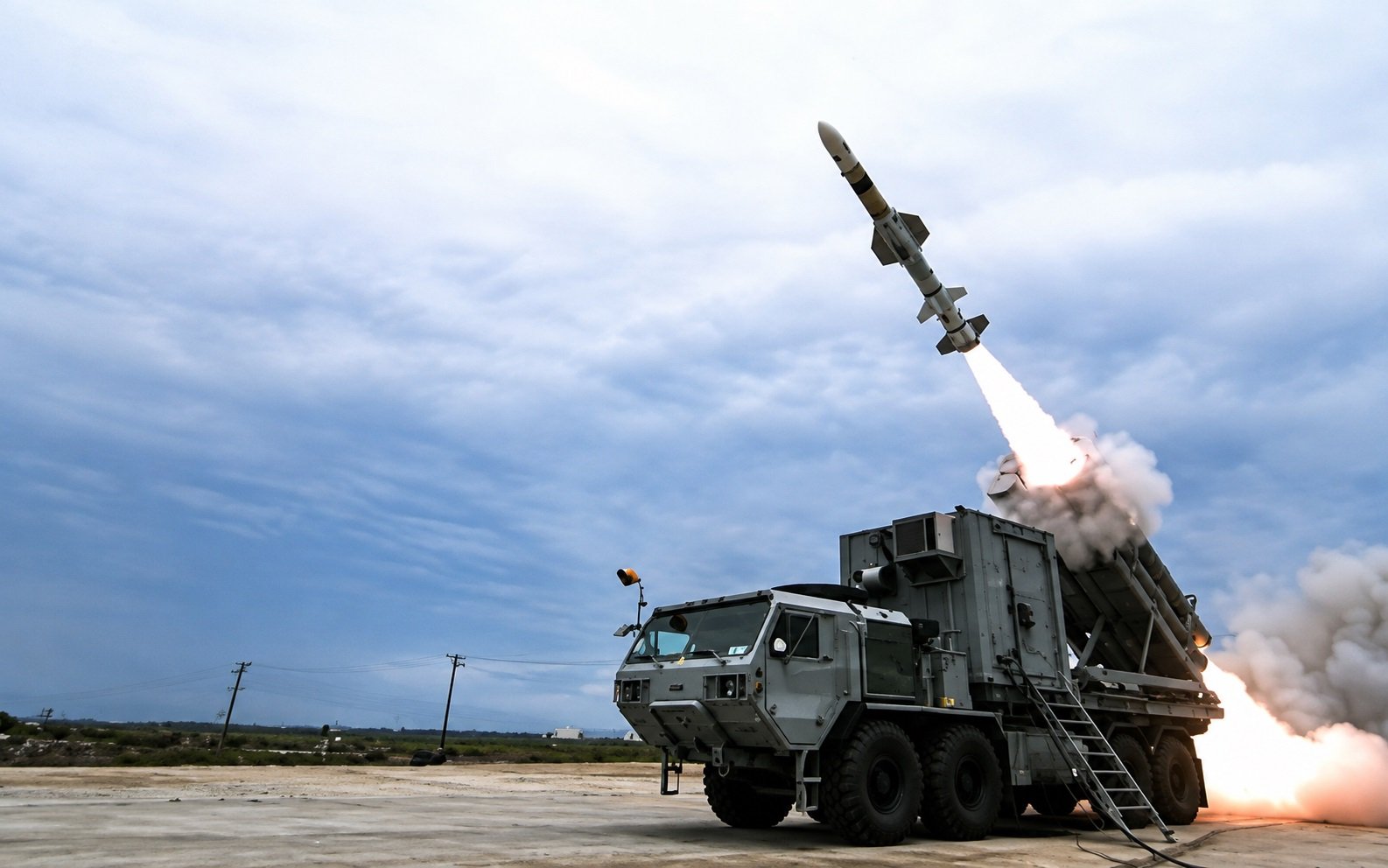
World
TAIPEI — Taiwan has begun deploying its newly acquired U.S.-made Harpoon Coastal Defense Systems (HCDS), with the first launchers, command vehicles and radar systems arriving on the island. The equipment is being prepared for operational use by units under the Navy’s Littoral Combat Command, which began force generation in July 2026. Taiwan ordered 100 Harpoon Coastal Defense Systems under a procurement program valued at more than NT$90.2 billion (about US$2.85 billion). The package includes 400 RGM-84L-4 Harpoon Block II anti-ship missiles, 100 transport and launch vehicles, 25 radar vehicles, four training missiles, storage containers, spare parts, maintenance equipment, training equipment and related support. The program runs from 2021 to 2030, while full delivery of the Harpoon equipment is scheduled for completion by the end of 2028. Reports indicate that 32 systems are expected to be delivered by the end of 2026, with the remainder arriving in subsequent years. The Taiwanese configuration uses Oshkosh Heavy Expanded Mobility Tactical Trucks (HEMTTs). The eight-wheel-drive vehicles have armored cabs and carry four missile canisters, providing a mobile launcher configuration that differs from older trailer-mounted Harpoon systems supplied to some other countries. The RGM-84L-4 Harpoon Block II uses GPS-assisted guidance and an active radar seeker. The Harpoon family is designed for over-the-horizon anti-ship operations and uses a sea-skimming flight profile. The system recently completed an important developmental test in the United States. In July 2026, the U.S. Navy and Boeing conducted Developmental Test 1 at the Point Mugu Sea Range in California, where a land-launched Harpoon successfully engaged a maritime target. The U.S. Navy reported the test on August 28. Taiwan is also preparing infrastructure for the new coastal missile units, including positions and bases in areas such as Tainan, Kaohsiung and Pingtung, with some facilities expected to be completed in 2027. The Harpoon systems will operate alongside Taiwan’s domestically produced Hsiung Feng II and Hsiung Feng III anti-ship missiles. Together, they will form part of Taiwan’s broader land-based coastal defense network. The deployment is continuing in phases, with training and support activities followed by delivery and integration of launch vehicles, radar systems and missiles.
Read More → Posted on 2026-08-31 14:43:03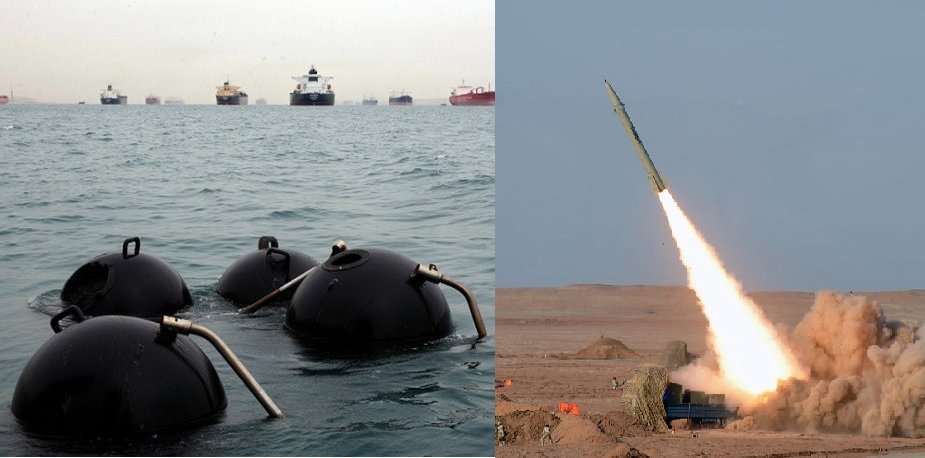
World
LARAK ISLAND, Iran — Iran appears to be adapting its sea-mine warfare strategy in the Strait of Hormuz by turning to land-based rocket launchers after U.S. operations significantly reduced its ability to deploy mines using naval vessels. The shift was highlighted on August 30, when U.S. forces struck two Iranian launchers on Larak Island after Islamic Revolutionary Guard Corps (IRGC) forces were observed preparing to fire rockets carrying sea mines into the Strait of Hormuz. U.S. Central Command described the action as a limited strike against an imminent threat to shipping. From Mine-Laying Boats to Rockets Iran has used small vessels for mine-laying operations in the Strait, but U.S. forces have targeted Iranian mine-laying vessels during the conflict. The United States has also conducted operations to clear Iranian mines from international shipping routes in the Strait. With many of Iran's mine-laying vessels lost or under increased surveillance, rocket deployment provides another way to place mines without sending a boat directly into the target area. The method allows a launcher positioned on land to fire a mine-carrying rocket toward the intended maritime area. This shifts the U.S. challenge from tracking only boats operating in the Strait to also locating and targeting mobile launchers on Iran's coastline and nearby islands. Iran Has Already Demonstrated the Method The rocket-based approach is not new. Iran demonstrated a similar capability during the IRGC's Great Prophet-19 exercise in January 2025. During the exercise, Iranian forces used 333mm Fajr-5 rockets to carry sea mines instead of their normal warheads. The rockets were launched from positions along the Strait of Hormuz coast, demonstrating how a conventional multiple-launch rocket system could be adapted for mine deployment. The Fajr-5 is normally a ground-attack rocket system with a reported range of about 75 km, while newer Fajr-5C variants have been reported with ranges of up to 130 km. This gives the system sufficient reach to cover significant areas around the Strait when used from suitable coastal positions. Why Rocket-Based Mine Deployment Matters The main difference is the distance between the launching platform and the mine-laying area. A boat-based operation requires Iranian personnel and vessels to enter the waterway. A rocket-based system allows the launch to take place from land, reducing the need to expose a mine-laying vessel in the Strait. The approach also has limitations. Analysts have questioned the practical reliability of delivering mines by rocket because the mines must survive the stresses of launch and their subsequent entry into the water. Iran has demonstrated the concept, but it has not publicly confirmed that Fajr-5 rockets are currently being used operationally to deploy mines. A New Challenge After the US Mine Clearance The development comes shortly after the United States said it had cleared mines from the Strait's main international shipping routes. U.S. Central Command said Navy divers, special operations forces and aircraft were involved in the mine-clearance operation. The U.S. has warned Iran that any vessel attempting to lay new mines would be destroyed. That warning increases the importance of Iran's land-based option. Instead of relying entirely on vessels that can be intercepted in the Strait, Iran can potentially use mobile launchers from positions on land. The August 30 strike on Larak Island shows that the United States is already monitoring for this alternative method. Iran's mine-laying capability has therefore not disappeared despite the losses suffered by its naval forces. Instead, the recent activity suggests that Tehran is adapting its method of delivering mines, with rocket launchers providing a land-based alternative to vulnerable mine-laying boats. Main Source : maritime-executive
Read More → Posted on 2026-08-31 14:35:04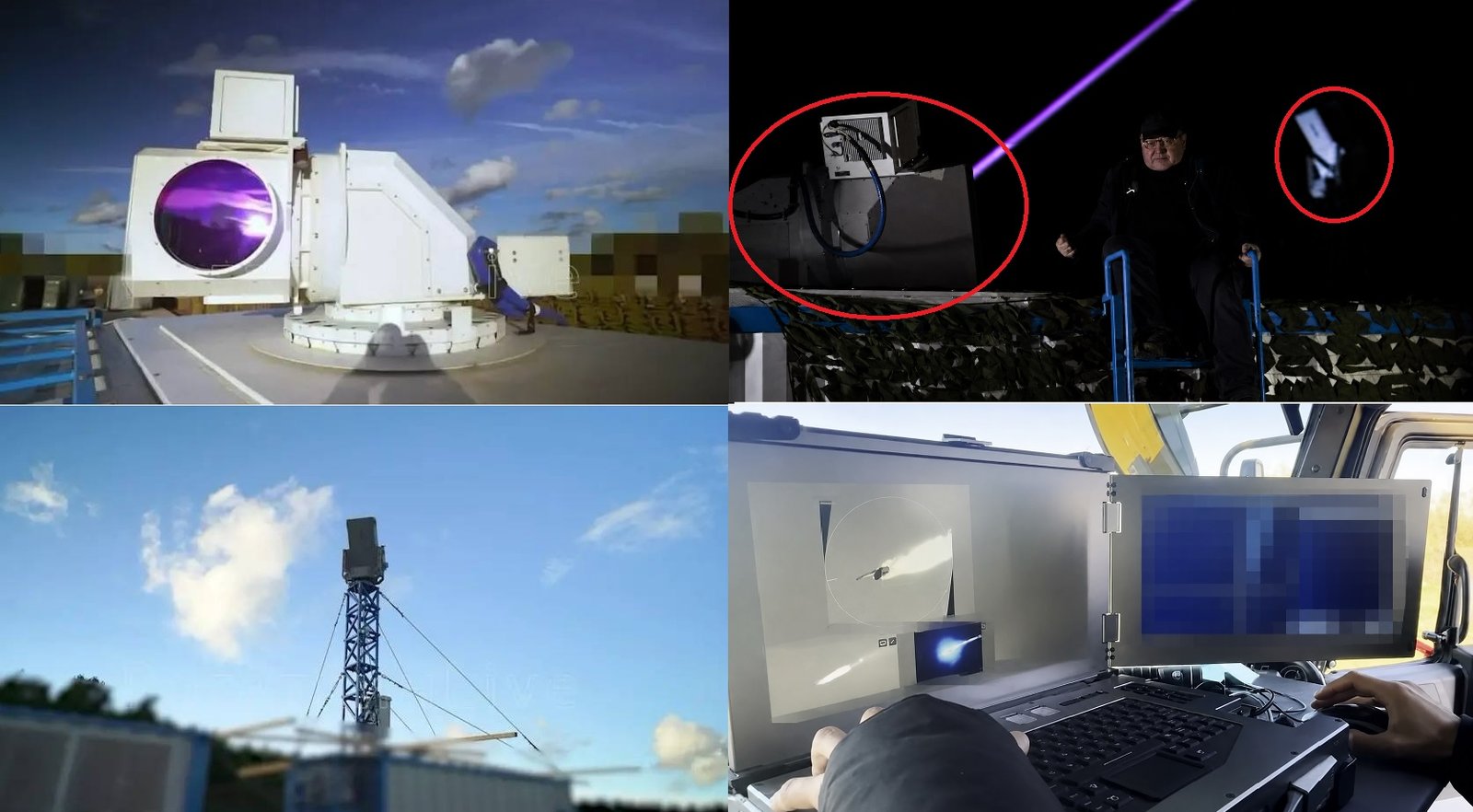
World
MOSCOW, — Footage circulating this week on Russian pro-military channels appears to show a Russian combat laser system engaging aerial drones. A Russian military blogger described the footage as an “exclusive” and claimed that several systems are deployed to protect strategic facilities in southwestern Russia. The blogger also claimed that the systems have destroyed several hundred Ukrainian drones. These claims, including the deployment locations and combat record, have not been independently verified. No Russian government or military agency has publicly confirmed them. Containerized Laser System Based on descriptions of the footage, the system is mounted on a containerized platform and combines a laser weapon, targeting and guidance equipment, and a command post operated by a single person. It reportedly has its own detection equipment, using radar and optical sensors to detect and track aerial threats. The blogger said Russian developers are preparing a second-generation system designed to engage faster targets, including tactical aircraft and cruise missiles. This claim has also not been independently confirmed. The post said the technology should not be overestimated on its own but could be useful when combined with conventional air-defense systems. It also claimed that the systems have demonstrated effectiveness and should continue to be developed. Russia's Laser Counter-Drone Development Russia has previously reported large-scale testing of laser systems against UAVs. In June 2025, the government said eight systems, ranging from compact mobile units to high-power stationary platforms, were tested. First Deputy Prime Minister Denis Manturov attended the trials. According to Russian officials, the tests examined guidance accuracy, engagement range, reaction speed against moving targets and performance in different weather conditions. The systems were developed with involvement from subsidiaries of Rostec and Rosatom. Officials said the results supported further development toward serial production and integration with broader air-defense systems. Separate Russian industry reports in late 2025 and 2026 described testing of the LazerBuzz system under Project Posokh. The developer reported a 1-kilometer engagement against an FPV drone in 2025, followed by reported tests at 1.5 kilometers against an aircraft-type drone in 2026. These results are based on developer statements and have not been independently verified. Limitations of Laser Weapons Directed-energy weapons are being developed by several militaries for counter-drone missions. Their potential advantages include engaging targets without using conventional interceptor ammunition, but operational effectiveness can be affected by rain, fog, dust and smoke. Atmospheric effects can also reduce beam performance over longer distances, while high-power systems require significant power and thermal management for sustained operation. Russia's Peresvet is another known directed-energy system, although it is primarily associated with disabling or blinding optical sensors rather than physically destroying drones. The latest footage therefore provides no independent confirmation of the reported number of drones destroyed, the systems' deployment locations, or the planned second-generation capabilities. Those claims remain unverified, while Russia's previous government-announced tests and industry-reported trials confirm continued development of laser-based counter-drone technology. Source : Defence-Blog
Read More → Posted on 2026-08-31 14:15:39
U.S
NORTHERN VIRGINIA, — Dutch radar manufacturer Robin Radar Systems has opened an expanded operations center in Northern Virginia as demand for its drone-detection technology grows in the United States. The facility, opened on August 26, will add 20 local jobs and support the company’s growing customer base across government, defense, law enforcement and critical infrastructure sectors. Robin Radar said U.S. sales of its IRIS drone-detection radars increased by 75% during the first half of 2026 compared with the same period last year. The company has also recorded 60% year-over-year global growth over the past three years. Robin Radar recently secured its largest U.S. agreement to date through a counter-UAS integrator. The deal provides radar systems for federal agencies as well as state, local, territorial and tribal authorities. More than 30 IRIS radars were also deployed across North America during the 2026 FIFA World Cup. Robin Radar said the deployment was one of its largest operational uses of IRIS and provided persistent 3D airspace awareness for U.S. government and local authorities around tournament venues. IRIS Radar IRIS is a compact X-band 3D radar designed to detect, track and classify drones. It weighs 64 pounds (29 kg), can be deployed in less than 15 minutes and provides 360-degree coverage. The system uses micro-Doppler classification and deep neural networks to distinguish drones from birds and other environmental clutter. It can detect hovering drones and track multiple targets simultaneously. Robin Radar said operational experience from recent conflicts, including the war in Ukraine, is influencing U.S. counter-UAS procurement, with customers placing greater emphasis on detection, tracking and classification in complex environments. The company selected Northern Virginia because of its established defense industry ecosystem and proximity to government customers. The new center builds on Robin Radar’s U.S. presence in Virginia and is intended to support customers from system evaluation and deployment through ongoing operations. The opening ceremony was attended by Birgitta Tazelaar, Ambassador of the Kingdom of the Netherlands to the United States, and industry representatives including Ben Wenger, Chief Revenue Officer of Dedrone by Axon. Tazelaar said the expansion represents an investment in the United States, Dutch technology and the transatlantic relationship. Robin Radar CEO Siete Hamminga said the company aims to become part of the U.S. security ecosystem by hiring locally, supporting American customers, working with U.S. businesses and building more capabilities in the country. Robin Radar Systems is headquartered in The Hague and develops radar technology for drone and bird detection. Its systems are used by NATO members, government agencies and critical infrastructure operators in multiple countries.
Read More → Posted on 2026-08-31 13:53:20
World
TOKYO, — Japan’s Ministry of Defense (MoD) has submitted a record 8.9 trillion yen ($55.5 billion) budget request for fiscal year 2027, placing greater emphasis on artificial intelligence, unmanned systems, maritime surveillance, stand-off weapons and undersea capabilities. The fiscal 2027 budget begins in April 2027 and represents Japan’s 15th consecutive annual defense spending increase and 13th consecutive record high. The final figure is expected to exceed 10 trillion yen for the first time after year-end negotiations determine funding for around 160 unpriced “item requests” (jiko yokyu). Fiscal 2027 is also the final year of Japan’s current five-year Defense Buildup Program, which originally set a target of approximately 43 trillion yen in total defense spending from fiscal 2023 through fiscal 2027. The ministry said the security environment has changed faster and become more complex than anticipated when the current defense planning documents were prepared. Japan plans to revise its three key security documents by the end of 2026. AI and Unmanned Systems Become Major Priorities The budget request places AI and unmanned systems at the center of Japan’s effort to adapt to what the MoD describes as “new ways of warfare.” The ministry requested 292.2 billion yen ($1.83 billion) to acquire 17 General Atomics MQ-9B SeaGuardian long-endurance unmanned aerial vehicles. The aircraft are intended to strengthen intelligence, surveillance, reconnaissance and targeting capabilities. The Japan Maritime Self-Defense Force (JMSDF) began trial operations with the SeaGuardian in 2023. Japan selected the aircraft for its long-endurance UAV program in December 2024, with longer-term plans calling for approximately 23 MQ-9Bs. The MoD cited increased Chinese aircraft carrier operations and joint bomber flights involving China and Russia as reasons for strengthening surveillance, particularly in support of Pacific sea-lane defense. Japan is also developing broader unmanned capabilities. The ministry submitted an item request to research a stand-off missile launch module for unmanned underwater vehicles (UUVs). Other research areas include UUV networking, search and attack modules and underwater power-supply technology. The ministry says these technologies are intended to reduce personnel risks and provide cost advantages in future conflicts. AI development is also included in the request, including an AI-based decision-support system for the Joint Operations Command, a next-generation AI platform and secure cloud infrastructure for classified information. New FFM Frigates and Other Maritime Programs The JMSDF's fleet modernization program includes several major surface and undersea projects. Construction of the New FFM, an upgraded version of the Mogami-class multirole frigate, has been included as an item request. The number of ships and associated funding will be decided during the year-end budget process. The New FFM has a standard displacement of 4,800 tonnes and is designed to provide improved anti-air, anti-submarine and other maritime warfare capabilities compared with the existing Mogami class. Japan plans to build 12 New FFMs. Construction funding for six has already been secured: two in fiscal 2024, three in fiscal 2025 and one in fiscal 2026. The design was also selected by the Royal Australian Navy in 2025 as the basis for its future general-purpose frigate program. Sakura-Class Offshore Patrol Vessels The MoD also submitted an item request for construction of Sakura-class offshore patrol vessels (OPVs). The 1,920-tonne vessels are designed to operate with a crew of about 30 personnel. They will replace older destroyer escorts and patrol boats and are designed to operate unmanned surface vessels, rigid-hull inflatable boats and UAVs including the V-BAT. The JMSDF plans to eventually operate 12 Sakura-class OPVs, with the first six already funded. The first ship, JS Sakura (OPV-901), was launched in November 2025, and the initial vessels are expected to enter service from March 2027. Taigei-Class Submarines Continued construction of the 3,000-tonne Taigei-class submarines was also submitted as an item request. The submarines use lithium-ion batteries, providing improved underwater endurance compared with earlier propulsion arrangements. The class is being introduced as part of the JMSDF's modernization of its submarine fleet. Aegis System Equipped Vessels Japan requested 68.9 billion yen ($431 million) for preparations for testing the two Aegis System Equipped Vessels (ASEVs) currently under construction. The first ASEV is scheduled to enter service by the end of fiscal 2027, while the second is scheduled to enter service by the end of fiscal 2028. The vessels are approximately 190 meters long and 25 meters wide, with a standard displacement of around 12,000 tonnes. Expansion of Stand-Off Strike Capabilities Long-range stand-off weapons are another major part of the fiscal 2027 request. The MoD requested 56.2 billion yen ($351 million) for the ship-launched version of Japan's improved Type 12 surface-to-ship missile. The JMSDF plans to deploy the system aboard the refurbished destroyer JS Teruzuki (DD-116) starting in fiscal 2027. Japan also requested 16.3 billion yen ($102 million) for submarine-launched guided missiles developed by Mitsubishi Heavy Industries. The missiles can be launched from submarine torpedo tubes and are intended to engage both maritime and land targets from stand-off ranges. The system is planned for deployment aboard the newest Taigei-class submarines. Separately, the ministry submitted an item request for development of an underwater-launched hypersonic guided missile. The proposed weapon is intended to provide a stand-off strike capability from an underwater platform and is separate from the submarine-launched guided missile program planned for the Taigei class. Japan to Equip All Eight Aegis Destroyers for Tomahawk Japan is also continuing work to integrate U.S.-made Tomahawk cruise missiles onto its Aegis destroyers. The MoD requested 1.1 billion yen ($6.9 million) to add Tomahawk launch capability to three ships: JS Kongo (DDG-173) JS Ashigara (DDG-178) JS Maya (DDG-179) Japan plans to acquire up to 400 Tomahawk missiles through the U.S. Foreign Military Sales program. The JMSDF currently operates eight Aegis destroyers, consisting of four Kongo-class, two Atago-class and two Maya-class ships. Funding through fiscal 2026 had already been approved to equip five ships: JS Chokai, JS Kirishima, JS Haguro, JS Myoko and JS Atago. JS Chokai received the capability in March 2026 and conducted Japan's first ship-launched Tomahawk live-fire test in the Pacific Ocean on July 29, 2026. The latest request covers the remaining three Aegis destroyers, meaning all eight existing Japanese Aegis destroyers are now planned to receive Tomahawk launch capability. Izumo-Class Ships Continue F-35B Modifications Japan is continuing modifications to the Izumo-class helicopter carriers JS Izumo and JS Kaga to support operations by Lockheed Martin F-35B short takeoff and vertical-landing fighters. The MoD requested 3 billion yen ($18.7 million) for the work. Of this amount, 100 million yen is allocated to JS Izumo, including the manufacture of internal mounting fixtures for F-35B-related equipment. The remaining 2.8 billion yen is allocated to JS Kaga, mainly for flight-deck lighting and related equipment. Modifications to JS Izumo are scheduled for completion in fiscal 2027, while work on JS Kaga is scheduled to finish in fiscal 2028. Cumulative funding for the carrier modifications through fiscal 2026 totals 107.4 billion yen. The fiscal 2027 request would raise the total to approximately 110.4 billion yen, excluding any additional funding that could be approved through item requests. Weaker Yen Raises Equipment Costs The MoD calculated the dollar value of the 2027 request using an exchange rate of 149 yen to the dollar, compared with the 108 yen benchmark used when Japan's current five-year defense plan was prepared in 2022. The ministry said the weaker yen has increased the cost of imported equipment and foreign-made components. The 8.9 trillion yen figure is therefore not the final fiscal 2027 defense budget. The request will undergo review by the Finance Ministry, while funding for the numerous item requests will be decided during year-end budget negotiations. A final figure is expected in late December, with the government's planned revisions to Japan's security documents also forming part of the broader defense planning process.
Read More → Posted on 2026-08-31 13:47:19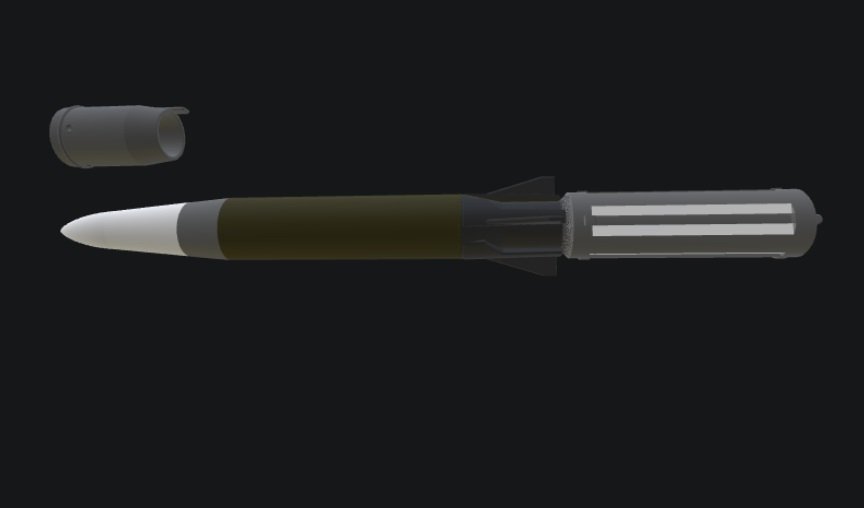
World
KYIV, Ukraine, — Ukraine’s Defence Intelligence Directorate (DIU) has published a detailed technical and industrial breakdown of Russia’s 3M22 Zircon missile, including an interactive 3D model, identified components, manufacturers, personnel and foreign-made equipment linked to its production. The information was released on August 31, 2026, through the DIU’s War&Sanctions portal. The agency identified 70 enterprises involved in producing the missile and its major systems and assemblies. It also published information on 84 officials and employees of key companies involved in its production. Missile designed for naval launch According to DIU, the 3M22 was developed as a weapon for Russia’s naval forces. It was designed for launch from Russian nuclear-powered submarines and Project 22350 frigates equipped with the 3S-14 UKSK vertical launch system. DIU says that the missile was later adapted for launch from Bastion-M coastal defence systems. The War&Sanctions database classifies the 3M22 as a ballistic missile and lists its main dimensions as 8 metres in length and 0.666 metres in body diameter. The listed warhead weight is approximately 120 kg. Its listed flight altitude is 30–40 km. DIU also compares the Zircon’s warhead with that of the smaller Banderol cruise missile, which it says carries a 150 kg warhead. Two solid-propellant motors The missile is launched from a container using a solid-propellant booster. The booster provides the initial altitude and speed before separating, after which the missile’s solid-propellant sustainer motor starts. DIU says that the initial correction of the missile’s trajectory is carried out by orientation and stabilisation thrusters located inside a protective fairing. The fairing is subsequently separated from the missile. Russia has claimed that the Zircon can reach speeds of up to Mach 8–9 during parts of its flight. The DIU database separately lists a maximum fixed speed of Mach 6.8, while the agency states that this speed is not maintained throughout the entire flight. Combined guidance system The Zircon uses a combined guidance system. According to DIU, it uses inertial guidance during the cruise phase and switches to an active radar homing seeker during the terminal phase. The identified 3B222 active radar homing head is manufactured by NPP RADAR MMS JSC. Onboard processing is handled by the Baget-83 digital computing system, manufactured by KB Korund-M JSC. Flight control includes 3B915 electro-hydraulic steering actuators, manufactured by the Central Research Institute of Automation and Hydraulics (TsNIIAG). The missile also has deployable aerodynamic control surfaces in its tail section. The control surfaces remain folded during transport and deploy after launch. DIU states that the tail section is made of titanium. Components identified by DIU The War&Sanctions database identifies a number of major Zircon components and their manufacturers. These include: 3G22 main warhead — GOSNIIMASH JSC 3L2211 solid-fuel missile engine — NPO Iskra PJSC Launch engine — PZ MASH / Permsky Zavod Mashynostroitel JSC 3B228 radio-technical countermeasure system — KNIRTI JSC 3B915 steering units — TsNIIAG JSC Baget-83 onboard digital computer — KB Korund-M JSC T-657 chemical power source — Energia PJSC Rusar para-aramid threads — Kamenskvolokno JSC DIU identifies VPK NPO Mashinostroyeniya JSC as the main manufacturer and designer of the missile. Foreign-made electronics identified The Ukrainian intelligence service also identified foreign-made electronic components associated with the Zircon. Among them is the TGA2704 amplifier, manufactured by TriQuint Semiconductor, a company that is now part of Qorvo. DIU identifies its manufacturer headquarters as being in the United States. Another identified component is the Altera Cyclone II EP2C5T144I8N FPGA. DIU identifies the component as originating from the United States, while the part itself is an Altera Cyclone II FPGA; Altera is now part of Intel. DIU's database currently lists four identified components for the Zircon entry, including the two U.S.-origin electronic components, a measuring potentiometer and a microchip whose manufacturer has not been identified. Production network mapped The new release goes beyond the missile's physical design. DIU has mapped the industrial network supporting production of the 3M22, identifying 70 enterprises involved in its production, including companies responsible for missile systems, airframes, engines and solid propellant. The portal also provides information on the companies and personnel involved and allows users to examine the missile through an interactive 3D model. DIU is asking for additional information from the public to expand its database on the missile's production chain. The release is part of DIU's broader War&Sanctions project, which has recently published similar technical and industrial information on other Russian weapons, including the 9M723 Iskander-M missile and the Su-35S fighter.
Read More → Posted on 2026-08-31 13:38:19
World
AMMAN, Jordan — U.S. Army Patriot air-defense systems intercepted Iranian ballistic missiles launched toward U.S. military positions in Jordan following a U.S. strike on two Iranian launchers on Larak Island in the Strait of Hormuz on August 30. The exchange marked a new round of direct U.S.-Iran military activity after several weeks without publicly confirmed U.S. strikes on Iranian territory. U.S. Central Command said American forces struck two Iranian launchers after observing Islamic Revolutionary Guard Corps (IRGC) personnel preparing to launch rockets carrying sea mines into the Strait of Hormuz. Iran subsequently launched ballistic missiles toward U.S. military positions in Jordan. The IRGC said the operation targeted the King Hussein and Al-Azraq bases, the latter also known as Muwaffaq Salti Air Base. Jordanian authorities said their air-defense systems intercepted eight missiles that entered the country's airspace. PAC-3 MSE Interceptor Expenditure Defense analyst Babak Taghvaee reported that two U.S. Army Patriot PAC-3 batteries in Jordan launched between 96 and 128 MIM-104F PAC-3 Missile Segment Enhancement (MSE) interceptors against approximately 32 Iranian ballistic missiles. His assessment indicates that roughly three to four interceptors were launched for each incoming ballistic missile. BREAKING: The U.S. Army launched almost 96 to 128 MIM-104F PAC-3 MSE surface-to-air missiles from its Patriot PAC-3 air-defense batteries in Jordan tonight against Iranian ballistic missiles. They launched three to four interceptors at each one of 32 Iranian ballistic missiles!… pic.twitter.com/N4g3tNg1BU — Babak Taghvaee - The Crisis Watch (@BabakTaghvaee1) August 30, 2026 The reported figures have not been independently confirmed by the U.S. Department of Defense. U.S. officials have confirmed the Iranian missile attack and the successful defensive response, but specific numbers of Patriot interceptors used in the engagement have not been publicly released. The PAC-3 MSE is the upgraded version of the PAC-3 interceptor. According to the U.S. Department of Defense, the MSE incorporates a higher-performance solid rocket motor, modified lethality enhancer, improved control surfaces and upgraded guidance software. The system is designed to engage tactical ballistic missiles as well as other air-breathing and unmanned threats. Iranian Missile Attack Followed Larak Island Strike The Iranian missile launches came after U.S. forces attacked two Iranian launchers on Larak Island. U.S. officials said the launchers were being prepared for use against shipping in the Strait of Hormuz with rockets carrying sea mines. The IRGC said the American operation caused casualties among Iranian military personnel and civilians and announced that it would respond. Iran then launched missiles toward U.S. military facilities in Jordan. The Jordanian military confirmed that eight missiles breached the country's airspace and were intercepted. Initial reports did not indicate significant casualties or damage at the targeted U.S. bases. The United Arab Emirates also reported intercepting an Iranian drone over its territorial waters during the same period of renewed hostilities. Claims About U.S. Patriot Stockpiles The reported expenditure of 96 to 128 PAC-3 MSE interceptors has renewed attention on the availability of U.S. missile-defense interceptors. Taghvaee argued that repeated attacks of a similar scale could place additional pressure on U.S. Patriot stocks in the region. However, claims that the U.S. Army would run out of Patriot interceptors after three additional attacks, or that it would be forced to withdraw from Jordan, have not been confirmed by the Pentagon. The exact number of PAC-3 interceptors currently available to U.S. forces in Jordan and elsewhere is not publicly disclosed. The reported transfer of Patriot interceptors from U.S. forces in South Korea to the Middle East also requires caution. Publicly available information does not establish the exact number of missiles transferred or the current inventory remaining at individual U.S. bases. Why the Interceptor Ratio Matters The reported use of three to four PAC-3 MSE interceptors for each Iranian ballistic missile is significant because each defensive engagement consumes a high-value interceptor while Iran can launch multiple missiles in a salvo. A high interceptor-to-target ratio can therefore become an important factor during prolonged missile exchanges. At the same time, the actual number of interceptors required depends on the engagement circumstances, including the number of incoming missiles, their trajectories, the defense architecture and the probability of successful interception. For the August 30 engagement, however, the 96-to-128 interceptor figure remains an analyst estimate rather than an officially confirmed U.S. military figure. The latest exchange also demonstrates the continued role of Patriot systems in defending U.S. forces against Iranian ballistic-missile attacks. Earlier U.S. military operations have similarly involved Patriot and other missile-defense systems against Iranian missile threats, although the Pentagon has not released the specific PAC-3 expenditure for this latest engagement. The confrontation followed the first publicly confirmed U.S. strike on Iranian territory since late July and has again brought the Strait of Hormuz and U.S. military positions across the region into the focus of the ongoing conflict.
Read More → Posted on 2026-08-31 12:38:13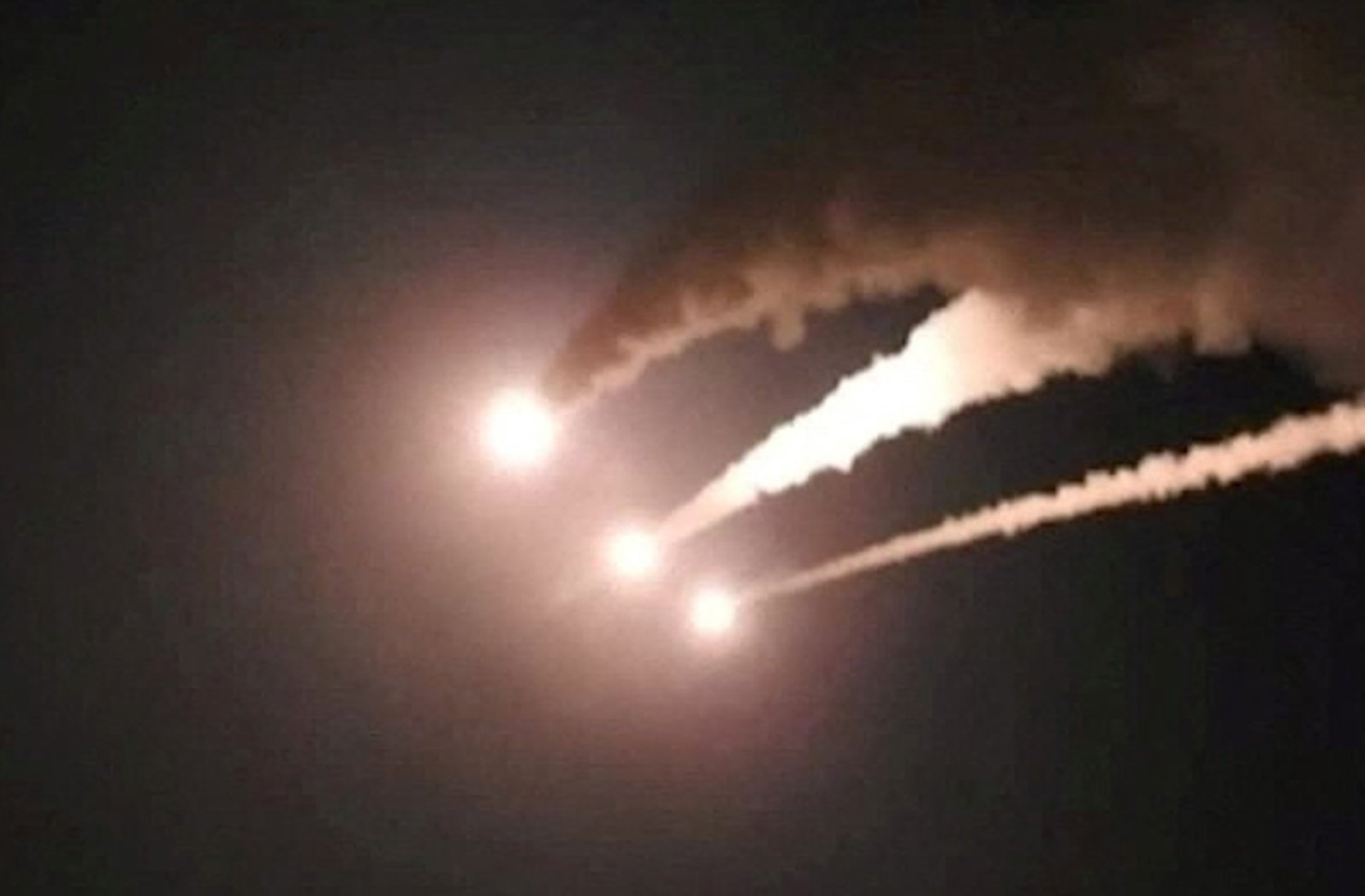
World
WASHINGTON/TEHRAN, — U.S. forces struck two Iranian rocket launchers on Larak Island in the Strait of Hormuz on Sunday, August 30, marking the first known U.S. attack on Iranian territory since late July. Iran responded hours later with ballistic missile and drone operations against U.S. military positions in Jordan and the United Arab Emirates. U.S. Strike on Larak Island U.S. Central Command (CENTCOM) said the strike targeted two launchers after Islamic Revolutionary Guard Corps (IRGC) personnel were observed preparing to fire rockets carrying sea mines into the Strait of Hormuz. CENTCOM spokesman Captain Tim Hawkins described the operation as a “limited, precise action” against what the U.S. considered an imminent threat to civilian mariners and commercial shipping. Iranian state media said the strike was carried out by drones and caused military and civilian casualties. Tasnim reported that two people were killed and two others wounded. Tehran condemned the attack and vowed a response. The casualty figures have not been independently verified. The strike came after the U.S. said it had completed clearing sea mines from international shipping lanes in the Strait. President Donald Trump had also warned that vessels attempting to place new mines would be destroyed. Iran Retaliates in Jordan and UAE The IRGC later said it launched ballistic missiles against two U.S.-associated bases in Jordan, King Hussein and Al-Azraq, also known as Muwaffaq al-Salti. Iran claimed the attacks targeted technical infrastructure, maintenance facilities and areas where fighter aircraft were stationed, causing heavy damage. Jordan's armed forces said its air defenses intercepted and destroyed eight missiles that entered Jordanian airspace before they could threaten civilians or property. U.S. officials also said the missiles targeting U.S. forces in Jordan were intercepted, with no significant impact reported. Iran also said it launched drones toward Al Minhad Air Base in the UAE, targeting areas where U.S. helicopters and personnel were stationed. However, the UAE said its air defenses intercepted an Iranian drone over its territorial waters and denied Iranian reports that Al Minhad airbase had been attacked. Iranian authorities separately claimed that its air defenses shot down a U.S. MQ-9 Reaper over the Strait of Hormuz. The claim has not been independently confirmed. Renewed Tensions Around the Strait The exchange ended weeks of relative calm between Washington and Tehran and renewed concerns over the security of the Strait of Hormuz, a major route for global energy shipments. Oil prices rose as markets reacted to the renewed fighting and concerns over possible disruption to shipping. Iranian President Masoud Pezeshkian said Tehran was not seeking war but would not remain passive in response to U.S. attacks. The latest exchange has increased uncertainty over the future of the conflict and security of commercial shipping through the Strait of Hormuz.
Read More → Posted on 2026-08-31 11:59:25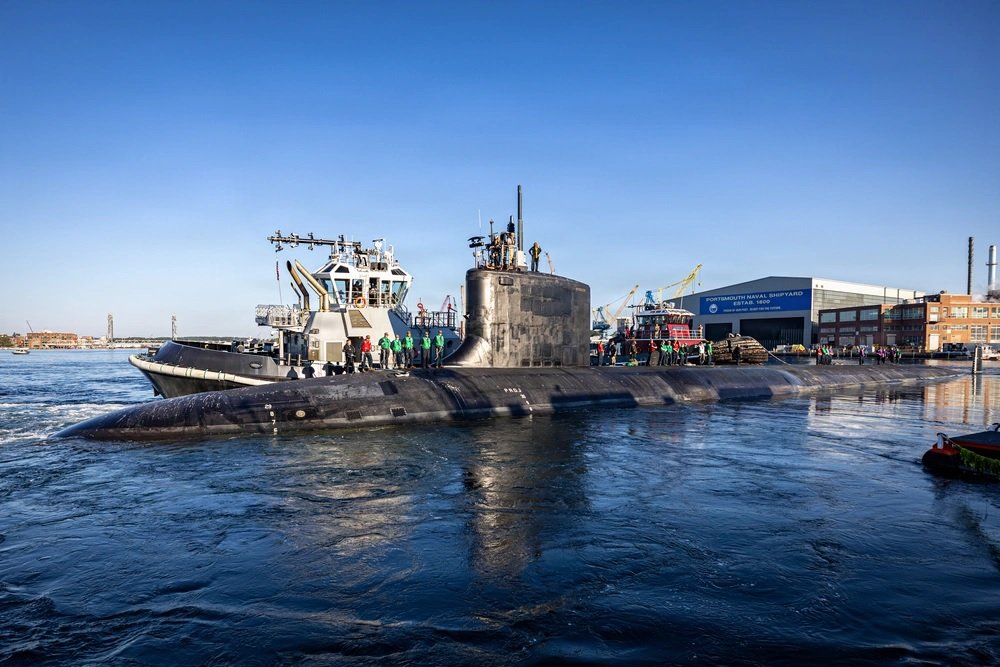
U.S
KITTERY, Maine — The U.S. Navy returned the Virginia-class attack submarine USS North Dakota (SSN 784) to the active fleet on August 29 after Portsmouth Naval Shipyard in Kittery, Maine, completed an Extended Drydocking Selected Restricted Availability. The Virginia-class attack submarine received major maintenance and modernization work and completed the project ahead of its rebaselined schedule. 40-Month Maintenance Period North Dakota arrived at Portsmouth Naval Shipyard on April 28, 2023, and entered Dry Dock No. 2 in September 2023. It undocked on February 26, 2026, before undergoing nearly six more months of pierside work, system integration, testing and certification. The submarine began sea trials on August 20, 2026, and arrived at Naval Submarine Base New London in Groton, Connecticut, on August 27. The availability formally ended on August 29, bringing the total maintenance period to about 40 months. The original plan called for about 33 months of work valued at approximately $347 million. First Block III Availability The project was Portsmouth Naval Shipyard’s first Chief of Naval Operations availability for a Block III Virginia-class submarine. Shipyard workers and North Dakota’s crew worked together to integrate new maritime technologies and complete several technical modifications on a Block III submarine for the first time. The work included structural inspections, repairs, replacement of key mechanical and electrical systems, and upgrades involving the submarine’s bow-array technologies. The Navy said the submarine progressed through its testing program, including its final phase, at a historically rapid pace. The experience gained from the project is expected to help guide future maintenance work on other Block III Virginia-class submarines. Block III Design USS North Dakota is the 11th Virginia-class attack submarine and the first of eight Block III boats. The submarine is 114.8 meters long, nuclear-powered and based at Naval Submarine Base New London. The Block III configuration introduced a redesigned bow with a Large Aperture Bow (LAB) sonar array and two large-diameter Virginia Payload Tubes. These replaced the 12 individual vertical launch tubes used on earlier Virginia-class submarines. Navy and Shipyard Statements “Executing this complex work package on our first Block III submarine was a demanding task, but this team met every challenge head-on with tenacity and selflessness,” said Capt. Jesse Nice, shipyard commander. He said the team’s work created a foundation for future Virginia-class maintenance projects. Capt. Mike Poplawski, commodore of Submarine Squadron TWO, said the technological capabilities integrated during the availability provide an immediate operational benefit and strengthen the readiness and resilience of the submarine force. Andrew Stark, North Dakota’s project superintendent, credited the submarine’s crew and Portsmouth’s civilian workforce for their coordination throughout the project. He said the team executed the “fastest, most aggressive end game in recent history” on a major availability at Portsmouth Naval Shipyard. USS North Dakota General Dynamics Electric Boat built North Dakota in Groton, Connecticut. Its contract was awarded on August 14, 2003. The keel was laid on May 11, 2012, the submarine was launched on September 15, 2013, christened on November 2, 2013, and commissioned on October 25, 2014. The submarine supports missions including anti-submarine warfare, intelligence gathering and special operations support. With North Dakota back in the fleet, Portsmouth Naval Shipyard has completed its first major maintenance project involving the Block III Virginia-class configuration. The experience is expected to support future modernization and maintenance work on other submarines in the block.
Read More → Posted on 2026-08-31 11:41:00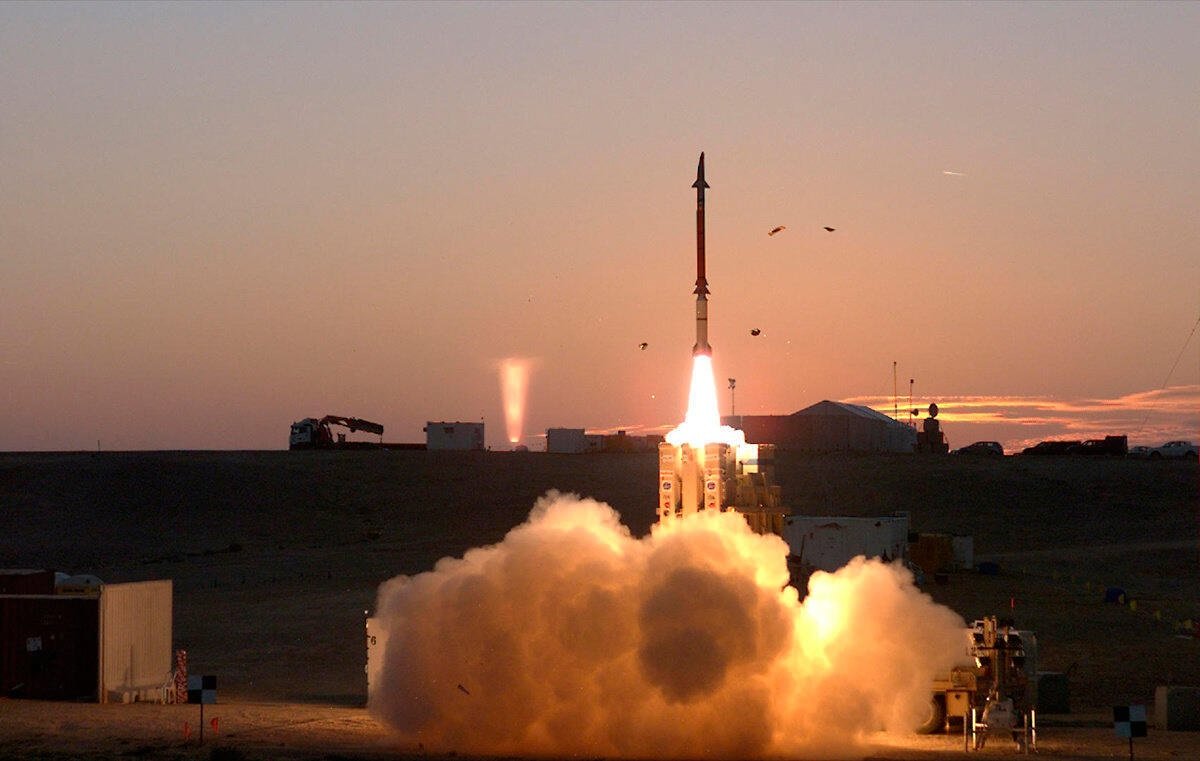
World
TEL AVIV, — Greece and Israel are scheduled to sign agreements on Monday, August 31, for a multilayered air and missile defense network known as “Achilles Shield.” The program is valued at slightly more than €3 billion, with recent reports putting the agreement at about €3.1 billion ($3.6 billion). The signing in Tel Aviv is expected to move the program from government approval into its implementation phase. If completed as reported, it would become the largest Israeli defense export agreement to date, exceeding the value of Israel’s previous major defense export deal, the $3.5 billion Arrow 3 sale to Germany in 2023. The agreements are expected to be signed by Greece’s General Directorate for Defense Investments and Armaments (GDDIA) and Israel’s Directorate of International Defense Cooperation (SIBAT), together with the Israeli defense organizations and companies involved in the program. Three Israeli air defense systems The core of Achilles Shield will combine three Israeli-developed systems to provide different layers of air and missile defense. David’s Sling, developed by Rafael, will provide the higher-tier missile defense capability. Reports on the Greek program have identified the SkyCeptor version as the planned configuration. It is intended to address ballistic and other missile threats. Barak MX, developed by Israel Aerospace Industries (IAI), will form another layer of the network. Greece plans to use the system as part of the replacement of its older Hawk air-defense capability. At the shorter-range end, Rafael’s SPYDER system will be included. It is planned to replace Greece’s Russian-origin Osa-AK and Tor-M1 systems. The three systems will be integrated with Greece’s existing Patriot air-defense systems and other sensors and capabilities rather than operating as separate networks. Command and control and source-code access A major element of Achilles Shield will be its command-and-control architecture. Greek Defense Minister Nikos Dendias has said the system will be built around an integrated command-and-control structure capable of prioritizing threats and supporting the selection of an appropriate response. Greece also intends to use artificial-intelligence capabilities within this architecture. Greece has also secured provisions concerning access to the source code. Dendias said in July that Greece should not acquire critical command-and-control systems without the ability to intervene in their architecture and development. Recent reporting indicates that the source-code issue was among the final matters resolved before the planned signing. Greek defense industry participation The agreement also includes significant participation from Greek defense companies. Reports say 12 Greek companies will participate in the program, with domestic industrial work exceeding €700 million, equivalent to about 25% of the program's value. The arrangement is intended to give Greek industry a role in manufacturing, integration and support activities rather than limiting the program to the direct purchase of foreign-built systems. 35-month implementation period Greece approved the Achilles Shield program through its Government Council for Foreign Affairs and Defense (KYSEA) on July 23, 2026. Dendias said the complete system would become operational within 35 months, with deliveries taking place in stages rather than all at once. Negotiations for the program have continued for about three years. The project was delayed during the period of Israeli military operations in Gaza before Greece resumed efforts to finalize the agreement. Part of Greece’s wider military modernization Achilles Shield is a major component of Greece’s broader Agenda 2030 defense modernization program. The wider procurement effort includes additional unmanned systems, satellites, naval modernization and military transport capabilities. Among the other approved programs are Heron 1 unmanned aerial systems, 10 additional V-BAT systems, synthetic-aperture-radar satellite capabilities, 10 VICTA special operations vessels, modernization of four MEKO-class frigates, and three Embraer C-390 Millennium transport aircraft. The Greek Defense Ministry describes Achilles Shield as part of a wider national defense architecture extending across the sea, land, air, cyberspace and space, with different military platforms connected through a networked command-and-control structure. The planned August 31 signing in Tel Aviv will therefore mark the next major step in Greece’s effort to establish the Achilles Shield as an integrated national air and missile defense architecture.
Read More → Posted on 2026-08-30 15:32:59
U.S
WASHINGTON, — Senior U.S. military leaders have warned Defense Secretary Pete Hegseth that continuing large-scale operations against Iran is putting increasing pressure on U.S. military resources and could weaken America’s ability to respond to potential threats in Europe, the Indo-Pacific and the homeland. The concerns were detailed in the Aug. 14 Secretary of Defense Orders Book (SDOB), a classified document covering the worldwide availability of U.S. warships, aircraft, personnel and weapons. People familiar with the assessment spoke to The Washington Post on condition of anonymity because the document is classified. Commanders Object to Extensions The commanders of U.S. European Command, U.S. Pacific Command and U.S. Southern Command, along with the Navy’s top admiral, formally recorded a “non-concur” with orders extending forces for the Iran campaign. The designation means they disagreed with the extensions but would still carry out the orders. Army and Air Force leaders concurred with the extensions but warned Hegseth that continuing them carries significant strategic risk. The campaign, which began in late February and has continued for about six months, has required large numbers of ships, aircraft, personnel, air-defense systems and other weapons in the Middle East. More than 50,000 U.S. troops remain on alert in the region. The Aug. 14 orders keep some forces there through September and others into 2027. Military leaders described the situation as “too much for too long”, citing the lack of a clear end date and the continued transfer of resources from other commands. Navy Under Pressure Chief of Naval Operations Adm. Daryl Caudle told Hegseth that the Navy cannot sustain its current level of support indefinitely. Only about one-quarter of the Navy’s destroyers are currently ready to deploy, according to the assessment. The Navy has provided dozens of vessels for the campaign, initially for strikes and defense against Iranian counterattacks and later to support a blockade of Iranian ports aimed at pressuring Tehran to reopen the Strait of Hormuz. Some ship and crew deployments have been extended by months. The assessment warns that continued operations could affect ship maintenance and reduce fleet availability for other conflicts. Adm. Samuel Paparo, commander of U.S. Pacific Command, also opposed the continued requirement to provide a carrier strike group and destroyers to the Middle East. The only U.S. aircraft carrier normally based in the Pacific was sent to the region to relieve another carrier that had been deployed for more than 300 days. Other Forces and Weapons Affected European Command and Southern Command warned that moving ships and surveillance aircraft to Central Command has reduced their ability to conduct training and meet other missions, including homeland-defense responsibilities. The 82nd Airborne Division, which sent about 2,000 soldiers to the region in March, is ordered to remain at least through September, with some officials expecting another extension. Patriot air-defense units are also expected to remain longer, while many Air Force units involved in the operation are scheduled to stay into 2027. The campaign has also drawn on U.S. stocks of Patriot and THAAD interceptors and Tomahawk missiles. Previous reporting cited losses of about 25 percent of the Reaper drone fleet, as well as damage to U.S. bases in the region. The Trump administration has disputed descriptions of U.S. munitions shortages as inaccurate. Pentagon Response Pentagon spokesman Sean Parnell said decisions on the scope and duration of U.S. force commitments are based on the current threat assessment, presidential strategic priorities and advice from the chairman of the Joint Chiefs of Staff and combatant commanders. The Pentagon does not discuss internal operational processes, including specific concurrences, non-concurrences or risk assessments made during force-allocation decisions. A spokesman for Joint Chiefs Chairman Gen. Dan Caine referred questions to Hegseth’s office. President Donald Trump has continued pressing Iran to reopen the Strait of Hormuz and accept U.S. terms for ending the conflict while keeping military options available. The commanders’ assessment highlights the strain created by maintaining the current level of U.S. military operations without a clear end date.
Read More → Posted on 2026-08-30 15:28:53
India
BENGALURU, — Bengaluru-based aerospace startup Aspera Industries has unveiled ‘Eureka’, an autonomous amphibious aircraft designed to transport cargo faster than sea freight while targeting costs lower than conventional air freight. Founder and CEO Khushi Mittal announced the aircraft publicly on August 29. Eureka is designed to take off and land on water as well as flat land without a pilot onboard. It has a stated payload capacity of 1,000 kg, a range of 2,000 km and a planned operating altitude of 6,500 feet above mean sea level. Aspera was founded in 2025 by Mittal and focuses on purpose-built, long-range aircraft for aerial logistics. The company has raised $750,000 in seed funding from Inuka Capital and aims to manufacture aircraft in India that can compete with boats on cost while delivering cargo much faster. Designed to Use Water as a Runway Aspera's concept is based on using water as a natural runway, reducing dependence on conventional airport infrastructure. Mittal noted that 150 of the world's 193 countries have a coastline, while many cities, ports and industrial centres have developed around water. The company also points to the fact that about 71% of Earth's surface is covered by water. The aircraft uses a carbon-fibre body and replaces the traditional stepped hull used by older seaplanes with retractable hydrofoils. Aspera says stepped hulls created aerodynamic drag during flight, while the retractable hydrofoils are designed to assist water operations and retract during flight. Targeting Lower Cargo Costs Around 80% of world trade is transported by sea, according to figures cited by Mittal. Sea freight can take weeks, leading factories and supply chains to maintain three to six weeks of buffer stock. Mittal said flying a tonne of cargo currently costs about 20 times more than shipping it by sea. Aspera is targeting a delivery cost of less than $1 per tonne-kilometre for the initial aircraft and expects the figure to fall below 50 cents per tonne-kilometre at larger fleet scale. The company's longer-term goal is to manufacture large numbers of efficient aircraft in India and reduce the cost of air cargo to a level where flying becomes a practical option for urgent, perishable and high-value goods. Eureka is the company's first publicly announced aircraft under this plan and is intended to reduce cargo delivery times from several weeks to hours.
Read More → Posted on 2026-08-30 14:59:17Search
Top Trending in 24 Hours
-
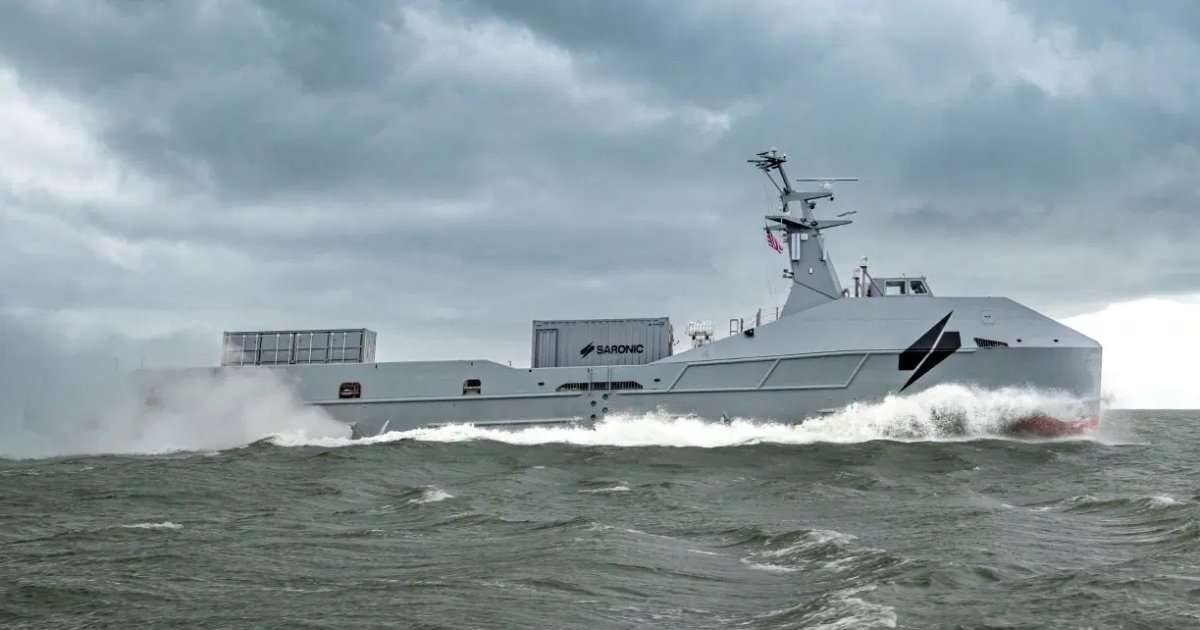 U.S. Navy Awards Production Agreements for 30 Medium Unmanned Surface Vessels, Including 10 Saronic Marauders
-
 Boeing Wins $20 Billion U.S. Navy Contract for F/A-XX Sixth-Generation Fighter
-
 Flydubai Flight to Israel Diverted to Saudi Arabia After Possible Attempted Terror Attack in Cockpit
-
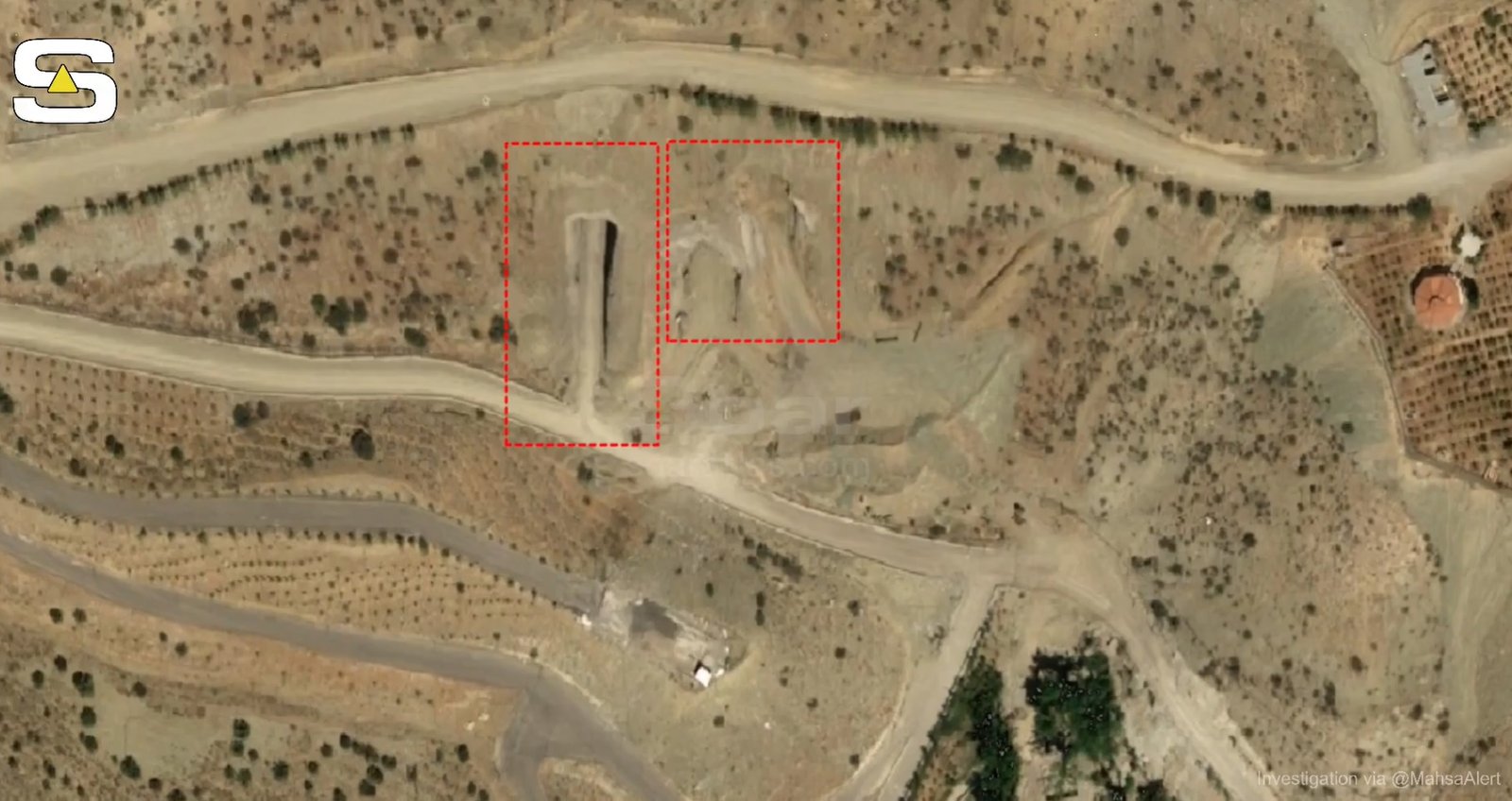 Satellite Imagery Shows Construction Changes at Hillside Site Linked to Iran’s Supreme National Security Council
-
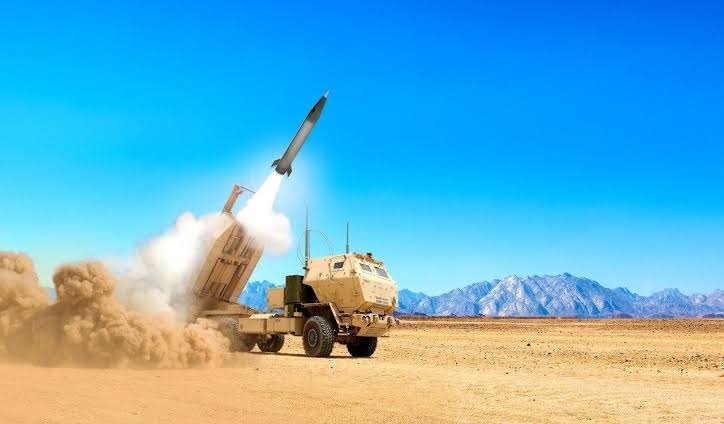 U.S. Army Selects Five Companies to Develop 1,000-Km Precision Strike Missile Prototypes
-
 NASA Adds Blue Origin’s Upgraded New Glenn 9×4 to Launch Services Contract
-
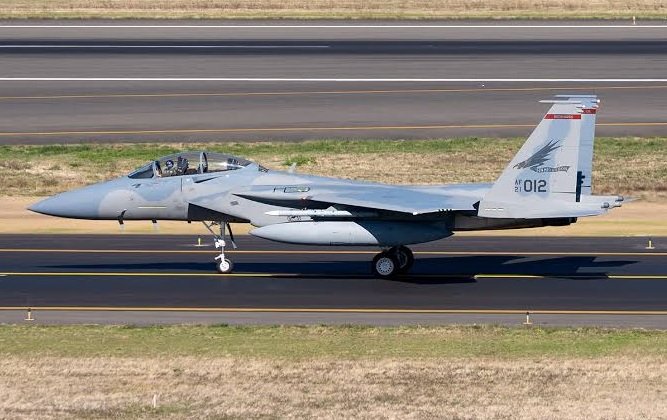 U.S. Air Force Awards Boeing $2.38 Billion Contract for 22 F-15EX Fighter Jets
-
 U.S. Army Awards Heaviside Industries $99 Million Contract for MOTH RF Spectrum Analyzers
Top Trending in 4 Days
-
 Russia Says Su-75 Checkmate Could Cost Just $25–30 Million, Flight-Hour Costs 6 Times Lower Than F-35
-
 China Reports First High-Orbit Refueling of BeiDou Satellite, but Tracking Data Raise Questions
-
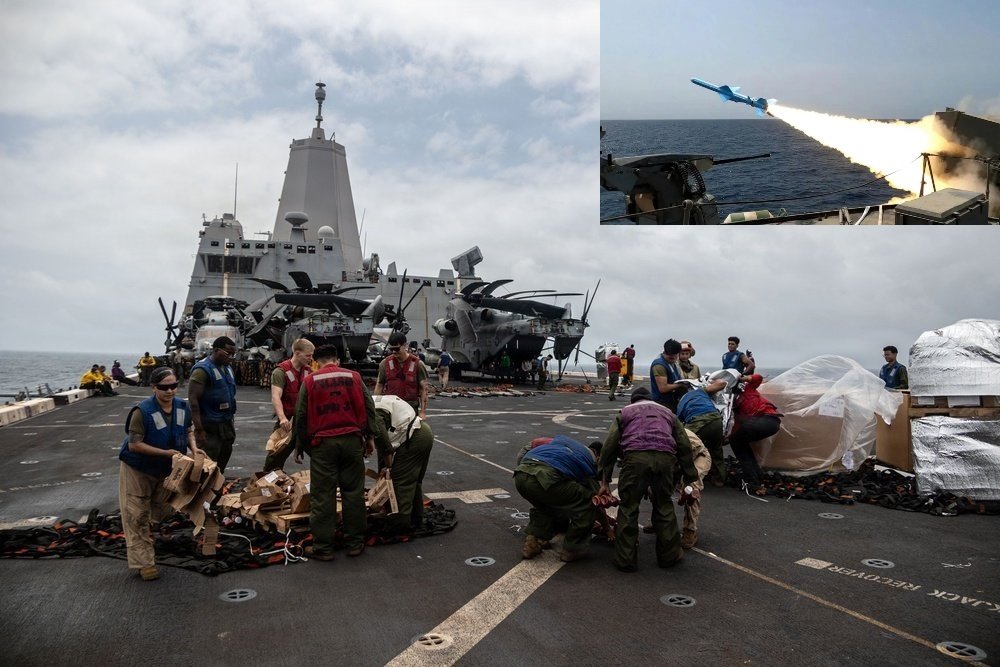 Eight U.S. Marines Injured in Iranian Missile Strike on U.S Vessel in Strait of Hormuz
-
 U.S. and Russia Remove Human-Review Rules From Draft UN AI Weapons Framework
-
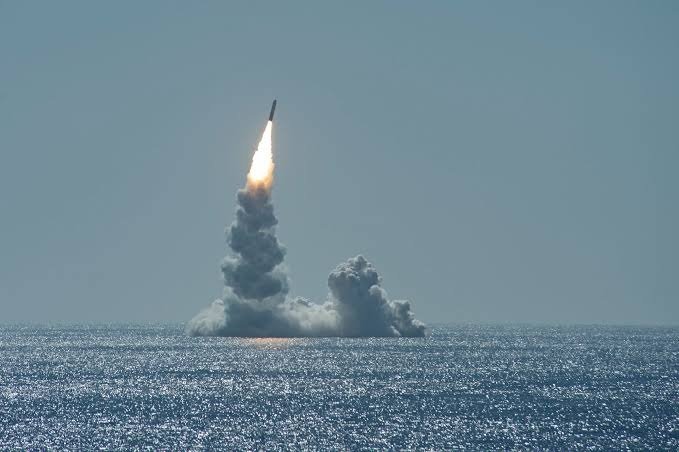 UK Offers Nuclear Deterrence for Its Northern European Defence Partners
-
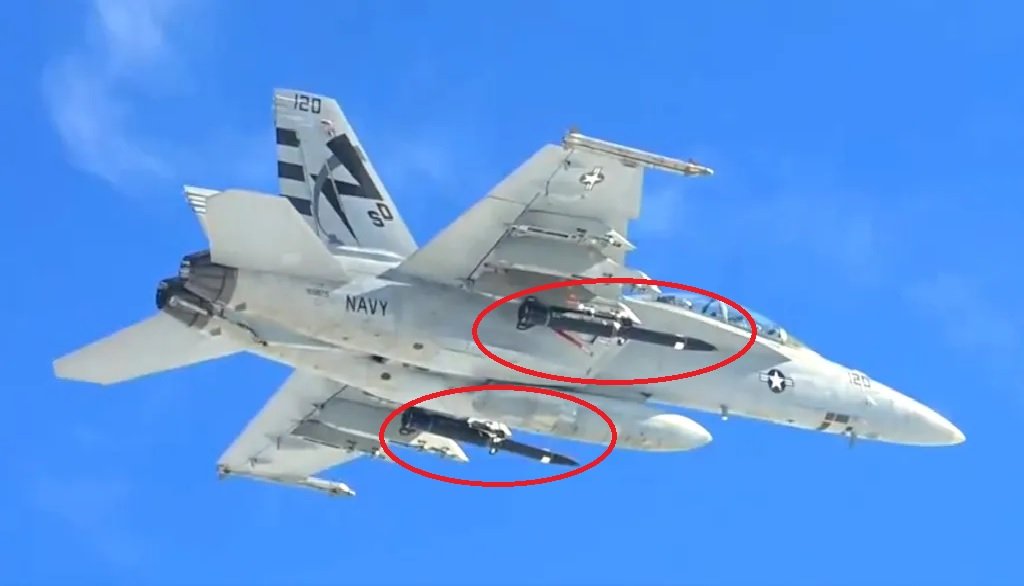 U.S. Navy Begins Flight Testing Blackbeard Hypersonic Missile on F/A-18 Super Hornet
-
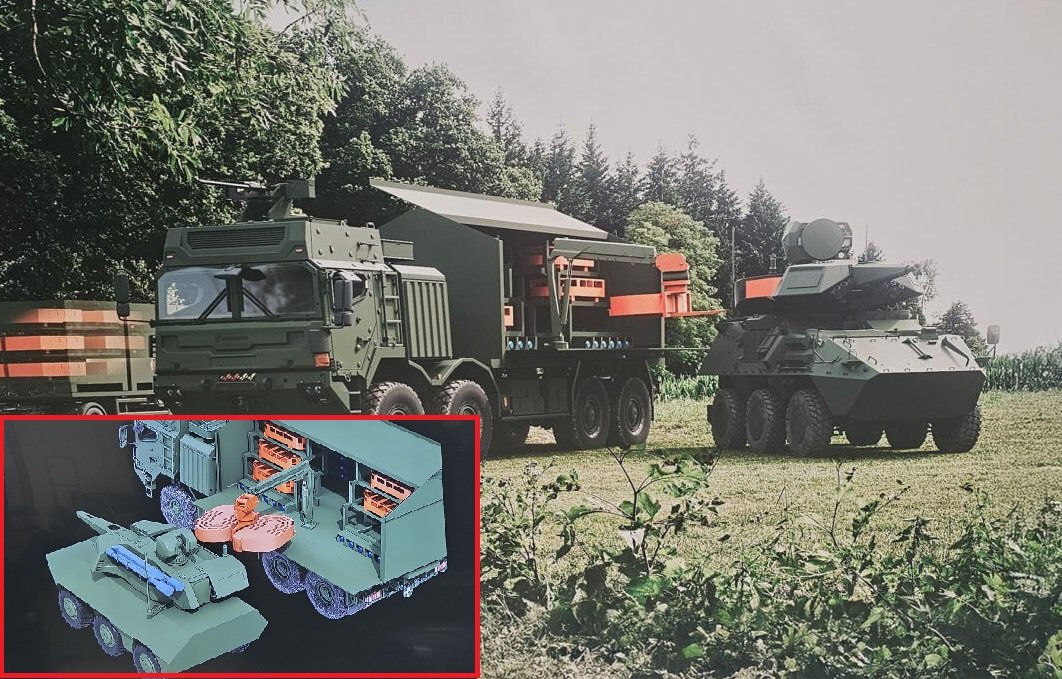 Rheinmetall Develops Automated Reloader for Austrian Skyranger Air Defense System
-
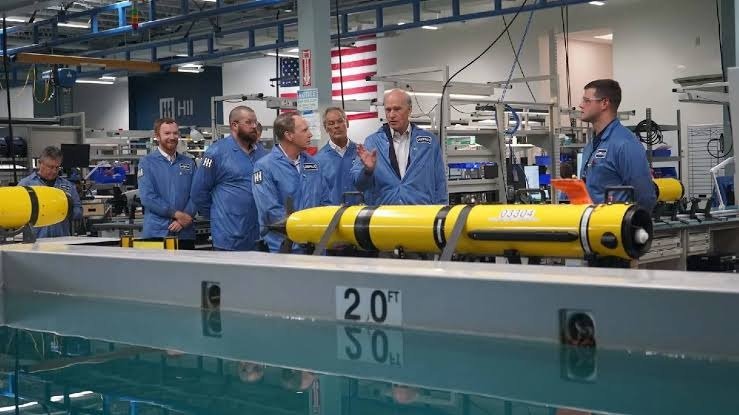 HII Expands Massachusetts Unmanned Systems Facility by 25 Percent to Support U.S. Navy Lionfish Production
